How to Adjust Techniques for Midday Fishing
We've all been there: you started your Oklahoma fishing trip bright and early, catching fish left and right, feeling like a seasoned pro. Then, the sun climbed high, the air grew still and scorching, and suddenly, the bites dried up. The frustration is real when midday hits, and it feels like every fish in the lake has vanished into thin air. But don't throw in the towel just yet! This guide is here to help you understand why midday fishing is so tough and, more importantly, how to adjust your techniques to turn those slow, sunny hours into productive ones, keeping you on the water and catching fish.
Why Midday Fishing Presents a Unique Challenge
Midday fishing isn't just "harder" – it's fundamentally different. The conditions that make those early morning or late evening bites so prolific disappear, forcing both fish and anglers to adapt. Understanding these shifts is the first step toward cracking the code of the noon hour.
The Impact of Sun and Heat on Fish Behavior
When the sun beats down relentlessly, it's not just uncomfortable for us; it significantly impacts fish. Most game fish are cold-blooded, meaning their body temperature mirrors the water around them. As surface waters heat up, fish naturally seek out cooler, more comfortable environments. This often means moving to deeper water where temperatures are more stable, or burying themselves in dense cover.
Think about it: just like you wouldn't want to stand in direct sunlight during the hottest part of the day, fish feel the same way. The intense light also penetrates deeper, making fish more visible to predators (and less keen to expose themselves) and impacting their vision. They become more sluggish, less active, and less willing to chase down a fast-moving lure. Their metabolism slows down, so they don't need to feed as aggressively or as often. This is why those fast-moving topwater baits that worked at dawn suddenly get ignored.
Increased Angler Pressure and Its Effects
Another factor often overlooked during midday is increased angler pressure. By noon, many boats have been buzzing around, loud voices have carried across the water, and countless lures have splashed down. This constant activity, especially in popular fishing spots, makes fish warier and more educated. They learn to associate certain sounds or shadows with danger.
Imagine you're trying to relax, and suddenly there's a constant stream of noisy tourists walking by your house. You'd probably retreat to the quietest part of your home, right? Fish do the same. They'll move to less accessible areas, deeper pockets, or more secluded cover where they feel safe from the commotion. This means those easily accessible points and shallow flats that were productive early on might now be barren because the fish have been spooked or simply moved on to escape the pressure. Being able to adapt to these conditions is crucial, much like understanding the general Oklahoma Fishing Seasons: A Month-by-Month Guide.
Water Temperature and Oxygen Levels
The combination of high temperatures and direct sunlight also affects water chemistry, specifically oxygen levels. Warm water holds less dissolved oxygen than cold water. While this isn't usually a major issue in well-aerated areas like flowing rivers or windy lakes, in stagnant coves or deep,thermally stratified reservoirs, it can play a role. Fish, especially larger ones, need adequate oxygen to thrive.
When oxygen levels drop or water temperatures become uncomfortably high, fish will seek out areas where conditions are more favorable. This could be near inflowing creeks, around springs, or again, in deeper, cooler water. A good fish finder with a temperature gauge can be an invaluable tool to locate these thermal breaks. Understanding how fish react to these environmental stressors is key to predicting their midday whereabouts and planning your approach. The fish are often still there; they've just moved to their comfort zones, which are typically harder for us to reach.
Adapting Your Lures and Baits for Midday Success
Once you understand why fish are behaving differently, the next logical step is to adjust your tackle. The fast, flashy presentations that worked in low light often won't cut it when the sun is glaring down. Midday fishing calls for a more nuanced approach, often involving slower, deeper, and more natural offerings.
Slower, More Subtle Presentations
When fish are lethargic and hunkered down in cover or deep water, they're less likely to chase a fast-moving bait. Instead, they prefer an easy meal that doesn't require much effort. This is where slower, more subtle presentations shine. Think about baits that can be worked painstakingly slowly, mimicking a wounded or dying prey item.
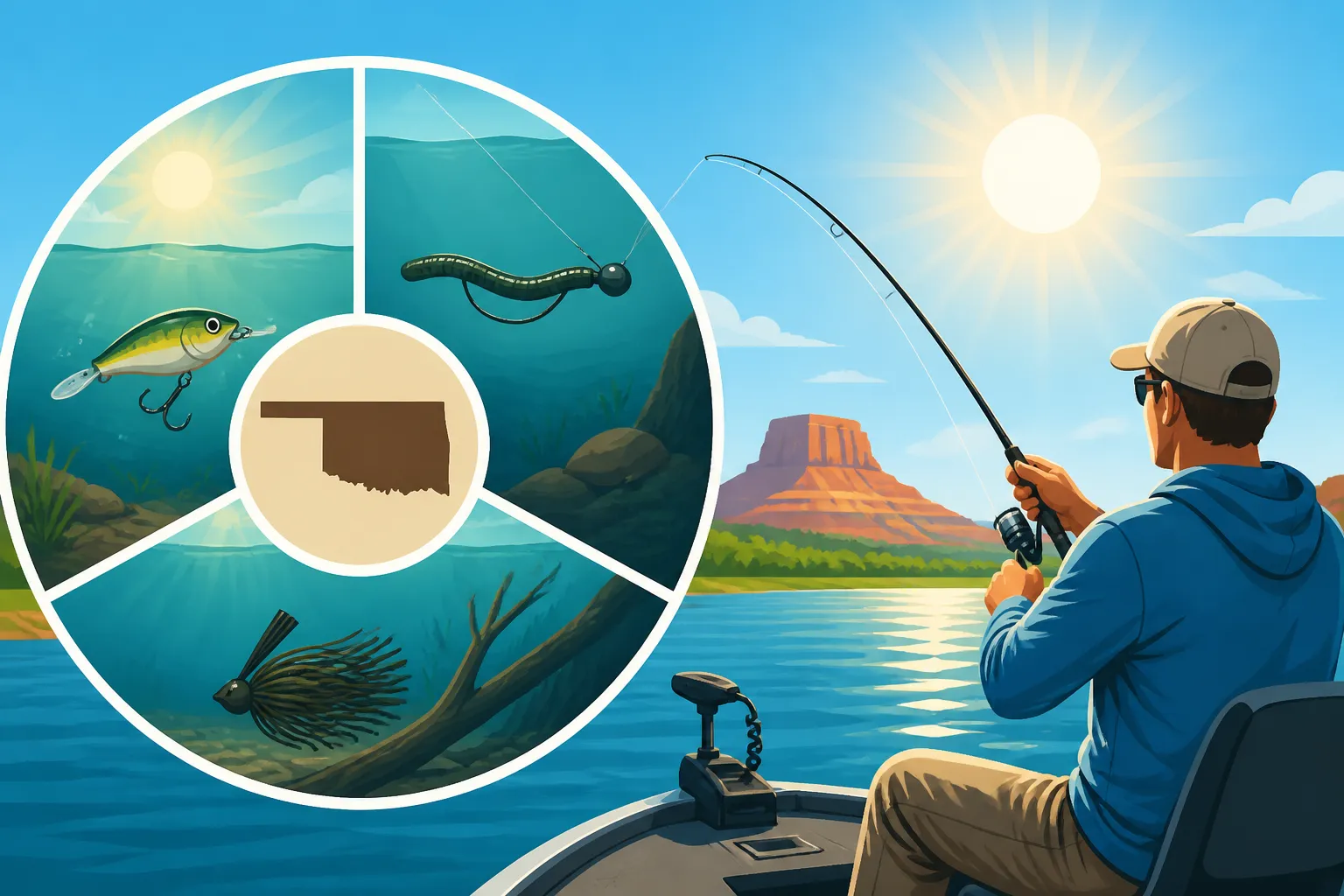
Jigs, Texas-rigged worms, and Carolina rigs are fantastic choices. For bass, a heavy jig allowed to slowly fall into a brush pile, or a worm dragged almost imperceptibly across a deep rock pile, can trigger a reaction strike from an otherwise inactive fish. Crappie often respond well to tiny jigs or minnows suspended under a bobber and allowed to drift lazily over a submerged brush pile. It’s all about putting the bait in their face and giving them plenty of time to decide if they want to eat it. Sometimes, just letting a bait sit motionless for several seconds after it hits the bottom can be the trick. Patience is truly a virtue here.
Deeper Diving and Heavier Lures
Given that fish often retreat to deeper, cooler water during the middle of the day, your lures need to be able to reach them effectively. This means putting away the shallow-running crankbaits and topwaters and opting for baits designed to plumb the depths. Deeper diving crankbaits, heavy jigs, and weighted plastics are your friends.
For bass, consider a crankbait that can reach depths of 15-20 feet or more, allowing it to "dig" into the bottom where bass might be holding. Heavier jigs, like a ½ ounce or ¾ ounce, will get down quicker and stay down better in current or wind. When looking for these specific deep-diving baits or heavier jigs, you can find a wide selection on retailers like Amazon, ensuring you have the right tools for the job. For walleye or striped bass, vertical jigging spoons or heavy swimbaits can be dropped directly onto schools of fish located with sonar. Don't be afraid to go heavier than you think you need; the goal is to get your bait into the strike zone efficiently and keep it there.
Natural Colors and Scents
In bright, clear midday conditions, fish tend to be more wary of artificial-looking baits. This is a great time to lean into natural colors and, when possible, add scent. Baits in natural forage colors like green pumpkin, watermelon, browns, and blacks can be more effective than flashy, bright patterns. If you're fishing for crappie, a small jig in a natural shad color or a live minnow is often irresistible.
Many anglers swear by adding scent to their soft plastics or jigs. These scents can mask human odor, attract fish from a distance, and encourage them to hold onto the bait longer, giving you more time to set the hook. For catfish, this is practically a given. When it comes to finding effective baits, you might explore various options on Amazon, especially if you're looking for specific colors or scented soft plastics. Live bait, of course, is the ultimate natural presentation and often outperforms artificials during tough midday bites. Earthworms, minnows, and shad can be deadly, especially when presented in a natural, unhurried manner.
Finding Fish in Their Midday Retreats
Knowing what baits to throw is only half the battle; you also need to know where to throw them. Fish aren't just going to be scattered randomly in the lake. They'll be concentrated in specific areas that offer comfort, safety, and potential ambush points during the harsh midday conditions.
Targeting Deep Water Structures
As mentioned, deeper water provides cooler temperatures and stable light conditions. This is often the primary midday refuge for many species. Look for deep structures like submerged humps, ledges, creek channels, and offshore rock piles. These areas provide vertical relief and different depth contours that fish can relate to.
Using your boat's electronics becomes critical here. A good fish finder can help you identify these structures and even spot schools of fish holding tight to them. Once you find a promising spot, experiment with different depths until you locate the "strike zone." This might mean dropping a Carolina rig down to 25 feet or slowly dragging a deep-diving crankbait along a submerged roadbed. Don't be afraid to fish areas that seem featureless on the surface; the real action is often hidden beneath. Mastering techniques for How to Fish Deep Structure for Bass in Summer can make all the difference.
Exploiting Shade and Overhead Cover
Even in shallow water, fish will seek shade to escape the sun's glare and heat. Look for areas with overhead cover such as docks, boat houses, fallen trees (laydowns), thick vegetation mats, and bridge pilings. These spots provide a canopy that blocks the sun, creating cooler, darker zones where fish feel secure.
Flipping and pitching soft plastics or jigs into these tight spots can be incredibly effective. The key is to present your bait quietly and accurately, penetrating the cover without spooking the fish. Sometimes, fish will suspend just under the shade, ready to ambush anything that swims by. For bank anglers, fishing under bridges or near large overhanging trees can provide excellent midday opportunities. Remember that even a small patch of shade can hold a surprising number of fish.
Rivers and Moving Water Opportunities
If you're fishing a river or an impounded river system, moving water can offer a significant advantage during midday. Flowing water is typically better oxygenated and often slightly cooler than stagnant lake water. Fish will orient themselves to current breaks, behind rocks, or along current seams to conserve energy while waiting for food to drift by.
Look for areas where the current slows down, creating eddies or slack water pockets. Deep holes and bends in the river can also hold fish. When fishing rivers, consider species like catfish, which are often active regardless of the sun, or smallmouth bass, which thrive in current. Presenting baits that imitate natural forage drifting in the current, such as jigs, crankbaits, or live bait, can be highly productive. These moving water spots can be a refreshing change of pace when lake fishing gets tough under the high sun.
Specialized Techniques for Different Species
Different fish species react to midday conditions in their own ways. What works for bass might not be ideal for crappie, and vice versa. Knowing these species-specific nuances will further refine your midday strategy.
Bass Tactics When the Sun is High
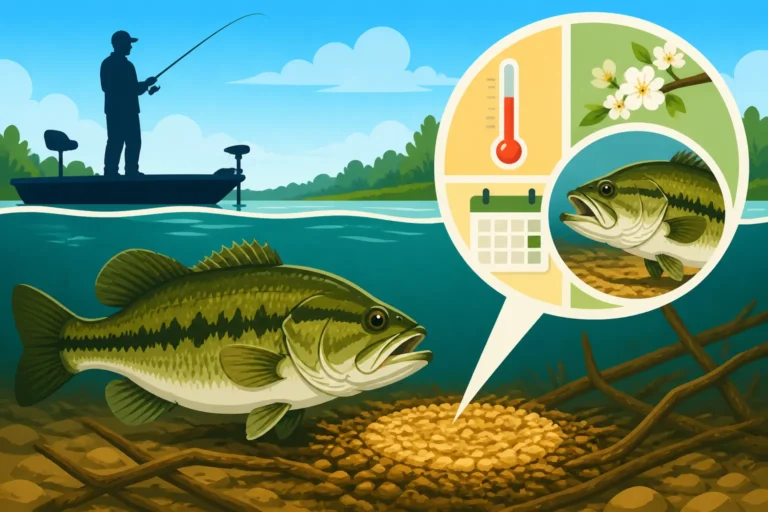
Largemouth bass, in particular, become notoriously difficult when the sun is directly overhead. They’ll often retreat to the thickest cover they can find or drop to deeper ledges. Your tactics need to be precise and patient.
- Heavy Jigs and Soft Plastics: Pitch or flip heavy jigs (like a ½ ounce or ¾ ounce football or skipping jig) and Texas-rigged or Carolina-rigged creature baits into dense cover. Think brush piles, laydowns, deep grass lines, and under docks. Let the bait fall slowly, then work it with subtle twitches. The idea is to make the fish come to you, not chase. You might be surprised at the difference a slightly heavier weight can make in getting your bait through the canopy and to the waiting bass.
- Deep Cranking: If bass are holding on offshore humps or deep ledges, a deep-diving crankbait can be deadly. Choose models that dive to the depth where you're marking fish and retrieve them slowly, allowing them to bounce off the bottom or structure. This deflection can often trigger a reaction strike.
- Dropshotting: For suspended bass or those holding tightly to subtle structure in clear water, dropshotting is a finesse technique that excels. It allows you to present a small plastic worm or creature bait right at their eye level, keeping it in the strike zone for an extended period. This is especially effective if you're targeting smallmouth or spotted bass in clearer lakes, as these fish can be extremely wary.
- Don't Forget the Shade: If you find a promising patch of shade, whether it's under a bridge, a dock, or an overhanging tree, target it with a soft plastic worm or jig. Skipping a jig under a dock is a high-percentage cast during these times. Learning the nuances of Best Bass Lures for Summer Fishing can significantly improve your catch rates.
Crappie Strategies for the Noon Hour
Crappie also go deep or seek heavy cover during midday. They school up tightly, making them a fun target once you locate them.
- Vertical Jigging: This is often the most effective method for midday crappie. Use your electronics to find brush piles, submerged trees, or ledges where crappie are schooling. Once you mark them, position your boat directly over the school and vertically jig small marabou jigs, tube jigs, or live minnows. The key is to keep your bait at the exact depth where the fish are holding.
- Spider Rigging: For boat anglers, spider rigging (using multiple rods with baits suspended at various depths) can cover a lot of water and help you find the crappie's preferred depth. Slowly troll over known crappie haunts.
- Docks and Bridge Pilings: Crappie love to suspend under docks and around bridge pilings, especially those with brush piles beneath them. Cast small jigs or minnows under these structures and let them slowly fall. If you're on the bank, these are prime spots.
- Shallow Cover (Early Summer): In early summer, crappie might still be found in dense shallow cover like lily pads or thick hydrilla, especially if there's an overhead canopy. Work a small jig or beetle spin through these areas. For more tips on what to use, check out our guide on Best Bait for Crappie in Oklahoma.
Catfish: A Reliable Midday Option
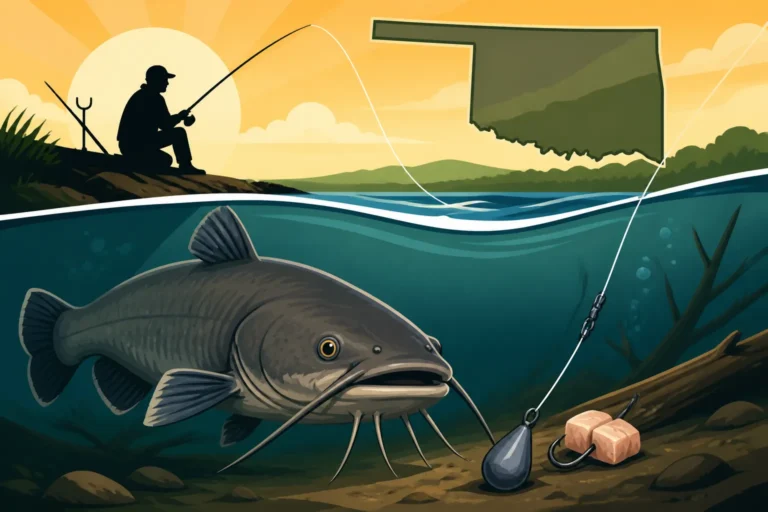
If bass and crappie are proving to be too finicky, turn your attention to catfish. Channel, blue, and flathead catfish are often less affected by direct sunlight and heat, making them a reliable target throughout the day.
- Bottom Fishing: Catfish are bottom dwellers, and midday is an excellent time for traditional bottom fishing. Use a slip-sinker rig with your bait presented on the bottom. Look for deeper channels, holes, and areas with current breaks in rivers, or deep flats and creek channels in lakes.
- Stink Baits and Cut Bait: Catfish have an incredible sense of smell, and they'll follow a scent trail even when they're not actively cruising. Stink baits, punch baits, and cut bait (especially shad or carp) are highly effective. For flatheads, live bait like perch or sunfish is usually preferred. You can find a huge variety of specialized catfish baits and rigs on Amazon, making it easy to stock up.
- Trotlines and Juglines: For those who enjoy passive fishing, midday is a great time to set trotlines or juglines, especially for blue and channel catfish. Just be sure to check the regulations for your specific body of water regarding these methods.
- Shaded Areas: While they tolerate sun better than other species, catfish will still often congregate in shaded areas or deep cover. Targeting the downstream side of brush piles, log jams, or under docks in deeper water can produce results. Consider how their feeding habits make them an ideal target by exploring Best Catfish Bait for Summer Fishing.
No matter what species you're chasing, the key to midday fishing in Oklahoma is adaptability. Don't stick with what worked at dawn if it's not producing now. Be willing to change your location, your depth, your lure, and your retrieve. The fish are still there; you just need to meet them where they're at.
Here's a quick reference table for common midday adjustments:
| Challenge / Species | Common Midday Behavior | Technique Adjustments | Preferred Baits/Lures |
|---|---|---|---|
| High Sun & Heat | Retreat to deep water or dense shade | Slow down, fish deeper, target cover and structure | Jigs, Carolina Rigs, Deep Crankbaits, Live Bait |
| Wary Fish (Pressure) | Less aggressive, spooky | Finesse presentations, natural colors, quiet approach | Dropshots, Wacky Rigs, Small Jigs, Scented Soft Plastics, Live Minnows |
| Largemouth Bass | Hunker down in heavy cover or deep ledges | Flip/pitch jigs/plastics, deep cranking, dropshotting | Heavy Jigs, Texas/Carolina Rigs, Deep Diver Crankbaits, Senkos, Creature Baits |
| Crappie | School tightly in brush piles/deep cover | Vertical jigging, spider rigging, target docks/bridge pilings | Small Jigs (marabou, tube), Live Minnows, Small Spinnerbaits |
| Catfish | Active on bottom, less affected by sun | Bottom fishing, trotlines/juglines, target deep holes/current breaks | Stink Bait, Punch Bait, Cut Bait (shad), Live Perch/Sunfish (for flatheads) |
Disclaimer
This article is for general informational purposes only and does not constitute professional advice. Laws, prices and regulations vary by location and change over time. Consult a qualified professional for guidance on your specific situation.