Kayak Fishing Gear Every Oklahoma Angler Needs
Getting out on the water in Oklahoma to chase bass, crappie, or catfish is a dream for many, but the thought of owning and maintaining a big boat can be a real headache, not to mention a serious dent in your wallet. Kayak fishing offers an incredibly accessible and personal way to explore our state's incredible fisheries, from hidden coves on massive reservoirs to serene stretches of smaller rivers. This guide is dedicated to helping you understand all the essential gear you'll need to hit Oklahoma's waters safely and effectively in your fishing kayak, ensuring your adventures are well-equipped and enjoyable.
The Kayak Advantage and Essential Safety Gear
Kayak fishing has exploded in popularity across Oklahoma, and for good reason. It offers a unique blend of solitude, stealth, and access that traditional powerboats just can't match. However, with that freedom comes a responsibility to be prepared, especially regarding safety.
Why Kayak Fishing is Booming in Oklahoma
There's a special kind of peace that comes with gliding silently across a glassy lake at dawn, propelled only by your paddle, or drifting down a gentle river, casting into every promising bend. Kayak fishing taps into that primal connection with nature, and Oklahoma's diverse waterways provide the perfect playground. Anglers are constantly frustrated by crowded boat ramps, expensive fuel costs, and the sheer logistics of trailering and maintaining a large vessel. Kayaks cut through a lot of that friction. You can often launch from spots inaccessible to bigger boats, slip into skinny water where trophy fish hide, and enjoy a much more intimate fishing experience. The lower cost of entry, minimal maintenance, and ease of transport are huge draws. For many, it's about getting back to basics and enjoying the purest form of fishing. Whether you're targeting chunky largemouth in the shallow hydrilla of Lake Eufaula or navigating the quiet waters for crappie, a kayak opens up a world of possibilities.
However, it's not without its trade-offs. You're more exposed to the elements, space is at a premium, and you won't be covering vast distances in a hurry. Hauling a heavy kayak can also be a challenge if you don't have the right system. But for many Oklahoma anglers, the pros far outweigh the cons, leading to a vibrant and growing kayak fishing community.
Non-Negotiable Safety Gear for Kayak Anglers
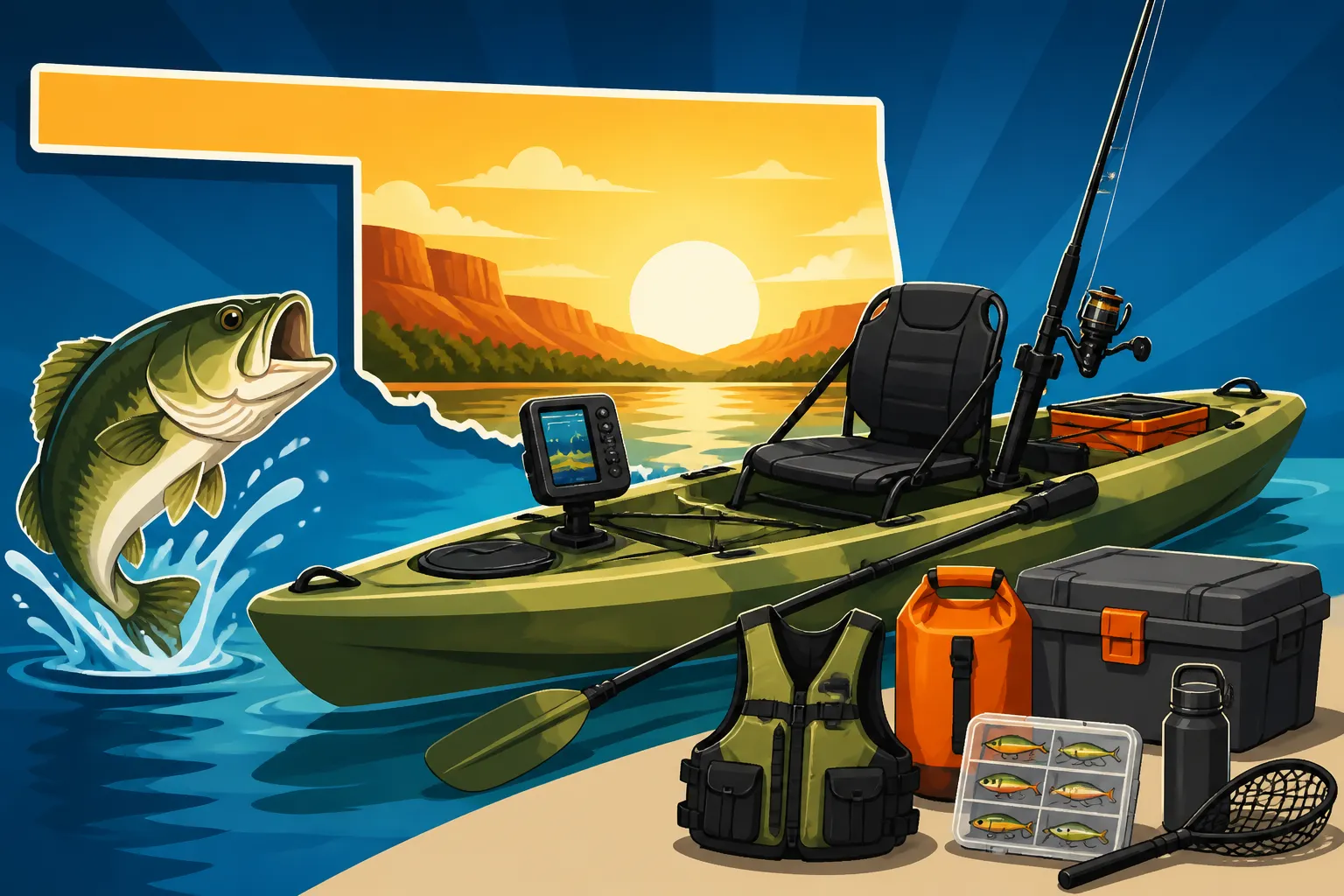
When you're out on the water in a kayak, you're the captain, and safety is entirely in your hands. This isn't just about following the rules; it's about protecting yourself and being prepared for the unexpected. The most crucial piece of gear, without a doubt, is a Coast Guard-approved life jacket, also known as a Personal Flotation Device (PFD). In Oklahoma, if you're 12 years old or younger, you must wear a life jacket at all times on any vessel, including a kayak. While adults aren't legally required to wear one constantly, you absolutely must have one readily available for every person on board. I always recommend wearing it, regardless of age or skill level. A sudden capsize, an unexpected wake from a passing boat, or even just losing your balance can send you into the water in an instant, and scrambling for a life jacket at that moment is often too late. Checking out resources like Are Adults Required to Wear a Life Jacket on an Oklahoma Boat? and Do You Need a Life Jacket in a Kayak in Oklahoma? can give you a deeper understanding of these vital regulations.
Beyond your PFD, consider other essentials. A loud whistle or other sound-producing device is required by law and crucial for alerting others to your presence or signaling for help. A bright, visible flag (often called a "safety flag" or "kayak flag") mounted high on your kayak makes you much more noticeable to powerboats, especially in choppy water or low light. If you're planning to be out during dawn, dusk, or at night, a 360-degree white light is not just a good idea, it's legally mandated in many situations to ensure you're seen. Always carry a dry bag with your phone, keys, and any essential medication. An emergency paddle, attached to your kayak, is also a smart move in case your main paddle gets lost or damaged. Think about what you'd need if you unexpectedly found yourself in the water or stranded, and pack accordingly.
Kayak Selection and Basic Outfitting
Choosing the right kayak is where your personal fishing style and the types of water you plan to explore really come into play. It's not a one-size-fits-all decision, and the initial outfitting will make a huge difference in your comfort and control.
Choosing the Right Fishing Kayak for Oklahoma Waters
Oklahoma's fishing landscape is incredibly diverse, from the vast, windswept expanse of Lake Texoma to the narrow, winding stretches of the Illinois River, and serene farm ponds tucked away in rural areas. This variety means that the "best" fishing kayak is highly subjective. When you're looking for a kayak, consider a few key factors:
- Sit-on-Top vs. Sit-inside: For fishing, most Oklahoma anglers opt for sit-on-top (SOT) kayaks. They're generally more stable, easier to get in and out of (especially if you need to stand up to cast or stretch), and self-bailing, meaning water drains through scupper holes. Sit-inside kayaks can be faster and offer more protection from the elements but are less ideal for active fishing.
- Stability: This is crucial. A wider kayak with a flatter hull provides more primary stability (how stable it feels when sitting still) but might be slower. A narrower kayak will be faster but less stable. Many fishing kayaks are designed with excellent secondary stability, meaning they feel tippy initially but are surprisingly hard to flip once you lean into the edge. If standing to fish is important to you, prioritize models known for their stand-up stability.
- Length: Longer kayaks generally track straighter and are faster, making them great for covering distance on big lakes like Grand Lake or Lake Eufaula. Shorter kayaks are more maneuverable, perfect for navigating tight creeks, brushy coves, or smaller ponds. For an all-around option suitable for many Oklahoma reservoirs, a kayak in the 12-14 foot range is often a good compromise.
- Propulsion: While most kayaks are paddle-powered, pedal-drive kayaks have gained immense popularity for hands-free fishing. They allow you to maintain position or troll while casting, a huge advantage in windy conditions or when fighting a fish. Some kayaks are even designed with transom mounts for small electric trolling motors, offering another level of versatility.
Before you make a purchase, try to demo different models if possible. What feels great in a showroom can be very different on the water. Bass Pro Shops and other local outfitters often have demo days or rental programs where you can test different kayaks to see what fits your needs best. You can also explore options like the Best Kayak for Fishing Oklahoma Reservoirs for specific recommendations.
Must-Have Kayak Accessories for Comfort and Control
Once you've got your kayak, a few key accessories will transform it from a basic boat into a comfortable, efficient fishing machine. Think of these as the foundation for long, enjoyable days on the water.
Firstly, a good paddle is paramount. Don't skimp here! A lightweight, properly sized paddle will reduce fatigue and make your time on the water much more enjoyable. Carbon fiber or fiberglass paddles are lighter than aluminum and can make a huge difference over a full day of paddling. The length of your paddle depends on your height and the width of your kayak. A local outdoor store or an online retailer like Amazon can help you find the right size. Check out Best Kayak Paddle for All Day Fishing Trips for more detailed guidance on selecting one.
Next up, a comfortable seat can be a game-changer. Many stock kayak seats are basic, and upgrading to an aftermarket seat with better back support and padding can greatly extend your time on the water without discomfort. Some premium fishing kayaks come with stadium-style seats that are elevated and extremely comfortable. If your kayak doesn't have one, consider adding a comfortable cushion or an elevated frame seat.
An anchor system is also essential, especially in Oklahoma's often windy conditions. A small drag chain or a compact folding anchor (typically 1.5-3 lbs) paired with a good anchor trolley system allows you to easily deploy and retrieve your anchor from either the bow or stern, helping you hold position over a brush pile or against a current. Without an anchor, you'll spend more time paddling and less time fishing. Understanding your Kayak Anchor Setup for Fishing Oklahoma Lakes is key to staying put when the fish are biting. You'll also want to consider a proper net – one with a rubberized mesh is best for protecting fish and preventing hooks from getting tangled.
Rods, Reels, and Tackle for Kayak Fishing
Space is a premium in a kayak, so thoughtful selection and organization of your rods, reels, and tackle are crucial. You want to be efficient and prepared without being cluttered or overloaded.
Optimizing Your Rod and Reel Setup for Kayak Use
When you're crammed into a kayak, every inch matters. Long, cumbersome rods can be a nightmare to manage, especially when casting or fighting a fish. Most kayak anglers opt for slightly shorter rods, generally in the 6'6" to 7'6" range, which provide enough leverage for casting and fighting fish without being unwieldy in the limited space. A medium-heavy spinning or baitcasting rod is a versatile choice for many Oklahoma species, allowing you to cast a variety of lures and handle most fish you'll encounter. For specific techniques, like crappie fishing with jigs, a lighter, more sensitive rod might be preferred. Think about the dominant species you'll target and choose accordingly. For example, if you're chasing the big bass in Oklahoma, a stout baitcasting setup with 15-20 lb fluorocarbon or braided line might be your go-to.
Reel selection should prioritize durability and smooth operation. Saltwater-rated reels, even if you're only fishing freshwater, often offer better corrosion resistance and a smoother drag system that can withstand constant use. Consider the retrieve ratio based on your preferred lures and techniques. For slow-rolling crankbaits or jigs, a slower gear ratio might be ideal, while burning spinnerbaits or topwater lures calls for a faster retrieve. A balanced Best Rod and Reel Combo for Crappie Fishing will feel comfortable in hand and make those long casts and retrieves effortless. Always keep your rod and reel combos securely stowed when moving, using bungee cords or specialized rod holders to prevent them from accidentally going overboard.
Smart Tackle Management in a Confined Space
The biggest challenge in kayak fishing is typically tackle management. You can't bring everything but the kitchen sink like you might in a bass boat. This forces you to be strategic and organized. A kayak crate or a custom-built PVC rod holder system is almost universally adopted by kayak anglers. These crates, often milk crates or specially designed fishing crates, fit perfectly behind your seat and provide vertical storage for multiple rods, as well as a centralized spot for tackle boxes, soft plastics, and other essentials. You can customize them with additional rod holders, tool holders, and even a small bait bucket. This keeps your gear consolidated and easily accessible without cluttering your limited deck space. Many excellent examples can be found and purchased on platforms like Amazon or at your local Bass Pro Shops. You can learn more about these setups with guides like Best Kayak Crate Setup for Tackle Storage.
Beyond the crate, consider compact, waterproof tackle boxes. Clear boxes are excellent as they allow you to quickly see what's inside without opening every lid. Soft-sided tackle bags with waterproof zippers are also a great option for storing extra plastics or a small first-aid kit. Always secure anything you don't want to lose to your kayak with leashes or bungee cords. Pliers, line cutters, and other essential tools should be kept on lanyards or in easily accessible holders on your PFD or seat frame. When every movement counts, having your tools within arm's reach is critical.
Navigation, Electronics, and Advanced Kayak Gear
As you grow more comfortable with kayak fishing, you'll likely start thinking about adding some technological enhancements to improve your success and safety. From knowing where you are to finding where the fish are hiding, modern electronics have a place even on the smallest vessels.
Essential Navigation and Communication Devices
Even on familiar waters, having reliable navigation and communication tools is crucial. While many of us rely on our smartphones, they aren't always robust enough for the rigors of a fishing trip. A dedicated GPS unit (many fish finders now include excellent GPS mapping capabilities) is invaluable for marking waypoints like brush piles, submerged timber, or productive humps. It helps you navigate safely, especially on large reservoirs like Keystone Lake or Fort Gibson, and guides you back to your launch point, even in fog or darkness. Many apps also offer detailed lake maps for your phone, but be sure your phone is protected.
Speaking of phones, waterproof phone cases or dry bags are non-negotiable. You need your phone for emergencies, checking weather radar, and, let's be honest, snapping pictures of your trophy catches. A fully submersible, floatable case provides peace of mind. For more extensive communication, especially on larger, more remote lakes, a VHF marine radio is a smart investment. It allows you to communicate with other boats and contact emergency services, which a cell phone might not do in areas with spotty reception. It's also vital to monitor weather forecasts. Oklahoma weather can change rapidly, and being caught in a sudden storm in a kayak is a dangerous situation. Having a reliable weather app on a protected device is an absolute must.
Fish Finders and Trolling Motors for Kayak Anglers
The days of needing a massive powerboat to enjoy cutting-edge fish-finding technology are long gone. Compact, portable fish finders are a game-changer for kayak anglers. These units, often featuring CHIRP sonar, Down Imaging, and Side Imaging, can be mounted directly to your kayak, giving you a clear picture of what's beneath and around you. They help you identify structure, locate schools of baitfish, and spot those elusive trophy bass. When choosing a kayak fish finder, look for battery efficiency, a bright, clear screen, and transducer mounting options that fit your kayak model. Many units now offer built-in GPS mapping, further enhancing their utility. You can read more about selecting the right unit in articles like Best Kayak Fish Finder for Oklahoma Reservoirs.
For those who want to cover more water or maintain precise speeds for trolling, kayak-specific trolling motors are an incredible addition. These compact electric motors attach to the bow, stern, or side of your kayak and are powered by a small marine battery. They allow for hands-free propulsion, conserving your energy for fishing. When considering a trolling motor, pay attention to thrust (usually 30-55 lbs for kayaks), battery life, and ease of installation and control. Some advanced models offer GPS anchoring, allowing your kayak to hold position automatically, which is a dream come true for targeting specific structure. Remember to factor in the weight of the battery and motor, and ensure your kayak can handle the added load safely.
Launching, Landing, and Transportation Tips
One of the big appeals of kayak fishing is its supposed simplicity, but getting your kayak to and from the water, and managing it once you're there, still requires some thought. Proper preparation here can prevent frustration and even injury.
Getting Your Kayak to and From the Water
The ease of transporting and launching your kayak is a huge part of its appeal. For many, simply tossing it in the back of a truck or strapping it to a roof rack is enough. However, as kayaks grow in size and weight (especially pedal-drive models, which can be over 100 pounds), you'll appreciate some dedicated gear. A kayak cart or dolly is a lifesaver, allowing you to easily roll your boat from your vehicle to the water's edge, even across rough terrain. This is especially useful at public boat ramps or shore fishing access points where parking might be a distance from the water. Look for durable wheels that can handle sand, gravel, and uneven paths.
For vehicle transport, a roof rack system with specialized kayak cradles or saddles is ideal for securely carrying your kayak on top of your car or SUV. Make sure to use strong, cam-buckle straps to cinch it down tightly, and always add bow and stern lines for extra security, especially when driving at highway speeds. If you have a truck, a bed extender can safely support longer kayaks that overhang the tailgate. Always consider the length and weight of your kayak relative to your vehicle and physical capabilities. You don't want to strain your back before you even cast a line. The simplicity of a kayak should extend to its transport; otherwise, you might find yourself leaving it at home more often than you'd like.
On-the-Water Considerations for Kayak Fishing
Once you're on the water, managing your kayak effectively can mean the difference between a relaxing day and a frustrating battle against the elements. One of the biggest factors in Oklahoma is wind. Our lakes can get quite breezy, and a kayak is essentially a sail. This is where an anchor system really shines, as discussed earlier. Being able to quickly deploy and retrieve your anchor allows you to hold your position over a prime fishing spot without constantly paddling. However, always be mindful of dragging anchors in strong currents or over delicate habitat.
Learning how to control your drift is another critical skill. Using a drift sock or a small sea anchor can slow your kayak's movement in windy conditions, allowing you to fish a long stretch of structure more thoroughly. Practice paddling techniques to efficiently move, turn, and back up your kayak. Understanding how to use your paddle as a rudder or for quick course corrections will make you a more confident and effective angler. Entering and exiting your kayak, especially from the bank or a low dock, also takes practice. Always check for submerged obstacles and maintain three points of contact if possible. You'll find yourself needing to master this when exploring bank access points like those mentioned in Bank Fishing Gear vs Boat Fishing Gear.
Finally, be aware of other boaters. On busy lakes, large powerboats can create significant wakes that can be challenging for a kayak. Always turn your kayak to face incoming wakes head-on at a slight angle (about 45 degrees) to ride over them smoothly. Stay visible, adhere to all navigation rules, and give larger vessels plenty of space. Being prepared for these realities will ensure your kayak fishing adventures in Oklahoma are as safe and productive as possible.
Disclaimer
This article is for general informational purposes only and does not constitute professional advice. Laws, prices and regulations vary by location and change over time. Consult a qualified professional for guidance on your specific situation.