How to Anchor Up for Catfish Fishing
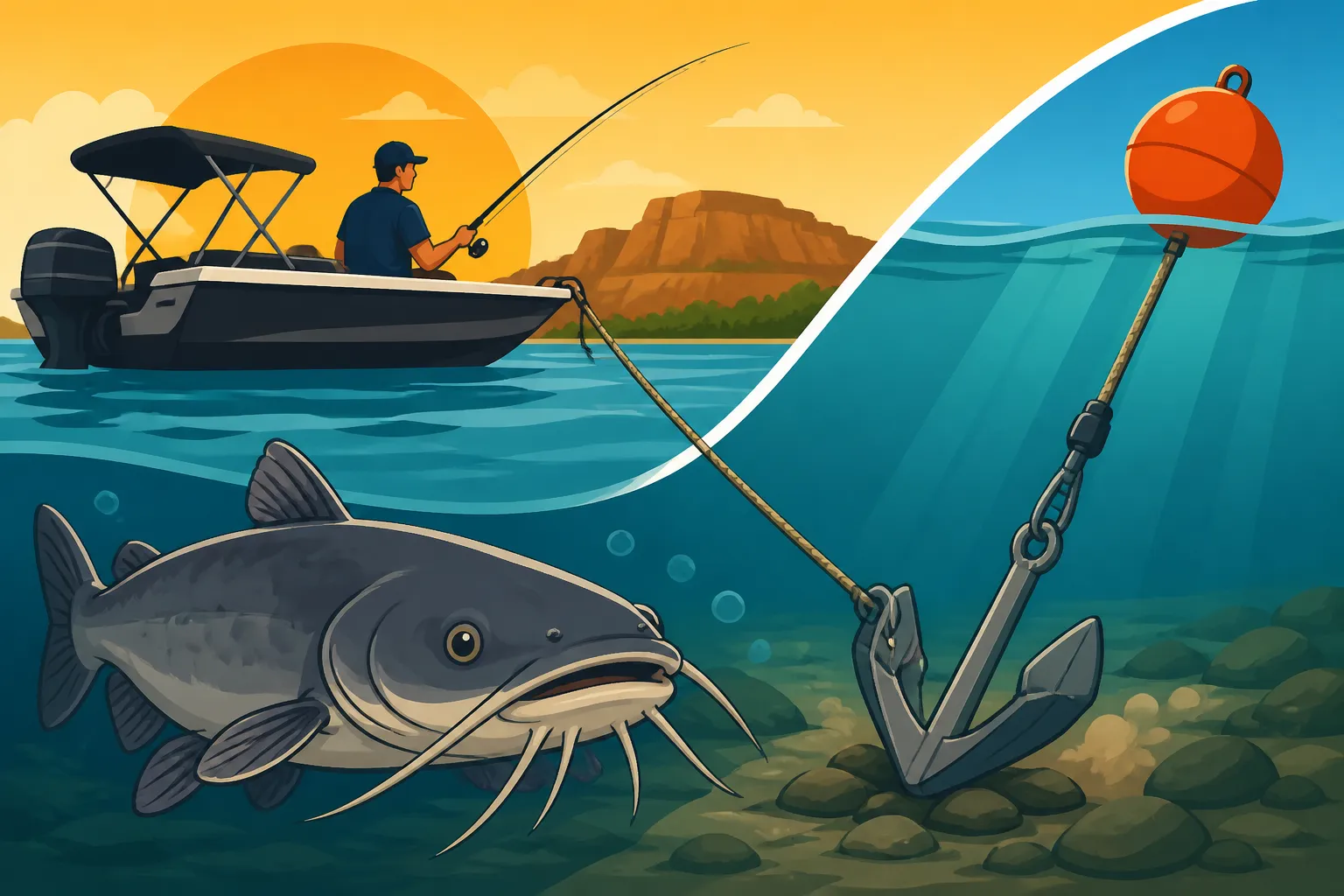
There's nothing more frustrating than finally finding that perfect catfish hole, getting your lines in the water, and then feeling your boat slowly but surely drift away. You work so hard to locate those fish, whether they're channel cats in a river bend or a monster blue in a deep lake trench, and losing your position can mean losing the bite. This guide is all about helping you keep your boat locked onto those prime spots, sharing everything you need to know about anchoring up effectively for successful catfish fishing in Oklahoma.
Why Holding Your Spot is Crucial for Oklahoma Catfishing
Catfish, bless their whiskered hearts, are often creatures of habit, or at least creatures of structure and current. They'll congregate around underwater humps, submerged timber, channel edges, or in specific current breaks. The problem is, these sweet spots are often very small. Drifting even a few yards can take your bait out of the strike zone and drastically reduce your chances of a hook-up.
The Pain of Drifting Off the "X"
Think about it: you've spent time scouting, perhaps using your fish finder to locate a subtle depth change or a school of baitfish holding over a snag. You drop your baits, feeling confident. Then, a few minutes later, you look up and realize you're twenty feet to the left, and your lines are dragging over a featureless mud flat. It happens to the best of us, especially on big, windy reservoirs like Lake Texoma or in the strong currents of the Arkansas River. That constant struggle against the wind or current, trying to keep your boat positioned, takes away from the enjoyment of fishing. It makes it hard to focus on your rod tip, on subtle bites, or just relaxing and enjoying the beautiful Oklahoma scenery. A good anchoring strategy frees you up to fish, not just fight the elements.
Positioning for the Best Bite
Effective anchoring isn't just about staying still; it's about staying still in the right place. Catfish often prefer specific depths or current breaks. For instance, when you're targeting blue catfish on a deep river channel, you might want your baits right on the lip of a drop-off. If you're constantly drifting, you're constantly moving your baits off that prime target. By anchoring precisely, you maximize the time your bait spends in front of the fish. It also allows you to effectively employ various Catfish Fishing Techniques for Oklahoma Anglers, such as setting multiple lines with different baits at varying depths, knowing they'll stay put. You can really dial in your presentation without worrying about repositioning every five minutes.
Choosing the Right Anchor for Your Catfishing Adventures
Oklahoma's diverse waterways, from the vast open waters of Grand Lake O' the Cherokees to the snag-laden rivers, demand different anchoring solutions. There isn't a one-size-fits-all answer, but understanding the common types will help you make an informed choice.
Anchor Types for Various Bottom Conditions
The bottom composition where you fish for catfish will largely dictate the best anchor choice.
- Fluke (Danforth) Anchor: This is a very common anchor, and for good reason. It has two large, flat flukes that dig into soft bottoms like mud or sand. If you're fishing a lot of sandy lake bottoms or silty riverbeds, a fluke anchor can get excellent holding power. They're generally lightweight and easy to store, making them a popular choice for many anglers. However, in rocky conditions or heavy weeds, they might struggle to set properly. You can find a wide variety of sizes and designs on sites like Amazon.
- River Anchor (Grapnel or Mushroom): River anchors, often shaped like a mushroom or a multi-pronged grapnel, are designed to dig into soft mud or sand, and their weight helps them hold in current. The folding grapnel type is particularly good for snagging onto rocks, stumps, or other underwater structure in rivers where a fluke might not set. Just be prepared for potential snags with this type. If you're constantly battling current when How to Bottom Fish for Catfish, a heavy river anchor is a strong contender.
- Navy Anchor (Admiralty or Fisherman's Anchor): While less common for recreational fishing boats these days due to their awkward shape, the traditional navy anchor excels in rocky or snag-filled bottoms. Its long, sharp flukes can bite into tight crevices. Modern versions are often variations designed for better storage, but the principle remains: they are built to penetrate and hold where other anchors might just slide.
- Box Anchor: This is a fantastic option for many Oklahoma anglers, especially those targeting large reservoirs. A box anchor is exactly what it sounds like – a box-shaped anchor with hinged plates that dig into the bottom. It sets almost instantly, even in strong winds, and holds incredibly well in a variety of conditions, from mud to sand to light gravel. They're also relatively easy to retrieve. Many anglers consider these a top choice for their versatility and reliable hold, often finding them available on Amazon.
- Drag Chute/Drift Sock: While not an anchor in the traditional sense, a drift sock is a critical piece of gear for many catfish anglers. It's used to slow your drift, making it easier to control your boat's speed and direction, especially when fan-casting or targeting actively feeding fish. Sometimes, slowing your drift can be more effective than anchoring completely still, especially when fishing for Catfish Species You'll Find in Oklahoma that are spread out.
Anchor Weight and Line Recommendations
Choosing the right weight for your anchor depends on your boat size, the type of water you're fishing, and how much current or wind you expect. A good rule of thumb is to err on the side of slightly heavier than you think you need.
- Anchor Weight: For a typical 16-20 foot bass or utility boat used for catfishing, a 15-25 lb anchor is often sufficient for lake fishing in moderate conditions. If you're on a larger boat, facing strong currents in a river, or fishing exceptionally windy, open water on reservoirs like Lake Eufaula, you might need something in the 30-40 lb range, especially if using a mushroom or river anchor. Remember, it's not just the weight, but how the anchor is designed to dig in.
- Anchor Line (Rode): Your anchor line should be a strong, braided nylon rope that can handle the stress. As a general rule, you want an anchor line length that is 7-10 times the depth of the water you're fishing. This "scope" allows the anchor to lie flat and dig in. So, if you're in 20 feet of water, you'll want at least 140-200 feet of line deployed. More scope almost always means a better hold.
- Chain: This is often overlooked but incredibly important. You should always have at least 6-10 feet of galvanized chain between your anchor and your rope. The chain helps the anchor lay horizontally on the bottom, encouraging it to dig in more effectively, and it also protects the rope from abrasion against the bottom. The extra weight of the chain also provides a "shock absorber" effect in waves or current, preventing sudden jerks on the anchor.
Mastering Anchoring Techniques for Different Catfish Scenarios
Once you have the right gear, it's time to learn how to use it effectively. Anchoring isn't just about tossing it overboard; it's a strategic maneuver that can make or break your day.
Anchoring in Lakes and Reservoirs
Still water might seem easier, but wind can be your biggest enemy on Oklahoma's large reservoirs. Proper technique ensures you stay put, even when the gusts pick up.
- Approach from Downwind/Downcurrent: Always approach your desired fishing spot from downwind or downcurrent. This allows you to motor slowly past the spot, drop your anchor, and then drift back over the spot as your anchor sets and the line pays out. It gives you more control over your final position.
- Pay Out Sufficient Scope: As mentioned, the 7:1 to 10:1 scope rule is paramount. Don't be stingy with your line. If you're in 30 feet of water, make sure you're paying out 210-300 feet of line. This ensures the anchor has a chance to dig in and hold, rather than just dragging along the bottom.
- Double Anchoring (for Wind/Current): For truly stubborn winds or strong current, consider a two-anchor system. Drop one anchor off the bow (front) and the other off the stern (back). This "forks" your boat, preventing it from swinging side to side. It creates a much more stable platform and is excellent for precision fishing when you need to stay exactly on a spot. You'll often see this technique used by anglers targeting a specific channel break or underwater structure.
- Using a "Breakaway" Rig: If you're fishing in exceptionally snaggy areas, like around submerged timber or rock piles (common in places like Lake Eufaula), a breakaway anchor rig can save your anchor. You attach your anchor line to the tripping end of the anchor (where the chain usually connects) and then use a zip tie or light piece of twine to attach it to the pulling end. If the anchor gets stuck, a strong pull will break the zip tie, allowing you to pull the anchor out backward, freeing it from the snag. Just be sure to carry extra zip ties!
Anchoring in Rivers and Strong Currents
River fishing for catfish adds an extra layer of complexity due to the constant pull of the water. Your approach needs to be more deliberate.
- Heavy Duty Anchors are Key: In rivers, especially those with significant flow like the Arkansas or Red River, you'll need a heavier anchor, often a mushroom or grapnel type, designed for holding power in current. The current itself puts immense pressure on your boat and anchor, so a lightweight anchor simply won't cut it.
- Anchor from the Bow (Upstream): When river fishing, always anchor from the bow (front) of your boat, facing upstream. This allows the current to flow under your boat, keeping it stable and preventing it from turning broadside to the current, which could be dangerous and uncomfortable. If you anchor from the stern, the current can easily swamp your boat in rough conditions.
- Consider a Quick-Release System: River fishing often means rapid repositioning. A quick-release system or a rope cleat that allows for fast deployment and retrieval can be invaluable. However, always prioritize safety; ensure the rope is secured before deploying, and never have the rope tied to you!
- Reading the Current: Pay close attention to the current. Where are the eddies, the slower seams, or the swift main channels? Position your boat in a way that allows your baits to naturally flow into these catfish holding areas. Sometimes, anchoring just upstream of an eddy can be incredibly effective. Understanding How to Anchor a Boat for Better Fishing in these conditions is a game-changer.
| Anchor Type | Ideal Bottom Conditions | Pros | Cons | Catfish Suitability |
|---|---|---|---|---|
| Fluke/Danforth | Sand, Mud, Silt | Lightweight, good hold in soft bottoms | Poor in rocks/weeds, can drag on hard bottoms | Good for many lake/reservoir spots |
| River/Mushroom | Mud, Sand, Gravel, Snags | Good in current, can snag structure | Can get stuck in heavy snags | Excellent for river fishing, snaggy lakes |
| Box Anchor | Mud, Sand, Gravel, Light Rock | Sets fast, excellent holding power, easy retrieval | More expensive, can be bulky | Highly versatile for most Oklahoma catfishing |
| Navy/Fisherman | Rock, Heavy Weeds | Excels in hard-to-hold bottoms | Awkward to store, less common | Niche use for very rocky areas |
Advanced Anchor Rigging and Retrieval for Serious Catfish Anglers
Beyond the basics, a few tricks can elevate your anchoring game, making it safer, more efficient, and less prone to losing expensive gear.
Anchor Retrieval Systems and Safety
Pulling up a heavy anchor, especially from deep water or strong current, can be exhausting. Luckily, there are ways to make it easier and safer.
- Anchor Pulleys and Rollers: Many boats, especially larger ones, are equipped with an anchor roller on the bow. This device makes it much easier to deploy and retrieve your anchor without damaging your boat's hull. A simple pulley system can also greatly reduce the effort needed to pull a heavy anchor, especially if you're alone.
- Electric Anchor Winches: For those who frequently fish deep or use very heavy anchors, an electric anchor winch is a luxury that quickly becomes a necessity. These units typically mount on the bow and allow you to deploy and retrieve your anchor with the push of a button. They save your back and make quick repositioning a breeze. Check out trusted marine suppliers or even Amazon for various models that suit different boat sizes and budgets.
- Safety Considerations: Always wear appropriate footwear with good grip. When retrieving an anchor, stand firmly, keep your back straight, and use your legs. Never wrap the anchor line around your hand or any part of your body. If the anchor snags or the boat suddenly moves, it can pull you overboard. Ensure your anchor line is free of tangles and that you have a sharp knife readily accessible in case you need to cut the line in an emergency. Remember to review your Safety Gear Checklist for Oklahoma Boaters before every trip.
Anchor Selection for Specific Oklahoma Lakes
While the general principles apply, some of Oklahoma's most popular catfishing destinations have unique characteristics that might influence your anchor choice.
- Lake Texoma: This massive lake is known for its open water and can get incredibly windy. For striped bass and blue catfish in deeper, open areas, a heavy box anchor or a large fluke anchor with plenty of chain and scope is essential. You'll need reliable holding power to combat the wind and current, especially if you're trying to stay on a specific striper or blue cat school. For areas with less current but still prone to wind, a good Best Boat for Fishing Lake Texoma's Open Water paired with a robust anchoring system is key.
- Grand Lake O' the Cherokees: While Grand Lake has vast open areas, it also features numerous rocky points and submerged timber. A grapnel or river anchor could be useful for snagging onto rocks, but be cautious of getting permanently stuck. A box anchor can also perform well here, as it can often find purchase between rocks. Anglers fishing for catfish near ledges and humps will appreciate an anchor that sets quickly and holds reliably. Consider using a breakaway rig if you venture into very snaggy areas.
- Arkansas River: The strong, consistent current of the Arkansas River almost mandates a heavy river anchor or a robust grapnel anchor. You'll need an anchor that can dig into the often soft, silty bottom but also withstand the constant pull. Anglers often fish for Channel Catfish vs Blue Catfish vs Flathead Catfish in Oklahoma in these river systems, and maintaining position near submerged logs or deep holes is critical.
By understanding the types of anchors, how to rig them, and the specific challenges of Oklahoma's diverse fishing environments, you'll be well on your way to effectively anchoring up and enjoying more productive, less frustrating, catfishing trips. Remember, a properly deployed anchor is your best friend when those whiskered beauties are biting!
Disclaimer
This article is for general informational purposes only and does not constitute professional advice. Laws, prices and regulations vary by location and change over time. Consult a qualified professional for guidance on your specific situation.