How to Catch Catfish After Heavy Rain
Ah, the dreaded sound of heavy rain after you've spent all week planning that perfect fishing trip. It's easy to look out the window at those muddy puddles and think your chances of catching anything have just washed away with the stormwater. But here's a little secret from us seasoned anglers: heavy rain, while certainly changing things up, can actually create some incredible opportunities for catching catfish in Oklahoma. This guide is all about turning those post-rain blues into a triumphant catfish bounty, showing you exactly how to adjust your approach and land some whiskered beauties when the water gets murky.
Understanding the Impact of Heavy Rain on Catfish Behavior
When a significant rain event hits Oklahoma, it doesn't just make the roads slick; it dramatically alters the aquatic environment. For many fish species, this can be a real challenge, but for catfish, it often signals dinner time! Understanding these changes is the first step to a successful post-rain outing.
Water Clarity and Current Changes
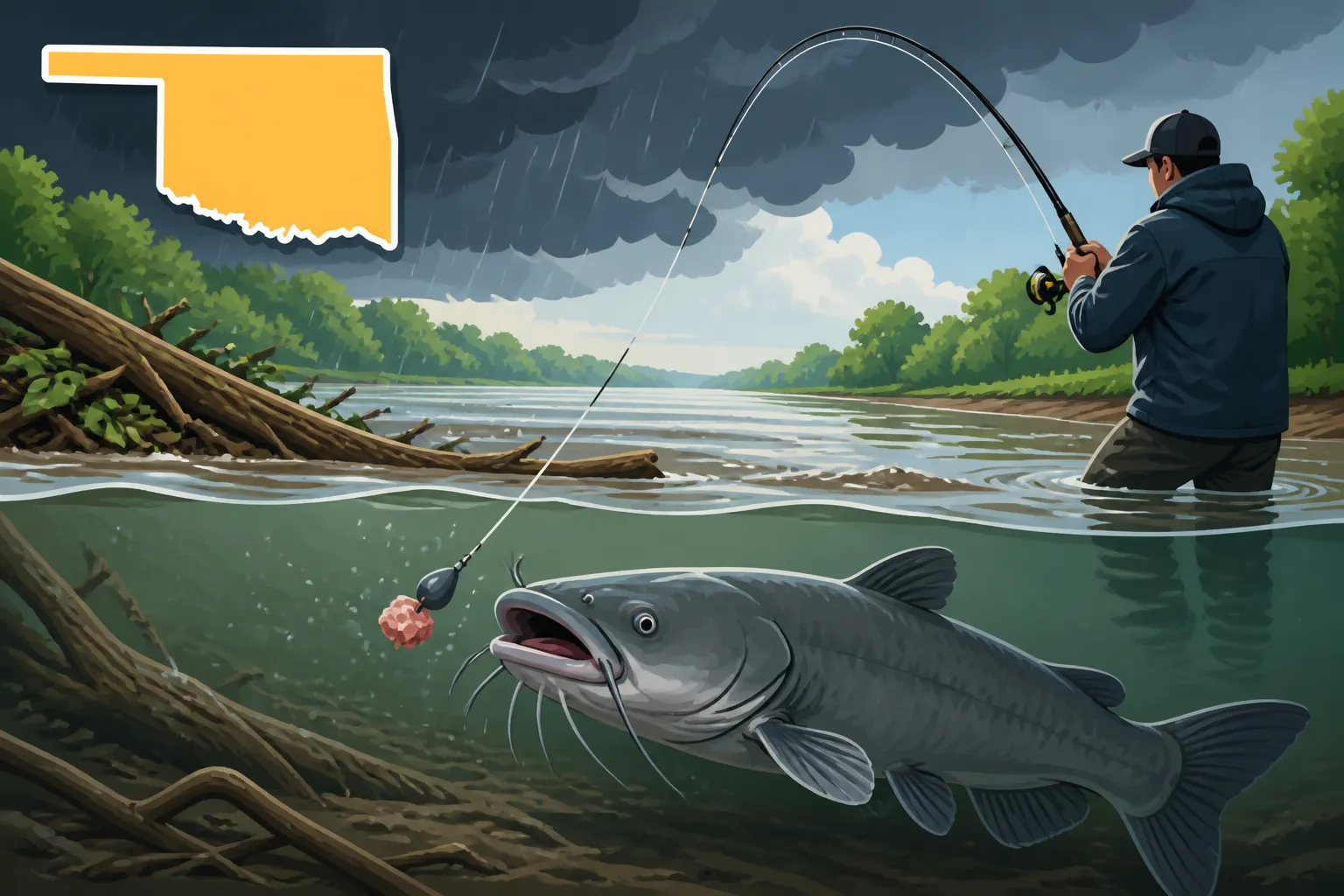
The most obvious effect of heavy rain is the influx of runoff, which brings with it a whole lot of sediment, turning clear waters into muddy, stained, or even chocolate-milk conditions. While this might deter sight-feeding fish, catfish actually thrive in it. Their keen sense of smell and barbels (whiskers) are designed to locate food in low-visibility environments, giving them a significant advantage. The reduced light penetration also makes them bolder, as they feel more secure in the murk.
Beyond clarity, heavy rain also means increased water flow and current, especially in rivers, streams, and areas where tributaries feed into larger lakes. This current can be a double-edged sword: too strong, and fish might seek shelter; just right, and it becomes a conveyor belt for food. The trick is to find those sweet spots where the current is manageable for the catfish but still bringing a buffet their way. Think about how a fast-moving stream might push bugs, worms, and other delectable morsels into a calmer eddy where a catfish can sit and wait.
Temperature Swings and Oxygen Levels
Heavy rains can also lead to noticeable temperature changes in the water. Cooler rainwater mixing with warmer lake or river water can create thermal breaks that, in certain circumstances, can concentrate fish. More importantly, runoff often brings freshly oxygenated water into the system, which can invigorate fish, especially during warmer months when oxygen levels might naturally be lower in stagnant areas. Catfish, while robust, still prefer well-oxygenated water, so these fresh inflows can act like a siren call.
However, be mindful of extreme temperature drops or severe runoff that might contain agricultural chemicals or other pollutants. While catfish are tough, they can still be affected. Generally, the initial flush of fresh, cooler, oxygenated water after a summer rain is a positive stimulant for them. Knowing what's going into the water from surrounding land can give you clues, so keep an eye on local conditions.
Food Availability and Habitat Disruption
Here's where the real excitement begins for catfish after a rain: the food bonanza! Heavy rain washes all sorts of terrestrial goodies into the water – worms, insects, larvae, small rodents, and even bits of vegetation. This sudden abundance of organic matter creates a feeding frenzy opportunity. Think of every ditch, culvert, and small creek flowing into your favorite fishing spot as a fast-food delivery service.
Furthermore, the increased current can dislodge existing aquatic life, stirring up crustaceans, baitfish, and other organisms from their usual hiding spots, making them easy targets for hungry catfish. This disruption of habitat forces fish to move, which means they're often more active and less wary. Your job as an angler is to anticipate where these food sources will concentrate and position yourself accordingly.
Locating Catfish After a Downpour
Now that we understand why catfish are active after a rain, the next critical step is figuring out where they've moved. They're not going to be in their usual hangouts; they'll follow the food and the most favorable conditions.
Inflow Areas and Current Breaks
The absolute prime real estate after heavy rain is anywhere water is flowing into a larger body of water. This means creek mouths, drainage ditches, culverts, and any small streams or rivers feeding into a lake or larger river. These are the "food delivery" zones. Catfish will stage themselves at the edges of these inflows, waiting for the current to bring them a meal.
Look for current breaks near these inflow points. This could be a submerged log, a rock pile, a bend in the creek, or even a subtle drop-off. Catfish will often sit just out of the strongest current, in an eddy or behind an obstruction, conserving energy while still being close enough to ambush passing food. The turbulent water from inflows also disperses scents effectively, drawing catfish from farther away. Consider checking out some of the Best Catfish Fishing Spots in Oklahoma that might have prominent inflow areas.
Submerged Structure and Deeper Holes
While inflows are hot, don't overlook classic catfish structure, especially when it's near those current-heavy areas. Submerged timber, brush piles, rock ledges, and deep holes or channels become even more important after a rain. Fish will use these as shelter from strong currents and as ambush points.
The added murkiness means catfish are less wary of moving into shallower waters near these structures, but they'll often retreat to the security of deeper water if the current becomes too intense or if fishing pressure is high. Use your fish finder if you have one, or consult a detailed map to identify these underwater features. Sometimes, the catfish will simply move from their deeper, clear-water haunts into the newly turbid shallows created by the runoff, seeking out the scent trails.
Shoreline Eddies and Runoff
Pay close attention to the shorelines, especially those with steep banks or erosion. Rainwater running directly off the land into the lake or river creates mini-inflows that can be goldmines. These small runoff channels carry worms and insects directly into the water, creating localized feeding zones.
Additionally, look for eddies – areas where the current creates a swirling, calmer pocket of water, often behind a point or obstruction along the bank. These eddies act as natural collection points for debris and food, and catfish will often patrol or hold in them. If you're bank fishing, these spots are easily accessible and can be incredibly productive. Just be safe around slippery, wet banks! You might even find success fishing these spots from a kayak, focusing on the calmer edges.
Gear and Bait for Post-Rain Catfishing
Fishing after heavy rain requires a slight adjustment to your typical gear and a strong emphasis on scent-heavy baits. Remember, the fish aren't using their eyes as much, so you need to appeal to their other senses.
Rods, Reels, and Line
For general catfish fishing, a medium-heavy to heavy action rod, about 7 to 8 feet long, is ideal. This gives you the power to cast heavier rigs and wrestle big catfish out of cover, which they often seek out after a rain. Pairing this with a sturdy spinning or baitcasting reel loaded with 15-30 lb monofilament or braided line is a solid choice. Braided line has less stretch and offers better sensitivity, which can be crucial when feeling subtle bites in current.
You'll often need heavier sinkers to keep your bait on the bottom in increased current, so ensure your rod and reel can handle the extra weight. Many anglers find durable, affordable options on sites like Amazon, making it easy to stock up on reliable gear without breaking the bank. Don't forget a strong leader, as catfish can be rough on your line, especially around submerged snags.
Essential Terminal Tackle
Your terminal tackle needs to be robust for post-rain conditions.
- Hooks: Circle hooks (sizes 2/0 to 8/0, depending on target size) are excellent for catfish as they typically hook in the corner of the mouth, making for easier release and less harm to the fish. Their design also reduces gut hooking.
- Sinkers: You'll definitely need an assortment of heavier sinkers. Pyramid or no-roll sinkers (1-4 ounces or more) are great for holding bottom in current, while egg or bullet sinkers are good for slip-sinker rigs.
- Swivels and Leaders: Heavy-duty barrel swivels prevent line twist, and a tough monofilament or fluorocarbon leader (20-50 lb test) will protect your main line from abrasive structure and catfish teeth.
- Floats/Bobbers (for specific techniques): If you're fishing areas with less current or wanting to present bait just off the bottom, a slip bobber rig can be effective.
Having a well-stocked tackle box specifically for these conditions can make all the difference. Check out local sporting goods stores or online retailers like Amazon for pre-made catfish rigs or individual components.
Best Baits for Muddy Water
This is arguably the most crucial aspect of post-rain catfish fishing: bait selection. You need something pungent, something that screams "food" to a catfish's powerful olfactory senses.
| Bait Type | Effectiveness in Muddy Water | Key Attraction | Notes |
|---|---|---|---|
| Cut Bait | Excellent | Strong scent, oil trails | Shad, perch, bluegill are top choices. Fresh is best. |
| Chicken Livers | Excellent | Intense scent, soft | Messy but highly effective. Keep them cold and firm. |
| Prepared Baits | Very Good | Concentrated scent | Stink baits, dip baits (e.g., Catfish Charlie) are designed for this. |
| Nightcrawlers | Good | Natural scent, movement | Easy to find, always a reliable option, especially for channel cats. |
| Hot Dogs/Sausage | Good | Pungent, oily | Marinate in garlic or an anise-based oil for extra punch. |
For a deep dive into specific options, you can check out Best Bait for Catfish in Oklahoma Lakes and Rivers. Remember, the goal is maximum scent dispersion. If you're using cut bait, ensure it's fresh and oozing oils. For chicken livers, some anglers let them sit out slightly to soften and become even more aromatic, though this makes them harder to keep on the hook. Many anglers even add scent attractants, readily available on Amazon, to their baits to boost their appeal in murky conditions.
Effective Techniques for Rainy/Post-Rain Conditions
With the right understanding of catfish behavior and the proper gear, it's time to put it all together with effective fishing techniques.
Bottom Fishing Strategies
Bottom fishing is, hands down, the most popular and often most effective method for catfish, especially after heavy rain. Catfish are typically bottom dwellers, and post-rain conditions mean food is settling or being swept along the bottom.
- Slip-Sinker Rig: This classic rig allows the line to slide freely through the sinker, so the fish doesn't feel resistance when it picks up the bait. Tie a barrel swivel to your main line, then a 12-24 inch leader with your hook. Before the swivel, thread an egg sinker or a no-roll sinker onto your main line. This is fantastic for channel and blue catfish. To learn more about this setup, consider reading How to Bottom Fish for Catfish.
- Carolina Rig: Similar to a slip-sinker but often with a bead between the sinker and swivel to protect the knot and add a bit of noise. The long leader allows the bait to flutter naturally just off the bottom or to sit close to cover without the weight snagging.
- Santee Cooper Rig: This is a variation of the Carolina rig that incorporates a small float on the leader, just above the hook. This float lifts the bait slightly off the bottom, making it more visible (by profile/vibration) and keeping it out of snags or soft mud. This can be especially effective when fishing over slightly softer bottoms or in areas with light current that might bury your bait.
When bottom fishing in current, cast upstream and let your bait drift naturally down into the target zone. Use just enough weight to hold bottom without constantly dragging. Pay close attention to your rod tip for subtle taps or aggressive pulls.
Drifting and Trolling
While bottom fishing is static, drifting and trolling allow you to cover more water, which can be key in locating scattered catfish after a rain.
- Controlled Drifting: If you're on a boat in a river or larger lake with a moderate current, you can use the current to your advantage. Deploy your bottom rigs and let your boat drift slowly with the current. This presents your bait to a wider range of fish and allows you to find those hidden pockets where catfish are holding. Use your trolling motor or even a drift sock to control your speed and direction, ensuring your bait stays in the strike zone.
- Trolling: For open water in larger reservoirs, slow trolling with cut bait or large, scent-infused artificials can be very productive for blue catfish. Use planer boards to spread your lines out and cover even more water, especially if you're targeting those bigger blues that roam deeper channels. Ensure your baits are presented at the appropriate depth using weighted lines or downriggers. This method can be particularly effective in areas where rain might have spread out the food source, making fish more nomadic.
Setting Up Juglines or Trotlines
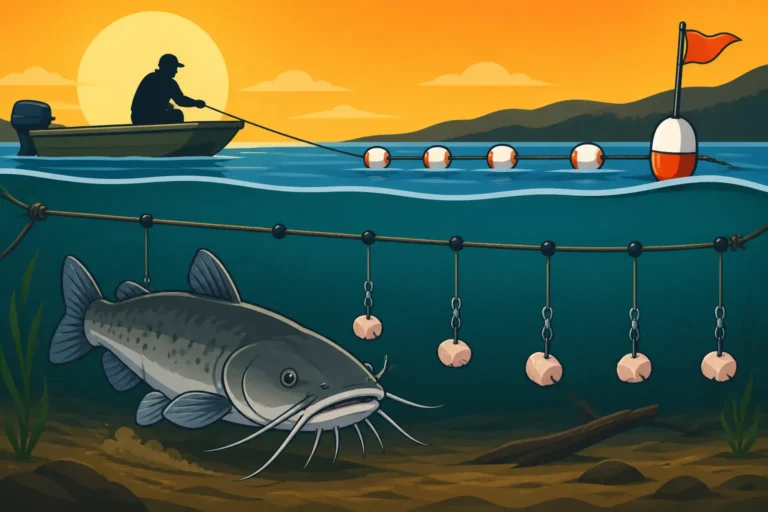
For those who prefer a more passive, yet highly effective, approach to catfishing, juglines and trotlines can be absolute game-changers after heavy rain. These methods allow you to present multiple baits over a wide area and let the catfish find them. However, it's absolutely crucial to familiarize yourself with Oklahoma's Catfish Fishing Rules and Limits before deploying any passive gear, as regulations can vary regarding numbers of hooks, identification, and placement.
- Jug Fishing: This involves individual lines with hooks tied to a buoyant "jug" or float. You can deploy several jugs in different areas, allowing them to drift or anchor them. The movement of the jug indicates a bite, and it's a thrilling way to catch catfish. Learn the basics with our guide on Jug Fishing for Catfish. After a rain, jugs can be particularly effective in areas where runoff creates a general scent trail, or in calmer coves where fish congregate.
- Trotlining: A trotline is a long main line anchored at both ends, with multiple baited hooks attached at intervals. This method allows you to fish a specific channel, river bend, or structure with many baits at once. When the water is muddy and currents are pushing food, a trotline becomes an incredibly efficient way to intercept actively feeding catfish. For detailed instructions, check out our article on Trotline Fishing for Catfish.
Both juglines and trotlines capitalize on the catfish's superior sense of smell. With the right bait (again, think cut bait and stink baits), you can create an irresistible scent trail that draws in fish from a considerable distance, especially in the low visibility of post-rain waters. Always ensure your passive fishing gear is clearly marked with your name and fishing license number, as required by Oklahoma regulations.
Practical Tips for Your Next Post-Rain Catfishing Trip
Beyond the techniques, a few practical considerations can elevate your success when fishing after a big rain.
Safety First: Navigating Changed Conditions
Heavy rain brings more than just fish activity; it brings potential hazards. Currents can be stronger and more unpredictable than usual, making boating or even bank fishing more dangerous. Shorelines can be slippery and unstable. Always wear a life jacket, especially if you're on a boat or near fast-moving water. If fishing from the bank, choose stable, elevated spots, and be mindful of flash floods, especially in smaller creeks or low-lying areas. Let someone know where you're going and when you expect to return. No fish is worth risking your safety.
Be Patient, Be Persistent
Fishing after a rain isn't always an immediate bite fest. Sometimes it takes a few hours for the water to settle into a new pattern, or for the catfish to fully adjust to the changed conditions. Don't get discouraged if the first few spots aren't producing. Keep moving, trying different depths, and adjusting your bait presentation. Catfish can be surprisingly localized, so finding that one sweet spot can make your day. Persistence often pays off, and sometimes the bite doesn't turn on until the current stabilizes a bit.
Observe and Adapt
Every rain event is different, and every body of water reacts uniquely. Pay close attention to what you're seeing:
- Water color and flow: Is it still heavily turbid, or is it starting to clear? Is the current raging, or has it mellowed?
- Debris: Are there a lot of leaves, twigs, or other debris in the water? This might indicate strong current or potential snags.
- Baitfish activity: Are you seeing baitfish being pushed around by the current? Where are they concentrating? Catfish won't be far behind.
Use these observations to adapt your strategy. If the current is too strong, move to calmer eddies or deeper holes that offer more protection. If the water is still very muddy, double down on scent-heavy baits. If it's starting to clear, you might find fish moving slightly shallower or becoming a bit more active. Staying flexible is key to unlocking the post-rain bite.
Know Your Limits
While chasing those big blues and channel cats is exhilarating, always be mindful of Oklahoma's Bag Limit Rules by Species. Even after heavy rain, conservation is important, and adherence to regulations ensures healthy fisheries for years to come. Knowing the rules for specific species, like the unique The 30-Inch Blue Catfish Rule in Oklahoma, ensures you're fishing responsibly.
Fishing after heavy rain can be one of the most rewarding experiences if you approach it with the right mindset and techniques. So next time the skies open up, don't pack away your gear. Instead, grab your stink bait, heavy sinkers, and head for those muddy inflows. You might just have the best catfishing trip of your life!
Disclaimer
This article is for general informational purposes only and does not constitute professional advice. Laws, prices and regulations vary by location and change over time. Consult a qualified professional for guidance on your specific situation.