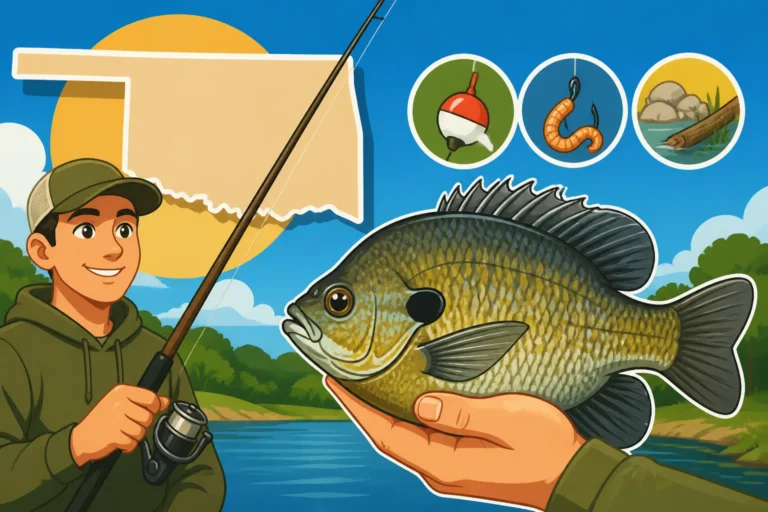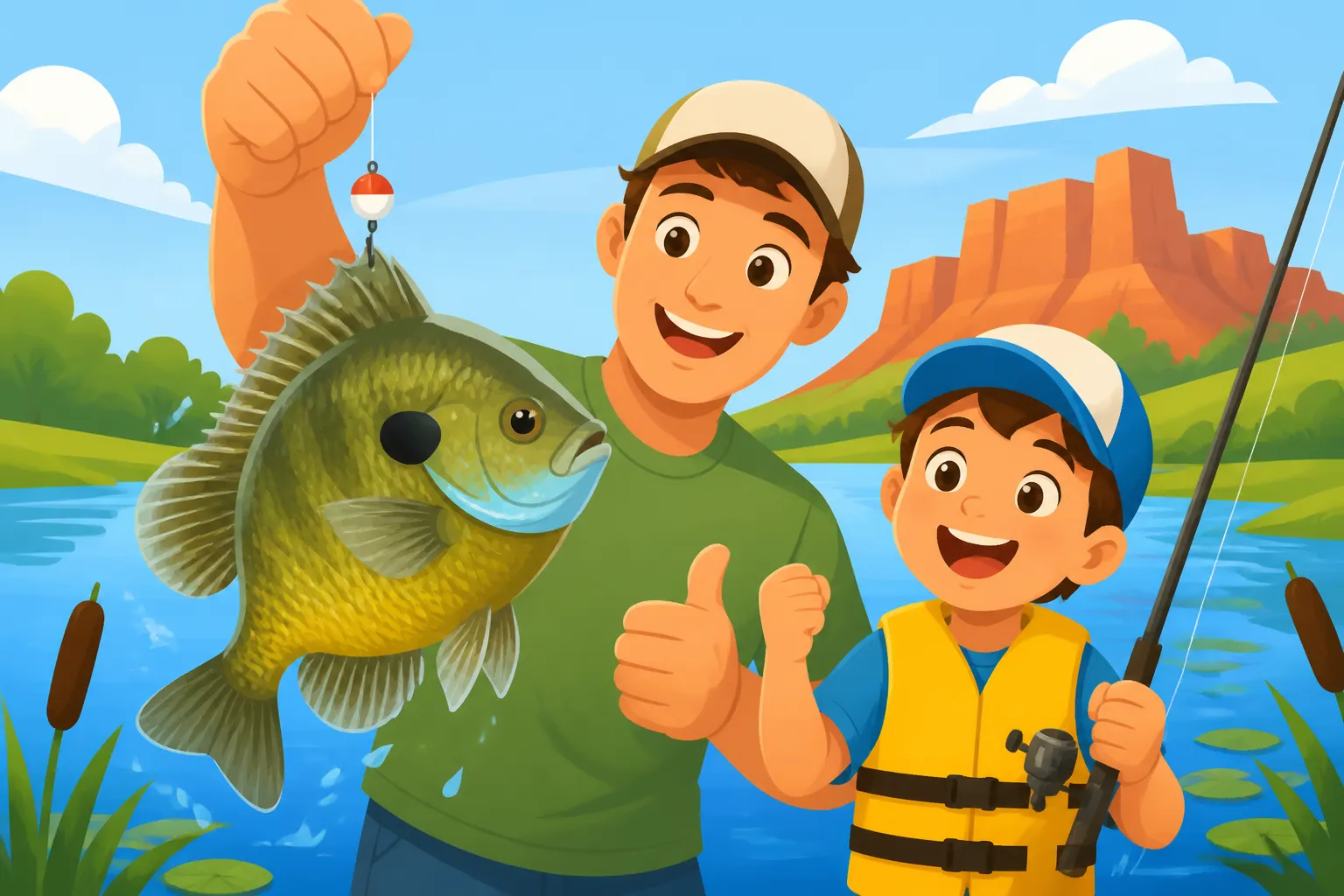
How to Fish for Bluegill with Kids
Few things are as rewarding as introducing a child to the magic of fishing, but let's be honest, it can also be a recipe for frustration if you don't pick the right fish! Kids often have short attention spans and an insatiable need for action. If they're not catching anything, that excitement quickly wanes, leading to boredom and a prematurely ended trip. This guide is all about setting you and your little ones up for success by focusing on the ultimate kid-friendly target: bluegill, specifically in the wonderfully fish-rich waters of Oklahoma. We'll cover everything from gear to techniques to ensure a fun, memorable, and frustration-free day on the water.
Why Bluegill Are the Perfect First Catch for Kids in Oklahoma
You want a fish that's abundant, cooperative, and doesn't require a master's degree in angling to catch. In Oklahoma, that fish is undoubtedly the bluegill. These feisty little panfish are truly a gift when it comes to teaching kids the ropes, offering a perfect blend of accessibility and excitement that keeps their attention far longer than waiting for a trophy bass.
The Thrill of Constant Action: Keeping Little Anglers Hooked
One of the biggest challenges when fishing with children is maintaining their interest. If there's too much downtime between bites, you'll quickly find yourself answering "Are we there yet?" even though you're already at the lake! Bluegill are notorious for being aggressive eaters, often biting almost as soon as your bait hits the water. This constant action is pure gold for kids. Every bobber twitch, every little pull on the line, is a shot of adrenaline that reinforces their enthusiasm and makes them feel like a fishing pro, even if it's their very first time.
Imagine your child's face lighting up as their bobber dives under the surface again and again. That rapid-fire engagement is exactly what you need to build confidence and foster a lifelong love for the sport. Unlike some of the more elusive game fish, bluegill are usually plentiful, meaning even if one gets away, another is likely to come along in short order. It's a fantastic way to teach them the rhythm of fishing without the pressure of needing to land a "big one" right away.
Easy Access and Safe Environments: Ponds, Docks, and Clear Shores
Another huge advantage of targeting bluegill is where they like to hang out. You don't often need a fancy boat or remote, hard-to-reach locations. Bluegill thrive in shallower, calmer waters, making them perfect for bank fishing, fishing from docks, or even from the edge of a pond. This accessibility is crucial when you're managing kids, tackle boxes, snacks, and all the other accoutrements of a family outing.
Think about a serene state park pond or a quiet cove at one of Oklahoma's many fantastic lakes. These spots often offer paved access, picnic areas, and restrooms, making the entire experience much more comfortable and enjoyable for everyone. You can easily find bluegill near submerged logs, lily pads, or under overhanging brush, all within easy casting distance from shore. For some fantastic options that are perfect for beginners, check out our guide on Family-Friendly Fishing Spots in Oklahoma. There’s less worry about strong currents or deep, open water, allowing you to focus on the fun rather than constant safety concerns.
Gearing Up Smart: Simple & Effective Tackle for Youngsters
When it comes to fishing gear for kids, the golden rule is "keep it simple." Overly complicated setups lead to tangled lines, frustration, and quickly waning interest. For bluegill, you really don't need much, and what you do need should be easy for small hands to operate. We're talking basic, robust, and forgiving equipment that can withstand a few accidental drops and tangles.
The Right Rod and Reel: Spin-Cast Simplicity is Key
Forget the complex baitcasters or open-faced spinning reels for now. For kids, the spin-cast reel, often called a "push-button" reel, is your absolute best friend. These reels are designed for ease of use: you just push a button, cast, and release. No bail to flip, no backlash to deal with – just pure, unadulterated casting fun. Look for a rod and reel combo that's already matched, usually in a bright color that appeals to kids.
A rod length between 4 and 5 feet is typically ideal for younger children, giving them enough leverage to cast without being too cumbersome. Choose one with a lighter action, which means it will bend easily under the weight of even a small bluegill, making every bite feel like a monster catch. Many reputable brands offer durable, kid-specific combos that are surprisingly affordable. You can often find a great selection of these beginner setups on platforms like Amazon, making it easy to get everything you need delivered right to your door before your big trip.
Essential Terminal Tackle: Hooks, Bobbers, and Sinkers
Your terminal tackle for bluegill should also be minimalist and easy to manage. Small fish, small hooks! You'll want to use hooks in the size 8 to 12 range. These are tiny, but perfectly sized for a bluegill's mouth, increasing your chances of a solid hook-up. Make sure they're barbless or have small barbs to make unhooking easier and safer for both the fish and your child's fingers.
Next up: bobbers! There's nothing quite like the thrill of seeing a bobber dance and then plunge under the water. Stick with simple, clip-on plastic bobbers. These are easy to attach and adjust on the line, even for little hands. They're also highly visible, so kids can clearly see when a fish is nibbling. Finally, you'll need a few small split-shot sinkers. These tiny weights help cast your bait farther and get it down to where the bluegill are swimming. You'll typically only need one or two small ones, crimped a few inches above the hook, to achieve the desired depth and castability. For a step-by-step guide on setting this up, check out our article on How to Rig a Bobber for Bluegill Fishing.
Bluegill's Favorite Snacks: Simple & Irresistible Baits
Bluegill are not picky eaters, which is another reason they're perfect for kids! You don't need exotic lures or complicated presentations. Their favorite foods are simple, natural, and usually easy for children to handle (or at least watch you handle). This means less time fussing with bait and more time fishing.
The undisputed champion bait for bluegill is the humble worm. Red wigglers or even pieces of a nightcrawler are absolutely deadly. They're natural, smelly, and bluegill find them irresistible. You can often buy these at bait shops, or even find them in your own backyard after a good rain! Another surprisingly effective and kid-friendly bait is canned corn. It’s easy to put on a hook, smells sweet, and bluegill love it. Even tiny pieces of bread balled up onto a hook can work wonders in a pinch. You can grab a container of live worms or even some easy-to-use artificial baits designed for panfish from Amazon, ensuring you're well-stocked before heading out. For more ideas on what tempts these eager biters, take a look at our comprehensive guide on Best Bluegill Bait for Beginners and What Bait Works Best for Bluegill in Summer.
Setting Up for Success: Rigging and Casting Made Simple
Once you have your gear, the next step is getting it all assembled and ready for action. This is where you, the adult, become the chief rigging officer and casting coach. Remember, patience is paramount! Keep your instructions clear, concise, and demonstrate each step. The goal is to make it easy enough for them to eventually do it themselves, but for the first few trips, guiding them through is perfectly fine.
Assembling the Perfect Bluegill Rig: A Quick Guide
Let's walk through the basic bobber rig setup that works every time for bluegill. First, tie your small hook onto the end of your fishing line. A simple overhand knot or an improved clinch knot will work just fine. Make sure the knot is snug and trim any excess line. Next, crimp one or two small split-shot sinkers onto the line about 4-6 inches above the hook. This weight helps your bait sink quickly and keeps it stable in the water.
Finally, clip your bobber onto the line. You'll want to place it about 12-24 inches above your sinker and hook. The exact depth can be adjusted depending on how deep the bluegill are biting. If they're near the surface, keep the bobber closer to the hook; if they're deeper, slide it up the line. This simple setup is incredibly effective because it suspends your bait at a consistent depth while giving a clear visual cue when a fish bites. You can find more detailed instructions with diagrams in our article, How to Rig a Bobber for Bluegill Fishing.
Mastering the Kid-Friendly Cast (and What to Do When it Goes Wrong)
Now for the fun part: casting! With a spin-cast reel, teach your child the "pizza slice" method. Have them hold the rod like they're holding a slice of pizza overhead, then, as they push the button, sweep the rod forward like they're tossing the pizza forward. The key is a smooth, gentle motion, not a forceful whip. Start with very short casts, maybe just 5-10 feet from the bank, until they get the hang of it. Accuracy isn't the goal initially; simply getting the line out is a victory.
Tangles will happen. It’s not a matter of if, but when. When they do, resist the urge to get frustrated. Instead, calmly take the rod, untangle the line, and reassure your child that it happens to everyone. Use it as a teaching moment: "Sometimes the line gets sleepy and curls up, but we can fix it!" Keep a pair of small scissors or line clippers handy for stubborn knots. The focus should always be on the positive experience, not perfection in casting.
Where to Find the Bluegill: Reading the Water for Success
Bluegill are homebodies, meaning they love to hang around structure for protection, shade, and food. When you get to your fishing spot, take a moment to "read the water" with your child. Look for things like submerged logs, fallen trees, brush piles, docks, lily pads, or even areas where weeds grow. These are prime bluegill real estate. Shady spots, especially on warm, sunny days, are also excellent places to cast, as bluegill seek refuge from the heat.
Encourage your child to cast near these features. Even a cast just a few feet away from a dock post can yield a bite. If you're fishing from the bank, look for depressions or drop-offs near the shore. These can often be found where the bank changes from shallow to slightly deeper water. Don't be afraid to move around a bit if you're not getting bites in one spot. Sometimes just a 20-foot move down the bank can put you right on top of a school of eager bluegill. For tips on timing your trip for optimal bites, check out Best Time of Day to Catch Bluegill, and learn more about effective shoreline setups in Best Bank Fishing Spots Setup Tips.
| Bait Type | Pros for Kids | Cons for Kids | General Effectiveness |
|---|---|---|---|
| Worms (Red Wigglers/Nightcrawlers) | Easy to hook, natural, irresistible scent, high catch rate | Can be slimy/wiggly, some kids might be squeamish | Excellent |
| Canned Corn | Clean, easy to handle, sweet smell, cheap | Can fall off hook easily, less natural presentation | Good |
| Bread Balls | Very cheap, readily available, easy to mold | Falls off hook easily, can get mushy quickly | Fair |
| Small Grub Lures (Artificial) | No mess, can be re-used, variety of colors | Requires more jigging technique, less natural scent | Moderate (better for older kids) |
Beyond the Catch: Creating Lasting Memories and Responsible Anglers
While catching fish is definitely a highlight, the real goal of fishing with kids is to create positive memories, foster a connection with nature, and teach valuable life lessons. It's about the entire experience, not just the number of fish in the bucket. Embrace the unexpected, celebrate the small moments, and build a foundation for responsible outdoor ethics.
The Power of Patience and Positive Reinforcement
Fishing, even for bluegill, requires patience. Kids, bless their hearts, aren't always born with an abundance of it. This is where your role as a patient guide truly shines. Reassure them that bites don't happen every second, and that waiting is part of the fun. Point out other things in nature – a bird flying overhead, a turtle poking its head out, clouds drifting by. Turn the "waiting game" into an observation game.
Every small success should be met with enthusiastic praise. Did they manage to cast without tangling? "Great job!" Did they feel a little nibble? "You felt a fish, that's awesome!" Did they land a tiny bluegill? "Look at that mighty fish you caught! You're a true angler!" These affirmations are far more important than the size or quantity of fish. Remember to take plenty of breaks for snacks, drinks, or just to stretch and run around. A tired or hungry child is a frustrated child, and that's the last thing you want on a fishing trip. The focus should be on fun, not on reeling in a limit.
Teaching Fish Care: Handling, Releasing, and Keeping a Few
Part of becoming a responsible angler is learning how to treat fish with respect. Teach your children to handle fish gently, especially if they plan to release them. Emphasize wetting their hands before touching the fish to protect its slime coat, which is vital for its health. Show them how to hold the fish carefully, supporting its body, and how to quickly and gently remove the hook. If a hook is deeply set, it's often best for an adult to manage the release.
Discuss the concept of catch-and-release, explaining that some fish are put back so they can grow bigger or have babies. If you plan to keep a few bluegill for dinner – which, by the way, are delicious! – talk about why you're keeping them and how to properly store them in a cooler with ice. This teaches them about sustainable harvesting and where their food comes from. Bluegill are truly Best Beginner Fish for Kids Just Starting Out because they are hardy and can withstand a bit of beginner handling.
Understanding Oklahoma's Rules: Kids and Fishing Licenses
Before you head out, it’s always a good idea to refresh your memory on Oklahoma's fishing regulations, especially concerning licenses for children. Generally, kids under a certain age are exempt from needing a fishing license in Oklahoma, which is wonderful for family outings. This means your youngest anglers can enjoy the sport without any paperwork or fees!
However, it's crucial for the supervising adult to have their own valid Oklahoma fishing license, if required by their age and residency. While the little ones might be exempt, you'll still need to follow all other regulations, such as bag limits and size restrictions for bluegill. These rules are in place to ensure healthy fish populations for everyone to enjoy for years to come. Always double-check the latest regulations from the Oklahoma Department of Wildlife Conservation before your trip. You can find more specific information on Fishing License Rules for Kids in Oklahoma and Do Kids Need a Fishing License in Oklahoma?. And if you're taking your grandkids, be sure to read Taking Grandkids Fishing in Oklahoma Legally for important details.
Disclaimer
This article is for general informational purposes only and does not constitute professional advice. Laws, prices and regulations vary by location and change over time. Consult a qualified professional for guidance on your specific situation.