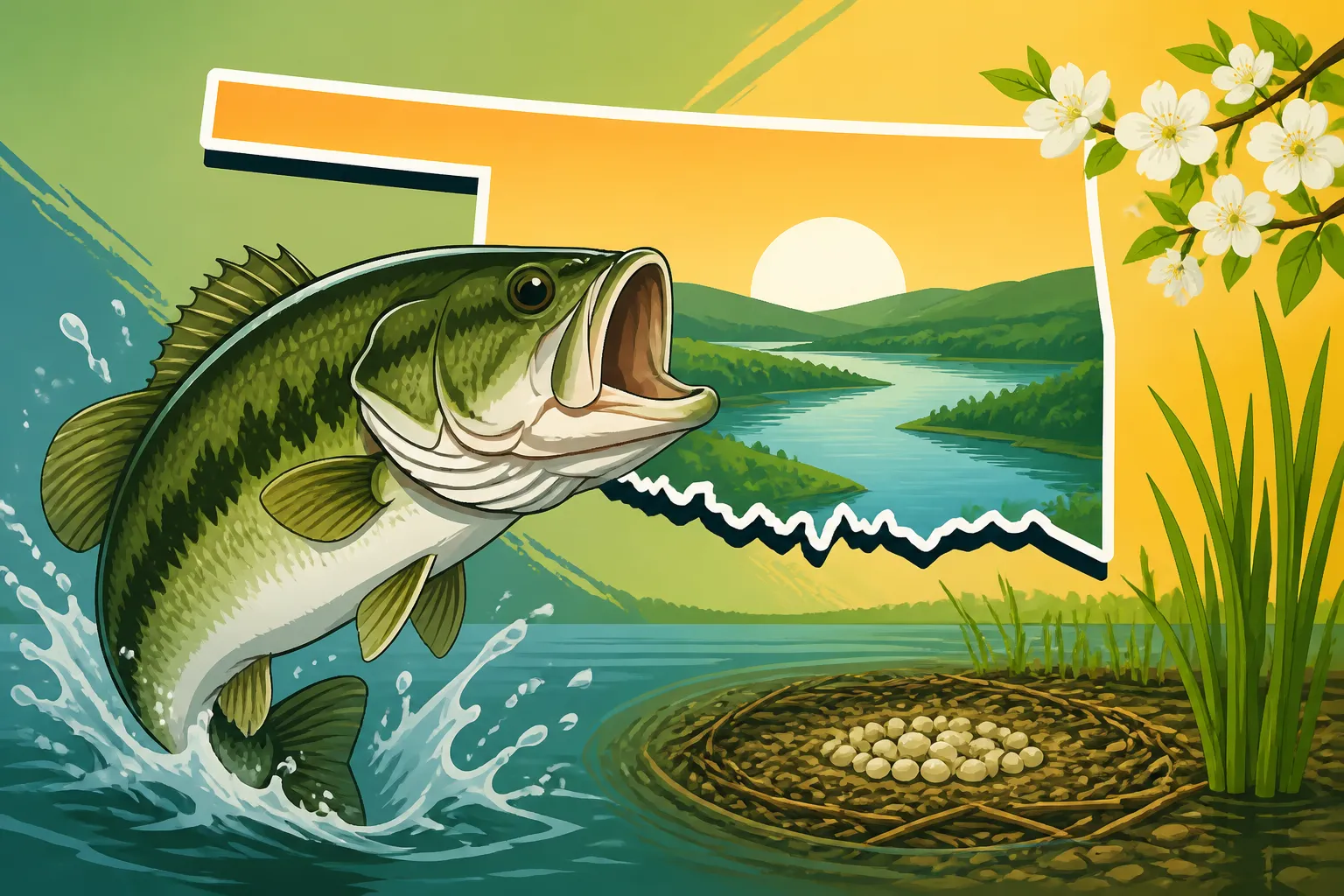
Best Bass Lakes in Oklahoma During the Spring Spawn
That feeling when spring finally arrives in Oklahoma, bringing with it warmer temperatures and the promise of some of the year's most exciting bass fishing, is truly special. But let's be honest, finding those big bass during the chaotic spring spawn can feel like hitting a moving target. Anglers often struggle to pinpoint exactly when and where the fish are staging, spawning, or recuperating. This comprehensive guide is here to cut through the guesswork, helping you understand the bass spawn in Oklahoma and discover the best lakes to target those impressive largemouth, smallmouth, and spotted bass.
Unraveling the Oklahoma Spring Bass Spawn
The spring bass spawn is a magical time for anglers, marking a period of intense activity as bass move from their deeper wintering grounds to shallow waters to reproduce. It's a critical annual event, and understanding its nuances is key to a successful fishing trip.
When Bass Start to Move Shallow
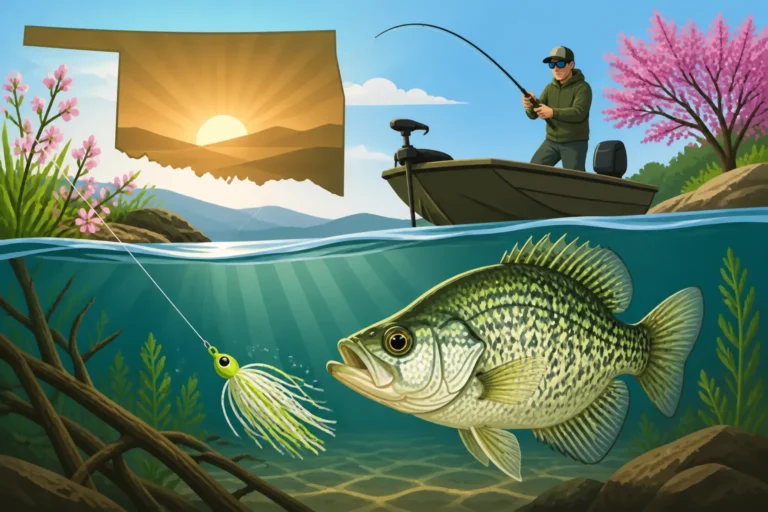
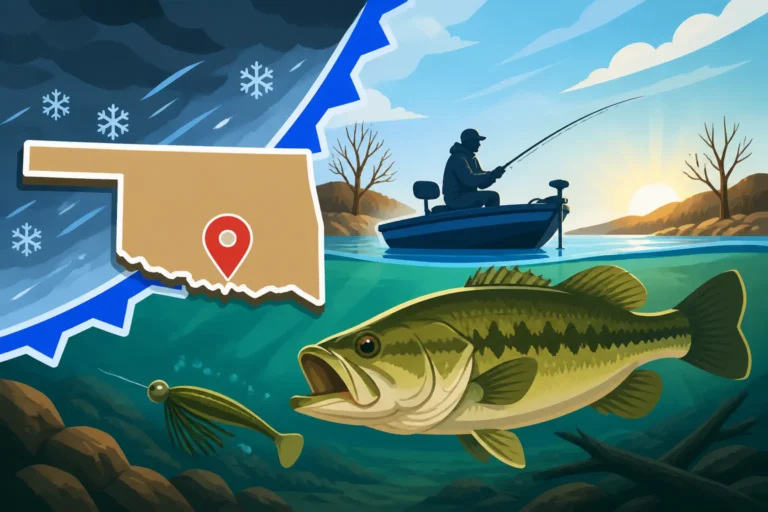
In Oklahoma, the bass spawn isn't a single, fixed date; it's a dynamic process heavily influenced by water temperature, often starting as early as February in the southern parts of the state and extending into May in the cooler northern regions. Generally, you'll start seeing significant pre-spawn activity when water temperatures hit the mid-50s Fahrenheit, with the peak spawning period occurring when temperatures climb into the 60s. For example, in the warmer waters of Lake Texoma, bass might be on beds by late March, while further north at Grand Lake O' the Cherokees, it might not really kick off until mid-April.
It's crucial to pay attention to those water temps, because they dictate everything. As water warms up, bass migrate from deeper channels and points towards more protected, shallower areas. This pre-spawn phase is often characterized by aggressive feeding as bass bulk up for the energy-intensive spawning ritual. If you're wondering how to tell when bass are spawning in Oklahoma lakes, keep an eye out for clear, dish-shaped depressions on the bottom in shallow areas—those are typically bass beds. You might even see bass actively guarding them. The gradual warming trend is far more important than a sudden spike, as fish prefer stable conditions. You can read more about how water temperature affects bass spawning in Oklahoma to really fine-tune your approach.
Why Certain Lakes Shine During the Spawn
Not all lakes are created equal when it comes to the spring bass spawn. The best lakes in Oklahoma for this period share common characteristics that provide ideal conditions for bass reproduction and angler success. Shallow, protected coves are absolutely critical, offering calmer waters away from strong winds and currents, which helps keep the beds clean and safe for eggs.
Furthermore, these prime spawning grounds often feature an abundance of submerged vegetation like hydrilla, coontail, or pondweed, or natural cover like fallen timber, brush piles, and rocky outcrops. This cover provides vital protection for the spawning fish and their eggs from predators, as well as a place for fry to hide once they hatch. Clearer water also plays a significant role, as it allows sunlight to penetrate and warm the shallow bottom, stimulating plant growth and making it easier for bass to spot and defend their nests. Lakes with a good balance of these elements tend to be the most productive during the spring spawn, offering diverse habitats for all stages of the bass's reproductive cycle.
Top Oklahoma Lakes for Spring Bass Action
Oklahoma is blessed with an incredible array of lakes, each with its own unique personality and potential for spring bass fishing. Knowing which ones truly excel during the spawn can make all the difference in your early season success.
Central and Southern Oklahoma Hotspots
Down in southern Oklahoma, bordering Texas, lies Lake Texoma, a true behemoth renowned for its diverse fishery, including fantastic bass opportunities. During the spring spawn, its countless coves and creeks on both the Oklahoma and Texas sides become prime real estate for largemouth and smallmouth bass. Look for areas with a mix of rocky banks and flooded timber, especially in the larger creek arms like Big Mineral or Little Glasses. The abundant baitfish in these areas also draw in actively feeding bass. Early spring, as the water temperatures creep into the upper 50s, can be absolute dynamite in these protected pockets. You can dive deeper into this reservoir with our comprehensive Lake Texoma Fishing Guide for Oklahoma Anglers.
Further west, Lake Murray near Ardmore is another excellent choice, especially for largemouth bass. Its crystal-clear waters and rocky shorelines make for beautiful sight-fishing opportunities once the bass are on their beds. The lake is known for its extensive areas of standing timber and rock structures, providing ample cover for bass to establish their nests. Target the shallower bays and points, particularly those with a northern exposure that catches more direct sunlight and warms up faster. The state park areas around Lake Murray offer great access for both bank anglers and those with boats, making it a popular destination during the spring rush.
Eastern and Northeast Oklahoma Gems
Moving to the eastern part of the state, Lake Eufaula stands out as Oklahoma's largest lake and a bonafide bass factory. Its sprawling nature, with endless coves, creeks, and standing timber, provides an incredible amount of prime spawning habitat. The spring spawn here is a major event, with largemouth bass moving into the shallow flats and timbered areas throughout the lake. Focus on the backs of creeks like Gaines Creek, Canadian River arm, or Deep Fork arm, where water temperatures stabilize quicker and offer abundant cover. You'll find a wide variety of fishing opportunities here, from flipping jigs into dense brush to casting crankbaits along shallow points. For even more detailed insights, check out our guide on Best Largemouth Bass Spots on Lake Eufaula, Oklahoma.
Up in the northeast, Grand Lake O' the Cherokees offers exceptional bass fishing, especially during the spring spawn. This lake features a mix of rocky bluffs, numerous islands, and extensive creek arms that become bustling bass nurseries. Largemouth bass will stage on rocky points before moving into the shallower coves with gravel bottoms or submerged brush to spawn. Areas around the Elk River and Honey Creek arms are particularly productive, offering plenty of protected water and diverse habitat. Smallmouth bass can also be found spawning on rockier banks and points in the clearer parts of the lake. To maximize your chances on this magnificent body of water, read our guide on Best Bass Fishing Spots on Grand Lake O' the Cherokees, Oklahoma.
Don't overlook Broken Bow Lake in the southeast, with its stunning clear water and mountainous terrain. While known for its beauty, it's also a fantastic spotted bass fishery, with largemouth mixed in. The spawn here sees bass moving into rocky coves and around flooded timber. Its deep, clear nature means the spawn might start a bit later than other lakes, but the quality of fish is often outstanding. Exploring the numerous small pockets and creek mouths can yield great results. For specific strategies on this beautiful lake, consider our piece on Best Bass Fishing Spots on Broken Bow Lake, Oklahoma.
Finally, Lakes like Fort Gibson Lake near Wagoner and Skiatook Lake northwest of Tulsa also offer excellent spring bass opportunities, particularly for largemouth. Fort Gibson's extensive riprap banks and shallow flats become prime spawning grounds, while Skiatook's clear water and rocky structure attract both largemouth and smallmouth. These lakes tend to warm up consistently, making them reliable choices once the weather stabilizes. And for anglers in the central part of the state, Keystone Lake also provides good spring bass fishing, especially in its numerous creeks and coves.
Here's a quick look at some top lakes and their general spawning characteristics:
| Lake Name | Primary Bass Species | Typical Peak Spawn | Key Habitat Features | Notes |
|---|---|---|---|---|
| Lake Texoma | Largemouth, Smallmouth | March – April | Rocky points, coves, flooded timber | Large, diverse, excellent for both species |
| Lake Eufaula | Largemouth | April – May | Shallow flats, extensive timber, creek arms | Oklahoma's largest, lots of cover |
| Grand Lake O' the Cherokees | Largemouth, Smallmouth | April – May | Rocky bluffs, islands, creek mouths | Northeast favorite, strong fishery |
| Broken Bow Lake | Spotted, Largemouth | April – May | Rocky coves, clear water, standing timber | Scenic, great spotted bass |
| Lake Murray | Largemouth | April | Clear water, rocky banks, standing timber | Southern gem, good for sight fishing |
| Fort Gibson Lake | Largemouth | April – May | Riprap, shallow flats, creek mouths | Consistent, productive |
| Skiatook Lake | Largemouth, Smallmouth | April – May | Clear water, rocky structure, coves | Good access near Tulsa |
Mastering Techniques and Gear for Spawning Bass
Fishing during the spring spawn requires a specific set of techniques and the right gear to entice those protective, yet often finicky, bass. It's about being subtle, precise, and understanding the fish's mindset.
Strategic Lure and Bait Choices
When bass are in their pre-spawn and spawning phases, they can be highly aggressive, but also easily spooked or uninterested if your presentation isn't just right. For pre-spawn bass that are actively feeding, lipless crankbaits, jerkbaits, and spinnerbaits can be incredibly effective for covering water and triggering reaction strikes. These lures mimic baitfish that bass are gorging on to build energy. Once bass move onto the beds, the game changes.
For bass actively guarding beds, soft plastics become your best friend. Creature baits, tubes, and Texas-rigged worms are excellent choices. They can be pitched quietly into beds and allowed to sit, irritating the bass into striking. Colors like white, chartreuse, or even bright pink can be effective, as they are highly visible to the protective bass. Jigs, especially those with bulkier trailers, also work wonders. You're not necessarily trying to feed them; you're provoking them to remove an intruder. Many anglers find a great selection of these specialized lures and baits on platforms like Amazon, making it easy to stock up for the spring season. Take a look at our guide on Best Bass Lures for Spring Fishing for more detailed recommendations tailored to different conditions.
Approaching Spawning Beds and Cover
Stealth is paramount when targeting spawning bass. Loud noises, heavy footfalls on the bank, or banging around in a boat can send these fish fleeing from their beds, making them much harder to catch. Approach spawning areas quietly, using a trolling motor on a low setting or even poling your boat. Polarized sunglasses are absolutely essential for sight fishing, allowing you to spot beds and cruising bass in the clear shallow water. Once you've identified a bed, make long, accurate casts well beyond the bed, slowly working your lure into the target zone.
It's often a game of patience. Cast past the bed, slowly drag your lure into it, and let it sit. Twitch it slightly. If the bass doesn't bite immediately, retrieve and cast again, sometimes from a slightly different angle. The goal is to annoy the bass into striking, rather than making it think the lure is food. Remember, these fish are focused on protecting their future offspring, not necessarily eating a meal. Anglers practicing catch-and-release during this sensitive time can help ensure future generations of bass thrive. Our guides on Pre-Spawn Bass Fishing Techniques Explained and Post-Spawn Bass Fishing Techniques Explained offer even more detailed strategies for each phase of the spawn.
Essential Rods, Reels, and Line
Having the right gear setup can significantly improve your chances during the spring spawn. For pitching and flipping soft plastics into dense cover or precise casts to beds, a medium-heavy to heavy power casting rod, usually 7 to 7.5 feet long, is ideal. This length provides leverage for setting the hook and pulling fish out of thick stuff. A high-speed baitcasting reel (7.1:1 gear ratio or higher) is excellent for quickly reeling in slack line after a cast and for swift hooksets.
As for line, a 15-20 pound fluorocarbon line is a popular choice due to its low visibility and sensitivity, allowing you to feel even the lightest taps. If you're fishing extremely heavy cover or very clear water where stealth is key, you might opt for a braided line with a fluorocarbon leader. For anglers looking to upgrade their arsenal, many highly-rated rods and reels, like those from popular brands found on Amazon, are perfect for this type of precision fishing. Be sure to explore our guide on Best Rod for Largemouth Bass Fishing to find the perfect match for your spring bass pursuits.
Responsible Angling and Conservation During the Spawn
The spring bass spawn is a vulnerable time for fish, and ethical angling practices are crucial to ensure the health and sustainability of Oklahoma's bass populations for years to come.
Practicing Catch and Release Effectively
If you choose to target spawning bass, practicing responsible catch and release is paramount. These fish are at their most susceptible during this period, and mishandling them can have serious consequences for the reproductive cycle. When you catch a bass off a bed, try to land it quickly and handle it gently. Minimize the time the fish is out of the water; a good rule of thumb is to hold your breath – if you need to breathe, so does the fish!
Use wet hands when handling bass to protect their protective slime coat, which guards against disease. Avoid holding fish by the eye sockets or by putting fingers in their gills. If possible, use a net with a rubberized mesh to minimize damage to fins and scales. Release the fish quickly back to its bed so it can resume its protective duties. If a fish is bleeding or appears overly stressed, consider keeping it if it meets legal size and bag limits, rather than releasing it to die. The goal is to ensure the parent fish can continue to guard the eggs, giving the next generation the best chance of survival.
Navigating Oklahoma's Bass Fishing Rules
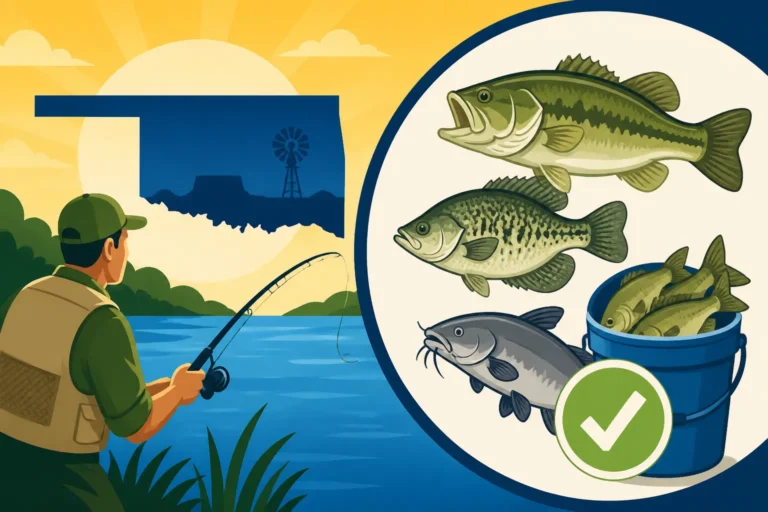
Even during the excitement of the spawn, it's absolutely vital to know and adhere to Oklahoma's fishing regulations. These rules are in place for a reason: to protect fish stocks and ensure healthy fisheries. The statewide bass bag limit explained by the Oklahoma Department of Wildlife Conservation (ODWC) is typically six largemouth/smallmouth/spotted bass in combination, with only one bass over 16 inches allowed. However, many individual lakes have special regulations that can differ significantly from the statewide limits, including length limits (minimum or slot limits) and reduced bag limits.
For instance, some lakes might have a 14-inch minimum length limit, while others could have slot limits that require you to release fish within a certain size range. Always, and I mean always, check the current ODWC fishing regulations guide before heading out to a new lake, or even one you haven't visited in a while. Ignorance of the rules is no excuse, and game wardens are diligent in enforcing these regulations. Understanding Oklahoma's Bass Fishing Rules and Limits is not just about avoiding a penalty; it's about being a responsible steward of our natural resources and contributing to the longevity of our favorite sport.
Disclaimer
Please note that fishing conditions and regulations can change frequently. Always consult the official Oklahoma Department of Wildlife Conservation (ODWC) website or their current fishing regulations guide before planning your trip to ensure you have the most up-to-date information on licenses, limits, and specific lake rules. Stay safe and fish responsibly.