Do Anglers Need Different Bait for Different Fish Species?
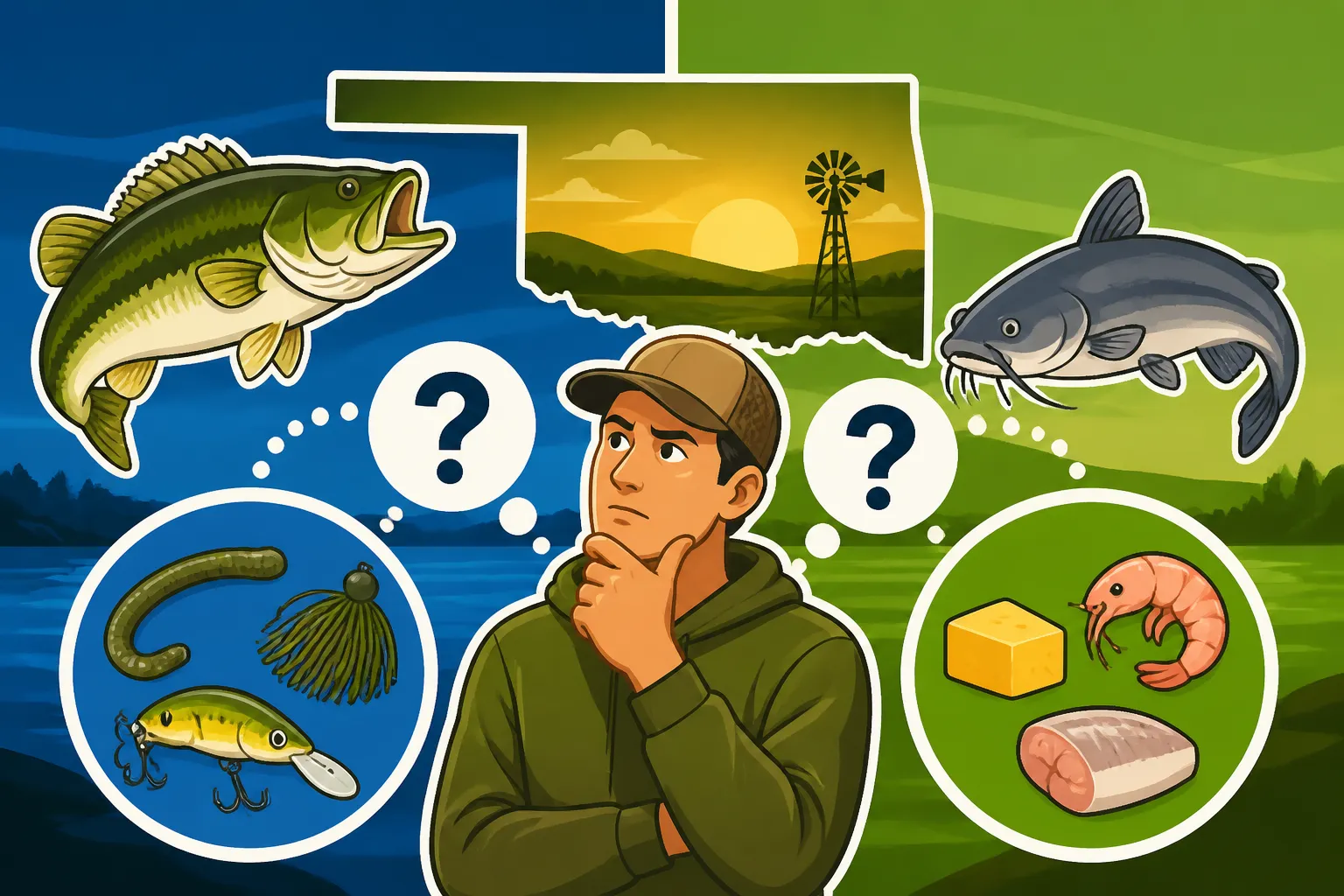
It's a common dilemma we all face when we're standing in the tackle shop aisle, staring at a dizzying array of baits, lures, and scents. You might wonder, "Do I really need a different bait for every single fish species I hope to catch?" The short answer is yes, absolutely. While some baits might tempt a variety of fish in a pinch, truly successful angling, especially here in Oklahoma, hinges on understanding the specific preferences and feeding behaviors of your target species. This guide will dive deep into why specializing your bait choice makes all the difference and how to pick the perfect presentation for whatever you're casting for.
The Universal Truth: Bait Specialization is Key for Success
Let's be real, many of us started fishing with a bobber, a hook, and a can of worms, hoping for anything that would bite. And sometimes, you get lucky! A wriggly worm can indeed catch a variety of panfish, catfish, and even a curious bass. But as you progress from casual angler to someone who consistently brings home the catch, you quickly realize that what works for a bluegill might not entice a trophy bass, and what a channel cat devours might be completely ignored by a crappie. This isn't just about being particular; it's about respecting the natural world and understanding the unique ecological niche each species occupies.
Why a One-Size-Fits-All Approach Often Falls Short
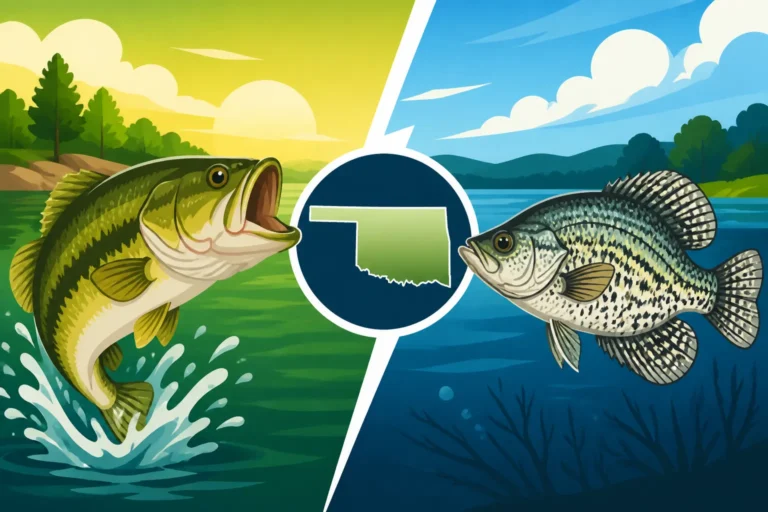
Imagine you're at a five-star restaurant. You wouldn't expect every dish on the menu to appeal to every single person, would you? Some prefer steak, others pasta, some vegetarian options. Fish are no different in their culinary tastes. A large, aggressive largemouth bass is looking for a substantial meal, something it can ambush and gulp down, like a crankbait mimicking a fleeing shad or a juicy soft plastic creature bait. Present that same bass with a tiny crappie jig, and it might just ignore it, seeing it as too small or not worth the effort. Conversely, a crappie, with its smaller mouth and more delicate feeding style, might be intimidated by a huge bass lure and certainly wouldn't be able to swallow it.
The "universal" baits, like live worms or minnows, work because they represent a common food source in many aquatic environments. However, even these have limitations. A worm might be effective for a wide range of fish, but it won't be the most effective bait for a specific species that has developed a preference for something else, or that requires a particular presentation. This is where the art and science of bait selection truly come into play, allowing you to maximize your chances rather than just hoping for a bite.
Understanding a Fish's Natural Diet and Instincts
To truly excel at fishing, you need to think like a fish. What do they eat in their natural habitat? What are their primary senses for hunting? Are they sight feeders, scent feeders, or do they rely on vibrations? For instance, a largemouth bass is a classic ambush predator. It will often hide in cover, waiting for an unsuspecting baitfish or frog to swim by. Therefore, baits that mimic these prey items, with appropriate size, action, and color, are often the most effective. Think about soft plastic worms, spinnerbaits, or topwater lures that create a commotion.
On the other hand, a channel catfish primarily uses its keen sense of smell to locate food. It's a scavenger by nature, often feeding on decaying matter, insects, and smaller fish. This is why "stink baits" or cut bait, which emit a strong odor, are so incredibly effective for them. A crappie, with its large eyes, is often a visual feeder, especially in clear water. Small jigs, minnows, or tiny spoons that glint and flutter are often irresistible. Understanding these fundamental differences in diet and hunting instincts is the bedrock of successful bait specialization, transforming your fishing from a guessing game into a strategic pursuit.
Tailoring Bait to Oklahoma's Popular Game Fish
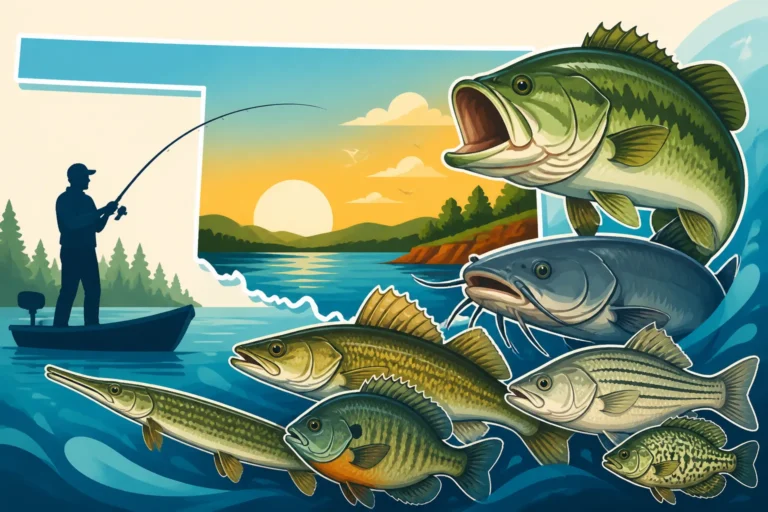
Oklahoma boasts an incredible diversity of fish species, each with its own unique palate. To truly make the most of your time on the water, you'll want to fine-tune your bait selection based on who you're trying to catch.
Bass (Largemouth, Smallmouth, Spotted): Aggressive Predators
Ah, bass! The quintessential sportfish in Oklahoma. Largemouth, smallmouth, and spotted bass are all aggressive predators, but even among them, there are subtle preferences. Largemouth bass, especially in warmer months, love to ambush prey from cover. Think about pitching a creature bait into dense lily pads, casting a frog over matted vegetation, or working a Texas-rigged worm along a log. They respond well to baits that create a disturbance, like spinnerbaits or chatterbaits, especially in stained water. For clearer water or more finesse presentations, a shaky head jig or a Ned rig can be deadly. Best Bait for Largemouth Bass in Oklahoma Farm Ponds covers some excellent choices for those smaller water bodies. You can find a vast selection of these types of lures on Amazon, perfect for building out your bass fishing arsenal.
Smallmouth bass, often found in rocky areas, deeper clear water, or current-swept stretches of rivers, tend to prefer baits that mimic crawfish or shad. Jigs, tube baits, small crankbaits, and even topwater lures that dart and walk across the surface can trigger explosive strikes. Spotted bass, common in many of our reservoirs, often key in on smaller baitfish and can be caught on a variety of lures, often favoring finesse presentations like drop shot rigs or small swimbaits when they're deeper, and small topwater baits when they're actively chasing shad. Remember, the goal is to imitate their natural forage and provoke their predatory instincts.
Crappie (Black and White): Finicky Fliers
Crappie are beloved for their delicious meat and often schooling behavior, but they can also be notoriously finicky. Both black and white crappie have smaller mouths compared to bass, so downsizing your bait is crucial. They primarily feed on small baitfish, insects, and crustaceans. The undisputed champion for crappie is often a small jig, typically 1/32 to 1/8 ounce, tipped with a soft plastic body like a tube, grub, or paddle tail. Colors can make a huge difference depending on water clarity and light conditions; chartreuse, white, and black/chartreuse are classic choices.
Live minnows, suspended under a bobber or slow-trolled, are also incredibly effective, especially when crappie are less aggressive. Best Bait for Crappie Fishing in Oklahoma Reservoirs provides more insight into these preferred choices. Many anglers also use tiny crankbaits or blade baits, particularly when trolling to cover more water and locate schools. The key with crappie is often a slow, subtle presentation. They aren't usually chasing down fast-moving prey like a bass would; instead, they're often lurking in structure, waiting for an easy meal to pass by.
Catfish (Channel, Blue, Flathead): Scent-Driven Scavengers
Catfish are a different beast entirely, largely relying on their exceptional sense of smell and touch through their whiskers. They are opportunistic feeders, ranging from scavengers to active predators depending on the species and size.
- Channel Catfish: These are your classic "stink bait" aficionados. Prepared baits with strong odors, chicken livers, shrimp, or cut shad are all excellent choices. They'll also readily take worms or small live baits. You can find a huge selection of specialized catfish baits and scents on Amazon, perfect for a strong aroma.
- Blue Catfish: Especially the larger ones, blue cats are predominantly piscivores, meaning they prefer fish. Fresh cut bait (shad, carp, perch) is king. The fresher, the better. Live baitfish can also be incredibly effective for targeting bigger blues. Remember the 15-Fish Catfish Limit for Oklahoma Anglers and The 30-Inch Blue Catfish Exception Explained if you're targeting those monsters.
- Flathead Catfish: Flatheads are pure predators and have a strong preference for live bait. Live sunfish, perch, or small carp are typically the best options. They aren't usually interested in stinky cut baits. You'll need sturdy gear and a patient approach to land these powerful fish. Best Bait for Flathead Catfish at Night offers even more specific advice.
Understanding this distinction between species is crucial. Offering a flathead stink bait is almost a guaranteed way to go home empty-handed, just as offering a blue cat a tiny crappie jig wouldn't likely yield results.
Striped Bass and Hybrids: Fast-Paced Foragers
Lake Texoma is famous for its striped bass fishery, and these powerful fish require specific tactics. Stripers and their hybrid cousins (wipers) are open-water predators that often school and chase baitfish, primarily shad. When they're actively feeding, they are incredibly aggressive.
Trolling with large crankbaits, swimbaits, or bucktail jigs is a popular method to cover water and locate schools. Live gizzard shad or threadfin shad, fished either under a balloon or free-lined, are also incredibly effective. When stripers are busting the surface, throwing topwater plugs, casting spoons, or even large soft plastic jerkbaits can lead to thrilling strikes. Their powerful runs demand stout rods, reels with smooth drags, and strong line. How Striped Bass Fishing Changes Through the Seasons at Lake Texoma, Oklahoma offers more specific tips for year-round success.
Sunfish (Bluegill, Redear): Opportunistic Nibblers
Often the first fish a new angler catches, sunfish like bluegill and redear are ubiquitous and a blast to catch, especially with kids. While they're not particularly picky, using the right bait will significantly increase your catch rate and often the size of the fish you reel in.
Bluegill will readily take small pieces of worms, crickets, grasshoppers, and small artificial baits like tiny jigs or flies. Redear sunfish, also known as shellcrackers, have specialized teeth to crush mollusk shells, so they often prefer worms, grubs, and snails. Both species have small mouths, so using small hooks (size 8 or 10) is important. For a simple setup, a small hook under a bobber with a piece of a nightcrawler is tough to beat. Best Bait for Bluegill Fishing in Oklahoma Ponds will give you even more detailed options for these fun panfish.
Factors Beyond Species that Influence Bait Choice
While knowing your target species is paramount, the aquatic environment itself plays a massive role in whether a fish will strike your bait. It's not just what they eat, but when and how they prefer to eat it.
Water Conditions: Clarity, Temperature, and Current
Think about how you eat. If it's a hot day, you might prefer something light and refreshing. If it's cold, something warm and hearty. Fish are influenced by their environment too.
- Water Clarity: In clear water, fish often rely heavily on their eyesight. This means bait color, realism, and subtle action become more critical. Natural colors (greens, browns, clear) are often best, and lighter lines can reduce visibility. In murky or stained water, visual cues are diminished, so vibration (spinnerbaits, chatterbaits) and scent (stink baits, scented soft plastics) become more important. Bright, contrasting colors like chartreuse, orange, or black can also stand out better.
- Water Temperature: This is a huge factor. In cold water, fish are sluggish. Their metabolism slows down, and they're less likely to chase a fast-moving bait. Slow, subtle presentations with smaller baits are often key. Conversely, in warm water, fish are generally more active and aggressive, often willing to chase faster, larger baits. How Water Temperature Affects Fish Feeding Habits is a fantastic read if you want to dive deeper into this topic.
- Current: In rivers or areas with strong current, fish position themselves to conserve energy and ambush food drifting by. Baits that can be presented naturally with the current, like live bait or jigs, are often effective. Heavier weights might be needed to get your bait down, and scents can help fish locate your offering more easily in turbulent water.
Season and Time of Day
Fish behavior changes dramatically with the seasons and even throughout the day.
- Spring: This is often spawning season for many species. Fish are moving shallow, aggressive, and protecting nests. Large, flashy baits or creature baits can trigger powerful strikes from bass. Crappie will be in shallow cover, making small jigs or minnows under a bobber extremely effective.
- Summer: Fish often retreat to deeper, cooler water or seek shade during the heat of the day. Early morning and late evening (or even night fishing) can be prime times. Deeper presentations with crankbaits, jigs, or live bait for catfish become more prevalent. Summer Night Fishing Techniques in Oklahoma is a great resource for warm weather strategies.
- Fall: As water temperatures drop, many fish go on a feeding frenzy, bulking up for winter. This can be an excellent time for aggressive topwater action early in the day, transitioning to crankbaits and spinnerbaits as fish follow baitfish into shallower coves. Fall Fishing Patterns on Oklahoma's Major Reservoirs has more specific tips.
- Winter: Fish become lethargic and often congregate in deep holes or around structure. Finesse techniques with smaller baits, vertical jigging, or slow-trolling can be effective. Catfish might still bite cut bait, but often require longer soaks. Winter Catfishing Techniques in Oklahoma provides some specialized advice.
Even within a single day, conditions change. Dawn and dusk often see increased feeding activity, making topwater lures or shallow presentations effective. Midday might require moving deeper or focusing on shaded areas. Why Fish Bite Better at Dawn and Dusk really explains this phenomenon.
Fishing Pressure and Location (Ponds vs. Large Reservoirs)
Fish aren't stupid. They learn. Highly pressured lakes, especially those near urban areas, often require more subtle presentations, natural colors, and lighter line. Fish in these areas have seen every trick in the book, so a realistic approach with finesse baits can outperform flashy, aggressive lures.
Conversely, in remote, less-pressured waters, fish might be less wary and more willing to strike a wider range of baits. The sheer size of a body of water also matters. Fishing a small farm pond is a completely different ballgame from tackling a massive reservoir like Lake Eufaula or Lake Texoma. Ponds might require simpler, smaller baits, while large reservoirs often demand covering vast amounts of water with larger presentations or specialized electronics to locate fish. Best Bass Fishing Lakes Across Oklahoma gives you a sense of the variety of places you can fish in the state.
The Benefits of a Specialized Tackle Box
When you start to understand the nuances of bait selection, your tackle box won't just be a random assortment of lures; it will become a carefully curated collection, specifically chosen to address the diverse appetites of Oklahoma's fish.
Maximizing Your Catch Rate
Having the right bait for the right situation drastically increases your chances of success. It means fewer frustrating days without a bite and more triumphant moments reeling in quality fish. Instead of just "fishing," you're actively "hunting" for a specific species, using the tools best suited for the job.
This doesn't mean you need to buy every single bait on the market. Start with a few proven staples for your favorite species, then gradually expand your collection as you learn. For example, if you primarily target bass, invest in a good range of soft plastics, crankbaits, and spinnerbaits in various colors and sizes. If crappie are your focus, load up on different colored jigs and some minnow buckets. Amazon is a great resource for stocking up on these specialized items without breaking the bank.
Learning the Nuances of Each Species
Specializing your bait use forces you to become a better angler. You start observing more: how different baits fall, how they retrieve, how fish react. You learn about fish anatomy, their preferred habitats, and their seasonal patterns. This deeper understanding enriches the entire fishing experience, turning it from a simple pastime into a lifelong pursuit of knowledge and skill.
Moreover, when you're targeting a specific species with specialized bait, you begin to appreciate the subtle differences between, say, a largemouth bass strike and a spotted bass strike, or the delicate tap of a crappie versus the strong pull of a channel cat. This connection to the fish and their environment is what makes fishing such a rewarding and addictive hobby.
| Fish Species (Oklahoma) | Preferred Bait Types | Key Feeding Behavior | Common Habitat |
|---|---|---|---|
| Largemouth Bass | Soft plastics (worms, creature baits), crankbaits, spinnerbaits, topwater, jigs, swimbaits | Ambush predator, sight feeder | Weeds, fallen timber, docks, rocky points |
| Smallmouth Bass | Jigs, tube baits, small crankbaits, crawfish imitations, jerkbaits | Ambush predator, sight feeder | Rocky banks, current, clear water, open areas |
| Crappie | Small jigs (plastic, hair), live minnows, small crankbaits, spoons | Schooling, visual feeder | Brush piles, standing timber, docks, bridge pylons |
| Channel Catfish | Stink baits, cut bait, chicken liver, worms, shrimp | Scavenger, scent-driven feeder | Muddy bottoms, deep holes, current breaks, brush |
| Blue Catfish | Fresh cut bait (shad, carp), large live baitfish | Predator/scavenger, scent-driven | Deep channels, river bends, main lake basins |
| Flathead Catfish | Live bait (sunfish, perch, small carp) | Ambush predator, live bait only | Log jams, deep holes, heavy cover, river bends |
| Striped Bass | Live shad, large crankbaits, bucktail jigs, swimbaits, topwater | Schooling, open-water predator | Open water, main lake points, below dams |
| Bluegill/Sunfish | Small pieces of worm, crickets, small jigs, flies | Opportunistic nibbler | Shallow cover, docks, lily pads, brush |
Conclusion
So, do anglers need different bait for different fish species? Without a doubt, yes. While a general-purpose bait might occasionally land you a fish, specializing your bait choice is the single most effective way to consistently target and catch the fish you desire in Oklahoma's diverse waters. It's about understanding the fish, their habits, and their environment. By taking the time to match your offerings to the specific species and conditions, you'll not only have more successful fishing trips, but you'll also develop a deeper appreciation for the fascinating world beneath the surface. Don't be afraid to experiment, observe, and learn – that's the true joy of fishing!
Disclaimer
This article is for general informational purposes only and does not constitute professional advice. Laws, prices and regulations vary by location and change over time. Consult a qualified professional for guidance on your specific situation.