Best Striped Bass Fishing in Oklahoma
There's nothing quite like the heart-pounding strike of a powerful striped bass, especially when you're looking for that kind of action right here in Oklahoma. Many anglers find themselves scratching their heads, wondering where these hard-fighting fish truly thrive and how to consistently put them in the boat. This comprehensive guide is designed to demystify striped bass fishing across the Sooner State, helping you pinpoint the best locations, seasons, and techniques to land your next trophy striper.
Understanding Oklahoma's Striped Bass Fishery
Striped bass, often affectionately called "stripers," are an incredible game fish known for their formidable fight and schooling behavior. While they're native to saltwater coastal areas, Oklahoma is home to a thriving landlocked population, primarily due to successful stocking programs over the decades. These fish adapt remarkably well to large freshwater reservoirs, providing an exciting challenge for any angler.
The Origin and Biology of Oklahoma's Stripers
It might surprise some, but striped bass aren't naturally found in freshwater lakes. The journey of these magnificent fish to Oklahoma's reservoirs is a fascinating tale of human intervention and biological adaptability. Originally, the Oklahoma Department of Wildlife Conservation (ODWC) introduced striped bass into our lakes in the 1960s, specifically because they are an anadromous species, meaning they migrate between fresh and saltwater to spawn. While our landlocked stripers can't reproduce naturally in most lakes, the tailwaters below certain dams, like those found on the Red River below Denison Dam at Lake Texoma, provide the necessary flowing water and habitat for a self-sustaining population. This unique characteristic makes Lake Texoma the premier striped bass destination in the state. If you're curious about how these incredible fish came to be in our waters, you might find our article on How Striped Bass Came to Oklahoma: An Introduced Species truly fascinating.
Distinguishing Striped Bass from Hybrids
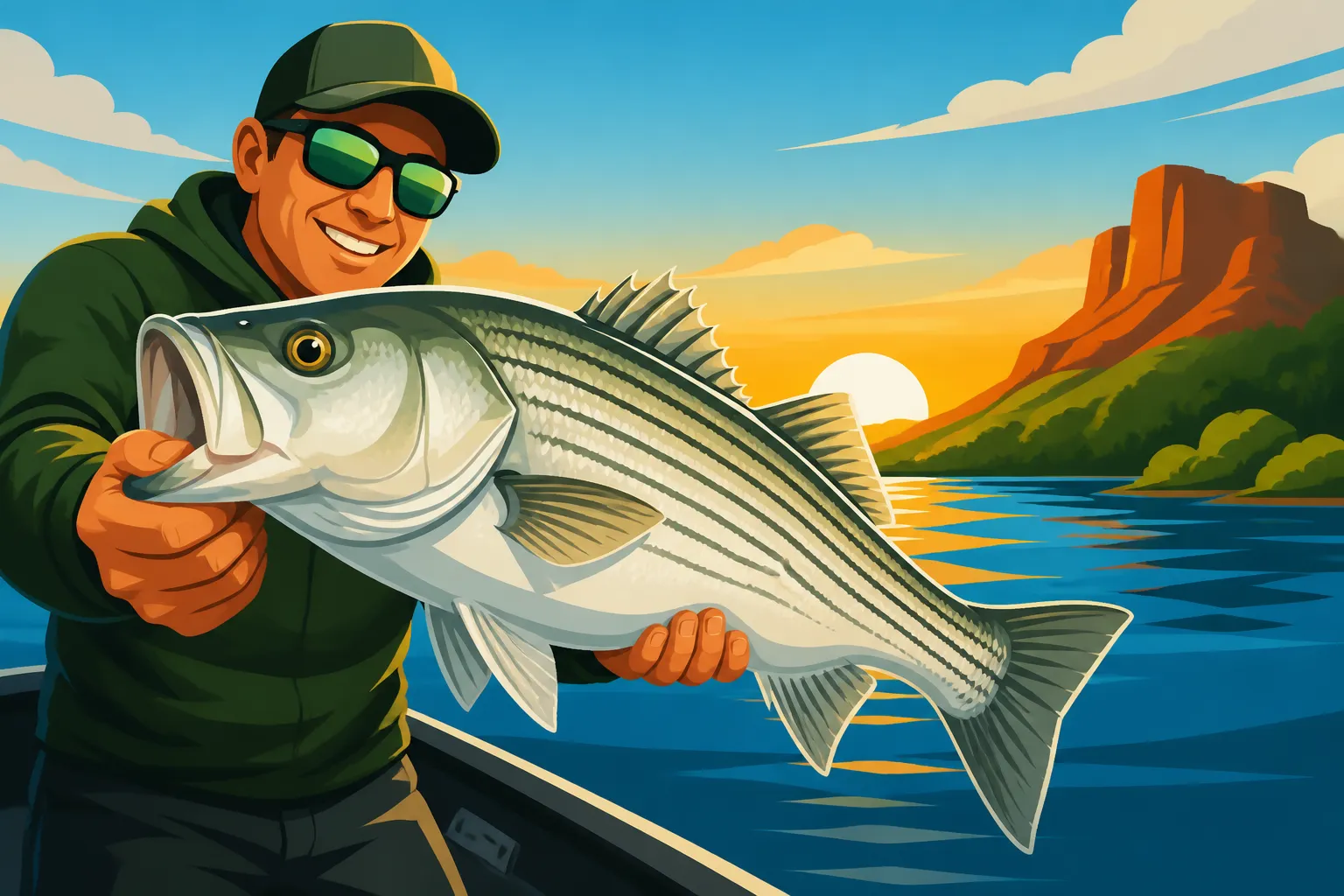
One common point of confusion for anglers in Oklahoma is telling the difference between a true striped bass and a hybrid striped bass, often simply called "wipers" or "sunshine bass." While both offer a thrilling fight, they are distinct species with different growth patterns and sometimes different behaviors. True striped bass ( Morone saxatilis ) tend to grow larger and have a more elongated, torpedo-like body with unbroken, distinct lateral lines running from gill to tail. Hybrid stripers, a cross between a striped bass and a white bass, are typically deeper-bodied and their lateral lines are often broken or irregular, especially below the mid-body. You'll find hybrids in several Oklahoma lakes, but the true striped bass glory belongs to Lake Texoma. Understanding these subtle differences is key, and our guide on Striped Bass vs White Bass: What's the Difference provides even more detailed identification tips.
Top Lakes for Striped Bass in Oklahoma
When it comes to pursuing striped bass in Oklahoma, one name stands head and shoulders above the rest: Lake Texoma. This massive reservoir, straddling the Oklahoma-Texas border, is renowned as one of the best inland striped bass fisheries in the entire country. While Texoma is undoubtedly the star, there are other locations worth noting for hybrid stripers, which can often be just as fun to catch.
Lake Texoma: The Striped Bass Capital
Lake Texoma truly is a marvel for striped bass enthusiasts. Its sheer size, diverse forage base (especially gizzard shad), and the unique ability for stripers to naturally reproduce in the Red River arm make it an unparalleled fishery. Anglers from all over the country flock to Texoma for its consistent action and the chance to hook into a true trophy striper. The lake’s vast open water, deep channels, and abundant humps and ledges provide perfect habitat for large schools of stripers. Whether you're trolling, casting topwater lures, or live baiting, Texoma offers incredible opportunities. For a more in-depth exploration of this incredible body of water, be sure to check out our comprehensive Lake Texoma Fishing Guide for Oklahoma Anglers. Many anglers, myself included, have spent countless hours exploring Texoma's waters, and it rarely disappoints. If you're considering hiring a guide to help you navigate its vastness and find the best striper schools, platforms like FishingBooker are an excellent resource for connecting with experienced local captains who know Texoma intimately.
Other Lakes with Hybrid Striper Action
While true striped bass are predominantly found in Lake Texoma and the Red River system, several other Oklahoma reservoirs offer excellent fishing for their close cousins, the hybrid striped bass. Lakes like Keystone Lake, Lake Eufaula, and Lake Murray are popular spots where the ODWC regularly stocks these feisty crossbreeds. Hybrids share many of the fighting characteristics of their purebred relatives, growing to impressive sizes and providing relentless battles. They tend to school up in open water, often chasing baitfish near the surface, making for some explosive topwater action, especially during warmer months.
These lakes might not boast the same self-sustaining populations as Texoma, but the stocking efforts ensure a healthy and exciting fishery. Anglers targeting hybrids in these waters will often use similar techniques as those used for true stripers, adapting to the specific characteristics of each lake. It's always a good idea to check the latest stocking reports and local fishing forums before heading out to these lakes to get the most current information on hybrid striper movements.
| Lake Name | Primary Striper Species | Key Characteristics | Best Fishing Seasons | Notes |
|---|---|---|---|---|
| Lake Texoma | True Striped Bass | Self-sustaining population, very large, diverse habitat | Spring, Summer (night), Fall, Winter | Premier striper destination in the country; known for large fish. |
| Keystone Lake | Hybrid Striped Bass (Wipers) | Large reservoir, good open water for schooling fish | Spring, Summer, Fall | Excellent hybrid action, often schooling on humps and near river channels. |
| Lake Eufaula | Hybrid Striped Bass | Oklahoma's largest lake, vast open water and structure | Spring, Summer, Fall | Hybrids often found chasing bait in open water, especially early morning/late evening. |
| Lake Murray | Hybrid Striped Bass | Clear water, deep areas, popular for trolling | Spring, Summer, Fall | Good numbers of hybrids, often found in deeper thermocline layers during summer. |
Best Times and Seasons for Striped Bass
Striped bass are active year-round, but their behavior changes dramatically with the seasons and water temperatures. Understanding these patterns is crucial for consistent success, whether you're chasing them in the dead of winter or the heat of summer. Knowing when and where to find them can turn a slow day into a memorable one.
Spring and Summer Striped Bass Action
Spring is often considered prime time for striped bass fishing, especially during the spawning run on Lake Texoma's Red River arm. As water temperatures rise into the 60s, stripers migrate upstream, congregating in large numbers. This can offer incredible opportunities for both boat and bank anglers. During this period, live bait, such as shad, becomes exceptionally effective, but topwater lures can also produce explosive strikes as fish feed aggressively. Our article on When Is the Best Time to Fish Lake Texoma for Striped Bass in Oklahoma dives deep into this exciting season. For many anglers, the period around May is legendary on Texoma for its incredible striper runs.
As summer heats up, stripers tend to move to deeper, cooler waters, often congregating around main lake channels, humps, and ledges where they can find relief from the sun and access baitfish. Dawn and dusk can still offer good topwater action, but during the day, anglers often turn to trolling deep-diving crankbaits or presenting live bait (shad or sunfish) on downriggers or weighted lines. Night fishing also becomes incredibly popular in summer, as stripers move shallower to feed under the cover of darkness, often drawn to lights. If you're planning a trip during this season, consider booking a guide through a service like FishingBooker who can put you right on those deep-water schools.
Fall and Winter Striper Patterns
Fall brings another burst of activity as water temperatures begin to cool, signaling the "fall turnover" and pushing baitfish into shallower coves and creek arms. Stripers follow suit, often found actively feeding in large schools, creating thrilling "boiling" or "splashing" events on the surface as they decimate schools of shad. This is a fantastic time for casting topwater plugs, swimbaits, or Sassy Shads into the feeding frenzies. The fish are fat and feisty, gorging themselves in preparation for winter.
During the colder winter months, striped bass typically retreat to deeper, more stable water. They become less active but can still be caught by anglers who understand their winter patterns. Look for them holding tight to bottom structure in main lake channels or deep creek bends. Vertical jigging with heavy spoons or large jigging baits, or slowly trolling deep-diving lures, can be very effective. Live bait presented slowly near the bottom can also entice lethargic stripers. While the bite might be slower, winter often produces some of the largest fish, as the cold-stunned shad become easy targets. Many local guides listed on FishingBooker specialize in year-round striper techniques.
Effective Techniques for Catching Striped Bass
Striped bass are aggressive predators, but their habits and preferred feeding methods vary based on the season, water conditions, and forage availability. To consistently catch these powerful fish, it's essential to have a diverse arsenal of techniques at your disposal.
Trolling for Open Water Stripers
Trolling is arguably one of the most effective and popular methods for catching striped bass, especially on vast reservoirs like Lake Texoma. It allows you to cover a lot of water, searching for schools of active fish, and present multiple baits at different depths. Anglers typically use a combination of deep-diving crankbaits, lipless crankbaits, or umbrella rigs (often referred to as "Alabama rigs" or "striper rigs") with multiple swimbaits or grub-style lures. Speed is crucial; experimenting with different trolling speeds until you find what the fish prefer is key. Often, slower speeds (around 2-3 mph) are best, especially when using live bait. For detailed strategies, our guide on Striped Bass Trolling Techniques offers invaluable advice.
Many seasoned striper anglers on Texoma utilize planer boards to spread their lines out, covering a wider swath and preventing tangles, especially when targeting fish shallower than their boat's path. Downriggers are indispensable for getting baits to specific depths, particularly during the summer when stripers retreat to the thermocline. Pay close attention to your fish finder; once you locate schools of baitfish or stripers, adjust your trolling depth and direction accordingly. Knowing how to use your electronics to spot bait balls and fish arches is a game-changer when trolling. If you want to know more about getting your lure down deep, check out How to Troll for Striped Bass in Deep Water.
Live Bait and Cut Bait Strategies
When stripers are finicky or hunkered down, nothing beats live bait. Fresh gizzard shad are the undisputed king of striper baits, but large threadfin shad, sunfish, or even pond shiners can also be effective. Anglers typically fish live bait in a few ways: free-lining them with just a hook, adding a small split-shot or an egg sinker for a slow descent, or suspending them under a balloon or float. The key is to keep the bait lively and present it naturally in areas where stripers are known to congregate, such as humps, points, or river channels. Our article on Best Live Bait for Striped Bass Fishing expands on this, sharing tips on catching and keeping baitfish healthy.
For larger stripers, especially blue cat-sized fish on Texoma, cut bait can also be incredibly effective. Freshly cut chunks of gizzard shad, especially the oily belly strips, release a strong scent that can attract dormant stripers from a distance. This method often involves bottom fishing with a Carolina rig, letting the scent disperse and waiting for a hungry striper to find it. This technique is particularly popular during cooler months or when targeting less active fish. Remember to use sturdy hooks and tackle, as a large striper can snap lighter gear in an instant.
Topwater and Artificial Lure Casting
The most exhilarating way to catch a striped bass might just be on a topwater lure. When stripers are actively chasing bait near the surface, often during dawn, dusk, or overcast conditions, nothing beats the explosive strike of a fish blowing up on a walking bait or popper. These "boils" or "blow-ups" are often signaled by seagulls diving, and it’s a race against time to get your lure into the feeding frenzy. Large topwater plugs like Heddon Super Spooks, Zara Spooks, or various poppers can trigger savage strikes that will make your heart pound.
Beyond topwater, a variety of artificial lures can be highly effective. Sassy Shads or Swimbaits rigged on jig heads are versatile options, great for casting into schooling fish or retrieving through submerged structure. Spoons, especially large casting or jigging spoons, can mimic injured baitfish and work well when stripers are holding deeper. Lipless crankbaits are also excellent for covering water and generating reaction strikes. Matching the hatch – using lures that imitate the size and color of the dominant baitfish – is always a good strategy. Mastering these techniques requires practice, but the rewards are well worth the effort.
Essential Gear for Striped Bass Fishing
Landing a hard-fighting striped bass requires robust and reliable gear. These fish pull hard, make strong runs, and can test the limits of your tackle. Investing in the right equipment will not only increase your success rate but also prevent the heartbreak of a lost fish due to equipment failure.
Rods, Reels, and Line for Serious Striper Anglers
For striped bass, you'll want a medium-heavy to heavy action rod, typically 7 to 8 feet long. This length provides the leverage needed for long casts, powerful hooksets, and handling big fish. Fiberglass or composite rods often offer the durability and parabolic bend necessary to absorb strong runs without snapping. For trolling, specialized trolling rods with a softer tip but strong backbone are ideal. If you're wondering about specific recommendations, our guide on Best Reels for Oklahoma Striped Bass Fishing provides excellent insights, but generally, a good quality conventional reel with a strong drag system is the choice for many serious striper anglers. A high-capacity spinning reel in the 4000-6000 size range is also a solid option for casting artificials or live bait.
When it comes to fishing line, braided line is a popular choice due to its incredible strength-to-diameter ratio, sensitivity, and lack of stretch, which aids in powerful hooksets over long distances. A 30-50 lb test braided mainline is common. Many anglers will add a 2-4 foot fluorocarbon leader (20-40 lb test) for abrasion resistance and invisibility in clear water. For specific trolling setups or when fishing around heavy cover, a heavier mono leader might be preferred. Always check your knots carefully; a poorly tied knot is often the weakest link in your system when a trophy striper is on the other end.
Electronics and Navigation Tools
On large, open-water lakes like Texoma, electronics are not just a luxury—they're a necessity. A quality fish finder with good sonar capabilities (including 2D, Down Imaging, and Side Imaging) can make all the difference. This allows you to locate baitfish schools, identify underwater structure (like humps, ledges, and creek channels), and even spot individual stripers or schools of stripers. A GPS-enabled unit is equally important for marking productive spots, navigating safely, and returning to your favorite fishing grounds. Services like FishingBooker can often help you find guides who are experts at using this technology to find fish. The ability to save waypoints and track your trolling paths can be invaluable for replicating successful patterns.
Additionally, a good trolling motor, especially one with GPS anchoring capabilities (like a Minn Kota or Lowrance Ghost), can significantly enhance your ability to stay on schools of fish, work a specific piece of structure, or quietly approach a topwater bite without spooking fish. This level of control allows for precise boat positioning, which can be the difference between a few bites and a boatload of stripers. Modern fish finders are incredibly powerful tools; learning how to interpret what you see on the screen is a skill that will pay dividends. For more on this, our article on How to Find Striped Bass Schools with Sonar goes into greater detail.
Regulations and Conservation for Striped Bass
Fishing for striped bass in Oklahoma is not just about the thrill of the catch; it's also about responsible angling and ensuring the health of this fantastic fishery for future generations. Understanding and adhering to the regulations is paramount, especially on a unique lake like Texoma.
Oklahoma's Striped Bass Bag and Size Limits
Oklahoma has specific regulations designed to manage its striped bass population, and these can vary slightly depending on the body of water. For Lake Texoma, due to its unique bi-state management and self-sustaining population, the rules are often different from other Oklahoma lakes that primarily hold hybrid stripers. Always check the latest Oklahoma Fishing Regulations Guide published by the ODWC before you head out, as these rules can change annually.
Generally, on Lake Texoma, anglers are allowed a daily bag limit of 10 striped bass, but with a crucial nuance: only two of those fish can be 20 inches or longer. This 10-fish, two-over-20-inches rule is specific to Texoma and is a joint regulation with Texas, designed to protect the larger, spawning-size fish while still allowing anglers to keep a good number of smaller, pan-sized stripers. For other lakes with hybrid stripers, the limits might be different, often a higher daily bag limit without the strict size restriction on larger fish. Knowing these rules is not just about avoiding fines, it's about contributing to the sustained health of the fishery.
Best Practices for Catch and Release
Even if you plan to keep your legal limit, practicing responsible catch and release, especially for larger stripers or fish that are beyond the legal keeping size, is vital. Striped bass are strong, but a prolonged fight can exhaust them, particularly in warmer water.
Here are some tips for increasing post-release survival:
- Minimize Fight Time: Use appropriate tackle to land fish quickly, reducing stress and exhaustion.
- Handle with Care: Support the fish horizontally, especially larger ones. Avoid holding them vertically by the jaw, as this can damage their internal organs and jaw.
- Wet Hands: Always wet your hands before touching the fish to protect its slime coat, which is crucial for disease resistance.
- Remove Hooks Quickly: Use needle-nose pliers or a de-hooker to remove hooks swiftly. If a fish is deeply hooked, especially in the gills or gut, it might be better to cut the line as close to the hook as possible rather than attempting to remove it, which can cause more damage.
- Revive Gently: If a fish is sluggish, hold it gently in the water, facing into the current, until it regains strength and can swim away on its own.
By following these simple practices, we can all do our part to ensure that Oklahoma's incredible striped bass fishery remains robust for generations to come. Your adherence to regulations and responsible fishing practices plays a significant role in the ongoing success of our state's angling opportunities.
Disclaimer
Fishing regulations and conditions can change rapidly. Always consult the latest Oklahoma Department of Wildlife Conservation (ODWC) regulations before heading out on the water. This guide is for informational purposes only and should not be considered a substitute for official legal guidelines.