How Striped Bass Fishing Changes Through the Seasons at Lake Texoma, Oklahoma
Anyone who's spent time chasing striped bass on Lake Texoma knows that these incredible fish aren't always in the same place or hitting the same bait. It can be incredibly frustrating to head out with high hopes, only to find the tactics that worked last month are suddenly useless. This comprehensive guide is here to unravel the seasonal mysteries of Lake Texoma's striped bass, helping you understand their movements, feeding patterns, and the best techniques to put them in your boat or on the bank, no matter what time of year it is.
Spring Striped Bass Fishing on Lake Texoma
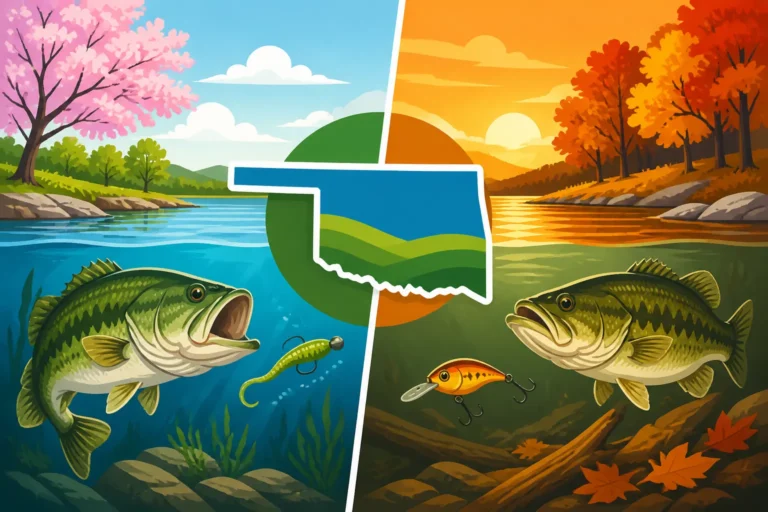
Spring on Lake Texoma is a time of immense excitement for striped bass anglers. As the water begins to warm up from its chilly winter lows, the stripers really start to become active, driven by their powerful instinct to spawn. This is a period of transition, moving from deeper winter haunts to shallower, more accessible areas. Understanding these movements is key to intercepting them during this highly productive season.
Striped Bass Behavior and Locations in Spring
As winter gives way to spring, typically starting in March and ramping up through May, the striped bass begin to shake off their lethargy. Their metabolism increases, and they start migrating up the major river arms that feed Lake Texoma, primarily the Red River and the Washita River. They are seeking suitable spawning grounds, which usually means areas with good current and rocky bottoms. You'll find a lot of fish pushing into these river systems, often congregating in deep holes, bends, and along the main channel.
In the early part of spring, when water temperatures are still in the low 50s, the stripers might be staging just outside the river mouths or in the deeper parts of the lower river. As temperatures climb into the 60s, they will move further upstream, sometimes for many miles. This pre-spawn period sees them feeding aggressively, trying to pack on energy for the spawn itself. After the spawn, usually in late April to May, they'll begin their migration back down the rivers and disperse throughout the main lake, often found chasing schools of shad on main lake points and humps. If you're looking for more detailed information on specific locations, checking out a comprehensive Lake Texoma Fishing Guide for Oklahoma Anglers can provide excellent insights.
Recommended Techniques and Lures for Spring
Spring fishing for striped bass on Lake Texoma often involves a mix of trolling, live bait, and artificial lures, adapting to where the fish are in their seasonal migration. When they are pushed up the rivers, live shad is king. Drifting live gizzard or threadfin shad behind your boat, especially near deep channels or current breaks, can be incredibly effective. For those who prefer artificials, soft plastic swimbaits (like those from Sassy Shad or similar brands found on Amazon) in shad patterns, jigging spoons, and lipless crankbaits can entice aggressive strikes.
As the fish move back to the main lake post-spawn, trolling becomes a dominant strategy. Anglers often use umbrella rigs, lipped crankbaits, or swimbaits pulled behind downriggers or weighted lines. Topwater plugs can also be phenomenal during low light conditions or when stripers are actively busting bait on the surface, creating an adrenaline-pumping visual bite. This is also the time when many anglers target the impressive May Striper Fishing in Oklahoma, often considered one of the best times of the year for big fish.
Key Spring Fishing Considerations
Water temperature is your most critical factor in spring. Pay close attention to current conditions, as a sudden cold front can push fish back down into deeper water, slowing the bite considerably. Conversely, a prolonged warming trend can trigger an earlier and more intense spawn. Wind is also a major factor on Texoma; strong spring winds can make boat control challenging and create rough conditions, so always prioritize safety. Lastly, always keep an eye on the local regulations, especially concerning size and bag limits, which can sometimes vary in river sections during the spawn.
Summer Striped Bass Fishing on Lake Texoma
When the scorching Oklahoma summer sun beats down on Lake Texoma, the striped bass adapt by moving to deeper, cooler water. This shift means anglers need to adjust their tactics dramatically from the springtime shallow-water action. The summer heat can be intense, both for anglers and fish, making early mornings, late evenings, or even night fishing particularly rewarding.
Striped Bass Behavior and Locations in Summer
As surface water temperatures climb into the 80s and beyond, striped bass in Lake Texoma seek refuge in deeper, more oxygenated, and cooler waters. This often means they will be found along the main lake channels, near the dam, around deep humps, ledges, and submerged structure. They'll follow schools of baitfish, primarily shad, into these thermal refuges. The thermocline, a layer where water temperature changes rapidly, becomes crucial. Stripers will often suspend just above or within the thermocline, finding their preferred temperature and oxygen levels.
You might still find some schooling activity on the surface during the earliest morning hours or late evenings, especially if baitfish are pushed up against points or humps. However, this action is typically short-lived. For the majority of the day, these powerful fish will be concentrated in deeper water, sometimes 30 to 60 feet down or even more. Understanding How Striped Bass Fishing Changes Through the Seasons at Lake Texoma, Oklahoma is particularly important now, as the hot weather dictates a significant change in strategy.
Recommended Techniques and Lures for Summer
Summer fishing on Lake Texoma for striped bass heavily favors live bait, specifically gizzard or threadfin shad. Anglers will often use large cast nets to catch bait or purchase it from local bait shops. The most effective technique is typically down-lining or drift fishing with live shad, presenting the bait directly to the fish suspended in deeper water. Using a good fish finder is almost essential for locating these deeper schools and the thermocline.
Trolling is another highly effective summer method. Using large crankbaits, swimbaits, or umbrella rigs (often referred to as "Alabama rigs") pulled behind downriggers or heavy weights allows you to present lures at the precise depth where the stripers are holding. For those short bursts of surface activity, topwater lures like poppers or walking baits can be exciting. Many anglers swear by the effectiveness of deep-diving crankbaits (you can find a huge selection on Amazon) to reach those suspended fish. For anglers focusing on specific strategies, our guide on Deep Water Striper Fishing Techniques provides valuable information.
Key Summer Fishing Considerations
Hydration and sun protection are paramount during summer. The heat can be brutal, so wear appropriate clothing, hats, and sunscreen, and drink plenty of water. Pay close attention to your fish finder for bait balls and suspended fish; if you're not seeing fish, move until you do. Night fishing can also be incredibly productive in summer, as stripers will move shallower under the cover of darkness to feed. Look for lighted docks or use submerged lights to attract baitfish, which in turn attract the stripers. Remember that Lake Texoma is a massive body of water, so having a plan before you hit the water can make all the difference.
Fall Striped Bass Fishing on Lake Texoma
Fall on Lake Texoma is a beautiful and often bountiful time for striped bass anglers. As the oppressive summer heat gives way to cooler temperatures, the lake and its inhabitants undergo a significant transformation. The fish become incredibly active, driven by the instinct to gorge themselves in preparation for the coming winter. This "fall feed" can lead to some of the most exciting and consistent fishing of the year.
Striped Bass Behavior and Locations in Fall
As autumn progresses, from September through November, the surface water temperatures begin to drop, gradually cooling from the high 70s into the 60s and 50s. This cooling trend revitalizes the striped bass, and they become much more aggressive. The thermocline begins to break up, allowing fish to utilize a wider range of depths. Crucially, baitfish, particularly shad, become highly active and form massive schools. The stripers follow these schools relentlessly, often pushing them to the surface.
You'll find striped bass spread out across the main lake, congregating around points, humps, ledges, and creek channels. The mouths of the Red and Washita rivers can also hold strong populations as fish stage before winter. What makes fall so exciting is the prevalence of "topwater boils" or "slicks" – vast schools of stripers pushing baitfish to the surface, creating a feeding frenzy that can be seen from a distance. Knowing How to Find Striped Bass Schools with Sonar becomes incredibly useful during this period, but sometimes you can just follow the birds!
Recommended Techniques and Lures for Fall
Fall is arguably the most versatile season for striped bass techniques on Lake Texoma. When the stripers are actively chasing bait on the surface, topwater lures are king. Poppers, walk-the-dog style baits, and even large Zara Spooks can draw explosive strikes. The visual aspect of this fishing is truly unforgettable. Keep a rod rigged and ready for this action at all times.
When the fish are not on the surface, trolling with lipped crankbaits, umbrella rigs, or swimbaits remains highly effective. As the water cools further, vertical jigging with heavy spoons or large soft plastics (like a 6-inch swimbait in white or chartreuse, easily found on Amazon) can also produce well, especially on deeper humps or ledges. Live bait, especially large gizzard shad, can also be a game-changer when fishing deeper or for targeting trophy-sized fish. Our article on Striped Bass Trolling Techniques offers further insights into maximizing your fall trolling success.
Key Fall Fishing Considerations
While the fishing can be fantastic, fall weather on Lake Texoma can be unpredictable. Be prepared for sudden temperature drops and strong winds. Always check the forecast before heading out. Identifying active feeding zones often involves looking for diving birds (gulls, terns), which are reliable indicators of stripers pushing bait to the surface. The stripers are looking to pack on weight, so presentation and having the right bait at the right time is paramount. This is a prime time for anglers who enjoy a variety of techniques.
Winter Striped Bass Fishing on Lake Texoma
Winter fishing for striped bass on Lake Texoma is often overlooked, but for the dedicated angler, it can offer some of the most rewarding and uncrowded experiences. While the fish are less active than in spring or fall, they tend to congregate in predictable deep-water locations, making them easier to target once found. Patience and precision are key during the colder months.
Striped Bass Behavior and Locations in Winter
As the lake water cools to its lowest temperatures, typically from December through February, striped bass metabolism slows significantly. They don't expend as much energy chasing individual baitfish but rather look for large schools of shad to move in on. During this period, stripers will gather in very deep water, often 50 to 100 feet deep, seeking stable temperatures. Common locations include the main lake channels, especially near the dam area, deep creek channels, and significant submerged structure like old roadbeds or ledges.
They will often hold tight to the bottom or suspend just above it, particularly in the lower lake areas near the Texoma Dam. Finding these wintering holes can be challenging, but once you do, you can often find large numbers of fish concentrated in relatively small areas. This deep-water concentration means that understanding how to present your bait accurately is more important than ever. You won't see the surface boils of fall, but the fish you find will often be big and hungry enough to bite.
Recommended Techniques and Lures for Winter
Winter striped bass fishing on Lake Texoma almost exclusively revolves around deeper techniques. Live bait, once again, is a top producer. Down-lining live gizzard shad directly into schools of stripers found on your fish finder is the most consistent method. The bait needs to be presented right in their face, as they won't chase far in the cold water. Consider using larger, healthy shad to entice a strike. For those interested in more detail, our guide on Best Live Bait for Striped Bass Fishing has great insights.
Vertical jigging with heavy spoons (like a 1-2 oz slab spoon) or large soft plastics is another effective technique. You'll want to drop your lure directly into the schools you mark, using a subtle lift-and-drop retrieve. Sometimes, a dead-sticking approach, where you simply hold the bait or lure motionless at the fish's depth, can be surprisingly effective. Trolling with deep-diving crankbaits or weighted umbrella rigs (you can find robust trolling setups on Amazon for winter) can also work, especially if you find fish spread out over a deep flat or along a channel. Our guide on How to Troll for Striped Bass in Deep Water offers excellent strategies for this season.
Key Winter Fishing Considerations
The biggest challenge in winter is the cold weather. Dress in warm layers, and be prepared for freezing conditions, especially if you're out on the water for an extended period. Focus on your electronics; successfully locating deep schools of stripers is half the battle. Once you find them, be patient and experiment with slight variations in your presentation. Bites can be subtle in cold water. Also, be mindful of boat access, as some ramps might be less accessible due to ice or lower water levels. Lake Texoma offers a unique experience in winter for those willing to brave the cold for a chance at a trophy striper.
Seasonal Striped Bass Fishing Overview
To help visualize how the fishing changes throughout the year, here's a quick overview of key factors for striped bass fishing on Lake Texoma:
| Season | Water Temperature (Avg.) | Primary Location | Key Behavior | Recommended Techniques | Prime Baits/Lures |
|---|---|---|---|---|---|
| Spring | 50s-70s F | River arms (Red/Washita), main lake points | Spawning migration, aggressive feeding | Drifting, trolling, casting | Live shad, swimbaits, crankbaits, jerkbaits |
| Summer | 80s+ F | Deep channels, humps, ledges | Seeks cooler, oxygenated water, suspends | Down-lining, deep trolling | Live shad, deep-diving crankbaits, umbrella rigs |
| Fall | 60s-70s F | Main lake points, humps, creek channels | Aggressive feeding, chasing bait | Topwater, trolling, jigging | Topwater plugs, swimbaits, jigging spoons, live shad |
| Winter | 40s-50s F | Deep channels, near dam, large structure | Slow metabolism, concentrated schools | Down-lining, vertical jigging | Live shad, heavy jigging spoons, large soft plastics |
This table provides a snapshot, but remember that fish are wild animals, and daily conditions can always influence their behavior. Always stay flexible and observant!
Disclaimer
Fishing involves inherent risks, and conditions on the water can change rapidly. Always prioritize safety, wear appropriate personal flotation devices, and be aware of weather conditions. Regulations regarding fishing licenses, bag limits, and size restrictions can change; it is your responsibility to check the latest rules with the Oklahoma Department of Wildlife Conservation before you head out on the water. This guide is for informational purposes only and does not constitute professional advice.