Best Small Boat for Oklahoma’s Smaller Lakes
There's a special kind of peace that comes with fishing Oklahoma's smaller lakes and ponds – those tucked-away gems where the hustle and bustle of bigger reservoirs just melts away. But trying to launch a big bass boat on a gravel ramp, or worse, navigating tight coves with a deep-V hull, can turn that peaceful escape into a headache. This guide is all about finding the perfect small boat that'll get you onto those quiet waters, making your fishing trips effortless and enjoyable.
Why Smaller Lakes Call for Specific Boat Types
Fishing isn't always about horsepower and big waves. For many of us, the joy comes from exploring those less-frequented spots, the quiet coves, and the ponds that aren't on every tourist map. These smaller bodies of water in Oklahoma often present their own unique challenges that larger, more conventional fishing boats simply aren't designed to handle.
Accessing Remote or Undeveloped Ramps
One of the biggest frustrations anglers face when targeting smaller lakes is the lack of proper launch facilities. You might pull up to a promising state park lake or a local community pond only to find a steep, unpaved bank, a sandy shoreline, or a narrow gravel path that barely qualifies as a boat ramp. Trying to maneuver a large fiberglass bass boat or a deep-V offshore rig in these conditions is not just difficult, it's often impossible without risking damage to your boat or vehicle.
Imagine trying to launch a 20-foot boat on a ramp that's really just a couple of tire tracks leading down to the water, perhaps at one of Oklahoma's smaller wildlife management area lakes. Not only do you run the risk of getting your trailer stuck, but you might also block the limited access for other anglers. Small boats, however, are often light enough to be slid into the water by hand or with a small, easily maneuvered trailer. This capability opens up a whole new world of fishing opportunities, allowing you to explore places that remain untouched by the larger boating crowd. Whether it's a private pond you've gained permission to fish or a lesser-known public spot, a small, agile boat is your ticket to hassle-free access.
Navigating Shallow Waters and Tight Spaces
Once you're on the water in a smaller lake, the challenges don't end. Many of Oklahoma's smaller lakes, especially those in more natural settings, tend to be shallower than their massive reservoir counterparts. They're often choked with lily pads, submerged timber, thick weed beds, and narrow channels that weave through dense shoreline vegetation. A large boat with a deep-drafting outboard engine would be constantly running aground, fouling propellers, or simply unable to reach the most productive fishing spots.
Think about chasing crappie in a backwater slough on a lake like Lake Eufaula, or quietly casting for bass in a hidden cove at Lake Murray. These areas are prime habitat for fish, offering cover and forage, but they demand a boat that can float in minimal water and turn on a dime. Smaller boats, with their typically shallow drafts and excellent maneuverability, are perfectly suited for this kind of exploration. They allow you to glide over submerged stumps, silently penetrate dense weed lines, and slip into those "honey holes" where the fish feel safe from bigger, noisier vessels. This ability to get right into the heart of the action, without disturbing the fish or getting stuck, is a game-changer for effective fishing on Oklahoma's smaller waters.
Top Contenders for Small Lake Fishing in Oklahoma
When it comes to picking a small boat for those intimate Oklahoma fishing experiences, you've got some great options. Each type brings its own set of advantages and a few trade-offs, so thinking about how you fish and what you value most is key.
Jon Boats and Small Aluminum Skiffs
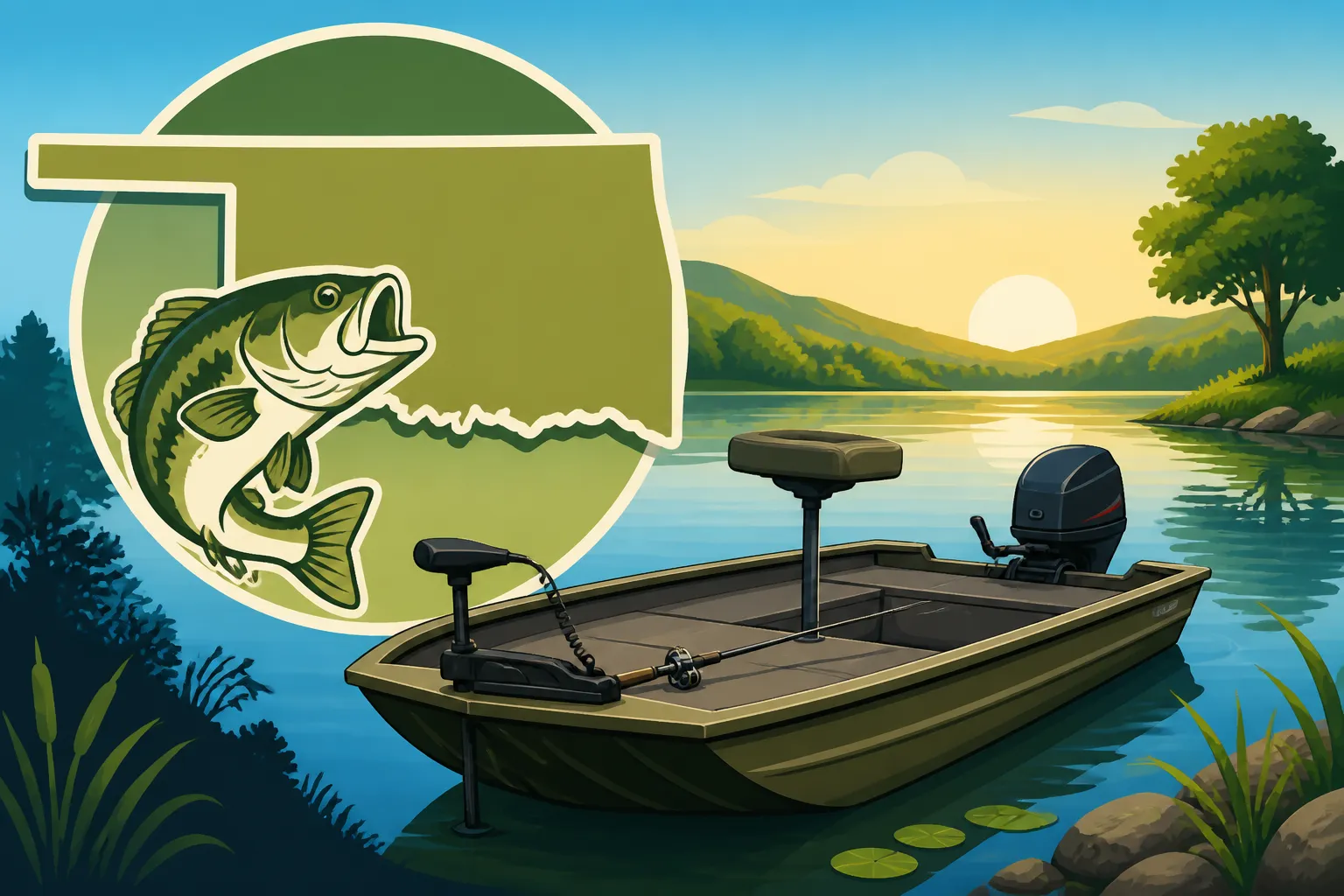
These are often the workhorses of small lake and pond fishing, and for good reason. Jon boats are characterized by their flat bottoms, which provide incredible stability in calm water and allow them to float in incredibly shallow conditions. They're typically made of aluminum, making them lightweight yet remarkably durable. You'll find them in a range of sizes, but for smaller Oklahoma lakes, anything from 10 to 14 feet is usually ideal.
The biggest pros of a jon boat are their affordability and versatility. They're usually less expensive than many other boat types, both to buy initially and to maintain. Their open layouts make them highly customizable; you can add swivel seats, a small casting deck, or even a livewell if you're handy. They pair beautifully with small outboard motors (like a 9.9hp) for covering ground quickly, or with an electric trolling motor for quiet, stealthy approaches to fishing spots. You can easily find a good selection of jon boats and related accessories at places like Bass Pro Shops, where you can compare different models and sizes. The main con is that their flat bottom, while great for stability and shallow water, can lead to a bit of a rougher, wetter ride if you encounter any chop, though this is less of an issue on smaller, calmer lakes. These boats are perfect for anglers looking for a reliable, no-frills platform for fishing ponds, slow-moving rivers, or community lakes where simple access is paramount. If you're looking for a Jon Boat for Fishing Oklahoma's Small Lakes, this is likely your top option.
Fishing Kayaks and Canoes
For the angler who craves silence, stealth, and a truly intimate connection with the water, fishing kayaks and canoes are unbeatable. Modern fishing kayaks, especially the sit-on-top varieties, have evolved into sophisticated fishing platforms, offering surprising stability, ample storage, and even options for pedal drives or small electric motors. Canoes, while more traditional, also offer excellent carrying capacity and are fantastic for tandem fishing or hauling gear.
The portability of kayaks and canoes is a massive advantage. You can often throw them in the back of a pickup truck or strap them to a roof rack, eliminating the need for a trailer and expanding your access to spots without traditional boat ramps. Their quiet nature allows you to sneak up on wary fish without spooking them, making for some incredibly productive fishing. Imagine silently paddling into a remote cove at Lake Tenkiller or exploring the shallows of Broken Bow Lake where no motorboat can reach. This stealth, combined with the ability to navigate extremely tight quarters, makes them ideal for places where fish might not see much pressure. For all your kayak accessories, from rod holders to paddle leashes, check out online retailers like Amazon for a huge selection. However, kayaks and canoes do have their limitations; storage space is finite, and they can be more susceptible to wind and current, requiring more physical effort to cover distance. Stability can also be a learning curve for some, especially when standing to cast, but many dedicated fishing kayaks are designed with this in mind. If you're interested in going the paddle route, be sure to read our guide on Kayak Fishing Gear Guide for Oklahoma Lakes.
Inflatable Fishing Boats
Often overlooked, inflatable fishing boats have come a long way from the flimsy pool toys of yesteryear. Modern inflatables, constructed from durable PVC or Hypalon, feature multiple air chambers for safety and surprisingly rigid high-pressure air decks or aluminum floorboards. These aren't just for casual floating; many are designed specifically for fishing, complete with reinforced hulls and mounting points for rod holders and small motors.
The primary benefit of an inflatable boat is its unparalleled portability and storage. When deflated, these boats can pack down into a large duffel bag or trunk, making them perfect for anglers with limited storage space at home or those who need to transport their boat in a smaller vehicle. Setting one up usually takes 15-30 minutes with an electric pump, allowing you to access lakes that would otherwise be out of reach for a hard-sided boat. While the initial setup takes a little longer than simply backing a trailer, the ability to store it in a closet or car trunk is a game-changer for some. They are generally stable and comfortable to fish from, and their soft sides can even be a bit more forgiving if you bump into submerged timber. The main drawback is the slight risk of puncture, though modern materials are incredibly tough, and the setup time before hitting the water. They are an excellent choice for a secondary boat, for camping trips where space is at a premium, or for anglers who are truly embracing Bank Fishing Gear vs Boat Fishing Gear by bringing their "boat" in a bag.
| Boat Type | Portability | Stability (Calm Water) | Shallow Draft | Ideal Power | Best Use Cases |
|---|---|---|---|---|---|
| Jon Boat (Aluminum) | Good (Trailer/Truck) | Excellent | Excellent | Outboard/Trolling | Ponds, small lakes, slow rivers, general utility |
| Fishing Kayak | Excellent (Roof/Truck) | Good to Excellent | Excellent | Paddle/Pedal/Troll | Very small ponds, creeks, stealth fishing, exercise |
| Inflatable Fishing Boat | Excellent (Packable) | Good | Excellent | Trolling/Small Outboard | Remote access, limited storage, secondary boat trips |
| Canoe | Good (Roof/Truck) | Good | Excellent | Paddle | Tandem fishing, gear transport, quiet exploration |
Key Features to Look For in a Small Fishing Boat
Choosing the right small boat isn't just about the type; it's also about the specific features that will make your time on Oklahoma's waters more productive and enjoyable. These elements are especially critical when you're dealing with the unique environments of smaller lakes.
Maneuverability and Stability
On a small lake, you're constantly navigating around docks, fallen trees, brush piles, and shallow contours. A boat that can turn quickly and precisely is invaluable. You don't want to be fighting the boat just to get into position for a cast. This is where many smaller boats shine, but there are differences even within their category. A short jon boat with a small outboard or trolling motor can pivot nearly in place, while a longer canoe might require more room to turn.
Stability is arguably even more crucial, especially in smaller boats where the margin for error is less. You'll be standing to cast, reeling in fish, perhaps reaching for tackle, or even bringing a squirming fish into the boat. The last thing you want is a tippy boat that makes you feel uneasy. Flat-bottomed jon boats generally offer superb initial stability, making them feel very secure. Many modern fishing kayaks are also designed with extra width and specific hull shapes to enhance stability, allowing anglers to stand up comfortably. When looking at models, consider the beam (width) of the boat; generally, a wider boat will be more stable. Also, think about your typical fishing style. If you like to stand and sight fish, prioritize a wider, more stable platform. If you prefer to fish sitting down, a slightly narrower boat might offer better paddling or motoring efficiency.
Portability and Ease of Launch
For smaller lakes, especially those without concrete ramps, the ability to easily get your boat in and out of the water is a primary concern. This boils down to two factors: the boat's weight and its overall size. Can you manage it alone, or do you always need a buddy?
A lightweight aluminum jon boat, for instance, might be light enough for two people to carry a short distance and simply slide into the water. Many kayaks are designed to be lifted onto a roof rack or into the bed of a truck by a single person, or with the aid of a cart. An inflatable boat, once deflated and packed, can be carried quite easily. Consider your vehicle as well. Do you have a truck bed? A roof rack? Or will you need a small, specialized trailer? For those who plan to visit lesser-known public access points, the easier your boat is to launch by hand or with minimal assistance, the more flexible your fishing adventures will be. It's not just about the launch itself, but also the recovery. Tired after a long day of fishing? A light boat is much easier to pull back onto shore and load up. Thinking about Boat Ramp Etiquette at Busy Oklahoma Lakes might not seem as important for a remote launch, but it does highlight the self-sufficiency you gain with a highly portable craft.
Shallow Draft and Durability
Oklahoma's smaller lakes, ponds, and even the calmer sections of rivers are often characterized by varying depths, numerous submerged structures, and thick vegetation. A boat with a shallow draft – meaning it doesn't need much water to float – is absolutely essential. This allows you to explore the very edges of the lake, glide over mud flats, and push deep into weed-choked coves where the big fish often hide.
Jon boats, with their flat bottoms, are kings of shallow water, often floating in just a few inches. Kayaks and canoes also have extremely shallow drafts, allowing access to virtually any water body that's deep enough to float them. Durability goes hand-in-hand with shallow water fishing. Bumping into stumps, scraping over rocks, or navigating through dense brush are common occurrences. Aluminum jon boats are incredibly tough and can take a beating, shrugging off impacts that would damage other materials. Rotomolded polyethylene kayaks are similarly robust and can withstand considerable abuse. When choosing your boat, consider the materials and construction. A more durable boat means less worry about accidental damage and more time enjoying your fishing, rather than repairing your vessel. Less time on maintenance means more time on the water, which is always a win in our book!
Equipping Your Small Boat for Oklahoma Waters
Once you've picked out the perfect small boat, it's time to deck it out to maximize your fishing success and ensure your safety on Oklahoma's diverse waters. Even a small boat needs the right gear to be effective and safe.
Essential Safety and Comfort Gear
Safety should always be your top priority, especially when operating smaller vessels that might be more exposed to the elements or unexpected conditions. The most critical piece of equipment is, without a doubt, a well-fitting personal flotation device (PFD), or life jacket, for everyone on board. Even if you're an experienced swimmer, a PFD can save your life if you fall overboard in cold water, become disoriented, or are knocked unconscious. Remember, Life Jacket Rules for Kids 12 and Under on Oklahoma Boats are particularly strict, requiring them to wear a PFD at all times when underway.
Beyond life jackets, always carry a whistle or other sound-producing device to signal for help. A small, lightweight anchor will help you hold position over a promising fishing spot or prevent you from drifting in windy conditions. A bailing device, like a sponge or small bucket, is essential for removing any water that gets into the boat from splashes or rain. Don't forget personal comfort items: sunscreen, a wide-brimmed hat, sunglasses, and plenty of water are vital for long days under the Oklahoma sun. If your boat doesn't have comfortable seating, consider adding a padded boat seat or cushion to make those long hours on the water much more enjoyable.
Power Options and Electronics
While many small boats are perfectly suited for paddle power, adding a motor can dramatically expand your range and fishing efficiency, especially on larger small lakes. For silent, stealthy operation and easy maneuverability, an electric trolling motor is often the best choice for jon boats and even some larger kayaks. These motors are quiet, environmentally friendly, and powerful enough to propel small boats effectively. Just remember to factor in the weight of a marine battery and consider its runtime for your typical trips. For those times you need to cover more distance, a small gas outboard (think 2.5 to 10 horsepower) can be incredibly efficient on a jon boat, allowing you to reach distant coves faster.
Even on smaller lakes, a basic fish finder can be a game-changer. These compact devices help you locate submerged structure, identify changes in depth, and even spot schools of fish. Portable fish finders that clamp to the transom or attach to a kayak are readily available from manufacturers like Garmin or Humminbird. You can find excellent options for these types of electronics at either Bass Pro Shops or by browsing the wide selection on Amazon. While you might not need the high-end side-imaging features of units designed for big reservoirs, understanding Fish Finder Features That Matter Most on Oklahoma Reservoirs will help you pick a basic unit that can still significantly improve your success.
Rods, Reels, and Tackle Storage
Your fishing gear setup can greatly impact your comfort and effectiveness in a small boat. For kayaks and smaller jon boats, consider using shorter fishing rods. A 6 to 6.5-foot rod is often easier to cast and handle in confined spaces compared to a longer 7-foot or 7.5-foot rod, especially when sitting down. However, for open water casting, a slightly longer rod might still be preferred. Match your reel to your target species – a spinning reel is versatile for most panfish and bass, while a baitcaster might be preferred for heavier bass presentations. Check out guides like Best Rod and Reel Combo for Crappie Fishing for specific recommendations.
When it comes to tackle, less is often more in a small boat. Opt for a compact, waterproof tackle box or bag that can be securely stowed to prevent items from falling overboard. Many anglers find it helpful to organize their tackle by species or technique into smaller, modular boxes. Rod holders are another invaluable addition. Whether they're flush-mounted into the gunwales of a jon boat or clamped onto the side of a kayak, rod holders allow you to safely store extra rods, troll baits, or simply keep your hands free for paddling or maneuvering. Keeping your tackle organized and easily accessible, yet out of the way, is key to an enjoyable and productive day on the water in a small boat.
Disclaimer
This article is for general informational purposes only and does not constitute professional advice. Laws, prices and regulations vary by location and change over time. Consult a qualified professional for guidance on your specific situation.