Best Spinning Reel for Crappie Fishing
Many crappie anglers wrestle with gear choices, wondering if their reel is truly helping or hindering their pursuit of those speckled beauties. It’s frustrating to feel under-gunned or over-geared when you’re out on the water, especially when crappie can be so subtle. This comprehensive guide will walk you through everything you need to know to pick the best spinning reel for crappie fishing, ensuring your setup is dialed in for success.
Why a Spinning Reel is the Crappie Angler's Best Friend
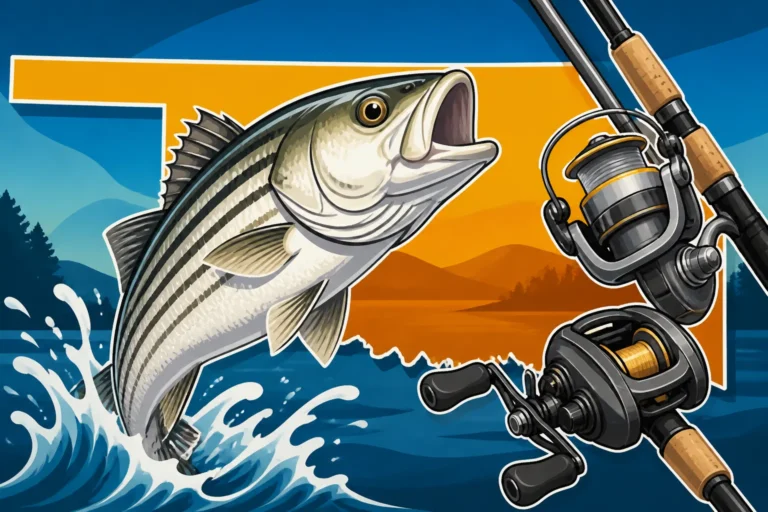
When you're chasing crappie, every detail of your setup matters. While some anglers might lean towards baitcasting reels for other species, the spinning reel holds a special place in the hearts of dedicated crappie enthusiasts for very good reasons. Its design naturally lends itself to the delicate touch and light presentations often required to entice these finicky fish.
The Precision of Light Tackle
Crappie fishing, especially when using delicate baits like tiny jigs, small spinnerbaits, or live minnows, demands a finesse approach. A spinning reel excels here because it allows for super light lines and small lures to be cast with surprising accuracy. Think about those times you're trying to drop a 1/32 oz jig right into a brush pile or precisely place a minnow under a dock. A baitcasting reel, while powerful for heavier lures, just can't handle that kind of delicacy without constant frustration and backlashes. This precision is absolutely crucial when crappie are finicky, or when you're fishing in clear, calm waters where a heavy splash might spook the entire school. It’s all about a quiet, unobtrusive presentation that doesn't alert the fish.
The open-faced design of a spinning reel means less friction on the line as it leaves the spool, which directly translates to longer, smoother casts with lighter offerings. You're not fighting a revolving spool like with a baitcaster; the line simply peels off in coils. This is a huge advantage when those crappie are holding just out of reach, or when you need to cover a wider area without constantly repositioning your boat. It truly empowers you to target those subtle bites without overdoing it, giving you confidence in every cast that your bait is getting to where it needs to be.
Furthermore, the retrieve is often more controlled and consistent with a spinning reel, which is vital for maintaining the slow, steady presentation crappie often prefer. Whether you're slowly swimming a small grub along a submerged log or barely twitching a minnow near a stump, the consistent retrieve helps keep your bait in the strike zone longer. This delicate control is what often separates a good crappie day from a slow one, allowing you to mimic natural prey movements perfectly and entice bites from even the most hesitant fish.
User-Friendly and Adaptable
One of the biggest appeals of spinning reels for crappie is their sheer user-friendliness. Unlike baitcasters, which can lead to frustrating backlashes and tangled lines if not handled just right, spinning reels are much more forgiving, making them ideal for beginners and seasoned anglers alike who just want to enjoy their time on the water. There's nothing worse than spending precious fishing time untangling a bird's nest when the fish are biting, and spinning reels largely eliminate that headache. This ease of use means you can focus more on the fish and less on your gear, which is especially welcome after a long week.
Their versatility is another major plus that makes them an indispensable tool for crappie anglers. A single spinning reel, paired with the right rod, can handle a wide range of crappie techniques. You might be vertical jigging over a deep structure one moment, casting small crankbaits along a weed line the next, or even tight-lining live minnows beneath a bobber. A good spinning reel can transition seamlessly between these methods without requiring you to switch out your entire setup. This adaptability means you don't need a boatload of specialized gear for every scenario, simplifying your tackle box and potentially saving you money. Best Rod and Reel Combo for Crappie Fishing further explores optimal pairings.
Moreover, spinning reels are generally robust enough to handle the occasional unexpected larger catch without failing. While we're primarily targeting crappie, we all know those other species love to crash the party. A feisty largemouth bass or a surprising catfish can often be fooled by a crappie offering. A well-built crappie spinning reel won't buckle under a bit of extra pressure from a bonus fish, giving you confidence that you can land whatever decides to bite your lure. It’s like having a reliable multi-tool in your crappie arsenal, ready for whatever the water throws at you.
Key Features That Make a Great Crappie Spinning Reel
Not all spinning reels are created equal, especially when it comes to the specific demands of crappie fishing. Understanding what features truly matter can help you sift through the endless options and find a reel that performs exactly how you need it to. It's about optimizing for sensitivity, control, and reliability.
Size and Weight: Finding the Right Balance
For crappie fishing, you're generally looking at smaller spinning reel sizes, typically in the 1000 to 2500 series range. The numbers usually correspond to line capacity and overall size. A 1000-series reel is often considered ultra-light, perfect for the most delicate presentations, offering incredible sensitivity and a feather-light feel that pairs beautifully with a sensitive rod. This setup allows you to feel the faintest nibble, which is paramount when crappie are just barely sucking in your bait, making those almost imperceptible "thumps" easier to detect. Anything larger than a 2500 series might feel clunky and overkill for crappie, reducing sensitivity and increasing fatigue.
Weight distribution is also crucial. A reel that balances well with your chosen rod will feel like an extension of your arm, reducing fatigue during long days of casting and retrieving. Imagine constantly battling an unbalanced combo; your wrist and forearm will be screaming after just a few hours, detracting from your enjoyment of the sport. When you're shopping, it’s a good idea to try pairing the reel with a rod of similar length and action to what you typically use to get a real feel for the balance. A lightweight reel is key, but it needs to distribute that weight evenly with the rod for optimal comfort and performance.
A common misconception is that heavier means more durable. For crappie reels, this isn't necessarily true with modern manufacturing. Advancements in materials allow for incredibly strong yet lightweight reels. Consider reels made from graphite composites or lighter aluminum alloys. These materials not only reduce overall weight, making them more comfortable for extended use, but they often resist corrosion better than older, heavier metals. This is a huge plus if you find yourself fishing in humid conditions, accidentally dunking your reel, or fishing around brackish waters. You want something that feels nimble and responsive, not like a brick weighing down your rod.
Smoothness and Drag System for Delicate Bites
A smooth retrieve is non-negotiable for crappie fishing. You want a reel that feels fluid and effortless as you turn the handle, free from any grinding, wobbling, or resistance. This smoothness comes from quality internal components, particularly the bearings. While more bearings generally contribute to a smoother feel, it's the quality and placement of those bearings that truly matters. A reel with fewer, higher-quality bearings often outperforms one with many cheap, poorly placed ones. Look for reels that boast corrosion-resistant bearings (often labeled as stainless steel or shielded) for enhanced longevity, especially if you plan on fishing frequently or in challenging environments.
The drag system is perhaps the most critical component for landing crappie, especially if you hook into a slab-sized fish or a bonus species. Crappie have notoriously soft mouths, and a sticky or jerky drag can easily rip the hook right out with a sudden head shake. You need a drag that pays out line smoothly and consistently under pressure, without any hesitation or sudden surges. A good test in the store (or after unboxing a reel from Amazon) is to pull line directly from the spool by hand; it should feel like butter, offering consistent resistance without any jerking. This smooth operation is what protects your light line and delicate hooksets.
Look for a multi-disk drag system, as these typically offer more consistent pressure and finer adjustments across their range. Being able to fine-tune your drag to match the light line and soft mouth of a crappie is a game-changer. It allows you to let the fish run when it needs to, absorbing head shakes and sudden surges without snapping your line or tearing the hook free. This delicate balance is what prevents lost fish at the boat and gives you confidence in your setup, especially when you're adhering to strict Oklahoma's Crappie Fishing Rules and Limits.
Gear Ratio and Retrieval Speed for Crappie Tactics
The gear ratio of a spinning reel tells you how many times the spool rotates for every one full turn of the handle. For crappie fishing, a moderate gear ratio, typically in the 5.0:1 to 6.2:1 range, is often ideal. This range provides a good balance between power and retrieve speed, allowing you to work tiny jigs slowly and precisely without feeling like you're constantly cranking the handle at a furious pace. A reel in this range will feel comfortable and efficient for various techniques, from slow-rolling a jig along a bottom contour to faster retrieves when targeting actively feeding fish.
While some anglers might prefer a higher gear ratio (e.g., 7.0:1) for faster lure presentation in other types of fishing, it's generally less critical for crappie. Crappie are often caught with slower, more deliberate movements, and a super-fast retrieve can make it challenging to maintain that desired slow presentation. A lower ratio (e.g., 5.2:1) offers more torque, which can be beneficial if you're pulling slightly heavier jigs through thick cover, or if you accidentally hook into a larger bass or catfish that requires more pulling power. It's about having enough power to control the fish without overworking your lure or wearing out your arm.
Ultimately, the "best" gear ratio depends on your primary crappie fishing style. If you primarily vertical jig over brush piles or tight-line minnows from a boat, a mid-range ratio is usually perfect. If you occasionally cast small crankbaits or spoons and need a quicker retrieve to keep them active and in the strike zone, leaning towards the higher end of that range (e.g., 6.2:1) might be a better fit. Always consider how you typically fish and what techniques you employ most often when making this decision. Crappie Fishing Techniques and Seasonal Patterns in Oklahoma can dictate different retrieval speeds.
Choosing the Right Line for Your Crappie Reel
Once you've picked out the perfect spinning reel, the next crucial step is choosing the right fishing line. The line acts as your direct connection to the fish, and selecting the appropriate type and weight for crappie fishing can significantly impact your sensitivity, casting distance, and overall success.
Monofilament, Fluorocarbon, or Braided Line?
When it comes to crappie fishing, your line choice on that spinning reel can make a huge difference in how you detect bites and fight fish. Monofilament (mono) is a classic for a reason: it's affordable, has good stretch which can act as a shock absorber for soft-mouthed crappie, and is relatively easy to tie knots with. Many anglers start with mono in 4-6 pound test, especially if they're fishing around cover where a little abrasion resistance is helpful. Its visibility can be a factor in extremely clear water, but for general crappie fishing in most Oklahoma lakes, it’s a solid, forgiving choice.
Fluorocarbon offers less stretch than monofilament, providing increased sensitivity and better hook sets, which is a huge advantage for detecting those often subtle crappie bites. It's also virtually invisible underwater due to its refractive index, making it a definite plus in clear Oklahoma lakes like Tenkiller Ferry or Arbuckle where crappie can be particularly spooky and line-shy. The downside? It can be a bit stiffer than mono, sometimes harder to manage on smaller spinning reels, and generally more expensive. If you're looking for that extra edge in feel and stealth, a high-quality fluorocarbon leader or even a main line in 4-6lb test is definitely worth considering for discerning fish.
Braided line provides the ultimate in sensitivity and strength for its diameter. You'll feel every bump, every weed, and every tick, and it casts incredibly far, making it excellent for long casts to distant cover. However, braid itself is highly visible, has no stretch (which can be a problem with soft crappie mouths if your rod doesn't compensate), and can be expensive. Many crappie anglers who use braid will tie a several-foot fluorocarbon leader to it for stealth and a bit of shock absorption. This combination offers the best of both worlds: extreme sensitivity from the braid, and stealth/shock absorption from the fluoro leader. This setup is particularly effective when How to Catch Crappie from the Bank requires long casts.
Matching Line Capacity to Your Fishing Needs
A small spinning reel (1000-2000 series) typically holds enough line for most crappie fishing scenarios. You're usually targeting fish within a reasonable casting distance or vertically jigging over structure, so you don't need hundreds of yards of line like you might for saltwater or big game species. For example, a 1000 series reel might comfortably hold about 100 yards of 4-pound test monofilament. This is more than sufficient for battling crappie and even a decent-sized bass that might mistake your lure for a meal. The key is to have enough line to manage a run without emptying your spool, which is a rare occurrence with crappie.
Overfilling your spool can lead to tangles, annoying wind knots, and reduced casting distance, as the line struggles to peel off cleanly. Conversely, underfilling can create excessive line memory issues, especially with monofilament, and can impact drag performance. Always aim to fill your spool to the recommended line capacity, usually indicated on the reel itself or in its specifications. When spooling new line, ensure it's wound tightly and evenly. Many tackle shops, including those at Bass Pro Shops, offer free line spooling if you buy the line from them, which can save you a lot of headache and ensure it’s done correctly.
If you're using braided line with a fluorocarbon leader, remember that the braid's thinner diameter means you can put a lot more of it on your reel. This gives you extra capacity if you decide to go for other species or simply want the peace of mind of having plenty of line, especially if you get snagged and have to break off some line. Just ensure your leader is long enough to handle the majority of your casting and retrieve, typically 3-6 feet, attached with a strong knot like an FG or double uni. Properly matching line capacity prevents wasted line and ensures optimal casting performance, making your crappie fishing trips to Best Crappie Fishing Spots on Lake Arbuckle, Oklahoma more enjoyable.
Getting the Best Value for Your Crappie Reel Investment
Investing in a good spinning reel for crappie fishing doesn't mean you have to drain your wallet, but understanding where your money goes can help you make a smart purchase. There are excellent options at every price point, and knowing what to expect can guide your decision.
Understanding Price Points: What You Get for Your Money
When it comes to spinning reels for crappie, you'll find a wide spectrum of price points, from very budget-friendly options to premium models. Entry-level reels, typically found at a lower price bracket, are great for beginners, children, or those who only fish occasionally. They'll get the job done for catching crappie, but you might notice less smoothness, a less refined drag system, and potentially less durable internal components or body materials. These are perfect for getting started without a huge commitment, or for setting up a spare rod that might see less action.
Mid-range reels, often falling into a moderate price bracket, strike a fantastic balance between performance and cost. Here, you'll start seeing better quality bearings, noticeably smoother drag systems with more consistent pressure, and more robust construction with materials like aluminum frames or higher-grade composites. These reels are often the sweet spot for dedicated crappie anglers who want reliable, consistent performance for frequent use without completely breaking the bank. They offer noticeable improvements in casting distance, retrieve feel, and fish-fighting capabilities, making your time on the water much more enjoyable.
High-end reels, above a higher price bracket, are built with the finest materials, precision engineering, and advanced features. You'll get incredibly smooth retrieves that feel almost frictionless, exceptionally durable components designed for years of abuse, highly sensitive and micro-adjustable drag systems, and often lighter weights due to exotic materials. These are for the serious angler who demands the absolute best, fishes very frequently, or competes in tournaments where every advantage counts. While not strictly necessary for catching How Many Crappie You Can Keep in Oklahoma, the enhanced feel, superior performance, and extended longevity can certainly elevate the overall fishing experience.
Where to Shop for Your Next Crappie Reel
Local tackle shops are always a great first stop when you're in the market for a new spinning reel. The staff are usually incredibly knowledgeable about local fishing conditions, what's biting, and can offer personalized recommendations based on your budget and preferred fishing style. They might even let you test out a few different reels on rods to see how they feel in your hand and check their balance. Supporting local businesses is a fantastic way to keep those valuable resources, like up-to-date fishing reports and expert advice, available to the community.
Big box outdoor retailers like Bass Pro Shops offer a huge selection, allowing you to compare many different models and brands side-by-side. You can often find sales and promotions there, and their return policies are usually quite generous, giving you peace of mind with your purchase. It's a great place to physically handle various reels, feel their weight, test the smoothness of their retrieve, and even talk to different sales associates to gather multiple perspectives. Plus, you can pick up all your other crappie essentials, from Best Bait for Crappie in Oklahoma to new jigs, at the same time.
Online retailers, such as Amazon, provide unmatched convenience and often very competitive pricing, especially during sales events. You can read countless reviews from other anglers, compare specifications in detail, and have your reel delivered right to your door. The only downside is you can't physically hold and feel the reel before buying, so reading detailed descriptions, checking weight specifications, and watching video reviews becomes even more important. Just make sure to check return policies in case the reel isn't quite what you expected upon arrival. This convenience extends to other fishing needs, like when you need to know How to Buy an Oklahoma Fishing License Online. Consider the warranties offered by different manufacturers. A good warranty can provide peace of mind, especially when investing in a mid-range or high-end reel, as it protects your investment.
| Feature | 1000 Series Reel | 2000-2500 Series Reel | Typical Crappie Use Case |
|---|---|---|---|
| Size/Weight | Ultra-light, very compact | Light, slightly larger | Ultra-finesse, light jigs, small minnows |
| Line Capacity | ~100 yds of 4lb mono | ~130 yds of 6lb mono | Close-quarters, vertical jigging |
| Gear Ratio | 5.0:1 – 5.5:1 (moderate to slow) | 5.2:1 – 6.2:1 (moderate to fast) | Slow presentations, delicate retrieves |
| Drag System | Fine, smooth, usually lower max | Fine, smooth, slightly higher max | Protecting light lines and soft-mouthed crappie |
| Rod Pairing | Ultra-light, short rods | Light to medium-light rods | Dock shooting, brush pile fishing, open water casting |
Conclusion
Choosing the right spinning reel for crappie fishing doesn't have to be a bewildering experience. By focusing on the critical features like appropriate size and weight for light tackle, a buttery smooth retrieve, a reliable and adjustable drag system, and a balanced gear ratio, you can confidently select a reel that will truly enhance your time on the water. Remember, the goal is to create a balanced, sensitive setup that allows you to feel every subtle bite and effectively land those delicious Oklahoma crappie, whether you're at Best Crappie Fishing Spots on Tenkiller Ferry Lake, Oklahoma or a local farm pond. So, go ahead, pick out that perfect reel, spool it up with your preferred line, and get ready for some fantastic fishing!
Disclaimer
This article is for general informational purposes only and does not constitute professional advice. Laws, prices and regulations vary by location and change over time. Consult a qualified professional for guidance on your specific situation.