Misdemeanor Boating Fines in Oklahoma Explained
Getting out on Oklahoma's beautiful lakes and rivers is one of life's greatest pleasures, but nothing sours a perfect day faster than an unexpected run-in with a game warden or marine patrol that ends with a citation. Many anglers and boaters feel confused or frustrated by the sheer number of regulations, often leading to innocent mistakes that can carry real penalties. This guide will walk you through what constitutes a misdemeanor boating offense in our great state, detailing the types of fines and consequences you might face, and most importantly, how to avoid them so you can keep enjoying our waters worry-free.
Understanding Oklahoma's Boating Laws and Violations
Oklahoma takes boating safety seriously, and for good reason. Our waterways can get crowded, especially on peak weekends, and with so many different types of watercraft, from kayaks to powerful bass boats, clear rules are essential for everyone's safety. When you're out on the water, you're not just operating a recreational vehicle; you're sharing a public space with families, swimmers, and other anglers. Falling afoul of these rules can result in various penalties, with misdemeanor fines being a common outcome for many violations.
The state's boating laws are designed to protect both people and the natural resources we all enjoy. They cover everything from how your boat should be equipped to how you operate it. It's not always about blatant disregard; sometimes, a simple oversight, like forgetting a required piece of safety gear, can lead to a fine. It's easy to feel like there are too many rules to keep track of, but understanding the basics can prevent a lot of headaches, and more importantly, keep you and your passengers safe. For a broader look at the regulatory landscape, you might want to check out Oklahoma Boat Registration and Titling Rules Explained.
Why Boating Regulations Exist
Think of boating regulations as the rules of the road, but for water. Just like on the highway, these rules are in place to prevent accidents, maintain order, and ensure that everyone has an enjoyable experience. Without them, you'd have chaos: boats speeding through no-wake zones, collisions due to reckless operation, and people stranded without proper safety equipment. These laws are not just about catching violators; they're about fostering a culture of responsibility and awareness on our lakes and rivers. They protect fragile ecosystems too, with rules about waste disposal and preventing the spread of invasive species, although those typically fall under different enforcement categories.
Differentiating Misdemeanor Boating Offenses
In Oklahoma, boating violations generally fall into categories, similar to traffic offenses. Many minor infractions are considered misdemeanors. These are less severe than felonies but are still criminal offenses that can result in fines, potential jail time (though rare for most minor boating offenses), and a mark on your record. It’s not like a parking ticket that just goes away with a payment; a misdemeanor means you've committed a crime, and it can have implications beyond just paying the initial penalty. Understanding this distinction is crucial, as it elevates the importance of compliance from a simple inconvenience to a serious legal matter.
Common Misdemeanor Boating Offenses
When you're out on the water, there are quite a few things that could potentially lead to a misdemeanor charge if you're not careful. These aren't necessarily about malicious intent, but often about negligence or a lack of awareness of the rules. Knowing these common pitfalls can help you steer clear of trouble and ensure your day stays enjoyable. Many of these violations are related to basic safety, which is always paramount.
Lacking Required Safety Equipment
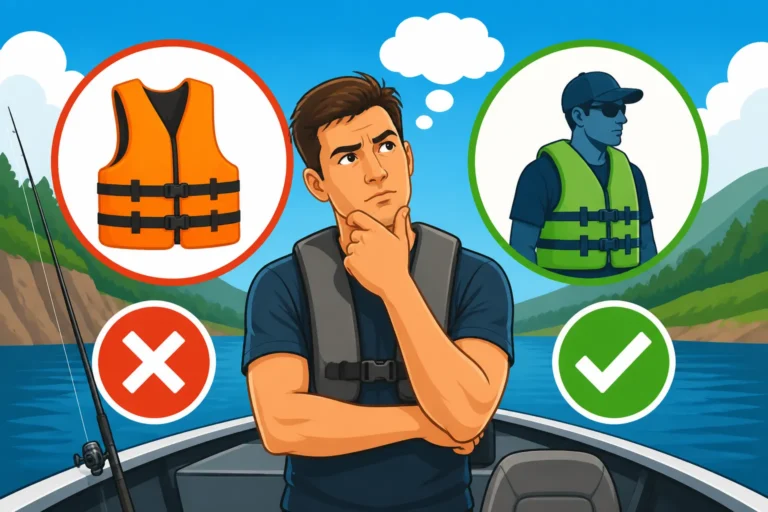
This is probably one of the most common reasons folks get stopped and cited. Oklahoma law mandates specific safety equipment on board your vessel, depending on its size and type. Forgetting a life jacket for everyone on board, especially children, or not having a throwable device on larger boats, can quickly land you in hot water. Game wardens and marine patrol are always checking for these things because they are literally life-saving devices.
For instance, if you're on a boat 16 feet or longer, you're required to have at least one Type IV throwable device, like a life ring or a cushion. If you don't have it, or it's stowed away where it's not readily accessible, that's a violation. Similarly, not having enough U.S. Coast Guard-approved life jackets for every person on board, or not ensuring children under 13 are wearing them while the boat is underway, are big no-nos. You can find all sorts of approved safety gear at places like Bass Pro Shops or by browsing online on Amazon, making it easier than ever to be compliant. Having a Oklahoma Life Jacket and PFD Rules for Boaters is a great resource to review before heading out.
Improper Boat Registration or Documentation
Just like your car, your boat needs to be properly registered and display its registration numbers and decal correctly. If you've just bought a used boat and haven't transferred the title or registration within the allotted timeframe, or if your registration has simply expired, you're looking at a potential misdemeanor. This also applies to things like canoes or kayaks with motors attached, as they often fall under registration requirements that paddle-only vessels do not. Always ensure your documents are current and readily available on board. Keeping a copy in a waterproof bag is a smart move. For a detailed guide on what's needed, check out Oklahoma Boat Registration and Titling Rules Explained.
Reckless or Negligent Boating Operation
This category covers a wide range of actions that demonstrate a disregard for the safety of others or your vessel. Things like speeding in a no-wake zone, weaving through other boats, operating too close to swimmers or docks, or creating excessively large wakes that endanger other vessels or shorelines, can all lead to misdemeanor charges. It's all about common sense and courtesy on the water. If you're operating your boat in a way that creates a hazardous situation for yourself or others, you're putting yourself at risk of more than just a fine; you could cause a serious accident. Even just failing to have your navigation lights on at night can be considered negligent, as it makes your boat nearly invisible in the dark.
Operating Under the Influence (OUI)
This is perhaps the most serious misdemeanor boating offense, and for good reason. Operating a boat while impaired by alcohol or drugs is incredibly dangerous, not just for you and your passengers but for everyone else on the water. Oklahoma has strict laws against OUI, similar to DUI laws for cars. The penalties are severe, including substantial fines, potential jail time, loss of boating privileges, and a permanent criminal record. It's simply not worth the risk. Always have a designated operator if you plan on consuming alcohol while out on the lake.
Violations Related to Fishing Regulations
While technically not a "boating" fine in the traditional sense, many anglers receive citations while operating their boats. Things like fishing without a valid license, exceeding bag limits, or keeping fish that are under the legal size can also be considered misdemeanors. When a game warden checks your catch, they often check your boat's registration and safety gear at the same time. So, a fishing violation can often lead to a boating violation, or vice versa. Always make sure you have your Oklahoma Fishing License Requirements in Oklahoma in order and know the specific rules for the species you're targeting. For example, Oklahoma's Bass Fishing Rules and Limits are very specific.
The Consequences: What Misdemeanor Fines Entail
So, you've received a citation for a misdemeanor boating offense. What happens next? It's important to understand that these aren't just minor inconveniences. While many might only result in a fine, the process can be a bit more involved, and the implications can extend beyond just your wallet. It's not just the immediate penalty but also the potential for a criminal record and other inconveniences.
Financial Penalties and Court Costs
The most immediate consequence is typically a financial penalty. While I can't give you exact dollar amounts, misdemeanor boating fines in Oklahoma can vary significantly depending on the severity of the offense and whether it's a first-time or repeat violation. It's not uncommon for these fines to be hundreds of dollars, and they often come with additional court costs and administrative fees that can quickly add up. These are not just fees; they are punishments levied by the court. Paying the fine usually means you're pleading guilty or no contest to the misdemeanor charge.
For example, a fine for not having enough life jackets might be one amount, but a fine for reckless operation could be much higher, reflecting the greater danger posed. Remember to check out How Much Is the Fine for a Boating Safety Violation in Oklahoma? for more context on these figures. It’s wise to budget for these potential costs if you’re concerned about compliance.
Potential Jail Time and Criminal Record
While most minor boating misdemeanors don't result in jail time for a first offense, it's technically a possibility under Oklahoma law. For more serious or repeated offenses, especially those involving reckless endangerment or operating under the influence, actual incarceration becomes a much more realistic threat. More broadly, a misdemeanor conviction creates a criminal record. This isn't something to take lightly, as it can impact everything from employment opportunities to professional licensing or even housing applications down the line. It stays on your record, and unlike a traffic ticket, it's a more serious black mark.
Loss of Boating Privileges
Depending on the nature and severity of the offense, especially for repeat offenders or those cited for operating under the influence, you could face a temporary or even permanent loss of your boating privileges. This means you wouldn't be allowed to operate any vessel on Oklahoma waters. For avid anglers and boaters, this can be a truly devastating consequence, effectively cutting off access to a beloved pastime.
Escalating Penalties for Repeat Offenses
The legal system typically treats repeat offenders more harshly. If you've been cited for a misdemeanor boating offense before, subsequent violations will likely carry stiffer penalties, including higher fines, more court scrutiny, and an increased likelihood of losing your boating privileges. This is why it's so important to learn from any mistakes and ensure full compliance moving forward. The state wants to encourage safe boating habits, and repeated violations show a lack of commitment to those standards.
Avoiding Boating Fines: Best Practices and Preparation
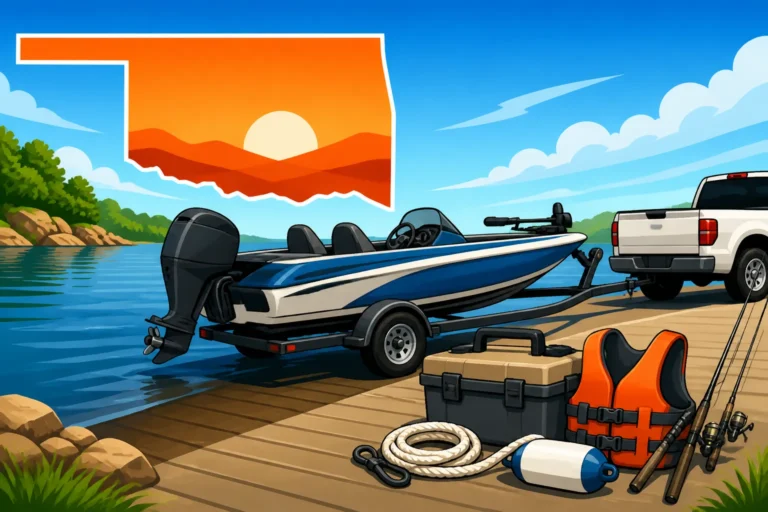
The best way to deal with misdemeanor boating fines is to avoid them altogether. A little preparation and a commitment to safe, responsible boating can save you a lot of money, stress, and potential legal trouble. It's all about being proactive and informed before you even leave the dock.
Know the Rules Before You Go
Before every trip, take a moment to review the essential rules, especially if you're visiting a new lake or trying a different type of fishing. Laws can sometimes vary slightly between waterways, or specific species might have unique regulations. The Oklahoma Department of Wildlife Conservation (ODWC) website is a treasure trove of information. You can even grab physical copies of the regulations booklet at most places where you buy a fishing license, like Bass Pro Shops. Understanding things like Oklahoma's Senior Fishing License Guide or even Do Kids Need a Fishing License in Oklahoma? can prevent simple errors.
Here's a quick checklist to help you stay compliant:
| Category | Key Items to Check | Why It Matters |
|---|---|---|
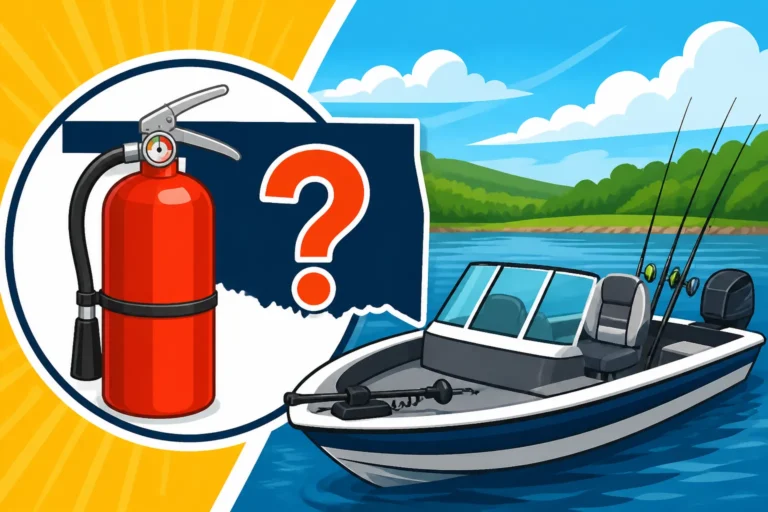
| Safety Gear | Life jackets (all passengers), Throwable device (16'+), Fire extinguisher, Horn/Whistle | Required by law, critical for emergencies, often first thing checked by patrol. |
| Documentation | Current boat registration, Title (if applicable), Fishing license (if applicable) | Proof of ownership and legal right to operate/fish. |
| Operational Rules | No-wake zones, Speed limits, Navigation lights (night), Safe distance from others | Prevents accidents, ensures courtesy, avoids reckless operation charges. |
| Fishing Regulations | Bag limits, Size limits, Season restrictions (if applicable), Bait restrictions | Protects fish populations, avoids fines for illegal harvesting. |
Pre-Trip Safety Check
Make it a habit to perform a quick safety check of your boat before you launch. This includes:
- Life Jackets: Ensure you have enough for everyone, and that they're in good condition and easily accessible.
- Fire Extinguisher: Check that it's charged and accessible.
- Lights: Test your navigation lights, especially if you plan to be out after sunset or before sunrise.
- Horn/Whistle: Make sure your sound-producing device works.
- Fuel/Battery: Prevent being stranded, which can lead to other safety issues.
Having a robust Oklahoma Boat Safety Equipment Checklist can make this process straightforward and ensure you don't miss anything vital. Remember, neglecting these basic checks can lead to serious incidents, not just fines.
Practice Responsible Boating
This goes beyond just avoiding legal trouble; it's about being a good steward of our waterways and a courteous fellow boater.
- Slow Down in Congested Areas: Always respect no-wake zones and crowded areas.
- Maintain Distance: Give other boats, swimmers, and paddlecraft plenty of space.
- Stay Sober: Designate a sober operator if you plan on consuming alcohol.
- Be Aware of Your Surroundings: Pay attention to channel markers, buoys, and other navigation aids.
- Be Prepared: Carry extra water, first-aid supplies, and a way to communicate in case of an emergency. Items like a good marine radio (which you can find on Amazon) can be invaluable.
- Follow Fishing Ethics: Always practice catch and release for undersized fish and be mindful of your daily limits, as detailed in guides like Oklahoma's Statewide Crappie Bag Limit.
By adopting these practices, you'll not only avoid misdemeanor fines but also contribute to a safer, more enjoyable environment for everyone who loves to spend time on Oklahoma's incredible waters. It's about respecting the water, the rules, and each other.
Disclaimer
This article is for general informational purposes only and does not constitute professional advice. Laws, prices and regulations vary by location and change over time. Consult a qualified professional for guidance on your specific situation.