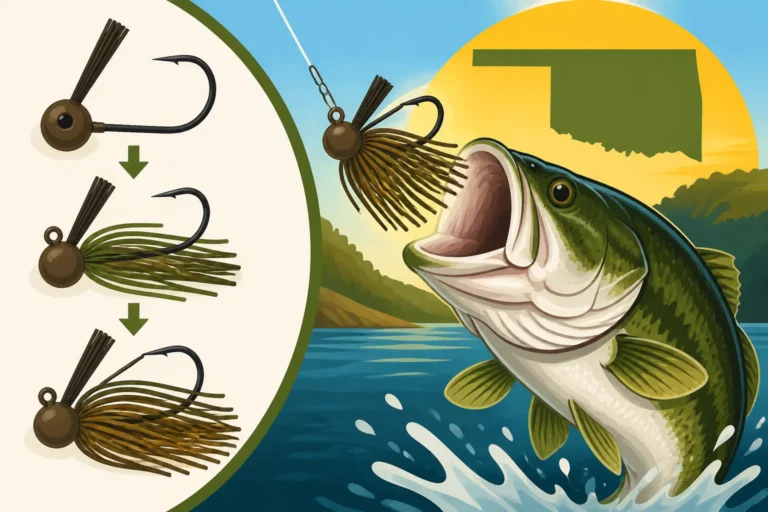
Best Time of Day to Fish Oklahoma Lakes in Summer
There's nothing quite like the dream of a perfect summer day on an Oklahoma lake, but let's be real, that blazing midday sun can turn fishing into a scorching struggle faster than you can say "sunscreen." Many of us have felt that frustration of baking in the heat, wondering where all the fish went and why nothing seems to be biting. This guide is here to shed some light (pun intended!) on the very best times to hit the water during those hot summer months, ensuring you spend less time sweating and more time reeling in your next big catch.
The Harsh Reality of Oklahoma Summer Fishing
Summer in Oklahoma is beautiful, but it brings with it some real challenges for anglers, especially when that sun climbs high in the sky. It's not just about you getting hot; the fish feel it too, and their behavior changes dramatically as a result. Understanding these changes is the first step to beating the heat and catching more fish.
Why Midday is Often a Bust
Let's face it, the hours between roughly 10 AM and 4 PM during an Oklahoma summer can feel like a fishing wasteland. The sun is directly overhead, beating down mercilessly on the water. This isn't just uncomfortable for us, it's a major factor in why fish activity plummets. Shallow waters heat up rapidly, often exceeding the comfortable temperature range for many game fish, particularly species like bass and crappie. You'll often find yourself casting into seemingly perfect cover, only to be met with absolute silence.
Imagine being out on Lake Texoma or Lake Eufaula in the middle of July. The air is thick, and the sun feels like a spotlight. You're hydrated, wearing a wide-brimmed hat, but the fish? They've got their own strategies for survival. They're not going to be cruising the sunny, shallow flats where they might be easily seen by predators and where the water is uncomfortably warm. Instead, they'll seek refuge, making themselves incredibly hard to find and even harder to coax into biting.
This midday lull isn't just about water temperature. The intense sunlight penetrates deep into the water, making fish feel exposed and vulnerable. They lose their natural camouflage against the bright surface, and it makes them more cautious. This means even if you manage to find a fish, they're likely to be lethargic and less inclined to chase down a lure. It's a frustrating experience that many of us have learned the hard way, leaving us wondering if we should have just stayed home.
Understanding Thermoclines and Oxygen Levels
Beneath the surface, the summer heat creates layers in the water column, a phenomenon known as stratification. This results in what's called a thermocline – a distinct layer where the water temperature changes rapidly. Above the thermocline, the water is warmer and often has adequate oxygen from surface agitation. Below it, the water is much colder, but often lacks sufficient oxygen, especially in deeper lakes, which can create a "dead zone."
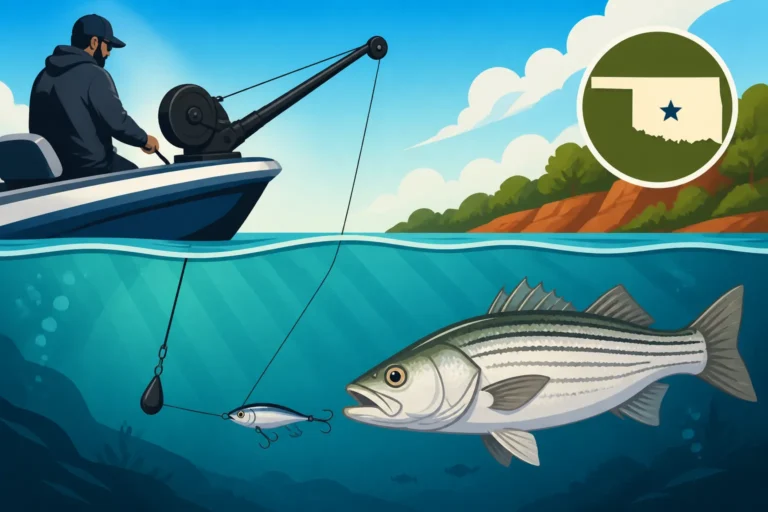
Fish, being cold-blooded creatures, are constantly searching for their ideal temperature range. In summer, this often means they'll suspend themselves right around or just above the thermocline, where the water is cool enough but still has enough dissolved oxygen to support them. Knowing this is crucial for deep-water summer fishing, as it tells you where to target your baits vertically. You can find excellent information about How Water Temperature Affects Fishing Timing in Oklahoma.
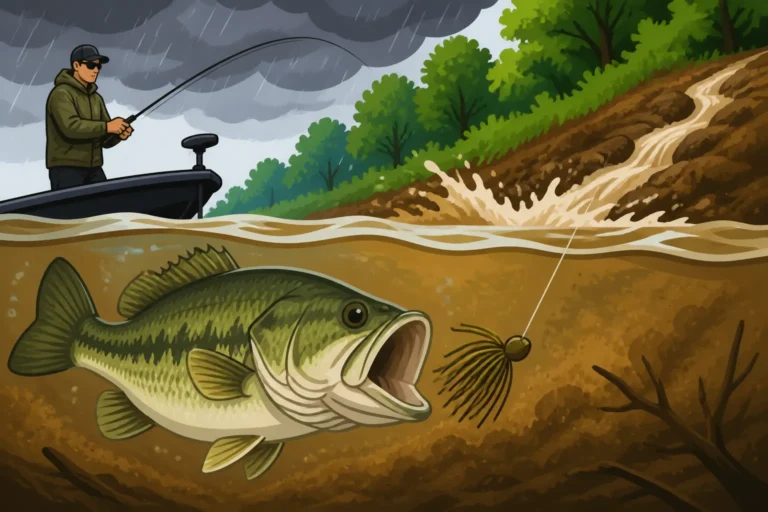
However, this also means that the prime fishing zone can be very narrow. If you're casting shallow or too deep, you might be entirely out of the strike zone. Furthermore, changes in barometric pressure, wind, and even recent rainfall can shift these thermoclines and oxygen levels, making fish even more challenging to locate. It’s a complex underwater world out there, and the summer heat adds another layer of complication to the fish’s already intricate habitat choices.
Dawn Patrol: The Golden Hour for Summer Anglers
If you want to maximize your success during the unforgiving Oklahoma summer, waking up before the sun is your best bet. The early morning hours offer a reprieve from the heat, and fish are often at their most active.
The Magic of First Light
There's a special kind of magic that happens just before and after sunrise on an Oklahoma lake. The air is still cool, often with a hint of mist rising off the water, and the low light conditions are exactly what predatory fish like bass, crappie, and even some catfish prefer. This "golden hour" – typically from about 30 minutes before sunrise until one to two hours after – is when fish feel most comfortable moving into shallower water to feed. It’s when you’ll witness baitfish actively schooling near the surface, and game fish won’t be far behind.
For bass anglers, this is prime time for topwater action. Imagine the silence of the lake, broken only by the chirping of crickets, then BAM! a largemouth explodes on your Zara Spook or Pop-R near a weed line at Lake Eufaula. That kind of excitement is rare in the middle of the day. For crappie anglers, the cooler temperatures bring them higher in the water column, making them more accessible to jigs or minnows fished around brush piles and docks. The low light offers them a sense of security, allowing them to hunt more aggressively without the glaring sun revealing their presence. It's truly a fantastic time, and a good quality headlamp, easily found on Amazon, becomes an indispensable tool for rigging up in the dark.
This early window provides a strategic advantage because the entire aquatic environment is transitioning from the coolness of night to the heat of the day. Fish are taking advantage of this brief comfortable period to feed before retreating to deeper, cooler, and darker waters. Many anglers report that this window provides the most consistent bites and the opportunity for larger fish that are less wary in the subdued light. If you're looking for detailed advice on this specific timeframe, our guide on Dawn Fishing Techniques offers a wealth of information.
Strategies for Early Morning Success
To make the most of the dawn patrol, you need to be prepared and strategic. Lure selection and location are paramount. For bass, start with those topwater lures – buzzbaits, poppers, walking baits – fished over shallow flats, around lily pads, or along shaded bank lines. As the sun begins to creep higher, transition to shallow crankbaits, spinnerbaits, or even a weightless wacky-rigged Senko pitched into emergent vegetation or under docks. The key is to cover water quickly and target areas where fish would ambush prey in low light.
Crappie anglers should focus on brush piles, standing timber, and boat docks that offer both shade and structure in 5-15 feet of water. Small jigs (1/16 to 1/8 ounce) tipped with a small plastic grub or a live minnow fished under a bobber or tightlined are incredibly effective. Look for schools of crappie suspending near the structure, and if you have a good fish finder, you might even spot them migrating from deeper haunts to shallower feeding grounds. For those who enjoy bank fishing, casting from shaded points or along rocky shorelines early in the morning can also yield excellent results.
A crucial tip for early morning success: get your gear ready the night before. Spool your reels, tie on your desired lures, charge your boat batteries, and pack your snacks. This way, when your alarm goes off at 4:30 AM, you can just grab and go, maximizing your precious time on the water. Every minute spent fumbling with tackle in the dark is a minute you could have been catching fish. This preparation allows you to immediately capitalize on the low light and active bite window that the early morning offers.
Dusk Delight: Evening Bites and Cooler Air
Just as the sun's first rays ignite a feeding frenzy, its fading light can spark another period of intense activity for many Oklahoma fish species. The evening hours offer a different kind of magic, providing a second chance at success as the lake starts to cool down.
The Evening Resurgence
As the afternoon heat begins to wane and shadows lengthen across the water, many fish that retreated to deep, cool sanctuaries during the day start to move again. The water temperature gradually drops, making shallower areas more hospitable, and the diminishing light makes them feel safer from aerial predators and less visible to their own prey. This evening resurgence typically starts a couple of hours before sunset and can extend well into twilight, offering a fantastic opportunity to hook into active fish.
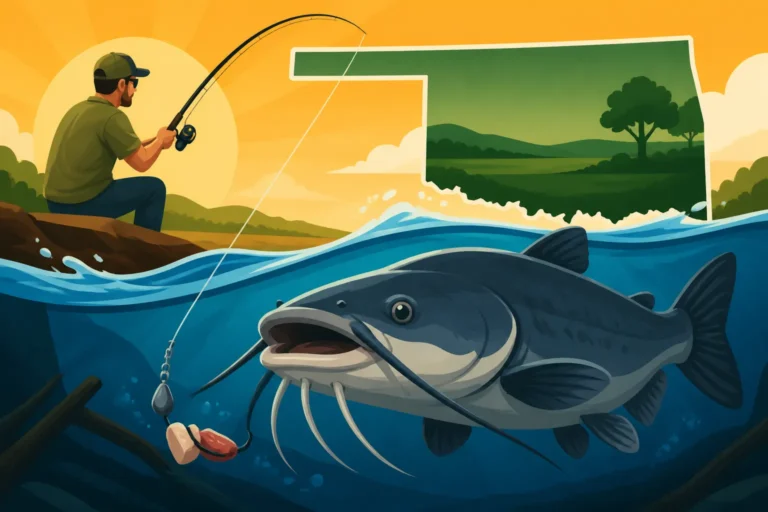
This is a prime time for species like catfish, which are often nocturnal feeders, to become more aggressive. They'll move into shallower channels, flats, and creek mouths to hunt for food. You can also find crappie and bass returning to shallower cover to feed before settling down for the night. The cooler air and the sense of calm on the lake can make for an incredibly peaceful and productive fishing experience. It’s a different vibe than the frenetic energy of dawn, but equally rewarding.
Consider fishing a spot like Fort Gibson Lake or Keystone Lake in the late afternoon. You'll notice fewer recreational boats and a general settling of the water, which often signals fish becoming more comfortable. The evening bite can be particularly strong for crappie, especially if you can find them congregating around lighted docks or submerged timber as the light fades. This is a topic explored in more depth in our guide on Dusk Fishing Techniques, highlighting specific patterns for this transitional period.
Tactics for Twilight and Beyond
When fishing in the evening, adapting your tactics to the fading light is key. For bass, start with spinnerbaits or chatterbaits fished along weed lines and rocky points, mimicking baitfish moving around. As the light gets lower, transition back to topwater lures, especially those with a strong silhouette against the twilight sky or those that create significant commotion, like buzzbaits or even dark-colored plopping baits. The thumping and splashing can draw strikes from aggressive bass that are hunting by sound.
Catfish anglers will find the evening and night hours to be their most productive. This is the perfect time to set up with some stink bait, cut bait, or worms on the bottom in channels, near drop-offs, or around current breaks. Blue and channel catfish in particular respond well to the cooler, darker conditions. For crappie, using live minnows or small jigs under a bobber around brush piles, especially those near deeper water, can be very effective as they move up to feed.
As the sun dips below the horizon, the focus shifts. Don't forget to bring a powerful flashlight or headlamp – not just for safety, but also for rigging. Some anglers even prefer using glow-in-the-dark lures or adding light sticks to their bobbers for better visibility. The ability to switch between day and night techniques seamlessly will significantly improve your catch rate during this extended evening window.
The Night Shift: Unlocking Oklahoma's Coolest Bites
For many seasoned Oklahoma anglers, the real secret to summer fishing success isn't just about dawn or dusk – it's about embracing the night. When the sun finally sets and the lake falls silent, a whole new world of fishing opportunities opens up, offering relief from the heat and some of the most consistent action.
Why Fish Get Active After Dark
Once the sun is completely gone, the water temperatures begin to drop significantly, especially near the surface. This prolonged cooling period is a massive relief for fish, making them much more comfortable and active. The darkness itself provides an ultimate sense of security, encouraging predatory fish to move out of their deep-water sanctuaries and into shallower feeding grounds. This is when shy fish become bold, and typically wary species throw caution to the wind.
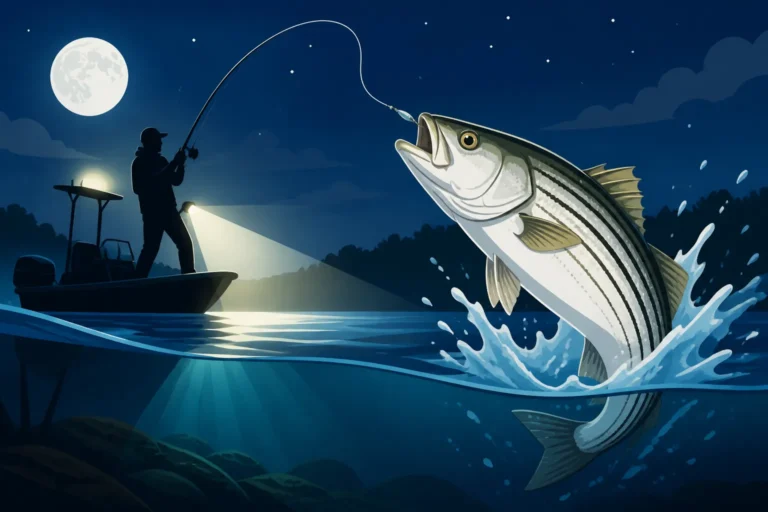
The lack of direct sunlight also benefits baitfish, which often congregate under artificial lights from docks or boats, attracting larger predators. Catfish, in particular, are primarily nocturnal hunters, and their activity levels can surge dramatically after dark. Crappie also become highly active, especially around lights. Even largemouth bass, which typically prefer daylight, will often cruise shallow flats and shorelines under the cover of darkness, hunting by sound and vibration. Many striped bass at Lake Texoma will also move into shallower humps and points after dark, offering a prime target.
Furthermore, night fishing offers an escape from the crowds. While popular lakes like Grand Lake O' the Cherokees or Lake Murray might be bustling with boats and jet skis during the day, they transform into tranquil havens at night. This reduced pressure, combined with optimal environmental conditions, creates a perfect storm for excellent fishing. For a deep dive into this, you might find our article on Summer Night Fishing Techniques in Oklahoma incredibly helpful.
Essential Night Fishing Gear and Techniques
Night fishing requires some specialized gear and a slightly different approach, but the rewards are often well worth the effort. First and foremost, lighting is crucial. Submersible fishing lights, floating lights, or even powerful boat lights that illuminate the water column will attract plankton, which attracts baitfish, which in turn attracts game fish like crappie and white bass. A good headlamp with both white and red light settings (red preserves night vision) is also indispensable for tying knots and handling fish. Don't forget bug spray, as mosquitos can be ferocious; a strong DEET-based option from Amazon can save your evening.
For techniques, drifting with live bait like shad or cut bait in deeper channels is highly effective for blue and channel catfish. Look for areas with current or depth changes. For crappie, focus on fishing minnows or small jigs directly under your fishing lights. The crappie will often suspend in the illuminated zone, picking off baitfish. Many anglers use spider rigging setups for crappie, presenting multiple baits at different depths. For bass, slow-moving dark-colored spinnerbaits, jigs, or even large worms fished along structure can entice strikes. Understanding How to Catch Crappie at Night Under Lights can significantly boost your success.
Safety is also paramount when fishing at night. Always let someone know where you're going and when you expect to return. Ensure your boat's navigation lights are functioning, and always wear your life jacket, even if you're just bank fishing near a dock. A marine radio or charged cell phone is also a must-have. While the tranquility of night fishing is alluring, awareness of your surroundings and proper preparation are key to a safe and successful trip.
Here's a quick summary of the best times to fish Oklahoma lakes during the summer:
| Time of Day | Key Advantages | Target Species | Recommended Baits/Lures | Notes |
|---|---|---|---|---|
| Dawn (Pre-sunrise to 2 hrs after) | Coolest temps, low light, active fish feeding | Bass, Crappie, White Bass, Catfish | Topwater lures, shallow crankbaits, spinnerbaits, jigs, live minnows | Maximize time; fish shallow flats, shaded banks, brush piles. |
| Midday (10 AM – 4 PM) | Avoid if possible – hot, bright, fish inactive | (Limited) Deep Catfish, Striped Bass | Live bait, deep-diving crankbaits (very specific spots) | Fish very deep, around thermocline, or in heavy shade. Often slow. |
| Dusk (2-3 hrs before sunset to twilight) | Cooling temps, lengthening shadows, fish move up | Catfish, Crappie, Bass, White Bass | Dark topwaters, spinnerbaits, jigs, cut bait, worms, live minnows | Similar to dawn; focus on changing light; great transition time. |
| Night (Post-twilight to pre-dawn) | Coolest water, fish feel safe, reduced pressure | Catfish, Crappie, Striped Bass, Bass | Cut bait, stink bait, live minnows, dark jigs/worms | Use lights to attract baitfish; focus on structure; prioritize safety. |
Disclaimer
Fishing conditions and regulations can change rapidly. Always consult the latest Oklahoma Department of Wildlife Conservation (ODWC) regulations before heading out to fish. The information provided in this guide is for general informational purposes only and should not be considered legal or professional advice.