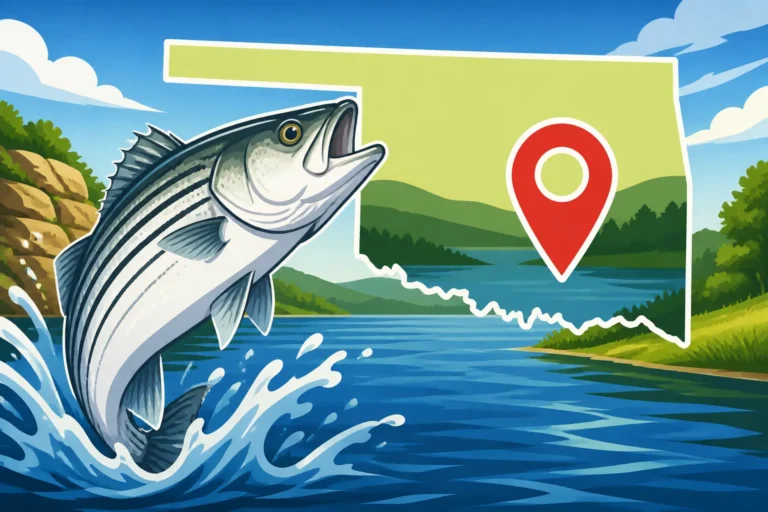
Striped Bass Record Size at Lake Texoma
Every angler dreams of landing that one fish, the kind that makes your arms ache, your heart pound, and leaves you with a story for a lifetime. When it comes to striped bass in Oklahoma, that dream often revolves around Lake Texoma, a legendary fishery renowned for its powerful stripers. This guide will walk you through the incredible potential of Texoma for trophy striped bass and what it takes to pursue a record-breaking catch.
The Allure of Lake Texoma's Striped Bass
Lake Texoma isn't just a lake; it's an institution for striped bass fishing in Oklahoma, and for good reason. It’s a massive body of water, straddling the Oklahoma-Texas border, known for its incredible ability to grow fish to monumental sizes. For many, the ultimate challenge is not just catching a striper, but landing one that truly pushes the limits, perhaps even challenging the state record.
Why Texoma is a Striper Paradise
What makes Texoma such a phenomenal striped bass fishery? It boils down to a few key ingredients: size, depth, and an unrivaled forage base. This lake offers vast expanses of open water, deep channels, and abundant underwater structure where stripers thrive. But perhaps the most critical factor is the sheer volume of shad. These baitfish are the primary food source for striped bass, and Texoma has a seemingly endless supply. This rich diet allows stripers to grow incredibly fast and attain the kind of massive weights that get anglers talking. The sheer productivity of this lake is why it's consistently listed among the Best Fishing Spots in Southern Oklahoma and a must-visit for any serious striper enthusiast.
Imagine cruising across the lake's vast waters, your sonar marking huge schools of shad, and then seeing those tell-tale arches of big fish lurking beneath. That's the daily reality for many anglers on Texoma, and it's what fuels the dream of catching a true giant. The mix of fresh and saltwater inflows also plays a role in creating a unique environment where these hard-fighting fish flourish. If you’re curious about the journey of these incredible fish, you might be interested in learning How Striped Bass Came to Oklahoma: An Introduced Species, as they aren't native to these waters but have certainly made it their own.
The Thrill of the Fight and the Pursuit
There's something uniquely exhilarating about hooking into a big striped bass. Unlike some other freshwater species that might make a few runs and then give up, a Texoma striper, especially a large one, is a relentless fighter. They'll pull drag, make long, powerful runs, and often shake their heads violently, testing every knot and every ounce of your tackle. It's a battle of wills, a true test of an angler's skill and endurance.
Many dedicated anglers spend countless hours on Texoma, not just fishing, but actively pursuing these monster fish. They study patterns, observe baitfish movements, and understand the subtle nuances of the lake. It's not just about luck; it's about dedication and understanding the species. The pursuit of a trophy striper can be all-consuming, driving anglers to explore new techniques and push their limits.
Chasing the Oklahoma State Record Striped Bass
Every state has its fishing records, and in Oklahoma, the striped bass record from Lake Texoma stands as a testament to the lake's unparalleled potential. For many, it's not just a number, but a challenge, a pinnacle of angling achievement.
The Benchmark: What the Current Record Represents
The Oklahoma state record for striped bass is a truly monumental catch, a fish that weighs well over 50 pounds. This isn't just a big fish; it's a giant, a testament to the ideal conditions that Lake Texoma provides. Imagine the sheer power of a fish of that size on the end of your line! It’s a moment that changes an angler’s life forever and solidifies Lake Texoma's reputation as a world-class striped bass fishery. While records can change, the current benchmark serves as a powerful inspiration for every angler who casts a line into Texoma's waters.
Achieving such a feat requires a rare combination of skill, patience, and a bit of good fortune. The angler who landed that fish likely put in countless hours on the water, honing their craft and understanding the complex behaviors of these magnificent predators. It highlights the potential that lies beneath the surface of this vast lake, encouraging others to dream big. The legend of the record-setting striper is a constant reminder that with enough dedication, anything is possible on these waters.
Factors Behind Monster Stripers
What allows Lake Texoma to produce striped bass of such colossal dimensions? It’s a fascinating interplay of environmental factors. Firstly, the sheer abundance of gizzard shad and other baitfish provides a rich, year-round food source, allowing stripers to grow at an accelerated rate. These fish are essentially eating machines, and Texoma’s larder is always full. Secondly, the lake’s vast size and varied topography offer a multitude of habitats – from shallow flats to deep river channels – giving stripers plenty of room to roam, hunt, and escape angling pressure.
Moreover, the unique hydrology of Texoma, being a freshwater lake with some salinity from its Red River inflow, creates a perfect breeding ground and growth environment for these anadromous fish. It's not just about survival; it's about thriving. The age of these fish also plays a critical role; it takes many years for a striper to reach record-breaking size, meaning the lake must support healthy, long-lived populations. Understanding these elements is key to appreciating why Lake Texoma's Striped Bass Fishery in Oklahoma is so exceptional.
Strategies for Targeting Trophy Stripers at Lake Texoma
If you're serious about hooking into a monster striper at Lake Texoma, you need to be prepared. This isn't your average panfish trip; it requires specialized gear, refined techniques, and a deep understanding of the fish and their environment.
Essential Gear for Giants
To tackle a striper that could challenge the state record, your gear needs to be up to the task. We're talking heavy-duty everything. Your rod should be a stout, medium-heavy to heavy action rod, capable of handling powerful runs and heavy lures or live bait. Paired with this, you'll want a reliable baitcasting or large spinning reel with a strong drag system and ample line capacity. Many anglers turn to trusted brands to ensure their equipment can withstand the brute force of a trophy striper. You can find many robust options for Best Reels for Oklahoma Striped Bass Fishing on sites like Amazon, often with helpful reviews from other serious anglers.
For line, don't skimp. Braided line in the 30-60 pound test range is common, providing superior strength and sensitivity, often with a fluorocarbon leader for abrasion resistance. Terminal tackle should include heavy-duty swivels, strong hooks (circle hooks are popular for live bait fishing to prevent gut-hooking), and sinkers heavy enough to get your bait down in current or deep water. Always have a good pair of pliers or jaw spreaders for unhooking, and a large net or lip gripper to safely land and handle a big fish. Remember, if you plan to target trophy fish, having the right tools is paramount, and a quick search on Amazon for "heavy duty fishing tackle" will show you just how many specialized items are out there.
Mastering Techniques for Big Fish
Catching trophy stripers on Texoma often revolves around a few key techniques, primarily involving live bait and strategic trolling.
Live Bait Fishing
Live bait, particularly gizzard shad, is hands down one of the most effective ways to target large stripers. You'll need to catch your own shad, which often means having a good cast net and a well-aerated livewell. Once you have your bait, you can drift with the current over submerged structure, drop-offs, or along ledges where stripers are known to ambush prey. Using a Carolina rig or a simple ledger rig with a heavy sinker to keep the bait in the strike zone is common. Keep a close eye on your electronics; locating bait schools is often the first step to finding the stripers. Best Live Bait for Striped Bass Fishing involves understanding the life cycle and movement of shad, which are the primary food source for these large predators.
Trolling for Trophy Stripers
Trolling is another highly effective method, especially for covering vast areas of the lake and finding active fish. Anglers use a variety of lures, from large lipless crankbaits to swimbaits and umbrella rigs, often tipped with plastic trailers. The key is to match the hatch and troll at the right depth and speed. This often requires specialized Trolling Gear for Striped Bass at Oklahoma's Lake Texoma, including trolling rods and downriggers to get lures deep into the water column where big stripers often lurk. For instance, if you're looking for new trolling lures, you can browse a massive selection on Amazon, often with quick shipping to get you on the water faster. Understanding Striped Bass Trolling Techniques and Deep Water Striper Fishing Techniques can significantly increase your chances of connecting with a true lunker.
Comparison of Common Striper Fishing Methods
| Method | Primary Target Size | Typical Depth | Advantages | Disadvantages |
|---|---|---|---|---|
| Live Baiting | Medium to Trophy | Variable (Drift) | Highly effective for wary, large fish; natural presentation | Requires live bait, slower pace |
| Trolling (Lures) | Medium to Trophy | Variable (Controlled) | Covers large areas; can target specific depths | Can be equipment intensive; less "feel" for the bite |
| Jigging | Small to Medium | Deep | Active fishing; good for schooling fish | Less effective for very large, solitary stripers |
| Topwater | Small to Medium | Surface | Explosive strikes; visually exciting | Limited to specific times/conditions; less common for trophies |
Seasonal Patterns and Location
Striped bass movements are heavily influenced by water temperature and the availability of baitfish. In spring, they can be found shallower as they follow spawning shad. During the hot summer months, they'll retreat to deeper, cooler waters, often congregating around thermoclines or deep structure. Fall sees them moving back shallower, aggressively feeding before winter sets in. Understanding How Striped Bass Fishing Changes Through the Seasons at Lake Texoma, Oklahoma is crucial for consistent success. Scouting areas near major river channels, submerged islands, and deep humps on your fish finder will be key to finding these nomadic fish.
The Ongoing Quest and Conservation
The pursuit of a record-size striped bass is an endless journey for many, a testament to the thrill of the chase and the enduring appeal of Lake Texoma. But it’s also a pursuit that comes with a responsibility to protect this incredible fishery.
The Dedication of Trophy Hunters
Landing a state-record fish isn't a fluke; it's the culmination of years of dedication. Trophy hunters often spend countless hours on the water, meticulously logging conditions, patterns, and locations. They invest in the best gear, like high-quality marine electronics that you can research on Amazon to help pinpoint schools of bait and individual fish. They read every article, watch every video, and learn from every trip, good or bad. It's a passion that drives them to overcome frustrating days and celebrate the small victories that eventually lead to that one incredible catch. They are students of the lake, understanding its moods, currents, and the habits of its most prized inhabitants.
These anglers aren't just looking for a meal; they're looking for a challenge, a memory, and a story that will last a lifetime. The pursuit itself becomes a part of who they are, shaping their weekends, their gear purchases, and their conversations. It's an inspiring level of commitment that truly embodies the spirit of fishing.
Responsible Angling and Lake Health
With the pursuit of such magnificent fish comes a profound responsibility for conservation. Releasing trophy-sized striped bass, especially those that are healthy and can continue to contribute to the gene pool, is a practice many dedicated anglers embrace. While setting a record is incredible, ensuring the longevity of the fishery is even more important for future generations. Knowing Oklahoma's Bass Fishing Rules and Limits and staying informed on specific striper regulations for Texoma is essential.
Proper catch and release techniques, such as minimizing handling time, supporting the fish horizontally, and using appropriate tools for unhooking, can greatly improve a fish's survival chances. It’s about striking a balance between the thrill of the catch and the commitment to maintaining the health and vibrancy of one of Oklahoma's most cherished fishing destinations. By practicing responsible angling, we can all help ensure that Lake Texoma continues to produce record-setting striped bass for years to come.
Disclaimer
This article is for general informational purposes only and does not constitute professional advice. Laws, prices and regulations vary by location and change over time. Consult a qualified professional for guidance on your specific situation.