What Are the Bag Limits on Oklahoma’s Free Fishing Days?
It's easy to get swept up in the excitement of Oklahoma's Free Fishing Days, envisioning a stress-free outing where you can cast a line without a second thought. But here's the reality check: while the need for a fishing license is waived, almost every other regulation remains firmly in place. This guide is dedicated to demystifying exactly what "free" truly means for Oklahoma anglers, ensuring you understand the crucial bag limits and other rules that still apply so your relaxing day on the water doesn't turn into a headache.
Understanding What "Free" Actually Means on Free Fishing Days
Those special days when the Oklahoma Department of Wildlife Conservation (ODWC) declares "Free Fishing Days" are a wonderful opportunity for seasoned anglers to introduce newcomers to the sport, or for those who don't fish often to enjoy a day out without the upfront cost of a license. It's a fantastic initiative to encourage participation, but it often leads to a common misconception: that all rules go out the window. That's just not the case, and understanding this distinction is absolutely vital for a legal and enjoyable fishing experience.
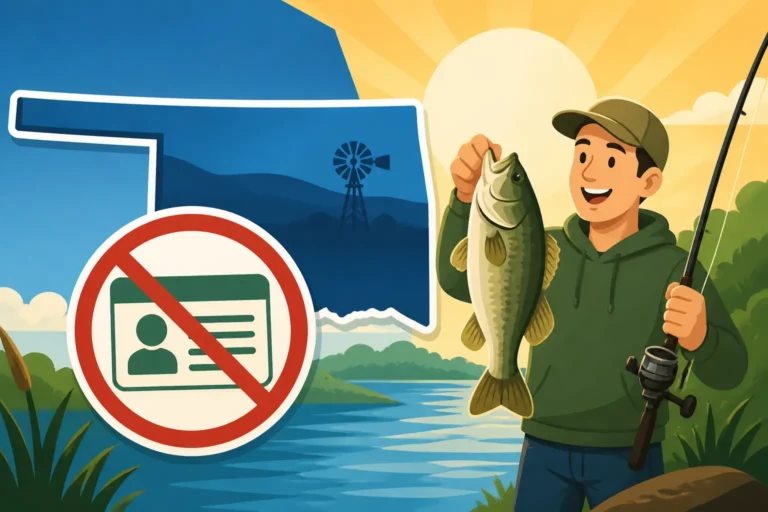
When the state says fishing is "free," they are specifically referring to the requirement for a valid fishing license. This means that on these designated days, typically a weekend in early June, you don't need to purchase or possess an Oklahoma Resident Annual Fishing License Cost or any other specific permit to legally fish state waters. This is especially helpful for families where perhaps only one person regularly fishes, or for friends visiting from out of state who might otherwise need to purchase a Nonresident 1-Day Fishing License Price in Oklahoma. While the financial barrier is removed, the responsibility to know and follow all other regulations intensifies, because ignorance of the law is never an excuse for violations. Remember, you can still easily learn about Free Fishing Days in Oklahoma beforehand to plan your trip accordingly.
What still applies during Oklahoma's Free Fishing Weekend is the full suite of state fishing regulations designed to protect our fish populations and ensure sustainable angling for everyone. This includes size limits, method of take, and most critically, bag limits for every species. Think of it like a free concert ticket – you get in for free, but you still have to follow all the venue's rules, like not bringing in outside food or adhering to capacity limits. The "free" aspect is just about the entry fee, not a free-for-all on the fish population. It's really about giving more people a chance to enjoy the incredible fishing opportunities that Oklahoma offers, like the great fishing at Lake Texoma or Lake Eufaula, without the initial hurdle of a license purchase.
Navigating Species-Specific Bag Limits During Free Fishing Days
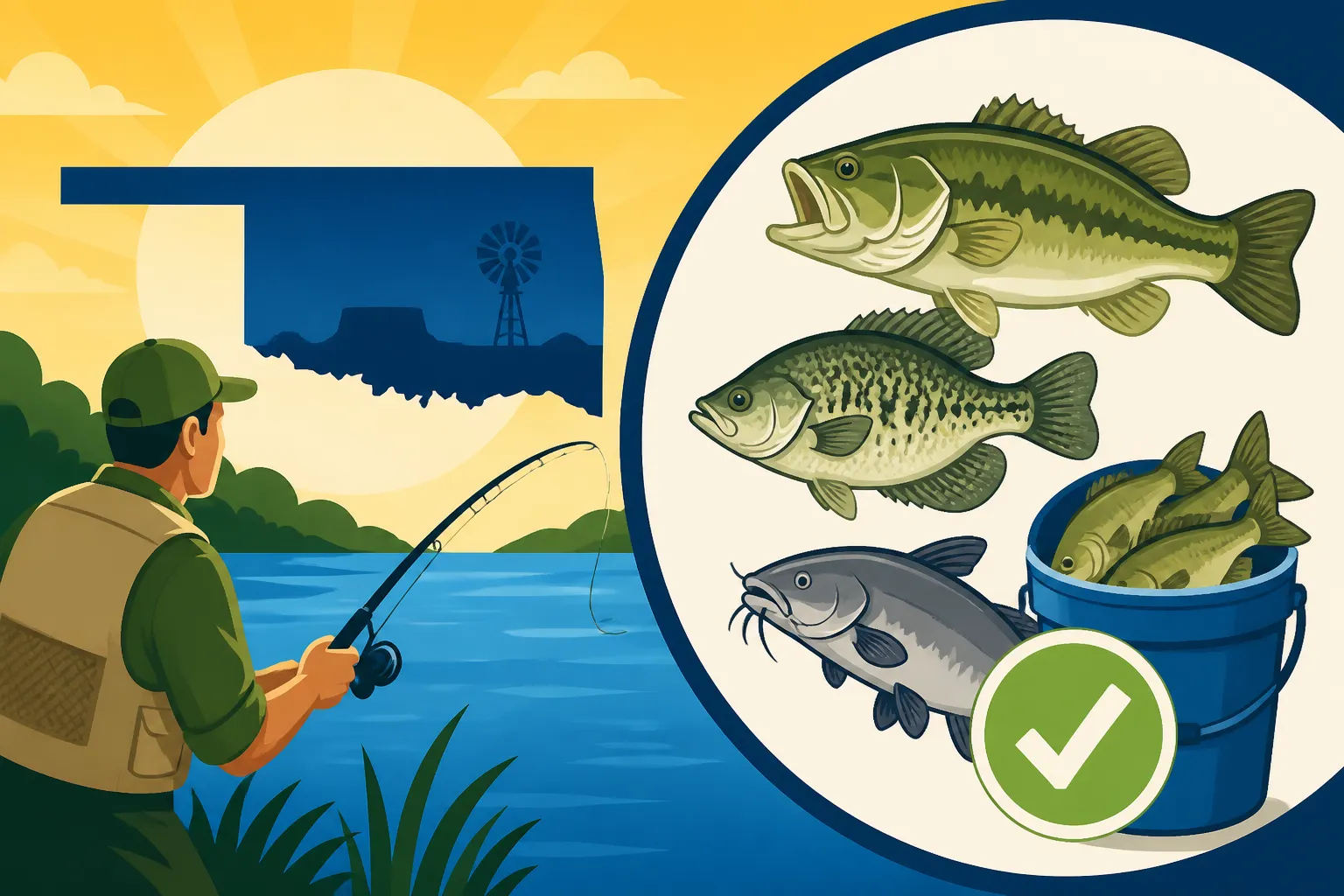
So, if the license is the only thing free, what about the fish you're hoping to catch? The short answer is: all standard daily bag and possession limits apply. This means that whether you're targeting bass, crappie, or catfish, you're still bound by the same restrictions as any other day of the year. This is one of the most important things to know when asking Do Bag Limits Still Apply on Free Fishing Days?. The ODWC sets these limits to manage fish populations, ensuring there are enough fish left to reproduce and grow, providing consistent fishing opportunities for years to come. Exceeding these limits, even on a free day, can have serious consequences.
Let's break down some of the most popular species and their limits. When it comes to bass, anglers often target largemouth, smallmouth, and spotted bass. The statewide aggregate bag limit for these black bass species is six in total per day, with specific rules around size. For instance, you can typically only keep one bass over 16 inches. However, rules can vary by water body, so always check local regulations before you go. This is a crucial detail, as getting caught with too many fish, or fish outside the legal size, can quickly ruin your day. You can find more comprehensive details on Oklahoma's Bass Fishing Rules and Limits to ensure you're compliant. Knowing How Many Bass You Can Keep in Oklahoma is paramount for any angler.
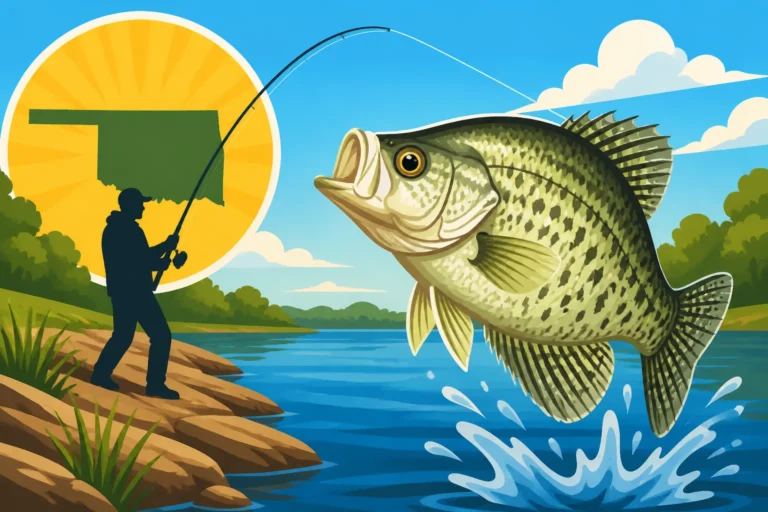
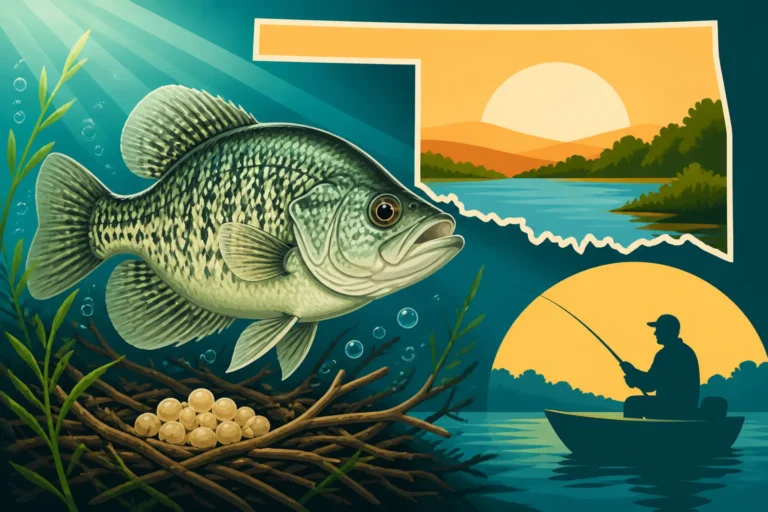
Crappie fishing is another incredibly popular pastime in Oklahoma, and these tasty panfish draw huge crowds, especially in spring and fall. The statewide crappie bag limit is a generous 37 fish per day, which sounds like a lot until you've had a hot bite! However, there are several lakes with stricter crappie limits that anglers absolutely must be aware of. Lakes like Arbuckle, Tenkiller, Hudson, Fort Gibson, and Grand Lake O' the Cherokees often have reduced bag limits and sometimes even minimum size restrictions, like a 10-inch minimum length. It’s absolutely critical to check the ODWC regulations for the specific lake you plan to visit, as these localized rules supersede the statewide limit. Imagine heading to Grand Lake and filling a cooler with 37 crappie, only to find out the limit there was 15! You'll want to review Crappie Fishing Rules and Limits in Oklahoma carefully. If you're wondering How Many Crappie You Can Keep in Oklahoma, the answer varies by location.
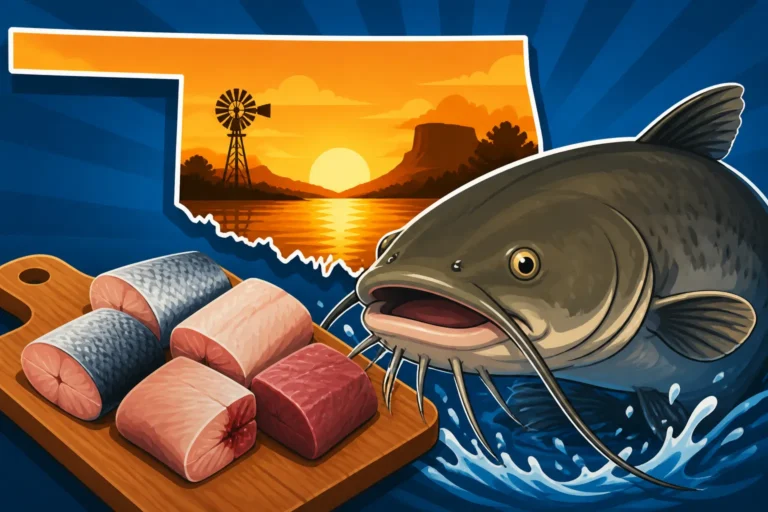
Catfish are a staple of Oklahoma fishing, with channel, blue, and flathead catfish being the primary targets. The statewide aggregate daily bag limit for blue and channel catfish combined is 15 fish, but there's a significant caveat for trophy blue catfish. You are only allowed to keep one blue catfish over 30 inches in length. This rule is designed to protect the breeding stock of these large, long-lived fish. Flathead catfish have their own separate limit of 10 fish per day, with no size restrictions. Again, these rules apply even on Free Fishing Days. To be sure you're within the law, read up on Oklahoma's Catfish Fishing Rules and Limits. For specifics like the 15-Fish Catfish Limit for Oklahoma Anglers, details are available in the ODWC regulations.
Here's a quick overview of some common species and their general limits. Please note that these are statewide general rules, and specific water bodies may have different regulations. Always consult the current Oklahoma Fishing Guide for the most up-to-date and localized information.
| Species (Statewide Aggregate) | Daily Bag Limit | Size Restrictions (General) | Notes |
|---|---|---|---|
| Black Bass (Largemouth, Smallmouth, Spotted) | 6 | Only one over 16 inches | May vary greatly by lake; always check local regulations. |
| Crappie (Black & White) | 37 | No statewide size limit | Several lakes have reduced bag limits (e.g., 15) and/or a 10-inch minimum length. Verify local rules! |
| Blue Catfish & Channel Catfish | 15 (combined) | Only one blue catfish over 30 inches | This is an aggregate limit. |
| Flathead Catfish | 10 | None | Separate limit from blue/channel catfish. |
| Striped Bass (in aggregate with White Bass, Hybrid Striper) | 20 | Only five over 20 inches | Applies to pure stripers; specific rules for Lake Texoma. |
| Walleye, Sauger, Saugeye | 5 (combined) | 18-inch minimum length | Some lakes may have a protected slot length. |
| Sunfish (Bluegill, Redear, etc.) | None | None | No daily bag limit for panfish, but ethical harvesting is encouraged. |
The Real-World Impact of Ignoring Bag Limits
You might think, "It's just one extra fish," or "What's the harm on a free day?" But ignoring bag limits, even inadvertently, has real consequences that go beyond a potential fine. These limits are in place for a very good reason: to maintain healthy fish populations. Overharvesting, especially during peak fishing times like the spring spawn or when fish are concentrated, can severely deplete a species' numbers in a particular lake or river, impacting fishing quality for everyone in the long run.
The ODWC employs game wardens who are out patrolling our lakes, rivers, and ponds, even on Free Fishing Days. Their job isn't to ruin your fun; it's to enforce the regulations that protect our natural resources. Getting caught with an over-limit of fish or fish outside the legal size limits can result in a citation, hefty fines, and potentially even the loss of your fishing privileges. These penalties for Fishing Without a License in Oklahoma (or violating other rules while fishing) are serious, and they apply just as much on a free day as on any other. A day that started with excitement could end with an expensive lesson and a sour taste.
Beyond the legal ramifications, there's an ethical responsibility that comes with being an angler. We all share these natural resources, and it's our duty to treat them with respect. Taking only what you need, adhering to all limits, and practicing catch-and-release responsibly for fish you don't intend to keep are all part of being a good steward of our waters. Even if you're just trying out fishing for the first time on a Free Fishing Day, understanding and respecting these rules is part of embracing the angling community. Many avid anglers, when purchasing gear like new fishing line or hooks from Amazon, will also pick up a copy of the latest regulations booklet to stay informed.
To avoid any issues, it’s always a good idea to refresh your knowledge of Fishing Regulations You Need to Know in Oklahoma before hitting the water. Pick up a copy of the current Oklahoma Fishing Guide (available online on the ODWC website, at license vendors, or even sometimes as a digital download you can keep on your phone). Review the specific rules for the body of water you plan to visit, as regulations can vary significantly from one lake to another. This little bit of homework can save you a lot of grief and help ensure that your Free Fishing Day is truly carefree and enjoyable.
Planning Your Free Fishing Day Trip Responsibly
Making the most of Oklahoma's Free Fishing Days is all about preparation. Since you don't have to worry about the license itself, you can channel that energy into ensuring you're completely up-to-speed on the rules and ready for a great day. Start by pinpointing where you want to fish. Are you heading to a major reservoir known for its bass, like Lake Texoma or Grand Lake O' the Cherokees, or perhaps a smaller community pond for some panfish action? Once you know your destination, you can specifically look up the regulations for that particular water body.
It's not just about knowing the general bag limits. Pay close attention to any special regulations for your chosen lake or river. For example, some areas might have specific slot limits, which mean you can keep fish below a certain size and above another, but not within the "slot" in between. Other areas might be designated as "trophy lakes" with more restrictive rules to promote the growth of larger fish. These hyper-local rules are paramount. It’s a good practice to double-check these details, maybe even printing out the relevant page from the ODWC guide or saving it to your phone. Consider visiting the ODWC website or picking up a physical copy of the current regulations manual; it's just as important as having the right bait or finding that perfect lure on Amazon.
Gear selection is also important. Even on a free fishing day, you'll need the right tackle. A basic spinning rod and reel combo will get you started for most panfish and smaller bass. If you're targeting bigger game like striped bass at Lake Texoma, you'll need heavier gear. Make sure your tackle box is stocked with a variety of baits and lures suitable for the species you're after and the conditions you expect. Beyond fishing gear, don't forget essentials like a cooler with ice, plenty of water, sunscreen, bug spray, and appropriate clothing. A pair of polarized sunglasses, available readily on Amazon, can make a huge difference in spotting fish or submerged structure.
Finally, remember the spirit of Free Fishing Days. It's about enjoying the outdoors, perhaps sharing your love of fishing with friends or family who are new to it. Be patient, be kind, and be a good example for other anglers. Show respect for the environment by packing out everything you pack in, and dispose of any fishing line responsibly. If you're bringing kids along, these days are perfect for teaching them about fish identification, the importance of conservation, and, of course, how to properly handle a fish before release or keeping it within the legal limits. You can explore topics like Oklahoma Fishing License Costs and Types to see the value you're getting on these free days.
By taking the time to understand that Free Fishing Days waive the license fee but not the rules, you're setting yourself up for a genuinely enjoyable and hassle-free experience. Tight lines, and happy fishing!
Disclaimer
The information provided in this article is for general guidance only and may not reflect the most current regulations. Fishing regulations, including bag limits and size restrictions, are subject to change by the Oklahoma Department of Wildlife Conservation (ODWC). It is the angler's responsibility to consult the official, current Oklahoma Fishing Guide or the ODWC website before fishing to ensure compliance with all applicable laws and regulations.