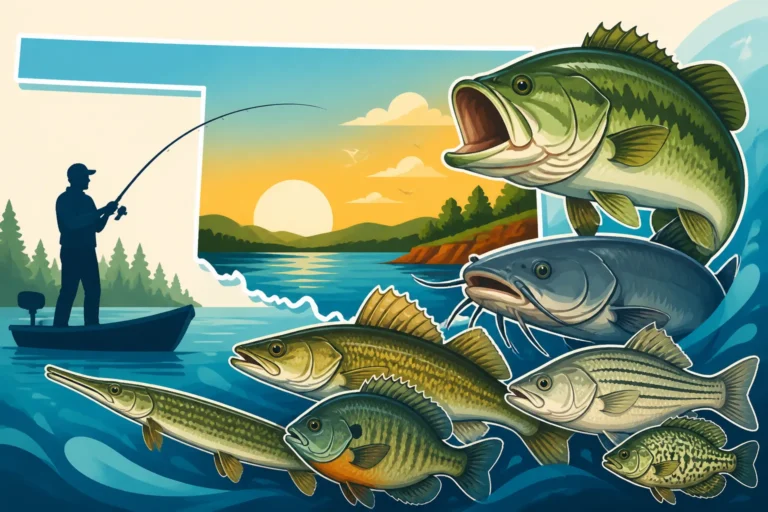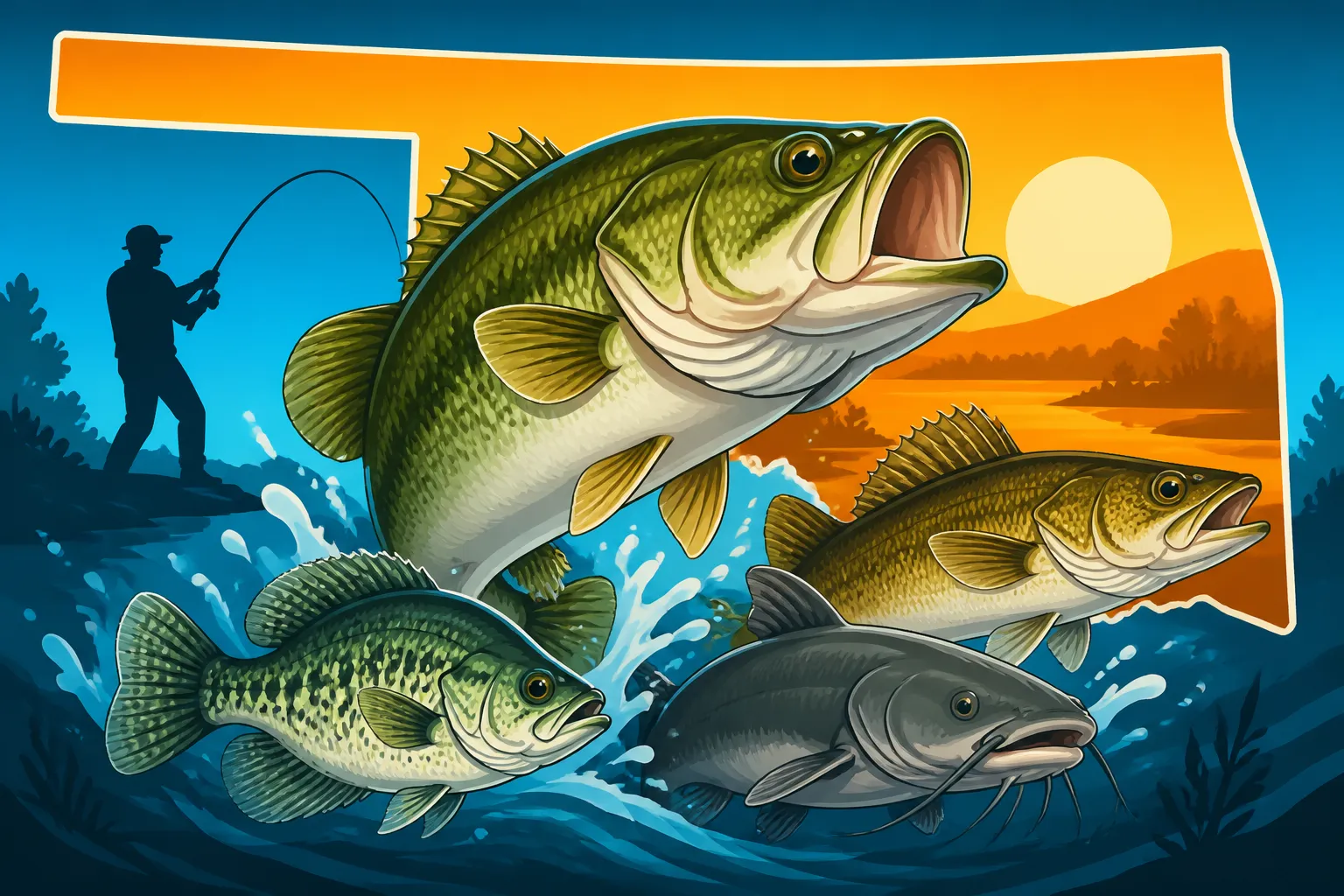
Which Oklahoma Game Fish Grows the Biggest
For many Oklahoma anglers, the ultimate dream isn't just a full stringer, but landing that one truly colossal fish, a trophy that tells a story for years to come. But with so many incredible species swimming in our waters, it can be tough to pinpoint which one actually offers the chance at the biggest catch. This guide will dive deep into the behemoths of Oklahoma's lakes and rivers, revealing the true giants and what it takes to bring one of these monsters to the net.
The Reigning Giants of Oklahoma's Waters
When we talk about sheer size and weight, a few species in Oklahoma stand head and shoulders above the rest. These aren't your everyday catches; they require dedication, specialized gear, and often, a good dose of patience.
Blue Catfish: The Undisputed Heavyweight Champion
If you're chasing truly massive fish by weight, the blue catfish is your undisputed king in Oklahoma. These incredible creatures are built for bulk, with powerful bodies that can stretch longer than a grown man and weigh well over 100 pounds. Imagine reeling in something that feels like you've hooked a submerged car – that's the blue cat experience for many.
Lakes like Texoma and Eufaula are legendary for producing true trophy blues. Anglers often tell tales of battles lasting an hour or more, fighting a fish that pulls like a freight train, refusing to give an inch. It's a humbling experience to realize the sheer power these fish possess, and the adrenaline rush when that massive tail breaks the surface is something you never forget. Many dedicated catfish anglers spend their entire careers chasing that one monumental blue, employing heavy tackle and often fishing through the night. The dedication is well worth it when you finally boat a true lunker. To get a better sense of their incredible potential, check out How Big Do Blue Catfish Get in Oklahoma.
Alligator Gar: Prehistoric River Monsters
While blue catfish often take the prize for pure weight, the alligator gar holds a special place for its incredible length and fearsome, prehistoric appearance. These living fossils can grow to absolutely astounding lengths, often exceeding six feet and pushing close to 200 pounds, making them one of the longest, and certainly one of the most intimidating, fish in Oklahoma waters. They are truly river monsters.
You'll typically find these giants lurking in the slow-moving, warmer waters of major rivers and their backwater sloughs, particularly in the southeastern parts of the state. Catching an alligator gar is not for the faint of heart; it requires specialized tactics, often involving stout lines, heavy leaders, and strong hooks designed to penetrate their bony mouths. Many anglers target them with conventional rod and reel, using large dead baits, but bowfishing is also a popular method for these incredible fish. The fight is intense, a series of powerful runs and thrashing leaps that will test your gear and your resolve. For more on targeting these unique beasts, read Alligator Gar Fishing in Oklahoma.
Contenders for Top Size: Other Notable Species
While blue catfish and alligator gar might be the absolute biggest by weight and length respectively, several other Oklahoma game fish offer impressive size and a thrilling challenge for anglers.
Striped Bass: The Lake Texoma Powerhouses
When it comes to pure, unadulterated fighting power and respectable size in a freshwater environment, the striped bass (often called striper) is an absolute powerhouse. These fish are built for speed and endurance, making them one of the most exciting catches in the state. While they don't typically reach the triple-digit weights of blue catfish, trophy stripers in Oklahoma can easily exceed 20 to 30 pounds, with some even pushing into the 40s and 50s.
Lake Texoma is undeniably the mecca for striped bass fishing in Oklahoma, boasting a world-class fishery that draws anglers from all over. The fight of a big striper is legendary: long, blistering runs that strip line from your reel, head shakes that try to rip the rod from your hands, and a refusal to give up until they're right at the boat. Landing one of these giants is a true test of strength and skill. If you're wondering just how big they can get, take a look at Striped Bass Record Size at Lake Texoma. When pursuing these hard-fighting fish, having robust gear is key. Many anglers find a good selection of heavy-duty spinning or conventional reels, strong braided line, and durable rods on platforms like Amazon, which helps them feel confident when a trophy striper hits.
Paddlefish: The Snagging Goliaths of Grand Lake
The paddlefish is another truly unique species in Oklahoma, notable for its incredible length and somewhat bizarre appearance. These ancient fish are filter feeders, making them impossible to catch with traditional hook-and-line bait fishing. Instead, anglers target them through a method called snagging, which is legal during specific seasons in certain areas. Paddlefish can grow to impressive sizes, commonly reaching lengths of four to six feet and weighing 50 to 80 pounds, with much larger specimens occasionally caught.
Grand Lake O' the Cherokees is arguably the most famous paddlefish hotspot in Oklahoma, particularly during the spring spawning runs. The sheer size and power of a snagged paddlefish are astounding. It's a full-body workout as you haul in a fish that's often larger than you are, relying on heavy-duty tackle to withstand the strain. The experience is less about finessing a bite and more about brute force and stamina, but the reward of landing such a magnificent, prehistoric creature is immense. For anglers new to this exciting method, understanding the specialized equipment is vital; What Gear Do You Need for Paddlefish Snagging provides an excellent overview.
Largemouth Bass: The Classic Trophy
While not in the same weight class as blue catfish or the length class of gar and paddlefish, the largemouth bass remains the quintessential trophy fish for countless anglers across Oklahoma. The pursuit of a "lunker" largemouth — typically anything over five pounds, with true trophies pushing into the double digits — is a passion that drives many. Oklahoma has a strong reputation for producing big bass, with the state record firmly in the double-digit range.
Catching a truly large largemouth bass is often about precision, understanding their habitat, and using the right techniques and lures. Lakes like Broken Bow, Eufaula, and Texoma are famous for their big bass potential. The thrill of watching a massive bass explode on a topwater lure or feeling that heavy thud on a jig is incomparable. While they won't out-weigh a blue cat, the satisfaction of outsmarting and landing a trophy largemouth is a profound achievement for any bass angler. If you're aiming for that next personal best, exploring Best Bait for Largemouth Bass in Oklahoma Farm Ponds can give you a leg up.
Understanding "Biggest": Weight vs. Length
When we talk about "the biggest" fish, it's important to define what we mean. Are we prioritizing sheer weight, the kind of fish that makes your arms ache just to lift? Or is it the impressive length, a fish that seems to go on forever? Both metrics contribute to the trophy status of a catch, but different species excel in different categories.
The Weight Class: Blue Catfish and Striped Bass
For many anglers, "biggest" means heaviest. There's something undeniably impressive about a fish that tips the scales at an astonishing number. In this category, the blue catfish reigns supreme. Their dense, muscular bodies are designed for bulk, allowing them to pack on an incredible amount of weight. A 70-pound blue cat is a truly massive animal, and the dream of catching a 100-pounder keeps many on the water.
Striped bass also fall firmly into the weight class. While they might not reach the extreme weights of blue cats, a 30-pound striper is an incredibly stout, powerful fish. Their solid muscle mass means they punch well above their perceived weight, making them a fantastic challenge to bring in. Anglers focused on breaking personal bests by weight often gravitate towards these two species, knowing that the potential for a truly heavy fish is there. It's the kind of fish that requires special weigh scales, and possibly even two people, to properly hold for a photo.
The Length Champions: Gar and Paddlefish
Then there are the fish that impress with their sheer elongation, stretching out far beyond what you might expect. Alligator gar are the undisputed champions here. Their long, serpentine bodies, often adorned with bony plates, make them appear even larger than their weight might suggest. A six-foot-long gar is a breathtaking sight, a testament to ancient evolutionary design. The feeling of bringing a fish of that length to the bank is a unique thrill, a sense of connecting with a truly wild, primeval creature.
Paddlefish also achieve remarkable lengths, primarily due to their long, paddle-like rostrum. While not as bulky as a blue cat for their length, a five-foot paddlefish is still a substantial animal that demands respect. These species embody the "long and lean" aspect of trophy fishing, offering a visual spectacle that's distinct from the more compact, heavy-bodied fish. For some, the impressive reach of these fish makes them the ultimate "biggest" catch, a true measure of their wild domain.
Preparing for a Trophy Hunt: Gear and Regulations
Chasing Oklahoma's biggest game fish isn't something you do on a whim with light tackle. It requires careful planning, the right equipment, and a thorough understanding of the rules.
Essential Gear for Giants
When you're targeting fish that can weigh as much as a small person or stretch longer than you are tall, your gear needs to be up to the task. Forget your ultralight spinning combo; this is where heavy-duty equipment truly shines. For blue catfish and striped bass, you'll want stout rods with plenty of backbone, capable of handling heavy lines and resisting powerful runs. A good quality conventional reel or a large spinning reel with a smooth, powerful drag system is crucial. Spooling up with strong braided line, often 50-80 pound test or even heavier, is standard practice. You'll also need heavy leaders, strong hooks, and robust terminal tackle that won't give out under extreme pressure. For paddlefish snagging, you'll need specialized heavy snagging rods and reels with even heavier line to withstand the force required.
Don't skimp on quality; a cheap reel might save you a few dollars, but it's likely to fail when that fish of a lifetime strikes. Many anglers rely on reputable outdoor retailers or online marketplaces like Amazon to find the specific heavy-duty rods, reels, and high-test line needed for these monster fish. Investing in a good quality landing net or a sturdy set of fish grippers designed for large species is also a smart move to ensure a safe and successful landing, both for you and the fish.
Navigating Regulations for Big Fish
While the dream of catching a giant is exhilarating, it's absolutely critical to be aware of and abide by all current fishing regulations set forth by the Oklahoma Department of Wildlife Conservation (ODWC). These rules are in place to protect our fisheries and ensure that these magnificent species continue to thrive for future generations. For many trophy species, there are specific bag limits and often length limits. For example, Oklahoma's Catfish Fishing Rules and Limits details specific regulations for blue and channel catfish, including special rules for very large blue cats. Similarly, understanding the rules for paddlefish snagging season and specific areas is non-negotiable.
Always ensure you have a valid Oklahoma fishing license before you even cast a line. The penalties for fishing without one can be significant, and it’s simply not worth the risk. You can find detailed information on what you need by reviewing resources like Fishing License Requirements in Oklahoma. Before heading out on a trophy hunt, take a few minutes to double-check the latest regulations for the specific body of water you're visiting and the species you intend to target. This is especially important if you plan on participating in catch-and-release practices for those true giants, ensuring they can grow even bigger for another angler to enjoy.
The Biggest Fish in Oklahoma: A Comparative Look
Here's a quick comparison of some of Oklahoma's biggest game fish, focusing on their general size potential. Keep in mind that individual records can always exceed these ranges, but this gives you a good idea of what to expect.
| Fish Species | Typical Length Range (inches) | Typical Weight Range (pounds) | Max Recorded Size (Oklahoma State Record) | Primary "Biggest" Factor | Key Lakes/Rivers for Trophies |
|---|---|---|---|---|---|
| Blue Catfish | 20 – 50+ | 5 – 50+ | 100+ lbs | Weight | Texoma, Eufaula, Red River, Arkansas River |
| Alligator Gar | 40 – 70+ | 20 – 100+ | 180+ lbs, 7+ feet | Length | Red River, Arkansas River |
| Striped Bass | 20 – 40+ | 10 – 40+ | 50+ lbs | Weight/Fight | Lake Texoma |
| Paddlefish | 40 – 70+ | 30 – 80+ | 100+ lbs, 7+ feet | Length | Grand Lake, Kaw Lake |
| Largemouth Bass | 12 – 25+ | 2 – 10+ | 14+ lbs | Weight/Trophy | Broken Bow, Eufaula, Texoma, Grand Lake |
It's clear that if you're chasing the absolute heaviest fish, the blue catfish is your target. If awe-inspiring length is your goal, the alligator gar and paddlefish are hard to beat. Each offers a unique challenge and an unforgettable experience for the dedicated angler. So, pick your poison, gear up, and get out there to chase your personal biggest fish!
Disclaimer
This article is for general informational purposes only and does not constitute professional advice. Laws, prices and regulations vary by location and change over time. Consult a qualified professional for guidance on your specific situation.