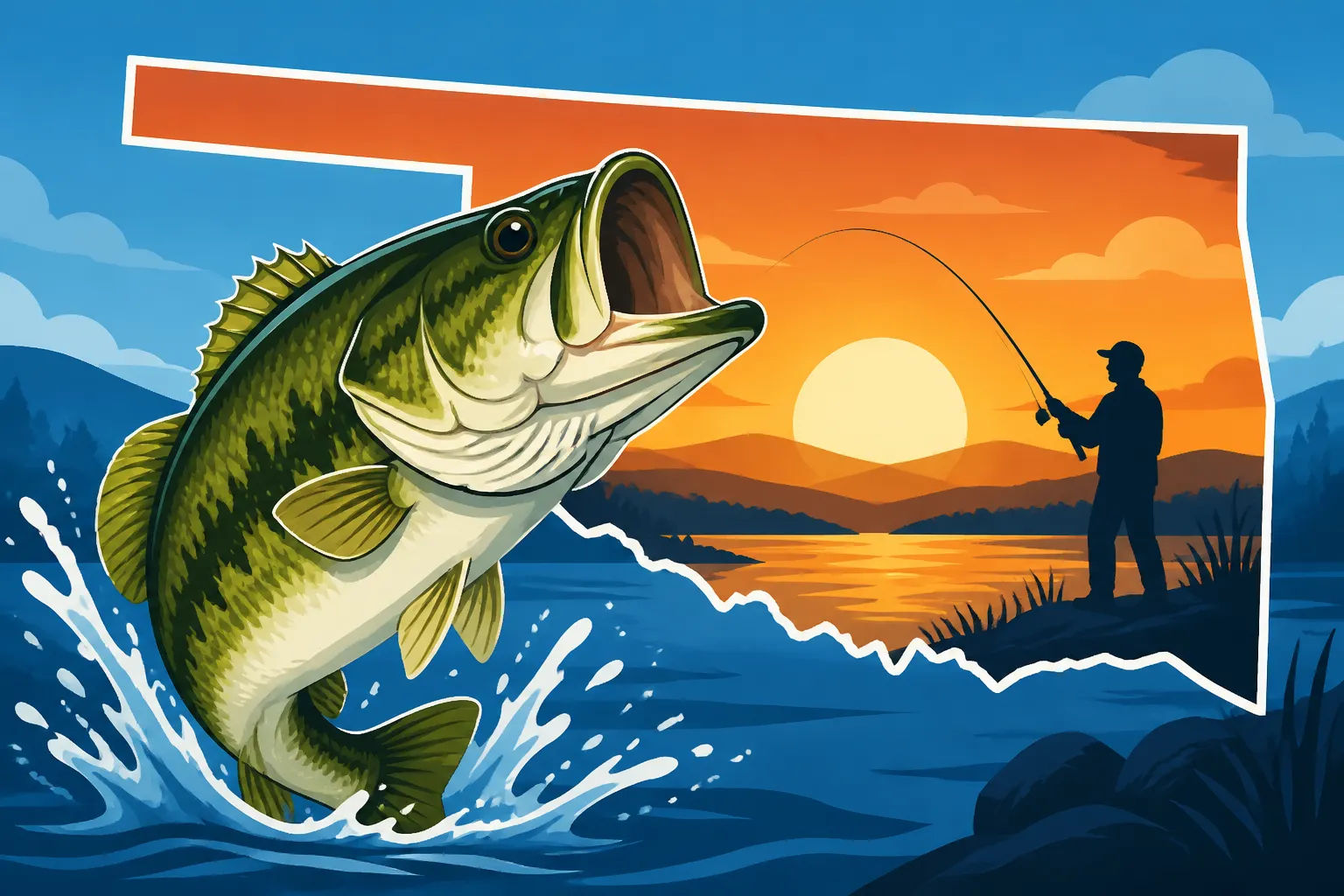
Largemouth Bass Fishing in Oklahoma: The Complete Guide
Oh, the largemouth bass! There's nothing quite like the thrill of a hard strike from one of these beauties, but let's be honest, consistently landing them in Oklahoma's diverse waters can feel like solving a complex puzzle. Many anglers, seasoned and new alike, often find themselves frustrated when the bass seem to vanish or refuse to bite, leaving them wondering what they're missing. This comprehensive guide is here to untangle that mystery, giving you the insider knowledge, techniques, and confidence you need to make every largemouth bass fishing trip in Oklahoma a more successful and enjoyable adventure.
Understanding the Largemouth Bass: A True Oklahoma Icon
The largemouth bass isn't just a fish; it's practically a state symbol for Oklahoma anglers. Known for their aggressive strikes and powerful fights, they're the target of countless fishing trips and tournaments. But to really catch them with consistency, you've got to understand them, almost like getting inside their heads. It's about knowing who they are, where they live, and what makes them tick.
Identifying Largemouth Bass: What Sets Them Apart
First things first, let's make sure you know exactly what you're looking for. While Oklahoma is home to three main "black bass" species—largemouth, smallmouth, and spotted bass—the largemouth is usually the easiest to identify once you know the key features. Their most distinctive characteristic is right there in their name: a truly massive mouth. If you close its mouth, the hinge of the jaw extends noticeably past the back of its eye. This is the dead giveaway. Smallmouth bass, in contrast, will have a jaw that only reaches the middle of the eye, or just slightly beyond.
Beyond the jaw, largemouth bass typically have a dark, horizontal stripe or a series of blotches running along their sides, which can vary in prominence depending on the water clarity and their specific habitat. Their bodies are generally more elongated and robust compared to the more compact smallmouth. Largemouth Bass vs Smallmouth Bass: How to Tell Them Apart can provide even more detailed visual cues if you're ever in doubt on the water. Their coloring can range from a vibrant green to a darker, almost blackish-green on the back, fading to lighter green or white on their belly, often with golden or olive tints on their sides.
Habitat and Behavior: Where and Why They Live
Largemouth bass are ambush predators, and their behavior is largely dictated by this fact. They love structure and cover, anything that can provide a hiding spot from which to surprise unsuspecting prey. This means you'll find them lurking around submerged timber, brush piles, rock formations, weed beds, lily pads, docks, and even under overhanging trees. They're masters of camouflage, blending seamlessly into their surroundings as they wait for a meal to swim by. Understanding this preference is crucial because it tells you exactly where to focus your efforts. If you're fishing open water with no visible cover, your chances of finding a largemouth are significantly reduced.
Their behavior changes dramatically with the seasons, water temperature, and time of day. In warmer months, they might be shallower early and late in the day, retreating to deeper, cooler water or dense cover during the harsh midday sun. In colder periods, they'll often hold tight to deep structure, conserving energy. How Water Temperature Affects Bass Spawning in Oklahoma is a fantastic resource for understanding one of the most critical behavioral shifts they make throughout the year. Knowing these patterns helps you predict where they'll be and what they'll be willing to eat.
Largemouth Bass Diet: What They Crave
Largemouth bass are opportunistic carnivores and will eat almost anything they can fit into their enormous mouths. Their diet largely consists of smaller fish like shad, minnows, sunfish, and even juvenile crappie or catfish. But don't let that fool you into thinking fish are their only meal. They're also keen on crayfish, frogs, snakes, aquatic insects, and even mice or small birds that might fall into the water. This diverse diet is why there's such a vast array of lures designed to imitate different prey items.
The key here is matching the hatch—or at least the general prey profile—of the particular body of water you're fishing. If a lake is teeming with shad, a shad-imitating crankbait or swimbait will often be highly effective. If it's a pond full of bluegill, then a green pumpkin jig or a bluegill-patterned swimbait might be the ticket. Understanding their natural forage helps you select the most enticing presentation. Think about what's naturally available in the area you're targeting and try to offer something similar.
Oklahoma's Top Waters for Largemouth Bass
Oklahoma is truly a bass angler's paradise, boasting an incredible variety of lakes, rivers, and ponds, many of which hold healthy populations of largemouth bass. While almost any body of water in the state might hold a bass or two, some locations stand out as consistent producers of both numbers and trophy-sized fish. Knowing these hotspots, and what makes them unique, can significantly increase your odds of success. Best Bass Fishing Lakes Across Oklahoma offers a broader overview, but let's dive into some specifics.
Big Reservoirs: Texoma, Eufaula, Grand Lake
When you talk about largemouth bass fishing in Oklahoma, the big reservoirs are often the first places that come to mind. These massive bodies of water offer endless opportunities but can also be intimidating due to their sheer size.
- Lake Texoma: While famous for its striped bass, Lake Texoma also boasts a strong largemouth population, especially in its numerous creeks and protected coves. The abundant shad forage base means largemouth grow big here. Anglers often find success working docks, submerged brush, and rocky points with jigs, crankbaits, and soft plastics. The clear to stained water dictates lure colors and presentations.
- Lake Eufaula: As Oklahoma's largest lake, Lake Eufaula is often called a "gentle giant." It has vast expanses of timber, creek channels, and shallow flats that are perfect largemouth habitat. Spinnerbaits and buzzbaits shine in the timber, while jigs and Texas rigs are excellent for picking apart brush piles. Don't overlook the numerous shallow coves and lily pad fields during warmer months.
- Grand Lake O' the Cherokees: This northeastern Oklahoma gem is known for its clear to slightly stained water, rocky banks, and abundant docks. Largemouth bass here relate heavily to these docks, riprap, and submerged ledges. Flipping jigs, skipping wacky worms under docks, and throwing crankbaits along rocky banks are highly effective strategies. It's a fantastic lake for both quantity and quality largemouth.
Fishing these large reservoirs requires a good understanding of navigation and often, the use of electronics to locate submerged structure and baitfish. They offer diverse environments, from the shallow, timber-filled arms of Eufaula to the deep, rocky points of Grand Lake, each demanding slightly different approaches.
Smaller Lakes and Ponds: Hidden Gems
Don't underestimate the power of smaller lakes and private ponds for incredible largemouth bass action. These often overlooked spots can be less pressured and hold surprisingly large fish. State park lakes, city reservoirs, and even farm ponds across Oklahoma are fantastic places to wet a line for largemouth. They might not have the reputation of the giants, but their intimacy allows for a different kind of fishing experience.
In these smaller waters, largemouth bass tend to be more predictable in their movements, often relating directly to the available cover like fallen trees, weed lines, and dam faces. Access can be easier, making them perfect for bank anglers or those with kayaks or smaller boats. A simple Texas-rigged worm, a spinnerbait, or a topwater frog can often be all you need. Always remember to check local regulations for public access areas, and if you're fishing private property, always secure permission beforehand. Best Bait for Largemouth Bass in Oklahoma Farm Ponds offers specific tips for these smaller, often fertile environments.
River and Creek Systems: A Different Challenge
While lakes get most of the attention, Oklahoma's rivers and larger creeks also harbor healthy populations of largemouth bass, offering a unique and often challenging angling experience. These fish tend to be leaner and meaner, fighting hard in the current. Look for largemouth in slower-moving eddies, behind current breaks like fallen trees or large rocks, and in deep pools. The Verdigris, Arkansas, and Illinois River systems, among others, can be productive.
Fishing rivers often requires a more stealthy approach, whether you're wading, bank fishing, or using a kayak or small jon boat. Lures that can be cast accurately and retrieved effectively in current are key. Spinnerbaits, small crankbaits, and jigs are excellent choices. The bass in these environments are often less pressured than those in popular lakes and can offer some truly memorable catches. Always be mindful of water levels and currents, as river fishing can be unpredictable.
Essential Gear for Oklahoma Largemouth Bass Fishing
Stepping into the world of largemouth bass fishing, you'll quickly realize that the gear options are as vast as Oklahoma's lakes themselves. It can feel overwhelming, like you need a truckload of specialized equipment just to get started. But fear not, you can absolutely begin with a few versatile staples and build your arsenal over time. The key is understanding why certain gear is used and how it helps you present your lure effectively and land that fish.
Rods, Reels, and Line: Matching Your Setup
Choosing the right rod, reel, and line is fundamental to effective bass fishing. This isn't just about personal preference; it's about matching your setup to the techniques you plan to employ and the environment you'll be fishing in.
- Rods: For largemouth bass, you'll primarily be looking at casting (baitcasting) rods and spinning rods.
- Baitcasting Rods: These are generally preferred for heavier lures, thicker lines, and techniques that require precision casting and power, such as flipping jigs into heavy cover or throwing large crankbaits. A medium-heavy to heavy power rod, typically 6'6" to 7'6" in length, is a good all-around choice for many bass applications. Best Rod for Largemouth Bass Fishing delves deeper into specific rod selections.
- Spinning Rods: Excellent for lighter lures, finesse techniques, and lighter lines, spinning rods are often easier for beginners to learn casting with. A medium power, fast action spinning rod, around 6'6" to 7' in length, is incredibly versatile for things like wacky worms, drop shot rigs, or smaller topwater baits.
- Reels:
- Baitcasting Reels: Pair these with baitcasting rods. Look for a gear ratio that suits your style. A 6.4:1 to 7.1:1 ratio is a good all-purpose range, offering a balance of power and speed. For quick retrieves with topwater or burning spinnerbaits, a higher ratio (7.5:1+) is beneficial. For deep cranking, a slower ratio (5.x:1) provides more torque.
- Spinning Reels: Match these with spinning rods. A size 2500-3000 reel is typically ideal for most largemouth bass scenarios, offering good line capacity and a smooth drag system.
- Line: The choice of fishing line is critical and depends on the technique and cover.
- Monofilament (Mono): Stretchy, good knot strength, floats. Excellent for topwater baits where buoyancy is key, or for crankbaits where stretch can prevent hooks from pulling out.
- Fluorocarbon (Fluoro): Low stretch, sinks, nearly invisible underwater. Perfect for jigs, Texas rigs, and other bottom contact baits where sensitivity is paramount. Also a good choice for crankbaits when you want them to dive deeper.
- Braided Line (Braid): No stretch, incredibly strong, high sensitivity, floats. Ideal for fishing heavy cover like thick weeds or timber, as it cuts through vegetation and provides maximum power for pulling big bass out. Often used with a fluorocarbon leader for stealth.
You can find a great selection of all these components on platforms like Amazon, making it easy to research and compare options from different brands.
Lure and Bait Selection: What to Throw When
This is where the art and science of bass fishing truly come alive. There are literally thousands of lures, each designed for specific conditions, depths, and presentations. Instead of trying to own them all, focus on a few key categories and understand when to use them.
- Soft Plastics: These are arguably the most versatile and productive bass lures.
- Worms: From traditional Texas-rigged worms to wacky worms and shaky heads, they imitate natural forage and are fantastic for probing various depths and cover. How to Fish a Texas Rig for Bass is a must-read.
- Creature Baits & Lizards: Mimic crawfish or other critters, great for flipping and pitching into heavy cover.
- Senkos/Stick Baits: Simple yet incredibly effective, especially on a wacky rig, for subtle presentations.
- Jigs: From weedless flipping jigs to football jigs and swim jigs, these are excellent for targeting bass in cover, mimicking crawfish or baitfish. They're often tipped with a soft plastic trailer for added bulk and action.
- Crankbaits: Designed to dive to various depths, crankbaits imitate baitfish. Shallow divers work well over submerged grass, medium divers for points and ledges, and deep divers for open water humps and channel swings.
- Spinnerbaits & Chatterbaits: These lures create vibration and flash, making them excellent search baits, especially in stained water or around sparse cover. They can be incredibly effective when bass are aggressive.
- Topwater Lures: Think poppers, buzzbaits, walk-the-dog baits, and frogs. Nothing beats the excitement of a bass exploding on a topwater bait! They're best in low-light conditions or over shallow cover. How to Fish Topwater Lures for Bass at Dawn details the magic of early morning topwater action.
- Live Bait: While most serious bass anglers prefer artificial lures, live bait like shiners or crawfish can be incredibly effective, especially for beginners or when the bite is tough. However, regulations on live bait use can vary by waterbody in Oklahoma, so always check first.
A good starting point for a well-rounded tackle box would include a variety of soft plastic worms, a few jigs, a couple of spinnerbaits, a shallow-running crankbait, and a topwater popper. You can slowly expand from there based on your fishing experiences and the waters you frequent.
Electronics and Accessories: Modern Angling Tools
Modern technology has revolutionized bass fishing, making it easier than ever to locate fish and structure. While not strictly "essential" for beginners, good electronics can dramatically shorten the learning curve and increase success.
- Fish Finders/Sonar: These devices allow you to see what's beneath your boat, identifying baitfish, game fish, and critical structure like ledges, humps, and brush piles. Down imaging and side imaging technologies offer even more detailed views of the underwater world. Many quality units can be found on Amazon, offering different price points and feature sets.
- GPS/Chartplotters: Often integrated into fish finders, GPS units help you navigate large reservoirs, mark productive spots, and return to them later. This is invaluable on expansive lakes like Eufaula or Texoma.
- Trolling Motors: Essential for precise boat positioning, especially when fishing specific cover or holding your boat over a deep spot. Many modern trolling motors include GPS anchoring features, allowing you to essentially "spot lock" your boat in place.
- Landing Net: A good, bass-friendly landing net can save you from losing that trophy fish right at the boat. Look for rubberized or knotless mesh to protect the fish's slime coat.
- Pliers/Forceps: Crucial for safely removing hooks, especially when practicing catch and release. Long-nose pliers are a staple.
- Measuring Board & Scale: If you plan to participate in tournaments or simply want to track your catches, a reliable measuring board and digital scale are key. Remember to always check current Oklahoma regulations for Oklahoma Statewide Bass Bag Limit Explained to ensure compliance with length limits.
Starting out, a quality rod, reel, line, and a handful of versatile lures will get you on the water. As you gain experience, you'll naturally identify what additional gear will most benefit your specific fishing style and local waters.
Mastering Largemouth Bass Fishing Techniques by Season
The beauty and challenge of largemouth bass fishing in Oklahoma lie in its seasonal variations. What works brilliantly in the spring might be completely ineffective in the heat of summer. Understanding these seasonal patterns is paramount to consistent success. It's like learning the different chapters of a book; each season tells a different story about where the bass are and how they want to feed.
Spring: Pre-Spawn and Spawn Strategies
Spring is arguably the most anticipated time of year for many bass anglers, marked by the fish moving shallower and becoming highly active.
- Pre-Spawn (Water Temp 45-55°F): As water temperatures begin to rise after winter, largemouth bass move from their deep winter haunts toward shallower spawning areas. They're focused on feeding heavily to build energy for the upcoming spawn. This is a fantastic time for big fish! Look for them staging on points, humps, and creek channel bends leading into coves and shallow flats. Lipless crankbaits, jerkbaits, and spinnerbaits are excellent for covering water and locating these aggressive fish. Jigs and slow-rolled swimbaits can also be very effective as bass relate to deeper cover on their migration routes. This transitional period offers some of the best fishing of the year.
- Spawn (Water Temp 55-68°F): Once water temperatures reach the mid-50s and continue to rise, bass move onto beds in shallow, protected coves, flats, and pockets. Males typically arrive first to clear nests, followed by the larger females. Spring Bass Spawn Timing in Oklahoma provides a detailed look at this crucial period. Sight fishing for bedding bass can be effective, using lures like soft plastic lizards, small jigs, or shaky head worms cast directly onto the bed. Be mindful of fishing ethics during this vulnerable time; some anglers prefer to leave bedding fish undisturbed to ensure future generations. After spawning, females often retreat to slightly deeper water to recuperate, while males guard the fry.
- Post-Spawn (Water Temp 65-75°F): This can be a tricky period. After the exhausting spawn, bass are often lethargic and spread out. Females are recovering, sometimes feeding opportunistically but not aggressively. Males are still guarding fry. Look for bass relating to the first available cover outside of spawning pockets—like isolated brush piles, dock pilings, or submerged timber—where they can ambush prey without expending too much energy. Topwater baits can work well early and late in the day, as can weightless soft plastics or small crankbaits. It often takes a more patient and finesse approach during this phase.
Summer: Deep Water and Night Fishing
As Oklahoma's temperatures soar, so does the water temperature, pushing largemouth bass into different patterns.
- Deep Water Dominance (Water Temp 75°F+): During the brutal summer heat, largemouth bass seek refuge in cooler, deeper water, often suspending over main lake humps, deep points, ledges, and creek channels. They'll relate to submerged timber, rock piles, or artificial brush piles in these deeper zones. Carolina rigs, deep-diving crankbaits, heavy jigs, and drop shot rigs are excellent choices for probing these deep structures. Look for schools of baitfish, as bass will often follow their food source. Finding that thermocline—a layer of water where temperature changes rapidly—can also be key, as bass will often suspend just above it.
- Early Morning & Late Evening Shallow Bites: Don't completely abandon the shallows! In the low light of dawn and dusk, bass will often move shallower to feed before retreating to deep water. This is prime time for topwater action like buzzbaits, frogs, or walking baits fished over submerged grass or around docks. As the sun rises, they'll move back to cover, but you can still pick off a few aggressive fish if you're quick.
- Night Fishing: For many Oklahoma anglers, summer means night fishing for largemouth. The cooler air and water temperatures, coupled with reduced boat traffic, can make bass incredibly active. Dark-colored spinnerbaits, large worms, jigs, and slow-moving topwater baits like Jitterbugs or poppers can be deadly under the cloak of darkness. Focus on similar structures you'd fish during the day, but often shallower, as bass feel more secure moving up.
Fall: Feeding Frenzies and Migration
Fall is another fantastic time to target largemouth bass as they prepare for winter. The cooling water reinvigorates them, and they go on a major feeding binge.
- Follow the Bait (Water Temp 60-70°F): As water temperatures cool, baitfish (especially shad) begin to move from deep, open water into the backs of creeks and coves. Largemouth bass follow them, often creating explosive feeding frenzies on the surface. Look for active schooling fish and diving birds, which are sure signs of baitfish and feeding bass. Crankbaits, spinnerbaits, jerkbaits, and swimbaits are incredibly effective during this period. Covering water is key to finding these active schools.
- Transitional Areas: Bass will also relate to points, humps, and channel swings as they move between main lake areas and creek arms. A combination of reaction baits and slower presentations like jigs or Texas rigs can work.
- Cooling Water (Water Temp 50-60°F): As fall progresses and water gets colder, bass will start to relate more to deeper cover in the backs of creeks or main lake pockets. They won't be as aggressive, but they're still eating. Jigs, slower crankbaits, and soft plastics fished near structure can be effective. This is a great time to target fish that are bulking up before the cold sets in.
Winter: Slowing Down for Success
Winter fishing for largemouth bass requires patience and a significant change in tactics. Don't expect a fast and furious bite, but trophy fish can be caught if you know where to look.
- Deep, Vertical Structure (Water Temp Below 50°F): Largemouth bass will typically retreat to deep, stable water in winter. Look for them tightly schooled on vertical structures like bluff walls, deep points, main lake channel swings, and submerged timber or brush piles in 20-50 feet of water. They'll often be very lethargic, so slow presentations are crucial.
- Finesse Tactics: Deep suspending jerkbaits, spoons, blade baits, and slow-rolled jigs or shaky head worms are prime winter choices. Work your lures excruciatingly slowly, often with long pauses. Sometimes the bite will feel like nothing more than a slight "tick" or added weight on your line.
- Sunny Days and Warm Fronts: On bright, sunny days, or after a prolonged warm spell, some bass might move shallower to absorb heat. Look for them on sunny, dark-bottomed pockets or shallow rock piles. This is a brief window of opportunity for a slightly more active bite.
Remember that water clarity, specific lake characteristics, and even moon phases can influence these seasonal patterns. Always adapt your approach based on the conditions you encounter on the water.
Reading the Water: Key to Finding Largemouth Bass
Successful largemouth bass fishing isn't just about having the right lure; it's about understanding where the fish are and why they're there. This means becoming a keen observer, learning to "read the water" for subtle clues that reveal the presence and behavior of bass. It's a skill that takes time to develop, but once honed, it becomes invaluable.
Understanding Structure and Cover
Bass are intimately connected to structure and cover. These terms are often used interchangeably, but there's a subtle difference.
- Structure refers to changes in the lake or river bottom contour, such as points, humps, ledges, creek channels, drop-offs, and rock piles. These are permanent features of the underwater landscape.
- Cover refers to objects on or in the water that provide shelter or ambush points, such as submerged timber, brush piles, docks, lily pads, weed beds, and overhanging trees. These can be natural or man-made and may be temporary.
Largemouth bass use both structure and cover for protection from predators, ambush points for prey, and comfort from extreme temperatures or bright sunlight. For example, a bass might hold on a submerged creek channel (structure) but position itself next to a fallen tree (cover) within that channel. Look for areas where structure and cover intersect—a point with a brush pile on its tip, a creek channel that swings next to a stand of flooded timber, or a dock over a rocky ledge. These transition zones are often bass magnets. Electronics, like a good fish finder available on Amazon, are crucial for identifying submerged structure and cover that isn't visible from the surface.
Interpreting Water Temperature and Clarity
Water temperature and clarity are two of the most significant environmental factors influencing largemouth bass behavior.
- Water Temperature: As we've seen with seasonal patterns, water temperature dictates everything from metabolic rate to spawning urges. Bass are cold-blooded, so their activity levels are directly tied to the water temperature.
- Cold Water (Below 50°F): Bass are sluggish, holding tight to deep cover, and require slow, often finesse presentations.
- Cooling/Warming (50-65°F): These are transitional periods when bass are moving, feeding actively, and often found shallower.
- Warm Water (65-75°F): Bass are active but may seek comfort in deeper, cooler water or dense shade during midday.
- Hot Water (75°F+): Bass often retreat to deep water or become nocturnal. Oxygen levels can also become a factor.
Knowing the optimal temperature ranges for different bass activities, such as How Water Temperature Affects Bass Spawning in Oklahoma, allows you to predict their location and mood. A simple thermometer is an invaluable tool.
- Water Clarity:
- Clear Water: Bass rely heavily on sight in clear water. They can be spooky, requiring longer casts, lighter lines (fluorocarbon is excellent here), and more natural-colored lures. Finesse techniques often shine.
- Stained Water: This is often ideal. Bass are less wary, and the slight discoloration can make them more aggressive. Lures with vibration and flash (spinnerbaits, chatterbaits, bright-colored crankbaits) are very effective. Darker soft plastics can also be excellent.
- Muddy Water: A challenging scenario. Bass rely on vibration and smell. Use large, noisy lures (bladed jigs, rattling crankbaits, buzzbaits), strong scented baits, and darker colors like black and blue. Focus on shallower areas, as light penetration is minimal.
Weather Patterns and Their Impact
Weather is a constant, unpredictable force that profoundly affects bass behavior. Being able to anticipate and react to weather changes is a hallmark of a skilled angler.
- High Pressure (Sunny, Clear Skies): Often associated with stable, calm weather. After a cold front moves through, high pressure typically follows. Bass can become lethargic and tight-lipped, often retreating to deeper cover. This is when a finesse approach, slowing down your presentation, and sometimes downsizing your lures, is crucial.
- Low Pressure (Cloudy, Stormy, Wind): This is often a bass angler's dream, especially before a major front moves in. The changing pressure can make bass highly active and aggressive. Overcast skies reduce light penetration, making bass feel more secure in shallower water. Wind can create current, positioning baitfish and stimulating bass to feed. Reaction baits like spinnerbaits and crankbaits can be incredibly productive during these periods.
- Wind: Wind can be your friend or foe. A gentle breeze creating a "chop" on the water breaks up the surface, making bass less wary and often positioning baitfish against windblown banks. This is a prime scenario for casting crankbaits or spinnerbaits. However, strong winds can make boat control and casting difficult, forcing you to seek sheltered coves.
- Rain: Light, steady rain can sometimes turn on a bite, especially in warmer months. It adds oxygen to the water and washes in nutrients, attracting baitfish and in turn, bass. However, heavy downpours can muddy the water and push fish out.
By combining your knowledge of structure, cover, water conditions, and weather, you'll start to develop an intuitive sense of where largemouth bass are likely to be, giving you a significant edge on the water.
Oklahoma Largemouth Bass Regulations and Conservation
As responsible anglers, understanding and adhering to Oklahoma's fishing regulations is not just about avoiding fines; it's about protecting our precious natural resources and ensuring healthy bass populations for future generations. The Oklahoma Department of Wildlife Conservation (ODWC) sets these rules, and they can vary not only by species but also by specific lake or river.
Statewide Bag and Length Limits
For largemouth bass, Oklahoma has statewide regulations that serve as a baseline. Currently, the statewide daily bag limit for black bass (which includes largemouth, smallmouth, and spotted bass combined) is usually 6 fish per angler per day. However, it's the length limit that often trips up anglers. Generally, there's a 14-inch minimum length limit on largemouth bass statewide. This means any largemouth bass caught under 14 inches must be immediately released back into the water. Oklahoma Statewide Bass Bag Limit Explained goes into great detail about these crucial figures.
The purpose of these limits is clear: to allow bass to reach reproductive age and contribute to the population before being harvested. This helps maintain a sustainable fishery. Always measure your fish carefully! If there's any doubt, it's always best to release the fish to ensure you're in compliance. These regulations are designed for the health of the fishery, so respecting them is vital.
Specific Lake and River Regulations
This is where things can get a bit more complex, and it's absolutely critical to check the specific regulations for the body of water you're fishing. Many Oklahoma lakes and rivers have special regulations that supersede the statewide limits, especially for largemouth bass. These special rules are often implemented to address specific management goals, such as fostering trophy fisheries or recovering populations in certain areas.
For example, some lakes might have a 13-16 inch slot limit, meaning you can keep fish under 13 inches and over 16 inches, but must release all bass caught within that 13-16 inch range. Other lakes might have an 18-inch minimum length limit for bass, or even a reduced daily bag limit. A perfect example of a commonly misunderstood rule is The One 16-Inch Bass Rule Anglers Miss, which can apply in specific trophy zones. Always consult the current Oklahoma Fishing Guide published by the ODWC before each fishing trip, or look for signs posted at boat ramps and access points. Ignorance of the law is never an excuse, and game wardens are diligent in enforcing these rules to protect our resources.
Catch and Release Best Practices
Many largemouth bass anglers, especially those targeting larger fish or participating in tournaments, practice catch and release. Even if you plan to keep a limit, knowing how to properly handle fish you intend to release dramatically increases their survival rate.
- Minimize Handling: The less you handle a fish, the better. Try to keep it in the water as much as possible.
- Wet Hands: Always wet your hands before touching a fish. Dry hands can remove the fish's protective slime coat, making it vulnerable to disease.
- Support the Fish: If you must lift a bass, support its body horizontally with one hand under its belly and the other gently gripping its lower jaw (bass thumb). Never hold a large bass vertically by its jaw alone, as this can damage its internal organs and jaw structure.
- Remove Hooks Quickly: Use pliers or forceps to quickly and carefully remove hooks. If a fish is deeply hooked, it's often better to cut the line as close to the hook as possible rather than tearing internal organs. Circle hooks, when appropriate for your bait, can reduce deep hooking.
- Revive the Fish: If a fish is lethargic after being caught, gently hold it upright in the water, facing into any current, and allow water to flow over its gills until it swims away strongly on its own. Don't just toss it back; make sure it's fully revived.
Practicing these methods ensures that the bass you release have the best chance of survival, contributing to a healthy and thriving fishery for everyone to enjoy.
Troubleshooting Common Largemouth Bass Fishing Challenges
Every angler, from the seasoned pro to the weekend warrior, faces those frustrating days when the largemouth bass just won't cooperate. It’s a part of fishing. Instead of throwing in the towel, learning to troubleshoot and adapt your approach can turn a challenging day into a successful one. It’s all about flexibility and reading the subtle cues the fish, and the environment, are giving you.
When the Bite is Slow: Adjusting Your Approach
A slow bite is probably the most common frustration. You've tried your favorite lures, hit your usual spots, and nothing. This is the time to start making adjustments.
- Change Presentation Speed: Are you reeling too fast? Too slow? Sometimes, just a slight adjustment to your retrieve speed can make a huge difference. If the fish are lethargic, slow down to a crawl. If they're aggressive but not committing, try speeding up to trigger a reaction strike.
- Change Lure Size and Color: If the standard 5-inch worm isn't working, try a 3-inch finesse worm or, conversely, a large 8-inch swimbait to present a bigger meal. Likewise, if your bright chartreuse is being ignored, switch to a more natural green pumpkin or black and blue, especially in clear water. Sometimes a subtle change, like going from a pearl white to a smoke-colored swimbait, can be the magic bullet.
- Change Depth: Are you fishing too shallow or too deep? If you're consistently striking out on shallow cover, move out to deeper points, ledges, or humps. Use your electronics to find fish, or probe different depths with jigs, spoons, or deep-diving crankbaits. Conversely, if you're marking fish deep but they won't bite, try a shallow topwater in low light conditions – sometimes they just want to move up to feed.
- Change Location: If a spot isn't producing after a reasonable amount of time, don't be afraid to move. Sometimes the bass just aren't there, or they're in a different mood. Try a completely different type of area—from rocky points to timber-filled coves, or from main lake to the back of a creek.
One strategy that often works when nothing else does is to put down the power fishing baits and pick up a finesse setup. A lightweight spinning rod with a shaky head or a wacky-rigged Senko can tempt even the most finicky bass. Remember, the fish are always somewhere, and they're always eating something. It's your job to figure out where and what.
Dealing with Fishing Pressure
Oklahoma's most popular largemouth bass lakes, especially places like Lake Texoma or Grand Lake, can see significant fishing pressure, particularly on weekends or during tournaments. This pressure can make bass warier and harder to catch.
- Fish Less Pressured Areas: If the main lake points are covered with boats, try fishing the backs of lesser-known coves, private docks (with permission!), or even explore creek arms that are harder to access. Sometimes a short hike to a remote bank fishing spot can yield surprising results.
- Go Finesse: Heavily pressured bass have seen every big, flashy lure in the book. This is when finesse techniques truly shine. Drop shots, shaky heads, Neko rigs, and weightless wacky worms become highly effective. Use lighter line and smaller, more natural-colored baits.
- Fish at Off-Peak Times: Early mornings, late evenings, or even night fishing (especially in summer) can offer less crowded waters and more active bass. During the week, many popular spots might be significantly less busy.
- Use Subtle Presentations: Instead of bombarding an area with loud, splashy lures, opt for quiet approaches. Make long casts to avoid spooking fish, and allow your bait to sit longer before moving it. Skipping lures under docks can access bass that other anglers miss.
Dealing with pressure requires patience and a willingness to think outside the box. The bass are still there; they're just warier and need a more subtle invitation to bite.
Safety on the Water
While the focus is often on catching fish, safety on the water is paramount. Largemouth bass fishing can take you to remote locations, and unforeseen circumstances can arise.
- Life Jackets: Always wear a life jacket, especially if you're in a kayak, canoe, or small boat. If you're in a larger boat, ensure you have enough Coast Guard-approved life jackets for everyone on board, and that children 12 and under are wearing theirs. Life Jacket Rules for Kids 12 and Under on Oklahoma Boats is a critical read for families.
- Tell Someone Your Plan: Before heading out, especially to a remote area, let someone know where you're going and when you expect to return. This way, if something goes wrong, help knows where to look.
- Check Weather Forecasts: Oklahoma weather can change rapidly. Always check the forecast before you go and be prepared for sudden storms, strong winds, or temperature drops. If thunderstorms are rolling in, get off the water immediately.
- Hydration and Sun Protection: In Oklahoma's heat, dehydration and sunburn are real risks. Bring plenty of water, wear sunscreen, a wide-brimmed hat, and polarized sunglasses. Staying hydrated and protected from the sun ensures you can enjoy your day without risking your health.
- First Aid Kit: A basic first aid kit is a must for any fishing trip. You never know when you might need to treat a minor cut, hook puncture, or bee sting. Items like bandages, antiseptic wipes, pain relievers, and allergy medicine are good staples. You can easily assemble a comprehensive kit or purchase one from a retailer like Amazon.
- Boat Maintenance: If you're using a boat, ensure it's in good working order before launching. Check your fuel, battery, lights, and essential safety equipment. Oklahoma Boat Safety Equipment Checklist offers a thorough guide to what you need.
Fishing is a fantastic pastime, but it should always be a safe one. A little preparation goes a long way in ensuring your largemouth bass adventures are not only productive but also secure.
Seasonal Largemouth Bass Fishing Overview
To help you quickly reference common strategies throughout the year, here's a handy table summarizing key techniques and lures for largemouth bass in Oklahoma.
| Season | Water Temperature Range | Bass Behavior | Common Lures & Techniques |
|---|---|---|---|
| Winter | < 50°F (10°C) | Deep, lethargic, tightly schooled. | Jigs, suspending jerkbaits, spoons, blade baits; slow, finesse retrieves. |
| Early Spring | 50-55°F (10-13°C) | Moving shallower to pre-spawn staging areas, feeding aggressively. | Lipless crankbaits, jerkbaits, spinnerbaits, jigs, swimbaits; covering water. |
| Spring Spawn | 55-68°F (13-20°C) | On beds, guarding nests. | Soft plastic lizards, jigs, shaky heads; sight fishing, patient presentations. |
| Late Spring/Early Summer | 65-75°F (18-24°C) | Post-spawn recovery, spreading out, some active feeding. | Topwater, weightless soft plastics, small crankbaits; targeting isolated cover. |
| Summer | 75°F+ (24°C+) | Deep water, main lake structures, nocturnal feeding. | Deep-diving crankbaits, Carolina rigs, jigs, drop shots; night fishing, topwater in low light. |
| Fall | 60-70°F (15-21°C) | Following baitfish into creeks, aggressive feeding. | Crankbaits, spinnerbaits, jerkbaits, swimbaits; covering water, targeting schooling bait. |
| Late Fall | 50-60°F (10-15°C) | Moving to deeper cover, still feeding but less aggressive. | Jigs, slower crankbaits, soft plastics; targeting specific structure. |
This table provides a general guide, but remember that local conditions and specific lake characteristics will always require some on-the-water adaptation. The joy of largemouth bass fishing is in the constant learning and the challenge of cracking the code each time you hit the water. Tight lines!
Disclaimer
This article is for general informational purposes only and does not constitute professional advice. Laws, prices and regulations vary by location and change over time. Consult a qualified professional for guidance on your specific situation.