Gar Fishing Guide: Alligator Gar and Longnose Gar
Alright, let's talk about gar. If you've spent any time on an Oklahoma lake or river, you've probably seen them – those long, prehistoric-looking fish that can sometimes seem impossible to catch. Many anglers get frustrated, seeing gar roll on the surface or glide by their boat without so much as a nibble on their conventional baits. This guide is here to demystify gar fishing in Oklahoma, helping you understand these incredible creatures, where to find them, and how to successfully target both the massive alligator gar and the more common longnose gar that call our waters home.
Understanding Oklahoma's Gar Species
Oklahoma is truly blessed with a diverse range of freshwater fish, and among the most unique are our gar species. These aren't just any fish; they're living fossils, descendants of ancient species that have adapted and thrived for millions of years. For anglers, they present a fascinating challenge, offering a chance to connect with a truly powerful and resilient creature. But before you can successfully fish for them, you need to understand which gar you're targeting and what makes them tick.
The Mighty Alligator Gar: A Living Fossil
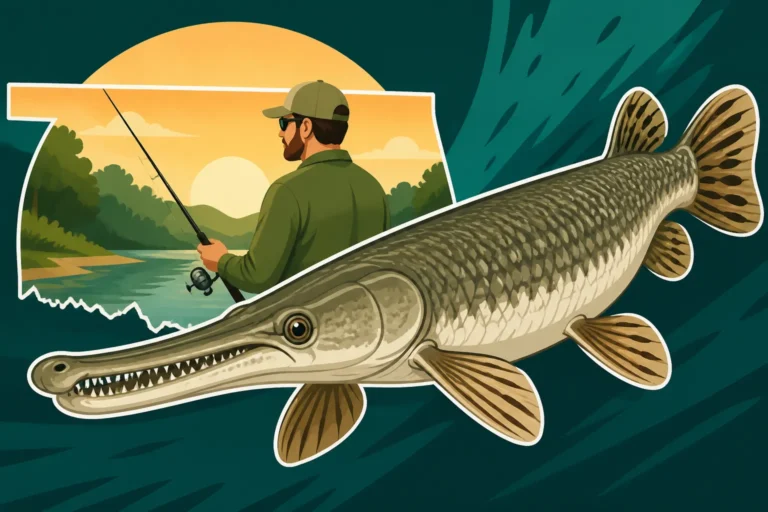
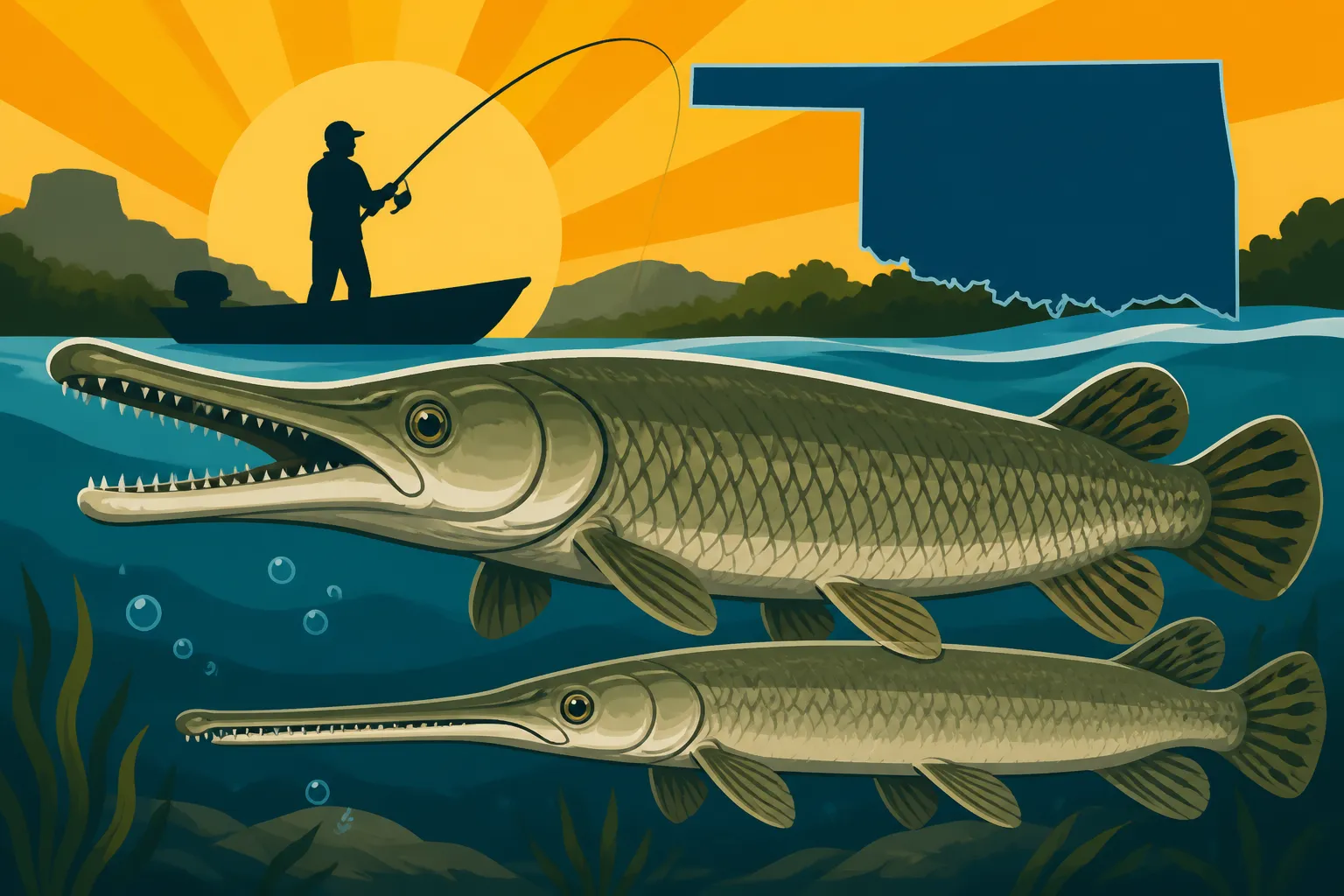
The alligator gar is arguably the most impressive of Oklahoma's gar species, and frankly, one of the most incredible freshwater fish in North America. Just seeing one jump or roll on the surface is enough to give you chills. They get their name from their broad, alligator-like snout and their formidable double row of teeth. These fish are absolute monsters, capable of growing to immense sizes, often exceeding six feet in length and weighing over a hundred pounds. Imagine wrestling a log that's all muscle and teeth! They are truly apex predators in their environment.
For a long time, alligator gar were often misunderstood and even maligned, sometimes seen as a "trash fish" or a threat to game fish populations. However, modern research and a growing appreciation for their ecological role have started to change that perception. They're actually quite selective eaters, often preferring larger, slower-moving prey, and play a crucial role in maintaining healthy fish populations by culling weak or diseased individuals. Targeting these giants requires specialized gear and a significant amount of patience, but the reward of landing one of these prehistoric beasts is an unforgettable experience. If you're wondering How Big Do Alligator Gar Get in Oklahoma, you'll be amazed by the potential.
The Agile Longnose Gar: More Common Than You Think
While the alligator gar gets all the headlines for its sheer size, the longnose gar is far more prevalent across Oklahoma's diverse waterways. You're much more likely to encounter a longnose gar on an average fishing trip, and they offer a fantastic challenge for anglers of all skill levels. As their name suggests, their most distinguishing feature is their incredibly long, slender snout, which is packed with needle-sharp teeth. They might not reach the colossal sizes of their alligator cousins, typically maxing out around four to five feet and weighing up to 20-30 pounds, but they are still powerful, acrobatic fighters.
These gar are often found in both slow-moving rivers and large reservoirs, frequently basking in the sun near the surface or lurking in submerged vegetation, waiting for an unsuspecting baitfish to swim by. They're incredibly streamlined and fast, capable of quick bursts of speed when striking prey. Anglers often find them frustrating to hook due to their bony mouths and the sheer number of teeth, which can easily cut through lighter lines. However, with the right techniques and gear, longnose gar can provide an exhilarating fight and a real test of an angler's skill. Many an angler has cursed the longnose for escaping after a thrilling battle.
Distinguishing Other Gar Species
Beyond the alligator and longnose, Oklahoma waters are also home to other gar species, namely the spotted gar and the shortnose gar. While these don't typically grow to the trophy sizes of alligator gar or offer the widespread distribution of longnose, it's still good to know how to identify them, especially for regulatory purposes and simply understanding what you've caught. The main difference usually comes down to their snout length and the presence (or absence) of spots on their bodies.
Spotted gar, as you might guess, are covered in distinct dark spots on their head, body, and fins, and have a relatively short, broad snout compared to the longnose. Shortnose gar have an even shorter, broader snout than the spotted gar, and fewer, less distinct spots, often appearing more uniformly olive or brownish. Knowing the difference between them is key, and if you need a quick reference, check out Alligator Gar vs Longnose Gar: How to Tell Them Apart for a detailed comparison. Each species has its own subtle habitat preferences and behaviors, but generally, targeting gar with the methods outlined here will often put you in proximity to these other species as well.
Where to Find Gar in Oklahoma Waters
Gar are incredibly adaptable fish, found in a wide variety of habitats across Oklahoma. However, knowing their preferred haunts and understanding their seasonal movements can dramatically increase your chances of success. They're not always easy to spot, even though they frequently surface, and they can be incredibly wary. Putting in the time to scout locations and observe their behavior is often the difference between a frustrating day and an exciting battle.
Prime Alligator Gar Habitats
When it comes to alligator gar, you're looking for bigger water, often associated with major river systems and large reservoirs. Think about areas with extensive backwaters, oxbow lakes, and the lower stretches of major rivers like the Red River, the Arkansas River, or the lower Canadian River. These areas provide the slow-moving, deep water they prefer, often with plenty of cover in the form of submerged timber, brush piles, or dense aquatic vegetation. They are ambush predators, so they love to hide and wait.
Look for areas where feeder creeks or rivers merge into larger bodies of water, creating current breaks and bringing in baitfish. Deep holes with nearby shallow flats can also be productive, as gar will move into the shallows to feed, especially at night or during low light conditions. Patience is key when targeting these giants; it's not uncommon to spend hours without a bite, only to have a massive gar suddenly strike. Understanding Where to Catch Alligator Gar in Oklahoma will give you a great head start on your hunt for these giants.
Common Haunts for Longnose Gar
Longnose gar are far more widespread and less demanding in their habitat preferences than alligator gar. You can find them in virtually every major lake and river system in Oklahoma, from Grand Lake O' the Cherokees to Lake Eufaula and down to Lake Texoma. They thrive in a mix of environments, from the slower stretches of rivers and creeks to the open waters of reservoirs.
Their preferred haunts often include areas with abundant baitfish. Look for them around shallow flats, along the edges of weed lines, near submerged timber, brush piles, and bridge pilings. They frequently cruise just below the surface in calm, sunny conditions, making them visible to observant anglers. River mouths and creek channels where current brings food are also excellent spots. During the warmer months, you'll often see them "gulping" air at the surface, which is a key behavior unique to gar, helping them breathe in low-oxygen environments. This behavior makes them much easier to locate.
Seasonal Movements and Preferred Structures
Like most fish, gar exhibit seasonal movements tied to water temperature, spawning, and food availability. In the spring, as water temperatures rise, gar will often move into shallower, warmer waters for spawning. This can be an excellent time to target them, as they are more concentrated and actively feeding. Look for them in shallow backwaters, flooded timber, and grassy areas. The Best Time of Year to Catch Longnose Gar is often during these warmer months.
During the hot Oklahoma summers, gar will often remain relatively shallow, especially during low light hours, but might move to deeper water during the brightest parts of the day or if oxygen levels drop in the shallows. They will still relate heavily to structure like submerged trees, rock piles, or channel edges. In the fall, as temperatures begin to drop, gar will often follow baitfish into deeper pockets and remain active, feeding heavily before winter. Winter can be tough, but gar are still catchable, often congregating in deep holes or slower river stretches. Always remember that structure is key; anything that provides cover or an ambush point is a potential gar hotspot.
| Gar Species | Preferred Habitat | Typical Size Range (Oklahoma) | Distinguishing Feature |
|---|---|---|---|
| Alligator Gar | Large rivers, oxbows, big reservoirs, deep holes | 60-100+ lbs, 6+ ft | Broad, alligator-like snout, double teeth row |
| Longnose Gar | Rivers, creeks, reservoirs, shallow flats, weed lines | 10-30 lbs, 3-5 ft | Very long, slender snout, needle teeth |
| Spotted Gar | Shallow, vegetated backwaters, slow rivers | 5-15 lbs, 2-3 ft | Distinct dark spots on body and fins |
| Shortnose Gar | Moderate rivers, backwaters, some reservoirs | 5-10 lbs, 2-3 ft | Short, broad snout, fewer spots |
Essential Gear for Gar Fishing
Gar fishing isn't like bass fishing; it requires a specialized approach, especially when it comes to your tackle. Their sheer power, bony mouths, and razor-sharp teeth will quickly expose any weaknesses in your setup. Many an angler has learned this the hard way, losing a prized catch or even damaging their equipment. Investing in the right gear isn't just about catching more fish; it's about making the experience safer and more enjoyable, and ensuring your tackle can stand up to the challenge.
Heavy-Duty Rods and Reels for Battle
When you're chasing gar, especially the bigger alligator gar, you need gear that can take a beating. This is not the time for light action spinning rods. Think heavy-duty catfish gear or even saltwater setups. For longnose gar, a medium-heavy to heavy action casting rod, around 7 to 8 feet long, is a good starting point. This length helps with casting heavier baits and offers better leverage during the fight. For alligator gar, you'll want to step up to something even heavier – think extra heavy action rods, often 8 to 10 feet long, designed for muskie, big catfish, or even shark fishing.
Pair these robust rods with equally robust reels. Baitcasting reels are often preferred for their power and ability to handle heavy lines and big fish. Look for reels with strong drag systems, a good line capacity, and durable internal components. Penn and Abu Garcia are brands that come to mind for their reliability in these kinds of heavy-duty applications. You need a reel that can withstand powerful runs and the sustained pressure of a long fight. Sometimes, you'll find great deals on these kinds of reels on platforms like Amazon if you know what you're looking for.
Line Choices: Braided vs. Steel Leaders
Line choice is perhaps the most critical component of your gar fishing setup, largely because of their toothy mouths. Standard monofilament or fluorocarbon lines simply won't stand a chance against those rows of sharp teeth. For your main line, braided line is the way to go. It offers superior strength-to-diameter ratio, zero stretch for solid hooksets, and excellent abrasion resistance. For longnose gar, 50-80 pound test braided line is a good baseline. For alligator gar, you'll want to be in the 80-150 pound range, or even higher, depending on the size of fish you're targeting and the cover you're fishing around.
However, even heavy braid can be cut by gar teeth. This is where leaders come into play. A steel leader is absolutely essential when gar fishing. There are various types, from braided steel to solid wire. A multi-strand wire leader, often coated, in the 50-100 pound test range, is perfect for longnose gar. For alligator gar, you might need even heavier, specialized leaders, sometimes made from heavier monofilament or fluorocarbon (200-400 lb test) that is too thick for their teeth to cut, or heavier braided wire leaders. Always check your leader frequently for nicks and abrasions and replace it immediately if you see any damage. You can find quality leader material and pre-made leaders readily available on Amazon.
Hooking Strategies: Trebles, Snagging, and Loop Rigs
Hooking a gar is notoriously difficult due to their incredibly bony, cartilaginous mouths. Many traditional hooksets simply won't penetrate. This frustration has led anglers to develop several specialized hooking strategies. Standard treble hooks, especially larger ones (4/0 to 8/0), can work, but even then, hookups are often challenging. The key is to let the gar take the bait for an extended period, allowing it to fully engulf the bait and turn, which increases the chance of a solid hookset.
Another popular method, particularly for longnose gar, involves using a "rope lure" or "fray rig." This rig uses a bundle of nylon rope fibers tied to your line, with no hook at all. When the gar strikes, its teeth get tangled in the fibers, allowing you to reel it in. This is often seen as a more humane method as it doesn't pierce the fish. For alligator gar, sometimes a specialized "snagging" technique is used with large, weighted treble hooks, often in rivers with heavy current. This is a highly specialized and often controversial method, and it's absolutely crucial to understand the regulations regarding snagging, which can vary by waterbody and species. Always ensure you are following Fishing Regulations You Need to Know in Oklahoma. A less common but effective method for smaller gar is a "loop rig" where the bait is placed inside a small, strong loop of wire or heavy mono that tightens when the fish bites.
Effective Techniques for Catching Gar
Successfully landing a gar requires more than just the right gear; it demands specific techniques tailored to their unique feeding habits and anatomy. These fish are powerful, cunning, and have evolved to be incredibly efficient predators. Simply throwing out a worm and hoping for the best won't cut it. You need to think like a gar, understand how they ambush prey, and adapt your approach accordingly.
Live Bait Tactics for Alligator Gar
For the true giants – alligator gar – live bait is often the most effective method. These fish are opportunistic predators that prefer a substantial meal, so small minnows won't cut it. You'll want to use large, lively baitfish such as carp, buffalo, shad, or even substantial sunfish, often ranging from 6 inches to over a foot long. The fresher and livelier the bait, the better. You can often catch your own baitfish using cast nets or smaller hooks in the same waters where you plan to fish for gar.
The key to live bait fishing for alligator gar is presentation and patience. Use a heavy-duty treble hook (8/0 or larger) or a large single hook, rigged through the back or tail of the baitfish. Attach a heavy weight (often 4-8 ounces or more, depending on current) to keep the bait in the strike zone, usually on a Carolina rig or a three-way swivel setup. Cast your bait into known gar haunts – deep holes, channel edges, or submerged timber – and then wait. When a gar takes the bait, it will often move off slowly at first. Resist the urge to set the hook immediately! Let the gar "run" with the bait for a significant period, sometimes several minutes, allowing it to fully swallow the bait and turn before delivering a powerful, sweeping hookset. This technique is critical to getting a solid hook in their bony mouth.
Cut Bait and Scent for Longnose Gar
While live bait certainly works for longnose gar, cut bait can also be incredibly effective, especially if you're targeting them in areas with slower current or trying to attract them from a distance. Longnose gar are keen on scent, and a bloody piece of fish can sometimes draw them in. Good choices for cut bait include shad, carp, or even pieces of perch. Ensure the pieces are large enough to attract attention but not so large that the gar can't get it in its mouth. Often, strips about 2-4 inches long and 1 inch wide work well.
For rigging, use a single hook (4/0 to 7/0) or a treble hook, embedding it fully into the cut bait. You can fish cut bait on the bottom using a slip sinker rig, or suspend it under a large bobber in shallower water or near cover. Again, patience is key. When a longnose gar takes the bait, it will often "mouth" it first, or make a short run. Wait for a solid, sustained run before setting the hook. Some anglers also swear by "chumming" the water with small pieces of cut bait to attract gar to their fishing spot. This can be especially effective in slower-moving rivers or large coves. If you're looking for good bait options, checking out Best Bait for Longnose Gar will give you some great ideas.
Artificial Lures and Bowfishing
While live and cut bait are generally the most productive methods for gar, artificial lures can certainly catch them, especially longnose gar. The trick is to use lures that are tough, have strong hooks, and can withstand the abuse of gar teeth. Spinnerbaits, large inline spinners, and even some heavy-duty topwater plugs can entice a strike. The key is often a fast retrieve that triggers a reaction bite, or a slower retrieve that mimics a wounded baitfish. Because of their bony mouths, many traditional hooksets on lures will still result in missed fish. Some anglers modify lures with rope rigs to increase hookup ratios.
Another popular, and often thrilling, method for targeting gar, especially in shallow, clear waters, is bowfishing. This involves using specialized archery equipment – a bow fitted with a reel and a heavy, barbed arrow – to shoot the fish. Bowfishing for gar is incredibly exciting and offers a more visual, active hunt. It's particularly effective for alligator gar which often bask near the surface. However, bowfishing requires a different set of skills and adherence to specific regulations, as it's often considered a hunting activity rather than traditional angling. Always ensure you are familiar with the specific bowfishing rules for gar in Oklahoma before heading out.
Navigating Regulations and Safety
Fishing for gar, especially the larger species like alligator gar, comes with its own set of rules and safety considerations. These aren't your typical panfish, and treating them as such can lead to serious consequences, both legally and physically. As responsible anglers, it's our duty to understand and adhere to all regulations, ensuring the health of the fishery and our own safety.
Oklahoma Gar Bag and Size Limits
Oklahoma has specific regulations for gar, and these can vary by species and even by water body. It's absolutely crucial to check the latest Oklahoma Fishing Guide before you head out, as these rules can change. Generally, for longnose, spotted, and shortnose gar, there's usually a generous daily bag limit, often quite high, or sometimes no limit at all, reflecting their abundance. However, for alligator gar, the regulations are much stricter due to their slower growth rate and the desire to protect these trophy fish.
For alligator gar, it's common to find a very restrictive daily bag limit, often just one fish per day or even one per year, and sometimes a minimum or maximum size limit is in place. Some specific bodies of water might even be closed to alligator gar harvest or have special tags required. Not knowing these rules can result in significant fines and penalties. Always be certain of the rules for the specific lake or river you're fishing. It's part of being a good steward of our resources, and you can find comprehensive information on Oklahoma's Bag Limit Rules by Species.
Handling and Releasing Gar Safely
Gar are powerful fish with mouths full of sharp teeth. Handling them improperly can lead to serious injury to both you and the fish. Their scales are also incredibly tough and can be surprisingly sharp, capable of cutting skin. When you land a gar, especially a large one, keep these safety tips in mind:
- Control the Head: The gar's head is where all the danger lies. Use a specialized lip-grip tool, or a pair of strong, long-nosed pliers to secure its mouth. For very large alligator gar, a sturdy gaff or even two people might be needed to control the fish safely.
- Protect Your Hands: Always wear heavy-duty gloves, even when using tools. Those teeth are no joke.
- Support the Body: If you plan to release the fish, support its body horizontally to avoid damaging its internal organs. Avoid dragging it on rough surfaces.
- Remove Hooks Carefully: Use long-nosed pliers or a dehooking tool. If the hook is deeply swallowed and you plan to release, cutting the leader as close to the hook as possible is often better than trying to wrench it out, which can cause lethal damage.
- Minimize Out-of-Water Time: If you intend to release, get some quick photos, but get the fish back in the water as quickly as possible. Revive it by holding it upright in the water until it can swim away under its own power. These creatures are incredible, and protecting their future is vital.
Licensing Requirements and Enforcement
No matter what species of fish you're targeting in Oklahoma, you need a valid fishing license. This is non-negotiable. Whether you're a resident or a non-resident, an annual license, a combination license, or a day-use license, you must have one in your possession while fishing. Game Wardens regularly patrol lakes and rivers, and they will check for licenses.
Fishing without a license is a violation that can result in fines, confiscation of gear, and even loss of fishing privileges. It's simply not worth the risk. Make sure your license is current and easily accessible. You can often purchase or renew your license online, at sporting goods stores, or through approved vendors. Check out Fishing License Requirements in Oklahoma for detailed information on how to acquire one and understand the various types available. If you're caught without one, the Penalties for Fishing Without a License in Oklahoma can be quite steep. Being a responsible angler means understanding and respecting these rules, which ultimately help fund conservation efforts that ensure great fishing opportunities for all of us.
Preparing and Enjoying Your Gar Catch
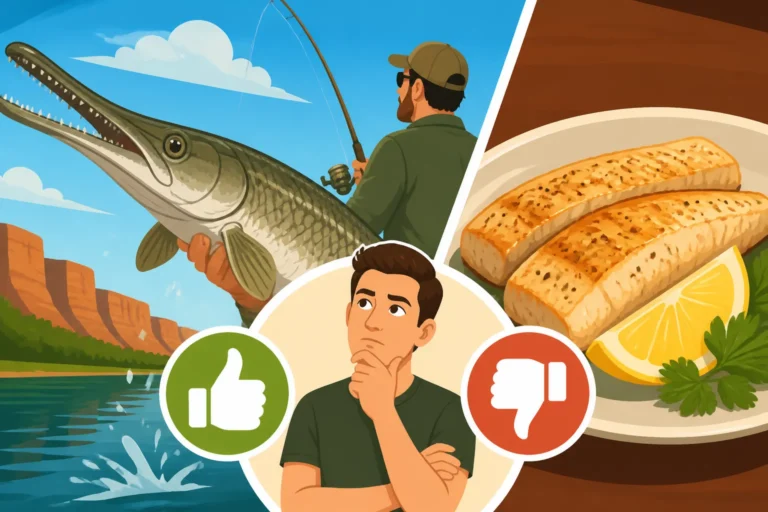
Alright, let's address the elephant in the room. Many people, especially those unfamiliar with gar, might wonder, "Is gar even good to eat?" The answer, unequivocally, is YES! In fact, gar meat is delicious – firm, white, and mild, often compared to crab or even scallops in texture. It's a real shame that many anglers view them as trash fish and simply discard them, missing out on a fantastic culinary experience. The trick is knowing how to properly clean and prepare them, which is a bit different from your average catfish or bass.
Is Gar Good to Eat? Debunking Myths
The myth that gar aren't good to eat likely stems from a combination of their appearance and the difficulty of cleaning them. Some also mistakenly believe they're "bottom feeders" or carry diseases, neither of which is true. Gar are predatory fish, eating smaller fish, and their meat is perfectly safe and delicious. The taste is mild, with no "fishy" flavor, which makes it versatile for various cooking methods.
The challenge comes not from the taste, but from the incredibly tough, armored scales that cover their bodies. These scales are like a suit of armor, designed to protect them from predators. Trying to scale or fillet a gar with a regular fillet knife is an exercise in futility and frustration. This difficulty has probably led many a frustrated angler to toss a perfectly good meal back into the water. But with the right tools and a little know-how, cleaning a gar becomes much more manageable, opening up a world of delicious possibilities. For those still skeptical, read Is Alligator Gar Good to Eat? and prepare to be convinced!
Cleaning and Filleting Techniques
Cleaning a gar requires a different approach than most fish. Forget your traditional fillet knife for getting through the scales. You'll need some heavy-duty tools: a hatchet, tin snips, heavy shears, or even a small saw are often used to break through the armor. Here's a common method:
- Secure the Fish: Lay the gar on its back or side on a sturdy, clean surface.
- Cut Down the Back: Using tin snips or a hatchet, cut a line down the middle of the gar's back, from just behind the head all the way to the tail. This cut goes through the armored scales, creating an opening.
- Peel Back the Armor: Once you have that cut, you can often grab the edge of the armor with pliers and peel it back, exposing the white meat underneath. You might need to make additional cuts along the side of the fish to help peel it away.
- Remove the Fillets: With the armor removed from one side, you can now use a sharp fillet knife to cut the fillets off the backbone, just as you would with any other fish. Repeat on the other side.
- Trim and Prepare: The fillets will be boneless blocks of white meat. Trim away any red meat or fatty tissue, as this can have a stronger flavor. What you're left with are beautiful, clean fillets ready for cooking.
It might seem daunting at first, but once you've cleaned one or two, it becomes much quicker.
Simple Recipes for Delicious Gar Meat
Once you have those clean, white gar fillets, the culinary options are wide open. Because the meat is firm and mild, it holds up well to various cooking methods and readily absorbs flavors. Here are a few simple ideas to get you started:
- Gar Nuggets (Fried): Cut the gar fillets into bite-sized pieces. Season with salt, pepper, and your favorite Cajun or fish fry seasoning. Dip in an egg wash, then dredge in cornmeal or a seasoned flour mixture. Deep fry until golden brown and flaky. This is perhaps the most popular way to enjoy gar, and it's absolutely fantastic. Serve with tartar sauce or remoulade.
- Grilled Gar: Marinate gar fillets in a simple blend of olive oil, lemon juice, garlic, and herbs for 30 minutes to an hour. Grill over medium-high heat until cooked through and slightly charred. The firm texture prevents it from falling apart on the grill.
- Gar Cakes: Similar to crab cakes, you can flake cooked gar meat (after boiling or baking) and mix it with breadcrumbs, mayonnaise, egg, bell peppers, onions, and seasonings. Form into patties and pan-fry until golden. These are incredibly flavorful and a great way to use gar meat.
- Gar Ceviche: For a lighter, fresh option, cut raw gar into small cubes and marinate in lime or lemon juice until the meat turns opaque. Mix with diced red onion, cilantro, jalapeño, and tomato. This showcases the gar's mild flavor beautifully.
Don't let the unique cleaning process deter you; the taste of properly prepared gar is a delightful surprise that will have you rethinking your approach to these incredible fish.
Conservation and the Future of Gar Fishing
Gar, particularly alligator gar, represent a truly unique and valuable part of Oklahoma's aquatic ecosystem. Their prehistoric appearance and incredible size make them a captivating species for anglers and nature enthusiasts alike. However, like many long-lived, slow-growing fish, they are susceptible to overfishing and habitat degradation. As anglers, we have a critical role to play in ensuring these magnificent fish continue to thrive for generations to come. Responsible fishing practices and an understanding of their ecological importance are paramount.
The Importance of Sustainable Practices
Sustainable fishing practices are not just buzzwords; they are essential for maintaining healthy fish populations. For gar, this means adhering strictly to bag and size limits, especially for alligator gar. Since alligator gar take many years to reach maturity and grow to trophy size, removing too many large individuals can have a significant impact on their breeding potential and overall population health. Many anglers practice catch-and-release for alligator gar, opting for a photo and the thrill of the fight rather than keeping these ancient giants. This approach helps ensure that these valuable breeders remain in the system.
For the more abundant longnose gar, while limits are often more liberal, practicing selective harvest and not taking more than you need is always a good idea. Consider the impact of your actions on the future of the fishery. Learning proper handling techniques, as discussed earlier, is also a key component of sustainable practices, especially when releasing fish, to minimize stress and injury. Every fish we release healthy is an investment in future fishing opportunities.
Protecting Gar Habitats
Gar depend on healthy, diverse habitats to survive and reproduce. This includes not just the open waters of our lakes and rivers, but also the crucial shallow backwaters, oxbows, and vegetated areas that serve as spawning grounds and nursery areas for young fish. Activities that degrade these habitats, such as unchecked development along shorelines, pollution, or the alteration of natural river flows, can have a detrimental effect on gar populations.
Supporting conservation efforts aimed at protecting and restoring these critical habitats is vital. This can involve advocating for responsible land and water management, participating in clean-up efforts, or simply being mindful of your own impact when fishing. The health of the gar population is inextricably linked to the health of their environment, and by protecting their homes, we're helping to ensure their long-term survival. Remember, a thriving gar population is an indicator of a healthy ecosystem overall.
Contributing to Research and Awareness
Finally, increasing our understanding and appreciation for gar is crucial for their conservation. For too long, gar were overlooked or even persecuted. By sharing accurate information about their ecological role, their value as a game fish, and their delicious meat, we can help change public perception. This guide is a step in that direction, aiming to educate and encourage responsible gar fishing.
Anglers can also contribute to research efforts. Sometimes, state wildlife agencies conduct surveys or tagging programs for gar, and your participation, whether it's reporting catches or providing samples, can offer valuable data. By raising awareness, challenging old misconceptions, and actively engaging in conservation, we can help ensure that the magnificent alligator gar and the ubiquitous longnose gar continue to be an incredible part of Oklahoma's natural heritage for generations of anglers to come. It’s a privilege to share the water with these incredible creatures, and we all have a part to play in protecting them.
Disclaimer
This article is for general informational purposes only and does not constitute professional advice. Laws, prices and regulations vary by location and change over time. Consult a qualified professional for guidance on your specific situation.