Black Crappie vs White Crappie: Key Differences for Oklahoma Anglers
Have you ever reeled in a beautiful slab of crappie from an Oklahoma lake, admired its shimmer, and then paused, wondering if you just caught a black crappie or a white crappie? It's a common question, and frankly, it can be a little confusing because they look quite similar at first glance. But knowing the difference can actually make you a more successful angler, helping you fine-tune your techniques and even comply with specific lake regulations. This guide will help you confidently tell them apart, understanding the nuances that seasoned Oklahoma anglers often observe.
Why Distinguishing Between Crappie Species Matters for Oklahoma Anglers
For many casual anglers, a crappie is a crappie, and that's perfectly fine for a relaxing day on the water. But for those who want to deepen their understanding of Oklahoma fishing and improve their catch rates, recognizing the subtle differences between black crappie and white crappie can be a game-changer. It's not just about bragging rights; it directly influences where you cast, what bait you use, and even what rules might apply in certain waters.
Imagine you've been having fantastic luck catching crappie off a brush pile in clear water. If you knew you were primarily catching black crappie, you'd understand why that spot was so productive for them. Conversely, if your buddy is consistently pulling in white crappie from a different type of cover in murkier water, you'd know their strategy might be tailored to that specific species. Understanding these preferences helps you adapt to different lake conditions and target the species you want. It also helps you appreciate the biodiversity of our Oklahoma lakes. For example, some lakes might have special regulations for crappie, and knowing which species you're catching ensures you're always fishing responsibly. You can learn more about general rules in Crappie Fishing Rules and Limits in Oklahoma.
Understanding Crappie Preferences and Habitat
Knowing which species you're targeting allows you to match your tactics to their inherent behaviors. Black crappie, for instance, tend to favor clearer water and denser cover, while white crappie are often more tolerant of turbid conditions and prefer more open, vertical structure. If you're fishing a murky, wind-blown point, and you're not getting bites, a quick mental check – "Am I trying to catch black crappie in white crappie territory?" – might lead you to adjust your location or technique. This can save you valuable fishing time and lead to more successful outings.
Navigating Local Regulations
While Oklahoma's statewide crappie bag limit of 37 fish per day counts both species together, there are specific lakes, like Hudson or Tenkiller, that have stricter crappie limits or length restrictions. For example, some lakes enforce a 10-inch minimum length for crappie. While these rules typically apply to all crappie regardless of species, understanding which species dominates a particular area can sometimes give you insight into the fishery's health or why certain regulations might be in place. Always double-check the local rules for the body of water you're fishing, as specific regulations can change. A quick search on the Oklahoma Department of Wildlife Conservation website or a good old-fashioned fish identification guide found on Amazon can keep you informed.
The Tell-Tale Stripes vs. Speckles: Visual Identification
When it comes to distinguishing between black crappie and white crappie, the most obvious differences lie in their appearance, particularly their coloring and markings. While these can sometimes vary depending on the water clarity, diet, and even the fish's mood, there are consistent patterns to look for that make identification fairly straightforward.
Black Crappie: The Speckled Beauty
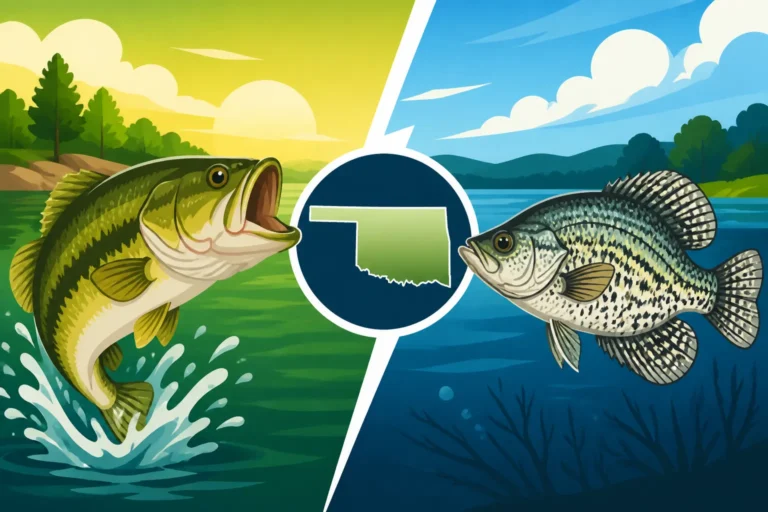
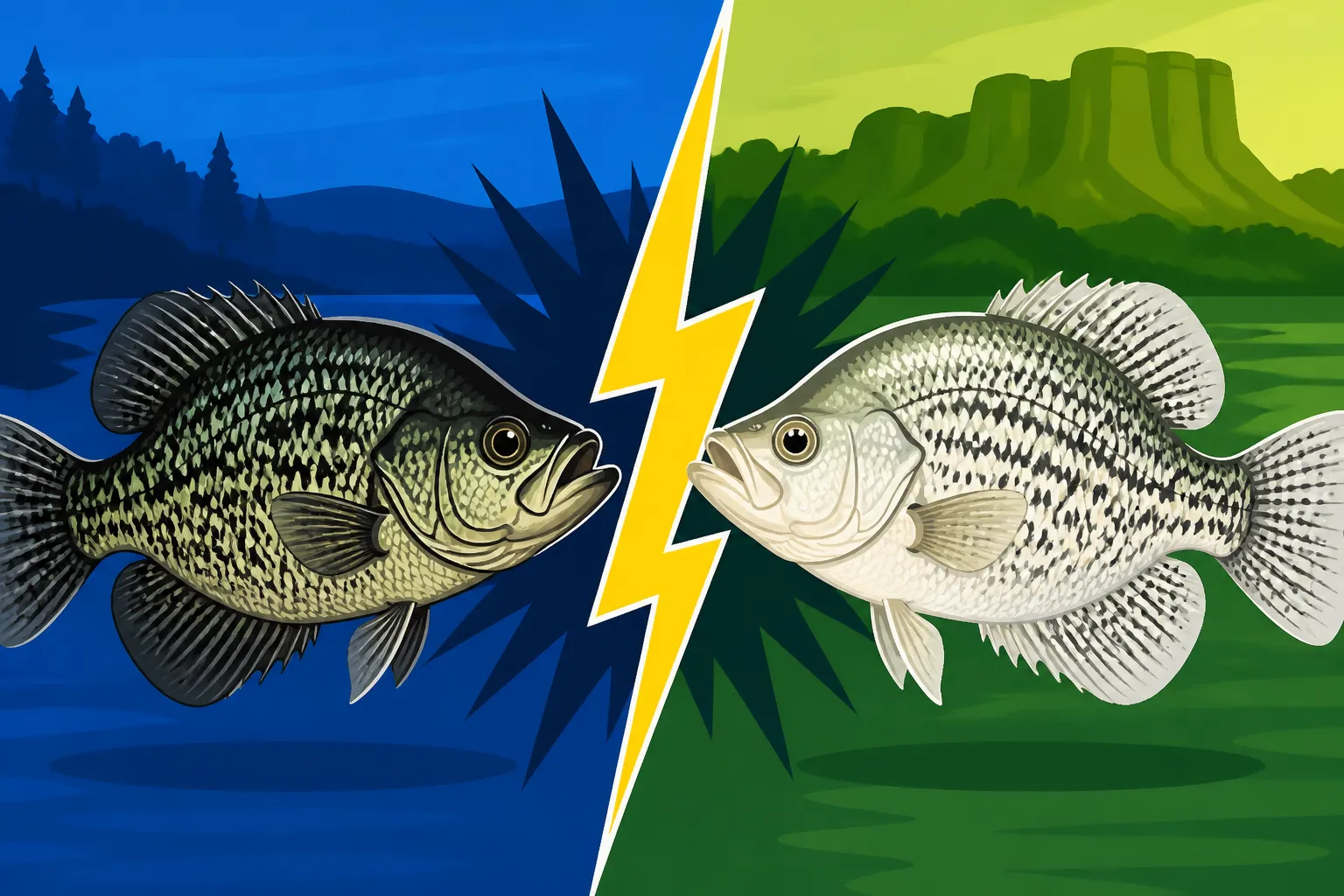
Black crappie, often called "specks" or "calico bass" by some old-timers, live up to their name with a more mottled, darker appearance. Their bodies are typically silver to golden-green, heavily flecked with irregular black spots and blotches. These spots are scattered seemingly at random across their sides, creating a somewhat camouflage pattern. What's key is that these spots don't form distinct vertical bars. Instead, it’s a random, "peppered" look. Their overall body shape tends to be deeper and more rounded, almost disc-like, compared to their white crappie cousins.
Think of it this way: if you picked up a black crappie, it would look like someone took a handful of dark pepper and sprinkled it all over its sides. The spots are often quite pronounced, especially in clear water where their coloration helps them blend into submerged timber and vegetation. They also tend to have a slightly darker overall hue, even a bit bronzed or olive, especially on their backs. If you're out fishing in one of Oklahoma's clearer lakes, you'll often encounter these beautifully marked fish.
White Crappie: The Barred Angler
White crappie, on the other hand, usually have a lighter, more silvery appearance, and their defining characteristic is a series of distinct, dark vertical bars running down their sides. These bars are typically about 7 to 9 in number and are much more organized than the black crappie's spots. They stretch from the back, sometimes extending slightly onto the belly, giving the fish a striped look. The intensity of these bars can vary; in some fish, they're very prominent, while in others, they might be a bit faded. Their bodies are generally more elongated and less rounded than the black crappie, giving them a slightly "taller" appearance from dorsal fin to belly.
Imagine holding a white crappie: instead of random specks, you'd see neat, dark stripes painted vertically along its body. These bars are a dead giveaway. While they might still have some scattered flecks, the prominent vertical bars are the key. They often have a more silvery sheen, especially on their flanks. When you're fishing in slightly murkier water, which white crappie often prefer, their lighter color and distinct bars can sometimes make them stand out.
Fin and Mouth Differences: More Subtle Clues
While the body coloration and patterns are often the quickest way to identify crappie species, there are other, more subtle anatomical differences that can help confirm your identification, especially if you're holding a fish whose markings aren't super clear. Looking at the dorsal fin and the length of the mouth can provide definitive answers once you know what to look for.
Dorsal Fin Spines: The Count That Matters
This is perhaps the most reliable physical characteristic to differentiate black and white crappie. Count the spines on their dorsal fin – that's the main fin on their back.
- Black Crappie: Almost always have 7 or 8 dorsal fin spines. This is a consistent and very accurate way to tell them apart.
- White Crappie: Consistently have 5 or 6 dorsal fin spines.
This is a surefire method that eliminates any confusion from variations in coloration due to water conditions or genetics. If you're ever in doubt, gently count those spines. It's a fundamental biological difference between the two species. This anatomical feature is so reliable that even an identification guide you might find on Amazon would highlight it as a primary characteristic.
Mouth Size and Placement
Another distinguishing feature, though perhaps less definitive than the dorsal fin count, is the size and placement of their mouth.
- Black Crappie: Tend to have a slightly larger mouth, and the upper jaw extends back to the middle or back of the eye.
- White Crappie: Typically have a smaller mouth, with the upper jaw extending only to the front edge of the eye.
While both are formidable predators with mouths designed to suck in their prey, this slight difference in mouth size and extension can be another piece of the puzzle. It speaks to their feeding habits, with black crappie perhaps being slightly more aggressive feeders in some scenarios.
Habitat and Behavior: Where You'll Find Them
Beyond their physical appearance, black and white crappie have distinct preferences for habitat and exhibit different behaviors, which can give savvy Oklahoma anglers a huge advantage in locating them. Understanding these tendencies is just as crucial as knowing how to identify them by sight.
Black Crappie: The Clear Water, Heavy Cover Dweller
Black crappie are often associated with clearer, cooler waters and thrive in lakes and ponds with abundant vegetation and structure. They are particular about their surroundings, preferring:
- Clear Water: They tend to shy away from turbid or muddy conditions. If you're fishing a lake known for clear water, like Broken Bow Lake or some parts of Lake Tenkiller, you're more likely to encounter black crappie.
- Dense Cover: Black crappie love to hide. Think submerged brush piles, weed beds, lily pads, standing timber, and even docks with heavy shade. They use this cover for ambush points and protection. They relate tightly to this structure, often suspending right in it or slightly above it.
- Deeper Zones: While they will move shallow during the spawn, black crappie typically prefer deeper parts of the lake during other seasons, often suspending over deep structure or thermoclines in warmer months.
Their behavior is generally more solitary or found in smaller schools within their chosen cover. They are ambush predators, often holding tight to structure and darting out to snatch unsuspecting minnows or jigs. When fishing for them, a slower, more deliberate approach, meticulously picking apart cover, often yields the best results. You'll often find yourself having to pull them directly out of thick brush. How to Find Crappie in Deep Water in Summer will give you some great tips for locating them.
White Crappie: The Murky Water, Vertical Structure Lover
White crappie are a bit more adaptable and tolerant of varied conditions, which makes them incredibly widespread across Oklahoma's diverse waterways. They often prefer:
- Turbid or Murky Water: Unlike their black crappie cousins, white crappie don't mind stained or even muddy water. This is why they are so prevalent in many of Oklahoma's large reservoirs that can experience fluctuating water clarity, like Lake Eufaula or Keystone Lake.
- Vertical Structure: While they appreciate cover, they often favor more open, vertical structure such as standing timber, bridge pilings, submerged roadbeds, and channel edges. They might not bury themselves as deep into brush as black crappie. They often suspend in large schools around these types of structures.
- Shallower Areas (Seasonally): While they move deep, white crappie can be found shallower more often than black crappie in some situations, especially in spring during the spawn, and around creek channels and feeder arms.
White crappie are notorious schoolers. When you find one white crappie, you're likely to find many more. They tend to roam more than black crappie, following schools of baitfish. Their preference for vertical structure and schooling behavior makes them excellent targets for Crappie Jigging Techniques and Crappie Tightlining Techniques around deep timber or bridge supports. If you're seeing a lot of suspended fish on your fish finder, there's a good chance they're white crappie.
Fishing for Each Species: Techniques and Preferences
Knowing the subtle differences in appearance and habitat preferences isn't just for academic curiosity; it directly translates into more effective fishing strategies. Adapting your approach based on whether you're targeting black or white crappie can significantly boost your success on Oklahoma's waters.
Targeting Black Crappie: Finesse and Structure
Given their preference for clear water and dense cover, fishing for black crappie often requires a more refined approach.
- Lure & Bait Selection: Small jigs, typically 1/16 to 1/8 ounce, are ideal. Soft plastic baits in natural colors like clear, smoke, or shad patterns tend to work well in clear water. Live minnows, fished under a bobber or on a tightline, are also extremely effective, especially when tipped with a small jig head. The key is to offer something that mimics natural prey and can be presented subtly. You can often find a wide variety of these jigs and minnow buckets at a local tackle shop or readily available on Amazon.
- Presentation: Precision is paramount. Black crappie are often holding tight to specific pieces of cover, so you need to put your bait right in their face. Vertical jigging directly into brush piles, careful pitching to the edges of weed lines, or slow trolling parallel to submerged timber are excellent tactics. You'll often need to fish slower and spend more time working a particular piece of structure.
- Gear: Light to ultralight spinning gear with 4-6 pound test line is usually sufficient. A sensitive rod helps detect those subtle crappie bites, especially when they're tucked deep into cover.
- Prime Locations: Focus on brush piles in clear lakes, especially those in deeper water. Look for extensive submerged timber, docks with deep shade, and areas where creek channels cut through dense vegetation. Lakes like Tenkiller Ferry Lake, Lake Arbuckle, and Broken Bow Lake are often excellent for black crappie, particularly in their clearer sections. Best Crappie Fishing Spots on Lake Arbuckle, Oklahoma provides more detail.
Targeting White Crappie: Aggression and Schools
White crappie's adaptability and schooling nature lend themselves to different, often more active, fishing techniques.
- Lure & Bait Selection: They're less finicky about water clarity, so brighter colors like chartreuse, pink, and orange can be very effective, especially in stained water. Larger jigs, sometimes up to 1/4 ounce, can be used to get down to schooling fish quickly. Spinnerbaits designed for crappie, or "Road Runner" style jigs, can also trigger strikes. Of course, live minnows remain a universal crappie catcher.
- Presentation: Because white crappie often suspend in schools around vertical structure, techniques that cover more water or target a specific depth in the water column are effective. Spider rigging for crappie is a popular method where multiple rods are deployed from a boat, spreading baits out at different depths and distances. Trolling jigs or minnow rigs can also be highly productive when schools are scattered or actively feeding.
- Gear: Light to medium-light spinning or baitcasting gear, often with 6-8 pound test line, is common. If you're spider rigging, specialized crappie rods, often 10-16 feet long, are used to spread lines out from the boat.
- Prime Locations: Target standing timber, bridge pilings, riprap shorelines, and main lake points in reservoirs known for varying water clarity. Large schools can be found suspending in open water over creek channels or humps. Lakes like Lake Eufaula, Fort Gibson Lake, and Grand Lake O' the Cherokees are renowned for their white crappie populations. Fort Gibson Lake's 15-Fish Crappie Limit might be relevant for your trip planning.
Crappie Comparison Table
To summarize the key differences and make it easy for you to reference, here’s a handy table outlining the characteristics of black and white crappie:
| Feature | Black Crappie (Pomoxis nigromaculatus) | White Crappie (Pomoxis annularis) |
|---|---|---|
| Body Markings | Irregular, scattered dark spots/blotches | 7-9 distinct vertical dark bars |
| Dorsal Fin Spines | 7-8 spines | 5-6 spines |
| Body Shape | Deeper, more rounded/disc-like | More elongated, somewhat taller |
| Mouth Extension | Jaw extends to middle or back of eye | Jaw extends to front edge of eye |
| Preferred Water Clarity | Clearer water | More tolerant of stained/murky water |
| Preferred Habitat | Dense cover (weeds, brush, lily pads) | More open, vertical structure (timber, bridge pilings) |
| Schooling Behavior | Smaller groups, often tight to cover | Larger, often nomadic schools |
| Typical Behavior | Ambush predator, slower movement | Active feeder, roams more |
| Common Oklahoma Lakes | Tenkiller, Arbuckle, Broken Bow | Eufaula, Fort Gibson, Grand Lake |
Flavor Profile and Culinary Nuances
Let's be honest, for many anglers, the ultimate test of a fish isn't just the fight it puts up, but how it tastes on the dinner plate! Crappie are widely considered one of the best-tasting freshwater fish, often earning the nickname "panfish" because they fit perfectly in a frying pan. But do black crappie and white crappie taste different?
In general, most anglers would agree that both black and white crappie offer excellent table fare. Their flesh is typically white, flaky, and has a mild, sweet flavor. It’s hard to beat a fresh crappie fillet lightly breaded and fried to a golden crisp. However, some connoisseurs might argue for subtle differences.
The Myth of the "Better Tasting" Crappie
Anecdotal evidence from anglers often points to black crappie having slightly firmer, whiter flesh, especially those caught from very clear, cold waters. This is often attributed to their diet and habitat. Fish from cleaner environments and those that consume a more varied diet (which black crappie often do due to their diverse habitat) can sometimes develop a more refined flavor.
White crappie, being more adaptable to stained water and often consuming a higher percentage of minnows, might sometimes have a slightly softer texture or, in very rare cases from extremely warm or muddy water, a faint "muddy" taste if not properly cared for after catch. This is far from common, though, and largely depends on the specific conditions of the water body and how the fish is handled. The vast majority of the time, the difference is negligible.
Maximizing Flavor, Regardless of Species
Regardless of whether you've caught a black or white crappie, the key to great-tasting fish lies in proper handling.
- Bleed Them: If possible, bleed your crappie immediately after catching them. This removes blood from the flesh, which can impart a stronger flavor.
- Keep Them Cold: Get your fish on ice as quickly as possible. This slows down spoilage and keeps the flesh firm and fresh. A good cooler, easily found on Amazon, is an essential piece of gear for any fishing trip.
- Fillet Promptly: Process your fish soon after catching them. The fresher the fillet, the better the taste.
- Cleanliness: Ensure your filleting process is clean, removing all skin, scales, and any dark meat along the lateral line, as these can hold stronger flavors.
So, while there might be a whisper among seasoned anglers about a marginal difference in flavor, for most of us, any crappie from Oklahoma waters is a delicious prize worth celebrating. The subtle variations are far less impactful than how you handle and prepare your catch. So go ahead and enjoy those tasty crappie, whether they're speckled or striped!
Disclaimer
This article is for general informational purposes only and does not constitute professional advice. Laws, prices and regulations vary by location and change over time. Consult a qualified professional for guidance on your specific situation.