Longnose Gar: An Overlooked Catch in Oklahoma Waters
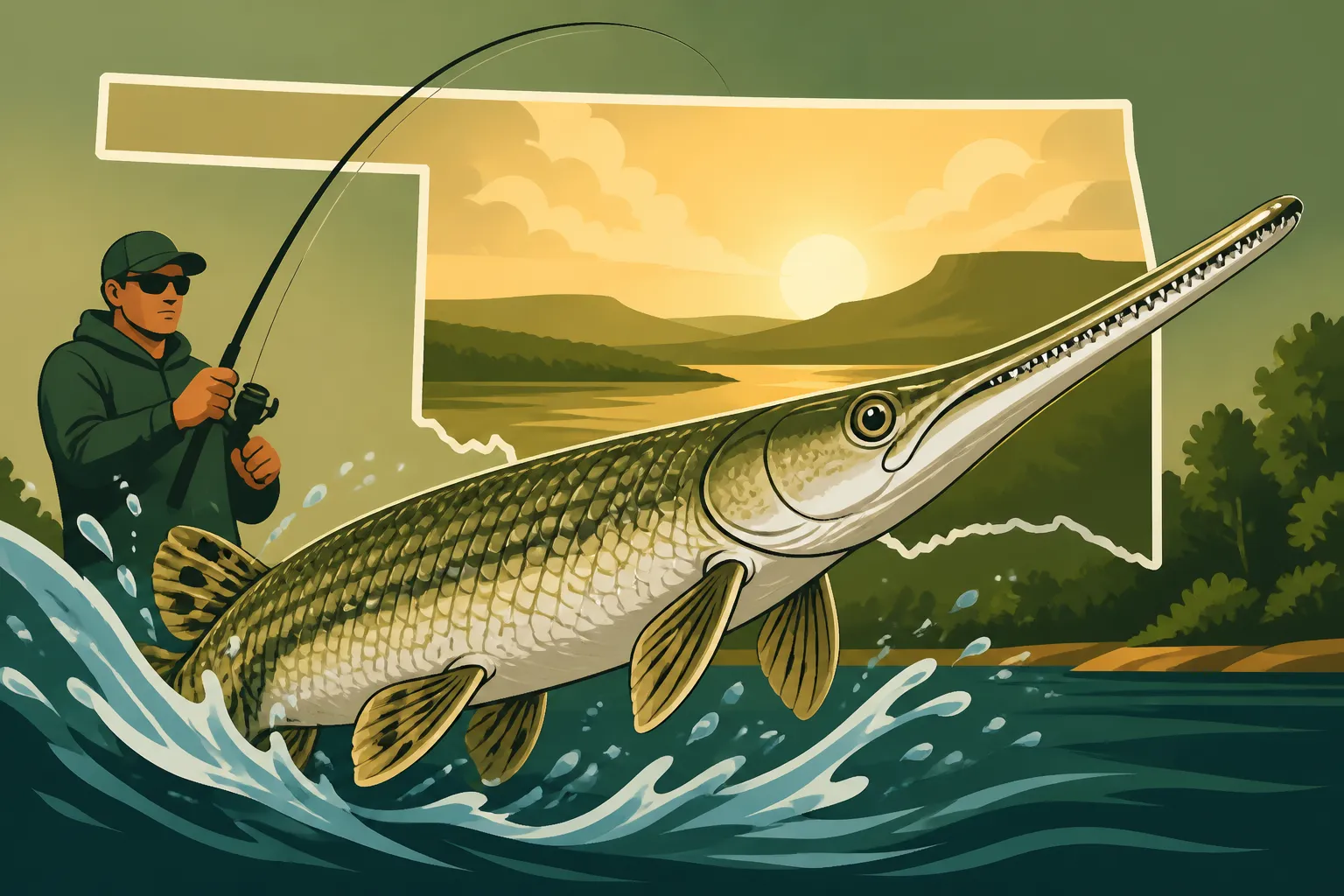
Many anglers in Oklahoma might overlook a truly fascinating and challenging fish swimming in our waters: the longnose gar. It's easy to dismiss them as "trash fish" or just a nuisance when they steal bait meant for bass or catfish, but I'm here to tell you that’s a huge mistake. These ancient, toothy predators offer an incredible fight and a unique angling experience that too many folks are missing out on. This guide is dedicated to shedding light on the longnose gar, helping you understand them better, and showing you how to turn those accidental encounters into deliberate, exhilarating fishing trips.
Understanding the Longnose Gar: What Makes Them Unique?
Longnose gar are truly a spectacle of the aquatic world, often described as "living fossils" because their body plan hasn't changed much in millions of years. They're built for ambush and survival, perfectly adapted to the diverse waters of Oklahoma. While they might not be as glamorous as a largemouth bass or as sought after as a blue catfish, their unique characteristics make them an intriguing target for any angler willing to give them a fair shot.
Identifying Longnose Gar in Oklahoma Waters
When you pull a gar out of the water, it's pretty hard to mistake it for anything else. They have that distinctive, elongated body and those sharp, needle-like teeth. But how do you know it's a longnose gar and not one of its cousins, like the shortnose or even the mighty alligator gar? The key is in their name and their snout. The longnose gar has an exceptionally long, narrow snout that is at least twice as long as the rest of its head. Imagine a pair of forceps—that’s pretty close to what you're looking at. This long, slender beak is packed with those sharp teeth, perfect for snatching smaller fish. Their bodies are typically olive to brown on top, fading to a lighter belly, often with dark spots on their fins and sometimes along their sides. They can grow quite large, sometimes reaching over 5 feet in length, though most you'll encounter will be in the 2-4 foot range. Their scales are also quite unique; they're ganoid scales, which are hard, diamond-shaped, and interlocking, forming a kind of natural armor.
Here's a quick comparison to help you tell them apart from other gar species you might encounter in Oklahoma:
| Feature | Longnose Gar | Shortnose Gar | Alligator Gar |
|---|---|---|---|
| Snout Length | Very long, at least twice head length | Shorter, less than twice head length | Short, broad, alligator-like |
| Snout Width | Very narrow | Moderately wide | Very wide, flat |
| Teeth | Numerous, needle-like | Numerous, needle-like | Large, conical, very prominent |
| Body Markings | Often spotted on fins and rear body | Usually unspotted or faintly spotted | Large, dark blotches/spots on sides |
| Size | Up to 5+ feet | Up to 3 feet | Can exceed 8 feet |
If you're interested in differentiating between their cousins, you might find our guide on Alligator Gar vs Longnose Gar: How to Tell Them Apart particularly helpful.
Preferred Habitat and Diet of Longnose Gar
Longnose gar are incredibly adaptable, which is why you can find them in so many of Oklahoma's waters. They're typically found in slow-moving rivers, backwaters, oxbow lakes, and reservoirs. They love areas with plenty of submerged vegetation, standing timber, or brush piles where they can ambush their prey. You'll often see them cruising just beneath the surface, looking almost like a log, or sometimes even gulping air at the surface, which they can do thanks to their unique, lung-like swim bladder that allows them to breathe atmospheric oxygen in oxygen-depleted waters. This adaptation is part of why they can thrive in less-than-ideal conditions that would stress other fish.
Their diet consists almost entirely of other fish. They are voracious predators, and their long snout is perfectly designed for side-swiping and then grasping smaller prey. Shad, minnows, small sunfish, and even juvenile game fish are all on the menu. This predatory nature is what makes them such an exciting catch; they hit hard and fight dirty, making every hookup an adrenaline rush. Understanding their habitat and diet is crucial for successful gar fishing, as it helps you pinpoint where they'll be and what they'll be willing to strike.
Why Longnose Gar are Often Overlooked: Dispelling Myths
It's a shame how many anglers simply write off longnose gar. I hear it all the time at the boat ramp or tackle shop: "They're just bait stealers," or "You can't even eat 'em." These misconceptions really do a disservice to a truly sporting fish. Let's break down some of these myths and get to the truth about why longnose gar deserve a spot on your target species list.
The "Trash Fish" Label and Its Impact
The biggest hurdle for the longnose gar is the unfair "trash fish" label. This moniker usually comes from anglers who aren't specifically targeting them and get frustrated when a gar takes their carefully presented bait meant for a prized bass or crappie. Yes, their bony, armor-plated bodies and toothy grins can make them seem intimidating or undesirable, especially if you're not prepared to handle them. This perception often leads to them being cut off the line, left on the bank, or simply ignored, which is a missed opportunity for a unique fishing experience. The truth is, many "trash fish" are anything but; they are vital parts of the ecosystem and offer their own challenges and rewards to those who learn to appreciate them.
Think about it: how many times have you set up a perfect spot for crappie, only to have what feels like a log take your minnow, only to discover it's a longnose gar? It can be annoying, but instead of seeing it as a nuisance, consider it an unexpected challenge. With the right approach and gear, you can turn that "nuisance" into a memorable battle.
The Edibility Debate: Are Gar Good to Eat?
Another common myth is that gar aren't good to eat. This one is particularly stubborn! While it's true that the green coloration of gar roe (eggs) is toxic to humans and should never be consumed, the meat of the longnose gar is absolutely delicious, often compared to pike or even alligator meat. It's white, firm, and flaky, with a mild flavor. The trick is knowing how to clean them, as their armored scales make traditional filleting difficult.
Many experienced gar anglers use sturdy shears or a hatchet to cut through the tough skin along the back and belly, then peel the skin off like a banana before removing the boneless "loin" of meat. It takes a bit more effort than a typical bass or catfish, but the reward is worth it. You can fry it, bake it, grill it, or even make gar balls. So, the next time someone tells you gar aren't good to eat, you can tell them they're missing out on a unique culinary experience!
Best Spots for Longnose Gar Fishing in Oklahoma
Oklahoma is truly blessed with an abundance of diverse waterways, and many of them hold healthy populations of longnose gar. From winding rivers to sprawling reservoirs, there are plenty of opportunities to target these formidable fish. Knowing where to look is half the battle when it comes to any species, and longnose gar are no exception.
Top Rivers and Creeks for Longnose Gar
When it comes to river fishing for longnose gar, you want to focus on sections with slower currents, deep pools, and plenty of cover. They love to lie in wait in these areas, ready to ambush unsuspecting prey. The Red River, forming Oklahoma's southern border, is a prime location, especially in its deeper, more sluggish stretches. Tributaries flowing into larger rivers, particularly where they widen and slow down, can also be hotspots. Look for areas with fallen trees, logjams, or dense aquatic vegetation. These provide excellent ambush points. The Washita River, particularly its lower reaches, and the Illinois River in its slower sections also hold good numbers of gar. When fishing these areas, patience is key. Gar are often visual hunters, and they'll take their time to line up a strike. Best Rivers and Streams for Channel Catfish often overlap with good gar habitat, as both species prefer similar holding patterns in slower, deeper water.
Think about scouting trips you’ve made for other species. If you've ever seen a long, dark shape lying still just under the surface in a calm eddy or along a shaded bank, chances are it was a gar. Those are the exact spots you want to target.
Best Reservoirs and Lakes for Longnose Gar
Oklahoma's numerous reservoirs are also fantastic for longnose gar. These larger bodies of water provide ample habitat, and their extensive coves, shallow flats, and standing timber are perfect for gar. Here are a few notable lakes where you can find them:
- Lake Eufaula: Oklahoma's "Gentle Giant" is not just for bass and crappie. Its vast shallow flats, numerous coves, and abundant submerged timber make it a longnose gar paradise. Look for them in the back of coves, especially where there's standing timber or dense weed beds.
- Lake Texoma: While famous for its striped bass, Texoma also holds a healthy population of gar. The calmer, shallower arms and coves, particularly on the Oklahoma side, can be excellent.
- Grand Lake O' the Cherokees: The northern arms and tributaries of Grand Lake, where the water flows slower and provides more cover, are good places to find them. They'll often hang out near brush piles and boat docks.
- Lake Keystone: Near Tulsa, Keystone Lake's many creek arms and shallow flats are also productive.
- Lake Murray: Down south near Ardmore, Lake Murray's clear waters and abundant shoreline cover make it a good spot for spotting and targeting gar.
When fishing reservoirs, concentrate on shallower areas during warmer months, especially early morning or late evening. During the heat of the day, they might retreat to slightly deeper water but will still often be suspended near cover. Many anglers choose to fish from a boat for gar on these larger lakes, allowing them to cover more water and access prime ambush points. However, bank fishing can also be productive, especially in areas with good public access and shoreline cover. If you’re looking for Best Boat Ramps in Oklahoma, you’ll find plenty of access points to these prime gar waters.
Gear and Techniques for Targeting Longnose Gar
Successfully catching longnose gar requires a slight adjustment from your typical bass or catfish setup, but it’s nothing too complicated. The main challenge comes from their bony mouths and those needle-sharp teeth. You’ll need gear that can stand up to their impressive fight and tactics that account for their unique anatomy.
Rods, Reels, and Line for Gar Fishing
For longnose gar, you'll want a sturdy setup. A medium-heavy to heavy action spinning or baitcasting rod, about 6.5 to 7.5 feet long, is ideal. This gives you the power to cast larger baits and enough backbone to handle a fighting gar, which can be surprisingly strong and acrobatic. Paired with a reel that has a smooth drag system and can hold a good amount of line, you'll be well-equipped.
The most crucial element of your setup for gar is often the line. Because of their sharp teeth and bony mouths, monofilament line can get shredded quickly. This is where braided line shines. A 30-50 pound test braided line is highly recommended. It's incredibly strong, abrasion-resistant, and has no stretch, which helps with hooksets. You can easily find high-quality braided lines on Amazon that will stand up to the challenge. Many anglers also opt for a leader. A steel leader or heavy fluorocarbon leader (50-80 lb test) about 12-18 inches long can prevent bite-offs, but some prefer to tie directly to braid if using a specialized gar lure.
Effective Baits and Lures for Longnose Gar
Gar are primarily piscivores, meaning they eat other fish, so naturally, live bait and cut bait are highly effective.
- Live Minnows/Shad: A lively 3-5 inch minnow or shad hooked just behind the dorsal fin (to keep it lively) on a large treble hook or a circle hook works wonders. Fish them under a bobber or free-lined near cover.
- Cut Bait: Strips of shad, carp, or even hot dogs can attract gar. The strong scent can draw them in, especially in murkier water.
- Artificial Lures: While live bait is king, gar will strike artificials. Spoons, inline spinners, and even some soft plastic swimbaits can work, but hooking them can be tricky due to their bony mouth. The key is to retrieve slowly and erratically, mimicking an injured baitfish.
For a comprehensive look at what to put on your hook, check out Best Bait for Longnose Gar.
Unique Techniques: Rope Lures and No-Hook Approaches
Beyond traditional bait fishing, some unique techniques have been developed specifically for gar, largely due to their challenging mouths.
- Rope Lures: This is a fantastic, highly effective method. A rope lure is simply a short section of nylon rope (frayed at both ends) tied to your line, often with a small weight to aid casting. When a gar bites, its teeth get tangled in the nylon fibers, allowing you to reel it in without a hook. This method reduces harm to the fish, making for easier release, and almost guarantees a "hookup" once the gar commits. You can easily make these yourself or find kits on Amazon.
- No-Hook Approach (Live Bait with Patience): When using live bait and a circle hook, many anglers let the gar "run" with the bait for a longer period than with other species. Gar will often grab the bait sideways and then turn it to swallow. Waiting until they fully commit and start to swim away before applying pressure helps ensure the circle hook catches in the corner of their jaw.
- Bowfishing: For those looking for an even more active and challenging pursuit, bowfishing for gar is extremely popular in Oklahoma. It requires specialized gear, including a bow, reel, and barbed arrow, but it offers an exciting, visual hunting experience.
Handling and Releasing Longnose Gar Safely
So, you’ve hooked into a longnose gar, fought it to the boat or bank, and now it's time for the next step. This is where many anglers, especially beginners, get intimidated. Gar are toothy, strong, and can be quite feisty. Proper handling is crucial for both your safety and the fish's well-being, especially if you plan to release it.
The Importance of Longnose Gar Conservation
Before we even talk about handling, let's briefly touch on conservation. While longnose gar aren't typically a species with strict harvest limits in Oklahoma (always check current regulations, of course), they play a vital role in our aquatic ecosystems as top predators. Releasing them responsibly helps maintain healthy fish populations and ensures these incredible fish continue to thrive for future generations of anglers. Plus, once you experience their fight, you'll want to ensure there are plenty more to catch!
Safe Handling Techniques for Toothy Fish
Handling a longnose gar requires caution and respect for those formidable teeth. Here’s a step-by-step approach to safely handle a gar:
- Wear Protection: Gloves (heavy-duty fishing gloves or even welding gloves) are highly recommended. Those teeth aren't just for show.
- Control the Head: The most critical step. A pair of long-nosed pliers or a fish gripper is essential. Firmly grasp the gar by the base of its snout, just behind the bony part. This gives you control over its head and mouth.
- Support the Body: Once the head is secured, support the body, especially if it's a larger fish. Gar can thrash violently, and supporting their body prevents injury to the fish and helps you maintain control.
- Remove the Hook: With the gar secure, use your long-nosed pliers or a de-hooking tool to remove the hook. If the hook is deeply set, or if you're using a rope lure, simply detangling the fibers might be easier. Sometimes, cutting the line as close to the hook as possible might be the best option if the fish is too stressed or the hook is too difficult to remove.
- Stay Away from the Tail: A gar's tail can pack a powerful punch when it thrashes, so keep it clear of your body.
Remember, a gar can be slippery, especially the bigger ones. If you're struggling, it's always better to put the fish back in the water, even if it means losing your hook, rather than risking injury to yourself or the fish.
Tools Every Gar Angler Should Carry
To make gar handling safer and more efficient, here’s a list of essential tools:
- Long-nosed Pliers: Absolutely indispensable for hook removal and getting a good grip.
- Fish Gripper: These are great for securing the gar's lower jaw (or snout) for better control. Many models float, which is a bonus if you drop them.
- Heavy-Duty Gloves: Protect your hands from teeth and scales.
- Bolt Cutters/Wire Cutters: In case a hook is swallowed or too difficult to remove, cutting the hook can be the quickest way to release the fish with minimal stress.
- Measuring Tape: If you're interested in the size of your catch.
- Sturdy Cooler (for harvest): If you plan to keep your gar for a delicious meal, have a spacious cooler with ice ready.
Having these tools readily accessible means you’re prepared for whatever a gar might throw at you. It also greatly speeds up the handling process, reducing stress on the fish for a successful release.
Longnose Gar as a Sport Fish: The Thrill of the Fight
Let's get down to why, despite the "trash fish" label and the challenging handling, so many anglers are starting to embrace longnose gar: the sheer thrill of the fight. If you've ever hooked one, you know exactly what I'm talking about. They are powerful, acrobatic, and relentless fighters that will test your gear and your angling skills.
The Unexpected Power and Acrobatics of a Gar
When a longnose gar hits your bait, it's often with a sudden, aggressive strike. What follows is usually a powerful run, pulling line from your reel with surprising speed. But it's not just their straight-line power; gar are known for their incredible acrobatics. They'll jump, roll, and thrash at the surface, shaking their heads violently in an attempt to dislodge the hook. It’s not uncommon for a good-sized gar to leap completely out of the water multiple times during a fight, putting on a spectacular show.
This aerial display is what truly sets them apart from many other freshwater species. A 3-foot gar can fight harder and with more determination than many comparably sized game fish. They are relentless, often fighting all the way to the boat or bank, making you earn every inch of line. This kind of raw, untamed fight is exactly what many sport anglers crave, and the longnose gar delivers in spades.
Comparing the Fight: Gar vs. Other Popular Species
How does a longnose gar stack up against Oklahoma's more traditional sport fish? Let's consider a few:
- Gar vs. Bass: While a largemouth bass offers explosive topwater strikes and powerful dives, a gar's fight is often more prolonged and includes those dramatic aerial displays. A gar will typically make more sustained runs than a bass of similar size.
- Gar vs. Catfish: Blue and channel catfish offer immense pulling power, especially the bigger ones that live in deep water. Their fight is often a powerful, stubborn tug-of-war. Gar, however, add the element of speed and acrobatics, making for a much more dynamic battle compared to a catfish's "dead pull."
- Gar vs. Striped Bass: Striped bass, particularly those in Lake Texoma Fishing Guide for Oklahoma Anglers, are famous for their long, powerful runs. Gar can certainly match the initial run, but it's their combination of speed, strength, and unpredictable thrashing that makes them such a unique challenge.
Ultimately, the fight of a longnose gar is a unique experience. It’s raw, it’s exciting, and it’s deeply satisfying when you successfully bring one in. If you're looking for a new challenge or just a different kind of fight on the end of your line, it's time to give the longnose gar the respect they deserve as a truly formidable sport fish in Oklahoma. Whether you’re learning Best Fishing Techniques for Beginners or you’re a seasoned pro, the longnose gar offers something special.
Disclaimer
This article is for general informational purposes only and does not constitute professional advice. Laws, prices and regulations vary by location and change over time. Consult a qualified professional for guidance on your specific situation.