Best Lures for Spotted Bass
Many Oklahoma anglers, myself included, have spent countless hours on the water scratching our heads, wondering why the traditional largemouth lures aren't quite cutting it for those feisty spotted bass. It's a common frustration because spotties have their own unique habits and preferences, often preferring different presentations and depths than their bigger largemouth cousins. This guide is all about helping you unlock the secrets to catching more spotted bass by focusing on the lures they truly can't resist, making your next trip a whole lot more rewarding and less about guessing.
Understanding the Spotted Bass Mindset for Lure Selection
Before we even dive into specific lures, it's crucial to understand what makes a spotted bass tick. They're not just smaller largemouth; they have distinct behavioral patterns that dictate what kind of bait they'll respond to. Knowing this makes all the difference in your lure selection.
Why Spotties Are Different From Other Bass Species
Spotted bass, or "spotties" as many of us call them, often inhabit clear, rocky reservoirs and rivers, sometimes even sharing water with smallmouth bass. Unlike largemouth, which frequently lurk in heavy cover like submerged timber, lily pads, or dense hydrilla, spotties prefer open water structures. Think deep points, ledges, creek channels, bluff walls, and even suspended schools over deep water. This preference for open, often deeper, rocky environments means they're looking for different prey and reacting to different stimuli. They're also known for their aggressive, almost frenetic feeding habits once they commit to a strike, but they can be finicky about the initial presentation. If you're struggling to distinguish them, check out Spotted Bass Identification Tips for Oklahoma Anglers to confirm you're targeting the right fish.
Their Diet and Habitat Preferences
Spotted bass feed heavily on shad, crawfish, and small baitfish. Because they often school up, especially during the colder months or when actively chasing bait, lures that imitate schooling baitfish or mimic a fleeing crawfish can be incredibly effective. Their habitat choice of rocky bottoms and deep structure also means that lures designed to be fished around these areas are key. Think about the clear waters of Broken Bow Lake or Tenkiller Ferry Lake, where spotties thrive. In these environments, subtle lures that don't spook fish in clear water, or those that can be worked along rock piles without constantly snagging, become essential parts of your tackle box. Understanding Do Largemouth Bass and Spotted Bass Live in the Same Oklahoma Lakes? can further inform your approach.
Go-To Lure Categories for Oklahoma's Spotted Bass
Now that we've got a handle on their behavior, let's talk about the specific lures that consistently fool spotted bass in Oklahoma's lakes and rivers. These aren't just random choices; they're selected because they effectively tap into a spotted bass's instincts and preferred feeding zones.
Jerkbaits for Clear Water Aggression
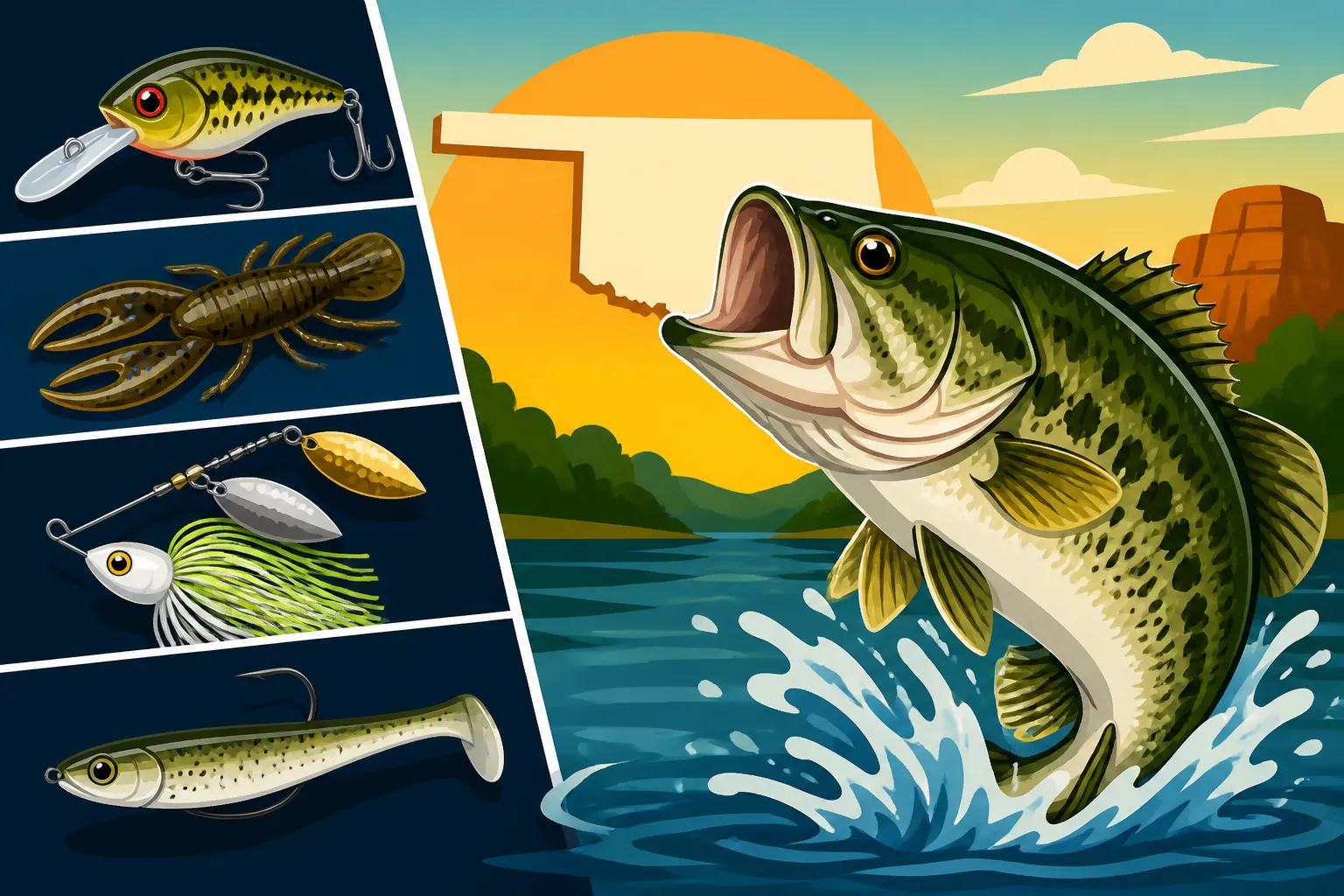
Jerkbaits are, without a doubt, one of my favorite lures for spotted bass, especially when the water is clear and the fish are actively chasing bait. The way a jerkbait suspends in the water during a pause, mimicking a wounded baitfish, is simply irresistible to a spotted bass. Brands like Rapala, Megabass, or Lucky Craft are popular, and you can find a wide selection of colors and sizes on Amazon. The key is the erratic, darting action you impart with your rod tip, followed by a dead stop. That pause is where the magic happens. Many times, a spotted bass will absolutely hammer it on the pause. Experiment with pause lengths – sometimes a quick 1-second pause is best, other times a 5-10 second pause will draw a strike from a hesitant fish. I've had incredible days on Lake Murray throwing jerkbaits when the water clears up after a rain.
Deep-Diving Crankbaits for Structure Fishing
Since spotted bass love those deeper, rocky structures, deep-diving crankbaits are absolutely essential. These lures are designed to get down to the fish quickly and bang off rocks, imitating a crawfish scurrying along the bottom or a baitfish trying to escape. The deflection off structure is a major trigger for spotted bass; it often causes a reaction strike that a smooth retrieve won't. Look for crankbaits that can reach depths of 10-20 feet or even deeper, depending on the lake and time of year. Colors that mimic crawfish (greens, browns, oranges) or natural shad patterns work wonders. When working these, try to maintain bottom contact as much as possible, feeling every rock and pebble. A good quality deep-diving crankbait can be a bit of an investment, but the returns in spotted bass catches are well worth it, and you can usually find good deals on Amazon.
Jigs: Football and Shaky Head Variations
Jigs are incredibly versatile and deadly for spotted bass, primarily because they excel at imitating crawfish or bottom-dwelling baitfish in rocky environments.
- Football Jigs: These jigs have a head shape that allows them to "walk" over rocky bottoms without getting snagged as easily as a traditional round head jig. They're perfect for dragging and hopping along deep ledges, humps, and points where spotties congregate. Pair them with a crawfish-imitating trailer in complementary colors. The weight of the jig is important; you want just enough to maintain bottom contact and feel the structure, but not so heavy that it looks unnatural.
- Shaky Head Jigs: When the bite gets tough, or fish are pressured, a shaky head jig rigged with a finesse worm or creature bait can be a game-changer. The light wire hook and small head allow for a super subtle, natural presentation. Rig your soft plastic wacky style or Texas rigged, and just let it sit, shaking your rod tip gently to make the plastic quiver. Spotties, with their keen eyesight in clear water, often can't resist the subtle action of a shaky head. These are especially effective around submerged timber or rock transitions.
Finesse Worms and Senkos for a Subtle Approach
Sometimes, you need to go subtle to get those spotted bass to bite, especially in clear water or during a post-front lull.
- Finesse Worms: These thin, unassuming plastic worms, often fished on a shaky head, a drop shot, or even a Carolina rig, can be incredibly effective. Their slender profile and natural action are perfect for mimicking small baitfish or worms. Natural colors like green pumpkin, watermelon, or shades of brown are usually best. The key is to work them slowly, letting the lure do its natural action.
- Senkos (and their imitators): While often associated with largemouth, a weightless Senko can also be deadly for spotted bass, especially when they are suspended or near vertical cover. The slow, tantalizing fall of a Senko is incredibly enticing. Twitch it, let it fall, twitch it again. Many strikes occur on the fall. Smaller sizes, like 4-inch or 5-inch, might be more effective for spotties. This is an easy lure to cast, even for beginners, and the subtle action often gets bites when other presentations fail.
Topwater Lures for Explosive Strikes
Don't overlook topwater lures for spotted bass, especially during low light conditions (dawn/dusk) or when they are actively schooling and pushing bait to the surface. Spotties are incredibly aggressive, and a topwater blow-up is one of the most exciting bites in fishing.
- Walking Baits (e.g., Zara Spooks): These lures, when retrieved with a "walk-the-dog" action, mimic a struggling baitfish on the surface. They create a commotion that draws fish from a distance.
- Poppers: Poppers create a "chugging" sound and splash that can really aggravate spotted bass into striking. They are excellent when fish are tight to cover or when you want to create a more direct, aggressive presentation.
The key with topwater is patience. Cast it out, let the ripples dissipate, then start your retrieve. Often, the fish will hit it when it's just sitting there or on the very first twitch. I've had incredible topwater days on Grand Lake O' the Cherokees when the sand bass and spotted bass are chasing shad on the surface.
Seasonal Lure Selection for Spotted Bass
Just like any other fish, spotted bass behavior and preferred lures change with the seasons and water temperature. What works in the spring might not be as effective in the dead of winter. Knowing when to switch up your tactics is crucial. Understanding How Water Temperature Affects Fish Feeding Habits is a game-changer.
Spring: Pre-Spawn and Spawn Aggression
As water temperatures begin to rise in early spring, spotted bass become more active and start moving towards shallower staging areas, though they don't get as shallow as largemouth. This is a fantastic time for jerkbaits, deep-diving crankbaits, and football jigs worked along points and channel swings. The fish are often aggressive and feeding heavily to prepare for the spawn. As the spawn gets closer and they move into bedding areas (often on rocky banks or gravel points), finesse worms on shaky heads or even small swimbaits can entice strikes from bedding fish. However, remember that bass are typically protected during their spawn in many areas, so check Oklahoma's Bass Fishing Rules and Limits before you go.
Summer: Deep Water and Low Light Tactics
Summer in Oklahoma means hot temperatures, and spotted bass will often retreat to deeper, cooler water. This is when deep-diving crankbaits, football jigs, and drop shots truly shine. Look for them on main lake points, ledges, and offshore humps. Early mornings and late evenings, or even night fishing, can bring them shallower, making topwater lures effective around structure. When the sun is high, however, you'll need to focus on vertical presentations and getting your bait down to where the fish are holding. Pay close attention to your electronics to locate schools of baitfish, as spotties won't be far behind. How to Fish Deep Structure for Bass in Summer offers great insights here.
Fall: Chasing Bait and Feeding Frenzies
Fall is a prime time for spotted bass fishing as they become incredibly active, chasing baitfish to fatten up for winter. This is when you'll see massive schools of spotties erupting on the surface, pushing shad. Reaction baits are king! Jerkbaits, small swimbaits, lipless crankbaits, and topwater lures can all be incredibly effective during these feeding frenzies. If they're not actively schooling on the surface, focus on points and creek channel bends where baitfish are congregating. The cooler water temperatures of fall really get these fish fired up.
Winter: Slow and Steady Wins the Race
When winter sets in and water temperatures drop, spotted bass will slow down, but they still need to eat. They'll often school tightly in deep water, near structure like bluff walls, deep points, or river channels. This is a time for slow, methodical presentations. Blade baits, spoons, and small finesse jigs (like a hair jig or a tiny shaky head) are excellent choices. Vertically jigging over schools you've located on your fish finder can be deadly. Keep your retrieves slow, with long pauses. You might not feel a violent strike, but more of a subtle "thump" or just added weight on your line. Patience is key during these colder months.
Here’s a quick overview of some top spotted bass lures and their ideal conditions:
| Lure Type | Primary Imitation | Best Conditions | Retrieve Style | Key Features for Spotties |
|---|---|---|---|---|
| Jerkbait | Wounded Baitfish | Clear water, active fish, all seasons | Twitch-pause-twitch, erratic | Suspending, realistic colors, sharp hooks |
| Deep Crankbait | Crawfish, Baitfish | Deep rocky structure, ledges, points | Deflect off structure, slow roll | Dives to desired depth, rattles, durable bill |
| Football Jig | Crawfish, Bluegill | Deep rocky bottoms, humps | Hop, drag, subtle shake | Heavy enough for bottom contact, good weed guard |
| Shaky Head Jig | Finesse Baitfish | Tough bite, clear water, pressured fish | Slow drag, light rod tip shake, dead stick | Subtle action, small profile, sharp hook |
| Finesse Worm | Worms, Small Baitfish | Clear water, post-front, drop shotting | Slow retrieve, slight twitch | Natural colors, supple plastic, salt-impregnated |
| Senko | Worm, Dying Baitfish | Suspended fish, near vertical cover, subtle bite | Weightless fall, subtle twitch, long pauses | High salt content, natural sink rate |
| Topwater | Struggling Baitfish | Low light (dawn/dusk), schooling fish, calm water | Walk-the-dog, pop, pause | Rattles, splash, visible colors |
| Blade Bait | Shad, Baitfish | Cold water, deep schooling fish | Vertical jigging, lift-fall | Vibrating action, small profile, heavy |
Fine-Tuning Your Presentation for Spotties
Catching spotted bass isn't just about throwing the right lure; it's also about how you present that lure. These fish can be incredibly discerning, especially in the clear waters they often inhabit. Your presentation can make or break your day.
Line Selection and Gear Considerations
For spotted bass, especially when fishing with finesse techniques or in clear water, your line choice is critical. I generally prefer fluorocarbon line for most of my spotted bass presentations because it's nearly invisible underwater and has excellent sensitivity. This allows you to feel those subtle bites that spotties often deliver. For jerkbaits and crankbaits, a good quality monofilament or copolymer line can also work, as its stretch can be forgiving, preventing hooks from tearing out when a fish strikes aggressively. When it comes to rods, a medium-light to medium action spinning rod for finesse techniques (like shaky heads or drop shots) offers the sensitivity and light backbone needed. For crankbaits and heavier jigs, a medium-heavy baitcasting setup provides the power for casting and fighting larger fish. Check out Best Rod for Largemouth Bass Fishing and Best Baitcasting Reel for Bass Fishing for more general bass gear insights that can often be adapted for spotties. Don't forget to keep your hooks razor sharp – you can find excellent hook sharpeners and replacement hooks on Amazon.
The Importance of Retrieve Speed and Pauses
Spotted bass are opportunistic predators, but they can also be cautious. Your retrieve speed and the incorporation of pauses are vital.
- For Jerkbaits: The classic "twitch-twitch-pause" is often best, but vary the length of your pauses. Sometimes they want a quick, aggressive twitch-pause, other times a longer, almost agonizing pause will get them to commit.
- For Crankbaits and Jigs: Focus on making bottom contact and feeling the structure. For jigs, a slow drag with occasional hops can imitate a crawfish perfectly. For crankbaits, let it deflect off cover, then pause for a split second before continuing your retrieve.
- For Finesse Baits: Slow is almost always the answer. For shaky heads, a very subtle shake of the rod tip, letting the lure sit motionless, can be deadly. Drop shots should be worked with minimal movement, often just the natural current providing action.
Remember, every day is different on the water, and fish can be incredibly moody. What works one day might not work the next, so be willing to experiment with different lures, colors, retrieve speeds, and pauses. The beauty of fishing is in the puzzle, and solving the spotted bass puzzle is one of the most rewarding challenges out there. Keep learning, keep experimenting, and those feisty spotties will fill your livewell.
Disclaimer
This article is for general informational purposes only and does not constitute professional advice. Laws, prices and regulations vary by location and change over time. Consult a qualified professional for guidance on your specific situation.