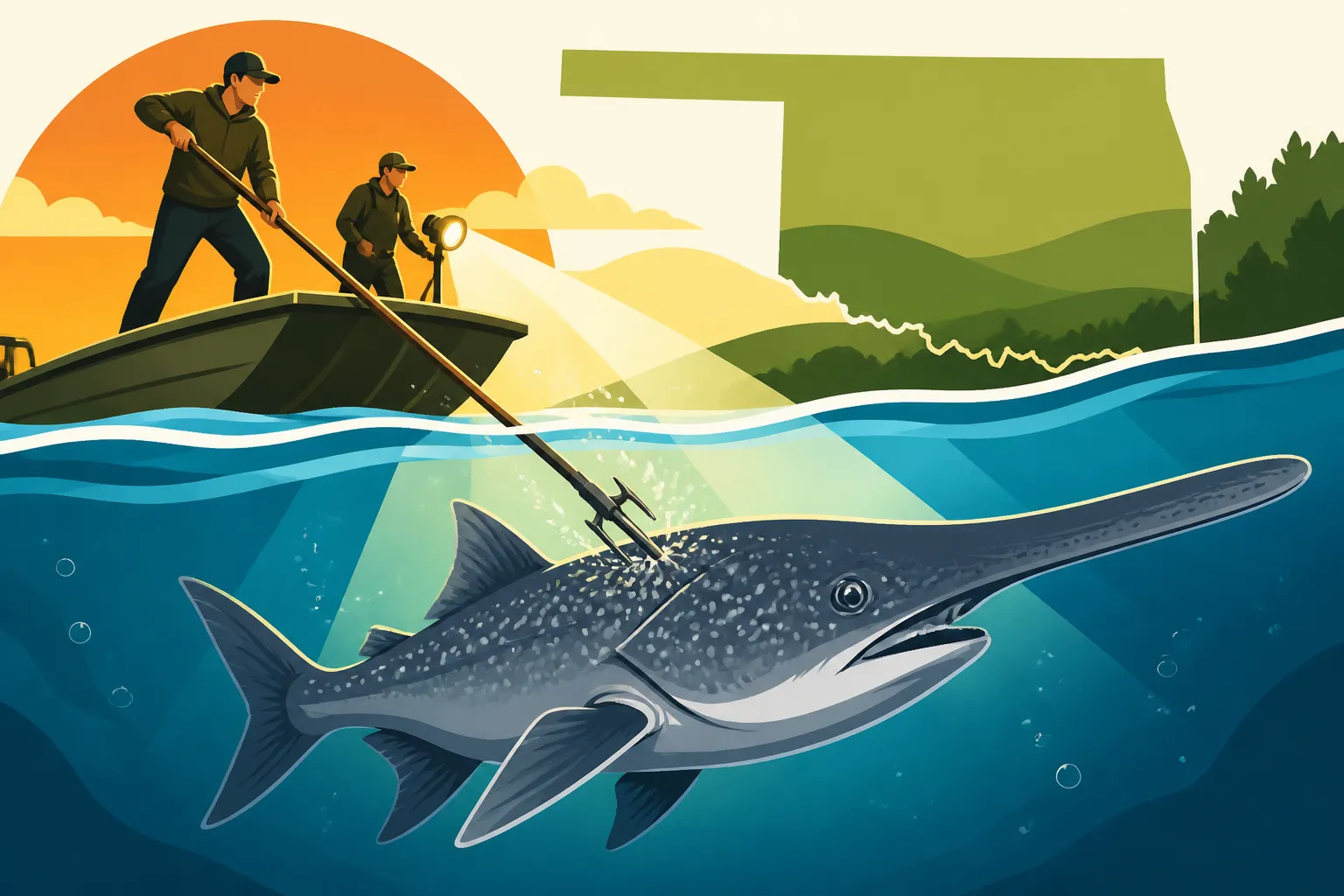
How Does Paddlefish Snagging Work in Oklahoma
If you've ever heard whispers about "snagging" fish in Oklahoma, you might be picturing something a little unconventional, and you'd be right! For many anglers, the idea of trying to catch a fish without it willingly taking a bait or lure can feel a bit strange, even frustrating, especially when you're used to traditional fishing methods. But when it comes to the ancient and fascinating paddlefish, this unique technique isn't just common – it's practically the only way to catch them. This guide is here to demystify paddlefish snagging, walking you through why it's done, how it works, and what you need to know to participate ethically and successfully in this truly Oklahoman fishing experience.
Understanding Paddlefish and Why Snagging is Necessary
Paddlefish are true marvels of the aquatic world, often called "living fossils" because their lineage dates back millions of years. But what makes them so special, and why can't you just throw out a worm and hope for the best?
The Unique Biology of Paddlefish
Unlike most fish we pursue, paddlefish are filter feeders. Imagine a giant, freshwater shark that cruises through the water with its enormous mouth wide open, sifting out microscopic plankton and tiny invertebrates. Their long, paddle-shaped rostrum (that's their nose, essentially) is covered with thousands of sensory pores that help them detect this minute food source in murky waters. They aren't interested in your minnow, your crankbait, or your catfish dough ball because they simply don't eat anything large enough to be considered "bait" in the traditional sense.
This filter-feeding lifestyle means they don't strike lures or bite on baited hooks. So, for anglers who want to experience the thrill of landing one of these prehistoric giants, a different approach is required: snagging. It's a method specifically designed to hook fish that don't feed on conventional tackle, and it's completely legal and regulated in Oklahoma for paddlefish.
Oklahoma's Rich Paddlefish Heritage
Oklahoma is truly a premier destination for paddlefish enthusiasts. We're blessed with thriving populations, particularly in our northeastern waters. The Grand River system, which feeds into Grand Lake O' the Cherokees Bass Fishing Guide, is a hotspot for these magnificent creatures, especially during their spawning runs. For generations, snagging for paddlefish has been a cherished tradition here, drawing anglers from all over who want to test their strength against these powerful fish.
The Oklahoma Department of Wildlife Conservation (ODWC) actively manages the paddlefish population through stocking programs and careful regulation of harvest limits and seasons. This ensures that future generations can continue to enjoy this unique angling opportunity. It's a testament to the health of our waterways and the commitment of our wildlife professionals that we have such a robust paddlefish fishery.
The Mechanics of Paddlefish Snagging
So, you're convinced paddlefish snagging is for you? Great! Now let's talk about how to actually do it. It's not rocket science, but it does require the right gear and a bit of technique.
Essential Gear for a Successful Snagging Trip
Paddlefish are big, powerful fish, often weighing dozens of pounds, and sometimes well over a hundred! You're essentially trying to hook them externally and then reel in a living torpedo. This isn't the time for your lightweight bass combo. You need heavy-duty equipment built for a fight.
First up, the rod. Think sturdy, long, and with a powerful backbone. Many dedicated snagging rods are between 7 to 9 feet long, often made from fiberglass or a heavy composite, designed to handle immense stress. You're not casting tiny lures; you're throwing heavy weights and sweeping. A medium-heavy or heavy action rod is a must. Next, the reel. A large, robust baitcasting reel or a heavy-duty spinning reel capable of holding a lot of line is essential. Look for models with strong drag systems, as you'll need to lock it down to turn a big fish. Many anglers find reliable and highly-rated reels suitable for this purpose on Amazon, often comparing different brands and their line capacities.
Speaking of line, forget anything under 50-pound test. Most serious snaggers use braided line in the 80 to 100-pound range. Braid offers superior strength for its diameter, zero stretch for better feel and hooksets, and abrasion resistance. A heavy monofilament or fluorocarbon leader might be used, but the main line should be stout braid. Finally, the business end: hooks and weights. You'll need large, heavy treble hooks – often 8/0 to 12/0 in size. These need to be incredibly strong to avoid straightening under the strain of a paddlefish fight. You can find a good selection of specialized treble hooks on Amazon or at local tackle shops. Weights typically range from 3 to 8 ounces, or even more depending on current and depth, to get your hooks down quickly and keep them there. A common setup involves a heavy sinker tied to the very end of your line, with a short leader (18-24 inches) above it, to which your treble hook is attached.
| Gear Item | Key Characteristics | Why It's Important |
|---|---|---|
| Rod | 7-9 feet, heavy action, sturdy backbone | Handles heavy weights, absorbs shock from powerful fish, long casts |
| Reel | Large capacity, strong drag, robust construction | Holds ample heavy line, provides stopping power for big fish |
| Main Line | 80-100 lb braided line | High strength, no stretch for feel, abrasion resistant |
| Treble Hook | 8/0 – 12/0, extra strong | Essential for snagging large, powerful fish externally |
| Sinker/Weight | 3-8+ ounces (depending on current) | Gets gear to depth quickly, helps maintain contact with the bottom |
The Snagging Technique Step-by-Step
Once you have your gear ready, the technique itself isn't overly complicated, but it requires patience and a good feel for what's happening beneath the surface. What Gear Do You Need for Paddlefish Snagging in Oklahoma will give you even more insights into specific items.
- Cast it Out: Make a long cast, preferably upstream or across the current, letting your heavy weight and hook sink to the bottom. You want to cover a good sweep of water, so longer casts are often better.
- Let it Sink: Allow the weight to settle completely to the bottom. You'll feel the slack in your line.
- The Sweep: This is where the "snagging" happens. Instead of a retrieve, you perform a series of long, sweeping motions with your rod. Lower your rod tip towards the water, then sweep it upwards and sideways in a powerful arc, pulling the weighted hook through the water column from the bottom up. As you complete the sweep, quickly reel in the slack line as you drop your rod tip back down. This motion helps to cover more area and increases your chances of contacting a paddlefish.
- Repeat: Continuously repeat the cast-sink-sweep-reel motion, slowly working your way through the water. It’s physically demanding, almost like casting and cranking repeatedly. Many anglers find the rhythmic nature of this technique quite meditative, even if it is a workout!
It's all about putting that large treble hook in the right place at the right time. Paddlefish often congregate in specific areas, especially during their spawning migration. Knowing where they are is half the battle.
Understanding the Strike and the Fight
When a paddlefish hits your line, it's not a subtle nibble. It feels like you've hooked a log, or perhaps snagged the bottom, but the "log" starts moving! You'll feel a sudden, heavy thud or pull on your line. Your instinct might be to set the hook, but with snagging, the hook is often already set due to the sweeping motion. Instead, brace yourself and prepare for a serious battle.
Paddlefish are incredibly powerful. They make strong, sustained runs, often heading for deeper water or against the current. Your heavy tackle will be put to the test. Maintain constant pressure, let your drag do its job when the fish runs, and pump the rod to gain line when you can. Don't try to horse a big paddlefish in; you'll likely snap your line or straighten your hook. It's a marathon, not a sprint. A truly large paddlefish can take considerable time to bring to the boat or shore, leaving you with sore arms but an incredible sense of accomplishment.
Key Locations and Prime Times for Snagging
Knowing where and when to go can significantly increase your chances of success. It's all about being in the right place at the right time when these magnificent fish are most concentrated.
Top Oklahoma Spots for Paddlefish
Without a doubt, the most famous and productive area for paddlefish snagging in Oklahoma is the Grand River system and its associated impoundments. Grand Lake O' the Cherokees is often considered the epicenter, especially the areas upstream near the Twin Bridges or in the river arms feeding into the main lake. Below the spillways and dams on the Grand River, such as below the Grand Lake dam (Pensacola Dam) and below Fort Gibson Dam, are also prime locations, particularly when water is being released. These current-rich environments attract paddlefish as they migrate upstream.
Other notable areas include portions of the Neosho River and Spring River. The key is to find areas with good current where paddlefish will naturally funnel as they migrate or feed. Anglers often gather in groups at known hot spots, sharing the excitement (and sometimes the frustration!) of the snagging experience. When planning your trip, consider checking out specific spots detailed in Which Oklahoma Lake Has the Best Paddlefish Snagging for local insights.
Seasonal Considerations and Water Conditions
Timing is crucial for paddlefish snagging. While you can technically catch paddlefish year-round (with specific permit requirements), the prime time in Oklahoma is generally in the spring. This is when paddlefish undertake their spawning migrations, moving upstream into rivers and shallower waters, making them more accessible to snaggers. The specific dates for Paddlefish Snagging Season in Oklahoma are set by the ODWC and are typically announced well in advance, so always check the current regulations before heading out.
Water conditions also play a huge role. Paddlefish respond positively to rising water levels and increased flow, which often coincides with spring rains. This influx of water triggers their migratory instincts and concentrates them in predictable channels. Conversely, extremely low or stagnant water can make snagging much more challenging. Look for periods after significant rainfall when the rivers are running strong but not dangerously flooded. The water temperature, usually in the 50s and 60s Fahrenheit, is also ideal during this spring window. Understanding Best Time of Year to Snag Paddlefish at Grand Lake, Oklahoma can help you pinpoint your trip dates for maximum success.
Regulations and Ethical Snagging Practices
Oklahoma has specific rules in place to protect its valuable paddlefish population and ensure a sustainable fishery. Being a responsible angler means knowing and following these rules.
Oklahoma's Paddlefish Rules and Limits
Before you even think about casting a line, make sure you have the proper licensing. All resident and nonresident anglers over the age of 16 need a valid Oklahoma fishing license. You can learn more about this by reading Oklahoma Fishing License Requirements in Oklahoma. Beyond that, paddlefish snagging often requires an additional paddlefish permit or endorsement, which might be available through the ODWC website or licensed vendors. It's a small fee that contributes directly to the conservation efforts for these amazing fish.
The snagging season itself is strictly regulated, usually running from March 1st to May 15th, but these dates can vary, so always confirm with the latest ODWC fishing guide. There are also specific daily and annual bag limits. Typically, anglers are allowed one paddlefish per day, and a total of two per season. There's also usually a length limit, often a minimum length, which helps protect younger, immature fish. For instance, sometimes paddlefish must be 30 inches or longer (measured from the eye to the fork of the tail) to be kept. Any paddlefish caught outside the legal season, or that doesn't meet the length requirement, must be immediately released back into the water without unnecessary harm. How to Snag Paddlefish at Grand Lake O' the Cherokees, Oklahoma will often delve into specific local regulations.
Here's a simplified overview of typical Oklahoma paddlefish regulations:
| Regulation Type | Common Rule (Always verify current ODWC guide) |
|---|---|
| Fishing License | Required for all anglers 16 and older |
| Paddlefish Permit | Often required in addition to a general license |
| Season Dates | Generally March 1st – May 15th (verify annually) |
| Daily Limit | One (1) paddlefish per person per day |
| Annual Limit | Two (2) paddlefish per person per season |
| Size Limit | Often 30 inches minimum (eye to fork of tail) |
| Legal Gear | Rod and reel with barbless treble hooks (specific sizes) |
| Methods | Snagging only (no gaffs for landing) |
Please note: These rules are subject to change. Always consult the current Oklahoma Fishing and Hunting Regulations Guide from the Oklahoma Department of Wildlife Conservation before fishing.
Responsible Snagging
Ethical angling extends beyond simply following the rules. It's about respecting the fish and the environment. When snagging, here are a few key practices to keep in mind:
- Barbless Hooks: Many regulations for paddlefish snagging specify the use of barbless hooks. If your hooks aren't barbless, you can pinch down the barbs with pliers. This makes releasing undersized or unwanted fish much easier and causes less damage.
- Quick Release: If you catch a fish that is undersized or you've already met your limit, release it as quickly and gently as possible. Avoid dragging it onto the bank or into a boat if you don't intend to keep it.
- Proper Handling: Paddlefish are large and can be unwieldy. If you are keeping a fish, handle it with care. Avoid lifting it by the rostrum or tail alone, as this can cause injury. Support its body as much as possible. A legal gaff or landing net can be useful for bringing a fish into a boat, but check regulations, as some areas may restrict gaffing.
- Waste Not, Want Not: Paddlefish meat is excellent. If you keep a paddlefish, ensure you utilize its meat. The roe (eggs) of female paddlefish is also prized for making caviar, but regulations on harvesting and processing roe are extremely strict and require special permits. Do not waste any part of the fish you harvest.
- Respect Other Anglers: Paddlefish hotspots can get crowded. Be courteous, give other anglers space, and avoid casting over their lines. A little consideration goes a long way towards making everyone's day on the water more enjoyable.
Remember, snagging for paddlefish is a unique privilege. By adhering to the regulations and practicing responsible angling, we can all contribute to the continued health of this incredible fishery. Happy snagging, and good luck landing one of Oklahoma's magnificent river giants!
Disclaimer
This article is for general informational purposes only and does not constitute professional advice. Laws, prices and regulations vary by location and change over time. Consult a qualified professional for guidance on your specific situation.