Where to Catch Alligator Gar in Oklahoma
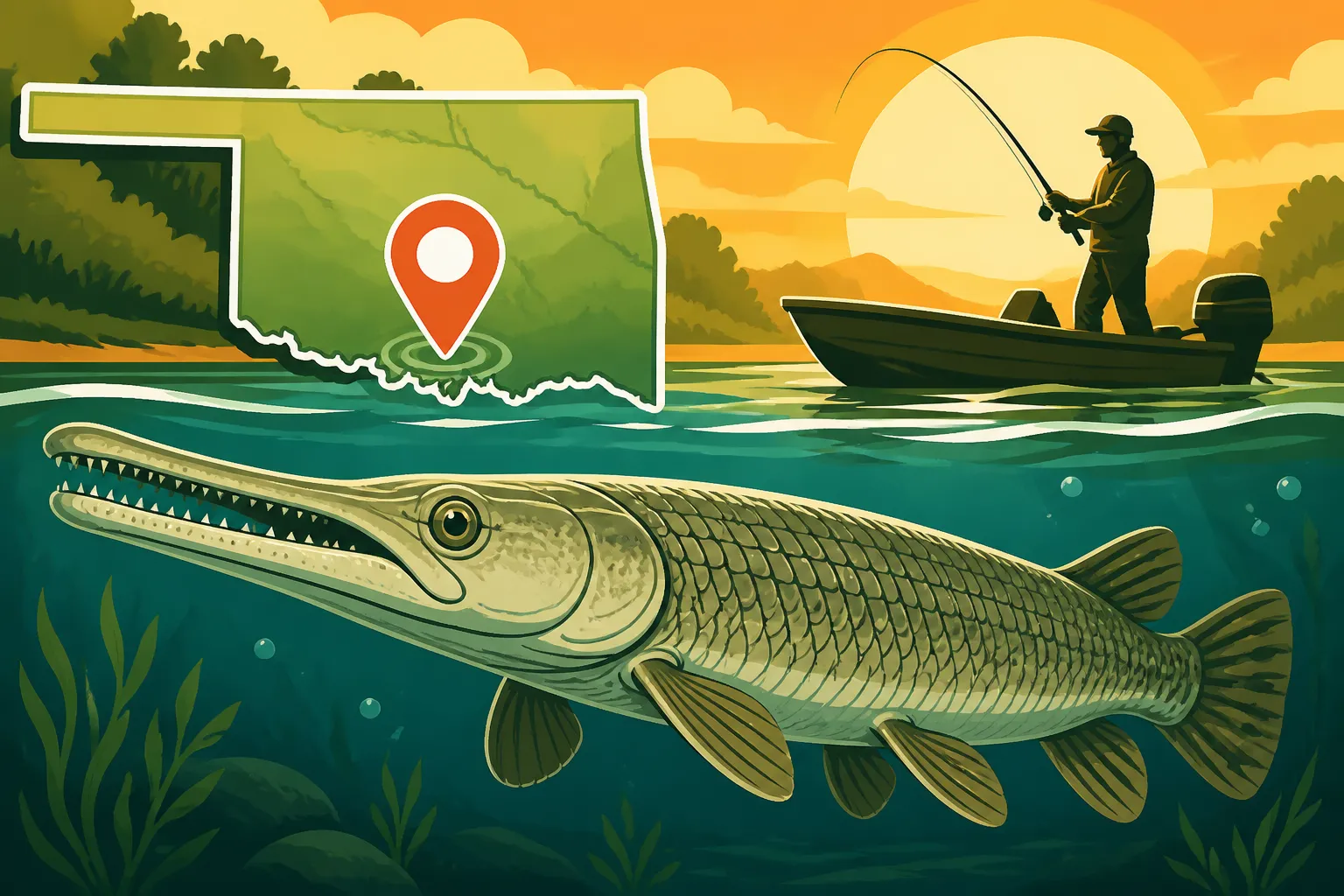
Oklahoma anglers often dream of battling a prehistoric behemoth, and few fish fit that description better than the formidable alligator gar. Yet, knowing where to even begin looking for these impressive creatures can feel like searching for a needle in a watery haystack. This guide is dedicated to helping you pinpoint the best locations in Oklahoma where you stand a genuine chance of hooking into an alligator gar, sharing insights on their preferred habitats and key hot spots.
Understanding the Alligator Gar's Domain in Oklahoma
Alligator gar are truly fascinating creatures, ancient remnants of a time long past, and catching one is an unforgettable experience. But you won't find them just anywhere. They have specific preferences when it comes to habitat, and understanding these environments is your first step to success. Unlike some other popular game fish that might roam vast open waters, alligator gar tend to be more particular, often favoring areas that offer both ample food and strategic cover.
Where They Prefer to Hang Out
Think slow-moving, warm, and often murky waters. Alligator gar thrive in large rivers, backwater lakes, oxbows, and major impoundments with extensive shallow areas. They aren't generally found in fast-flowing, clear streams or high-altitude lakes. Their unique respiratory system allows them to gulp air from the surface, which means they can tolerate water conditions that many other fish cannot, including lower oxygen levels often found in stagnant backwaters. This makes them perfectly adapted to the hot Oklahoma summers in certain river systems.
These fish are ambush predators, so they love areas with plenty of structure where they can lie in wait for prey. This could mean submerged timber, thick aquatic vegetation, fallen trees along the banks, or even deep holes adjacent to shallow flats. They are powerful swimmers but don't typically expend energy chasing prey in open water when a strategic ambush point is available. Keep an eye out for these kinds of features when scouting potential fishing spots.
Identifying Prime Habitat Indicators
When you're out scouting, look for visual cues that scream "alligator gar country." One of the biggest giveaways is the presence of other large rough fish species, like buffalo or carp, as these often make up a significant portion of the gar's diet. Areas where rivers expand into wider, slower pools, or where tributaries merge, can also be productive. The confluence of different water bodies often creates current breaks and eddies where baitfish congregate, attracting predators like the gar.
Another excellent indicator is the overall health of the ecosystem. Healthy riparian zones with plenty of trees and natural bank cover often lead to more submerged structure and shade, which gar appreciate. Pay attention to water clarity; while they can tolerate murky water, extremely muddy conditions after heavy rains can push them into deeper, more stable areas temporarily. Before heading out, you can often find heavy-duty monofilament or braided line on Amazon, which is crucial for tackling these strong fish.
Top Rivers and Lakes for Trophy Alligator Gar
Oklahoma is blessed with several water bodies that are well-known, and sometimes even legendary, for their alligator gar populations. These are the places where anglers specifically target these giant fish, often with specialized gear and a great deal of patience. While catching a true trophy requires skill and luck, these locations offer the best odds.
The Red River System: A Gar Mecca
Without a doubt, the Red River and its associated backwaters are the undisputed champions for alligator gar fishing in Oklahoma. This massive river forms much of Oklahoma's southern border, and its warm, muddy, and sprawling nature provides ideal habitat. Anglers from across the region flock here, particularly to areas near Lake Texoma, where the river widens and slows, creating vast flats and deep channels. Lake Texoma Fishing Guide for Oklahoma Anglers offers a broader look at this enormous lake, but for gar, it's the river sections and coves feeding into it that are key.
Specifically, look at the stretches of the Red River downstream from Lake Texoma, towards southeastern Oklahoma. This area is vast, remote, and often requires a sturdy boat or even a kayak to access the prime fishing holes. Tributaries that feed into the Red River, especially those with large, slow-moving pools and plenty of log jams, are also worth exploring. These river systems are where you'll find the really big ones; stories of gar exceeding seven feet are not uncommon here. If you're wondering How Big Do Alligator Gar Get in Oklahoma, the Red River is where many of the state's largest specimens are caught.
Other Notable Waterways and Lakes
While the Red River is king, other Oklahoma waters also hold impressive alligator gar. The Arkansas River, particularly its lower reaches and connected oxbow lakes in eastern Oklahoma, is another excellent choice. The river's system of locks and dams creates slower pools and backwater areas that gar find attractive. Areas around the Kerr Reservoir and Robert S. Kerr Lake can be very productive, especially the sloughs and floodplains. These lakes are connected to the main river channel, offering diverse habitats.
Further west, the Washita River also has some potential, though perhaps not the same trophy potential as the Red River. Focus on its lower stretches before it empties into Lake Texoma. Some of the larger impoundments in southeastern Oklahoma, like Lake Eufaula, can also hold good numbers of gar, especially in their shallower, riverine arms or in major coves with abundant structure and slower currents. Lake Eufaula: Oklahoma's Gentle Giant for Bass and Crappie focuses on other species, but understanding the lake's layout can help you identify gar habitat. Remember, patience is key, but targeting these known locations significantly boosts your chances.
Timing Your Hunt for Alligator Gar
Successfully landing an alligator gar isn't just about finding the right spot; it's also about being there at the right time. These fish are highly influenced by environmental factors such as temperature, water levels, and even time of day. Knowing when to hit the water can drastically improve your odds, transforming a hopeful trip into a triumphant one.
Seasonal Strategies for Success
The prime time for alligator gar fishing in Oklahoma generally falls within the warmer months, typically from late spring through early fall. As water temperatures rise, gar become more active, feeding more frequently and often basking closer to the surface. During cooler periods, they tend to become much more lethargic and less inclined to strike bait. This doesn't mean you can't catch them in winter, but it requires even more specialized techniques and a lot more patience.
Spring, particularly late April through June, can be excellent as gar are coming out of their winter dormancy and actively feeding. They'll be on the lookout for food as the water warms up. Summer, while hot, is also a prime season. During the peak heat, gar often come to the surface to gulp air, making them visible and sometimes more accessible to anglers, especially in the early mornings or late evenings when the water is slightly cooler. Oklahoma Fishing Seasons: A Month-by-Month Guide provides a broader overview of seasonal patterns across different species, but for gar, warmer is generally better.
Weather and Water Conditions
Beyond the season, specific weather and water conditions play a huge role. Calm, sunny days can be good, particularly for spotting gar basking or rolling on the surface. However, overcast days with stable barometric pressure can also be productive, as fish may feed more aggressively without the glare of direct sunlight. What you want to avoid are drastic weather changes, like sudden cold fronts, which can put gar down and make them difficult to entice.
Water levels are critically important, especially in river systems like the Red and Arkansas. Stable or slowly falling water levels after a period of high water can concentrate gar in specific areas as their feeding grounds shrink. Conversely, rapidly rising or extremely muddy water conditions can disperse them or make them reluctant to feed. Always check river gauges and recent rainfall reports before planning your trip. A little research on conditions can save you a lot of wasted time on the water.
Essential Considerations for Your Gar Adventure
Chasing alligator gar isn't your everyday panfishing trip. It demands specialized equipment, a solid understanding of the regulations, and a deep respect for these ancient fish. Getting prepared before you even leave the house is crucial for both your success and the safety of yourself and the fish.
The Right Gear Makes All the Difference
You're not going to land a five-foot alligator gar on light tackle. This is a battle, and you need gear that can withstand immense power and sharp teeth. Think heavy-duty catfish or saltwater setups: a stout, powerful rod (rated for 50-80 lb line or more), a robust conventional or spinning reel with a strong drag system, and heavy braided line (80-100 lb test is common). Many anglers prefer braid for its strength and minimal stretch, allowing for solid hooksets on bony mouths. You can find many options for this type of gear on Amazon.
Perhaps the most crucial component is your leader and hook setup. Alligator gar have incredibly bony mouths, and standard hooks often won't penetrate effectively. Many anglers use heavy steel leader wire, sometimes coated, to prevent bite-offs. The hooks themselves need to be extremely strong and sharp, often large circle hooks to ensure good hookups in the corner of the mouth, which is safer for the fish if you plan to release it. Another option some gar anglers use is a snare made of strong rope or cable, which is effective but requires careful handling to ensure minimal harm to the fish. When considering Best Bait for Catfish in Oklahoma Lakes and Rivers, remember that large, oily cut baits are often effective for gar, too.
Respecting the Species and Regulations
Alligator gar are a regulated species in Oklahoma, and for good reason. Their populations, while robust in certain areas, are not as widespread as other game fish, and they play a vital role in the ecosystem. It's imperative that you understand and follow all current fishing regulations for alligator gar, including bag and size limits. These can change, so always check the latest Oklahoma Department of Wildlife Conservation (ODWC) regulations before your trip. For example, some areas might have specific rules about retention. Remember, fishing without the proper license is a serious offense, so ensure you have your Fishing License Requirements in Oklahoma in order.
Many anglers choose to practice catch-and-release with alligator gar, especially the larger specimens, to help conserve these magnificent fish. If you do, ensure you have the right tools for a safe release, such as long-nosed pliers or bolt cutters for hooks, and a plan for handling a large, powerful fish without injuring it or yourself. These fish have razor-sharp teeth and can thrash violently. Knowing Gar Fishing Guide: Alligator Gar and Longnose Gar will give you a better understanding of these fish, including how to handle them responsibly. Ethical angling means giving these ancient predators the respect they deserve, whether you keep them or let them go.
To help you visualize some of the prime gar fishing locations, here's a quick overview:
| Location | Primary Water Body | Best Feature for Gar | Typical Season | Notes on Access |
|---|---|---|---|---|
| Red River (Southeast) | Red River System | Large oxbows, slow pools, backwaters | Spring-Fall | Boat often required, remote areas |
| Kerr Reservoir | Arkansas River System | Riverine arms, sloughs, heavy timber | Spring-Fall | Boat ramps available, some bank access |
| Robert S. Kerr Lake | Arkansas River System | Shallow flats, submerged brush | Spring-Fall | Good boat access, can be busy |
| Lake Texoma Area | Red River & Washita Arms | Mouths of creeks, deep channels | Summer | Mixed boat/bank, popular spot |
| Lake Eufaula (South) | Canadian River Arm | Shallow backwaters, vegetation | Summer | Boat access recommended |
The Thrill of the Hunt and Conservation
There's a unique thrill in pursuing a fish like the alligator gar. It's a challenge that tests your patience, your gear, and your angling skill. For those truly dedicated to the chase, understanding their habitat, timing your trips right, and being equipped properly transforms the experience from a frustrating endeavor into a rewarding adventure. Always remember the importance of conservation; these living fossils depend on responsible anglers to ensure their presence in Oklahoma waters for generations to come. Keep up to date on Fishing Regulations You Need to Know in Oklahoma and other conservation efforts that protect these incredible species.
Disclaimer
This article is for general informational purposes only and does not constitute professional advice. Laws, prices and regulations vary by location and change over time. Consult a qualified professional for guidance on your specific situation.