Best Fishing Boats for Oklahoma’s Big Reservoirs
Choosing the perfect fishing boat for Oklahoma's vast and varied reservoirs can feel like trying to catch a fish in a bathtub with a colander – utterly overwhelming and often frustrating. With lakes stretching from the clear, deep waters of Broken Bow to the sprawling, wind-swept expanses of Lake Texoma, knowing what kind of vessel will actually enhance your fishing experience, rather than hinder it, is a genuine challenge. This comprehensive guide is here to cut through the confusion, helping you understand the unique characteristics of our big reservoirs and match them with the ideal fishing boat so you can spend less time worrying about your gear and more time landing that trophy catch.
Understanding Oklahoma's Big Reservoirs
Oklahoma is home to some truly incredible fishing opportunities, but our lakes are far from uniform. What works perfectly on one body of water might be completely unsuitable for another. Before you even start looking at boat models, it's crucial to get a handle on the kind of environments you'll primarily be fishing.
The Diverse Nature of Oklahoma's Waters
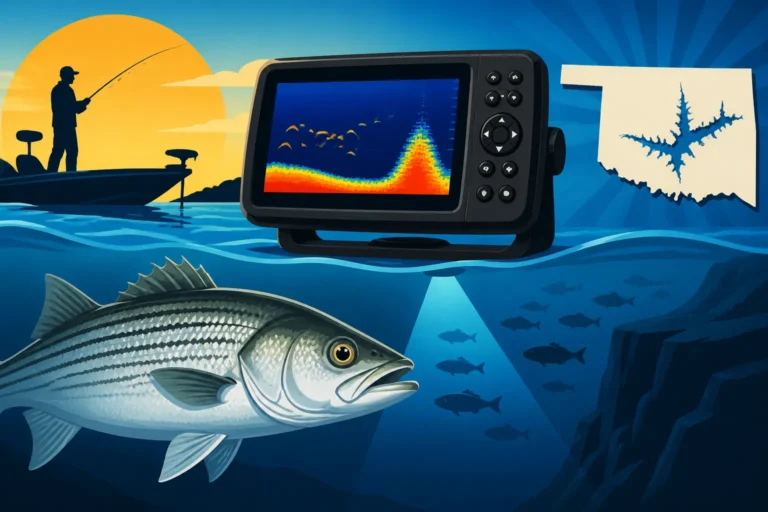
When we talk about "big reservoirs" in Oklahoma, we're covering a huge spectrum. Take Lake Texoma, for instance. It's a massive, open body of water that can get incredibly rough when the wind picks up, making it famous for its striped bass fishing. You'll often find yourself chasing schools of stripers across vast stretches of choppy water, sometimes miles from the nearest ramp. A smaller, flatter boat simply won't cut it for safety or comfort here. Lake Texoma Fishing Guide for Oklahoma Anglers can tell you more about this impressive lake.
Then you have lakes like Lake Eufaula, often called "Oklahoma's Gentle Giant." While still very large, Eufaula is known for its incredible amount of timber, standing stumps, and shallow coves, especially in its upper reaches. Fishing here often involves navigating tight spaces, working around structure, and targeting bass or crappie that are tucked deep into cover. A deep-V hull designed for open water might struggle to get into these prime spots, and you'd likely spend more time dodging stumps than casting. Lake Eufaula: Oklahoma's Gentle Giant for Bass and Crappie is a great resource if you're planning a trip there.
Grand Lake O' the Cherokees, on the other hand, offers a mix. It has wide-open lower sections that can get wavy, but also numerous arms, creeks, and rocky shorelines that demand a different approach. Bass anglers often target brush piles and rock structures, while crappie anglers might focus on docks or submerged timber. The ideal boat for Grand Lake needs to be versatile enough to handle both the open water and the more intricate, structure-heavy areas. Grand Lake O' the Cherokees Bass Fishing Guide details what makes this lake so unique.
Key Factors Influencing Boat Choice
Beyond the specific lake, several practical factors should weigh heavily on your boat decision. Think about your primary fishing style. Are you a hardcore bass angler who lives for tournaments, needing speed and a specialized deck layout? Or are you a leisurely crappie angler, content to drift or anchor for hours? Maybe you're a family-focused angler who wants something safe and comfortable for kids to enjoy a day on the water.
Consider the depth and average conditions. If you're always fishing shallow creeks or areas with lots of submerged hazards, a boat with a shallower draft is crucial. If strong winds are common where you fish, a heavier, deeper hull will provide a much smoother, safer ride. The types of fish you primarily target will also dictate your needs. Striped bass fishermen on Texoma often need boats capable of covering large distances quickly, while bluegill anglers in smaller ponds might be perfectly happy with a johnboat or even a kayak.
Finally, don't forget about transportation and storage. Do you have a vehicle capable of towing a large bass boat? Do you have space to store it, either at home or in a marina? These logistical details are just as important as the boat's fishing capabilities. A fantastic boat that you can't easily tow or store will quickly become a headache, no matter how many fish it helps you catch.
Popular Boat Types for Oklahoma Fishing
With such a variety of waters and fishing styles in Oklahoma, it's no surprise that a few boat types have risen to prominence. Each has its strengths and weaknesses, making them suitable for different anglers and different lakes.
Bass Boats
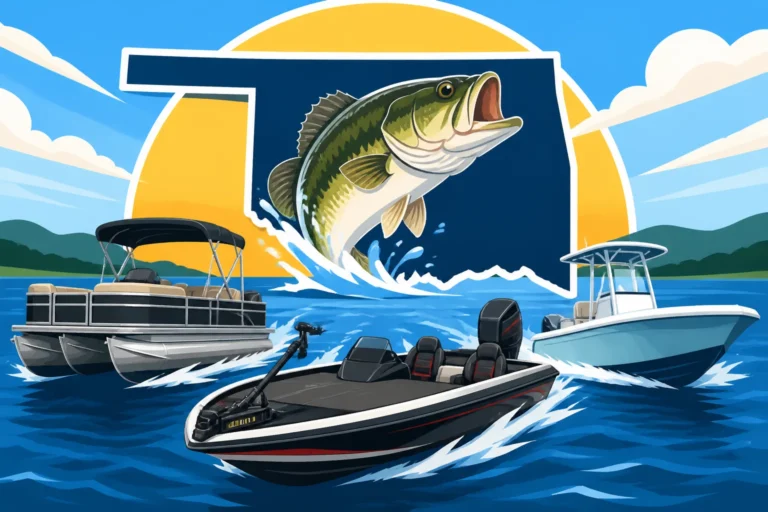
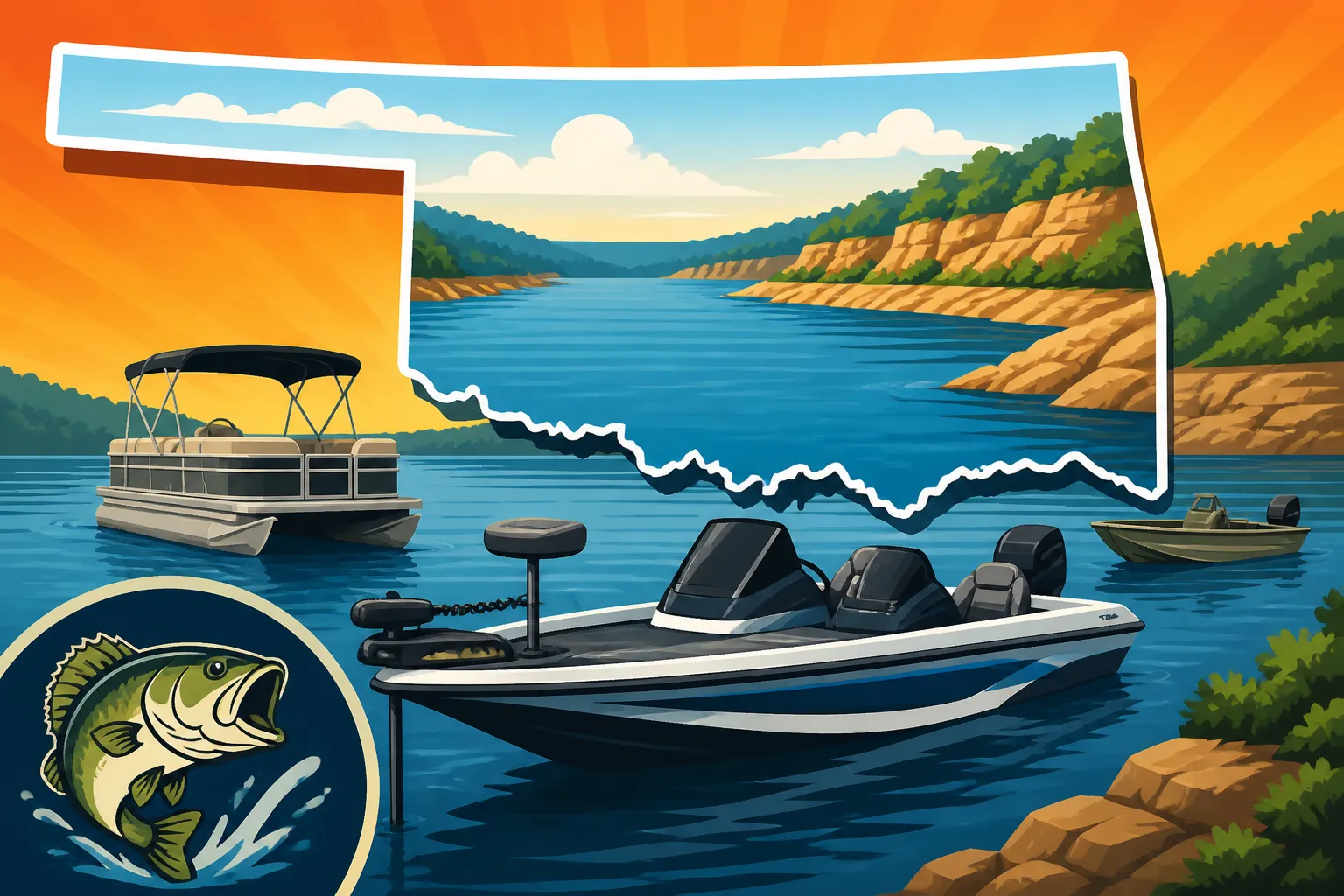
Ah, the classic bass boat. When most people picture a fishing boat, this is often what comes to mind: sleek, fast, and purpose-built for bass anglers. These boats are designed for speed to get to those distant hot spots quickly, with powerful outboard motors and shallow drafts to navigate skinny water. The flat, wide decks provide ample casting space, often equipped with multiple rod lockers, large livewells, and advanced electronics. Many tournament anglers swear by the agility and specialized features of a bass boat, and it's certainly the hero for many professional setups. If you're serious about competitive bass fishing or just love the thrill of flying across the water to your next spot, a bass boat is tough to beat. Best Bass Boats for Oklahoma's Lake Texoma dives deeper into specific options for that big water.
However, bass boats do come with their drawbacks. Their low profile, while great for casting, can make them less comfortable and even less safe in rough, choppy water, which is a common occurrence on Oklahoma's bigger lakes like Texoma or even Grand Lake when the wind really gets going. They can also be quite expensive, both in initial purchase and ongoing fuel costs. Storage for non-fishing gear is often limited, making them less ideal for family outings where you might want to bring coolers, towels, and extra bags. Their specialized design means they excel at one thing – bass fishing – but are less versatile for other activities like crappie fishing with spider rigs or recreational tubing.
Multi-Species and Walleye Boats
For anglers who enjoy a broader range of fishing experiences across Oklahoma's varied waters, multi-species boats, often referred to as walleye boats, offer an excellent compromise. These boats typically feature a deeper V-hull than a traditional bass boat, which helps them handle rougher water with more comfort and stability. They often have higher sides, providing a drier ride and a greater sense of security when the white caps start rolling in. While not as fast as a dedicated bass boat, they are still capable of respectable speeds to cover ground.
The layout of a multi-species boat is usually more open and versatile. They might have a combination of pedestal seats, a larger cockpit area, and ample storage that can accommodate everything from bass rods to crappie poles and even some recreational gear. This versatility makes them popular for anglers who chase bass in the spring, troll for walleye in the summer, and jig for crappie in the fall. They are also generally more family-friendly, offering more seating and a safer feel for passengers. Brands like Ranger, Lund, and Crestliner often offer excellent multi-species lines that cater to this type of angler. The trade-off is often in the specialized features; they might not have the dedicated rod lockers or expansive casting decks of a pure bass boat, but they make up for it in adaptability.
Aluminum Jon Boats and Modified V-Hulls
When we talk about practicality, affordability, and sheer utility, aluminum jon boats and modified V-hulls are stalwarts in Oklahoma's fishing scene. Jon boats, characterized by their flat bottoms and typically open layouts, are fantastic for shallow water fishing. They can get into skinny creeks, backwater areas, and timber-filled coves where larger, deeper-draft boats fear to tread. They are lightweight, easy to launch and retrieve, and can be powered by smaller, more fuel-efficient outboard motors, or even just a trolling motor. For bank anglers looking to expand their reach, or those targeting panfish, catfish, or even bass in smaller lakes and ponds, a jon boat is often the perfect entry point.
Modified V-hulls, while still aluminum, offer a bit more V in the front that transitions to a flatter bottom towards the stern. This design provides a slightly smoother ride in light chop compared to a flat-bottom jon boat, while still maintaining excellent shallow water performance. These are incredibly popular for crappie anglers who might set up spider rigging, or for those who simply want a durable, low-maintenance boat that can handle a variety of situations without breaking the bank. Many anglers customize these boats with decking, storage, and electronics, transforming a basic hull into a highly functional fishing machine. While they won't win any speed races and can get bouncy in heavy waves, their ruggedness and adaptability make them a favorite for many Oklahoma anglers, particularly those who value getting to hard-to-reach spots.
Kayaks and Canoes: Smaller Watercraft Options
Sometimes the best boat isn't a boat at all, at least not in the traditional sense. For many Oklahoma anglers, kayaks and canoes have become incredibly popular, offering a unique blend of accessibility, stealth, and simplicity that larger boats just can't match.
Advantages of Kayak Fishing on Oklahoma's Lakes
Kayak fishing has exploded in popularity, and for good reason. One of the biggest advantages is access. With a kayak, you can launch from virtually any shoreline, bypassing crowded boat ramps and reaching hidden coves, shallow flats, and narrow creek channels that larger boats can only dream of. This is especially true on smaller community lakes, private ponds, or the upper reaches of our bigger reservoirs where traditional boat access is limited. Imagine paddling into a secluded pocket on Lake Eufaula, quietly slipping past stumps, and casting to bass that have never seen a boat. It's a game-changer.
The stealth factor is another huge plus. Kayaks glide silently through the water, allowing you to approach fish without spooking them. This can be particularly effective when sight fishing for bedding bass or targeting wary crappie in clear water. Modern fishing kayaks are incredibly stable, allowing for standing and casting, and many come equipped with transducer mounts, rod holders, and ample storage for tackle. They offer a direct connection to the water that's hard to replicate in a larger vessel. Plus, the exercise is a bonus! Kayak Fishing Gear Guide for Oklahoma Lakes can help you get started with the right equipment.
Limitations and Safety Considerations
While kayaks offer fantastic advantages, it's crucial to acknowledge their limitations, especially on Oklahoma's larger reservoirs. Wind and waves are the biggest challenges. A strong Oklahoma crosswind can make paddling exhausting, push you off your fishing spot, and create conditions that are downright dangerous for a low-profile craft. On a big lake like Texoma, even moderate chop can be enough to swamp a kayak or put you at serious risk. Always check the weather forecast before heading out in a kayak, especially on open water.
Storage is another consideration. While kayaks have surprising capacity, it's still limited compared to a full-sized boat. You'll need to be mindful of what gear you bring. Speed is also a factor; covering long distances can be slow and tiring. Safety is paramount, and wearing a life jacket is non-negotiable for kayak anglers, especially on larger, colder, or rougher waters. Oklahoma Life Jacket and PFD Rules for Boaters is an excellent resource for understanding these requirements. Always let someone know where you're going and when you expect to return. Despite these considerations, for those who prioritize accessibility and stealth, kayaks are an incredibly rewarding way to fish our waters.
Key Features to Look for in a Fishing Boat
Once you've narrowed down the type of boat, it's time to dive into the specific features that will make your time on the water more enjoyable and productive. Not all boats are created equal, and the details often make all the difference.
Storage and Deck Space
For any serious angler, sufficient storage and functional deck space are non-negotiables. Think about how many rods you typically bring. Are there dedicated rod lockers that protect your gear from damage and keep it out of the way? Bass boats, for example, often have long, lockable rod lockers that can hold a dozen or more rods. Crappie anglers might need vertical rod holders for spider rigging. Tackle storage is equally important; you want easy access to your go-to baits but also secure, dry compartments for extra gear.
Deck space isn't just about walking around; it's about comfort and efficiency. A wide, stable casting deck is crucial for bass anglers who spend their day pitching and flipping. For family outings, a boat with more open floor space can accommodate coolers, extra bags, and give kids room to move. Consider the layout: are there comfortable seats? Is there enough room for your partner or a fishing buddy to fish alongside you without constantly tangling lines? When you step into a potential boat, mentally walk through your typical fishing day and consider where everything would go and how easily you could access it. Some boats from brands like Bass Pro Shops are designed with very angler-centric layouts.
Motorization and Power
The heart of any boat is its motor, and the right power setup can dramatically impact your fishing experience. For most larger reservoirs in Oklahoma, you'll be looking at an outboard motor. Horsepower is a key factor, dictating speed, acceleration, and how well the boat handles heavy loads or rough water. A higher horsepower motor might get you to your spot faster, but it also comes with a higher price tag and increased fuel consumption. Balance your need for speed with efficiency and your budget.
Beyond the main engine, a reliable trolling motor is indispensable for precise boat positioning, especially for bass and crappie fishing. Look for models with enough thrust for your boat size and the conditions you typically face. Features like GPS anchoring (spot-lock) can be a game-changer, holding your boat in place even in wind or current, freeing you up to focus on fishing. Battery life is also crucial, especially if you plan on long days on the water. Some anglers even opt for a kicker motor – a smaller auxiliary outboard – for backup propulsion or quiet trolling for certain species, adding an extra layer of safety and versatility.
Electronics and Accessories
Modern fishing has become increasingly reliant on technology, and the right electronics can dramatically improve your success. A quality fish finder is arguably the most important piece of gear. Look for units with high-resolution screens, side imaging, and down imaging capabilities to help you locate fish, identify structure, and understand the bottom contour. Many units also offer GPS mapping, which is invaluable for navigating large lakes, marking hot spots, and finding your way back to the ramp in low light. Fish Finder Features That Matter Most on Oklahoma Reservoirs provides a great overview of what to look for.
Livewells are another critical accessory, especially for bass tournament anglers or anyone who wants to keep their catch fresh for the dinner table. Look for large, aerated livewells with good circulation systems. Other important accessories include comfortable seating, a good bimini top for sun protection, a robust anchor system, and navigational lights for early morning or late evening trips. Don't forget safety gear like a marine radio, a first-aid kit, and enough life jackets for everyone on board. Some anglers even consider a shallow water anchor system, like a Power-Pole or Talon, for holding steady in windy, shallow conditions.
Budgeting for Your Oklahoma Fishing Boat
Let's be real, buying a boat isn't like buying a new fishing lure. It's a significant investment, and it's not just the initial sticker price you need to consider. A smart angler thinks about the total cost of ownership before pulling the trigger.
Initial Purchase vs. Long-Term Costs
The price you pay for the boat itself is just the beginning. There are several other costs that will quickly add up. First, there's the motor, which is often sold separately or significantly impacts the total package price. Then you have the trailer; unless you're buying a tiny jon boat you can throw in the back of a truck, you'll need a reliable trailer to get your boat to and from the water. Don't forget about sales tax, which can be a hefty sum on a large purchase.
Beyond the initial buy, ongoing expenses are where many new boat owners get a surprise. Fuel costs can be substantial, especially with larger, more powerful outboards. Maintenance, winterization, and occasional repairs are unavoidable. Think about insurance; protecting your investment is wise. There are also registration fees and titling costs with the state of Oklahoma. Oklahoma Boat Registration and Titling Rules Explained details these specific requirements. Storage, whether it's a dedicated spot in your garage or a rented slip at a marina, is another recurring expense. Being realistic about these long-term costs will help you choose a boat that fits not just your fishing aspirations, but your wallet too.
New vs. Used Boats
The age-old debate: new or used? Both options have their merits. A brand-new boat offers the latest technology, a full warranty, and the peace of mind that comes with knowing you're the first owner. You can often customize it exactly to your liking, from electronics packages to color schemes. However, new boats come with the steepest price tag and suffer from immediate depreciation the moment you drive them off the lot.
Used boats, on the other hand, offer significant savings. The previous owner has absorbed that initial depreciation, meaning you can often get a much larger or better-equipped boat for the same budget as a smaller, new model. There are tons of great deals to be found on platforms like Facebook Marketplace, local classifieds, or even at dealerships that take trade-ins. However, buying used requires a much more thorough inspection. You'll want to check the hull for damage, the motor for signs of neglect or major repairs, and the electronics to ensure they're still functional. Consider having a qualified marine mechanic inspect any used boat before purchase. A good deal on a used boat can be a fantastic way to get on the water without breaking the bank, but a bad deal can quickly turn into a money pit. How Oklahoma Calculates the Registration Fee for a New Boat shows how the state factors in age for registration, which can influence used boat costs.
Navigating Oklahoma's Boat Regulations and Safety
Owning a boat in Oklahoma isn't just about having fun; it also comes with responsibilities. Understanding the state's regulations is crucial for staying legal and, more importantly, safe on the water.
Registration, Titling, and Fees
Just like your car, most boats in Oklahoma need to be registered and titled with the state. This process ensures proper ownership and helps fund our state's waterways. Generally, any motorized vessel, including those with electric trolling motors, and sailboats over 16 feet in length, must be registered. Exceptions often include kayaks, canoes, paddleboats, and small, non-motorized vessels. The costs involved typically include a registration fee, which varies based on the boat's value and age, and a separate titling fee.
It's vital to complete these steps within the required timeframe after purchasing a boat, whether it's new or used. Failing to register or title your boat properly can lead to fines and other legal headaches. Always keep your registration certificate on board when you're out on the water, as game wardens and other law enforcement officials may ask to see it. Many people find it easiest to handle these processes online or at designated tag agencies. For all the specifics, always check the current guidelines on the Oklahoma Tax Commission's website.
Essential Safety Equipment
Safety should always be your top priority on the water, and Oklahoma has clear rules about what equipment you must carry on your boat. The most critical item, of course, is a life jacket, or Personal Flotation Device (PFD). All vessels must have at least one wearable PFD for each person on board, and they must be readily accessible and in good, serviceable condition. Children 12 years of age and younger are legally required to wear a U.S. Coast Guard-approved life jacket at all times while the vessel is underway. It’s a good idea for everyone to wear one, regardless of age or skill level. Life Jacket Rules for Kids 12 and Under on Oklahoma Boats has more details.
Beyond life jackets, boats 16 feet and longer (excluding canoes and kayaks) must also carry a Type IV throwable PFD, such as a buoyant cushion or ring buoy, immediately available for use. Other mandatory safety equipment includes visual distress signals (like flares or a flag) if operating between sunset and sunrise or in limited visibility, a sound-producing device (whistle or horn), and a fire extinguisher if your boat has an enclosed fuel compartment, an inboard engine, or fixed fuel tanks. Always have a fully charged battery, a working bilge pump, and navigation lights that function properly for night operation. Familiarize yourself with all the requirements by reviewing the Safety Gear Checklist for Oklahoma Boaters. Being prepared isn't just about avoiding a ticket; it's about protecting yourself and your passengers.
| Boat Type | Pros | Cons | Ideal Oklahoma Lakes/Conditions |
|---|---|---|---|
| Bass Boat | Fast, specialized, large casting decks | Poor in rough water, limited versatility, higher cost | Competitive bass fishing, calmer days, Eufaula coves |
| Multi-Species/Walleye | Handles chop well, versatile layout, stable | Not as fast as bass boats, less specialized casting space | Texoma, Grand Lake, diverse fishing styles |
| Aluminum Jon Boat | Affordable, shallow draft, durable, easy to launch | Rough ride in chop, limited storage/features | Small lakes, rivers, shallow coves, budget-friendly |
| Kayak/Canoe | Stealthy, excellent access, portable | Susceptible to wind/waves, limited speed/storage, safety concerns | Ponds, small creeks, quiet coves, solo fishing |
Choosing the right fishing boat for Oklahoma's big reservoirs is a journey that involves understanding your own fishing habits, the unique personalities of our lakes, and the practicalities of boat ownership. Whether you dream of flying across Lake Texoma in a high-performance bass rig, quietly slipping into a crappie hotspot on Lake Eufaula in a jon boat, or exploring hidden pockets from a kayak, there's a perfect vessel out there for you. Take your time, do your research, and prioritize safety and comfort alongside your fishing ambitions. With the right boat, every trip onto Oklahoma's beautiful waters can be an adventure.
Disclaimer
This article is for general informational purposes only and does not constitute professional advice. Laws, prices and regulations vary by location and change over time. Consult a qualified professional for guidance on your specific situation.