Why Older Boats Pay Less to Register in Oklahoma
One common question that pops up when folks are looking at getting out on the water in Oklahoma, especially if they're trying to be savvy with their budget, is why on earth an older boat often costs less to register than a shiny new one. It can feel a bit counter-intuitive when you're used to everything else getting more expensive, but there's a very logical reason behind this financial break for vintage vessel owners, and it's something every potential boat owner should understand.
Understanding Oklahoma's Boat Registration System
Oklahoma's system for registering boats isn't just about collecting a flat fee. It’s actually designed to be more equitable, taking into account the real-world value of your watercraft. This approach ensures that someone buying a brand-new, top-of-the-line bass boat isn't paying the same registration fee as someone who's just picked up a well-loved, decade-old fishing skiff. It all comes down to a concept that's very familiar in the world of assets: depreciation.
The Core Principle: Depreciation and Value
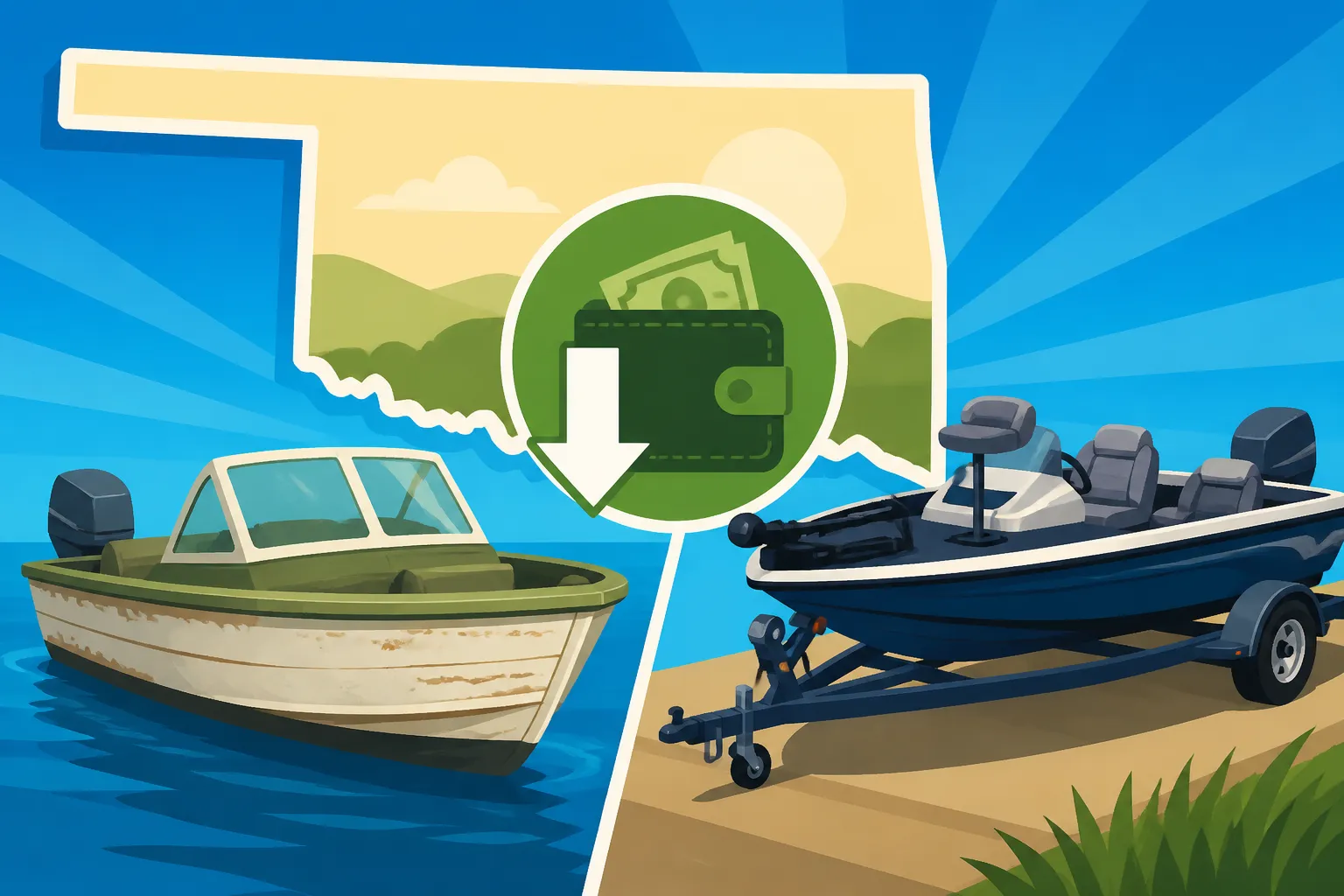
Think about buying a new car. The moment you drive it off the lot, its value typically drops. Boats are very much the same, and often even more so. This natural decline in value over time is what we call depreciation. In Oklahoma, the annual boat registration fee is largely tied to the assessed value of the watercraft. So, as a boat gets older, its market value generally decreases, and with that decrease, the registration fee you'll owe each year usually goes down too. It’s not a penalty for owning an older boat; it’s simply a reflection of its current worth.
The state isn't just pulling numbers out of thin air when they assess your boat's value. They use established guidelines and factors, much like an insurance company or a dealership would. This isn't always perfect, of course, because every boat has its own history, but it’s a standardized way to keep things consistent. They understand that a 20-year-old runabout, even one that's been meticulously cared for, isn't going to command the same price as a brand-new model fresh from the factory floor.
How Oklahoma Calculates a Used Boat's Fee
When you register a boat in Oklahoma, especially a used one, the state utilizes a valuation method that takes into account the original factory retail price (or comparable new value) and then applies a depreciation schedule based on the boat's age. This isn't a simple percentage off every year; it's a structured approach designed to reflect the typical decline in value. This means that a boat that’s five years old will have a lower assessed value than a two-year-old boat of the same make and model, assuming all other factors are equal. The fee you pay is a percentage of this depreciated value, plus any applicable excise tax or other small administrative charges.
It's a way for the state to collect revenue based on the asset’s utility and market worth. So, if you're bringing a boat into Oklahoma from another state, or simply buying a used one from a private seller, the Oklahoma Tax Commission will look at its age, make, model, and sometimes even the type of motor it has, to determine its current taxable value. This is a crucial distinction from a flat-rate registration system that might apply the same fee to every vessel regardless of its age or condition. For more details on the general process, you might want to check out Oklahoma Boat Registration and Titling Rules Explained.
The Sliding Scale of Registration Fees
The sliding scale of registration fees based on a boat's age is one of the more angler-friendly aspects of Oklahoma's boat regulations. It directly acknowledges that not all boats are created equal in terms of their market value or the economic burden they represent to their owners. This system offers a tangible benefit to those who prefer buying pre-owned vessels, making boating more accessible to a wider range of enthusiasts.
Initial Costs vs. Long-Term Savings
Let's imagine you're looking at two different boats: a brand new 20-foot fishing machine and a well-maintained 15-year-old equivalent. The initial registration cost for that brand new boat will be significantly higher, reflecting its full retail value. This initial outlay is important for new boat owners to factor into their budget. Conversely, the registration for the older boat, even if it’s in fantastic shape, will be much lower because its depreciated value is the basis for the fee. This difference can translate into substantial savings year after year, which is a major draw for many Oklahomans who love to fish but need to keep an eye on expenses.
This isn't just a one-time saving either; it compounds annually. While the fee for a new boat gradually decreases each year as it ages, the older boat started at a lower valuation and continues to benefit from that lower baseline. It means that the longer you own a boat, the less you're likely to pay in registration fees (up to a certain point, of course, as there are minimums). This model provides a clear financial incentive for boaters to choose used vessels, which often represent excellent value. You can see how this depreciation is calculated over time in articles like Used Boat Registration Fee After One Year of Depreciation in Oklahoma and Used Boat Registration Fee After Five Years of Depreciation in Oklahoma.
Beyond the Initial Price Tag: Factors Influencing Depreciation
While age is a primary driver of depreciation, it's not the only factor. The make and model of a boat can also play a huge role. Some brands hold their value better than others, due to reputation for quality, specialized features, or strong demand. A high-end bass boat from a reputable manufacturer might depreciate slower than a generic utility boat, even if they're the same age. Similarly, how a boat is maintained is critical. A boat that has been meticulously cared for, with regular engine service, a clean hull, and proper storage, will naturally command a higher resale value and thus a slightly higher assessed value (though still depreciated) than a boat that's been neglected.
The type of water the boat has primarily been used in also matters. A boat that has spent its life in harsh saltwater environments might show more wear and tear than one used exclusively in Oklahoma’s freshwater lakes, potentially affecting its depreciation rate. Even things like hours on the engine, the condition of the trailer, and the presence of updated electronics (like a new fish finder) can subtly influence its perceived value. When considering buying an older boat, these are all things you'd want to inspect thoroughly. You'll find that even with depreciation, there's often an Oklahoma's Maximum Boat Registration Fee of $151, ensuring fees don't just disappear completely.
Practical Implications for Boat Owners
Understanding why older boats pay less to register isn't just an academic exercise; it has very real and beneficial implications for boat owners across Oklahoma. It shapes purchasing decisions, influences market dynamics, and ultimately contributes to who can afford to enjoy our beautiful lakes and rivers.
Making Older Boats More Accessible
The reduced registration costs for older boats significantly lowers the barrier to entry for many aspiring anglers and boating families. If you’ve always dreamed of owning a boat but felt daunted by the costs, looking at a pre-owned vessel becomes much more attractive. This affordability opens up opportunities for more people to experience the joy of fishing, whether it's chasing bass on Lake Eufaula or crappie on Grand Lake. This is fantastic for growing the boating community and ensuring that the tradition of fishing can be passed down through generations without being an exclusive hobby.
This accessibility also fuels a vibrant second-hand boat market within Oklahoma. When you know the ongoing costs will be lower, investing in a used boat makes more financial sense. You can find some incredible deals on boats that, with a little TLC, can provide years of enjoyment. Places like Bass Pro Shops often have used boat sections, and you can always find a wealth of options through local listings or private sales. Knowing you're not going to be hit with a hefty registration fee on top of your purchase helps seal the deal for many budget-conscious boaters.
Keeping Your Older Boat's Value in Check
While depreciation is inevitable, there are definitely things you can do to slow its pace and ensure your older boat remains a valuable asset. Regular maintenance is paramount. This means routine engine service, keeping the hull clean and waxed, and addressing any minor repairs before they become major issues. Proper storage, especially during the off-season, can prevent weather damage, fading, and deterioration of upholstery. Investing in a good boat cover, for instance, can protect your vessel from the harsh Oklahoma sun and elements.
Think about it like this: a well-cared-for older boat not only functions better but also holds its depreciated value more effectively, meaning your registration fee might be slightly higher than a neglected boat of the same age, but your overall investment is protected. You can find all sorts of cleaning supplies, waxes, and covers on platforms like Amazon that can help you keep your boat looking great. Keeping your boat in top shape is just good sense, and it aligns with keeping all your other documentation, like your fishing license, current. Speaking of which, don’t forget to keep up with renewing your license – you can even handle it Renewing Your Oklahoma Fishing License Online.
Navigating the Registration Process for Used Boats
Registering a used boat in Oklahoma might seem a little intimidating, especially if you're a first-time boat owner or if you've only ever dealt with registering cars. However, the process is quite straightforward once you know what to expect and have all your ducks in a row. It’s important not to delay, as there are deadlines involved after purchasing a boat.
Gathering Your Documentation
The most critical step in registering an older boat is making sure you have all the necessary paperwork. This typically includes the boat's original title, especially if you’re purchasing it from an individual. If the boat doesn't have a title (which can sometimes happen with very old or small vessels, depending on state regulations at the time of original purchase), you'll likely need a bill of sale that clearly identifies the boat, the seller, the buyer, the purchase price, and the date of sale. Additionally, you’ll need documentation for the motor if it’s an outboard and not permanently attached to the boat. It's always a good idea to bring any previous registration paperwork, too, as it can help clarify the boat's history.
For a smooth transaction, ensure all names and identification numbers (like the Hull Identification Number, or HIN, and motor serial number) on the documents match precisely. Any discrepancies can cause delays. Remember, this is distinct from getting your personal How to Get a Fishing License in Oklahoma, which is about your permission to fish, not the vessel itself. Both are crucial for legal and enjoyable time on the water, but they require different sets of documents.
Where to Register and What to Expect
In Oklahoma, boat registration and titling are handled through your local tag agency. These are the same places where you renew your vehicle tags, making it a convenient one-stop shop for many Oklahomans. When you visit the tag agency, you’ll present your documentation, fill out the necessary forms, and pay the applicable fees. The friendly staff there will guide you through the process, confirm the boat’s assessed value, and calculate your annual registration fee based on that depreciated value.
You’ll typically receive a temporary registration immediately, and your permanent registration card and decals will be mailed to you. Make sure you display your decals properly on your boat as required by law. It’s important to understand the deadlines for this process. Generally, you have a limited time, like How Long Do You Have to Register a Boat After Buying It in Oklahoma?, to get your boat registered after purchase. Missing this window can lead to penalties, so it’s always best to take care of it as soon as possible. If you happen to miss that initial deadline, knowing What Happens If You Miss the 30-Day Boat Registration Deadline in Oklahoma? can help you understand the potential consequences.
Registration Fee Comparison: New vs. Older Boats
To give you a clearer picture, here’s a simplified look at how the registration cost structure generally differs between a brand-new boat and an older, more seasoned vessel in Oklahoma. This table doesn't use exact numbers (as those change), but illustrates the principle of how depreciation affects what you pay.
| Feature | Brand New Boat (Example: Year 1) | Older Boat (Example: Year 10+) |
|---|---|---|
| Assessed Value | Based on near-full retail price | Based on significantly depreciated value |
| Registration Fee | Higher, reflecting high initial value | Lower, reflecting reduced value |
| Annual Trend | Decreases slightly each year | Continues to decrease, but often stabilizes at a lower minimum |
| Excise Tax | Typically applies to new purchases | May be exempt if previously paid and titled |
| Overall Cost | Higher initial outlay, then gradual reduction | Lower initial outlay, consistent low annual fees |
Remember, these are general trends. The exact amount will depend on the specific boat, its condition, and the state’s current valuation schedule. But the takeaway is clear: older boats enjoy a financial advantage in terms of ongoing registration costs.
Disclaimer
This article is for general informational purposes only and does not constitute professional advice. Laws, prices and regulations vary by location and change over time. Consult a qualified professional for guidance on your specific situation.