Best Life Ring for a 16 Foot Bass Boat
When you're out on the vast, beautiful waters of an Oklahoma lake, whether you're chasing largemouth on Lake Eufaula or reeling in stripers on Lake Texoma, safety is always paramount. One piece of gear many anglers might overlook, or perhaps just grab the cheapest option for, is the throwable personal flotation device (PFD), often simply called a "life ring" or "throwable cushion." But for a 16-foot bass boat, knowing which one to choose isn't just about meeting a regulation; it's about potentially saving a life. This guide will walk you through understanding the requirements and selecting the best throwable device for your specific vessel and fishing style.
Why a Throwable Device is Non-Negotiable on Your Bass Boat
It’s easy to focus on the fishing itself – the right lures, the perfect casting technique, the hot spots. But the realities of being on the water mean that accidents can happen in an instant. Someone could fall overboard, perhaps after slipping on a wet deck, or worse, if the boat takes an unexpected jolt. In those critical moments, having an easily accessible and effective throwable device isn't just a good idea; it's a legal requirement and a lifeline.
Understanding Oklahoma's Boating Safety Regulations
Oklahoma, like all states, follows federal guidelines for boating safety, which are largely based on U.S. Coast Guard (USCG) regulations. For any vessel 16 feet or longer, not only do you need a wearable PFD for every person on board, but you also need at least one Type IV throwable device. This isn't just a suggestion; it's a rule that game wardens enforce with citations if you're found non-compliant. Imagine the frustration of having a perfect day on Grand Lake O' the Cherokees Bass Fishing Guide ruined by a preventable fine because of missing or inadequate safety gear. You can read more about Type IV Throwable Device Rules for Boats 16 Feet and Longer.
This regulation exists for a very good reason: immediate assistance. If someone goes overboard, especially if they are injured, unconscious, or simply not a strong swimmer, you need a way to get floatation to them instantly. A throwable device can be deployed much faster than trying to get a wearable life jacket on a person who is already in the water, especially if the boat is still moving or the conditions are rough. It buys you precious time to maneuver the boat back to them or for them to regain composure.
The Real-World Impact of Neglecting Safety Gear
Let's be realistic: nobody plans for an accident. We launch our boats with excitement, not dread. However, the unexpected can and does occur. A friend on a bass boat once told me about a harrowing experience on Lake Murray where his partner, an experienced angler, suddenly lost his balance while casting and tumbled into the chilly spring water. The throwable cushion, which had always been stowed under a seat, became the most important piece of gear on board in that moment. They were able to toss it quickly, providing immediate floatation and a target for the struggling angler to grab onto, making the rescue much smoother than it could have been.
Beyond the moral imperative, there's a legal one. Game wardens regularly patrol Oklahoma's busiest lakes, especially during peak fishing seasons. They are trained to look for safety compliance, and a missing or improper throwable device is an easy catch. The Fines for Boating Safety Violations in Oklahoma can put a serious dent in your wallet, not to mention the stress and inconvenience. It's a small investment of time and money to ensure you're squared away with something that could literally save a life.
Key Features of a Great Throwable Device for a Bass Boat
When you're looking for the ideal throwable device for your 16-foot bass boat, you're not just picking any old piece of foam. You need something that integrates seamlessly into your fishing environment while being ready for immediate action. It needs to be effective, durable, and easy to deploy.
Superior Flotation and USCG Approval
First and foremost, the device must provide adequate buoyancy. A USCG-approved Type IV throwable device is specifically designed to support an average adult in the water. This approval isn't just a stamp; it means it has undergone rigorous testing to ensure it meets strict safety standards. You'll often see "USCG Approved" printed directly on the product tag. Don't settle for anything less, as non-approved devices might not provide sufficient floatation in a real emergency, and won't pass inspection.
Many throwable devices are made from closed-cell foam, which maintains its buoyancy even if punctured, unlike air-filled devices. When shopping, whether you're browsing the aisles at Bass Pro Shops or scrolling through options on Amazon, always double-check for that USCG Type IV rating. It's the bare minimum standard for safety and legality. Remember, this device isn't for casually floating; it's for emergency situations where every ounce of buoyancy counts.
High Visibility and Easy Identification
Picture this: someone falls overboard on a choppy, overcast day on a vast lake like Keystone, or even worse, during an early morning pre-dawn tournament on Lake Texoma. Visibility is absolutely crucial. A good throwable device will be brightly colored – think vibrant orange, yellow, or lime green. These colors stand out dramatically against blue or green water, even in low light or with some chop. Some models even incorporate reflective tape, which can catch light from a flashlight or the boat's navigation lights, making it easier to spot at night.
Consider the conditions you typically fish in. If you're often out during dawn or dusk, or if you ever brave less-than-ideal weather, that extra visibility can make all the difference in a rescue scenario. The faster you can spot the device and the person clinging to it, the quicker you can get them safely back into the boat. A dull-colored cushion might seem less obtrusive, but it could be dangerously hard to see when it matters most.
Durability and Resistance to Oklahoma Elements
Oklahoma weather can be brutal on gear. Intense summer sun, sudden thunderstorms, and the general wear and tear of a fishing boat can degrade materials quickly. A quality throwable device needs to be built tough. Look for marine-grade vinyl or other UV-resistant fabrics that won't fade, crack, or become brittle after prolonged exposure to the sun's harsh rays. The stitching should be robust, typically reinforced, to prevent seams from splitting under stress.
Think about how it will be stored. While it should be readily accessible, it will still experience splashes, bumps, and rubs against other gear. A durable outer shell will resist tears and abrasions, ensuring the foam core remains protected and functional for years. Investing in a higher-quality, durable device means you won't have to replace it every couple of seasons, giving you peace of mind that it will hold up when you truly need it.
Practical Storage and Quick Deployment
A throwable device is only useful if it can be deployed immediately. This means it can't be buried under a pile of tackle boxes, fishing rods, or rain gear. For a 16-foot bass boat, space is often at a premium, so choosing a device that can be stowed within easy reach without getting in the way is key. Many anglers opt for throwable cushions because they are flat and can be tucked under a seat, against a bulkhead, or in an open compartment, as long as they aren't fully enclosed.
The best options often come with sturdy grab straps that make them easy to throw accurately and allow a person in the water to hold on securely. Some even have a small rope attached, which can be useful for retrieval or for keeping the device tethered to the boat during deployment. Practice reaching for it quickly – can you grab it and toss it in under three seconds? In an emergency, every second counts. Consider your boat's layout and where this critical piece of safety equipment will be most accessible to you and any passengers.
Comparing Different Throwable Device Types
While many people think of a traditional "life ring," there are actually a few different types of USCG-approved Type IV throwable devices available, each with its own advantages and disadvantages for a bass boat.
| Device Type | Pros | Cons | Best For |
|---|---|---|---|
| Ring Buoy | High visibility, easy to spot; very durable. | Bulky, harder to store on smaller bass boats. | Larger vessels, open water, dedicated safety posts. |
| Throwable Cushion | Compact, doubles as a seat cushion; easy to stow. | Can be harder to throw accurately in wind; less distinct. | Bass boats, smaller recreational boats. |
| Horseshoe Buoy | Conforms around person; good for quick retrieval. | Typically requires rail mounting; less suitable for small boats. | Sailboats, larger cruisers. |
| Throw Bag (Rescue Bag) | Very compact, excellent for precision throwing. | Requires practice to deploy; may not provide enough bulk. | Kayaks, swift water, secondary device. |
The Classic Ring Buoy: Sturdy and Visible
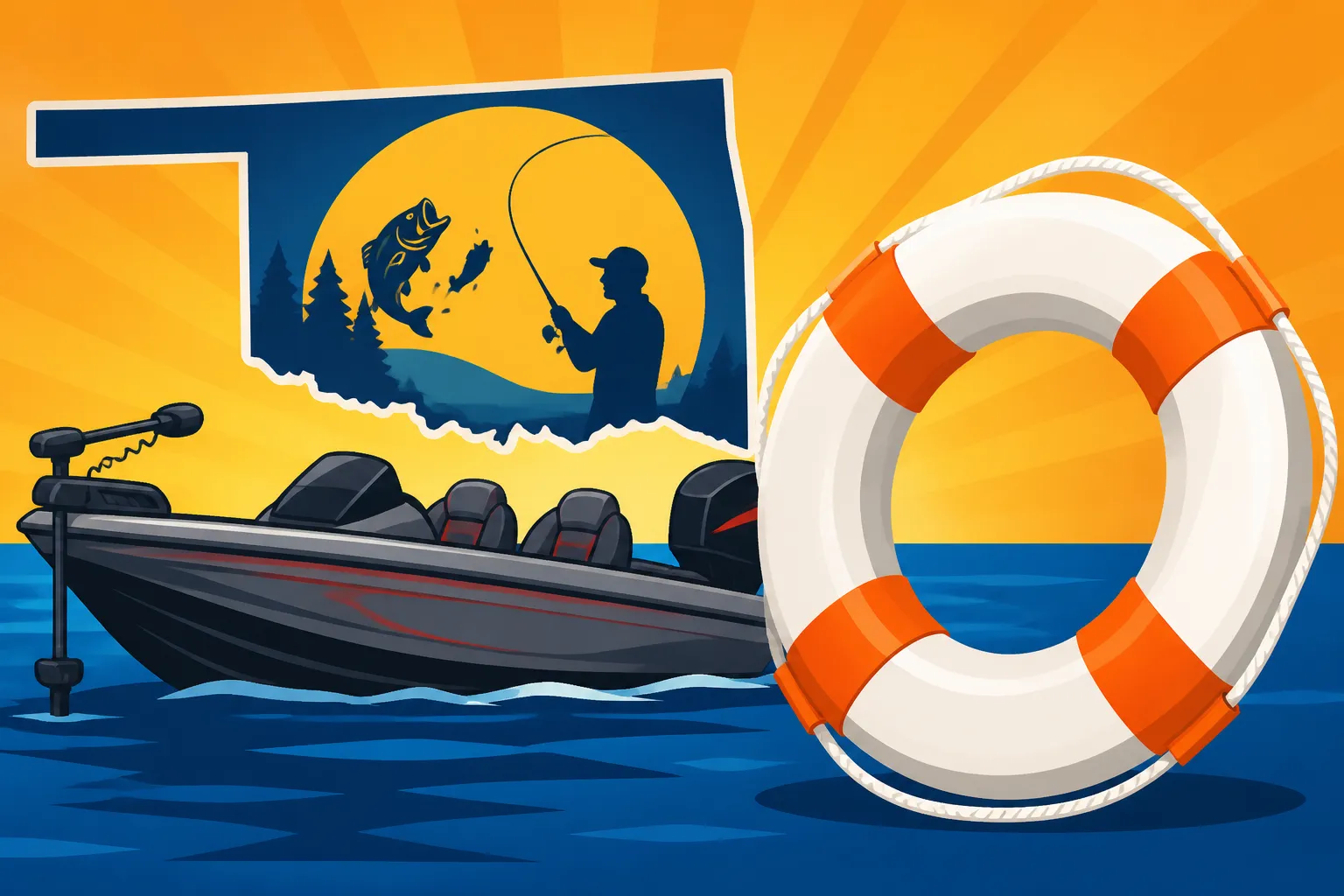
The traditional ring buoy is what most people picture when they think of a life ring. They are typically quite visible, often bright orange or white with reflective tape. Their circular shape makes them stable in the water and easy for a person to hold onto. For larger boats or those with dedicated mounting points on a rail, a ring buoy is an excellent choice.
However, for a 16-foot bass boat, a full-sized ring buoy can be a bit cumbersome. They take up significant space and can be awkward to store in a way that allows for quick access without interfering with casting or movement around the deck. While incredibly effective once in the water, their bulk might make them less practical for the often-cramped confines of a performance bass boat.
Throwable Cushions: The Bass Angler's Favorite
For bass boat owners, the throwable cushion is often the most practical and popular choice. These rectangular or square devices serve a dual purpose: they function as an emergency floatation device and can also be used as a comfortable extra seat cushion or knee pad while fishing. Their relatively flat profile makes them easy to stow under seats, in open compartments, or even clipped to a grab handle, ensuring they are always within reach.
Modern throwable cushions are typically made with durable, UV-resistant vinyl covers and sturdy grab straps. They come in highly visible colors like orange or yellow. While they might not be as aerodynamic as a ring buoy for long-distance throws, their ease of storage and dual functionality make them an ideal fit for the practical angler. Just be sure not to use them as your primary seating unless they are specifically designed for that AND remain readily throwable. If it's your only cushion, and it's being sat on, it's not "readily available" for an emergency.
Horseshoe Buoys and Throw Bags: Niche Applications
Horseshoe buoys are shaped, as the name suggests, like a horseshoe, designed to fit around a person in the water. They are usually found on larger vessels, often mounted on stern rails for quick release. For a 16-foot bass boat, they are generally too bulky and require specific mounting that most bass boats don't accommodate without modification.
Throw bags, or rescue bags, are essentially a bag containing a length of floating rope. They are incredibly effective for precise, long-distance throws and are often favored by kayakers or those in swift water environments where accuracy is key. While some bass boaters might carry one as an additional safety item, it does not fulfill the USCG Type IV requirement on its own. The person in the water needs something to hold onto that provides inherent buoyancy, not just a rope. So, while a throw bag is a fantastic tool, it's not a substitute for your primary throwable device.
Choosing the Best Life Ring for Your 16-Foot Bass Boat
Now that we've covered the requirements and different types, let's bring it all together for your specific situation. Selecting the best throwable device for your 16-foot bass boat involves balancing safety, practicality, and ease of use in the Oklahoma fishing environment.
Considering Your Boat's Layout and Storage Capacity
A 16-foot bass boat, while capable, often has limited open space. Your priorities for storage will be different than someone with a large pontoon or cruiser. Think about where you can place a throwable device so that it's accessible within seconds, but doesn't get in the way of your fishing. Under a driver's or passenger's seat, or against the transom in an open area, are common spots for throwable cushions. If you have a larger casting deck, perhaps a small, dedicated clip or bracket for a compact ring buoy could work, but this is less common.
Walk through your boat mentally, or even physically, and identify potential spots. Can you grab it with one hand? Will it fly out if you hit a big wake on Tenkiller Lake? Will it get soaked and become heavy if left out in the rain? The goal is "readily accessible." If it takes more than a couple of seconds to get to and throw, it's not truly ready. Many anglers opt to place them in mesh bags or specific holders that keep them secure but visible and easy to grab. You can find some clever storage solutions for your Oklahoma Boat Safety Equipment Checklist.
Prioritizing High Visibility and Durability for Oklahoma Waters
Oklahoma's lakes see a lot of traffic, and visibility is key, especially on large, open reservoirs like Lake Texoma or Lake Eufaula. Always lean towards bright, obnoxious colors – orange or yellow are your friends here. If you fish early mornings, late evenings, or even venture out for some night fishing, reflective strips on your throwable device are a huge bonus. Even if you don't typically fish at night, an emergency could push you into those hours.
The durability factor cannot be overstated. That Oklahoma sun will absolutely bake any flimsy plastic or fabric. Marine-grade materials, UV-resistant coatings, and strong stitching are crucial for longevity. Remember, this isn't just an expense; it's an investment in safety. A device that deteriorates quickly isn't just unsightly; it's a potential failure point when you need it most. Check reviews from other Oklahoma anglers if possible, to see how different brands hold up to local conditions.
User Experience: Ease of Throwing and Retrieval
Finally, consider the human element. Can you easily throw the device accurately? While a traditional ring buoy can be thrown a good distance, a throwable cushion, being lighter and less aerodynamic, might require a bit more practice to toss precisely, especially in windy conditions. The key is practicing, even just a couple of throws in a calm cove to get a feel for it. Make sure the grab straps are substantial enough for someone to easily hold onto, especially if they are disoriented or wearing gloves.
Retrieval is also important. If the person is unable to swim back to the boat, you'll need to get to them. Having a small line attached to the throwable device, which you keep coiled in the boat, can be incredibly useful for pulling the device and person closer to the boat. This isn't a requirement, but it's a smart addition to enhance safety. Remember, the best life ring for your 16-foot bass boat is the one you can deploy effectively and that provides genuine assistance in a real-world emergency. It completes your essential Safety Gear Checklist for a Day on an Oklahoma Reservoir.
Disclaimer
This article is for general informational purposes only and does not constitute professional advice. Laws, prices and regulations vary by location and change over time. Consult a qualified professional for guidance on your specific situation.