Remote Fishing Coves on Lake Arbuckle
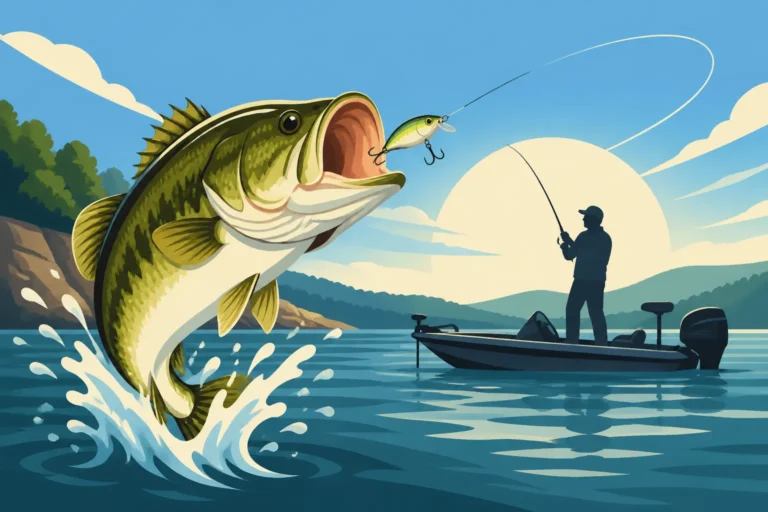
There’s nothing quite like heading out to your favorite fishing spot, only to find it packed with other anglers, jet skis zooming by, and the peaceful morning ruined by commotion. It's a common frustration on popular Oklahoma lakes, making you long for a quiet stretch of water where the fish haven't seen every lure in the tackle box. If you’re yearning for that serene, undisturbed fishing experience on Lake Arbuckle, then you’re in the right place. This guide will walk you through the magic of remote fishing coves on Lake Arbuckle, helping you uncover those hidden gems where the fishing can be truly exceptional and the tranquility unmatched.
Why Seek Out Remote Coves on Lake Arbuckle?
Lake Arbuckle, nestled in the scenic Arbuckle Mountains, is renowned for its crystal-clear waters and fantastic fishing opportunities, especially for crappie and bass. But precisely because it's so good, the main boat ramps and easily accessible points can get pretty busy, especially on weekends or during peak seasons. That's where the remote coves come in. They offer a sanctuary, not just for you, but for the fish too, leading to a much more rewarding experience.
Escaping the Crowds and Noise
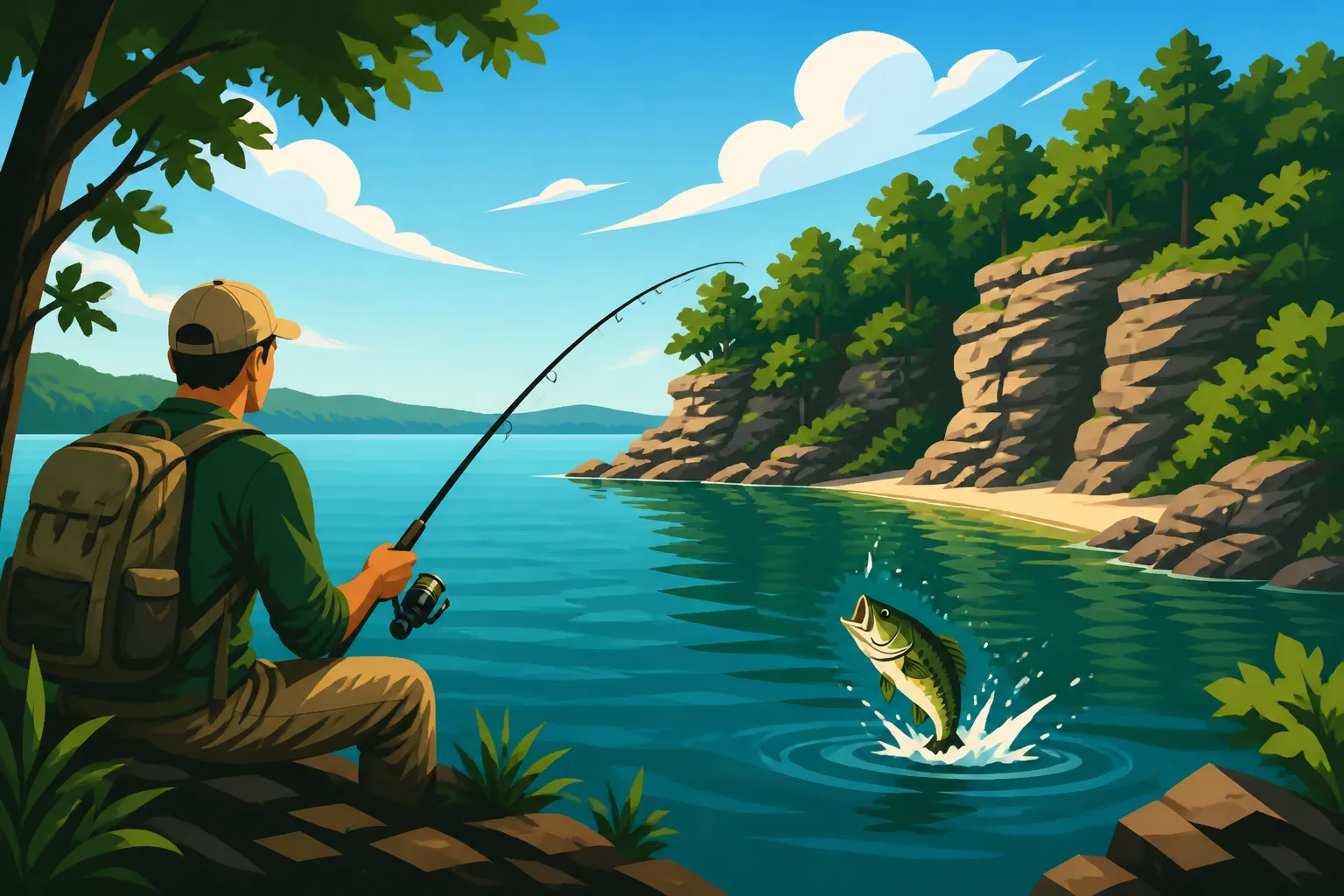
Imagine casting your line without hearing another boat motor for hours, the only sounds being the gentle lapping of water against the shore and the calls of birds. Remote coves provide that exact escape. The psychological benefit of being alone with nature, away from the hustle and bustle, is immense. It transforms fishing from just a sport into a meditative retreat. Fewer people mean less pressure on the fish, too. Fish in heavily trafficked areas often become more wary, associating boat noise and shadows with danger. In a quiet cove, they might be more inclined to strike.
This isn't just about avoiding a noisy neighbor; it's about fishing smarter. When you're not competing with dozens of other lines in the water, your chances of success naturally improve. Plus, the pristine environment often means undisturbed natural forage and structure, leading to healthier, more active fish. It’s a completely different ballgame than fishing near a marina, that’s for sure.
Discovering Unpressured Fish Populations
Fish, especially larger ones, tend to shy away from areas with heavy human activity. They learn quickly, and the constant barrage of lures and boat traffic makes them wary. Remote coves, by their very nature, see significantly less fishing pressure. This means the bass, crappie, and catfish residing there haven't been caught and released a dozen times. They're often more aggressive, less selective, and frankly, just more fun to catch.
Think about it: if a bass has seen every color of crankbait and soft plastic under the sun in a popular spot, it’s going to be a tough cookie to crack. But a bass living in a secluded cove, rarely disturbed, might hit almost anything that looks like a meal. This can lead to more consistent bites and potentially larger fish that have had the chance to grow without constant angling pressure. This isn’t to say it’s a guarantee, but the odds definitely swing in your favor when you find these untouched havens.
Experiencing Lake Arbuckle's Natural Beauty
Lake Arbuckle is a gem in Oklahoma, surrounded by the stunning Arbuckle Mountains. While the main lake offers impressive views, venturing into remote coves often brings you deeper into the natural landscape. You'll encounter more untouched shorelines, dense woodlands, and perhaps even wildlife that wouldn't typically venture near busier areas. This adds another layer of enjoyment to your fishing trip, turning it into an immersive outdoor adventure.
The clear waters of Lake Arbuckle are even more striking in these quiet backwaters, reflecting the sky and trees like a mirror. You might spot deer coming down to drink, various waterfowl nesting, or even an eagle soaring overhead. It’s a chance to connect with the raw beauty of Oklahoma’s wilderness, making every cast feel like part of a larger, more peaceful narrative. If you're planning a trip, consider looking into a comprehensive Lake Arbuckle Fishing Guide, Oklahoma to get a full overview of what this incredible body of water offers.
How to Locate and Access Secluded Spots
Finding these hidden gems isn't always easy – that's part of what makes them remote, after all! It requires a bit of research, some specialized gear, and a willingness to explore beyond the beaten path. But with the right approach, you can unlock some truly incredible fishing.
Utilizing Maps and Satellite Imagery
Your best friends in the quest for remote coves are topographic maps and satellite imagery. Apps like Google Maps, Navionics, or even specialized fishing apps can give you a bird's-eye view of Lake Arbuckle. Look for areas with:
- Limited Road Access: Coves that aren't easily reachable by paved roads or even dirt tracks are prime candidates. If there’s no clear parking lot or public access point nearby, fewer people will go there.
- Irregular Shorelines: Coves with lots of twists, turns, and small finger-like projections often hide deeper pockets and structure that attract fish. These can also be harder for larger boats to navigate, keeping them quieter.
- Varying Depths and Structure: Look for sudden changes in depth, submerged timber, rock piles, or brush piles visible in clearer satellite images. These are fish magnets, offering cover and ambush points.
- Tributary Inflows: Small creeks or streams flowing into the lake can create excellent fishing conditions, especially after rain, bringing in nutrients and baitfish.
Pay close attention to contours, both on land and underwater. Steep banks often continue underwater, creating dramatic drops that bass and crappie love. Shallow flats leading into deeper channels are also excellent transitional areas for feeding fish. Websites like FishingBooker often have local experts who can point you to general areas, but the real legwork is yours to discover the exact sweet spots.
Choosing the Right Watercraft
Accessing remote coves often means leaving your big bass boat or pontoon at the main ramp. Smaller, more agile watercraft are key here.
- Kayaks and Canoes: These are arguably the best tools for navigating tight spaces, shallow waters, and winding coves. They're quiet, stealthy, and can get into spots that powerboats simply can't. A Kayak Fishing Gear Guide for Oklahoma Lakes can help you get equipped. Imagine paddling quietly into a hidden cove, sneaking up on unsuspecting fish. The physical exertion adds to the sense of accomplishment, and the low profile allows for incredibly close approaches without spooking fish. Many kayak anglers rig their boats with fish finders and rod holders, making them highly effective fishing platforms for these environments.
- Jon Boats and Smaller Aluminum Rigs: If you need a bit more space or want to bring a small outboard, a jon boat with a shallow draft can be a good option. They can navigate through thinner waters than larger fiberglass boats and are generally more forgiving if you bump into submerged timber. While not as stealthy as a kayak, they offer more stability and carrying capacity for gear.
- Wading or Bank Fishing: In some very remote coves, the best access might be on foot. This often means a hike, but the reward can be untouched waters. Make sure to check property lines and access points – don't trespass! Bank Fishing Gear vs Boat Fishing Gear discusses what you'll need for this approach. Wading allows you to present lures precisely to cover that might be inaccessible even by kayak, and the direct connection to the water is incredibly immersive. Just be mindful of slippery bottoms and sudden drop-offs.
Leveraging Local Knowledge
While maps and technology are powerful, there's no substitute for local knowledge. Talk to bait shop owners in Sulphur, other anglers you meet on the water, or even online forums dedicated to Oklahoma fishing. While they might not give up their exact honey holes, they can often provide general tips about areas that are less frequented or known for specific species like crappie or bass.
Don't be afraid to ask about general patterns, specific types of cover, or even recent water conditions. Sometimes, a casual conversation can yield a crucial piece of information that leads you to your next favorite spot. Even if they don't reveal exact locations, understanding the general temperament of fish in different parts of Lake Arbuckle can greatly improve your success. For instance, knowing that the crappie might be staging in deeper channels in certain coves during the fall, as detailed in Crappie Fishing Techniques and Seasonal Patterns in Oklahoma, can be a game-changer.
Fishing Techniques for Remote Coves
Once you've found your remote cove and have your chosen watercraft, it's time to adapt your fishing techniques to this unique environment. The key is often finesse, stealth, and a good understanding of what fish are doing away from the crowds.
Targeting Bass in Secluded Waters
Largemouth bass thrive in the sheltered, often brushy environments found in remote coves. Because these areas are less pressured, bass tend to be less finicky.
- Flipping and Pitching: This is a fantastic technique for getting lures into tight cover like submerged timber, dense brush, or rocky crevices that often line these coves. Use jigs, Texas-rigged soft plastics (worms, creature baits), or even smaller creature baits. The goal is to drop your lure quietly and accurately into small pockets of open water within the cover. Focus on the transition zones where shallow water drops into deeper pockets, as bass often ambush prey there. For more specific advice, check out Best Bass Spots on Lake Arbuckle.
- Topwater Lures: In the early mornings or late evenings, especially during warmer months, topwater baits can be incredibly effective. Poppers, walk-the-dog lures, and frog imitations (fished over lily pads or dense grass if present) can trigger explosive strikes from unpressured bass. The quiet environment enhances the effectiveness of these lures, as the commotion often draws attention from further away.
- Spinnerbaits and Buzzbaits: When bass are actively feeding or you're covering more water, these can be great choices. Cast them along shorelines, over submerged grass, or around isolated pieces of structure. The flash and vibration can mimic baitfish and provoke reaction strikes. Remember, while you might be in a remote cove, it’s always good to be familiar with statewide rules, such as Oklahoma's Bass Fishing Rules and Limits.
Crappie Fishing in Quiet Backwaters
Lake Arbuckle is well-known for its crappie, and remote coves can be goldmines, especially with the lake's specific 10-inch minimum size limit. Crappie often congregate around structure, seeking cover and ambush points for baitfish.
- Jigging: Small jigs (1/16 to 1/8 ounce) tipped with soft plastic bodies or live minnows are deadly for crappie. Focus on vertical jigging around submerged brush, fallen trees, and rock piles. Pay attention to your fish finder if you have one – crappie often suspend at specific depths. A good article like Best Crappie Fishing Spots on Lake Arbuckle, Oklahoma can give you an edge. In these clear waters, finesse is often rewarded, so use light line and subtle movements.
- Spider Rigging (from a small boat/kayak): While traditionally done from larger boats, a simplified version can work from a kayak or small jon boat. Using multiple rods with different depth presentations allows you to cover more of the water column efficiently, especially when trying to locate schooling crappie. You can often find crappie in brush piles or along channel swings in deeper coves.
- Bobber Fishing with Minnows: For simpler, relaxed fishing, a small bobber with a live minnow or a tiny jig can be very effective, especially around visible cover or along weed lines. Adjust your depth until you find where the crappie are holding. It's important to know What Is Lake Arbuckle's Ten-Inch Crappie Rule? as you fish these spots.
Catfish and Panfish Opportunities
Don't overlook the catfish and panfish lurking in these remote areas. They often thrive on the rich forage found in undisturbed waters.
- Bottom Fishing for Catfish: Channel catfish and sometimes smaller blue catfish can be found in the deeper sections of coves, especially near creek channels or where softer bottoms transition to harder ones. Use stink baits, cut bait, or even chicken livers fished on the bottom with a slip-sinker rig. These areas provide excellent feeding grounds for catfish, away from heavy boat traffic.
- Targeting Panfish (Bluegill, Sunfish): For a relaxing time, or if you're fishing with kids, panfish are abundant in the shallows of remote coves, especially around docks, lily pads, or submerged vegetation. Small worms, crickets, or even tiny jigs under a bobber can bring in a steady stream of bluegill and other sunfish. These smaller fish are often a great indicator of a healthy ecosystem.
Here's a quick comparison of popular species in Lake Arbuckle's remote coves:
| Species | Preferred Habitat (Remote Cove) | Best Bait/Lure | Key Technique | Size Potential (General) |
|---|---|---|---|---|
| Largemouth Bass | Submerged timber, rocky banks, brush piles, points | Jigs, plastic worms, spinnerbaits, topwater | Flipping/Pitching, Casting | 1-5 lbs (trophies possible) |
| Crappie | Brush piles, fallen trees, deep creek channels | Small jigs, live minnows | Vertical Jigging, Bobber Fishing | 0.5-2 lbs (10" minimum) |
| Channel Catfish | Deeper channels, soft bottoms, submerged wood | Cut bait, stink baits, chicken liver | Bottom Fishing | 1-10 lbs |
| Bluegill | Shallow vegetation, docks, brush | Worms, crickets, small jigs | Bobber Fishing | Small |
Essential Gear and Safety Considerations
Venturing into remote coves means you need to be self-sufficient and prepared for any situation. Beyond your standard fishing tackle, there are a few extra items that can make your trip safer and more enjoyable.
Navigation and Communication Devices
Since you’ll be off the beaten path, reliable navigation and communication are paramount.
- GPS Unit/Smartphone with Offline Maps: Don't rely solely on cell service, as it can be spotty in remote areas. Download offline maps of Lake Arbuckle before you go. A handheld GPS unit or a dedicated app on your phone (like Gaia GPS or the aforementioned Navionics) can show you where you are, where you've been, and help you find your way back. Mark your launch point and any promising spots you find!
- Whistle or Air Horn: A simple signaling device can be crucial in an emergency, especially if you get separated from a group or need to attract attention.
- Satellite Messenger (Optional but Recommended): For truly remote excursions, a device like a Garmin inReach or Zoleo offers two-way satellite communication and an SOS function, even without cell service. It’s an investment, but invaluable for peace of mind.
- Fully Charged Power Bank: Keep your phone and other electronic devices charged. Nothing worse than a dead battery when you need it most.
When planning a trip, whether through a service like FishingBooker or on your own, always let someone know your float plan: where you're going, when you expect to be back, and who to call if you don't check in.
Safety Equipment for Remote Areas
Safety should always be your top priority, especially when away from immediate help.
- Life Jackets: This is non-negotiable, whether you're in a kayak, canoe, or small boat. Always wear a properly fitted personal flotation device (PFD). Accidents can happen quickly and quietly, and a life jacket can be the difference between life and death.
- First-Aid Kit: A well-stocked kit with bandages, antiseptic wipes, pain relievers, allergy medicine, and any personal medications is essential. Cuts, scrapes, and minor emergencies are more likely when you're navigating rougher terrain or handling fish.
- Sun Protection: Oklahoma sun can be brutal. Bring sunscreen, a wide-brimmed hat, sunglasses, and protective clothing. Reapply sunscreen frequently, especially if you're on the water.
- Extra Water and Snacks: Staying hydrated is crucial. Bring more water than you think you'll need, especially on hot days. High-energy snacks will keep you fueled for a full day of fishing.
- Knife or Multi-tool: Always handy for cutting line, making quick repairs, or in an emergency.
- Small Anchor (for kayaks/canoes): A lightweight grapnel anchor can help you hold position in a prime fishing spot, preventing you from drifting while you cast.
Recommended Fishing Tackle
For remote coves, versatility and stealth are key.
- Light to Medium Action Rods: These offer sensitivity for detecting subtle bites and enough backbone to handle decent-sized fish. A 6'6" to 7' spinning rod is a versatile choice for many species. You can find excellent recommendations in articles like Best Rods for Oklahoma Largemouth Bass or Best Tackle Setup for Oklahoma Crappie.
- Matching Reels with Quality Line: A 2500-3000 series spinning reel spooled with 6-10 lb fluorocarbon or monofilament is a great all-around setup. If you’re fishing heavy cover, you might consider braid with a fluorocarbon leader for abrasion resistance.
- Variety of Lures and Baits: Don't go overboard, but bring a selection: a few jigs, soft plastics, a topwater lure, maybe a spinnerbait or two, and some bottom-fishing rigs for catfish. Live bait like minnows or worms can be incredibly effective when fish are finicky.
- Pliers and Line Cutters: Essential for hook removal and processing fish.
Respecting the Environment and Regulations
When you venture into these beautiful, untouched parts of Lake Arbuckle, remember that you are a guest. It's crucial to practice ethical angling and respect the natural environment.
Leave No Trace Principles
The beauty of remote coves lies in their untouched nature. It's our responsibility to keep them that way.
- Pack It In, Pack It Out: Everything you bring with you, take back out. This includes all trash, fishing line, bait containers, and food wrappers. Even biodegradable items should be packed out, as they take time to decompose and can attract wildlife.
- Minimize Disturbances: Try to be as quiet as possible, especially when approaching prime fishing areas. Avoid trampling vegetation unnecessarily.
- Proper Waste Disposal: If nature calls, dig a small cathole at least 200 feet from water sources and trails, and bury human waste. Pack out all toilet paper.
- Fish Handling: Handle fish carefully, especially if you plan to release them. Minimize their time out of water and use wet hands to protect their slime coat.
Understanding and Following Regulations
Even in the most remote corners of the lake, Oklahoma’s fishing regulations still apply.
- Fishing License: You absolutely need a valid Oklahoma fishing license. There are no exceptions for remote areas. Make sure you understand the requirements by checking resources like Fishing License Requirements in Oklahoma.
- Bag and Size Limits: Lake Arbuckle has specific regulations, particularly for crappie (10-inch minimum, 15 fish limit). Bass also have statewide limits, and it’s critical to know these to avoid penalties. Refer to articles like Oklahoma's Bass Fishing Rules and Limits and Crappie Fishing Rules and Limits in Oklahoma to stay informed.
- Protected Species: Be aware of any protected species in the area and know how to identify them so you can release them unharmed.
- Private Property: Always be mindful of private property boundaries. Respect "No Trespassing" signs and avoid accessing coves through private land without explicit permission. Using public access points, even if they require a longer paddle or hike, is always the safest bet.
By following these principles, you help ensure that Lake Arbuckle's remote coves remain pristine and productive for generations of anglers to come. The effort you put into finding and fishing these spots will be rewarded not just with great catches, but with an unforgettable connection to nature and a sense of accomplishment that crowded spots simply can't offer.
Disclaimer
The information provided in this guide is for general informational purposes only and is not intended as legal, financial, or professional advice. Fishing regulations and conditions can change rapidly. Always consult the official Oklahoma Department of Wildlife Conservation (ODWC) regulations before fishing and prioritize your safety on the water.