Catfish Fishing Techniques for Oklahoma Anglers
If you've ever felt the sheer frustration of spending hours on the water, meticulously setting lines, only to reel in… nothing but an empty hook, you're not alone. Catfishing in Oklahoma is a rewarding pursuit, but it's far from a simple "cast and wait" game. The subtle nuances of finding, attracting, and successfully landing these whiskered giants can turn a good day into a truly unforgettable one. This guide is dedicated to demystifying those techniques, offering practical, in-depth advice to help every Oklahoma angler, from novice to seasoned veteran, catch more catfish.
Understanding Oklahoma's Catfish Species
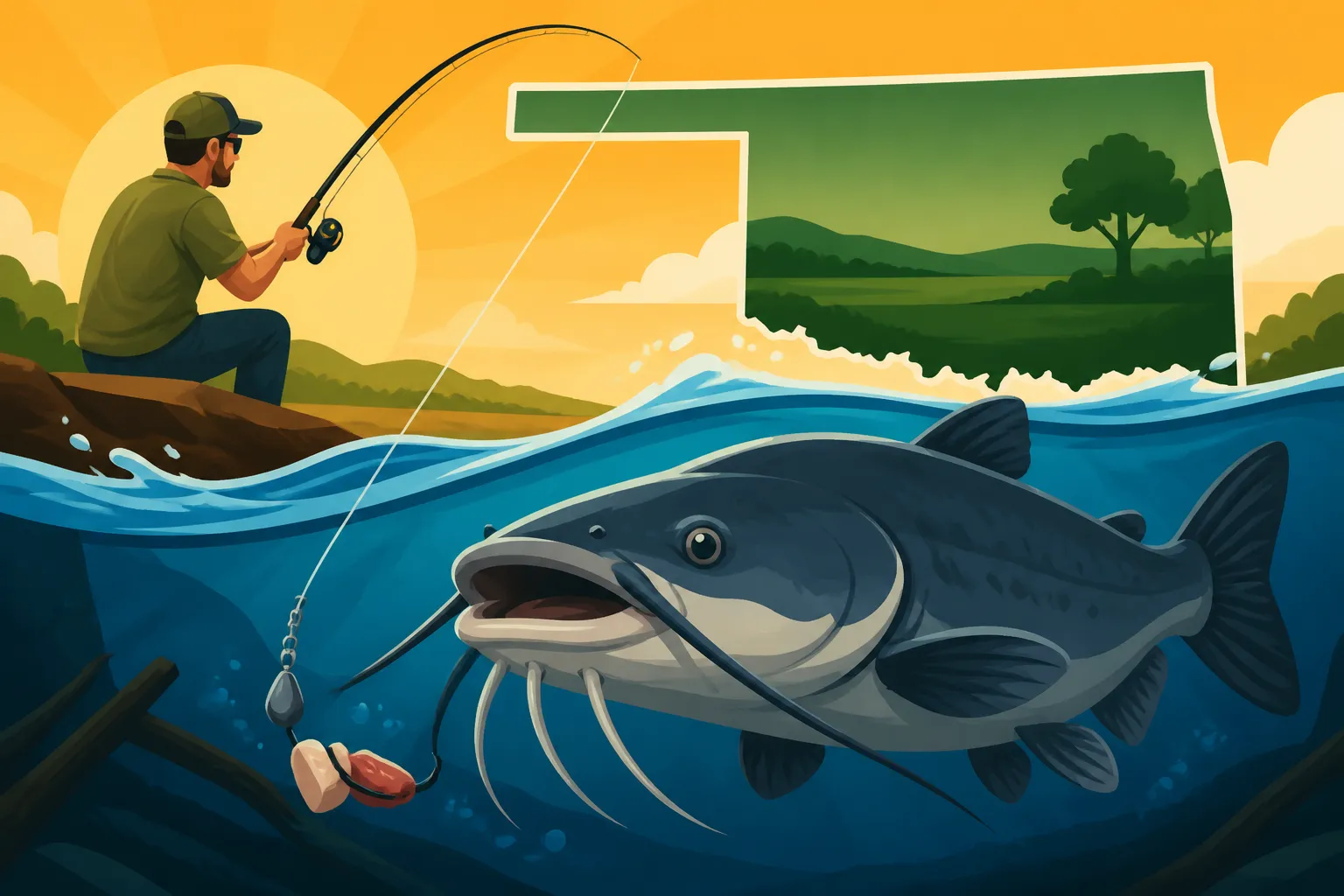
Before you can even think about what bait to use or where to cast, you've got to understand your target. Oklahoma waters are home to three primary species of catfish: the ubiquitous Channel Catfish, the powerful Blue Catfish, and the elusive Flathead Catfish. Each has its own preferences, habits, and fighting style, and knowing these distinctions is crucial for tailoring your approach. Trying to catch a Flathead with typical Channel Catfish bait, for example, is often an exercise in futility.
Channel Catfish Characteristics and Habitats
Channel catfish are, without a doubt, the most widespread and commonly caught catfish in Oklahoma. They're the ones you'll find in almost every lake, pond, river, and stream across the state. They have that classic catfish look: sleek, olive-brown to silvery-gray bodies, a deeply forked tail, and scattered dark spots on their sides (though these spots can fade in older, larger fish). What makes them so popular with anglers is their willingness to bite a wide variety of baits and their impressive fight on lighter tackle.
When it comes to habitat, channel cats are incredibly adaptable. In lakes, they'll cruise deeper channels, humps, and points, but they're just as likely to be found nosing around shallow coves, especially in the spring and early summer when they're looking to spawn. In rivers, they'll congregate in slower eddies, behind log jams, and in deeper holes where the current isn't too strong. They're opportunistic feeders, meaning they'll eat just about anything, from insects and crustaceans to smaller fish and decaying matter. This broad diet makes them a fantastic target for a variety of baits, from prepared stink baits to live worms. If you're looking for consistent action, especially with kids, targeting channel cats is often your best bet.
Blue Catfish Characteristics and Habitats
Now, if you're chasing bigger fish and a serious fight, the blue catfish is your quarry. These are the giants of Oklahoma's catfish world, capable of reaching truly immense sizes. Just look up the state record – it's often a blue cat! You can generally identify them by their bluish-gray bodies, a distinct humped back (especially in larger specimens), and a deeply forked tail, much like the channel cat, but without the spots. They also have a more pronounced head and a noticeably larger mouth, which gives you a hint about their preferred diet.
Blue cats are primarily found in Oklahoma's larger rivers and reservoirs, particularly in the Arkansas, Red, and Grand River systems, and big lakes like Lake Texoma, Lake Eufaula, and Grand Lake O' the Cherokees. They are truly open-water fish, preferring deep, main lake channels, humps, and river bends with strong current. They are primarily piscivorous, meaning they eat other fish. This is a critical distinction from channel cats. While a channel cat might nibble on a worm, a trophy blue cat is much more interested in a big chunk of fresh shad or a live perch. Understanding this difference is fundamental to targeting them effectively. They often congregate in large schools, particularly during colder months, making them a fantastic target for anglers who can find those schools using sonar. You can learn more about these powerful fish by checking out our guide on Channel Catfish vs Blue Catfish vs Flathead Catfish in Oklahoma.
Flathead Catfish Characteristics and Habitats
The flathead catfish is the enigma of the Oklahoma catfish scene. They're often described as the "loner" catfish, preferring solitary lives and ambushing their prey. They're also incredibly distinctive in appearance: a flattened head (hence the name!), a mottled brown and yellow-green body, and a rounded, rather than forked, tail. Their lower jaw protrudes past the upper, giving them a rather grumpy, determined look. Unlike channel and blue cats, their diet is almost exclusively live fish, which makes them a more challenging but incredibly rewarding catch.
Flatheads thrive in large rivers and reservoirs with abundant structure, such as submerged timber, rock piles, and undercut banks. They'll often seek out deep holes with slow current, positioning themselves near cover where they can ambush unsuspecting baitfish. You'll find them in places like the Arkansas River, the Red River, and larger impoundments like Lake Keystone. They are not interested in stink baits or prepared dough balls; they want a lively bluegill, sunfish, or shad wriggling right in front of them. This preference dictates a completely different fishing strategy, often involving heavy tackle and meticulous bait presentation. Catching a flathead is truly a testament to an angler's skill and patience.
Essential Gear for Oklahoma Catfishing
Trying to catch a trophy catfish with flimsy panfish gear is a recipe for disaster and likely heartbreak. Catfish, especially the bigger blues and flatheads, are powerful fighters that can spool you in seconds or break your line against submerged structure. Having the right rods, reels, line, and terminal tackle is paramount to success. It's not about being overkill, but about being appropriately prepared for the fish you're targeting.
Rods, Reels, and Line for Different Catfish
Choosing your rod and reel setup really depends on the size of the catfish you're after. For your average 1-5 pound channel cat, a medium-heavy spinning or baitcasting rod, about 6.5 to 7.5 feet long, paired with a reel spooled with 10-20 pound monofilament or braided line, is usually sufficient. This setup offers enough backbone to handle a feisty channel cat but is still sensitive enough to feel subtle bites. Brands like Ugly Stik offer durable, affordable options that are perfect for this kind of fishing.
When you start chasing larger blue cats or flatheads, particularly those in the 20-plus pound range, you need to step up your game significantly. You'll want a heavy-action baitcasting rod, typically 7 to 9 feet long, with a strong backbone and a sensitive tip. Look for rods rated for 30-80 pound line. Pairing this with a robust, high-capacity baitcasting reel, often referred to as a "catfish special" reel, is crucial. Brands like Abu Garcia and Penn make excellent reels for this purpose. Spool these reels with 30-80 pound braided line, which offers incredible strength and sensitivity, or a heavy monofilament line. The stretch of monofilament can sometimes be an advantage, absorbing powerful runs. Many anglers even employ stout offshore trolling gear if they're specifically targeting monster blues on huge bodies of water like Lake Texoma. This type of gear can often be found on platforms like Amazon, offering a wide selection to compare.
Terminal Tackle: Hooks, Sinkers, and Floats
Terminal tackle is where the business happens, and it needs to be up to the task. For channel cats, a sharp circle hook or J-hook in sizes 1/0 to 5/0 is common. Circle hooks are fantastic because they typically hook the fish in the corner of the mouth, making for easier release and reducing gut-hooking. For blue cats and flatheads, you'll need much larger, heavier gauge hooks, often 6/0 to 10/0 circle hooks. These larger hooks are designed to hold big bait and stand up to the immense power of a large catfish. Brands like Gamakatsu and Eagle Claw are popular choices.
Sinkers are equally important for getting your bait where it needs to be. For bottom fishing in calmer waters, a simple egg sinker or a bell sinker will do the trick. However, in strong currents, you'll need heavier flat-sided or pyramid sinkers that can dig into the bottom and prevent your bait from drifting too far. For drifting techniques, a slinky weight or a flat-disc sinker might be preferred. A general rule of thumb: use just enough weight to hold your bait in place or control its drift. As for floats, while not always used in catfishing, a bobber can be effective for suspending bait off the bottom in shallower areas or for detecting subtle bites when fish are less aggressive. Remember, the goal is to present your bait naturally.
Must-Have Accessories for Catfish Anglers
Beyond the basic rod, reel, and terminal tackle, a few accessories can significantly improve your catfishing experience.
First, a sturdy rod holder is non-negotiable, especially for bottom fishing. Whether you're fishing from the bank or a boat, a good rod holder will keep your rod secure and positioned correctly for quick strike detection. Anglers often carry multiple rods, each rigged with a different bait or for a different depth, and rod holders are essential for managing them all.
Next, a reliable fish gripper or a pair of heavy-duty gloves is vital. Catfish have sharp pectoral and dorsal fins that can inflict painful wounds, and large flatheads have powerful jaws. Grippers like the BogaGrip or sturdy leather gloves protect your hands while handling your catch.
A large, knotless landing net is also a wise investment. Trying to horse a 20-pound blue cat into a boat or onto the bank without a net is asking for trouble – for you, the fish, and your tackle. Ensure the net is large enough to handle the size of fish you're targeting.
Finally, a cooler filled with ice is not just for your beverages. If you plan to keep any catfish for dinner, getting them on ice quickly preserves their quality. Also, for those days when you're using cut bait, a separate, smaller cooler can keep your bait fresh and potent throughout your trip. Many of these essential accessories, from quality hooks to reliable fish grippers, are readily available on Amazon, making it easy to stock up before your next outing. You can find excellent gear options specifically designed for Oklahoma catfishing by reading our guide on Best Gear for Catfish Fishing in Oklahoma.
Top Baits and Scents for Oklahoma Catfish
The age-old question: "What bait should I use?" For catfish, the answer is delightfully diverse, yet also critically specific depending on the species. What draws in a channel cat might be completely ignored by a flathead, and vice versa. Understanding the dietary preferences of each species is the key to unlocking consistent bites.
Natural Baits: Live, Cut, and Prepared
Natural baits are often the most effective for catfish. For channel cats, the list is extensive. They love anything smelly and organic. Classic options include nightcrawlers and earthworms, chicken livers (which are incredibly messy but highly effective), hot dogs, shrimp, and even chunks of soap. Many anglers swear by dough balls made from various recipes, often incorporating cheese or garlic. These can be particularly good in ponds and smaller lakes.
For blue catfish, fresh cut bait is king. Blues are predators, and they prefer a fresh meal. Shad (gizzard or threadfin) is arguably the best bait for blue cats in Oklahoma. You can catch shad yourself with a cast net or purchase them from bait shops. Cut the shad into chunks, making sure to include some entrails, as the scent trail is crucial. Other effective cut baits include carp, drum, and even parts of smaller game fish (if legal in your area, always check regulations!). The fresher the cut bait, the better. Frozen bait can work, but fresh will almost always outperform it.
Flathead catfish are the pickiest of the bunch, almost exclusively preferring live bait. Their predatory nature means they want to ambush something alive and struggling. Live bluegill, sunfish, perch, or small carp, typically 4-8 inches long, are prime flathead baits. Presenting these live baits near structure, where flatheads lie in wait, is the most effective method. Rig them with a large circle hook through the back or lips, allowing them to swim naturally. It's a different game entirely, requiring patience and a willingness to catch your bait before you even start catfishing.
Stink Baits and Punch Baits: When and Where
Stink baits and punch baits are highly specialized, designed primarily for channel catfish due to their keen sense of smell and preference for decaying organic matter. These baits are formulated to create a potent scent trail in the water, attracting channel cats from a distance.
Stink baits come in various forms, from blood-based concoctions to cheese-flavored pastes. They are notorious for being messy, often requiring specialized bait holders or sponges to keep them on the hook. Brands like Berkley PowerBait and Catfish Charlie offer popular pre-made stink baits that can be very effective, especially in warmer water when catfish are actively feeding by scent. The key is to find a scent profile that the local fish respond to. Sometimes, a highly pungent bait works wonders; other times, a more subtle, natural smell is better.
Punch baits are a specific type of stink bait, characterized by their sticky, fibrous consistency. They're called "punch baits" because you typically use a small stick or tool to "punch" a treble hook into the bait, pulling out a perfectly molded blob that adheres well to the hook. Sonny's Super Sticky and Sure Shot are well-known punch bait brands in Oklahoma. These baits are fantastic for channel cats, staying on the hook better than many traditional stink baits, allowing for longer soak times and fewer re-baits. They're especially popular for bank anglers who want to cast out and let their bait sit. Both stink and punch baits create a strong scent plume in the water, a beacon for hungry channel cats.
The Art of Bait Presentation and Scent Enhancement
Beyond just picking the right bait, how you present it can make all the difference. For bottom fishing, a standard Carolina Rig is incredibly popular and effective. It involves a sliding sinker above a swivel, with a leader (typically 12-24 inches) connected to your hook. This setup allows the fish to pick up the bait and run without feeling the weight of the sinker, leading to more confident bites.
For flatheads and larger blue cats with live or large cut bait, using a slip-float rig can suspend your bait at a specific depth, keeping it off the bottom where it might get snagged, or presenting it higher in the water column if fish are suspended. This is particularly useful when fishing over submerged brush piles or rocky bottoms.
Many anglers also use scent enhancers in conjunction with their baits. These come in sprays, gels, or dips and can add an extra layer of attraction. For example, dousing a piece of cut bait or a worm with a fish-attractant spray (often garlic or an aniseseed scent) can increase its appeal, especially in stained or muddy water where visibility is low. Sometimes, just having a strong, natural fish oil scent can make all the difference, drawing curious catfish closer to investigate. The goal with any presentation or enhancement is to make your bait irresistible and easily detectable to the catfish. Our guide on Best Bait for Catfish in Oklahoma Lakes and Rivers delves deeper into specific bait choices.
Popular Catfishing Techniques Explained
Once you have your gear and bait sorted, it's time to talk tactics. Catfishing isn't just one thing; it's a collection of techniques, each suited to different conditions, locations, and species. Mastering these approaches will significantly increase your success rate.
Bottom Fishing and Stationary Setups
Bottom fishing is perhaps the most common and accessible method for catching catfish, particularly for channel cats and smaller blue cats. It's exactly what it sounds like: presenting your bait directly on the bottom, where catfish frequently feed. The most popular rig for this is the Carolina Rig, as mentioned earlier. The sliding sinker allows the fish to take the bait without immediate resistance, often resulting in a more solid hookset.
To execute this technique, you cast your baited rig out to a promising spot – perhaps a drop-off, a submerged channel edge, or near some cover – and then let the sinker settle. Once the line goes slack, you take up any excess, creating a slight bend in your rod tip. Then, it's a waiting game. Many anglers use multiple rods, spread out to cover different areas or depths. Rod holders are essential here, as you'll often be waiting patiently for a bite. When a catfish strikes, the rod tip will typically bend sharply, or you'll see your line start to peel off the reel. It’s a classic, relaxing way to fish, perfect for a long afternoon by the lake or river.
Drifting and Trolling for Active Catfish
While stationary fishing is effective, sometimes catfish, especially larger blue cats in expansive reservoirs, are on the move, actively hunting baitfish. In these scenarios, drifting or trolling can be incredibly productive, allowing you to cover more water and intercept active fish.
Drifting involves letting your boat (and your baited lines) be pushed across the water by wind or current. This is particularly effective on large lakes like Lake Texoma or Lake Eufaula, where blue catfish often cruise open water. You'll typically use a three-way swivel rig or a Santee Cooper rig. The Santee Cooper rig involves a float (often a small foam float) positioned a few inches above the hook on your leader. This float lifts your bait slightly off the bottom, preventing snags and making it more visible to cruising catfish. Using a drift sock or sea anchor can help slow your boat's drift and maintain a more consistent speed, allowing your baits to stay in the strike zone longer. This technique often requires a good fish finder to locate schools of baitfish or catfish before you start your drift.
Trolling is a more controlled method, where you use your boat's motor (often an electric trolling motor) to pull your baits through the water at a slow, steady speed. This is also excellent for covering large areas, especially when fish are scattered. Deep-diving crankbaits can work for smaller channel cats, but for blue cats, anglers typically troll large chunks of cut bait or live baits on heavy rigs, often using planer boards or downriggers to spread out lines and get baits to specific depths. The constant movement of the bait often triggers reaction strikes from predatory catfish. Both drifting and trolling require patience and a good understanding of underwater contours and fish movements.
Juglining and Trotlining: Old School Methods
For those looking for a truly "old school" approach to catfishing, or simply wanting to maximize their chances, juglining and trotlining are traditional methods, though they often come with specific regulations in Oklahoma that you must adhere to. Always check current rules before deploying these.
Juglining involves attaching baited lines to individual floats (often repurposed plastic jugs or foam noodles) and setting them adrift. Each jug acts as an independent fishing line. When a fish bites, the jug will start to move erratically, signaling a catch. This method is particularly effective for covering large areas and can be incredibly exciting when multiple jugs start dancing across the water. Each jug typically has one or two hooks, and the depth can be adjusted by the length of the line connecting to the weight and hook. The freedom of the jug to drift allows the bait to cover ground that a stationary angler might miss. Our guide on Jug Fishing for Catfish offers more insights into this method.
Trotlining is a more stationary, long-line method. It involves a main line, often hundreds of feet long, stretched across a body of water or along a river bank, anchored at both ends. Numerous shorter "stagings" or drop lines, each with a baited hook, are attached at regular intervals along the main line. Trotlines can be incredibly effective for catching multiple catfish overnight or over an extended period. They require careful setup to ensure they are properly anchored and don't become a hazard to other boaters. Once set, you periodically check the line, remove any fish, and re-bait hooks. Both juglining and trotlining are high-yield methods but demand more effort in setup and management. For detailed regulations and how-to, check out Trotline Fishing for Catfish.
Seasonal Catfishing Strategies in Oklahoma
Catfish, like all fish, are creatures of habit, and their behavior shifts dramatically with the changing seasons and water temperatures. What works in the scorching Oklahoma summer won't necessarily yield results in the dead of winter. Tailoring your techniques to the time of year is crucial for consistent success.
Spring Catfishing: The Pre-Spawn and Spawn
Spring in Oklahoma is a prime time for catfishing, especially as the water starts to warm up from its winter chill. This period can be divided into two main phases: pre-spawn and spawn.
During the pre-spawn, as water temperatures climb into the 50s and low 60s Fahrenheit, catfish become incredibly active, feeding aggressively to build up energy for the upcoming spawning season. This is when you can find them moving from deeper wintering holes into shallower areas, often near creek channels, submerged humps, and points, searching for food. For channel cats, this means they'll be feasting on a variety of natural baits, and even stink baits can be highly effective. Blue cats will be following schools of baitfish into shallower waters, so drifting cut bait along these migratory routes can be deadly. Flatheads will also start to move and feed more actively, making them a good target with live bait near their preferred structure.
The spawn typically occurs when water temperatures reach the upper 60s to mid-70s, usually from late spring into early summer. Catfish will seek out secluded, protected areas like hollow logs, undercut banks, rock crevices, or even old tires and culverts to lay their eggs. During this time, male catfish guard the nests and can be extremely territorial and aggressive. Fishing near these spawning areas can be productive, but it's important to respect the fish and their reproductive cycle. Bites might be more defensive than feeding-driven. After the spawn, catfish can be a bit sluggish for a short period before resuming their aggressive feeding.
Summer Catfishing: Day, Night, and Deep Water
Oklahoma summers are notoriously hot, and this heat significantly impacts catfishing strategies. During the day, as surface temperatures soar, catfish, particularly larger blues and flatheads, will often retreat to deeper, cooler waters. Look for them in main lake channels, near thermoclines (where water temperature changes sharply), or in the deepest holes of rivers. This is when a good fish finder becomes invaluable for locating these deeper schools of fish. Drifting cut bait in these deep channels or anchoring on deep humps can be very effective.
However, summer also brings phenomenal night fishing opportunities. As the sun sets and temperatures drop, catfish move into shallower waters to feed under the cover of darkness. This is when bank anglers can have incredible success. Channel cats will patrol shallow flats, humps, and coves, readily taking stink baits, chicken livers, or worms. Blue cats will also move shallower, often chasing baitfish into lighted areas around marinas or docks. Using powerful lights to attract baitfish (which in turn attract catfish) is a popular and effective night fishing technique. For those looking to target them after dark, our guide on Summer Night Fishing Techniques in Oklahoma has you covered. Flatheads also feed heavily at night, ambushing live baits near submerged timber in shallower river stretches. The calm, cooler nights make for a truly enjoyable fishing experience.
Fall and Winter Catfishing: Adjusting to Colder Waters
As fall approaches and water temperatures begin to drop, catfish activity shifts once again. During early fall, catfish engage in a furious feeding binge, trying to pack on weight before winter. This can be one of the best times of the year to catch large numbers of active catfish. They will often be found in transitional areas, moving between shallow feeding grounds and deeper wintering holes. Again, cut bait for blues and flatheads, and a variety of natural baits for channels, will be very effective.
Winter catfishing is often overlooked, but it can be incredibly productive for trophy blue cats, especially on Oklahoma's larger reservoirs. As water temperatures fall into the 40s and below, blue catfish will stack up in massive schools in the deepest parts of the lake, often in the main river channels or deep holes. They become less active but will still feed. The key is to find these deep schools using your electronics and then present fresh cut bait directly to them. This often involves anchoring directly over the school and vertically jigging or soaking baits. The bites can be subtle, so sensitive rod tips are a must. While the weather might be colder, the reward of a huge winter blue cat is well worth the effort. For more in-depth strategies during the colder months, read our comprehensive article on Winter Catfishing Techniques in Oklahoma.
Locating Catfish Hotspots Across Oklahoma
Oklahoma is blessed with an abundance of diverse fishing waters, from sprawling reservoirs to winding rivers and countless farm ponds. Each type of water body presents unique challenges and opportunities for catfishing. Knowing where to focus your efforts is just as important as knowing how to fish.
River and Stream Catfishing: Current and Structure
Rivers and streams are classic catfish territory, offering dynamic environments where catfish thrive. The key to success here lies in understanding current and structure. Catfish, especially blue and channel cats, use current to their advantage, positioning themselves where food drifts to them with minimal effort.
Look for areas where the current slows down, such as eddies behind sandbars, rocks, or log jams. These calmer pockets provide a resting place and a feeding zone. Deeper holes and bends in the river are also prime locations, as current often scours out these areas, concentrating both fish and bait. Undercut banks and submerged timber provide excellent cover, offering shade in summer and ambush points for flatheads. When fishing rivers, consider setting up a Carolina rig with cut bait or worms in these slower, deeper spots. For flatheads, a live bluegill presented near a log jam or undercut bank can be irresistible. Fishing below dams can also be incredibly productive, as the turbulent water churns up food and concentrates fish. Just be sure to observe all safety precautions and regulations around dam structures.
Lake and Reservoir Catfishing: Channels and Humps
Oklahoma's large lakes and reservoirs are home to some truly massive catfish, particularly blue cats. These expansive waters can be intimidating, but understanding key topographical features will help you pinpoint hotspots.
The most critical features in reservoirs are old river channels and creek channels that existed before the lake was flooded. These deeper channels serve as catfish highways, especially for blue cats, which will often follow them throughout the year. Use a good fish finder to locate these channels and look for adjacent humps or ledges that rise up from the channel floor. Catfish will often position themselves along these edges, waiting to ambush baitfish. Fishing these areas with drifting cut bait or by anchoring over a deep school of fish can be highly effective.
Other productive lake features include main lake points, especially those with a steep drop-off, and submerged islands. In warmer months, look for areas with good cover, such as standing timber, brush piles, or rock piles, where catfish can hide and ambush prey. Shoreline areas with access to deeper water, like those found at Lake Eufaula or Grand Lake O' the Cherokees, can be excellent for bank anglers, particularly at night. Specific hotspots exist in nearly every major reservoir; for example, you can find great spots by researching Best Catfish Holes on Lake Eufaula.
Pond and Farm Pond Catfishing: Simpler Approaches
While not typically home to the trophy blue cats of the big reservoirs, Oklahoma's countless private ponds and farm ponds are fantastic places to catch abundant channel catfish and often some respectable flatheads. These smaller, more manageable bodies of water are perfect for family outings or a quick fishing trip.
In ponds, catfish are generally less pressured and often easier to locate. Look for deeper areas, especially near any structure like old trees that have fallen in, brush piles, or even artificial habitat placed by the pond owner. The deepest part of the pond, often near the dam, is usually a good starting point. Channels cats in ponds are less picky, readily taking worms, chicken livers, hot dogs, and various prepared baits. A simple bobber rig or a light Carolina rig is usually all you need.
For flatheads in ponds, focus your efforts around any significant cover, especially large stumps or brush piles, and be sure to use live bait. These fish might not reach the same sizes as their river counterparts, but they can still provide an exciting fight. The simplicity and accessibility of pond fishing make it a wonderful entry point for new anglers and a reliable spot for a relaxing day of catfishing.
Table: Oklahoma Catfish Species at a Glance
To help you quickly differentiate and target Oklahoma's main catfish species, here's a handy table summarizing their key characteristics, preferred baits, and typical habitats.
| Species | Typical Size (OK) | Max Size (OK Record) | Tail Shape | Preferred Diet/Bait | Preferred Habitat | Distinctive Features |
|---|---|---|---|---|---|---|
| Channel Catfish | 1-10 lbs (common) | ~47 lbs | Deeply Forked | Omnivorous (worms, liver, stink bait, hot dogs) | Lakes, rivers, ponds; adaptable to diverse areas | Scattered dark spots (may fade), sleek body |
| Blue Catfish | 10-50 lbs (common in big lakes) | ~118 lbs | Deeply Forked | Piscivorous (fresh cut bait – shad, carp) | Large rivers & reservoirs, deep channels, humps | Bluish-gray, humped back, no spots, large mouth |
| Flathead Catfish | 5-30 lbs (common) | ~85 lbs | Rounded | Carnivorous (live bait – bluegill, perch) | Rivers & reservoirs with abundant timber & structure | Flat head, protruding lower jaw, mottled brown/yellow |
Note: Oklahoma state records are subject to change. Always verify current records with the Oklahoma Department of Wildlife Conservation.
Safety and Regulations for Oklahoma Catfishing
Responsible angling means more than just catching fish; it means understanding and adhering to local regulations and prioritizing safety on the water. Fishing without a license or disregarding bag limits can lead to hefty fines and can negatively impact the future of Oklahoma's fisheries.
Understanding Bag and Size Limits
Oklahoma has specific regulations designed to protect its fish populations and ensure sustainable fishing for everyone. This includes bag limits (the maximum number of fish of a particular species you can keep in a single day) and size limits (minimum or maximum lengths for fish you intend to keep). These limits can vary by species and even by specific body of water.
For forked-tail catfish (Channel and Blue Catfish), the statewide daily bag limit is generally 15 fish in aggregate. However, there's a crucial exception for blue catfish: only one blue catfish over 30 inches in length may be kept per day. This rule is designed to protect larger, older breeding blue cats, which are vital for the health of the population. For flathead catfish, the statewide daily bag limit is typically 5 fish. It’s absolutely critical to be familiar with these rules before you head out. A quick check of the Oklahoma Fishing Guide, available online or at most bait shops, will provide the most up-to-date information. Understanding Oklahoma's Catfish Fishing Rules and Limits is essential for every angler.
Ignorance of the law is not an excuse, and game wardens actively patrol Oklahoma waters. Getting caught with an over-limit of fish or a fish outside the legal slot size can result in significant penalties. So, take the time to learn the rules.
Boating Safety and Bank Fishing Precautions
Whether you're fishing from a boat or the bank, safety should always be your top priority.
For boaters, always wear a life jacket, especially when the boat is moving or if conditions are rough. Ensure you have all required safety equipment on board, including a fire extinguisher, distress signals, and a throwable flotation device. Check weather forecasts before you leave and be prepared for sudden changes. Tell someone your float plan – where you're going and when you expect to return. Be mindful of other boaters, especially in busy areas, and always follow navigation rules. Alcohol and boating don't mix; save the celebrations for after you've safely returned to shore.
Bank fishing might seem less risky, but it has its own set of precautions. Be aware of your surroundings, especially if you're fishing in remote areas. Watch out for uneven terrain, venomous snakes, and unstable banks. If fishing at night, carry a good headlamp or flashlight and let someone know your plans. If you're using heavy tackle for big catfish, always be aware of your backcast to avoid hooking yourself or others. And of course, always be respectful of private property; get permission before accessing private land.
Respecting the Resource and Other Anglers
Beyond rules and safety, good angling etiquette and a respect for the natural environment are paramount.
Practice catch and release for trophy-sized fish, especially large flatheads and blue cats. These older, larger fish are often vital breeders, and releasing them ensures the continuation of strong fish populations. If you plan to release a fish, handle it minimally, get it back in the water quickly, and ensure it swims off strongly.
Always pack out what you pack in. Leave no trace behind. This includes bait containers, fishing line, food wrappers, and anything else you brought with you. Littering not only spoils the natural beauty of Oklahoma's waters but can also be harmful to wildlife.
Finally, be considerate of other anglers. If you see someone fishing, don't crowd their spot. Give them ample space. Keep noise levels down, especially in peaceful areas. Share information if asked, but don't interfere with another's fishing experience. We all share these precious resources, and fostering a community of respectful anglers makes the experience better for everyone.
Disclaimer
Please remember that fishing regulations, bag limits, and licensing requirements can change. Always consult the latest Oklahoma Fishing Guide published by the Oklahoma Department of Wildlife Conservation (ODWC) before you head out on the water. This guide is for informational purposes only and does not supersede official ODWC regulations.