Best Lures for Dusk Fishing
The sun dipping below the horizon after a long day of fishing can feel like a missed opportunity for many anglers. You might be packing up your gear, feeling that slight disappointment, just as the water around you starts to come alive with splashes and ripples you didn't see all day. It's frustrating to think you're leaving just when the fish are getting active! But that's exactly why understanding the best lures for dusk fishing in Oklahoma can completely change your experience, turning those late-day hours into some of your most productive. This guide will walk you through how fish behave as twilight settles and what lures will make them bite.
Understanding Fish Behavior at Dusk in Oklahoma Waters
As the vibrant oranges and purples paint the Oklahoma sky, a subtle yet profound shift happens beneath the surface. Fish, like many creatures, respond to these changes in light, and understanding their twilight habits is the first step to a successful dusk fishing trip. It’s not just about what lure you throw, but when and where you throw it, because fish are literally moving and changing their feeding strategies.
The Twilight Feeding Frenzy
Think about it from a predator's perspective: during the bright midday sun, they're often more exposed to their own predators, or the baitfish they chase are more easily spooked in clear visibility. But as dusk approaches, that visibility lessens, giving the advantage to the hunters. This creates a prime opportunity, often called a "feeding frenzy," where fish that might have been hiding in deeper, shadier spots during the day start to move into more open, shallower water with renewed confidence. They're capitalizing on the low light to ambush prey that might otherwise see them coming.
This heightened activity isn't just for the big bass or striper. Even panfish like crappie and bluegill become bolder, moving out from dense brush piles or docks to chase insects and smaller baitfish closer to the surface. It's a natural window when many species become less wary and more aggressive, making them more susceptible to a well-placed lure. This is why if you've ever found yourself thinking, "Man, I should have stayed longer!" you're probably right. The fish were just getting started.
Migration to Shallows and Structure
During the harsh midday sun, many fish seek refuge from the intense light and often cooler, deeper water. But as twilight softens the sun's glare, the shallower waters and areas around structure become much more inviting. The thermal shock of moving into warm shallows lessens, and the dimmer light offers excellent camouflage. This is when you'll see a distinct migration.
Bass, for instance, might move from deep offshore humps or submerged timber to rocky points, grass lines, or shallow coves. Crappie will often abandon deep brush piles for submerged logs and dock pilings in shallower water, where they can ambush baitfish coming up to feed on plankton. Even larger species like catfish might start cruising flats or channel edges closer to shore. So, instead of casting to those deep spots that produced in the morning, shift your focus to areas with cover, such as fallen trees, weed beds, or boat docks, in shallower depths. These transitional areas, where deep water meets shallow cover, are often honey holes as the light fades. Knowing Best Fishing Spots in Oklahoma can give you a head start on where to look for these twilight hotspots.
Topwater Lures: The Thrill of the Sunset Strike
There's something incredibly exhilarating about a topwater strike, and at dusk, that thrill is amplified. As the light fades and fish lose some of their visual acuity, they rely more on vibration, silhouette, and sound. Topwater lures, designed to mimic struggling baitfish or insects on the surface, hit all these notes perfectly, making them irresistible to hungry predators.
Poppers and Walk-the-Dogs
When the water is calm and the sun is just dipping below the horizon, creating those long, soft shadows, a good popper or walk-the-dog lure can be absolute magic. Poppers, with their cupped faces, create a distinct "bloop" and splash when retrieved with short jerks, mimicking a baitfish struggling or a frog hitting the water. This sound and commotion draw fish in from a distance, and the silhouette against the fading sky is often all they need to commit. Work them slowly, letting them sit for a few seconds between pops, especially near lily pads or submerged timber.
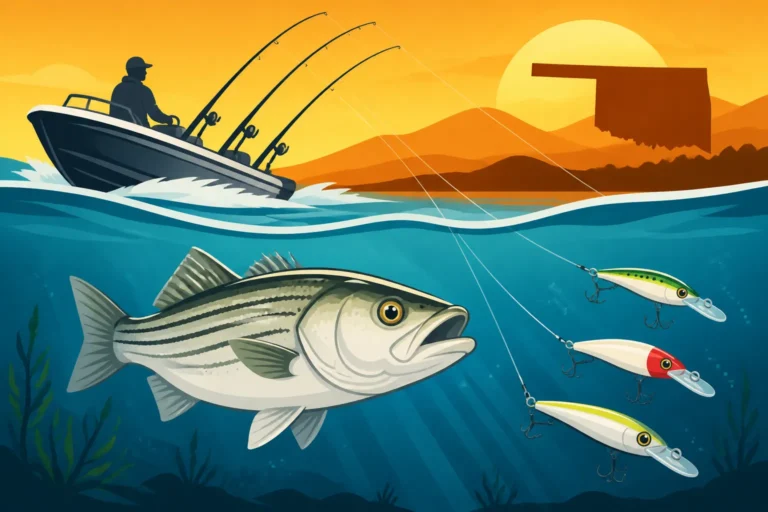
Walk-the-dog lures, like a Heddon Zara Spook or a Strike King Sexy Dawg, glide from side to side across the surface with a rhythmic twitch-twitch-pause retrieve. This zig-zagging action is incredibly lifelike, imitating a distressed baitfish. The key here is rhythm and patience. The subtle splash and continuous movement can be irresistible to larger bass that are cruising the shallows. The distinct profile against the twilight sky, combined with the side-to-side action, often triggers explosive strikes you won't soon forget. These are particularly effective in open water or along sparse cover lines where fish have room to chase. You might be surprised to find that these can also entice aggressive white bass or even bigger crappie in the right conditions.
Buzzbaits and Frogs
For those times when the sun has truly set and the light is minimal, but there's still enough ambient glow to see your lure's disturbance, buzzbaits and soft plastic frogs come into their own. Buzzbaits create a frantic, gurgling commotion on the surface thanks to their propeller blades. This continuous noise and disturbance make them excellent search baits in low light conditions, especially over shallow grass beds or stump fields where fish are feeding aggressively. The key is to keep them moving, creating that consistent, enticing sound. The best ones will make a squeaky sound, indicating they are "tuned up" and ready to call in a fish.
Soft plastic frogs, on the other hand, are the ultimate weapon for heavy cover. Think dense lily pad fields, matted grass, or thick submerged weeds. When retrieved with a walk-the-dog or stop-and-go action, they mimic a frog making its way across the surface. Because they're weedless, you can cast them directly into places other lures would snag, allowing you to target bass hiding deep within the cover, waiting to ambush anything that moves. The silhouette of a frog against the dark water is a natural meal for many predatory fish at dusk, and the explosion of a bass blowing up on a frog in thick cover is about as exciting as it gets in fishing. For more bass tactics, check out Bass Fishing Techniques by Season.
Subsurface Lures: Capitalizing on Low Light Visibility
While topwater action is incredible, sometimes fish are holding just below the surface, or the conditions aren't quite right for a surface commotion. This is where subsurface lures shine during dusk, leveraging vibration, flash, and strong silhouettes to trigger strikes in dim light.
Spinnerbaits and Chatterbaits
These lures are fantastic choices for dusk because they combine several fish-attracting elements that work well when visibility is low. Spinnerbaits, with their flashing blades and vibrating skirts, create both visual appeal and strong hydro-acoustic vibrations that fish can detect from a distance. The flash mimics fleeing baitfish, and the thumping vibration tells predators something is moving nearby. Darker blade colors like black or dark nickel can create a strong silhouette against the fading sky or even reflect the last vestiges of light effectively. Experiment with tandem blades for more flash or single oversized blades for more thumping vibration.
Chatterbaits, also known as bladed jigs, take the vibration concept to another level with a unique hexagonal blade that causes the entire lure to shimmy and shake aggressively. This creates an intense, erratic action and vibration that fish simply can't ignore in low light. They are often incredibly effective for bass that are cruising the edges of cover or feeding on flats. Both spinnerbaits and chatterbaits can be retrieved at various speeds, making them versatile for covering different water depths and gauging fish activity levels. For best results, run them just deep enough to tick the tops of submerged cover.
Shallow-Running Crankbaits
Crankbaits are fantastic for mimicking baitfish, and shallow-running versions are perfect for the dusk period when fish are pushing into shallower water. As the light dims, consider crankbaits in darker colors like black and blue, or those with sharp, contrasting patterns. These colors create a more pronounced silhouette against the low light, making it easier for fish to track and strike. The erratic wiggle and dive of a crankbait mimic a baitfish trying to escape, triggering a predatory response.
Look for models that dive to depths of 2-6 feet, ideal for covering shallow points, submerged humps, and the edges of weed lines where bass and even larger crappie might be feeding. The key is to make contact with any structure you can, like stumps, rocks, or even the bottom, as deflecting off these objects often triggers a reaction strike. A good crankbait can quickly cover water, allowing you to locate active fish as they move into their evening feeding grounds.
Soft Plastics and Jigs
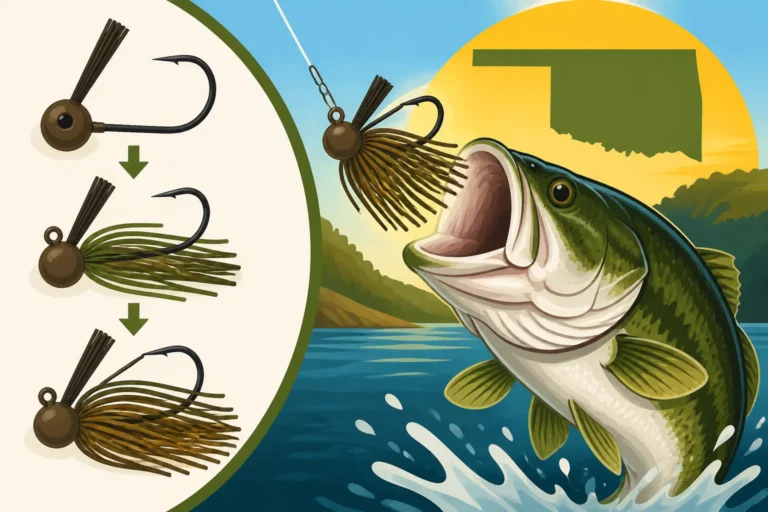
When the light has faded to near darkness, or if fish are being a bit more finicky, slowing down your presentation with soft plastics and jigs can be incredibly effective. These lures offer a more subtle approach but still provide movement, profile, and often scent that can entice strikes from wary fish. For bass, dark-colored soft plastics like black, blue, or junebug in creature baits, worms, or even senkos, can be deadly. Fish them slowly around submerged brush, docks, or rock piles. The soft landing and subtle action of these baits can often draw bites when flashier lures might spook hesitant fish. Adding a little scent to your soft plastics can also give them an edge, especially as visibility drops even further.
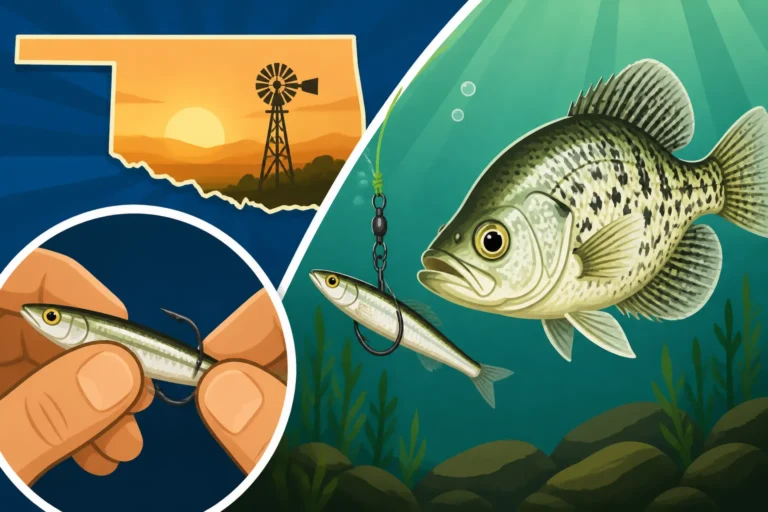
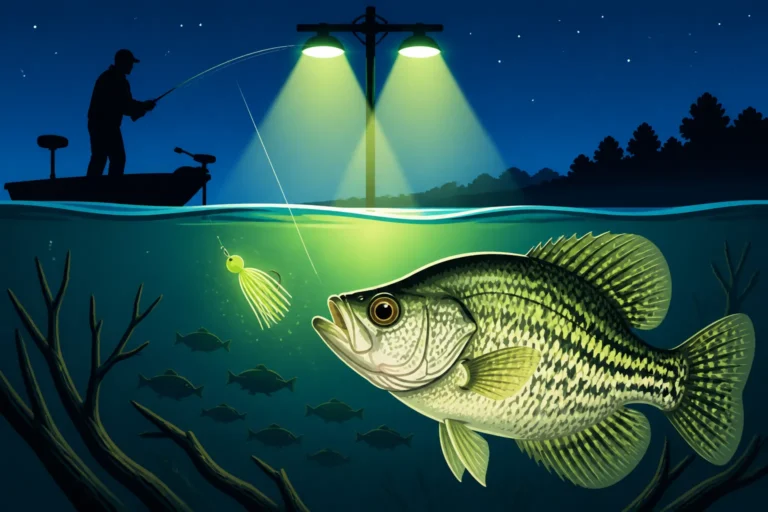
For crappie, small jigs with soft plastic bodies are perennial favorites. As dusk progresses, fish often move shallower, but they might still be holding tight to cover. Tipping a small jig with a minnow or using a scented soft plastic body can make a huge difference. Focus on vertical presentations around dock lights, bridge pilings, or brush piles. Darker jig bodies like black, dark blue, or purple, especially those with some glitter, can provide just enough silhouette and flash to draw a strike. Small swimbaits on a jig head can also imitate baitfish effectively, particularly in areas with a good population of shad. For crappie specific patterns, take a look at Crappie Fishing Techniques and Seasonal Patterns in Oklahoma.
Bait Selection by Target Species and Water Conditions
Choosing the right lure isn't just about the time of day; it's also about what you're trying to catch and the specific conditions of the water you're fishing. Oklahoma's diverse waters, from the clear depths of Broken Bow to the vast expanses of Lake Eufaula, present different scenarios that call for thoughtful lure selection.
Bass Tactics for the Twilight Hour
When targeting bass as twilight descends, you want to be ready to exploit their increased aggressiveness. Start with those thrilling topwater lures, especially if the water is relatively calm. Poppers or walk-the-dog baits are excellent choices for initial casts around visible cover like standing timber, laydowns, or rocky points. If you're not getting strikes on top, don't give up on the shallows! Switch to a buzzbait or a weedless frog if you're fishing heavy cover. These lures create a lot of commotion and can draw bass from underneath dense vegetation.
If the topwater bite isn't happening, or if the light has completely faded, move to subsurface options that still offer strong appeal in low light. Spinnerbaits with dark skirts (black and blue are classics for a reason) and a good thump can be retrieved along weed lines or across flats. Shallow-running crankbaits in dark patterns, especially those with a wide wobble, are also excellent for covering water and bumping off structure. Finally, don't underestimate the power of a Texas-rigged worm or creature bait in black or junebug, fished slowly around brush piles or ledges. A slow, methodical retrieve with these can often pick off bigger, more hesitant bass that are still feeding but not actively chasing. Many of these effective baits can be found easily online, for example, on Amazon.
Crappie and Catfish at Dusk
Crappie become incredibly active at dusk, often moving shallower to feed on baitfish. For these speckled beauties, small jigs are often king. Think 1/16 to 1/8 ounce jigs tipped with small plastic bodies or live minnows. Darker colors like black, blue, or purple, sometimes with a little chartreuse, work well. Concentrate your efforts around brush piles, submerged timber, or dock lights that attract baitfish. A slow retrieve or a subtle vertical jigging motion is usually most effective. You can also try small, shallow-running crankbaits that mimic shad if crappie are aggressively chasing bait.
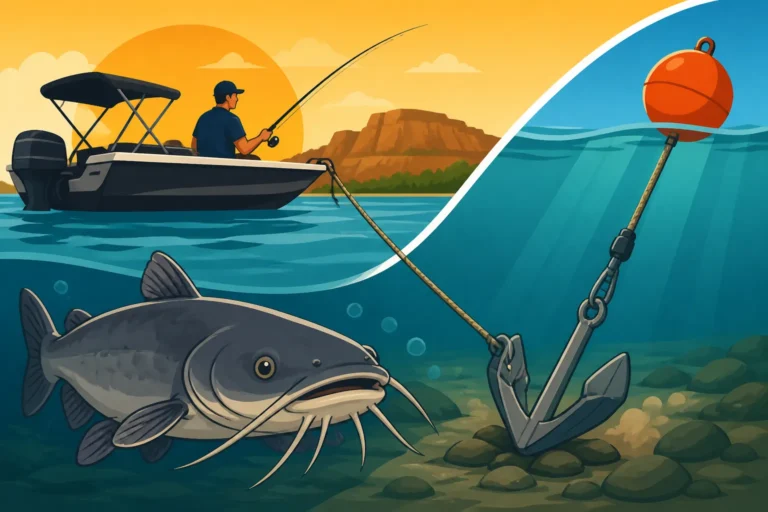
Catfish, especially channel cats, also ramp up their feeding as darkness sets in. While many anglers prefer cut bait, stink bait, or live worms for catfish, certain lures can absolutely catch them, especially the more aggressive ones. Spinnerbaits or chatterbaits that bump along the bottom can sometimes provoke a strike from a cruising channel cat, particularly if they are in a feeding mood near drop-offs or channel edges. However, for sheer numbers, traditional baits are often more reliable. If you're specifically targeting catfish, consider setting a few lines with prepared baits while you're casting lures for other species. For more on how to approach these fish, check out Catfish Fishing Techniques for Oklahoma Anglers.
Adjusting for Water Clarity and Weather
Water clarity plays a huge role in lure selection, especially at dusk. In clear water, fish might still be somewhat wary, even in low light. Here, more natural or subtle colors can still work, but you'll want lures that create a good silhouette (like black or dark blue topwaters) or offer strong vibration without being too flashy. In stained or muddy water, visibility is already low, so fish rely even more heavily on vibration and strong silhouettes. This is where loud buzzbaits, thumping chatterbaits, and crankbaits with aggressive wobbles truly shine. Dark, contrasting colors are essential here, as lighter colors tend to disappear.
Weather also impacts dusk fishing. A calm, warm evening is ideal for topwater. However, if there's a light chop on the water, that surface disturbance can actually help camouflage your lure, making fish less wary. In windy conditions, consider lures that can be cast effectively and maintain their action, like spinnerbaits or heavier jigs. The moon phase can also subtly influence fish activity, though it's often secondary to light levels and water temperature. Generally, a full moon can extend periods of low-light feeding, making fish active even later into the night. Ultimately, being adaptable and having a range of lures ready will ensure you're prepared for whatever Oklahoma's waters throw your way as the day draws to a close. Check out How Weather Fronts Affect Fishing at Grand Lake, Oklahoma for more on how conditions impact fishing.
Here’s a quick overview of some top lure choices for dusk fishing:
| Lure Type | Target Species | Ideal Conditions | Key Features for Dusk | Where to Buy |
|---|---|---|---|---|
| Poppers | Bass, Large Crappie | Calm water, low wind, near cover | Distinct "bloop," strong silhouette | Local tackle shop, Amazon |
| Walk-the-Dog Lures | Bass, Stripers | Calm to light chop, open water, points | Erratic side-to-side action | Sporting goods store, Online retailers |
| Buzzbaits | Bass, Pickerel | Low light to dark, shallow cover, grass | Continuous surface commotion, squeak | Major outdoor retailers, Amazon |
| Soft Plastic Frogs | Bass | Heavy matted cover, lily pads | Weedless, lifelike profile, subtle | Fishing specialty stores, Amazon |
| Spinnerbaits | Bass, White Bass | Varied cover, stained to clear water | Flash & vibration, dark skirts | Any bait and tackle shop, Amazon |
| Chatterbaits | Bass | Edges of cover, flats, grass beds | Intense vibration, erratic action | Online, or from brands like Z-Man |
| Shallow Crankbaits | Bass, Crappie | Points, humps, weed lines, structure | Erratic wobble, strong silhouette | Your favorite fishing brand’s website, retailers |
| Jigs (Soft Plastic) | Bass, Crappie, Catfish | Around brush, docks, deep structure, slow bite | Subtle action, scent, dark colors | Small local shops, Amazon |
Dusk fishing offers a unique window of opportunity for anglers in Oklahoma. By understanding how fish respond to fading light and adapting your lure selection accordingly, you can turn those final moments on the water into some of your most memorable and productive. Don't pack up your gear too early next time; the best fishing might be just beginning! You can often find a wide variety of these lures at your local sporting goods store or easily browse options on sites like Amazon. Learning How to Fish at Night Safely will also ensure you get the most out of these twilight hours. For more tips on timing your trips, read about the Best Time of Day to Fish Oklahoma Lakes in Summer. Also, understanding How Water Temperature Affects Fish Feeding Habits can give you an edge, even as the day cools. And if you're ever in doubt about what's biting, check out Best Bait for Largemouth Bass in Oklahoma Farm Ponds.
Disclaimer
This article is for general informational purposes only and does not constitute professional advice. Laws, prices and regulations vary by location and change over time. Consult a qualified professional for guidance on your specific situation.