Best Fishing Techniques for Beginners
It can feel incredibly overwhelming when you're just starting out with fishing. You see all the gear, hear experienced anglers talking about complex techniques, and it's easy to think you need years of experience just to cast a line. But trust me, getting into Oklahoma fishing doesn't have to be intimidating. This guide is all about breaking down the very best, most straightforward techniques to get you catching fish and loving the sport from day one.
Understanding the Basics: What Every New Angler Needs to Know
Before you even think about casting, there are a few fundamental things that will set you up for success and, more importantly, a safe and legal day on the water. Don't worry, these aren't complex; they're just the groundwork.
Essential Gear for Your First Trip
You absolutely don't need to break the bank to start fishing. In fact, keeping it simple is often the best approach for beginners. Your main focus should be on a versatile rod and reel combo that can handle a variety of situations. A medium-light or medium action spinning rod, around 6 to 7 feet long, paired with a matching spinning reel spooled with 6-10 lb monofilament line, is an excellent all-around choice. This setup is forgiving, easy to cast, and capable of catching many common Oklahoma species.
Beyond the rod and reel, a small tackle box stocked with a few key items will go a long way. Think about an assortment of hooks (sizes 6, 4, 2 are good starting points), some sinkers (split shot and egg sinkers), a few bobbers, and a pair of pliers for removing hooks or cutting line. You can find pre-assembled beginner kits on sites like Amazon that offer a great starting point without requiring you to pick every single item yourself. Remember, the goal isn't to have everything, but to have the right few things to get started.
Don't forget the practical necessities either. A small cooler with drinks and snacks, a hat, sunscreen, insect repellent, and comfortable shoes are crucial for an enjoyable day outdoors. A small stringer or a cooler with ice to keep your catch fresh (if you plan on keeping fish) is also a good idea. Having these basics covered means you can focus on the fishing itself, rather than scrambling for comfort or convenience.
Safety First: Staying Safe on Oklahoma Waters
Safety is paramount, whether you're fishing from the bank or a boat. Always let someone know where you're going and when you expect to return, especially if you're exploring new areas. If you're near water, even if you're not on a boat, wearing a life jacket is a smart move, particularly if you're not a strong swimmer or if you're fishing alone. Accidents can happen quickly, and a life jacket provides invaluable peace of mind. For boaters, having a well-stocked Safety Gear Checklist for Oklahoma Boaters is non-negotiable and legally required.
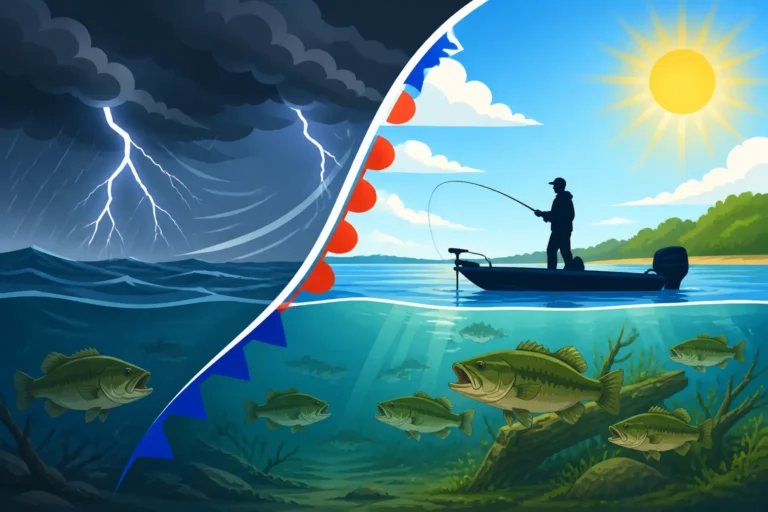
Be mindful of your surroundings. Check weather forecasts before you head out and be prepared for sudden changes. Oklahoma weather can be unpredictable, with storms rolling in quickly, especially during spring and summer. Know how to identify poisonous plants like poison ivy or sumac, and be aware of venomous snakes that might be present near the water's edge. Carrying a basic first-aid kit for minor scrapes or insect bites is always a good idea.
Fishing with others is not only more fun but also adds an extra layer of safety, especially for beginners. An experienced friend or family member can provide guidance, share tips, and help in an emergency. If you're venturing out alone, consider using a fishing app that allows you to share your location with trusted contacts. Common sense and preparation go a long way in ensuring your first fishing experiences are enjoyable and safe.
Getting Your Fishing License: The Legal Must-Have
Before your hook even touches the water, you absolutely need an Oklahoma fishing license. This isn't just a recommendation; it's a legal requirement for most anglers aged 16 and older. Trying to fish without one can lead to fines, which is certainly not how you want to start your fishing journey. The good news is, getting a license is incredibly easy and straightforward.
The Oklahoma Department of Wildlife Conservation (ODWC) issues licenses, and you have several convenient options to purchase one. You can buy it online through their website, which is often the quickest method, or visit an authorized license dealer, such as a local sporting goods store or even some bait shops. Online purchases often allow you to print a temporary license immediately, so you can be out on the water in no time. For details on Oklahoma Fishing License Costs and Types, check out our comprehensive guide.
It’s important to understand the different types of licenses available, whether you need an annual, a multi-year, or perhaps a shorter-term option if you’re just trying it out. If you're wondering Do Kids Need a Fishing License in Oklahoma?, the general rule is no, not until they turn 16. However, it's always a good idea to confirm the current regulations, as they can sometimes change. Making sure you have the correct and current license is the very first step to a worry-free and legal fishing adventure in Oklahoma.
Mastering the Cast: Getting Your Bait Where It Needs to Be
Learning to cast smoothly and accurately is perhaps the most fundamental skill in fishing. It might seem daunting at first, but with a little practice, you'll be hitting your targets like a pro. The goal isn't just to get the bait out there, but to place it where fish are likely to be hiding.
The Overhead Cast: Your Foundational Technique
The overhead cast is the bread and butter of spinning reel fishing and the first technique every beginner should master. It's powerful, accurate, and works well in most open water situations. To start, hold your rod comfortably with your dominant hand, making sure the reel is underneath the rod. Press the line against the rod handle with your index finger, then open the bail of the spinning reel with your other hand. This action frees the line to fly off the spool when you cast.
Next, bring the rod up and slightly behind you, stopping around the 10 o'clock or 11 o'clock position. The rod tip should be pointing upwards, loaded with the weight of your lure or bait. Then, in one fluid motion, bring the rod forward, snapping it towards your target. As the rod comes forward and the lure is about to launch, release your index finger from the line. The timing of this release is crucial: too early, and your bait will go too high; too late, and it will plunk down in front of you. It's all about feel and practice.
Once your lure is in the air, keep an eye on it. Just before it hits the water, gently feather the line with your finger or close the bail. This subtle move helps prevent backlashes (tangled line) and allows your bait to land softly, which is key for not spooking fish. Don't get discouraged if your first few casts are awkward; everyone starts there. Keep practicing in an open area, maybe even your backyard, until the motion feels natural.
The Sidearm Cast: When Space is Tight
While the overhead cast is fantastic, sometimes you're faced with limitations – low-hanging branches, dense brush on the bank, or even just fishing from a crowded spot. This is where the sidearm cast becomes your best friend. It allows you to deliver your bait accurately with a much lower trajectory, keeping your line and lure out of trouble.
To execute a sidearm cast, hold your rod in the same way you would for an overhead cast, with your finger on the line and the bail open. Instead of bringing the rod straight back over your head, you'll swing it to the side, parallel to the ground, stopping it around the 3 o'clock or 4 o'clock position (if casting from your right side). The motion is more of a horizontal sweep rather than an up-and-down arc.
As you sweep the rod forward, towards your target, release your finger from the line at the appropriate moment, just like with the overhead cast. The key here is to keep the cast smooth and controlled, avoiding any jerky movements that could cause your lure to spin wildly. This cast is particularly useful when you're targeting specific pockets under overhanging cover, like docks or fallen trees, which are prime hiding spots for fish in Oklahoma lakes and rivers.
Practicing Your Cast: Consistency is Key
Practice really does make perfect when it comes to casting. The more you cast, the more muscle memory you build, and the more natural the motion will become. You don't even need to be on the water to practice. Grab your rod and reel, tie on a practice plug (a lead-free weight that simulates a lure, often available on Amazon, or even just a small lead-free sinker), and head to an open area like a park or your backyard.
Set up some targets, like an empty bucket, a hula hoop, or even just a specific patch of grass. Start close and gradually increase your distance, focusing on hitting those targets consistently. Pay attention to your timing – when you release the line, how much power you're putting into the cast, and how smoothly the rod bends and recovers. You'll quickly develop a feel for your rod and how it performs.
Another tip for practicing is to use different weights if you plan on trying various lures. A light lure will cast differently than a heavier one. Understanding these nuances will make you a much more versatile angler. Remember, every cast is an opportunity to learn and improve. Don't be afraid to experiment with slight adjustments to your grip, arm motion, and release timing. Before you know it, you'll be confidently putting your bait exactly where you want it.
Simple Rigs and Baits: Your Go-To Setups for Success
For beginners, simplicity is gold. You don't need elaborate rigs with multiple hooks and swivels. Focusing on a couple of basic, highly effective rigs will allow you to quickly get your bait in the water and increase your chances of a bite. These setups are easy to tie and universally effective for a variety of species.
The Bobber Rig: Visualizing the Bite
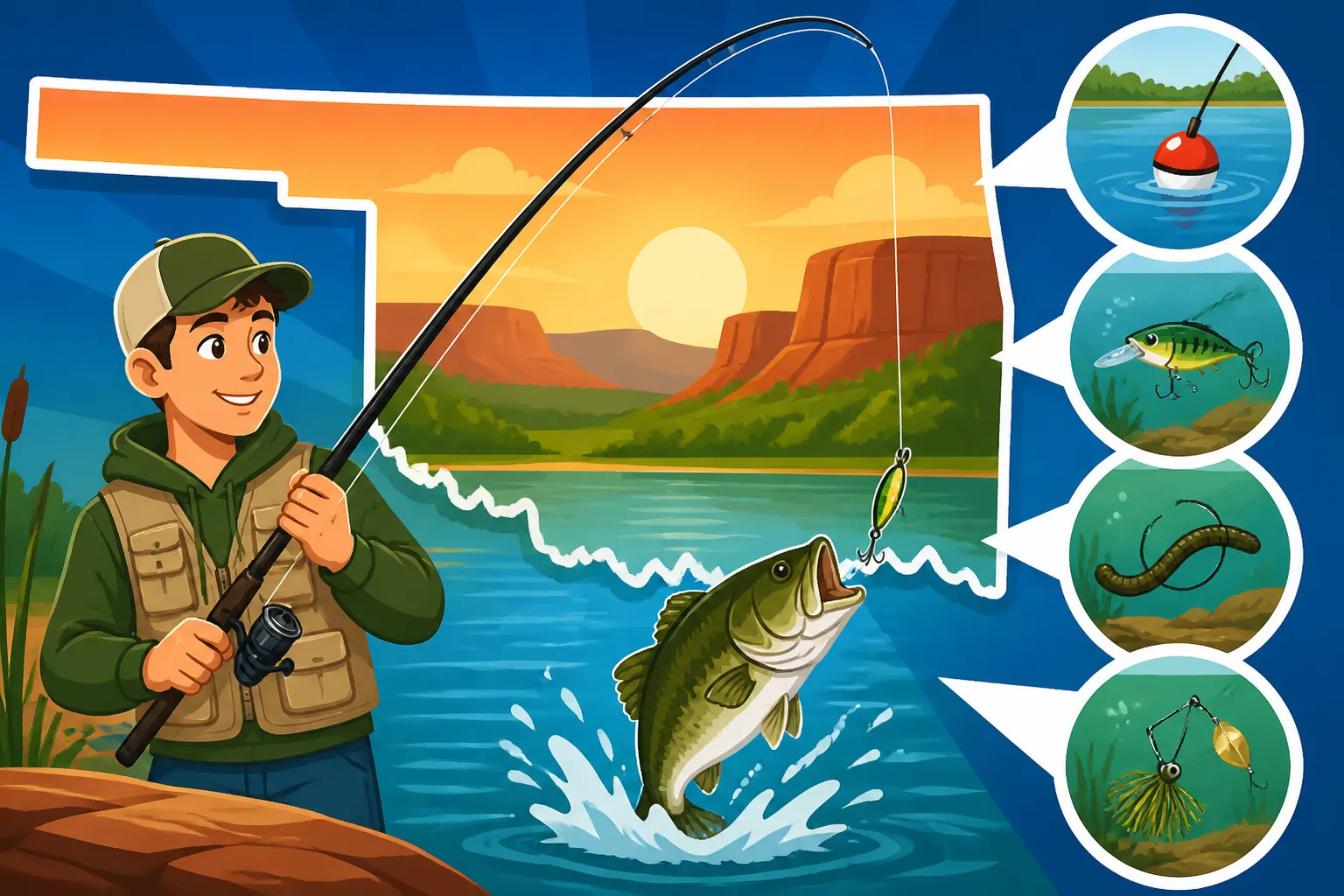
The classic bobber rig is a fantastic choice for beginners, especially when targeting panfish like bluegill or even smaller bass and catfish. It's incredibly simple to set up and, more importantly, provides a clear visual indicator of a bite. There's nothing quite like watching that bobber dip and disappear underwater to get your heart racing!
To tie a basic bobber rig, start by sliding a bobber stopper onto your main line (this little piece of string or rubber helps you set the depth). Then, thread on your bobber – a simple clip-on or slip bobber works perfectly. Below the bobber, you'll add a small split-shot weight (just enough to keep your bait down but not too heavy to sink the bobber). Finally, tie on a hook at the very end of your line. A size 6 or 8 Aberdeen hook is excellent for small bait and panfish.
The beauty of the bobber rig is its versatility. You can adjust the depth of your bait by sliding the bobber stopper up or down. If fish are feeding near the surface, set it shallow. If they're a bit deeper, move it down. This rig is perfect for suspending live bait like worms, crickets, or small minnows just above the bottom or in the middle of the water column. It's a truly hands-on way to feel connected to your line and see the action unfold.
The Bottom Rig: Getting Down Deep
When fish are hanging out near the bottom, whether it's catfish scavenging for food or bass hiding in submerged structure, a bottom rig is your best bet. This setup ensures your bait stays where the fish are without drifting around excessively in currents or wind. It’s a very robust and effective rig for many species.
A basic bottom rig involves tying a hook directly to your main line or a short leader. About 6 to 12 inches above the hook, pinch on a split-shot weight, or use an egg sinker that slides freely on the line. The sliding sinker rig (often called a Carolina rig without the bead, or simply a slip-sinker rig) is especially effective because it allows the fish to pick up the bait and move off without feeling the resistance of the weight immediately, which can lead to more solid hooksets.
This rig is ideal for fishing with heavier baits like cut bait, chicken livers, or dough balls for catfish. It also works well with plastic worms or creature baits when you want them to bounce along the bottom for bass. Because the weight holds your bait in place, it's a great option for bank fishing where you want your bait to stay put in a specific hole or channel. When you feel a bite with a bottom rig, it’ll usually be a solid tug, so be ready to set the hook!
Best Baits for Beginner Success
Choosing the right bait can make all the difference, and for beginners, natural baits are often the easiest and most effective. Worms are legendary for a reason; nearly every freshwater fish will eat a juicy nightcrawler or red worm. They’re easy to hook, stay on well, and are irresistible to everything from bluegill to catfish. You can even find them at most gas stations and bait shops across Oklahoma.
Another fantastic option for panfish and even smaller bass are crickets. These chirpy little insects are absolutely deadly for bluegill, sunfish, and even crappie. Hook them lightly through the collar, put them under a bobber, and cast near lily pads or submerged brush. For catfish, especially the common channel catfish, stink baits, chicken livers, or even hot dogs can be incredibly effective. These baits have a strong odor that attracts catfish from a distance. If you're targeting Best Catfish Bait for Summer Fishing, you'll find a wide array of options that are easy to acquire and use.
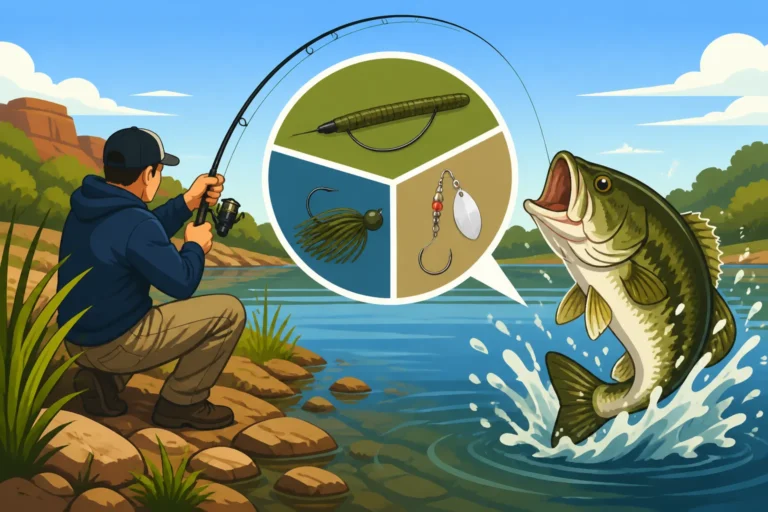
For those wanting to try lures, keep it simple. Small spinnerbaits (like a Rooster Tail or Mepps Aglia, easily found on Amazon) are excellent for white bass, crappie, and smaller bass. They're easy to cast and retrieve, and the flash and vibration often trigger strikes. Soft plastic worms on a small jig head or Texas rig are also simple yet incredibly effective for bass. Don't overthink it; start with these proven winners, and you'll be catching fish in no time.
Targeting Easy-to-Catch Fish: Species for First-Time Anglers
One of the best ways to build confidence as a new angler is to target fish species that are generally abundant and eager to bite. Oklahoma is blessed with a diverse range of freshwater fish, and several species are particularly beginner-friendly, offering consistent action and a rewarding experience.
Bluegill and Sunfish: The Ultimate Beginner Fish
If you're looking for consistent action and a great way to learn the ropes, look no further than bluegill and other sunfish. These feisty little panfish are abundant in almost every lake, pond, and slow-moving creek across Oklahoma. They're not picky eaters and will readily snatch a variety of baits, making them the perfect target for a first-time angler or a family outing. There’s a good reason why Bluegill Fishing for Beginners is such a popular topic.
Bluegill typically hang out around structure: lily pads, docks, fallen trees, brush piles, or even just shallow coves with some vegetation. They're often found in schools, so where you catch one, there are usually many more. A simple bobber rig with a small hook (size 6 or 8) and a piece of worm, a cricket, or even a tiny piece of corn or bread will almost guarantee a bite. Light tackle makes even these smaller fish feel like giants, providing plenty of excitement.
These fish are also incredibly accessible. You don't need a boat; many public ponds and state park lakes offer excellent bank fishing opportunities for bluegill. They're active throughout much of the day, though early mornings and late afternoons are often best. Plus, they're quite tasty when fried up, making them a great bonus for your efforts. Getting a tug on your line, no matter the size of the fish, is what builds enthusiasm for the sport, and bluegill deliver that thrill consistently. For more specifics on what works best, check out our guide on the Best Bluegill Bait for Beginners.
Channel Catfish: Abundant and Eager Biters
Channel catfish are another fantastic species for beginner anglers in Oklahoma. They are incredibly widespread, found in nearly all of the state’s lakes, rivers, and even larger ponds. What makes them so beginner-friendly is their strong sense of smell and their willingness to bite a variety of baits, often regardless of the time of day, though night fishing or low-light conditions are frequently the most productive.
These "forked-tail" catfish are scavengers and meat-eaters, which means they're attracted to stinky baits. Chicken livers, cut bait (pieces of shad or sunfish), prepared stink baits, and even hot dogs or shrimp can be highly effective. A simple bottom rig, either with a sliding sinker or a heavy split shot to keep your bait anchored, is usually all you need. Cast your bait into deeper channels, near submerged timber, or along drop-offs in lakes, or into slower-moving holes in rivers.
Channel cats can grow to a decent size, offering a good fight on light to medium tackle, which adds to the excitement. They're also considered one of the best-eating freshwater fish, with firm, white meat. Catching a few channel cats can really make a beginner feel accomplished. Remember, they're often more active when the water is warm, making them a prime target during Oklahoma's long summer evenings. If you want to delve deeper, our article comparing Channel Catfish vs Blue Catfish vs Flathead Catfish in Oklahoma can help you tell your catch apart.
White Bass: Schooling Fun for Everyone
If you're looking for fast-paced action and the chance to catch multiple fish in a short period, then white bass are an excellent target for beginners. These schooling fish are prolific in many of Oklahoma's larger reservoirs, such as Lake Texoma, Grand Lake, and Lake Eufaula. What makes them so exciting is their tendency to feed in aggressive "schools" or "runs," often chasing baitfish to the surface, creating visible feeding frenzies.
When white bass are actively feeding, they are not shy. They will strike at almost anything that resembles a small baitfish. Small silver or white spoons, inline spinners (like the popular Roostertail), or small crankbaits are highly effective. You simply cast into a school that's breaking the surface or target areas where baitfish are abundant, and retrieve your lure. The bites are typically aggressive and unmistakable, providing a thrilling experience.
The best times to target white bass are often during their spring spawning runs up rivers and creeks that feed into larger lakes, or in the summer when they chase baitfish in open water. Even if you don't have a boat, you can often catch them from the bank during these runs, making them very accessible for new anglers. Watching a school of white bass explode on the surface, casting into it, and immediately getting a strike is an unforgettable experience for any beginner, offering a taste of consistent, exciting action. Learn more about prime times for these fish in White Bass Spring Runs in Oklahoma.
Bank Fishing Essentials: How to Fish Without a Boat
You absolutely do not need a boat to enjoy fantastic fishing in Oklahoma. Many of the state's best fishing opportunities are perfectly accessible from the bank, shoreline, or public docks. Bank fishing is often the best way for beginners to start, as it simplifies the logistics and lets you focus purely on the fishing itself.
Finding Prime Bank Fishing Spots
One of the biggest advantages of bank fishing is how many accessible spots there are. Rivers, creeks, public ponds, and many large reservoirs in Oklahoma have designated bank access points, fishing piers, or parks with shoreline access. Look for areas with public fishing signs, walking trails along the water, or even beneath bridges, which often provide structure and deeper water. State parks are particularly excellent resources, as they often have well-maintained access and specific areas designated for bank anglers. For comprehensive guidance, our article on Best Bank Fishing Spots in Oklahoma offers a treasure trove of information.
When scouting a spot, look for natural features that provide cover or ambush points for fish. These include fallen trees (called "laydowns"), submerged brush piles, rock formations, sharp drop-offs near the bank, or even just deeper pockets of water in a creek. Areas where a small creek flows into a larger lake or river are also fantastic, as these can concentrate baitfish and, consequently, game fish. Observing other anglers is also a great tactic; if people are consistently fishing a particular spot, there's likely a good reason why.
Don't be afraid to walk and explore. Sometimes the best spots are a little off the beaten path, requiring a short hike from a parking area. However, always respect private property boundaries and obey all posted signs. A little reconnaissance, whether online through maps or in person, can turn up some truly productive bank fishing honey holes that might otherwise be overlooked by those always focused on boat access.
Gear Considerations for Shore Anglers
While the basic rod and reel setup remains the same, bank fishing does have a few unique gear considerations. Since you'll likely be walking to your spot, portability is key. A backpack is invaluable for carrying your tackle box, extra water, snacks, and any fish you might keep. Consider a smaller, more compact tackle box or a tackle binder that's easier to transport than a bulky traditional box.
For specific equipment, a longer rod (7-9 feet) can be advantageous for bank fishing, especially on larger lakes or rivers. The extra length helps you cast further, covering more water and reaching those deeper channels or structures that might be just out of reach with a shorter rod. It also helps with keeping your line clear of any shoreline vegetation during the retrieve. A net or a stringer is also a must-have; a long-handled net can help you land fish from elevated banks or docks, and a stringer keeps your catch alive in the water until you're ready to pack up.
Comfort items are also crucial for an enjoyable bank fishing experience. A lightweight, foldable chair can make a long day much more comfortable. Depending on the terrain, sturdy hiking shoes or even waterproof boots might be necessary. And don't forget sun protection – a wide-brimmed hat, sunglasses, and sunscreen are essential when you're exposed to the elements all day long. Being prepared with the right gear ensures your focus stays on the fishing, not on discomfort.
Effective Techniques from the Bank
The techniques you use for bank fishing aren't vastly different from boat fishing, but there's an emphasis on covering water effectively and maximizing your casting range. Since you're static, your cast is your primary tool for exploration. Fan casting – casting to different spots in a fan-like pattern around your position – helps you cover a wider area and locate where fish might be holding.
Using baits and lures that can be cast a good distance is often beneficial. Heavy bottom rigs for catfish or larger lures like spinnerbaits and crankbaits for bass can help you reach deeper water or cover further from the bank. If you're using live bait under a bobber, try to position it near any visible cover or structure, or let the wind and current gently drift it into promising areas.
Patience is a virtue in bank fishing. Unlike boat anglers who can move quickly from spot to spot, you're committed to your chosen location for a longer period. Don't be afraid to try different baits, adjust your depth, or experiment with different retrieve speeds if you're not getting bites. Sometimes, waiting for the fish to move into your area, especially during morning or evening feeding periods, can pay off handsomely. Observe the water, look for ripples, jumps, or baitfish activity, and adjust your approach accordingly.
Kayak Fishing for Beginners: A Peaceful Way to Start
Kayak fishing offers a fantastic blend of accessibility, stealth, and a truly immersive experience that can be perfect for beginners who want to venture beyond the bank without investing in a full-sized boat. It allows you to reach spots that are inaccessible to larger boats and provides an intimate connection with the water.
Choosing Your First Fishing Kayak
When picking your first fishing kayak, stability is paramount. You'll be casting, retrieving, and potentially even reeling in a fish, so you want a platform that feels secure. Wider, sit-on-top kayaks are generally more stable and user-friendly for beginners than traditional sit-in models. They also make it easier to get in and out, and to re-enter from the water if you happen to capsize (though stability makes this less likely). Look for kayaks specifically designed for fishing, as they often come with built-in rod holders, storage compartments, and accessory tracks for mounting gear.
Consider the length and weight of the kayak. Shorter kayaks (10-12 feet) are usually more maneuverable and easier to transport and store, making them great for smaller lakes and ponds. Longer kayaks (12-14+ feet) offer better tracking (staying in a straight line), more speed, and increased storage capacity, which can be beneficial on larger Oklahoma reservoirs. Think about how you'll transport it – car top, truck bed, or a small trailer – and choose a weight you can comfortably handle. Brands like Perception, Old Town, and Hobie offer excellent fishing kayaks that cater to beginners and experienced anglers alike, available through various retailers and online platforms like Amazon.
Finally, think about propulsion. Most beginner kayaks are paddle-driven, which offers a great workout and quiet approach. However, some kayaks come ready for or can be easily outfitted with pedal drives or even small electric trolling motors. While these add to the cost and complexity, they can significantly extend your range and allow you to fish hands-free, which is a huge advantage. Start with a basic paddle kayak to get a feel for it, and you can always upgrade or modify later as your skills and preferences evolve.
Basic Kayak Rigging and Safety
Once you have your kayak, setting it up for fishing is relatively simple. The goal is to keep it streamlined and clutter-free while still having your essential gear accessible. Most fishing kayaks come with at least one flush-mount rod holder, which is perfect for stowing a rod while paddling or waiting for a bite. If you plan on using multiple rods, consider adding a mounted rod holder that's adjustable. A milk crate or a specialized kayak crate placed in the tankwell (the open storage area behind the seat) is an excellent way to organize your tackle box, extra reels, and other gear, often with additional rod holders attached.
Safety is even more critical in a kayak than on the bank, as you're directly on the water. A properly fitted personal flotation device (PFD or life jacket) is non-negotiable and legally required in Oklahoma. Always wear it, even if you're an experienced swimmer. Carry a whistle or another sound-signaling device, a bright flag for visibility (especially on open water), and a small dry bag for your phone, keys, and wallet. A bilge pump or a sponge is also a good idea to remove any water that gets into your kayak. Our Kayak Fishing Gear Every Oklahoma Angler Needs article provides a detailed checklist.
Before every trip, do a quick check of your gear and make sure everything is secured. You don't want to lose your favorite rod or tackle box if you hit a wake or capsize. Practice self-rescue techniques in shallow water, so you know how to get back into your kayak if you fall out. Kayak fishing is incredibly rewarding, but a little preparation and respect for the water go a long way in ensuring a safe and enjoyable experience.
Navigating and Fishing from a Kayak
Fishing from a kayak requires a slightly different approach than from a boat or bank. Stealth is your biggest advantage. Kayaks are quiet, allowing you to sneak up on fish without spooking them. Use this to your benefit by paddling quietly and approaching your target areas slowly. When you get to a spot, deploy a small anchor or a stake-out pole to hold your position, especially in windy conditions or currents.
Casting from a kayak takes a bit of practice. Your platform is less stable, so keep your casts smooth and controlled, avoiding exaggerated movements. Shorter, more accurate casts are often better than long, powerful ones. Pay attention to how the kayak reacts to your movements. You'll learn to use your core for stability and your paddle for subtle adjustments to your position.
Focus on targeting structure that's harder to reach from the bank, like distant lily pad fields, isolated brush piles, or rock gardens in the middle of a cove. Kayaks excel at exploring shallow waters where bigger boats can't go. Experiment with different angles of approach to your target. Remember, the beauty of kayak fishing is the journey and the quiet connection with nature. Don't rush; enjoy the paddle and the pursuit.
Reading the Water: Basic Tips for Finding Fish
Experienced anglers often talk about "reading the water," which sounds almost mystical. In reality, it's about understanding a few basic principles that help you predict where fish might be hiding. For beginners, learning these simple cues can dramatically increase your success rate.
Identifying Structure and Cover
Fish, especially game fish like bass, crappie, and catfish, are almost always associated with some form of structure or cover. Structure refers to changes in the lake or river bottom, like drop-offs, humps, old creek channels, or rock piles. Cover refers to anything that provides shelter or ambush points on the structure, such as submerged trees, brush piles, lily pads, docks, or even shadows. Fish use these areas for protection from predators, as ambush points for prey, or simply as comfortable resting spots.
From the bank, look for visible signs of cover: overhanging trees, docks, bridge pilings, or rocky shorelines. If you see fallen trees extending into the water, those are prime targets. If you're on a kayak or boat, use your fish finder (even a basic one) to locate submerged humps, ledges, or brush piles that aren't visible from the surface. Even subtle changes, like a transition from a soft, muddy bottom to a harder, rocky bottom, can hold fish.
Understanding the difference between structure and cover helps you refine your approach. If you find a submerged rock pile (structure) with a thick brush pile on top of it (cover), you've likely found a fantastic fishing spot. The key is to present your bait or lure right in or around these areas, enticing the fish to strike as they guard their territory or ambush unsuspecting prey. This principle holds true across all Oklahoma Fishing Seasons: A Month-by-Month Guide and for nearly every species.
Understanding Water Temperature and Clarity
Water temperature and clarity are two crucial factors that influence fish behavior, especially for cold-blooded creatures that rely on their environment for regulating their body temperature. Most freshwater fish have preferred temperature ranges for feeding and spawning. For example, bass become very active as water temperatures rise in spring (the "pre-spawn" phase), and crappie also have specific temperature triggers for their spawning movements.
You can often gauge surface water temperature with a simple thermometer or by checking fishing reports for your chosen lake. Generally, warmer water (within a fish's comfort zone) increases metabolism, making fish more active and hungry. However, excessively hot water can push fish deeper to find cooler, more oxygenated areas. Conversely, in colder water, fish tend to be more sluggish and less willing to chase fast-moving lures, often preferring slower presentations of bait.
Water clarity also plays a significant role. In clear water, fish rely heavily on their sight, so natural-looking baits, lighter lines, and stealthy approaches are often more effective. In stained or muddy water, fish rely more on their lateral line (sensing vibrations) and smell. This is when brightly colored lures, noisy crankbaits, or strong-smelling baits (like for catfish) can really shine. After a heavy rain, for instance, water can become murky, pushing fish to shallower, warmer, or clearer areas, or making them more reliant on scent-based baits.
Observing Wildlife and Baitfish
Nature often gives us clues, and observing other wildlife and baitfish activity can be a huge indicator of where game fish might be. Keep an eye out for birds like herons, cormorants, or ospreys actively feeding near the water. If they're diving or congregating in a particular area, it's a strong sign that baitfish are present, and where there are baitfish, there are usually predators.
Similarly, look for signs of baitfish themselves. Are you seeing schools of tiny fish dimpling the surface? Are they jumping out of the water, indicating they're being chased by something larger? These "nervous water" signs are direct evidence of active feeding. Cast your lure into or around these areas, and you dramatically increase your chances of a strike. Even subtle ripples or movements on the surface can indicate subsurface activity.
Don't overlook insects either. If you see dragonflies, mayflies, or other insects hatching and flying around the water, it often means fish are looking up, feeding on the surface or just below it. This is a perfect time for topwater lures or flies, matching the hatch. By paying attention to these natural signals, you're not just casting blindly; you're making informed decisions based on what the environment is telling you, which is a key step from beginner to seasoned angler.
Seasonal Considerations for New Anglers in Oklahoma
Oklahoma's distinct seasons play a massive role in fish behavior. Understanding these seasonal patterns is like having a secret weapon, helping you predict where fish will be and what they'll be willing to bite. For beginners, knowing the basics of each season can transform a slow day into a successful one.
Spring Fishing: Spawning Excitement
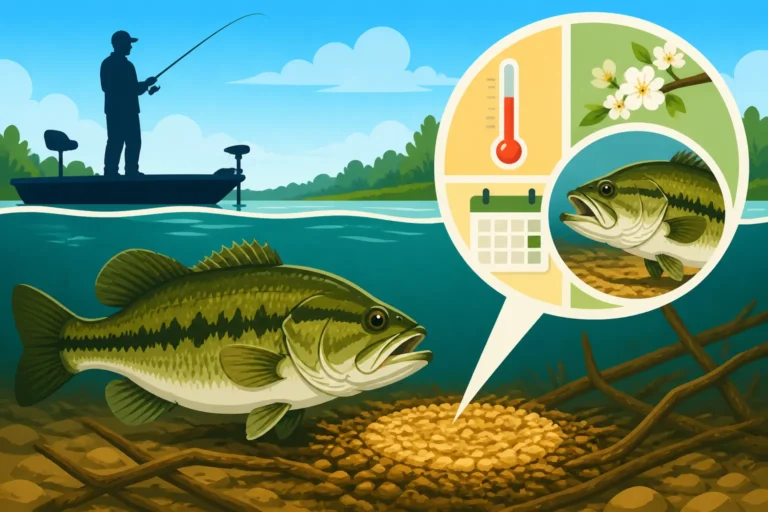
Spring is often considered one of the best times of year to fish in Oklahoma, largely because it triggers the spawning instincts of many popular species, making them more active and predictable. As water temperatures begin to rise from their winter lows, fish like bass, crappie, and white bass move from deeper wintering grounds into shallower areas to spawn. This means they are often concentrated and easier to locate.
For bass, the pre-spawn and spawn periods see them moving to shallower flats, coves, and points, often near some form of cover like submerged brush or docks. They become very aggressive as they prepare to nest, making them susceptible to a variety of lures, from crankbaits to soft plastics. Crappie also move into shallow water, often congregating around brush piles, submerged trees, and docks, where they can be caught with small jigs or minnows under a bobber. You can find out more about the prime crappie fishing spots in Stricter Crappie Limits at Six Oklahoma Lakes to refine your spring outings.
The key to spring fishing is monitoring water temperature. As temperatures climb from the high 40s into the 60s Fahrenheit, different species become active. Fish are often hungry after a sluggish winter, so they are feeding heavily before and during the spawn. Focus your efforts on warmer, shallower areas, especially those that receive a lot of sunlight, as these spots warm up first and attract baitfish and game fish alike.
Summer Fishing: Early Mornings and Late Evenings
Oklahoma summers can be brutally hot, and this heat significantly impacts fishing. As water temperatures soar, many species, especially bass and crappie, will seek refuge in deeper, cooler, and more oxygenated water during the brightest parts of the day. This doesn't mean summer fishing is out of the question; it just means you need to adjust your approach.
The best times to fish during summer are typically early mornings, just as the sun is rising, and late evenings, as the sun begins to set. During these periods, the water is at its coolest, and fish feel more comfortable moving into shallower areas to feed. Targeting shaded areas, like under docks, bridges, or overhanging trees, can also be productive during the daytime heat, as these spots offer a reprieve from the direct sun. Night fishing can also be incredibly effective for species like catfish, which become very active after dark.
For techniques, consider moving your baits slowly and deliberately in deeper water during the day, focusing on structure like ledges, humps, or deep brush piles. For those early morning and late evening bites, topwater lures can be incredibly exciting as fish come up to feed. Catfish, in particular, are excellent summer targets, as they remain active in warmer water and will readily hit a variety of baits on the bottom. Remember to stay hydrated, protect yourself from the sun, and enjoy the calmer, cooler parts of the day.
Fall Fishing: Cooler Water, Active Fish
Fall is another fantastic season for beginners in Oklahoma, often rivaling spring in terms of fishing action. As air and water temperatures begin to drop after the summer heat, many fish species become incredibly active, feeding aggressively to build up reserves for the upcoming winter. This period is often referred to as the "fall feeding frenzy."
During the fall, baitfish begin to migrate from deeper, open water into shallower coves and creeks, often in massive schools. Game fish, sensing the approaching winter, follow these baitfish, making them easier to locate. Look for schooling activity, especially for white bass and striped bass, which will often chase bait to the surface, creating visible feeding frenzies. For bass and crappie, they'll be keying in on these baitfish movements in the shallows and around main lake points.
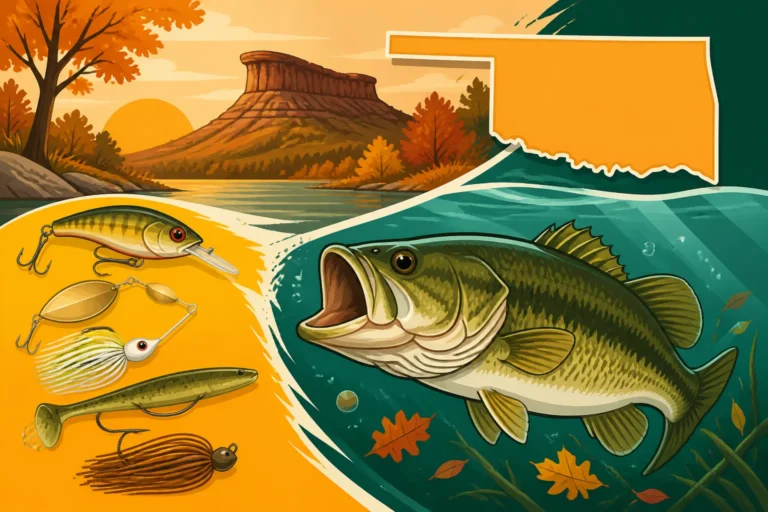
Techniques can vary, but covering water with lures that imitate baitfish (like crankbaits, spinnerbaits, and soft plastic swimbaits) is often very effective. For crappie, jigs and minnows fished around brush piles and docks in shallower water can be incredibly productive. Fall also brings comfortable weather for anglers, with cooler temperatures and beautiful foliage. It’s a wonderful time to be on the water, taking advantage of the fish's increased activity and the scenic beauty of Oklahoma.
| Fish Species | Best for Beginners? | Average Size (Oklahoma) | Primary Bait/Lure | Best Location Type |
|---|---|---|---|---|
| Bluegill/Sunfish | ⭐⭐⭐⭐⭐ | 6-10 inches | Worms, Crickets, Small Jigs | Ponds, Shallows, Docks |
| Channel Catfish | ⭐⭐⭐⭐ | 1-5 lbs (can be larger) | Cut Bait, Stink Bait, Worms | Bottom of Lakes, Rivers, Ponds |
| White Bass | ⭐⭐⭐⭐ | 1-3 lbs | Small Spoons, Spinners, Swimbaits | Open Water Schools, River Runs |
| Largemouth Bass | ⭐⭐⭐ | 1-5 lbs (can be larger) | Plastic Worms, Spinnerbaits, Crankbaits | Structure, Cover, Drop-offs |
| Crappie | ⭐⭐⭐ | 8-12 inches (can be larger) | Jigs, Minnows | Brush Piles, Docks, Submerged Trees |
Disclaimer
Please remember that fishing regulations, license requirements, and local rules can change. Always consult the official Oklahoma Department of Wildlife Conservation website or publications for the most current and accurate information before heading out on your fishing trip. Stay safe and have fun!