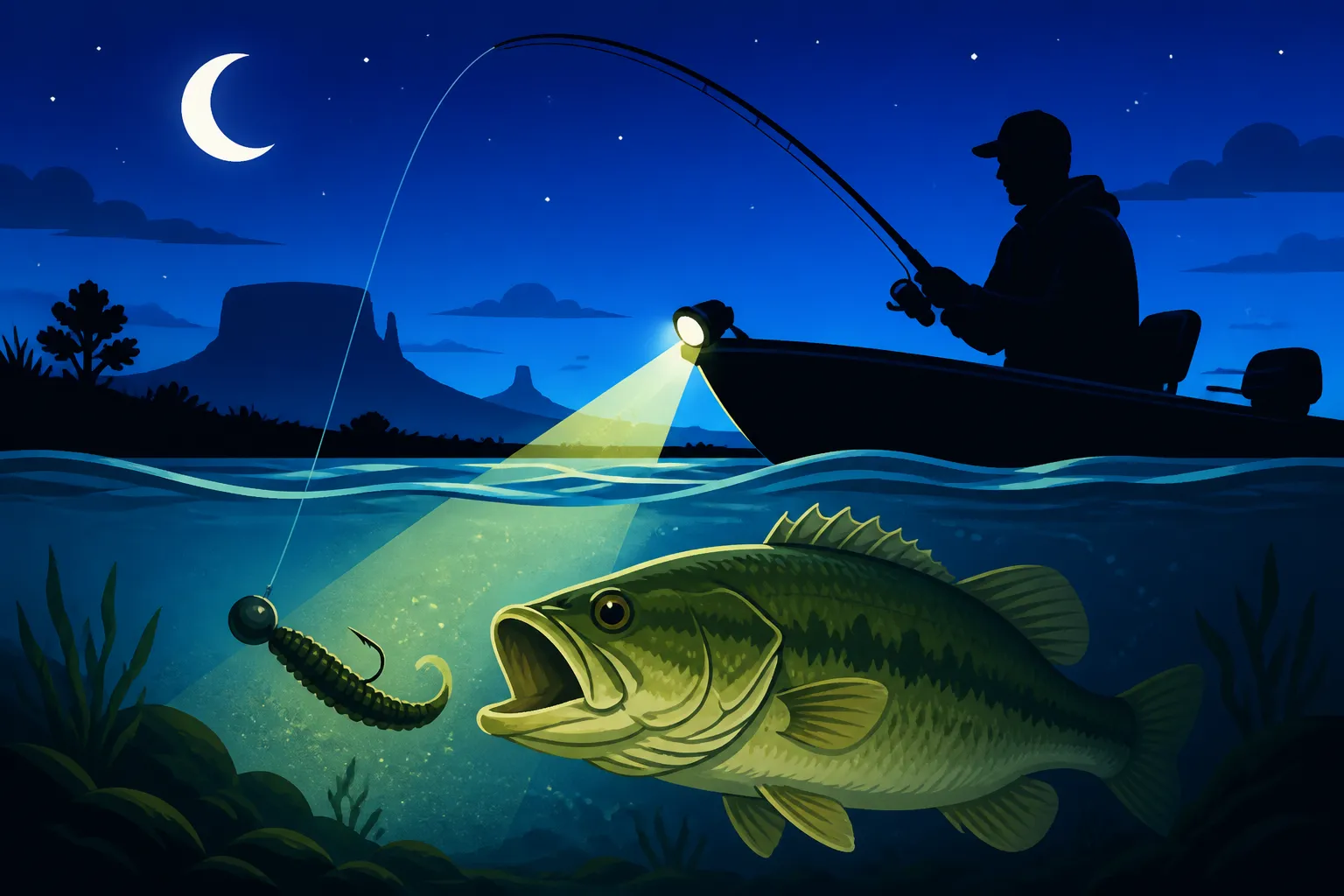
Night Fishing Techniques
Oh, the brutal Oklahoma summer sun! We've all been there, sweating through our shirts by 10 AM, watching the fish scatter to the deepest, coolest pockets of the lake, making daylight fishing feel like a Herculean task. But what if I told you that when the sun dips below the horizon, a whole new world of opportunity opens up? This guide is all about embracing the darkness, exploring proven night fishing techniques, and helping you land those elusive lunkers in the cooler, quieter hours of the Oklahoma night.
Why Night Fishing in Oklahoma?
Fishing at night in Oklahoma isn't just a quirky alternative; for many seasoned anglers, it's the preferred, sometimes even only, way to truly beat the heat, the crowds, and oftentimes, the fish themselves. There's a certain magic that comes alive when the stars are out, and the lake murmurs with different sounds.
Escaping the Oklahoma Heat
Let's be honest, those triple-digit summer days in Oklahoma are no joke. Trying to fish under a relentless sun not only makes you uncomfortable, but it also sends many of our prized game fish deep into thermal refuge. They become sluggish, less active, and far less likely to chase a bait. When you're out there baking, it feels like an uphill battle.
Night fishing completely changes the game. As the air cools and the surface water temperature begins to drop, fish feel more comfortable moving into shallower feeding grounds. This means you don't have to spend your entire trip trying to punch through thick hydrilla in 20 feet of water or drag baits across barren bottom. The fish come to you, or at least, they come to more accessible areas, making your efforts much more productive and enjoyable. It's truly one of the best ways to enjoy fishing during those sweltering months, as detailed in many tips on Summer Night Fishing Techniques in Oklahoma.
Avoiding Crowds and Enjoying Solitude
Picture this: prime Saturday morning at Lake Texoma or Grand Lake. The boat ramps are jammed, jet skis are zipping by, and every good cove seems to have three other boats vying for the same spot. It can be frustrating, noisy, and frankly, takes a lot of the peace out of fishing.
One of the biggest unsung benefits of night fishing is the sheer solitude it offers. The recreational boaters are gone, the jet skis are parked, and the banks are mostly empty. You get the lake almost entirely to yourself, allowing you to truly connect with nature and the rhythm of the water. This peaceful atmosphere isn't just good for your soul; it means less pressure on the fish. They're more likely to move freely and feed without constant disturbance from propellers, loud music, and frantic casting from every direction. It creates a tranquil environment where you can focus on your presentation and enjoy the simple act of fishing.
Targeting Nocturnal Giants
Many of Oklahoma's most sought-after species, like catfish and striped bass, are incredibly active after dark. While you can catch them during the day, their nocturnal instincts truly kick in once the sun sets. These fish, especially the bigger ones, often become bolder and more aggressive feeders under the cover of darkness.
Think about a massive blue catfish. During the day, they might be lurking in deep channels, waiting for an easy meal to drift by. At night, however, they'll often patrol shallower flats and humps, actively hunting. The same goes for crappie, which might school tightly during the day but spread out to feed more openly at night. Even bass, which are primarily sight feeders, become opportunistic predators under low light, relying more on sound and vibration. Targeting these fish when their natural instincts are at their peak dramatically increases your chances of landing a trophy.
Understanding Nocturnal Fish Behavior
To truly excel at night fishing, you need to think like a fish—a fish that operates without the benefit of bright sunlight. Their senses adapt, and so must your approach. Understanding these changes is key to unlocking success.
Light and Shadow Play
While it's "night," it's rarely pitch black on the water, especially on clear nights with a full moon or near developed areas with ambient light. Fish that rely on sight during the day transition to using what little light is available, or they move into areas where artificial light sources create feeding opportunities.
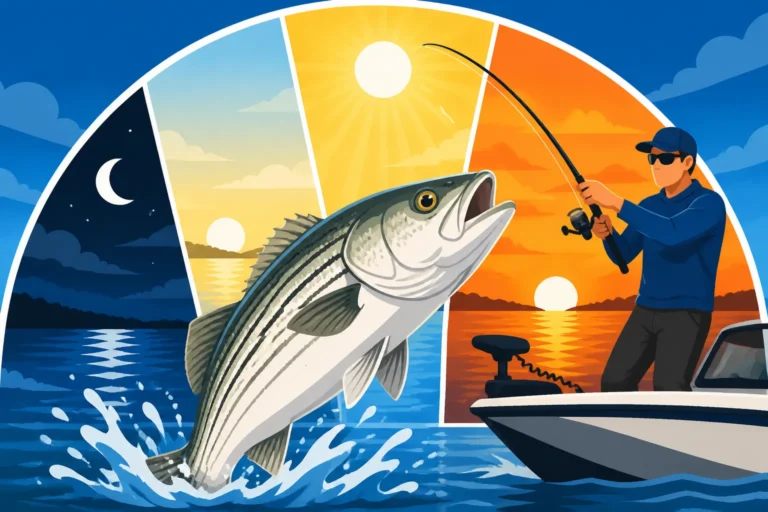
The moon, stars, and even distant city lights can create subtle contrasts on the water, allowing fish to silhouette their prey. This is why lighter-colored baits, especially those with some glow or UV properties, can be so effective. Furthermore, any artificial light you bring to the water, whether it's a boat light or a lantern on the bank, will attract plankton, which attracts baitfish, which, in turn, attracts game fish. Thinking about where and how light is present on the water can drastically change your strategy. Fish will often hold in the shadows just outside a light source, ambushing anything drawn to the glow.
Sound and Vibration Cues
Without the benefit of clear vision, a fish's lateral line becomes its superpower at night. This sensory organ detects vibrations and pressure changes in the water, allowing fish to "feel" their surroundings and locate prey. This means that noisy baits and those that displace a lot of water become incredibly effective.
Topwater lures with propellors or chugging lips, spinnerbaits with thumping blades, and even soft plastics with large paddle tails create vibrations that travel far in the dark water. For bait fishing, the frantic wiggles of a live minnow or the distressed thrashing of a cut shad send out irresistible signals. When you're fishing at night, don't be afraid to make some noise. Aggressive retrieves, sudden jerks, and even the splash of a well-placed cast can often trigger a reaction strike from a fish that's relying on its auditory and vibrational senses rather than its eyes.
Temperature and Oxygen Levels After Dark
As mentioned earlier, the cooling temperatures are a primary driver for nocturnal feeding. But it's not just about comfort. Water temperature also influences dissolved oxygen levels, especially in shallower water. During hot days, shallow water can become oxygen-depleted and uncomfortably warm.
As night falls, the surface water cools, and atmospheric oxygen can re-enter the water column more effectively. This creates more favorable conditions for baitfish and game fish alike to move into these shallower, oxygen-rich zones. Areas like creek channels, submerged humps, and points become prime feeding grounds as the night progresses. Understanding that these shifts in temperature and oxygen literally bring the fish to you, or at least to more accessible locations, is crucial for maximizing your chances. Keep an eye on your fish finder's temperature gauge; even a slight drop can indicate a better feeding window.
Essential Gear for Night Fishing Safety and Success
Night fishing isn't just daylight fishing in the dark. It requires some specific gear, not just for catching fish, but more importantly, for your safety and comfort. Don't skimp on these essentials.
Illumination: Headlamps, Lanterns, and Boat Lights
This might seem obvious, but proper lighting is paramount. A good quality headlamp with both white and red light settings is indispensable. The white light helps you tie knots, unhook fish, and navigate obstacles on shore, while the red light preserves your night vision and is less likely to spook fish. Many anglers find these on Amazon along with other gear. For boat anglers, powerful LED navigation lights are mandatory, and interior lights, or even portable LED lanterns, can make tasks much easier.
Consider a submersible green fishing light for attracting crappie and baitfish. These lights draw plankton, which brings in the minnows, which brings in the crappie—it's a whole ecosystem at your boat! Just remember to position them carefully so they don't blind you or your fishing partners. Having spare batteries for all your lights is not just smart; it's essential. You don't want to be fumbling around in complete darkness when a fish of a lifetime strikes or you need to re-tie a knot.
Specialized Tackle and Baits
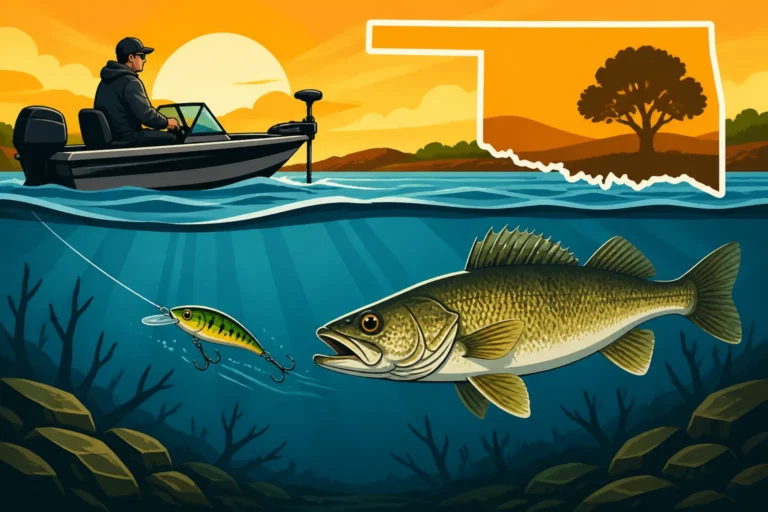
While many of your favorite daytime lures will still work, some modifications and additions can significantly increase your success at night. As discussed, lures that create strong vibrations and noise are often key. This includes dark-colored spinnerbaits with large thumping blades, topwater poppers or walking baits, and even dark-colored crankbaits.
For bait fishing, fresh cut shad, large shiners, or nightcrawlers are excellent choices. Consider adding glow-in-the-dark or UV-enhanced soft plastics and jig heads to your arsenal. For species like crappie, small jigs tipped with a minnow under a light are deadly. Speaking of crappie, check out tips on How to Catch Crappie at Night Under Lights for a deeper dive into that technique. For catfish, stink baits and cut baits remain king, and they truly shine in the dark. Always have a variety of options because fish preferences can change throughout the night.
| Species Targeted | Recommended Night Lures/Baits | Key Characteristics for Night Fishing |
|---|---|---|
| Largemouth Bass | Dark Spinnerbaits, Topwater Frogs/Poppers, Jigs with large trailers | Noise, vibration, large silhouette, slow presentation |
| Crappie | Small Jigs (glow/UV), Live Minnows, Tiny crankbaits | Light attraction, subtle vibration, scent |
| Catfish | Cut Shad, Stink Baits, Nightcrawlers, Chicken Liver | Strong scent trail, natural movement (live bait) |
| Striped Bass | Topwater Plugs, Large Swimbaits, Live Shad | Loud surface commotion, large profile, strong vibration |
Safety Equipment and Navigation Tools
Safety should always be your top priority, especially when fishing after dark. Make sure your boat's navigation lights are functioning correctly and that you have all required safety equipment, including properly sized life jackets for everyone on board. It's not just good practice; it's the law in Oklahoma. For example, knowing the rules for Life Jacket Rules for Kids 12 and Under on Oklahoma Boats is vital.
A fully charged cell phone (in a waterproof case), a first-aid kit, and a whistle or air horn are non-negotiables. If you're on a boat, a reliable GPS unit or chart plotter is critical for navigating in the dark, especially on large, obstacle-filled reservoirs. Even experienced anglers can get disoriented at night. If you're bank fishing, tell someone where you're going and when you expect to return. Always fish with a buddy if possible. Having a sturdy pair of pliers, a hook remover, and a sharp knife easily accessible can prevent injuries and make handling fish much smoother. For more detailed advice, remember to brush up on How to Fish at Night Safely.
Top Night Fishing Techniques by Species
Different fish behave differently under the cloak of night. Tailoring your techniques to specific species will dramatically improve your chances of success.
Largemouth Bass: Topwater and Slow Presentations
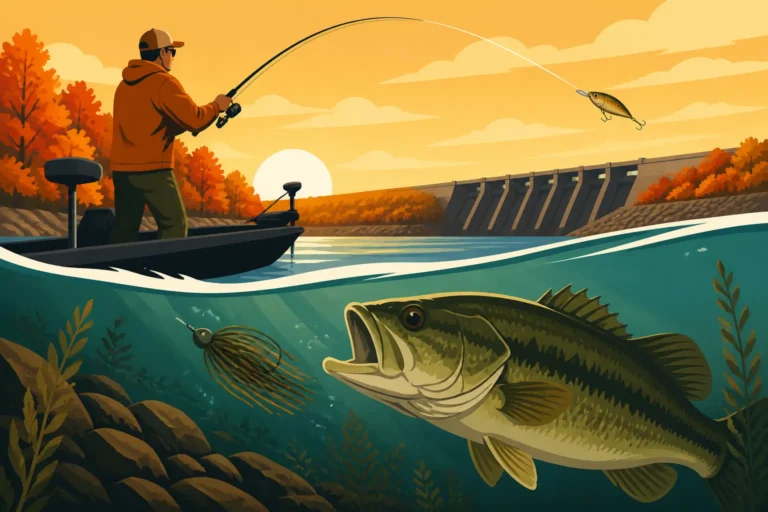
Largemouth bass are typically sight feeders, but at night, they become opportunistic and rely heavily on sound and vibration. This makes topwater baits incredibly exciting for night fishing. Think about a big walking bait like a Heddon Super Spook or a noisy popper. The key is to work these baits slowly, giving the bass time to locate them by sound.
Cast parallel to cover such as docks, submerged timber, or weed lines. Let the bait sit for a long count after it lands, allowing the ripples to dissipate. Then, a slow, deliberate walk or pop, followed by another pause. Often, the strike will come on the pause or just as you begin to move the lure again. Dark colors or those with a lot of contrast often work best, creating a clear silhouette against the minimal ambient light. Beyond topwater, slow-rolled spinnerbaits with large, single Colorado blades or big bladed jigs can be very effective, creating that irresistible thump. A creature bait or jig fished slowly along the bottom near structure can also entice a strike from a cautious bass.
Crappie: Lights, Minnows, and Jigs Under the Stars
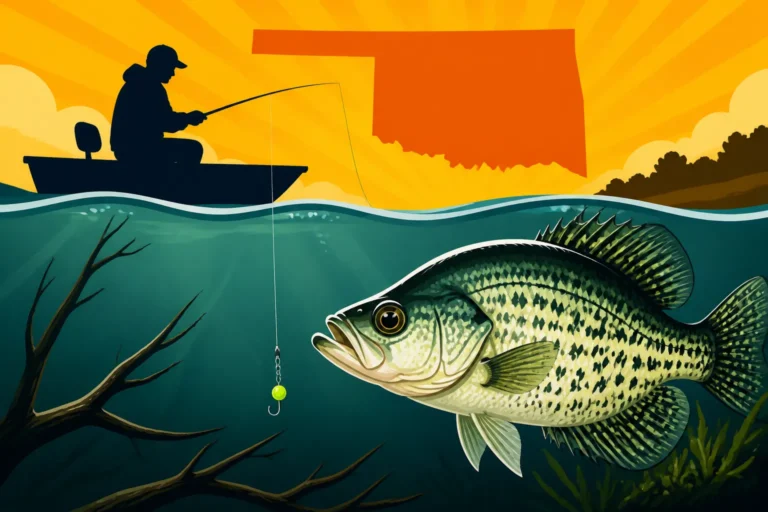
Crappie night fishing is legendary, especially in Oklahoma. The tried-and-true method involves using a submersible light, often green, to attract plankton and baitfish to your boat. Once the minnows show up, the crappie are usually not far behind.
Anchor your boat over a brush pile, a submerged hump, or a creek channel bend. Deploy your light and give it about 20-30 minutes to do its work. Then, rig up with small jigs (1/16 to 1/8 oz) tipped with a live minnow, or simply use the minnow on a hook below a slip bobber. The glow-in-the-dark jigs from brands like Strike King or Bobby Garland can be especially effective. Fish at varying depths until you find where the crappie are holding. They might be suspended high in the water column, right in the light, or slightly off to the side in the shadows. Pay attention to your line; crappie bites can be incredibly subtle at night. This technique is so popular, it has its own dedicated guides, like How to Catch Crappie at Night Under Lights.
Catfish: Scent Trails and Patient Waits
Night fishing for catfish is arguably the most popular nocturnal pursuit in Oklahoma. Catfish are primarily scavengers and rely heavily on their powerful sense of smell and their barbels to locate food, making them perfectly suited for the dark.
The key here is creating a strong scent trail. Cut bait, like shad or skipjack, is king. Many anglers also have great success with prepared stink baits, chicken liver, or even hot dogs soaked in garlic. For blue and channel catfish, target deep holes, creek channels, and the edges of flats where they might be foraging. For flatheads, live bait like a large sunfish or perch, fished near woody cover, is often the ticket. Patience is a virtue when catfishing at night. Cast out your baits, get them on the bottom or suspended just above, and then sit back and wait. A rod holder with a sensitive tip or a bell attached can alert you to bites. Remember, some of the biggest catfish are caught after dark, and many trophy anglers dedicate their time to it, especially when targeting How to Catch Flathead Catfish at Night. You'll find that some of the Best Catfish Holes on Lake Eufaula really come alive after sunset.
Striped Bass: Locating Schools and Deepwater Tactics
Lake Texoma is famous for its striped bass, and these powerful fish are often very active at night, especially during the warmer months. They'll often push baitfish to the surface or near structure under the cover of darkness.
Trolling is a popular night technique for stripers, using large crankbaits or bucktail jigs in areas where you've marked schools of bait or stripers during the day. Another effective method is live bait fishing with shad or other large baitfish. Drop them to the depths where you've seen activity or where you know stripers tend to hold. Pay close attention to your electronics; even at night, they can reveal schools of bait and predatory fish. Look for areas with current, like dam tailraces or river channels, as stripers will often congregate there to ambush prey. Surface activity, though rare, can also erupt at night, signaling an opportunity for topwater plugs. For more in-depth strategies, check out How to Catch Striped Bass at Night.
Best Oklahoma Lakes for Night Fishing
Oklahoma is blessed with numerous lakes that offer fantastic night fishing opportunities. Knowing which ones excel for certain species can make your planning much easier. Many of these are considered the Best Lakes for Night Fishing in the Summer.
Large Reservoirs for Striper and Catfish
When it comes to big fish like striped bass and trophy catfish, Oklahoma's massive reservoirs are where you want to be. These lakes offer the vast expanses and deep channels that these species thrive in.
- Lake Texoma: Hands down, the king for striped bass. The sheer size and depth of Texoma, combined with its robust shad population, make it a premier night fishing destination for stripers. Anglers often target the main lake points, submerged humps, and the Washita and Red River arms after dark. It’s also phenomenal for huge blue catfish.
- Lake Eufaula: Oklahoma's largest lake, Eufaula offers incredible opportunities for all three major catfish species: channel, blue, and flathead. Its vast network of timber and creek channels provides ample hiding and feeding grounds for these nocturnal predators. It's also a great spot for crappie under lights.
- Grand Lake O' the Cherokees: While known for its excellent bass fishing, Grand Lake also shines for catfish and offers some good opportunities for crappie at night. The numerous docks, brush piles, and submerged structures provide perfect cover for fish seeking cooler, darker waters.
- Keystone Lake: Located near Tulsa, Keystone is another strong contender for catfish, particularly blue cats, with its extensive river channels. It also holds a good population of crappie that respond well to night lights.
Smaller Lakes and Ponds for Bass and Crappie
You don't always need a massive reservoir to have an incredible night fishing experience. Smaller lakes, municipal ponds, and even larger farm ponds can be absolute goldmines after dark, especially for bass and crappie.
- Lake Arbuckle: Known for its clear waters and excellent crappie population, Lake Arbuckle can be fantastic for night crappie, especially around its brush piles and timber. Its slightly stricter crappie limits mean bigger fish for those who find them.
- Tenkiller Ferry Lake: Another clear-water gem, Tenkiller offers great night fishing for crappie around its countless boat docks and submerged trees. The quiet coves become alive with feeding fish under the moon.
- Local Community Ponds: Don't overlook the smaller, often overlooked ponds near your town. Many are stocked with bass and crappie, and the lack of boating traffic makes them ideal for bank fishing at night. The fish in these ponds are often less pressured after dark and will readily hit topwater lures or live baits.
Bank Fishing Hotspots After Dark
Not everyone has a boat, and that's perfectly fine! Bank fishing can be incredibly productive at night, often giving you access to areas that hold fish that might shy away from boat traffic during the day. Many of these are considered the Best Night Fishing Spots in Oklahoma.
Look for areas with easy access to deeper water, such as public jetties, dam rip-rap, or lighted docks. Bridges are often excellent night fishing spots because they create shadows, concentrate baitfish, and often have lights that attract both bait and game fish. Areas where creeks flow into a lake can also be productive, as they provide current and a steady supply of food. For catfish, just about any accessible bank with deep water nearby can yield results, especially if you're targeting Best Catfish Holes on Lake Eufaula. Remember to bring a comfortable chair, a good headlamp, and all your essential gear when setting up your night bank fishing station.
Navigating Night Fishing Challenges
While incredibly rewarding, night fishing isn't without its unique set of challenges. Being prepared for these can make the difference between a memorable night and a miserable one.
Dealing with Bugs and Wildlife
The peaceful darkness often comes with uninvited guests: bugs. Mosquitoes and gnats can turn a relaxing evening into an itchy nightmare. This is especially true near still water or wooded areas.
Always pack a good insect repellent, preferably one with DEET or picaridin, and apply it liberally. Long sleeves and pants, even in warmer weather, can offer some protection. Some anglers also use portable mosquito repellent devices, like Thermacell units, which create a bug-free zone around you. Beyond bugs, remember that you're entering the territory of nocturnal wildlife. Be aware of your surroundings, especially when walking along banks or through wooded areas. Flashlights can help you spot snakes, raccoons, or other animals. Never leave food unattended, as it will attract critters. Being prepared for these natural encounters is part of the night fishing experience.
Staying Warm and Comfortable
Even on a hot summer day, temperatures can drop significantly once the sun goes down, especially near large bodies of water where evaporative cooling occurs. Being wet and cold is a surefire way to cut your trip short.
Dress in layers, even if it feels warm when you first head out. A light jacket or hoodie, a waterproof outer shell, and warm socks can make a huge difference as the night progresses. A wool cap or beanie is also a great idea, as a lot of body heat is lost through the head. Consider bringing a thermos of hot coffee, tea, or cocoa. A comfortable, portable chair is a must for bank anglers, and for boaters, consider a seat cushion. Staying dry is also crucial; a sudden shower can quickly lead to hypothermia if you're not prepared. Keep extra towels and a change of clothes in a dry bag. Don't let a sudden chill ruin an otherwise perfect night of fishing.
Maintaining Situational Awareness and Orientation
When the familiar landmarks disappear under darkness, it's easy to lose your bearings, both on the water and on land. Disorientation can lead to dangerous situations, especially if you're in an unfamiliar area.
For boaters, relying on your GPS unit is paramount. Mark your launch point, any hazards, and your planned fishing spots. Never operate your boat at high speeds at night, and always use your navigation lights. Keep a lookout for unlit obstacles, other boats, or debris. For bank anglers, always carry a powerful flashlight to illuminate your path, and take note of easily identifiable landmarks (like a prominent tree or a unique rock formation) during daylight hours. Let someone know where you're going and when you expect to return. Avoid consuming alcohol, as it further impairs judgment and coordination, which are already challenged by the darkness. Staying alert and being mindful of your surroundings is key to a safe and successful night out. Remember, Why Fish Bite Better at Dawn and Dusk often comes down to these factors of comfort and reduced visibility.
Disclaimer
Fishing is an inherently risky activity. Always prioritize safety, understand and follow all local regulations, and be aware of weather conditions. This guide provides general information and should not replace professional advice or personal judgment.