Best Oklahoma Lakes for a Spring Crappie Run
Spring crappie fishing in Oklahoma can be an absolute dream, but sometimes it feels like finding a needle in a haystack trying to pinpoint the best spots when the fish are truly active. Anglers often struggle with inconsistent bites or wasting precious time on lakes where the crappie just aren't cooperating during the crucial spawn. This comprehensive guide is here to cut through the guesswork, helping you understand the spring crappie run and revealing the top Oklahoma lakes where you're most likely to fill your cooler and make lasting memories.
Why Spring is Prime Time for Crappie
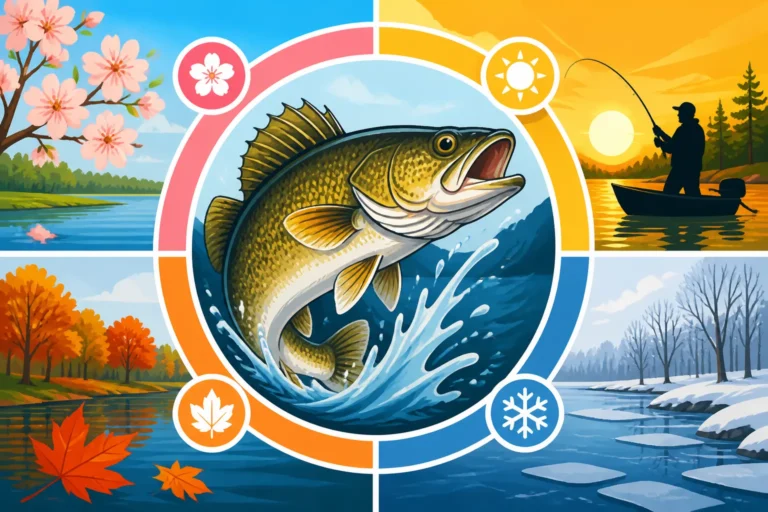
There's a reason so many anglers eagerly await spring each year: it's arguably the most exciting and productive time to target crappie in Oklahoma. After a long winter of deep-water patterns and sluggish bites, the warming waters trigger a biological imperative in crappie that brings them into more accessible areas, often making them more aggressive and easier to locate. Understanding these natural cues is key to maximizing your success.
Understanding the Spring Crappie Spawn
The crappie spawn is the ultimate event for most panfish enthusiasts. As water temperatures begin to climb after winter, crappie, both black and white, start preparing to reproduce. This usually happens when the water consistently hits temperatures between 55 and 65 degrees Fahrenheit. During this period, the male crappie will move into shallow water, typically less than 10 feet deep, to scout out and create nests. These nests are often found around submerged cover like brush piles, fallen trees, dock pilings, or even rocky bottoms.
Females then move in to lay their eggs, often in multiple batches, after which the males guard the nests. This entire process means crappie are concentrated in predictable, shallower locations, making them prime targets for anglers. It's not just about catching fish; it's about observing this incredible natural cycle firsthand. Learning the nuances of the spawn is a big part of mastering Crappie Fishing Techniques and Seasonal Patterns in Oklahoma.
Water Temperature's Role in Crappie Movement
Water temperature is the undisputed king when it comes to predicting crappie behavior in the spring. Think of it as their internal thermometer, dictating when they move from their deeper wintering grounds to the shallows. In late winter, crappie might still be suspended over deep creek channels or main lake humps, but as the sun gains strength and warms the surface, that shallow water heat begins to pull them in.
A gradual warming trend over several days is ideal, as it encourages a steady, predictable migration. A sudden cold front, however, can send them scurrying back to deeper, more stable water, essentially pressing a "pause" button on the spawn. Keeping an eye on weather forecasts and having a reliable water thermometer are invaluable tools for tracking these shifts. It's not just about the surface temperature; understanding how thermal layers form and where the warmer water pockets are—often in protected coves or northern banks that receive more direct sunlight—can give you a significant advantage.
Top Oklahoma Lakes for a Spring Crappie Run
Oklahoma is blessed with an abundance of fantastic fishing lakes, and many of them truly shine when it comes to spring crappie. While the statewide limit for crappie is 37 fish, always double-check local regulations, as some lakes have special size or bag limits. Knowing the specific characteristics of each lake, from its structure to its usual crappie patterns, can dramatically improve your spring outing.
Lake Eufaula: The Gentle Giant's Crappie Riches
Lake Eufaula, often called "Oklahoma's Gentle Giant," is a crappie powerhouse, especially in the spring. Its sprawling, timber-filled coves and countless creek arms provide an ideal habitat for spawning crappie. Anglers here often target the upper reaches of the North and South Canadian River arms, as well as the numerous protected coves further down the lake, like those around Standing Rock or near the town of Eufaula.
During the spring, the crappie in Eufaula move into these shallow, woody areas. Focus on submerged timber, brush piles, and even flooded willows. Many anglers find success by slowly trolling jigs or minnows through these areas, or by spider rigging multiple rods. The sheer size of Eufaula means there’s plenty of room to explore, and fewer anglers feel crowded. I've personally had some incredible days catching slabs in the clearer waters of Eufaula. If you're looking for specifics, our guide on How to Catch Crappie During the Spring Spawn at Lake Eufaula, Oklahoma offers even more detailed tips.
Grand Lake O' the Cherokees: A Spring Crappie Mecca
Grand Lake O' the Cherokees is another undisputed champion for spring crappie. Located in Northeast Oklahoma, Grand Lake is known for its clear water in the lower end and more stained water in the upper reaches, especially near the Neosho and Spring River arms. This variety means crappie patterns can differ across the lake, offering diverse fishing experiences.
In spring, the crappie here will stage in deeper water just outside spawning coves before pushing shallow. Look for them around main lake points, bluff ends, and bridge pilings in 10-20 feet of water, especially if a cold front has pushed them back. Once the spawn is in full swing, focus on rocky banks, submerged brush, and docks in the many coves. The Elk River arm and the Honey Creek arm are popular crappie hotspots. Anglers often use small jigs or minnows under a float, casting towards cover.
Lake Texoma: Unexpected Crappie Action
While Lake Texoma is primarily famous for its striped bass, it also boasts a fantastic crappie fishery, particularly in the spring. Don't let its reputation for big stripers overshadow the excellent panfish opportunities available. The Red River and Washita River arms feed into Texoma, creating vast areas of fertile water and plenty of structure that crappie absolutely love.
In spring, look for crappie to move into the shallow, woody coves and creeks in both the Red River and Washita arms. The Little Glasses area on the Oklahoma side is a consistent producer. Anglers often find crappie congregating around flooded timber, brush piles, and man-made structures like marinas and dock pilings. It’s a great lake to explore with a boat, slowly probing structure with jigs or minnows. For a broader understanding of this lake, check out our Lake Texoma Fishing Guide for Oklahoma Anglers.
Fort Gibson Lake: Consistent Spring Crappie
Fort Gibson Lake, located near Wagoner, is a reliable spring crappie destination. Its numerous creeks and expansive flats offer a variety of habitats for spawning fish. The lake's water clarity can vary, often being more stained in the upper end and clearer towards the dam, which influences crappie behavior and lure choices.
When the crappie start their spring migration at Fort Gibson, target the protected coves and creek channels with standing timber and brush. The areas around Jackson Bay, Flat Rock Creek, and Fourteenmile Creek are known for holding good numbers of crappie. Anglers frequently have success with both minnows and small jigs, either fished vertically or cast to visible cover. The key here is often patience and systematically working through productive-looking structure. If you want to know more about this lake, our Fort Gibson Lake Fishing Guide can help.
Keystone Lake: Hidden Gems for Spring Crappie
Keystone Lake, just west of Tulsa, is another excellent option for a spring crappie run, though it might fly under the radar compared to some of the larger, more famous lakes. Its extensive standing timber and fluctuating water levels create dynamic fishing conditions that can be incredibly rewarding for those who learn its secrets.
Spring crappie at Keystone will seek out the flooded timber and brush in shallow coves and creek channels. The areas around Mannford and the Cimarron River arm are particularly good. When the water is rising, look for crappie to move into freshly flooded vegetation. When it's stable, focus on existing timber and brush. Spider rigging or single-pole jigging around these structures can be very effective. The lake also has numerous private docks that often hold crappie, but always be respectful of private property. Our Keystone Lake Fishing Guide Near Tulsa has more information on this overlooked gem.
Tenkiller Ferry Lake: Clear Water Crappie Challenges
Tenkiller Ferry Lake, known for its deep, clear waters and stunning bluffs, offers a different kind of crappie fishing challenge in the spring. While not as easy as some other lakes due to the clarity, the rewards can be significant, often in the form of larger, healthier crappie. The clear water means crappie can be warier, requiring lighter lines and more subtle presentations.
During the spring spawn, crappie at Tenkiller will move into shallower coves, often congregating around submerged timber, brush piles, and rock ledges. Look for them in depths of 5-15 feet. Popular areas include the Illinois River arm and the many smaller coves along the main lake. Because of the clear water, low-light conditions like early morning, late evening, or overcast days can be particularly productive. Using natural-colored jigs and live minnows is often the most effective approach. For a deeper dive, check out our Tenkiller Ferry Lake Fishing Guide, Oklahoma.
Essential Gear and Techniques for Spring Crappie
Having the right equipment and knowing how to use it is paramount for a successful spring crappie trip. From your rod and reel setup to the baits you choose, every detail can make a difference, especially when crappie can be finicky or widely dispersed.
Rods, Reels, and Line Choices
When targeting spring crappie, light tackle is generally your best friend. A good setup allows for sensitivity to detect those subtle bites and the finesse needed to present small baits effectively.
- Rods: A light to medium-light action spinning rod, typically 6 to 7 feet long, is ideal. Many crappie anglers prefer a fast or extra-fast tip for quick hook sets. For spider rigging or trolling, longer rods (8-14 feet) are used to spread out lines and cover more water. You can find excellent crappie rods on Amazon, often with sensitive graphite blanks.
- Reels: A small, ultralight spinning reel (size 500 to 1000) balances perfectly with a light rod. Smooth drag is critical, especially when fishing near cover, to prevent break-offs from surprisingly strong crappie.
- Line: Opt for 4 to 6-pound test monofilament or fluorocarbon line. Monofilament offers good knot strength and stretch, which can be forgiving. Fluorocarbon has less stretch, greater sensitivity, and is nearly invisible underwater, making it a favorite in clear water situations. Braid is generally overkill for crappie, but some anglers use a light braid main line with a fluorocarbon leader for ultimate sensitivity and strength.
Best Baits and Lures for Spring Crappie
The beauty of crappie fishing in spring is the wide array of effective baits and lures. The fish are often aggressive, but sometimes a subtle change can make all the difference.
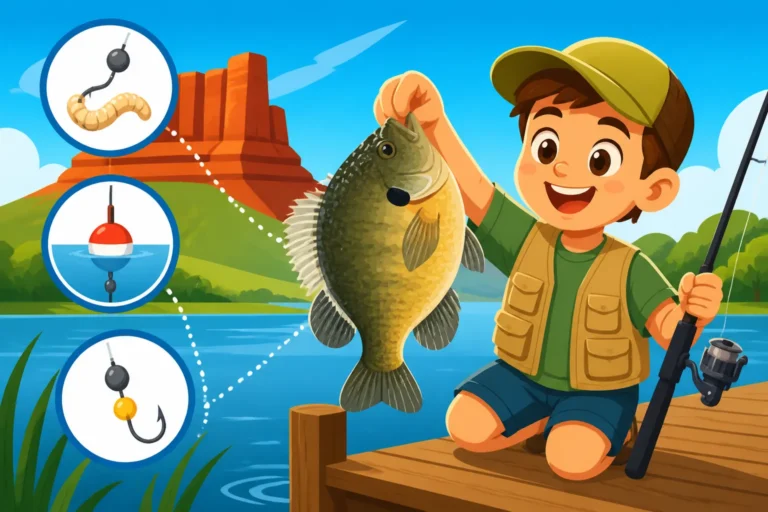
- Live Minnows: These are often irresistible to crappie. Fished under a bobber or on a simple jig head, live minnows are a classic and highly effective bait. Keep them lively in a good bait bucket; you can find aerated models easily on Amazon.
- Jigs: Small soft plastic jigs, typically 1/16 to 1/8 ounce, are incredibly versatile. Popular colors include chartreuse, white, black/chartreuse, and various shad imitations. Try different tail shapes—curly tails, straight tails, and paddle tails—to see what the fish prefer on a given day. These are fantastic for probing brush piles.
- Jig Heads: Match your jig head weight to the depth and current. In very shallow, calm water, 1/32 ounce might be perfect. For deeper cover or breezy conditions, 1/8 ounce provides better control. Consider different head shapes, like ball heads or stand-up heads.
- Small Crankbaits: In some situations, especially when crappie are aggressive or chasing baitfish, tiny crankbaits can be highly effective, particularly when trolled or retrieved along weed lines.
- Scented Baits: Adding a dab of crappie scent to your jig can sometimes provide that extra appeal needed to trigger a strike, especially on slow days. Many popular brands offer crappie-specific attractants.
If you're looking for more specific recommendations, our guide on the Best Bait for Crappie in Oklahoma goes into extensive detail.
Spring Crappie Fishing Techniques
Spring offers a variety of successful techniques, depending on the lake, conditions, and angler preference.
- Vertical Jigging: This is super effective when crappie are holding tight to vertical cover like standing timber or dock pilings. Position your boat directly over the cover and drop a jig or minnow straight down. Watch your fish finder closely for suspended fish. Slowly raise and lower your bait to entice a strike.
- Casting to Cover: If crappie are in shallower brush piles, fallen trees, or lily pad stems, casting a small jig or minnow to the edge of the cover is a great strategy. Allow the bait to sink slowly, then retrieve with a slow, steady retrieve or a series of small twitches. This is excellent for anglers fishing from shore or a kayak.
- Spider Rigging/Trolling: For covering large flats or creek channels, especially when searching for scattered fish, spider rigging (using multiple long rods spread out from the boat) or slow trolling with jigs or minnows is a proven method. This allows you to present baits at different depths and cover a lot of water efficiently.
- Bobber Fishing: This classic technique is fantastic for visible shallow cover or when fishing with kids. A small slip bobber set to the appropriate depth (just above the crappie or cover) with a minnow or jig below it is simple and highly effective, allowing the bait to sit enticingly in the strike zone. This is a very common approach when fishing from the bank.
Planning Your Spring Crappie Trip
A successful crappie trip isn't just about showing up at the lake; it involves a bit of homework and preparation to ensure everything goes smoothly and you stay on the right side of the law.
Checking Regulations and Licenses
Before you even think about packing your gear, the absolute first step is to make sure your fishing license is current. If you're an Oklahoma resident, you'll need a valid Oklahoma fishing license. Non-residents also need a license, and the fees and types can vary. You can easily purchase or renew your license online through the Oklahoma Department of Wildlife Conservation (ODWC) website, or through a licensed vendor. Our guide on Oklahoma Fishing License Requirements in Oklahoma covers all the details you need. It's a quick process, but forgetting it can lead to hefty fines and a ruined day.
Beyond the general license, always check the specific regulations for the lake you plan to fish. While the statewide crappie limit is 37 fish per day with no size limit, several lakes have special regulations. For example, some lakes might have a 10-inch minimum size limit or reduced daily bag limits. These regulations are in place to protect the fishery and ensure healthy populations for future generations of anglers. You can find detailed regulations on the ODWC website or in their annual fishing guide.
Boat vs Bank Fishing for Spring Crappie
Deciding whether to fish from a boat or the bank can often depend on the specific lake and your personal preference, but spring crappie offer excellent opportunities for both.
- Boat Fishing: Having a boat gives you the ultimate flexibility to access prime crappie spawning grounds. You can reach those remote coves, navigate through flooded timber, and efficiently cover large areas. Using a fish finder becomes invaluable for locating submerged brush piles and schools of crappie. Boats also allow for techniques like spider rigging or slow trolling, which are highly effective for covering water during the spawn. Just remember to have all your Oklahoma Boat Safety Equipment Checklist items on board, including appropriate life jackets for everyone.
- Bank Fishing: Don't have a boat? No problem! Spring is one of the best times for bank anglers to target crappie. As fish move shallow, they come within casting distance of the shore. Look for areas with public access that have submerged brush, fallen trees, or docks (if allowed). State parks, city parks, and designated fishing areas often provide excellent bank access. Focus on protected coves that warm up quickly. A simple ultralight rod, a bobber, and a jig or minnow can be incredibly effective from the bank. Even though you're on shore, understanding basic Bank Fishing Techniques can significantly boost your success.
| Lake Name | Primary Crappie Species | Spring Hotspots | Key Features for Spring Crappie | Special Regulations (Crappie) |
|---|---|---|---|---|
| Lake Eufaula | White & Black Crappie | North/South Canadian River arms, timbered coves | Vast timber, numerous creek arms, diverse habitat | Statewide limit (37 fish, no size limit) |
| Grand Lake O' the Cherokees | White & Black Crappie | Elk River arm, Honey Creek, rocky banks, docks | Varied water clarity, abundant rock and wood cover | Statewide limit (37 fish, no size limit) |
| Lake Texoma | White & Black Crappie | Red River arm, Washita River arm, Little Glasses | Large lake with riverine influence, good shallow cover | Statewide limit (37 fish, no size limit) |
| Fort Gibson Lake | White & Black Crappie | Jackson Bay, Flat Rock Creek, Fourteenmile Creek | Numerous creeks, standing timber, varying clarity | 10-inch minimum size limit, 15 fish daily bag limit |
| Keystone Lake | White & Black Crappie | Mannford area, Cimarron River arm, flooded timber | Extensive standing timber, dynamic water levels, good forage | Statewide limit (37 fish, no size limit) |
| Tenkiller Ferry Lake | White & Black Crappie | Illinois River arm, small coves, rock ledges | Clear water, deep structure, often larger crappie | 10-inch minimum size limit, 15 fish daily bag limit |
Note: Always verify current regulations with the Oklahoma Department of Wildlife Conservation (ODWC) before fishing, as rules can change.
Disclaimer
Please note that fishing conditions and regulations can change frequently. Always consult the official Oklahoma Department of Wildlife Conservation (ODWC) website or their current fishing guide for the most up-to-date rules, licensing requirements, and any special lake-specific restrictions before planning your fishing trip. This guide is for informational purposes only.