How to Catch Bass After a Cold Front
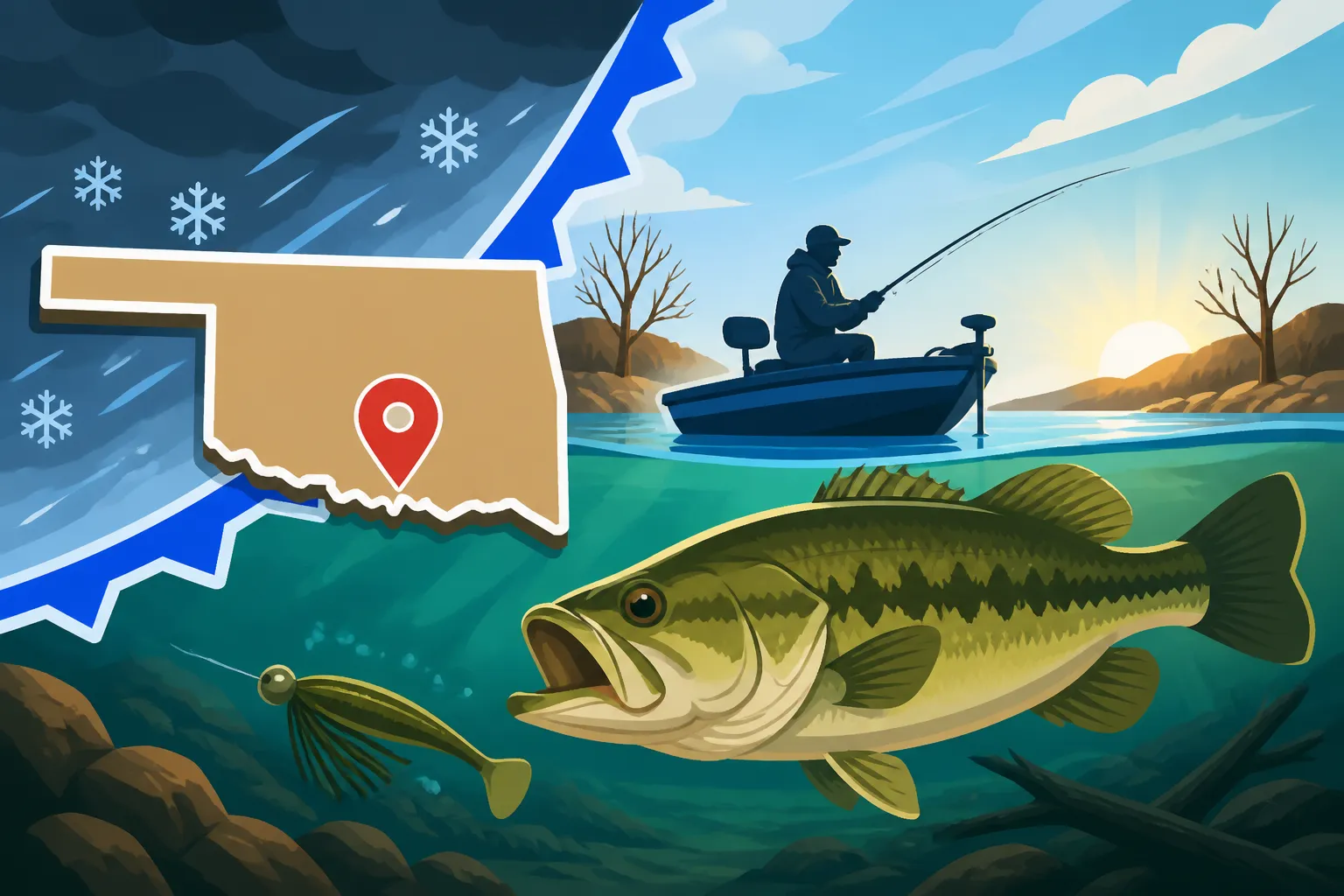
Oh, the dreaded cold front. You wake up, excited for a day on the water, only to find the barometer has plummeted, the wind has shifted, and that perfect bite from yesterday has completely vanished. It's a universal frustration for anglers, and bass, in particular, become notoriously tight-lipped. This guide is all about helping you understand why bass react the way they do after a cold front hits Oklahoma and, more importantly, what actionable steps you can take to still put fish in the boat when Mother Nature throws a curveball.
The Science Behind a Bass's Post-Front Funk
Before we dive into the "how-to," let's really dig into why a cold front turns bass into such finicky eaters. It's not just about the temperature drop; it's a whole cascade of environmental changes that mess with their instincts and comfort zones. Understanding this can actually help you predict their behavior and adapt your strategy.
Barometric Pressure: The Unseen Trigger
Many anglers mistakenly believe that the sudden drop in air temperature is the primary culprit, but it's often the rapid change in barometric pressure that truly sends bass into a funk. Fish, especially those in shallower waters, are highly sensitive to these pressure changes. Imagine the pressure pressing down on them in the water. When it drops significantly, it's like their world just got lighter, and it can disorient them, making them feel exposed and vulnerable.
Think of it this way: a high, stable barometric pressure is usually associated with calm, sunny days – perfect fishing weather. The bass feel comfortable and actively feed. But when a cold front moves in, the pressure typically plummets rapidly before stabilizing at a higher, but still often lower, pressure. This quick drop sends a clear signal to the bass that something is changing, and their natural instinct is to seek deeper, more stable water or denser cover where they feel safer and less affected by the fluctuating pressure. They become less active, more lethargic, and their metabolism slows down, making them less inclined to chase a meal.
Water Temperature Fluctuations and Their Impact
While barometric pressure might be the initial shock, the subsequent drop in water temperature definitely plays a significant role, especially in shallower areas. Bass are cold-blooded creatures, meaning their body temperature is regulated by their environment. A sudden chill means their metabolism slows down. They don't need to eat as frequently, and they're less willing to expend energy chasing fast-moving prey.
When a cold front hits an Oklahoma lake, the shallower waters often cool down first and fastest. This drives bass from these prime feeding grounds to deeper, more thermally stable areas. These deeper spots might be main lake points, ledges, creek channels, or even just deeper pockets within coves. The key is finding areas where the water temperature is more consistent, even if it's colder overall. This often means fishing slower, allowing your bait to sit longer in the strike zone, and focusing on structure that provides warmth or shelter, like dark rock formations that absorb sunlight, or dense brush piles that insulate slightly.
Adjusting Your Bass Fishing Strategy Post-Front
Alright, so the bass are moody. We get it. But giving up isn't an option for a true angler! The good news is that with some thoughtful adjustments, you can still crack the code and tempt those finicky fish. It’s all about slowing down, downsizing, and finding where they've decided to hunker down. If you typically fish aggressively, this might feel like a complete shift, but it’s often the only way to succeed.
Slowing Down Your Presentation
This is probably the most crucial piece of advice for post-front bass fishing. Forget the fast-moving crankbaits and burning spinnerbaits that worked yesterday. Bass are not in a chasing mood. Their metabolism is down, they're wary, and they're conserving energy. This means your lures need to be presented at a snail's pace.
Think about baits that allow for long pauses and subtle movements. Jigs, Texas-rigged worms, shaky heads, and even drop shots become your best friends. When you cast out, let the bait sink slowly, giving it plenty of time to reach the bottom or the desired depth. Once there, instead of a sharp twitch or quick reel, use very small, deliberate movements. Drag a jig slowly across the bottom, barely hopping it. Let a shaky head sit for 10-20 seconds before barely twitching it. A lot of times, the bite will come on the pause, when the bait is completely still. It's about presenting an easy meal that doesn't require much effort from the bass. Remember, the fish aren't actively hunting; they're reacting to an opportunity that literally falls into their lap. This change in rhythm is a fundamental aspect of how to catch bass after a cold front.
Downsizing Baits and Line
Another common mistake after a cold front is sticking with your usual big, bulky baits. When bass are sluggish and wary, a smaller, less intimidating presentation is often more effective. This is where downsizing comes into play – both with your lures and your fishing line.
Instead of a 10-inch worm, try a 6-inch finesse worm. If you were throwing a big jig, switch to a smaller, lighter jig. Consider baits like tube jigs, small grubs, or Ned rigs. These offerings have a smaller profile and often a more subtle action, which can be just enough to entice a hesitant bass. Alongside smaller baits, consider dropping down your line size. Switching from 15-pound fluorocarbon to 10- or 12-pound test can make a significant difference in how naturally your bait presents and how willing a spooky bass is to bite. Lighter line also allows baits to sink more slowly and naturally, which is often key when fish are suspended or holding tight to cover. You might even want to look on Amazon for some fluorocarbon leader material to tie onto your main line for added stealth.
Targeting Deeper Structure and Cover
As mentioned, bass seek stability. After a cold front, they're often heading for deeper water where temperatures are more consistent and they feel less exposed to predators. This means you need to adjust your target areas. Forget the shallow grass flats or sunny points that were productive yesterday; the bass have likely moved on.
Focus on primary and secondary points that drop off into deep water. Look for ledges, creek channels, and submerged timber or brush piles in 15-30 feet of water, or even deeper depending on the lake and time of year. Rock piles and bluff walls can also hold heat and provide excellent ambush points. A good fish finder can be invaluable here, helping you locate these deeper structures and identify schools of baitfish or individual bass holding tight to cover. Consider using a jigging spoon or a heavier shaky head to quickly get your bait down to these depths. For specific locations, our guide on the Best Bass Fishing Lakes Across Oklahoma offers insights into deeper lake structures that become prime post-front spots.
Key Lures and Baits for Post-Front Success
When the bite gets tough, choosing the right lure becomes even more critical. It’s not just about color or size, but also the action and how well it allows for that slow, deliberate presentation we talked about. Having a selection of these "cold front killers" in your tackle box can really make a difference.
Finesse Jigs and Worms
These are workhorses for a reason. Finesse jigs, often paired with a small soft plastic trailer, mimic crawfish or baitfish that are moving slowly on the bottom. Their subtle action and slow fall can be irresistible to a lethargic bass. Similarly, Texas-rigged or Carolina-rigged finesse worms, like a Zoom Trick Worm or a Yamamoto Senko, offer a natural, fluid movement even with minimal rod action.
When fishing these, think about color. Natural tones like green pumpkin, black and blue, or watermelon seed are often best in clearer, post-front conditions. Let the bait sink, drag it, hop it, and pause it. Many times, the bite will feel like just a slight "mush" or added weight on your line, so pay close attention. You might find a good selection of these on Amazon to replenish your stock before your next cold front challenge. For detailed tips on specific rigs, check out How to Fish a Texas Rig for Bass or How to Rig a Jig for Bass Fishing.
Shaky Heads and Ned Rigs
These two rigs are practically synonymous with tough bites and finesse fishing. A shaky head jig consists of a weighted head with a screw-lock keeper, allowing a worm to stand upright off the bottom, mimicking a feeding baitfish or a crawfish in a defensive posture. The subtle wobble of the worm's tail can be incredibly enticing.
The Ned rig, often considered an ultra-finesse technique, uses a small, mushroom-shaped jig head paired with a short, buoyant soft plastic bait. Its small profile and ability to stand straight up on the bottom make it an excellent choice for finicky bass. The key with both of these is minimal movement. Cast it out, let it sink, and barely shake your rod tip to give the bait a slight shimmy. The fish will often pick it up on the long pauses. These rigs are particularly effective when fishing clear, cold waters typical of post-front conditions in places like Broken Bow Lake or Tenkiller Ferry Lake.
Suspending Jerkbaits and Crankbaits
While we've emphasized slow, bottom-oriented presentations, suspending jerkbaits can be absolute killers after a cold front, especially if bass are suspended in the water column or chasing baitfish intermittently. The magic of a suspending jerkbait is that it stays at a specific depth during pauses, perfectly mimicking a stunned or dying baitfish.
Cast it out, crank it down to its running depth, and then implement a jerk-jerk-pause retrieve. The pause is critical here – sometimes as long as 10-30 seconds. The longer the pause, the more time a sluggish bass has to decide to strike. Similarly, silent, flat-sided crankbaits, retrieved very slowly and steadily, can sometimes trigger a reaction strike, especially if they are bumping into cover. These baits don't have the aggressive wobble of typical crankbaits, offering a more subtle presentation that aligns with post-front conditions. To learn more about seasonal bait selection, our guide on Seasonal Bait Selection for Bass offers more insights.
Adapting to Oklahoma's Diverse Waters
Oklahoma is a state of incredible angling diversity, from massive reservoirs like Lake Texoma and Lake Eufaula to smaller, clear-water lakes and winding rivers. How a cold front affects bass can vary slightly depending on the specific body of water you're fishing.
Large Reservoirs vs. Smaller Lakes
On vast reservoirs such as Lake Texoma or Grand Lake O' the Cherokees, bass have more options to retreat to deeper, more stable water. They might pull out to main lake ledges, deep points, or even suspend over submerged timber in the middle of a creek channel. Here, your fish finder becomes an indispensable tool to locate these deeper sanctuaries. You'll often be targeting fish in 20-40 feet of water, requiring heavier jigs, drop shots, or deep-diving crankbaits that can reach those depths effectively.
In contrast, smaller lakes and ponds, like many of Oklahoma's lesser-known fishing spots, might not offer as much deep water. Bass here might simply move to the deepest part of the pond, find dense brush piles, or hug the bottom of steep banks or docks. The principles of slowing down and downsizing still apply, but the depths you're targeting might be considerably shallower, perhaps 10-20 feet, compared to the larger reservoirs. For these smaller waters, our guide on Best Bait for Largemouth Bass in Oklahoma Farm Ponds could offer some relevant tips.
River and Stream Dynamics
Rivers and streams present a slightly different challenge. The current constantly moves and oxygenates the water, which can sometimes mitigate the immediate shock of a cold front compared to still waters. However, bass in rivers will still seek refuge from rapid temperature drops and increased clarity.
Look for bass to congregate in slower current areas like eddies behind rocks or fallen trees, deep holes, or the slack water along river bends. Structure becomes even more critical in moving water. Pitching jigs, Texas-rigged worms, or even small, weighted swimbaits into these calmer pockets and allowing them to settle on the bottom can be very effective. The fish won't move far to eat, so precise casting and slow, thorough presentations are key. When planning your trips, remember that Do License Rules Change Between Rivers and Lakes in Oklahoma? is a critical piece of information to be aware of.
The Post-Front Recovery: When to Expect the Bite to Return
The "post-front funk" doesn't last forever. As the weather stabilizes and the barometric pressure evens out, bass will gradually become more active. This recovery period can take anywhere from a few hours to several days, depending on the severity of the front and the subsequent weather.
Typically, once the sun has been out for a day or two and has had a chance to warm the shallower waters slightly, or when cloud cover returns and pressure drops slightly (but steadily), the bite will pick back up. Often, the late afternoon after a day or two of sunshine can be a prime time, as the water reaches its warmest point. Keep an eye on the weather forecast, and don't give up entirely after the initial shock. Patience and persistence are key to understanding How Cold Fronts Change Fishing Patterns on Oklahoma Lakes.
| Cold Front Stage | Bass Behavior | Recommended Tactics | Key Lure Examples |
|---|---|---|---|
| Pre-Front | Active feeding, aggressive. Moving shallow. | Fast retrieves, covering water quickly. | Spinnerbaits, Chatterbaits, Lipless Crankbaits. |
| Front Arrives | Sudden shock, rapid retreat to deeper, stable water. Shutting down. | Extremely slow presentations. Target deepest available cover. Minimal movement. | Heavy Jigs, Drop Shot, Shaky Head, Ned Rig. |
| Post-Front (Day 1-2) | Lethargic, holding tight to cover, rarely feeding. Reluctant to move. | Ultra-finesse, small baits, long pauses. Focus on pinpoint accuracy on deep structure. | Finesse Worms (Texas/Carolina-rigged), Small Jigs, Ned Rigs, Suspending Jerkbaits (long pauses). |
| Post-Front (Day 3+) | Slowly becoming more active as conditions stabilize. May move to secondary points or slightly shallower cover. | Slower than normal but increasing activity. Experiment with slightly larger baits or more active retrieves, especially during warmer parts of the day. | Jig & Pig, Medium-diving Crankbaits (slow roll), Wacky Worms, football jigs, small swimbaits. Consider Best Bass Lures for Fall Fishing if conditions resemble autumn. |
Essential Gear and Tools for Cold Front Bass Fishing
Having the right gear won't guarantee success, but it will certainly increase your chances when faced with challenging post-front conditions. It's about preparedness and having the tools that allow you to execute those slower, more subtle presentations effectively.
Rods, Reels, and Line
For finesse techniques like shaky heads, Ned rigs, and drop shots, a medium-light to medium power spinning rod with a fast action is ideal. This setup allows for precise casting of lighter baits, provides excellent sensitivity to detect subtle bites, and offers enough backbone to handle a decent bass. Pair it with a high-quality spinning reel spooled with 6-10 pound fluorocarbon or braid with a fluorocarbon leader. Fluorocarbon's low stretch and good sensitivity are a big advantage here.
For jigs, Texas rigs, and suspending jerkbaits, a medium to medium-heavy power casting rod with a fast to extra-fast action is usually preferred. This gives you more control over heavier baits and better hook-setting power. Use a baitcasting reel with 10-15 pound fluorocarbon. Remember, downsizing your line often means sacrificing some abrasion resistance, so be mindful when fishing heavy cover. You can find excellent deals on fishing line and other tackle on Amazon.
Electronics and Mapping
In post-front conditions, fish often move to deeper, less obvious locations. This is where modern marine electronics truly shine. A quality fish finder with side imaging and down imaging can help you identify subtle depth changes, submerged brush piles, ledges, and even individual fish holding tight to structure that you might never find without it.
Detailed lake maps, whether on your unit or a separate app, are also critical. They help you visualize underwater contours, old creek channels, and humps that become prime targets. Before you even launch the boat, studying these maps can give you a game plan and narrow down your search areas, saving you valuable time on the water. When dealing with fluctuating conditions, understanding Water Temperature and Oklahoma Fishing Timing can be greatly aided by good electronics.
Comfort and Safety Gear
Don't forget about your own comfort and safety. Cold fronts often bring chilly winds and colder air temperatures. Dress in layers, including waterproof outerwear, even if the forecast doesn't seem too bad. Cold hands and feet can quickly ruin a fishing trip. Consider insulated gloves and warm socks.
A hot thermos of coffee or soup can also be a real morale booster. And as always, make sure you have all your required safety gear on board, including life jackets, and let someone know your float plan, especially if you're fishing alone on a larger lake in potentially rougher, colder conditions. Our guide on Oklahoma Boat Safety Equipment Checklist is a good resource to review before hitting the water.
Final Thoughts on Post-Front Bass Fishing
Fishing after a cold front in Oklahoma is undeniably tough, and it tests the patience and skill of even the most seasoned anglers. It's easy to get frustrated when the fish aren't biting aggressively like they were just yesterday. But remember, the fish are still there; they've just changed their behavior.
The key to success lies in understanding why they're acting that way and then making deliberate, often counter-intuitive adjustments to your approach. Slow down. Downsize. Go deeper. Be patient. And most importantly, stay confident. Every tough day on the water teaches you something new, and mastering the cold front bite will make you a far better angler in the long run.
Disclaimer
Please note that fishing regulations, including license requirements and bag limits, can change. Always consult the latest Oklahoma Department of Wildlife Conservation (ODWC) regulations before heading out on the water. This information is for general guidance only and should not replace official sources.