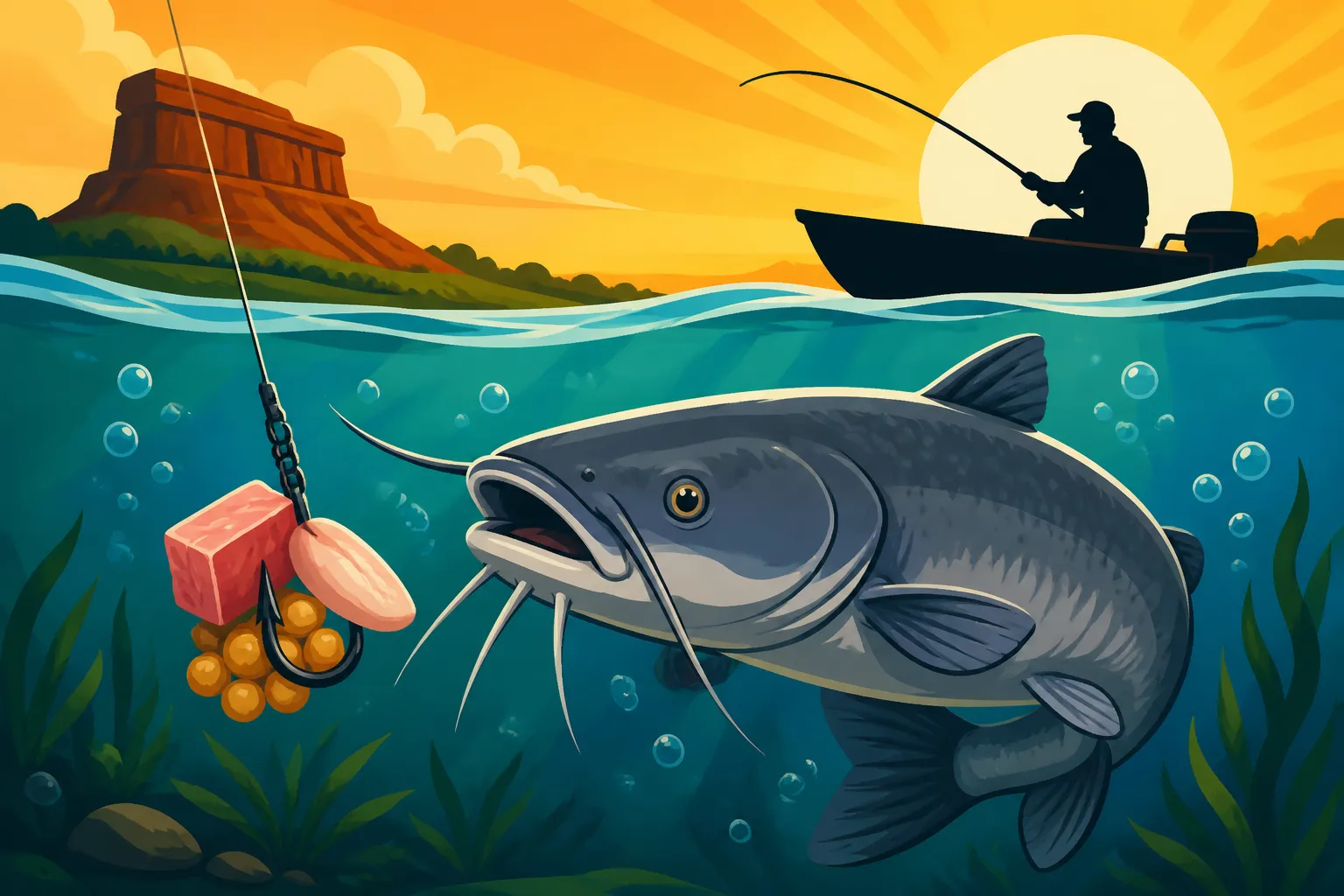
Best Catfish Bait for Summer Fishing
Oh, summer in Oklahoma! There's nothing quite like it, is there? Long days, warm nights, and the promise of a big fish at the end of your line. But let's be real: as glorious as it is, summer catfishing can also be incredibly frustrating. The scorching sun, the thick humidity, and those sluggish bites can really test your patience. If you've ever felt like the catfish just vanish when the thermometer climbs, you're not alone. This guide is all about cutting through that frustration, helping you understand why summer catfishing is different, and, most importantly, arming you with the best baits to tempt those whiskered warriors even when the mercury is pushing the limits.
Understanding Summer Catfish Behavior in Oklahoma
Before we even talk about dipping a hook, we need to talk about the catfish themselves. They don't just magically disappear when summer hits; they simply change their routines. Adapting your strategy to their summer habits is key to consistent success on Oklahoma's beautiful lakes and rivers.
The Dog Days and Deep Water Retreats
When those Oklahoma summer days hit their peak, often soaring into the high 90s or even triple digits, the water temperature in our lakes and rivers climbs right along with the air. This isn't just uncomfortable for us; it changes the entire ecosystem below the surface. Catfish, especially the bigger blues and flatheads, are cold-blooded creatures, and they'll seek out the most comfortable spots. That usually means they'll move away from the shallow, sun-baked banks and into deeper, cooler water, or they'll hunker down in dense cover like submerged timber or brush piles where the sun can't penetrate as easily.
This shift in location is the first critical piece of the puzzle when trying to figure out what bait to use – you need something that can get to them and get their attention even when they're not actively cruising the shallows. Think about it: during cooler seasons, catfish might be more spread out, foraging widely. In summer, they tend to consolidate into specific comfort zones. Knowing that they are likely in deeper holes, near channel swings, or tucked into submerged structure helps you present your chosen bait right in their strike zone.
You might find them congregating around points that extend into deep water, the edges of river channels, or under bridges where there’s a bit more shade and current. These are their summer sanctuaries, where they can escape the oppressive heat of the shallower zones. Your bait choice should complement your ability to reach these areas, whether it's through careful casting or by utilizing techniques like drift fishing to cover more ground over deeper structures.
Oxygen Levels and Feeding Habits
Another huge factor influenced by summer heat is the dissolved oxygen content in the water. Warm water holds less oxygen than cold water, and this can significantly impact fish activity. Imagine trying to run a marathon in a stuffy room versus a fresh, cool breeze – fish experience something similar. In areas with low oxygen, fish become lethargic and less inclined to chase down food. They conserve energy. This is particularly true during the hottest parts of the day.
This doesn't mean they stop eating entirely, but their feeding windows might become narrower, often shifting to dawn, dusk, or even through the night when water temperatures are at their coolest and oxygen levels are slightly higher. During these times, catfish might move shallower to feed more actively. During the intense midday heat, they're more likely to be opportunistic, taking advantage of an easy meal that drifts right into their deep-water hideout.
Therefore, your summer bait needs to pack a punch in terms of scent and availability. A strong-smelling bait will draw them out of their lethargy and signal an easy meal without requiring much exertion. This is why some baits that work well in spring might not cut it in the oppressive summer heat; the fish simply aren't as eager to expend energy for a subtle offering. It's about maximizing appeal with minimal effort on their part. For more on the specifics of targeting different species, check out this guide on catfish species you’ll find in Oklahoma.
The Importance of Scent and Persistence
Given that summer catfish are often less active and hiding in deeper, darker water or thick cover, scent becomes your absolute best friend. Their lateral line and barbels are incredibly sensitive, allowing them to detect even minute chemical signals in the water. A bait that disperses a strong, alluring aroma is far more likely to get noticed by a hesitant catfish than something visually appealing but lacking in odor.
Think of it this way: if a catfish is tucked deep into a brush pile, it might not see your perfectly presented piece of bait right away. But if that bait is oozing a powerful scent trail, the catfish can follow its nose right to the source. This is why many traditional "stink baits" or heavily scented cut baits truly shine during the summer months. They act as an olfactory beacon, drawing fish in from a distance and tempting them into a bite they might otherwise ignore.
Persistence is also crucial. Unlike cooler seasons when active fish might hit a bait quickly, summer catfishing often requires patience. You might need to leave your bait in the strike zone for longer periods, allowing that scent to permeate the water and give the fish ample time to decide to investigate. Don't be afraid to soak a bait for 20-30 minutes or even longer in a promising spot, especially if you know there are fish there. Sometimes, it's just a matter of waiting for them to get curious enough to move.
Top Natural Baits for Oklahoma Summer Catfish
When it comes to tempting Oklahoma's summer catfish, natural baits are often the gold standard. There's just something about real meat and fish that these whiskered bottom-dwellers can't resist, especially when it's potent and properly presented.
Classic Cut Baits: Shad, Perch, and Sunfish
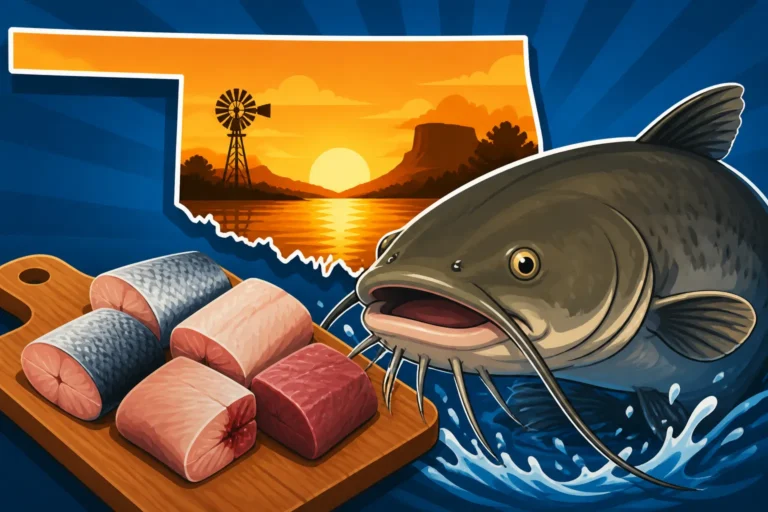
Cut bait remains a perennial favorite for a reason, and in the summer, its effectiveness skyrockets due to the strong scent it releases. Fresh shad is arguably king, especially if you can get it live and then cut it up. The oil and blood from shad create an irresistible scent trail that catfish, particularly blue and channel cats, find hard to ignore. When fishing in summer, ensure your shad is as fresh as possible, or if using frozen, thaw it just enough to cut without losing its integrity.
To prepare cut bait, don't just chop it into random chunks. For larger fish, slice shad or similar baitfish into strips or sections about 1-2 inches wide, making sure each piece has a bit of skin attached to help keep it on the hook. For smaller channel cats, quartering a small sunfish or cutting a larger piece of shad into dime-sized cubes can be very effective. The key is to expose plenty of flesh and blood, maximizing that crucial scent dispersion. Using a sharp knife is essential for clean cuts that allow the bait's juices to leak out freely. You can even find specialized bait knives on Amazon if you're serious about your presentation.
Sunfish like bluegill or green sunfish, common across Oklahoma, also make fantastic cut bait. They're usually easy to catch yourself in abundance from local ponds or smaller lakes. A fresh bluegill, cut into strips or fillets, offers a tougher skin that stays on the hook well, and its natural oils and scent are highly attractive. When using these, ensure you're aware of the fishing regulations regarding using game fish as bait; often, non-game fish or specific sizes of panfish are allowed. Always check the current Oklahoma fishing regulations before heading out.
Live Baits That Outperform in the Heat: Worms, Minnows, and Bluegill
While cut bait shines with scent, live bait offers an enticing movement that can trigger strikes from even sluggish summer catfish. The erratic wiggles of a live minnow or the frantic struggles of a worm can be just the incentive a less-active catfish needs to strike. This is especially true for flathead catfish, which often show a strong preference for live prey.
Worms, particularly large nightcrawlers or juicy red wigglers, are universally effective for channel catfish and smaller blues. In summer, they work best when fished on the bottom, either individually or in a tangled ball to create a bigger target and more wiggling action. The subtle vibrations and natural scent they emit are constant attractants. Keeping worms cool and lively in a good worm container is vital in the summer heat, as dead or mushy worms are far less appealing.
Live minnows, especially larger shiners or small creek chubs, are excellent for tempting bigger channel cats and flatheads. Hook them through the back near the dorsal fin, being careful not to hit the spine, or through both lips. This allows them to swim naturally and present themselves as an easy meal. When you're fishing for those bigger blue cats in deeper water, a lively minnow can be just the ticket. You'll often find that catfish hiding in submerged timber or rock piles are more willing to pounce on a struggling live bait.
Perhaps one of the most underrated live baits for trophy flatheads, and even large blues, is a small live bluegill or sunfish. Again, check your local regulations carefully before using game fish as live bait. Hooked through the back, a 3- to 5-inch bluegill swimming near cover or on a trotline can be irresistible to a massive flathead. Their toughness also means they can withstand the attention of smaller fish and stay alive longer, increasing your chances for that trophy catch. Remember to consult Oklahoma’s Bag Limit Rules by Species for specific species limits.
Stink Baits and Prepared Baits
For many anglers, "stink bait" is synonymous with catfish fishing, and for good reason—they leverage the catfish's incredible sense of smell. These baits are particularly effective in warmer waters where scent disperses more readily, and they're a go-to for channel catfish, though larger blues will also hit them.
Prepared baits come in many forms: dough baits, dip baits, punch baits, and even pre-formed chunks. The common thread is their potent, often pungent, odor. Dip baits, for example, are usually thick, gooey concoctions designed to be smeared onto a sponge or a special bait holder that hooks onto your line. The strong smell then leaches into the water, creating a scent cloud that can attract fish from a good distance. Different brands offer various formulas, some with cheese, blood, or liver bases, each with its own fan club among catfish anglers.
Punch baits are another excellent option, especially for channel cats. These baits are usually a thick, fibrous paste that you "punch" your hook into, effectively embedding the hook within the bait. The fibers help hold the bait on the hook even with aggressive casting, and their powerful scent is released steadily. They're messy, no doubt, but incredibly effective when the catfish are in a scent-driven mood, which they often are during summer. Keeping a separate rag or towel specifically for handling these baits is a must! Many anglers rely on specific punch bait brands they trust, which can be found at local bait shops or through online retailers like Amazon.
The Role of Prepared and Commercial Baits
While natural baits are fantastic, the convenience, consistency, and often unique attractants found in commercial and prepared baits make them indispensable for many summer catfishing excursions. They can save you time, reduce mess, and sometimes offer a scent profile that's hard to replicate naturally.
Punch Baits and Dip Baits: What They Are, How They Work, and Tips for Application
Let's dive deeper into the world of punch and dip baits, because these are absolute powerhouses for summer channel catfish. Punch baits, as mentioned, are thick, dough-like concoctions often made with cheese, blood, or grain bases. Their secret lies in their fibrous texture, which allows you to "punch" a treble or small circle hook into the bait. The fibers then hold the bait securely, preventing it from flying off during a cast. This durability is a huge plus, meaning you spend less time re-baiting and more time with your line in the water, a significant advantage on a hot summer day.
To use punch bait effectively, get a small, stout stick or a dedicated punch bait tool. Push your hook, barb first, into the container of bait, then slowly pull it out. The bait will cling to the hook. Some anglers even use a small, specially designed spring or coil attached to their hook to help retain the bait better. The powerful, long-lasting scent plume created by punch bait is what draws in channel cats from afar. These baits are particularly effective when targeting fish in current, as the water flow helps distribute the scent even further. For tips on maximizing your efforts with channels, check out these ideas on how to catch channel catfish from the bank.
Dip baits, on the other hand, are typically runnier, more liquid-based pastes. They require a special bait holder, usually a small plastic worm or a spongy material with grooves, that attaches to your hook. You "dip" this holder into the container of bait, coating it thoroughly. The bait then slowly dissolves and washes off in the water, creating an intense, concentrated scent cloud around your hook. Dip baits are known for their incredibly strong and often offensive odors to the human nose, but catfish absolutely adore them. Some brands incorporate glitter or other visual attractants, but it's primarily the smell that does the heavy lifting.
When applying dip bait, don't overload your holder. A good coating is enough to start the scent trail. These baits are fantastic for fishing calmer waters or when you want a very intense, localized scent. Both punch and dip baits can be a bit messy, so having gloves and a dedicated bait towel is highly recommended. Many anglers carry multiple scents or brands, experimenting to see what the fish prefer on a given day. You can find a wide variety of these specialized baits, along with bait holders, on Amazon.
Marinating and Enhancing Your Own Baits
Even if you prefer natural baits, there's no reason you can't give them a little extra kick, especially for summer catfishing. Marinating or enhancing your own baits can significantly increase their appeal and effectiveness, turning a good bait into a great one. This is where you can get creative and tailor scents to specific conditions or personal preferences.
One popular method is to soak cut bait in various juices or oils known to attract catfish. Garlic juice, Anise oil, or even concentrated fish oil can be incredibly potent additives. Simply place your cut shad or sunfish strips in a sealable container, add a few drops or a splash of your chosen attractant, and let it marinate for several hours or overnight in the refrigerator. The bait will absorb the scent, creating an even more powerful odor trail when it's in the water. This is particularly effective for tempting fish that might be a bit lethargic in the summer heat.
Another enhancement technique involves using powdered attractants. There are many commercially available powders designed to be sprinkled on baits, adhering to the moist surface and slowly releasing scent. These often contain concentrated blood, liver, or fish meal. You can even experiment with common kitchen spices, though be mindful of what you're using. Some anglers swear by a pinch of chili powder or cayenne pepper mixed into their dough baits, believing the subtle spice adds an extra dimension of appeal to the catfish's sensitive barbels.
For flathead anglers, adding a bit of fresh blood to their live baits before hooking them can be a game-changer. A small nick on a live bluegill, allowing a tiny amount of blood to seep into the water, can make it even more irresistible to a lurking flathead. Just be careful not to injure the baitfish too much, as you want it to remain lively. These simple enhancements can provide that competitive edge when the bite is tough and can often be done with ingredients easily found or ordered online.
Choosing the Right Brand for Summer Success
With so many commercial baits on the market, choosing the right brand can feel a little overwhelming, especially for new anglers. The truth is, many reputable brands produce excellent catfish baits, and often, personal preference and local fish behavior play a significant role. However, there are a few general principles that can guide your choice for summer catfishing.
Look for brands that emphasize strong, long-lasting scents. During the summer, a bait that quickly loses its potency in the water will be less effective. Brands known for their "extra strong" or "long-range attractant" formulas are often a good starting point. Researching local fishing forums or asking experienced anglers at bait shops can also provide valuable insights into which brands perform well in your specific Oklahoma lakes and rivers. Some regions might have a strong preference for a particular flavor or scent profile, so don't be afraid to ask around.
Another consideration is the consistency and durability of the bait. For punch baits, you want something that holds well on the hook without being overly stiff or too mushy. For dip baits, the ability to cling to the bait holder without washing off immediately is crucial. Reading reviews or watching videos of anglers using different brands can give you a better idea of their practical application. Don't be afraid to buy a couple of different types or brands, perhaps from a selection on Amazon, and test them out on your next fishing trip. What works one day might not work the next, and having options is always a good strategy in catfishing. For understanding the species you're targeting, refer to Channel Catfish vs Blue Catfish vs Flathead Catfish in Oklahoma.
Bait Presentation and Rigging for Summer Catfish
Having the best bait in the world won't matter if you can't get it to the fish effectively. Summer catfishing often requires specific rigging and presentation techniques to ensure your tempting offering reaches those deep-dwelling, sometimes finicky, catfish.
Bottom Rigs for Deep Water: Slip Sinker and Carolina Rigs
When catfish retreat to deeper, cooler water in the summer, getting your bait down to them is paramount. This is where classic bottom rigs truly shine. The slip sinker rig, also known as a Carolina rig for many catfish anglers, is a staple for a reason. It allows the fish to take the bait without feeling the weight of the sinker, leading to more confident bites.
To set up a basic slip sinker rig, you'll thread an egg sinker (or a no-roll sinker, which is great for preventing snags in current) onto your main line first. Below the sinker, tie on a barrel swivel. The swivel prevents line twist and, more importantly, stops the sinker from sliding down to your hook. To the other end of the swivel, tie a leader line, typically 12-24 inches long, made of a slightly lighter or similar pound-test monofilament or fluorocarbon. Finally, tie your hook to the end of the leader. This setup allows your bait to float or rest naturally on the bottom, while the sinker holds it in place, letting the line slide freely through the sinker when a fish bites. For step-by-step instructions, see How to Rig a Slip Sinker for Catfish.
The choice of sinker weight is crucial. In calm lakes, a ½ to 1-ounce sinker might be enough to hold bottom. In rivers or areas with strong current, you might need 2 ounces or more to prevent your bait from washing away. The length of your leader can also be adjusted; a longer leader gives bait more natural movement, while a shorter one keeps it closer to the bottom. This rig is ideal for presenting cut bait, live bait, or even punch bait in those deep holes and channels where summer catfish congregate.
Jug Lining and Trotlining Considerations
For anglers looking to cover more water and increase their chances, especially for larger catfish, jug lining and trotlining are incredibly effective summer techniques in Oklahoma. These methods allow you to present multiple baits across a wider area, maximizing your scent trail and increasing the odds of enticing a bite from a cruising catfish.
Jug lining involves setting out multiple individual lines, each attached to a floating jug or bottle. These jugs can be made from recycled plastic bottles, foam, or purpose-built fishing jugs. Each jug has a line attached, usually with a hook and bait, and is allowed to drift freely or anchored in a specific area. The beauty of jug lining in summer is that you can bait many hooks with different attractants—some with cut bait, some with live sunfish, perhaps some with stink bait—and see what the catfish are hitting. When a fish bites, the jug will move erratically or disappear, signaling a catch. Just be sure to check Oklahoma’s Catfish Fishing Rules and Limits for specific rules on the number of jugs allowed and marking requirements.
Trotlining is a more stationary method, involving a main line stretched across a body of water or along a bank, with multiple baited hooks attached at intervals. This technique is fantastic for saturating a known catfish haunt, such as a deep channel or a stretch of submerged timber. In summer, you'd typically set trotlines in deeper water, aiming to intercept fish moving during their nocturnal feeding patterns or those holding in cool, dark spots during the day. Proper anchoring and careful baiting are key to trotline success. For a comprehensive guide on setting up, check out How to Jug Fish for Catfish and How to Set Up a Trotline for Catfish. Both jug lining and trotlining offer an excellent way to use those strong-smelling summer baits to their full potential, broadcasting an irresistible invitation to catfish throughout their deep-water domain.
Bank Fishing Strategies in the Heat
You don't need a fancy boat to have a killer summer catfishing trip in Oklahoma. Bank fishing can be incredibly rewarding, especially if you know how to adapt to the heat. While catfish might retreat to deeper water during the hottest parts of the day, they will often move into shallower areas to feed during dawn, dusk, and through the night, making these prime times for bank anglers.
One effective strategy is to target accessible points or humps that drop off quickly into deeper water. These locations allow bank anglers to cast into cooler, deeper zones without needing a boat. Look for areas with visible cover like fallen trees or rock piles at the edge of the deeper water, as these are natural holding spots for catfish. Using a reliable bank fishing rod setup that allows for long casts is essential here, ensuring your bait reaches those distant haunts.
Another key is timing. As mentioned, early morning and late evening, transitioning into night fishing, are often the most productive times for bank anglers in summer. The cooler air temperatures bring down the shallow water temps slightly, and catfish become more active. Using baits that glow or have reflective properties can also be beneficial for night fishing. When fishing from the bank, convenience is key, so having pre-rigged leaders or a well-organized tackle box, perhaps stocked with items from Amazon, will make your experience more enjoyable. Don't forget bug spray! You'll be glad you remembered it when the mosquitoes come out to feed on a warm summer evening.
Here's a quick comparison of popular summer catfish baits:
| Bait Type | Key Feature | Best For (Species) | Summer Effectiveness | Pros | Cons |
|---|---|---|---|---|---|
| Cut Shad | Oily, Bloody, Strong Scent | Blue, Channel Catfish | Excellent | Powerful attractant, readily available | Can be messy, needs refrigeration |
| Live Bluegill | Natural Movement, Durable | Flathead, Large Blue Catfish | Excellent | Irresistible to trophy fish | Requires live bait storage, check regulations |
| Nightcrawlers | Constant Wiggle, Subtle Scent | Channel Catfish, Smaller Blues | Good | Easy to find, versatile | Can be picked off by smaller fish |
| Punch Bait | Fibrous, Concentrated Stink | Channel Catfish | Excellent | Stays on hook, strong, long-lasting scent | Messy to handle, primarily for channels |
| Dip Bait | Gooey, Intense Stink | Channel Catfish | Excellent | Creates large scent cloud | Messy, requires special bait holder |
| Chicken Liver | Bloody, Soft Texture | Channel Catfish, Smaller Flatheads | Good | Inexpensive, strong scent | Falls off hook easily, very messy |
Disclaimer
This article is for general informational purposes only and does not constitute professional advice. Laws, prices and regulations vary by location and change over time. Consult a qualified professional for guidance on your specific situation.