How to Catch Walleye from the Bank
It's a common misconception among many Oklahoma anglers that catching walleye is an exclusive club, only open to those with big boats and fancy electronics. You might feel frustrated watching others motor out to deep water, convinced that the big 'eyes are simply out of reach from shore. But I'm here to tell you that with the right approach and a bit of know-how, you can absolutely land some fantastic walleye right from the bank. This guide will demystify bank fishing for walleye, giving you the strategies and confidence to succeed.
Understanding Walleye Behavior from the Bank Angler's Perspective
Before you even think about casting a line, it's crucial to get inside the head of a walleye, especially when you're limited to bank access. These fish aren't always in the deepest parts of the lake. They follow food, comfort, and structure, much like any other game fish. Knowing their habits will significantly increase your chances of success.
Walleye's Preferred Habitat Near Shore
Walleye, despite their reputation as deep-water dwellers, often move into shallower areas, especially during low-light conditions or when prey fish are abundant close to shore. They love structure, and luckily, many types of structure are accessible from the bank. Think about areas with riprap, which are those rocky shorelines often found near bridges, dams, or causeways. These rocks provide cover for baitfish and crawfish, which are prime walleye food, and they also create current breaks where walleye can ambush prey.
Beyond riprap, look for points that extend into the water, especially those with a sharp drop-off. A point offers walleye an excellent ambush position, allowing them to patrol deeper water while remaining close to shallower feeding grounds. Submerged timber, rock piles, or old roadbeds that are close to shore can also be gold mines. These features break up the bottom contour and provide hiding spots. Don't be fooled into thinking you need a boat to find these; many older, established lakes in Oklahoma have these kinds of structures surprisingly close to shore, especially where old creek beds or foundations were flooded.
Best Times to Target Walleye from Shore
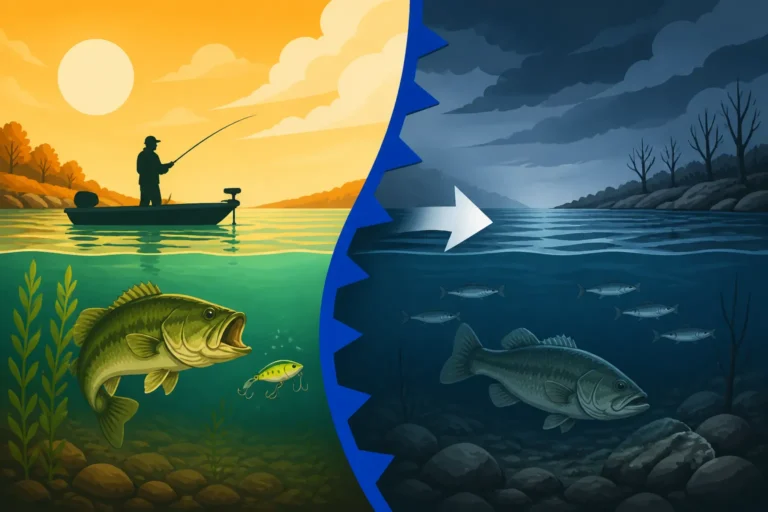
Walleye are notorious for their light-sensitive eyes, which is precisely why they're often more active during periods of low light. This means dawn, dusk, and even after dark are your prime times for bank fishing success. During these hours, walleye venture into shallower feeding grounds, making them much more accessible from shore. Imagine the sun just dipping below the horizon on an Oklahoma lake, casting long shadows across the water. That's when the walleye are waking up and getting ready to feed.
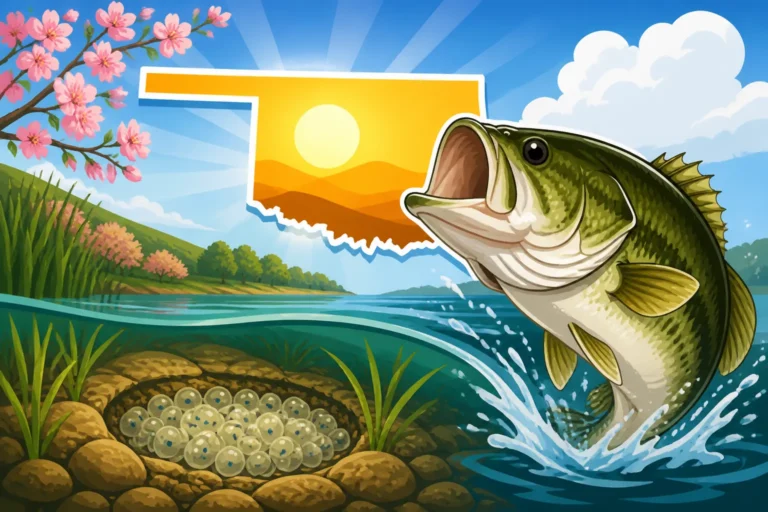
On overcast days, or when the water is stained or muddy, walleye might be more active throughout the day, as the reduced light penetration mimics their preferred low-light conditions. You might even find them on the shaded side of a point or structure during brighter daylight hours. Consider the seasonal patterns too. For example, during the spring spawn, walleye move to shallower, rocky areas to lay eggs, making them particularly vulnerable to bank anglers. Conversely, in the heat of summer, night fishing often becomes the most productive way to catch them from shore, as they move up from cooler, deeper waters to feed. You can learn more about the seasonal movements of these fish in our guide on the Best Time of Year to Catch Walleye in Oklahoma.
Essential Gear for the Bank Walleye Angler
You don't need a boatload of expensive equipment to catch walleye from the bank, but having the right tools for the job will make your experience much more effective and enjoyable. It's about smart choices, not excessive spending.
Rods, Reels, and Line for Shore-Based Success
For bank fishing walleye, you'll want a rod that offers a good balance of casting distance and sensitivity. A medium to medium-heavy spinning rod, around 7 to 8 feet in length, is often ideal. This length gives you the leverage to make longer casts from shore, covering more water, while the medium action allows for solid hook sets and enough backbone to handle a decent-sized walleye.
Pair this with a quality spinning reel in the 2500-3000 series. The reel should have a smooth drag system, which is critical for fighting fish without breaking your line. For line, many bank anglers prefer braided line in the 10-20 pound test range, coupled with a fluorocarbon leader of 8-12 pound test. The braid offers excellent sensitivity and casting distance with minimal stretch, helping you detect those subtle walleye bites. The fluorocarbon leader is virtually invisible underwater, which is a huge advantage when targeting wary walleye, and it also provides some abrasion resistance against rocks and other structure. You can find many excellent options for both rod, reel, and line on platforms like Amazon, offering a wide range of choices to suit your budget and preferences.
Top Lures and Baits for Bank Walleye
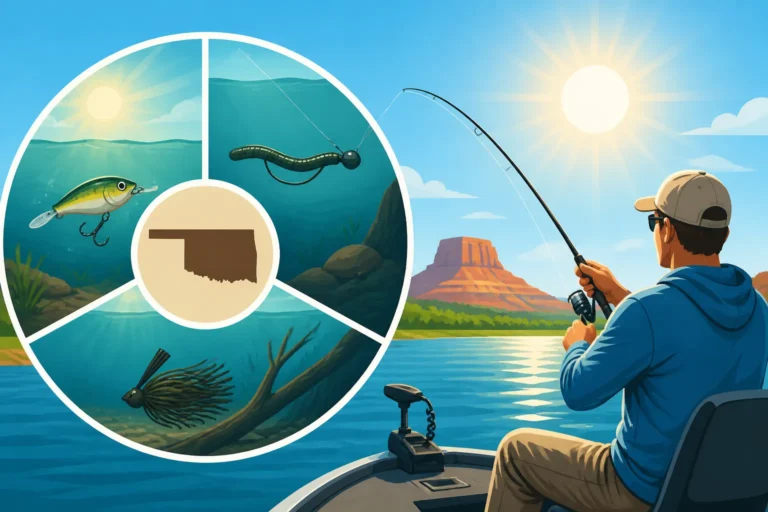
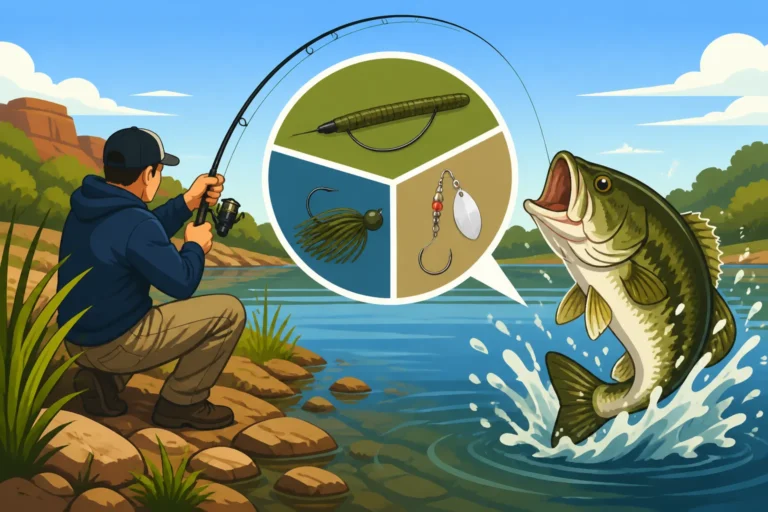
When it comes to lures and baits, you want options that can be effectively presented from shore and mimic what walleye are naturally feeding on. Jigs are incredibly versatile and a staple for any walleye angler. A 1/8 to 1/2 ounce jig head, tipped with a soft plastic like a grub, paddle tail, or even a live minnow, can be deadly. Experiment with colors; chartreuse, white, black, and motor oil often work well in Oklahoma's various water conditions.
Another fantastic option for bank anglers are crankbaits, especially those that dive to different depths. Shallow-diving crankbaits are great for covering flats or targeting walleye near the surface at dawn or dusk. Deeper-diving models can be cast out and retrieved, allowing them to bump along the bottom near deeper drop-offs or submerged structure. Stickbaits, both suspending and floating, are also excellent choices for mimicking baitfish. They can be twitched and paused, offering a lifelike presentation. Don't forget about live bait! A simple slip-sinker rig with a lively minnow, shiner, or nightcrawler can be incredibly effective, especially when fished near the bottom. Sometimes, the natural action and scent of live bait are exactly what it takes to tempt a finicky walleye. Check out our detailed guide on the Best Lures for Walleye at Oklahoma Reservoirs for more specific recommendations.
Here's a quick comparison of popular bank-fishing baits and lures for walleye:
| Lure/Bait Type | Ideal Conditions | Pros | Cons |
|---|---|---|---|
| Jigs (w/ Soft Plastic) | All-around; especially effective in cooler water or near structure | Versatile, sensitive, mimics various prey | Can get snagged easily in rocky areas |
| Jigs (w/ Live Minnow) | When fish are finicky or during slower bites | Natural action and scent, highly effective | Minnows require care, can be expensive |
| Crankbaits | Covering water, targeting specific depths, reactionary strikes | Excellent for covering ground, distinct action | Limited depth control unless specific diver |
| Stickbaits | Low-light, clear water, mimicking dying baitfish | Realistic profile, great for twitch-pause retrieve | Less effective in heavy current or deep water |
| Nightcrawlers (Rigged) | Slow presentations, appealing scent, universal bait | Easy to rig, often readily available, strong scent | Can be easily stolen by smaller fish |
Essential Bank Fishing Accessories
Beyond the rod, reel, and tackle, a few key accessories will make your bank fishing experience much smoother. A good headlamp is non-negotiable for those dawn, dusk, or night fishing expeditions. Not only does it help you see what you're doing, but it also improves safety when navigating uneven terrain in the dark. A pair of waders can also be a game-changer, allowing you to walk into shallow water to make longer casts or retrieve snags, significantly expanding your accessible fishing grounds. You don't need chest waders for every situation; hip waders or even waterproof boots might suffice depending on the spot.
A sturdy tackle box or backpack is important for organizing your lures, leaders, weights, and other small items. Nobody wants to be fumbling around in the dark for a specific jig. Don't forget a pair of long-nose pliers or a hook remover, as walleye have sharp teeth and gills that can make unhooking a challenge. And, of course, a stringer or cooler to keep your catch fresh if you plan to take some home for a delicious meal. You can find a vast selection of these accessories, from headlamps to tackle storage, on Amazon, making it easy to prepare for your next bank fishing adventure.
Strategic Bank Fishing Techniques for Walleye
Now that you're geared up and understand walleye behavior, it's time to talk tactics. Bank fishing requires a slightly different approach than boat fishing, but with these strategies, you can effectively present your bait and entice those walleye.
Covering Water and Fan Casting
From the bank, your ability to cover water is somewhat limited compared to a boat, so you need to make every cast count. The best way to do this is through "fan casting." Instead of repeatedly casting to the same spot, imagine your casting area as a fan spread out in front of you. Start by casting directly out, then make a cast slightly to your left, then another further to the left, and so on, until you've covered a wide arc. Then, repeat the process to your right. This systematic approach ensures you're presenting your lure across a broad swath of potential walleye holding areas.
Pay close attention to where you get bites. If a walleye strikes on a cast toward a specific point or piece of submerged structure, focus more casts in that general direction. The key is not just to cast far, but to cast smart, methodically exploring the water in front of you. Remember, walleye are often congregating around specific features, so pinpointing those from shore is essential.
Effective Retrieve Methods for Bank Anglers
Your retrieve technique will vary depending on the lure or bait you're using, but the general principle for walleye is often a slower, more deliberate presentation. Walleye are ambush predators, and they're not always keen on chasing down fast-moving prey. For jigs, a classic "lift and drop" or "drag and pause" technique is highly effective. Cast your jig out, let it sink to the bottom, then slowly lift your rod tip to move the jig a few feet, allowing it to fall back to the bottom on a semi-slack line. Most bites occur on the fall, so watch your line for any subtle twitch or movement.
For crankbaits and stickbaits, a slow, steady retrieve with occasional pauses or twitches can be very productive. Let the crankbait dive to its maximum depth, then retrieve it just fast enough to get the bait's natural action. When using live bait on a slip-sinker rig, cast it out, let it settle, and then reel in the slack until your line is taut. The minnow or nightcrawler will do most of the work, but periodically give your rod a gentle twitch to make the bait look more enticing. Keep in mind that walleye bites can be incredibly subtle, feeling like a slight "thump" or just added weight on your line, so stay focused and don't be afraid to set the hook on anything that feels unusual.
Locating Walleye from Shore in Different Conditions
Walleye location from the bank shifts with conditions. During those prime low-light hours or in stained water, walleye will often patrol shallower flats and the edges of points that have a gradual slope. These areas are where baitfish might be feeding, drawing the walleye in. Look for areas where a shallow flat abruptly drops into deeper water; this "break line" is a prime ambush point.
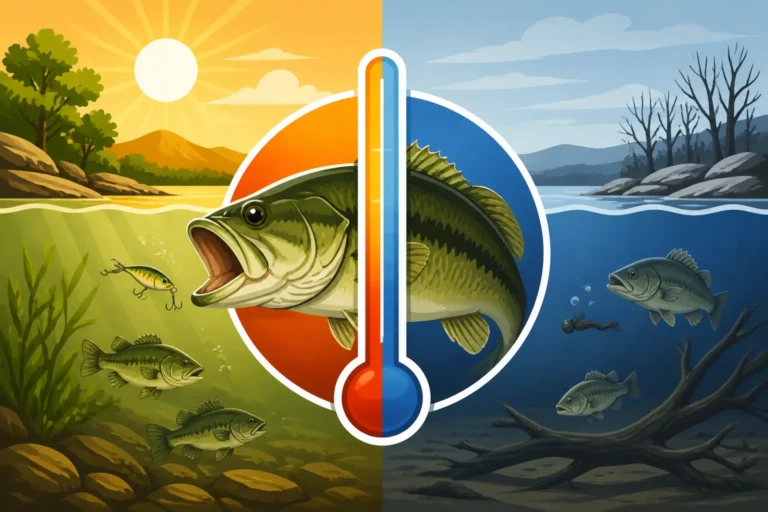
When the sun is higher or the water is very clear, walleye will often retreat to deeper, shadier spots that are still accessible from the bank. Think about the deep side of a causeway or bridge pilings that create shade. Sometimes, finding them means identifying areas where baitfish are congregating. If you see schools of shad flicking on the surface near the bank, there's a good chance predatory fish like walleye are lurking nearby. Pay attention to wind direction as well; a steady wind blowing into a bank can push baitfish closer to shore, creating a feeding opportunity for walleye. Our article on How Water Temperature Affects Fish Feeding Habits can offer more insights into how environmental factors influence fish location.
Overcoming Common Bank Fishing Challenges
Bank fishing for walleye definitely comes with its own set of hurdles, but with a little foresight and the right mindset, these challenges are totally manageable.
Dealing with Snags and Lost Lures
One of the most frustrating aspects of bank fishing, especially when targeting structure-loving walleye, is snags. Rocks, submerged timber, and brush can quickly claim your expensive lures. To minimize losses, consider using lighter jig heads in snag-prone areas, or switch to weedless jig heads if you're fishing near heavy cover. When casting crankbaits near rocks, try to "feel" the bottom and quickly lift your rod tip if you detect resistance, allowing the lure to bounce over obstacles rather than getting wedged.
Another trick is to try to approach the snag from a different angle if possible. If you can walk down the bank a bit, a change in angle can sometimes free a snagged lure. Carrying a lure retriever, which you can easily purchase on Amazon, can also save you a lot of money over time. It's essentially a heavy weight with chains or wires that slides down your line to help dislodge your lure. Don't be afraid to break off a snagged lure if it's too deep or dangerous to retrieve; sometimes it's better to lose a single lure than risk an injury.
Navigating Access Issues and Crowded Spots
Finding good bank access that isn't already taken can be tough, especially on popular Oklahoma lakes. Public parks, state park shorelines, and areas near boat ramps or bridges often offer accessible bank fishing. However, these spots can get crowded, particularly on weekends. To beat the crowds, try to fish during weekdays or hit the water during those less popular low-light hours, like early morning or late evening.
Sometimes, the best spots aren't officially marked. Spend some time scouting different areas online using satellite maps, looking for public land access points that might offer a secluded stretch of shoreline. Always be respectful of private property and posted signs. If a spot looks promising but is crowded, sometimes simply walking a little further down the bank can open up a less pressured area where the walleye might be more willing to bite. Remember, patience and persistence are key to finding those hidden gems. You can even explore various locations mentioned in our guide to Best Bank Fishing Spots in Oklahoma.
Weather and Environmental Considerations
Oklahoma weather can be fickle, and walleye fishing from the bank means you're fully exposed to the elements. Wind can be a major challenge, making casting difficult and hindering your ability to feel subtle bites. On very windy days, try to find a sheltered cove or a bank that offers a windbreak. Alternatively, use heavier lures that can cut through the wind and maintain better contact with the bottom.
Rain and cold fronts can also impact walleye activity. Often, just before a cold front moves in, fishing can be fantastic, as fish feed aggressively. After a front passes, the bite can slow significantly. During rainy conditions, especially a light, steady rain, walleye often become more active as the rain breaks up the surface and washes insects and other food into the water. Always check the weather forecast before you go, dress in layers, and be prepared for changing conditions. A good waterproof jacket and pants are a smart investment for any serious bank angler. Knowing How Cold Fronts Change Fishing Patterns on Oklahoma Lakes can give you an edge.
Disclaimer
This article is for general informational purposes only and does not constitute professional advice. Laws, prices and regulations vary by location and change over time. Consult a qualified professional for guidance on your specific situation.