How to Rig a Bobber for Bluegill Fishing
Have you ever stood by the water's edge, watching kids (or even yourself!) struggle to get their bait to the right depth, or worse, miss a subtle bite because they couldn't see it? It's a common frustration, especially when you're trying to introduce someone to the joys of fishing. That’s where a properly rigged bobber comes in, making bluegill fishing not just easier, but a whole lot more fun and intuitive. This guide is all about simplifying your bluegill adventures, showing you step-by-step how to rig a bobber perfectly, so you can spend less time fumbling with tackle and more time enjoying the tug on your line.
Why a Bobber is Your Best Friend for Bluegill Fishing
When it comes to targeting bluegill and other panfish, a bobber isn't just a piece of plastic; it's an essential tool that transforms your fishing experience. It's especially vital for beginners, kids, or anyone who simply wants to enjoy a relaxing day without overthinking complex presentations. But even seasoned anglers appreciate the simplicity and effectiveness of a good bobber setup when the fish are shallow and biting light.
Visualizing the Bite
One of the biggest reasons bobbers are so beloved for bluegill fishing is the incredible visual feedback they provide. Unlike other techniques where you might be feeling for a subtle tap, a bobber literally dances when a fish takes your bait. This visual cue is fantastic for teaching new anglers how to identify a bite. There’s nothing quite like watching that bright bobber disappear under the surface or skitter across the water, signaling that a bluegill has found your offering. It's immediate, exciting, and reduces the guesswork, making fishing much more engaging, especially for the younger crowd. For many, it's the first real thrill of fishing, a clear indication that "something is happening!"
Presenting Bait at the Perfect Depth
Bluegill often hang out at very specific depths, whether they're hiding near submerged structures, cruising along weed lines, or suspended over drop-offs. Trying to cast a plain hook and sinker and hoping it lands at just the right level can be frustratingly inconsistent. This is where the bobber shines. It allows you to suspend your bait precisely where the fish are. You can adjust the bobber up or down your line to explore different depths until you find that sweet spot where the bluegill are feeding actively. This precision is key to consistent success, ensuring your bait isn't sitting on the bottom where it might get snagged, or too high where the fish aren't looking. It's like having a little personal elevator for your bait, taking it exactly where it needs to be.
Keeping Your Bait Away From Snags
Another fantastic benefit, often overlooked, is the bobber's ability to keep your bait from sinking into undesirable places. Think about fishing a pond or lake shore that's covered in weeds, fallen branches, or rocky snags. Without a bobber, your bait would quickly plummet into that underwater jungle, leading to frustrating hang-ups and lost tackle. A bobber acts as a buoyant anchor, holding your bait just above the trouble. This is particularly useful in Oklahoma's numerous ponds and smaller lakes that might have varying bottom compositions. It not only saves you money on lost hooks and sinkers but also prevents those mood-killing moments of being stuck, allowing you to focus on the fun of catching fish.
Choosing the Right Bobber for Your Bluegill Adventures
Not all bobbers are created equal, and understanding the differences can significantly improve your bluegill fishing success. While they all serve the basic purpose of suspending your bait and indicating a bite, some are better suited for specific situations or angler preferences.
Fixed Bobbers: Simplicity and Control
Fixed bobbers are the classic, no-fuss option most people picture when they think of a fishing bobber. These are the red and white plastic spheres that clip directly onto your fishing line. They are incredibly easy to attach and remove, making them a great choice for beginners or for quick setup changes.
When to Use Fixed Bobbers:
Fixed bobbers are ideal when you're fishing in relatively shallow water, typically less than three or four feet deep. Because they attach directly to the line, the distance from the bobber to your hook is fixed. If you try to fish too deep with a fixed bobber, the bobber will be so far up your line that it becomes almost impossible to cast effectively; the bobber hits your rod tip before the bait can clear. They're perfect for bank fishing in smaller ponds, along the shorelines of larger lakes like Lake Eufaula, or when targeting bluegill actively feeding just beneath the surface. For youngsters just learning How to Fish for Bluegill with Kids, these are often the easiest to manage, providing immediate visual gratification. You can find a variety of fixed bobbers on sites like Amazon, often in multi-packs, making them an economical choice.
Pros of Fixed Bobbers:
- Ease of Use: Simple clip-on attachment.
- Direct Bite Indication: Little slack between bobber and bait.
- Affordable: Usually very inexpensive.
Cons of Fixed Bobbers:
- Limited Depth: Not practical for deep water fishing.
- Casting Issues: Can hinder long casts if set too deep.
Slip Bobbers: Versatility for Deeper Waters
Slip bobbers are a game-changer when you want to fish deeper water without sacrificing casting distance. Unlike fixed bobbers, a slip bobber has a small hole through its center, allowing your fishing line to "slip" through it. A small stopper (usually a piece of string, rubber, or plastic) is tied onto your main line above the bobber. This stopper is adjustable, and it's what determines how deep your bait will sit. When you cast, the bobber slides down to your bait, making the entire rig compact and easy to cast. Once it hits the water, the bait pulls the line through the bobber until it reaches the stopper, settling your bait at the desired depth.
When to Use Slip Bobbers:
Slip bobbers are excellent for fishing deeper areas of larger reservoirs, over submerged brush piles, or along ledges where bluegill might be holding. If you're looking to consistently present bait at, say, 8 or 10 feet deep, a slip bobber is the way to go. They allow for much longer and more accurate casts, as the bobber and bait are close together during the cast. This versatility makes them popular for targeting crappie as well, which often inhabit similar structures to bluegill but at greater depths. Many anglers fishing from a boat or even a dock find slip bobbers invaluable for their ability to present bait accurately at various depths. Exploring different depths can be crucial for success, especially on those days when the fish aren't biting right away.
Pros of Slip Bobbers:
- Deep Water Fishing: Can be set to any practical depth.
- Excellent Casting: Allows for long, accurate casts.
- Versatile: Adaptable to various depths and fishing conditions.
Cons of Slip Bobbers:
- More Complex Setup: Requires a bobber stopper, bead, and bobber.
- Stopper Wear: String stoppers can sometimes slip or wear out over time.
| Bobber Type | Ideal Depth Range | Casting Distance | Setup Complexity | Best For |
|---|---|---|---|---|
| Fixed | Shallow (0-4 feet) | Shorter, controlled | Very Simple | Beginners, kids, bank fishing shallow |
| Slip | Any depth (4+ feet) | Long, accurate | Moderate | Deeper water, docks, boat fishing, experienced anglers |
Step-by-Step Rigging Your Bobber for Bluegill
Alright, let's get down to the nitty-gritty of putting together your bluegill rig. Whether you choose a fixed or slip bobber, the goal is always the same: a simple, effective setup that gets your bait in front of the fish and lets you know when they bite.
The Fixed Bobber Setup
This is probably how most of us learned to fish, and for good reason! It’s straightforward and forgiving.
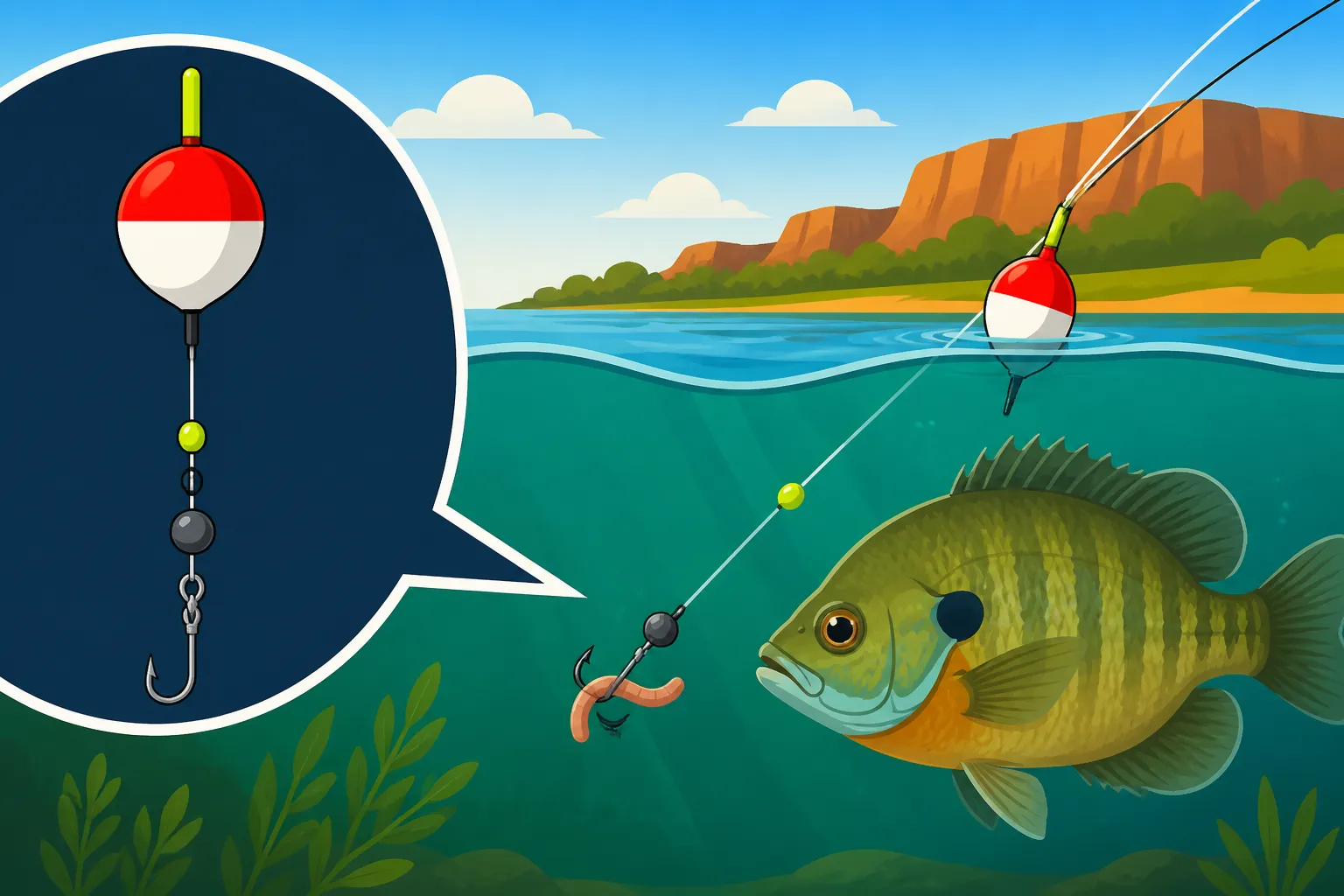
- Tie on your hook: Start by tying a small, sharp hook to the end of your fishing line. For bluegill, a size 6 or 8 Aberdeen or baitholder hook is usually perfect. Use a strong knot, like an improved clinch knot, to ensure it holds firm.
- Add your weight: About 6-12 inches above your hook, crimp on a small split shot sinker. You don't need much weight for bluegill; just enough to pull your bait down a bit and help with casting. A single BB-sized or 1/0 split shot should do the trick. The exact distance from the hook can vary; sometimes fish prefer the bait to flutter down naturally, while other times a quicker drop is better. Experiment a little!
- Attach your bobber: Now, take your fixed bobber. It typically has a spring clip on the bottom and a small hook-like clip on the top. Press the spring clip down, slide your line through the small opening, and release. Do the same with the top clip. Position the bobber on your line so that the bait will hang at your desired depth. If you're fishing in 2 feet of water, you'll want the bobber about 1.5 to 2 feet above your split shot. Remember, the deeper you set it, the harder it might be to cast a long distance.
And that's it for the fixed bobber! Super simple, super effective for shallow water. This setup is fantastic if you're exploring Best Bank Fishing Spots in Oklahoma or casting from a small jon boat in calmer coves.
The Slip Bobber Setup
While a little more involved, the slip bobber offers unmatched versatility, especially when bluegill are holding deeper.
- Tie on your bobber stopper: This is the first and most crucial step. A bobber stopper is a small piece of string or plastic that you tie onto your main line. It's designed to be small enough to go through your rod guides when casting but large enough to stop the bobber. Some stoppers come pre-tied with a plastic sleeve you slide onto your line, then pull the string stopper off. Other types simply slide directly onto the line. Position this stopper at the depth you want your bait to fish.
- Add a small bead: Immediately below your bobber stopper, slide a small plastic bead onto your line. This bead acts as a buffer, preventing the bobber stopper from pulling through the hole in your slip bobber when the line is under tension. Think of it as a tiny washer!
- Thread your slip bobber: Now, slide your slip bobber onto the line, ensuring the line passes freely through the bobber's center hole.
- Add weight: A few inches below the bobber, tie on a small swivel. This swivel serves two purposes: it prevents line twist and acts as a stopping point for your bobber to slide down to when casting. Below the swivel, you'll want to add enough weight to pull your bait down and make your bobber stand upright. A small split shot or two, or a small bell sinker, usually works well. The amount of weight depends on the size of your bobber; you want just enough weight so that only the tip of the bobber shows above the water. This makes it more sensitive to light bites.
- Tie on your hook: Finally, tie your hook (again, a size 6 or 8 is great for bluegill) to a short leader line (6-12 inches long) below your swivel. This leader gives your bait a natural presentation.
With a slip bobber, you can fish as deep as you need to. Just slide the bobber stopper up or down your line to adjust your fishing depth. This setup is excellent for fishing around deep docks or boat ramps, or when you're targeting suspended bluegill in Oklahoma's larger lakes. You can often find pre-packaged slip bobber kits on Amazon that include the stopper, bead, and bobber, simplifying the process for new anglers.
Bait, Depth, and Presentation for Bluegill Success
Now that your bobber is perfectly rigged, it's time to talk about what goes on the hook and how to entice those feisty bluegill. The beauty of bluegill fishing is its simplicity, but a few nuanced choices can really make a difference.
The Best Baits for Bluegill
Bluegill are not picky eaters, which is fantastic news for anglers of all skill levels. They'll readily hit a wide variety of baits, making them one of the Easiest Fish to Catch in Oklahoma. The key is often small bait, presented naturally.
- Worms: The classic. A small piece of a nightcrawler or a whole red worm is practically irresistible to bluegill. They love the wiggling action and natural scent. Make sure your piece of worm is small enough for a bluegill to get in its mouth.
- Crickets/Grasshoppers: During warmer months, live insects are highly effective. Bluegill are opportunistic and will readily snatch a cricket or small grasshopper off the surface or just below. These are especially good if you’re trying to catch them near overhanging vegetation.
- Corn: Yes, plain old canned corn! It's a surprisingly effective and very clean bait, great for kids. Put a few kernels on a small hook. It also has the added benefit of being cheap and easy to find.
- Small Artificial Lures: If you prefer lures, tiny jigs (1/32 to 1/16 ounce) tipped with a small plastic grub or tube bait can be deadly. Look for bright colors like chartreuse, white, or pink. Small spinners, sometimes called beetle spins, are also a fantastic choice, especially when retrieved slowly. For more ideas on what works, check out our guide on Best Bluegill Bait for Beginners.
- Bread Balls: A simple, homemade option! Just roll a small piece of white bread into a tight ball around your hook. It works well and is incredibly cost-effective.
When baiting your hook, keep the presentation small and natural. Bluegill have relatively small mouths, so don't overload the hook with too much bait. A small piece of worm or a single cricket is usually all it takes.
Finding the Right Depth
This is where your bobber truly earns its keep. Bluegill can be found at various depths depending on the season, time of day, and water conditions.
- Shallow Water (1-3 feet): In spring and early summer, bluegill often move into shallow areas to spawn. Look for them around lily pads, submerged brush, or rocky banks. They're also commonly found shallow in the mornings and evenings during summer. This is often where fixed bobbers shine.
- Mid-Depth (4-8 feet): As the day heats up or later in the summer, bluegill might retreat to slightly deeper water, often suspending over structure or along drop-offs. A slip bobber is perfect here.
- Deeper Water (8+ feet): In winter or during extreme summer heat, bluegill can move to deeper, more stable temperatures. You might find them suspended over brush piles or near deep ledges. This is definitely a job for a slip bobber setup.
Don't be afraid to experiment with your depth. Start at a moderate depth and adjust if you're not getting bites. If you're fishing a new spot, a good rule of thumb is to start shallow and gradually increase your depth until you find where the fish are holding. This can be particularly effective when exploring different areas, from small creeks to the vastness of Lake Texoma or Grand Lake.
Presenting Your Bait Naturally
A natural presentation is crucial for enticing bluegill. They are not usually aggressive hunters like a largemouth bass, so a subtle, appealing presentation works best.
- Quiet Entry: Cast your bobber rig gently. A big splash can spook bluegill, especially in shallower water. Try to make a soft landing near likely cover.
- Stillness is Key: Once your bait is in the water, let it sit still for a while. Bluegill often inspect their food before committing. If you don't get a bite after a minute or two, give your rod a slight twitch to make the bait move a little, then let it settle again. This can trigger a strike.
- Slow Retrieve (for lures): If you're using a small jig or spinner, a super slow and steady retrieve is usually most effective. Bluegill don't chase fast-moving prey; they prefer something they can easily intercept. Vary your retrieve speed until you find what they prefer that day.
- Wind Drifting: On a lightly windy day, let the wind gently drift your bobber across the surface. This can cover more water and present your bait naturally as if it's drifting food. This is a great technique for panfish on larger bodies of water.
- Current Awareness: If fishing in a river or stream, or below a dam (where current is present), let the current carry your bobber and bait naturally downstream. This is often an effective way to mimic dislodged food.
Remember, bluegill fishing is about enjoyment and relaxation. Don't overthink it too much. With a properly rigged bobber and a bit of patience, you'll be enjoying the thrill of catching these feisty panfish in no time. For more general advice on getting started, our guide on Bluegill Fishing for Beginners has even more fantastic tips to get you started on the right fin!
Common Mistakes and How to Avoid Them
Even with a simple bobber setup, there are a few common pitfalls that can lead to frustration. Being aware of these can save you a lot of headache and help you catch more bluegill.
Using Too Large of a Bobber or Hook
One of the most frequent mistakes, especially by beginners, is going too big. Bluegill have small mouths, so a massive bobber or an oversized hook will make it difficult for them to take the bait effectively. A large bobber also creates more resistance, making it harder for a timid bluegill to pull it under, or making it less sensitive to light bites.
How to Avoid:
Always match your tackle to your target species. For bluegill, stick to bobbers that are no larger than a golf ball, and even smaller pencil-style bobbers can be excellent for sensitivity. Hooks in sizes 6, 8, or even 10 are ideal. If you're not sure, it's generally better to go a little smaller. You can often find small, sensitive bobbers and appropriate hooks in bulk on platforms like Amazon, ensuring you have plenty of backups. Remember, the smaller the bobber, the less resistance the fish feels when it bites, leading to more hooked fish.
Improper Weighting of Your Bobber
An improperly weighted bobber is a recipe for missed bites. If your bobber has too much weight, it might barely float, making it incredibly sensitive but also prone to sinking from small waves or currents, giving false alarms. If it has too little weight, it might lay flat on the water or float too high, making it difficult for the bluegill to pull it under when they bite. It also makes for a less natural presentation, as the bait won't sink as intended.
How to Avoid:
The goal is to have your bobber stand upright in the water with just the tip visible. This maximizes sensitivity to even the lightest nibble. When you add your split shot or sinker, test it out. Add weight gradually until the bobber sits just right. If you’re using a slip bobber, make sure the weight is sufficient to pull the line through the bobber to your stopper. This balance is crucial for a clean, visible bite indication. This is a skill that comes with practice, but paying attention to how your bobber sits in the water is the first step. You'll soon develop an eye for the "just right" amount of weight.
Fishing at the Wrong Depth
You've got your perfect bait, your perfectly weighted bobber, and you're casting like a pro – but nothing is biting. The most likely culprit? You're not putting your bait where the fish are. Bluegill move up and down in the water column depending on the time of day, water temperature, and available cover. If you're consistently fishing too shallow when they're deep, or vice versa, you'll struggle to get bites.
How to Avoid:
Experiment! Don't be afraid to adjust your bobber's depth every 10-15 minutes if you're not getting any action. Start shallow, then gradually increase your depth until you find where the bluegill are feeding. This is where a slip bobber truly shines, allowing you to easily adjust from 3 feet to 10 feet or more without retying. Pay attention to your surroundings: Are there visible weed lines? Is there a drop-off near the shore? Fish tend to congregate around structure. Our article on Best Time of Day to Catch Bluegill can also give you clues about where they might be holding in the water column based on sunlight and temperature. Observation and a willingness to adjust are your greatest tools here.
Taking Your Bluegill Fishing to the Next Level
Once you've mastered the basics of bobber rigging for bluegill, you might find yourself wondering what else you can do to enhance your experience. Bluegill fishing, while simple, offers plenty of avenues for subtle improvements and deeper enjoyment.
Advanced Bobber Techniques and Tips
While the basic fixed and slip bobber setups are incredibly effective, there are a few tricks that can give you an edge, especially on tougher days.
- Targeting Structure: Bluegill absolutely love cover. They'll congregate around submerged brush piles, fallen trees, docks, and weed beds. Once your bobber is rigged, make precise casts to these areas. If you're fishing from a boat, slowly motor around or use a trolling motor to quietly approach these hotspots. From the bank, look for overhanging branches, lily pads, or other visual cues that suggest underwater cover. Our guide on How to Catch Bluegill from a Dock offers some specific strategies for targeting these high-percentage areas.
- Bobber Jiggling: Sometimes, a completely still bait isn't enough to trigger a bite. After your bait has settled, give your rod a tiny twitch. This makes your bobber subtly move and causes your bait to twitch or swim slightly, mimicking a struggling insect or minnow. This little bit of action can often be all it takes to convince a hesitant bluegill to strike. Just a small, gentle movement, not a big yank.
- Current Fishing: If you're fishing in a river, a flowing stream, or even in a lake with a gentle current (like near a dam or inlet), let the current do the work. Cast your bobber upstream and let it drift naturally downstream. This is called "drift fishing" and can be incredibly effective, as your bait looks like natural food floating with the current. Pay attention to how the current moves your bobber and adjust your cast to cover new water with each drift.
Recommended Gear Beyond the Bobber
While a bobber, hook, and line are the essentials, a few other pieces of gear can make your bluegill fishing trips more enjoyable and successful.
- Light Rod and Reel: For bluegill, lighter tackle is more fun and effective. A light-action spinning rod (5-6 feet long) paired with a small spinning reel spooled with 4-6 lb test monofilament line is perfect. This setup allows for good casting distance with light baits and makes even small bluegill feel like trophy catches. You don't need expensive gear; many affordable combos are available on sites like Amazon. For more on selecting the right setup, check out Best Rods and Reels for Oklahoma Fishing.
- Small Tackle Box: Keep your bluegill essentials organized. A small tackle box with compartments for different hook sizes, split shot, and extra bobbers is incredibly useful. This prevents tangles and ensures you can quickly find what you need.
- Pliers or Forceps: Bluegill, while small, can sometimes swallow the hook. A small pair of needle-nose pliers or specialized fishing forceps makes it much easier and safer to remove hooks, both for you and the fish. This is especially important for teaching children about responsible catch and release.
- Bucket or Livewell: If you plan on keeping some bluegill for a fresh fish fry, a small bucket with an aerator or a cooler with ice can keep your catch fresh until you're ready to head home. Always be mindful of Oklahoma's Bag Limit Rules by Species.
Bluegill fishing with a bobber is a wonderful gateway to the wider world of angling. It’s simple, effective, and provides endless hours of fun for anglers of all ages. By understanding the nuances of bobber types, proper rigging, and smart bait presentation, you're well on your way to countless successful days on the water, reeling in those vibrant, feisty bluegill that make Oklahoma fishing so special.
Disclaimer
This article is for general informational purposes only and does not constitute professional advice. Laws, prices and regulations vary by location and change over time. Consult a qualified professional for guidance on your specific situation.