Best Boat for a Family Fishing Trip on an Oklahoma Reservoir
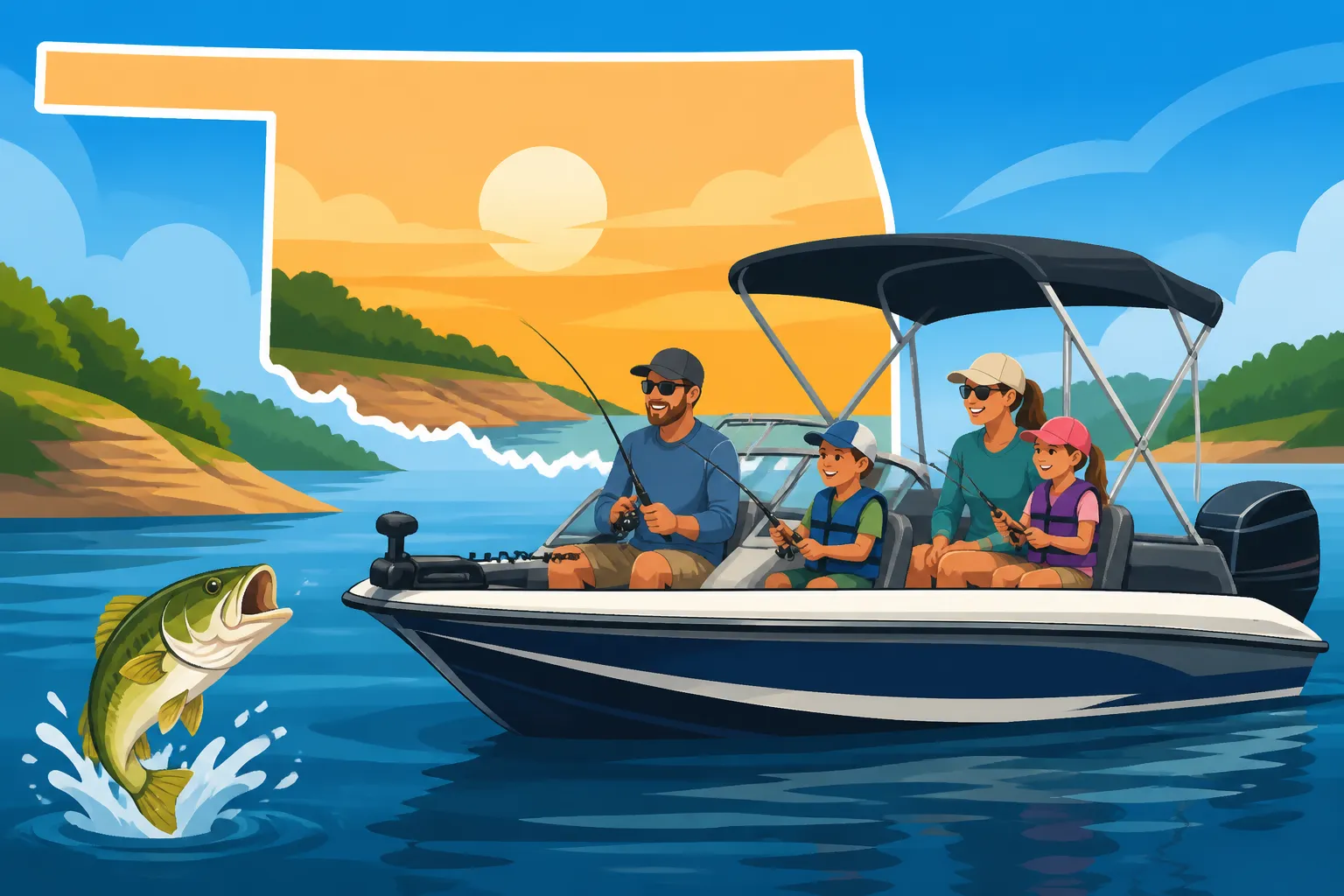
Ah, the dream of taking the whole family out on one of Oklahoma's beautiful reservoirs for a day of fishing! It sounds idyllic, doesn't it? But then reality sets in, and you start wondering: how do I choose a boat that can handle serious fishing while also keeping the kids entertained, the grandparents comfortable, and everyone safe? It’s a common dilemma, moving beyond your personal bass boat to something that caters to a larger, more diverse crew. This guide is here to help you navigate the waters of selecting the perfect family fishing boat, ensuring memorable trips for everyone, from seasoned anglers to first-time bait-droppers.
Understanding Your Family's Fishing Style and Needs
Before you even start looking at shiny new boats, the absolute first step is to sit down with your family and honestly assess what kind of fishing experiences you envision. What works for a solo hardcore angler is rarely what works for a multi-generational outing. Trying to force a family fishing trip into a boat designed for tournament fishing might leave everyone feeling cramped and frustrated, which is the last thing you want.
Who's Coming Aboard?
Think about the size and composition of your typical fishing party. Is it just you and two kids, or are you regularly bringing along cousins, aunts, uncles, and grandparents? A small jon boat might be perfect for you and a couple of little ones on a quiet pond, but it will quickly feel like a sardine can on a busy reservoir like Lake Texoma with a larger group. Consider not just the number of people, but their ages and mobility. Young children need secure railings and open, safe spaces to move around without fear of falling overboard. Older family members might appreciate comfortable seating, easy access in and out of the boat, and a stable platform that minimizes rocking. Some boats, while great for fishing, can be quite high-sided or have narrow passages, making boarding or moving around tricky for those with mobility challenges.
For example, if you have toddlers, you'll want a boat with high gunwales and perhaps even enclosed play areas or secure seating. If Grandma and Grandpa are coming, think about stable decks and minimal steps. And let's be real, teenagers often want space to stretch out, listen to music, or maybe even try tubing, so a boat that can do more than just fish might be a better fit.
What Are You Fishing For?
Oklahoma's reservoirs offer an incredible variety of fishing opportunities. Are you primarily targeting the thrilling runs of striped bass on Lake Texoma? Or is it more about finding those panfish hot spots for bluegill and crappie, perfect for keeping young anglers engaged? Maybe you're after trophy largemouth bass, but still want room for the family to enjoy the day. The species you're chasing will influence the ideal boat features.
For instance, if you're chasing crappie, you might want a boat with plenty of rod holders and a livewell to keep minnows fresh. For bass, a larger casting deck is often preferred, but perhaps not essential if your family is more about casual catches than competitive angling. If you're going after big blue catfish, you'll need sturdy rod holders and plenty of open deck space for battling those brutes. Conversely, if the focus is on a leisurely day of catching whatever bites, a boat with maximum comfort and versatility might be more important than specialized fishing features. A good general-purpose family fishing boat often excels at a bit of everything, offering enough space and stability for multiple lines in the water simultaneously without tangles or frustration.
Comfort and Safety for All Ages
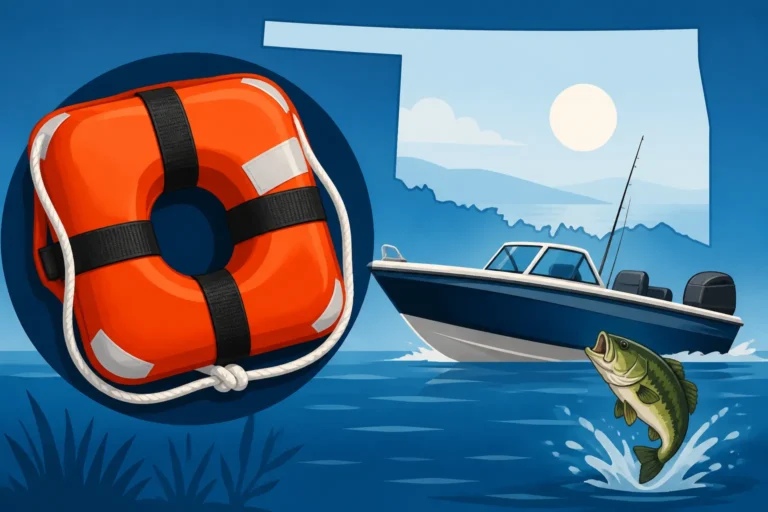
This is non-negotiable when talking about family fishing trips. Beyond just having enough life jackets (which, by the way, are legally required for kids 12 and under on Oklahoma boats – make sure you have enough Coast Guard-approved ones!), you need to think about the overall environment. Oklahoma Life Jacket and PFD Rules for Boaters and Life Jacket Rules for Kids 12 and Under on Oklahoma Boats are great resources to review.
Consider sun protection; a Bimini top or full enclosure can make a huge difference on a hot Oklahoma summer day. Adequate seating is crucial, not just for comfort but for safety during travel. A boat that offers shaded areas, comfortable padded seats, and perhaps even a small head (toilet) can turn a good trip into a great one, especially with younger children or those with specific needs. Storage for snacks, drinks, and extra clothes keeps everyone happy. And let's not forget about a safe, non-slip deck surface, especially when little feet are running around or older folks are moving about. Preventing slips and falls is key to a fun day. Even small things, like easy-to-reach grab handles or a swim ladder for cooling off, can greatly enhance the family experience.
Top Boat Types for Oklahoma Family Fishing
Oklahoma's expansive lakes, from the clear waters of Broken Bow Lake to the vastness of Lake Eufaula, call for boats that can handle open water while providing comfort and utility. You're not just looking for a fishing platform; you're looking for a floating activity center that can transition from catching crappie to pulling a tube in the blink of an eye.
Pontoon Boats: The Floating Living Room
When most people think "family boat," a pontoon often comes to mind, and for good reason! These boats are essentially floating decks, offering unparalleled space and comfort. The stability of a pontoon is a huge plus, especially with kids or older family members who might be wary of rocking. You can walk around, spread out, and set up multiple fishing lines without constantly bumping into each other.
Pontoons are fantastic for social outings. Imagine a large U-shaped lounge, a table for lunch, and plenty of space for everyone to relax. Many newer pontoons even have built-in livewells, rod holders, and dedicated fishing stations, blending comfort with angling functionality. They're also surprisingly versatile when it comes to activities beyond fishing; they can easily pull tubes or wakeboards, making them a true multi-purpose family fun machine. For cruising across Grand Lake O' the Cherokees or enjoying a sunset on Lake Murray, a pontoon is tough to beat. Do Pontoon Boats Need to Be Registered in Oklahoma? is a good read if you're considering this option.
| Pros of Pontoon Boats | Cons of Pontoon Boats |
|---|---|
| Ample space for large families | Can be slower, less agile than other boats |
| Exceptional stability and shallow draft | Less ideal for high-speed open water travel |
| High comfort with lounge seating, tables | Not designed for serious rough water conditions |
| Versatile for fishing, cruising, watersports | Can be harder to trailer and launch in some spots |
| Often come with built-in amenities (head, sink) | May feel less like a "fishing boat" for dedicated anglers |
Deck Boats: Versatility for Fun and Fishing
If you love the spaciousness of a pontoon but want a little more performance and a sleeker look, a deck boat could be your answer. Deck boats combine the open layout and seating capacity of a pontoon with the hull design of a runabout, allowing for quicker speeds and better handling in choppier waters. This means you can get to your favorite fishing spot faster, and still have the power for watersports.
They often feature open bow areas for seating or casting, a wide beam for stability, and comfortable cockpits. Many models come equipped with fishing packages that include aerated livewells, rod storage, and even trolling motor mounts. A deck boat gives you the best of both worlds: enough room for a lively family outing, plenty of power for tubing or water skiing, and solid fishing capabilities. If you're planning a trip to Lake Eufaula: Oklahoma's Gentle Giant for Bass and Crappie and want to mix fishing with active watersports, a deck boat offers that ideal balance. These boats are excellent for families that want a truly multi-functional vessel.
Multi-Species Boats: Serious Angling with Room for the Crew
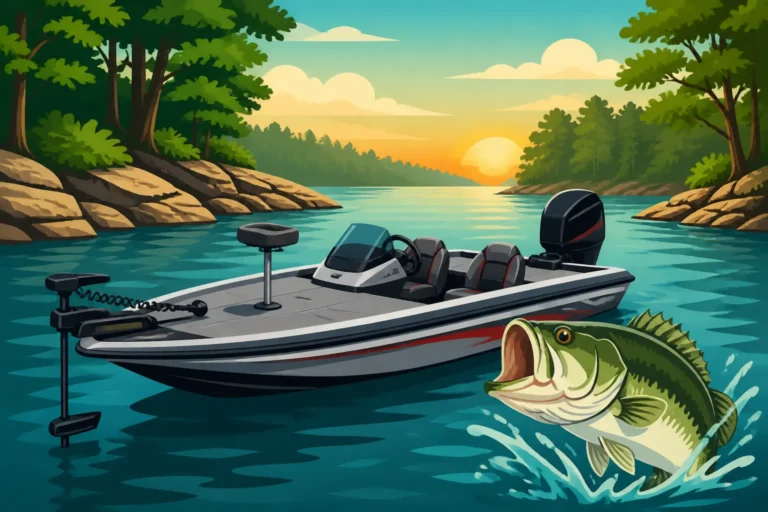
For families where fishing is truly the primary activity, but you still need to accommodate a few extra people comfortably, a multi-species boat (sometimes called a "fish and ski" or "all-around fishing boat") might be the best compromise. These boats are built on V-hulls, offering excellent performance and handling in varied conditions, from calm coves to open, windy expanses. They provide a more dedicated fishing platform than a pontoon or deck boat, with features like large casting decks, numerous rod lockers, and advanced livewell systems.
However, unlike pure bass boats, multi-species boats usually have more seating options, often including jump seats or convertible stern benches, allowing for 4-6 people to ride comfortably. They can handle a trolling motor for precise bait presentation and typically have higher horsepower ratings for quick travel and watersports. If your family genuinely loves to fish for different species—say, chasing walleye on Fort Gibson Lake one day and then heading to a quieter cove for crappie the next—and occasionally wants to pull a tube, this type of boat strikes a great balance. They are generally more robust and capable in rougher water than pontoons, making them a safer bet on larger, more unpredictable reservoirs.
Key Features to Look For in a Family Fishing Boat
Once you have an idea of the type of boat that fits your family's needs, it's time to dive into the specifics. The devil is in the details, and a few well-thought-out features can make a world of difference in your family's enjoyment and overall safety on the water.
Space and Layout: Room to Roam (and Fish!)
This goes beyond just the stated capacity of the boat. Think about how the space is utilized. Is there clear, unobstructed floor space for multiple people to cast lines without snagging each other? Are there safe walkways from bow to stern? For families, a spacious, open layout is paramount. You want enough room for kids to move without feeling cooped up, for adults to stand and fish, and for coolers, tackle boxes, and other gear to be stored without becoming tripping hazards.
Consider boats with convertible seating, like benches that fold down to create a casting deck or bow cushions that can be removed for more fishing space. A walk-through windshield is also a fantastic feature, as it allows easy access to the bow without having to climb over anything, which is safer for everyone. Remember, a crowded boat quickly becomes an unhappy boat, especially when hooks, lines, and sinkers are flying around. You want the kind of space where a couple of kids can be fishing off the front while two adults are fishing off the back, and someone else is relaxing in the middle, all without feeling on top of each other.
Storage and Amenities: Keeping Everyone Happy and Organized
A family fishing trip often comes with a surprising amount of gear: fishing rods, tackle boxes, bait buckets, a first-aid kit, towels, sunscreen, snacks, drinks, extra clothes, maybe even a camera or drone. Having dedicated storage compartments keeps the deck clear and organized, reducing clutter and improving safety. Look for boats with:
- Under-seat storage: Perfect for life jackets, towels, and dry bags.
- Rod lockers: Keeps expensive rods safe and out of the way.
- Built-in coolers: No need to lug a separate cooler, and it keeps drinks cold longer.
- Livewells: Essential for keeping bait fresh and any catch healthy until you're ready to head home. Many modern livewells also double as excellent storage for drinks or snacks if you're not using them for fish.
- Head (toilet) compartment: Even a small, portable toilet behind a curtain can be a game-changer for long days on the water with kids or anyone else who might need it. This can prevent unnecessary trips back to the dock.
- Bimini top or canvas enclosure: Offers crucial shade from the intense Oklahoma sun.
Thinking about these amenities beforehand will make your days on the water far more comfortable and less stressful. For example, grabbing a good marine cooler that latches securely and keeps ice for days means fewer trips to refill. You can find excellent options for specialized tackle storage and safety gear at retailers like Bass Pro Shops or even online at Amazon.
Power and Performance: Getting There and Back Safely
The size of Oklahoma's major reservoirs means you'll likely be covering some distance, and encountering various water conditions. A boat that is underpowered can be frustratingly slow, inefficient, and even unsafe in rough water. You want an engine that allows you to:
- Reach your fishing spots efficiently: No one wants to spend half the day just getting to where the fish are biting.
- Handle choppy water: A larger engine and appropriate hull design will provide a smoother, safer ride when the wind picks up or boat traffic creates wakes.
- Perform watersports: If tubing or skiing is on the agenda, you'll need enough horsepower to get people out of the water quickly and keep them planing.
Consider the maximum horsepower rating for the boat and choose an engine within that range that suits your needs. Don't always go for the absolute minimum, especially if you anticipate having a full load of people and gear. A reliable, well-maintained outboard engine is key to peace of mind on the water. Also, think about fuel capacity. Larger reservoirs mean longer runs, so a good-sized fuel tank will prevent you from cutting your day short. You can learn more about Best Fishing Boats for Oklahoma's Big Reservoirs to get a better sense of what's out there.
Making Your Choice and Getting on the Water
Choosing a boat is a significant investment, both financially and in terms of the memories you'll make. Taking your time, doing your research, and making an informed decision will pay dividends for years to come.
Budgeting for Your Family Fishing Boat
Let's be realistic: boats aren't cheap. Beyond the initial purchase price, you'll have to factor in costs like registration and titling (check out Oklahoma Boat Registration and Titling Rules Explained), insurance, fuel, maintenance, storage, and essential safety gear. It's crucial to create a comprehensive budget that includes all these ongoing expenses.
When looking at boats, new versus used is a big consideration. A pre-owned boat can offer excellent value, but requires more thorough inspection. Whether new or used, consider the total cost of ownership. Don't forget the accessories you'll need right away: anchor, dock lines, fenders, a throwable device, and a full complement of life jackets for everyone, including those smaller sizes for kids. These aren't just "nice-to-haves" — they're critical for safety and convenience. Budgeting for these items from the start will prevent sticker shock down the line.
Test Drives and Inspections
Never buy a boat sight unseen or without a proper test drive on the water. Just like buying a car, you need to feel how the boat handles, how it accelerates, and how it rides in various conditions. Bring your family along for the test drive to ensure everyone is comfortable with the space and feel of the boat.
During the inspection, especially for used boats, check everything: the hull for damage, the engine for proper function, all electrical systems, the bilge pump, lights, and navigation equipment. If you're buying used, consider hiring a professional marine surveyor to give the boat a thorough once-over. This investment can save you from costly repairs and headaches later on. Remember, a boat isn't just a vehicle; it's an environment, and you want that environment to be safe and enjoyable for your loved ones.
Essential Safety Gear and Accessories
Once you've picked your dream family fishing boat, you're not quite ready to hit the water until you have all the necessary safety gear. This isn't just about complying with regulations; it's about protecting your family.
Here’s a quick checklist of essential items:
- Life Jackets (PFDs): Enough for every person on board, correctly sized. As mentioned, kids 12 and under must wear them.
- Throwable Flotation Device: A Type IV cushion or ring buoy, especially important for boats 16 feet and longer.
- Fire Extinguisher: A Coast Guard-approved marine fire extinguisher.
- Sound-Producing Device: A horn or whistle to signal in emergencies.
- Navigation Lights: Required for boating from sunset to sunrise.
- Visual Distress Signals: Flares or an orange flag for daytime distress.
- First-Aid Kit: Well-stocked for minor injuries.
- Anchor and Line: Appropriate size for your boat and the waters you'll be on.
- Dock Lines and Fenders: To safely moor your boat.
- Paddle or Oars: A backup propulsion method in case of engine failure.
- Tool Kit: Basic tools for minor repairs.
- Communication Device: A fully charged cell phone (in a waterproof bag!) or marine radio.
You can find comprehensive lists and purchase these items at stores like Bass Pro Shops, Cabela's, or easily order them from Amazon. Taking the time to acquire and properly store this gear is a crucial step in ensuring your family's safety and enjoying many worry-free days fishing on Oklahoma's beautiful waters. Check out our guide on Safety Gear Checklist for Oklahoma Boaters for a more in-depth look.
Ultimately, the best boat for a family fishing trip on an Oklahoma reservoir is the one that comfortably and safely meets your family's unique needs, blending fishing functionality with opportunities for relaxation and fun. Happy boating, and tighter lines to you and your loved ones!
Disclaimer
This article is for general informational purposes only and does not constitute professional advice. Laws, prices and regulations vary by location and change over time. Consult a qualified professional for guidance on your specific situation.