Spotted Sunfish: A Lesser-Known Panfish
Many Oklahoma anglers, myself included, often find ourselves chasing the big bass or those plump crappie, sometimes completely overlooking the smaller, yet equally rewarding, members of the sunfish family. But what if I told you there's a charming little panfish swimming in our waters that often gets misidentified or simply ignored, offering a delightful challenge and delicious reward? This guide is all about shining a spotlight on the spotted sunfish, a lesser-known gem that deserves a spot on your angling radar, helping you identify, locate, and catch them.
The Elusive Charm of the Spotted Sunfish
When we talk about panfish in Oklahoma, most folks immediately think of bluegill or green sunfish. And while those are certainly plentiful and fun to catch, there’s a whole world of smaller, often overlooked sunfish species that add a unique flavor to our fishing experiences. The spotted sunfish is one such species, often mistaken for its more common cousins, but possessing its own distinct characteristics and preferred haunts. It's truly a species that, once you learn its nuances, will have you wondering why you haven't sought it out sooner.
What Makes a Spotted Sunfish Stand Out?
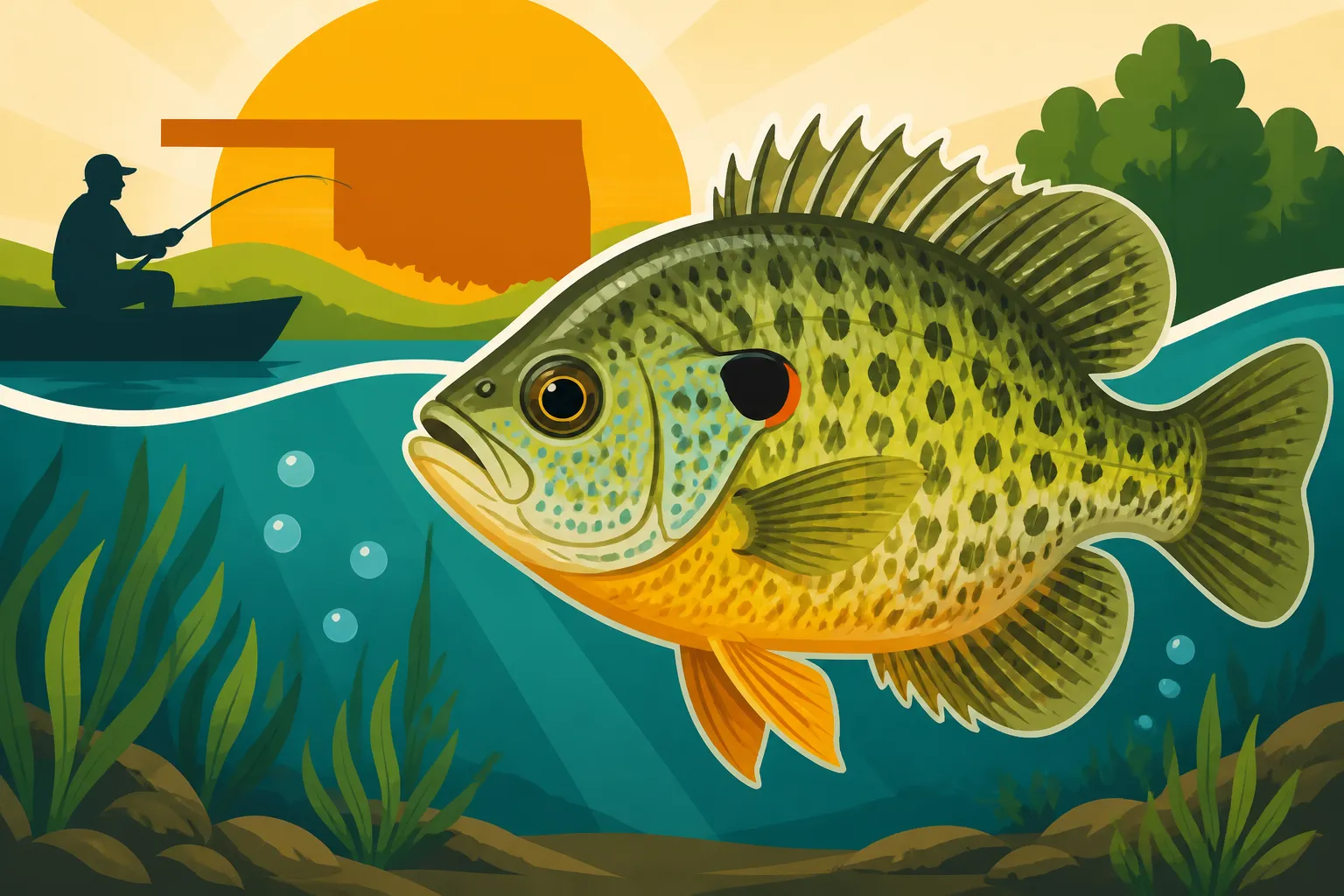
The spotted sunfish (Lepomis punctatus) gets its name for a very good reason: it’s adorned with distinct rows of dark spots along its body. These aren't just random speckles; they form a recognizable pattern that helps differentiate it from other sunfish. Imagine the sides of the fish looking almost like tiny brushstrokes or dashes, especially below its lateral line. This unique patterning is a key identifier.
Beyond the spots, take a closer look at its gill cover, or operculum. The spotted sunfish typically has a rather dark, almost black, flexible tab on the gill flap. Unlike the green sunfish, which often has a light-colored margin around its dark spot, the spotted sunfish's opercular tab is usually just dark, sometimes with a faint pale edge but never as pronounced as the red or orange "ear" you might see on a longear sunfish, or the solid black on a bluegill. Its mouth is also a bit smaller than a green sunfish, but larger than a bluegill, generally not extending past the middle of the eye. Its body tends to be a little more elongated and less disc-shaped compared to a classic bluegill, giving it a somewhat sleeker appearance. Understanding these nuances can be incredibly satisfying, turning a casual catch into a specific identification victory.
Habitat Preferences: Where They Call Home
Spotted sunfish aren't quite as widespread or common in every Oklahoma waterway as, say, bluegill. They tend to have more specific habitat requirements, which often means you need to know where to look. While you might stumble upon one anywhere, they particularly thrive in slow-moving or stagnant water with abundant vegetation and structure. Think about those quieter stretches of rivers, small to medium-sized creeks, oxbow lakes, and even the shallow, vegetated backwaters of larger reservoirs. They prefer clear to slightly turbid water, where they can blend into the surroundings and ambush unsuspecting prey.
Unlike green sunfish, which seem to thrive in just about any muddy puddle, or bluegill that might suspend in open water, spotted sunfish are often found hunkered down among submerged logs, lily pads, cattails, or dense aquatic grasses. This love for cover makes them a bit more challenging, but also more rewarding, to target. They are incredibly adept at navigating these complex environments, darting in and out of cover with surprising agility. You might find them in the same spots where you target crappie or smaller bass, especially areas with plenty of woody debris or brush piles. They aren't typically found in fast currents, nor do they often venture far into deep, open water. If you're exploring new areas, keep an eye out for these specific conditions—that's where you'll likely find their secret hideouts.
Identifying Your Catch: Spotted Sunfish vs. Its Cousins
One of the biggest hurdles to appreciating the spotted sunfish is simply knowing what you've caught. They are so frequently mistaken for bluegill, green sunfish, or even other lesser-known panfish species. Taking a moment to properly identify your catch not only broadens your understanding of Oklahoma's diverse fish populations but also adds another layer of enjoyment to your fishing adventures. It’s like discovering a hidden gem in plain sight, one that you've probably passed over countless times.
Key Differences from Bluegill and Green Sunfish
Let's break down the most common lookalikes. The bluegill is probably the most frequently confused. Bluegill generally have a much darker, almost solid black "ear flap" on their gill cover, often without any pale margin. Their bodies are typically more round or disc-shaped, and they usually lack the distinct rows of dark spots that give the spotted sunfish its name. Instead, bluegill might have some faint vertical barring or a dark blotch near their dorsal fin. Their mouths are also smaller.
Then there's the green sunfish, another ubiquitous Oklahoma panfish. Green sunfish are often identifiable by their larger mouths, which extend back past the middle of their eye, and a distinct light yellow or orange margin around their black opercular flap. Their bodies are generally more robust and elongated than bluegill, but they lack the prominent spotting pattern of the spotted sunfish. They might have iridescent blue-green streaks on their cheeks and gill covers, a feature less pronounced or absent in spotted sunfish.
To help visualize these distinctions, here's a quick comparison table:
| Feature | Spotted Sunfish | Bluegill | Green Sunfish |
|---|---|---|---|
| Body Markings | Rows of dark spots below lateral line | Faint vertical bars, dark blotch near dorsal | Usually no distinct spots, some iridescent scales |
| Opercular Flap | Dark, flexible tab, sometimes faint pale edge | Solid black "ear flap" | Black spot with distinct light/yellow/orange edge |
| Mouth Size | Moderate, usually not past middle of eye | Small, does not extend to eye | Large, extends past middle of eye |
| Body Shape | Slightly elongated, less deep | Deep, disc-shaped | Robust, elongated |
| Pectoral Fin | Relatively short and rounded | Long and pointed | Short and rounded |
By paying attention to these small details, you'll soon be able to confidently identify a spotted sunfish. It's a skill that elevates your panfishing game and makes every catch a little more intriguing. For anglers looking to dive deeper into the world of sunfish identification, our guide Green Sunfish vs Bluegill: How to Tell Them Apart offers even more detailed comparisons of these common species, which can further help in narrowing down what you’ve caught.
Distinguishing from Other Oklahoma Sunfish Species
Oklahoma is home to a delightful array of sunfish, and while bluegill and green sunfish are the most common imposters, a few others might occasionally throw you for a loop. The longear sunfish, for example, is famous for its incredibly long, flexible opercular flap, which is often edged in red or orange. They are also beautifully colored, with vibrant blues and oranges, and distinct wavy lines on their cheeks. While they might have some speckling, it’s rarely in the defined rows like the spotted sunfish. The sheer length of that "ear" is usually a dead giveaway for a longear.
Then we have the redear sunfish, often called "shellcrackers" for their diet of snails. These fish typically have a distinct red or orange margin on their opercular flap, similar to a longear but usually much shorter. Their bodies are often deeper and more compressed than a spotted sunfish, and they lack the distinct rows of body spots. Instead, they might have a more uniform olive-green or brassy coloration. If you're specifically targeting these tasty panfish, our article Redear Sunfish: Where to Find Them in Oklahoma provides excellent insights into their preferred habitats and habits.
It’s also worth mentioning hybrid sunfish. These can be particularly tricky because they often exhibit a mix of characteristics from their parent species. A hybrid between a green sunfish and a bluegill, for instance, might have a larger mouth like a green sunfish but some of the dark coloring of a bluegill. They often grow faster and larger than either parent species. If you catch something that just doesn't quite fit any description, it might just be a hybrid! Our guide Hybrid Sunfish: What Anglers Should Know delves into the fascinating world of these crossbred fish and how to recognize them. The key takeaway here is that once you understand the core differences, the spotted sunfish’s distinct spotting pattern and gill flap characteristics become much easier to spot, making you a more knowledgeable and confident angler.
Angling for Spotted Sunfish: Tips and Techniques
Now that you're well-versed in identifying these delightful little panfish, let's talk about how to actually get them on the end of your line. While they may not be as aggressive as a spawning bass or as ubiquitous as a bluegill, spotted sunfish are incredibly fun to catch on the right gear. They offer a spirited fight for their size and can provide hours of entertainment, especially if you're introducing kids to the joys of fishing.
Light Tackle and Essential Gear
When targeting spotted sunfish, finesse is your friend. You'll want to employ light tackle to truly appreciate their fight and increase your chances of a hookup. An ultralight spinning rod, typically in the 4.5 to 6-foot range, paired with a small spinning reel (like a 500 or 1000 series) spooled with 2 to 4-pound monofilament or fluorocarbon line, is absolutely perfect. This setup allows for sensitive feel, delicate presentations, and turns even a small panfish into a thrilling battle.
You don't need fancy, expensive gear for this, either. There are plenty of fantastic, affordable ultralight combos available on platforms like Amazon that will get the job done beautifully. Just make sure your line is fresh and your hooks are sharp. Small bobbers, split-shot weights (the smallest you can find), and an assortment of tiny hooks (sizes 8 to 12) will round out your basic tackle box. Remember, these fish have relatively small mouths, so oversized hooks will lead to missed bites. For those just starting out or looking for a refresher on basic fishing principles, our article Best Fishing Techniques for Beginners offers a fantastic foundation that applies perfectly to targeting these smaller species. A good, balanced ultralight setup will also serve you well for other panfish species; our guide Best Rod and Reel Combo for Crappie Fishing might offer some crossover ideas for light tackle setups, even though it focuses on crappie.
Top Baits and Lures
Spotted sunfish aren't particularly picky eaters, but their small mouths mean your bait needs to be appropriately sized. Natural baits are often the most effective. Live worms, especially small pieces of nightcrawlers or red wigglers, are incredibly productive. A tiny piece threaded onto your small hook is usually irresistible. Crickets are another fantastic option, particularly in late spring and summer when they're abundant. Wax worms or mealworms, available at many bait shops, are also excellent choices and can be easily purchased online via Amazon for convenience.
For artificial lure enthusiasts, tiny jigs are the way to go. Think 1/32 or 1/64 ounce jigs, often tipped with a small plastic grub, tube, or a soft plastic insect imitation. Colors like chartreuse, white, black, or natural insect patterns often work wonders. Small spinners, like a tiny Rooster Tail or Mepps Aglia, in sizes 0 or 1, can also entice a strike, especially when retrieved slowly near cover. The flash and vibration can trigger a reaction bite. The key is small, subtle, and natural. Don't be afraid to experiment with different colors and retrieve speeds until you find what they're hitting on that particular day. You can find a huge variety of these micro jigs and spinners on Amazon, making it easy to stock up before your next trip.
Strategic Fishing Methods
Knowing where spotted sunfish live is half the battle; the other half is presenting your bait effectively. Since they love cover, your primary strategy should be to target areas with submerged vegetation, brush piles, fallen trees, or dock pilings. Cast your bait as close to this cover as possible without getting snagged. A small, sensitive bobber can be invaluable here, allowing you to suspend your bait at the desired depth (often just a few feet deep) and detect the subtlest of bites.
When using jigs or spinners, a slow, steady retrieve is usually best. If you're fishing near dense cover, a stop-and-go retrieve can mimic a struggling insect or small baitfish, often provoking a strike. For a more direct approach, try a simple bottom rig with a small split shot just above your hook and a piece of worm. Let it sink to the bottom near cover, and be prepared for a gentle tug. Patience is often rewarded when fishing for spotted sunfish, as they might take a moment to investigate before committing to the bite. Remember, these fish are often found in the same areas where you might target bluegill or other panfish, so techniques discussed in our Bluegill Fishing for Beginners guide are highly applicable. Don't be surprised if you catch a variety of sunfish when employing these methods; it's all part of the fun of panfishing in Oklahoma!
The Ecological Role and Angler's Reward
While spotted sunfish might not dominate the headlines like record-breaking bass or trophy catfish, they play a vital role in Oklahoma's aquatic ecosystems. And for the angler willing to seek them out, they offer a unique and satisfying fishing experience that can be both educational and incredibly enjoyable. There's a certain quiet satisfaction that comes from deciphering the patterns of these smaller, often overlooked fish.
Important Niche in Oklahoma's Aquatic Ecosystem
Spotted sunfish, like all panfish, are an integral part of the food chain in our lakes, rivers, and ponds. They primarily feed on aquatic insects, small crustaceans, and larvae, helping to keep insect populations in check. In turn, they serve as a crucial food source for larger predatory fish such as bass, crappie, and even larger catfish. Their presence indicates a healthy, balanced aquatic environment, especially in areas rich with vegetation and invertebrate life. They are often indicators of good water quality and diverse habitat.
Their preference for vegetated, structured areas also means they contribute to the ecological complexity of these environments, providing shelter and foraging grounds for a myriad of other species. Without these smaller, unassuming fish, the entire ecosystem would be less robust. Understanding their place in nature adds a layer of appreciation to every catch, reminding us that every creature, no matter how small, has a significant part to play. It's a testament to the sheer diversity of life found in Oklahoma's waters, which you can learn more about in Oklahoma's 181 Fish Species: A Quick Overview.
Regulations and Sustainable Fishing
When it comes to regulations, spotted sunfish generally fall under the blanket "statewide daily bag limit for all species of sunfish." In Oklahoma, this typically means a combined limit of sunfish, often quite generous, allowing anglers to keep a good number for a meal. However, it's always crucial to double-check the current Oklahoma Department of Wildlife Conservation (ODWC) regulations before heading out, as limits can vary by specific lake or river, and are subject to change. While it's rare to find specific size or bag limits for spotted sunfish alone, understanding the general panfish rules is essential for responsible angling.
For example, while there are specific limits for species like crappie—our article Oklahoma Statewide Crappie Bag Limit covers these in detail—sunfish generally have a more liberal approach. Practicing catch and release for larger spotted sunfish, especially those that represent good breeding stock, is always a commendable approach if you’re not planning to eat them. By adhering to regulations and practicing good stewardship, we ensure that future generations of anglers can enjoy the thrill of catching these vibrant little fish. Sustainable fishing is key to maintaining healthy populations across all species, from the largest catfish to the smallest sunfish.
The Joy of the Catch and Table Fare
Let's be honest: one of the best parts about catching fish, especially panfish, is the potential for a delicious meal. Spotted sunfish are no exception. Their firm, white, flaky flesh is absolutely superb when fried up fresh. A simple cornmeal breading and a hot pan can turn a stringer of spotted sunfish into a meal that rivals any restaurant fare. There's something incredibly satisfying about harvesting your own food, knowing exactly where it came from and the effort it took to catch it.
Beyond the culinary delights, the sheer joy of catching a spotted sunfish on ultralight tackle is a reward in itself. They pull hard for their size, providing a feisty fight that can surprise many anglers. For kids, or beginners, these fish are ideal targets. They are generally cooperative, helping to build confidence and enthusiasm for fishing. There’s no better way to introduce someone to fishing than with consistent bites and fun fights, and spotted sunfish deliver on both counts. They're definitely one of the Best Beginner Fish for Kids Just Starting Out, offering a forgiving and enjoyable experience that can hook a new angler for life. So next time you're out, consider making a deliberate effort to target these often-overlooked panfish; you might just discover a new favorite.
Beyond the Known: Exploring Oklahoma's Panfish Diversity
It's easy to get into a routine when fishing, targeting the same few species year after year. But Oklahoma's waters hold so much more, and consciously seeking out species like the spotted sunfish can dramatically enrich your angling experience. It's about opening your eyes to the subtle beauty and unique challenges that different fish present.
Encouraging Exploration of Lesser-Known Species
Stepping outside your comfort zone and learning to identify and catch lesser-known species like the spotted sunfish is incredibly rewarding. It sharpens your observation skills, expands your understanding of aquatic habitats, and often leads you to new, less pressured fishing spots. You'll learn to read the water differently, searching for the specific conditions that these unique fish prefer, rather than just casting blindly where you always have. This exploration also connects you more deeply with the natural world, fostering a greater appreciation for the biodiversity found right here in Oklahoma.
Imagine the satisfaction of correctly identifying a fish you've never knowingly caught before, or discovering a hidden honey hole teeming with these feisty little panfish. It adds an element of scientific discovery to your sport. Don't be afraid to cast a line in those quieter creeks or heavily vegetated backwaters you might typically pass by. You never know what fascinating creature you might pull out. Our comprehensive guide, Oklahoma's 181 Fish Species: A Quick Overview, can serve as an excellent starting point for exploring the vast array of aquatic life that calls our state home.
Other Panfish Worth Knowing
While the spotted sunfish is a fantastic target, it's just one piece of the incredible panfish puzzle in Oklahoma. Expanding your knowledge of other sunfish species can make your fishing trips even more exciting. For instance, the redear sunfish, as mentioned earlier, are fantastic sport fish and renowned for their delicious flavor. They tend to stick to deeper, clearer water with more bottom structure and a diet heavy on snails. Learning to identify their specific habitats can lead to some incredible fishing. Our guide Redear Sunfish: Where to Find Them in Oklahoma is an invaluable resource for anyone wanting to target these "shellcrackers."
Then there are the hybrid sunfish, often stocked in ponds because of their aggressive nature and fast growth rates. These can be a blast to catch, offering a stronger fight than their purebred cousins. Recognizing them can be a challenge, but also a fun puzzle to solve on the water. Hybrid Sunfish: What Anglers Should Know provides all the details you need to understand these unique fish.
Even the ubiquitous bluegill and green sunfish offer endless opportunities for fun, especially for beginners. Knowing the subtle differences, even between these common species, enhances your overall angling prowess. Take a deeper dive into their world with guides like Bluegill Fishing for Beginners and Easy Bream Fishing Tips for Beginners, which offer foundational knowledge applicable to many panfish. Each species presents its own set of challenges and rewards, ensuring that there's always something new to learn and experience on the water. So grab your ultralight gear, pack some tiny baits, and get ready to explore the wonderfully diverse world of Oklahoma's panfish!
Disclaimer
This article is for general informational purposes only and does not constitute professional advice. Laws, prices and regulations vary by location and change over time. Consult a qualified professional for guidance on your specific situation.