Does Fishing Get Better After a Storm?
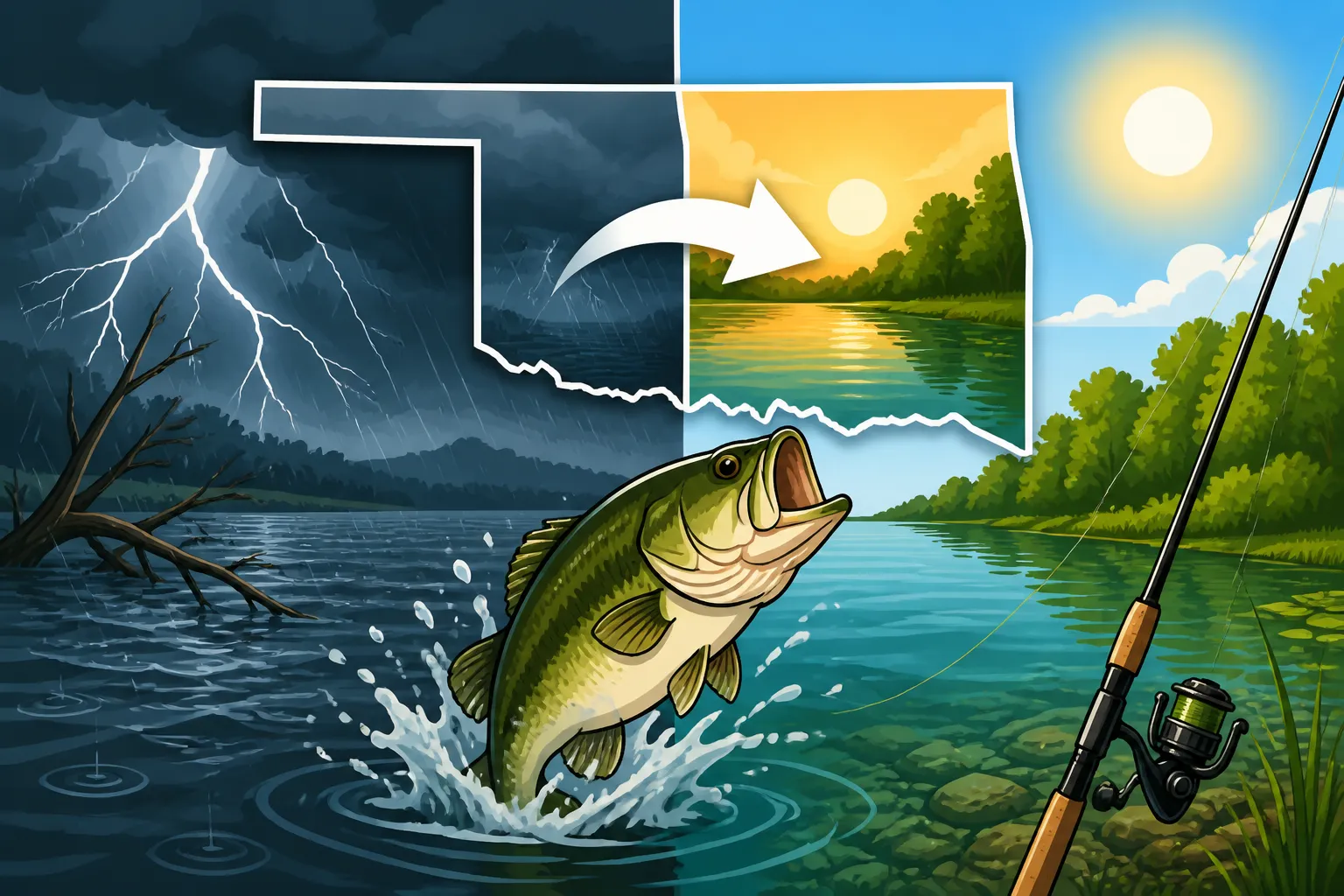
It's a question every angler in Oklahoma has pondered while watching a storm roll through: "Will the fishing actually be better after this?" We've all heard the old wives' tales and experienced those magical days when the fish seem to bite at everything following a good rain. But the truth is, the answer isn't a simple yes or no; it's a nuanced dance with nature. This guide will dive deep into how different storms affect our Oklahoma waters and, more importantly, how you can adjust your strategy to maximize your chances of a successful catch, even when Mother Nature has just thrown a tantrum.
Understanding the Immediate Impact of a Storm on Oklahoma Waters
When a storm hits an Oklahoma lake or river, it's not just about the rain. There are a cascade of effects that completely change the underwater environment, and understanding these changes is key to figuring out where the fish might be and what they'll be willing to bite. Many anglers pack up and go home, but with the right knowledge, you can often find some incredible opportunities.
Water Temperature Fluctuations
One of the most significant impacts of a storm, especially in the warmer months, is a sudden change in water temperature. Imagine a hot summer day on Lake Eufaula; the surface water might be scorching. A heavy thunderstorm, bringing cooler air and rain, can quickly drop those surface temperatures. This can be a huge trigger for fish.
Fish, being cold-blooded creatures, are highly sensitive to temperature shifts. A sudden cooling often invigorates them, making them more active and increasing their metabolism. This means they're likely to feed more aggressively. Conversely, in colder months, a strong cold front after a storm might drop temperatures too drastically, sending fish deep to find more stable, warmer water. It's a delicate balance, and knowing the water temperature (a good fish finder can help with this, or even a simple thermometer from Amazon) is crucial for predicting their behavior.
Changes in Water Clarity and Color
This is perhaps the most obvious change after a storm, especially heavy rains. Runoff from the land carries sediment, dirt, and organic matter into the lake or river, turning clear water murky or even muddy. Think about how the Red River turns chocolate milk brown after a major downpour – that's a prime example.
Fish react differently to murky water. Some species, like catfish, thrive in it. The reduced visibility gives them an advantage as they use their other senses (smell and lateral line) to find prey, and their prey finds it harder to see them coming. Bass, on the other hand, might struggle in very muddy water, often retreating to clearer pockets or relying more on vibrations. For crappie, a moderate stain can be good, scattering them and making them less wary. Your lure choice becomes incredibly important here; often, darker colors or lures with strong vibration patterns perform best. You can find a huge variety of these specialized lures on Amazon to suit any condition.
Barometric Pressure Shifts
Before a storm, the barometric pressure drops. During and immediately after, it can swing wildly, often rising sharply as the system passes. This is a huge factor in fish activity, though it's often overlooked by casual anglers.
Many seasoned Oklahoma anglers believe that dropping pressure before a storm often triggers a feeding frenzy. Fish can feel these changes in their swim bladders, and they seem to instinctively know that a major weather event is coming. They feed actively, trying to get a meal in before conditions become less favorable. After the storm, as the pressure stabilizes or rises, their activity might slow down initially. However, once the pressure settles, often a day or two later, fish can resume normal feeding patterns, sometimes even more aggressively due to the initial pre-storm feeding spree. Understanding How Weather Fronts Affect Fishing at Grand Lake, Oklahoma can provide even more insight into this phenomenon.
Short-Term Fishing Strategies: Adapting Immediately After the Storm
So, the storm has passed, the sun might even be trying to peek through, and you're itching to get on the water. How do you approach fishing in the immediate aftermath? It requires a few adjustments to your usual tactics, but these changes can often lead to some fantastic fishing.
Targeting Key Post-Storm Locations
Fish aren't just going to be scattered randomly; they'll gravitate to certain areas that offer advantages or new opportunities after a storm. This is where your knowledge of the lake and how water moves comes into play.
- Inflows and Runoff Areas: Creeks, ditches, and feeder streams that pour into the main lake become massive attractors. This runoff carries nutrients, insects, worms, and baitfish right into the main body of water. Predator fish like bass and crappie will stage near these inflows, ambushing anything washed downstream. Consider casting spinnerbaits or jigs that mimic frantic baitfish being swept along.
- Shallow Cover: As water levels rise from heavy rain, new shallow cover—like flooded bushes, grass, or even submerged parking lots—becomes accessible to fish. They'll move into these areas to hunt or to seek shelter from strong currents and bright post-storm sun. Flipping and pitching jigs or soft plastics into this newly flooded cover can be incredibly effective for bass.
- Edges and Transitional Areas: Look for the edges where muddy water meets clearer water, or where strong currents meet slack water. These "seams" are prime ambush points. Fish will often sit in the clearer, calmer water, waiting for baitfish to be swept past them in the murkier, faster-moving water.
Lure and Bait Selection for Murky Water
When the water turns cloudy, your usual subtle lures might not cut it. You need to grab the fish's attention in a different way. This often means focusing on vibration, sound, and contrasting colors.
- Vibration and Sound: Crankbaits with rattles, spinnerbaits with large thumping blades, and ChatterBaits are excellent choices. These lures create a lot of disturbance in the water, which fish can detect with their lateral lines even when visibility is poor. For catfish, strong-smelling baits like cut bait or stink bait become even more effective. Best Bait for Channel Catfish After a Rainstorm can offer great tips here.
- Color Contrast: While many anglers reach for bright colors in murky water, sometimes a dark silhouette is more effective against a cloudy sky. Black, blue, or junebug colored jigs and soft plastics can be easy for fish to spot. Chartreuse and bright oranges can also work wonders, especially if there's still some light penetration. Experiment with a few options until you find what they're hitting.
- Slower Presentations: Sometimes, especially if fish are disoriented or dealing with fluctuating water temperatures, a slower, more deliberate presentation is needed. Think about dragging a jig or slowly crawling a worm along the bottom. This gives fish more time to locate your bait in the reduced visibility.
Table: Post-Storm Fishing Adjustments by Species
| Species | Immediate Aftermath (Murky Water, High Flow) | Days After (Stabilizing Conditions) | Key Lure/Bait Adjustments |
|---|---|---|---|
| Largemouth Bass | Seek cover in flooded areas, near inflows. Often active. | More scattered, but can be aggressive as pressure stabilizes. | Spinnerbaits, ChatterBaits, dark jigs. Later: Crankbaits, topwater. |
| Crappie | Follow baitfish into shallower, warmer runoff areas. | Relocate to brush piles, timber as water clears. | Dark or bright jigs (chartreuse), small spinnerbaits. Later: Minnows, small jigs, Best Tackle Setup for Oklahoma Crappie. |
| Catfish | Highly active in murky, current-heavy zones near inflows. | Remain active, but might spread out into deeper holes. | Cut bait, stink bait, worms, chicken livers. Later: Still good on cut bait, trotlines, juglines. |
| White Bass | Run up creeks and rivers in force, chasing bait. | Can still be found schooling, especially near current. | Small jigs, spoons, inline spinners. Later: Jigs, small crankbaits. |
| Striped Bass | Can be invigorated, especially at Lake Texoma, follow bait. | Relocate to deeper structure, thermocline. | Large swimbaits, Sassy Shads, trolling live bait. Later: Trolling, live bait. |
Safety First: Post-Storm Hazards
While the fishing can be fantastic, the post-storm environment can also be dangerous. Never compromise safety for a few extra bites. Always check for submerged debris before heading out. Fallen trees, floating logs, and even smaller branches can be navigation hazards or damage your boat's propeller.
Strong currents, especially in rivers or near dam discharges, can be unpredictable and dangerous. Always wear your life jacket, and ensure you have all the necessary Safety Gear Checklist for a Day on an Oklahoma Reservoir on board. Even if you're bank fishing, be mindful of slick, muddy banks that could lead to a fall. It's always a good idea to check local conditions with the Oklahoma Department of Wildlife Conservation or park rangers before heading out.
Longer-Term Effects and Sustained Bites After a Storm
The immediate aftermath of a storm is one thing, but what about the days or even weeks following? Often, the benefits of a good rain can extend long after the last raindrop has fallen, providing sustained great fishing opportunities.
Improved Water Quality and Oxygenation
Heavy rains can actually improve overall water quality in the long run. The influx of fresh water helps to dilute pollutants and can increase oxygen levels, especially in stagnant areas or during hot summer months when oxygen depletion is a concern.
Increased oxygen revitalizes fish, making them more active and less lethargic. This means they'll be more willing to chase lures and feed. After the initial murkiness settles, many Oklahoma lakes can actually become clearer and healthier, leading to better fishing over the subsequent weeks. This is especially true for our larger reservoirs like Lake Texoma or Grand Lake.
Replenished Food Sources and New Opportunities
Storms aren't just about water; they're about new food. The runoff washes all sorts of terrestrial insects, worms, and grubs into the water, providing a sudden buffet for fish. This new food source can put fish into an active feeding mode that lasts for a while.
Additionally, rising water levels can flood new areas of vegetation, creating instant new habitat and spawning grounds for baitfish. This can kickstart the entire food chain, leading to a sustained period of good fishing as baitfish numbers increase and predator fish have more places to ambush them. Knowing Best Fishing Techniques After Rain can help you capitalize on these replenished food sources.
Stabilizing Conditions and Consistent Patterns
Once the chaotic immediate effects of the storm subside – the water clears up, temperatures stabilize, and barometric pressure evens out – fish often return to more consistent patterns, but with a renewed vigor from the fresh conditions.
This is when you might find fish relating to their usual haunts (like submerged structure, points, or brush piles), but they'll be more aggressive in their feeding. It's an excellent time to use your standard tactics, whether that's throwing a squarebill crankbait for bass on Lake Murray or spider-rigging for crappie on Fort Gibson Lake. The key is that the overall health of the ecosystem often gets a boost, which translates to healthier, more active fish. You might even discover new productive spots that were previously too shallow or inaccessible.
How Different Storm Types Influence Fishing in Oklahoma
Not all storms are created equal when it comes to their impact on fishing. A gentle, all-day rain is going to affect things differently than a violent, quick thunderstorm or a prolonged cold front. Understanding these distinctions helps you tailor your approach even further.
Gentle, Steady Rains
A steady, soft rain that lasts for several hours or even a full day is often a blessing for anglers. These kinds of rains rarely churn up the water too much, so clarity might be only slightly affected, if at all.
Instead, the main benefits are the dropping barometric pressure (often leading to pre-rain feeding), increased oxygen, and a gentle infusion of nutrients and small insects from the runoff. Fish tend to be less wary under a cloudy, rainy sky, and the continuous dripping on the water surface breaks up their vision, making them less prone to spooking. This is often an ideal time for topwater lures or shallow crankbaits for bass, and even crappie can become quite active, moving into slightly shallower cover. How to Catch Bass in Muddy Water After Rain provides great tips if the clarity does get affected.
Thunderstorms and Severe Weather
These are the big, dramatic weather events that bring heavy downpours, lightning, strong winds, and sometimes even hail or tornadoes. Fishing during a severe thunderstorm is, of course, a major safety risk and should always be avoided.
- Before the Storm: As mentioned, the rapidly dropping barometric pressure before a severe storm can trigger an intense feeding window. Fish sense the approaching front and may feed aggressively.
- Immediately After: The aftermath of a severe storm is where you'll see the most significant changes: extreme murkiness, floating debris, drastic temperature swings, and strong currents. This is when your heavy-vibration lures, dark colors, and focus on current breaks and inflows become paramount. However, the water might be so churned up that it takes a few hours or even a day for things to settle enough for fish to find a pattern.
- The Days Following: Once the chaos settles, the long-term benefits of increased oxygen and new food sources can kick in, leading to a renewed and vigorous bite. Remember that safety is key, and waiting for hazards to clear is always the smartest move.
Cold Fronts Following a Storm
The dreaded cold front. Many times, a storm system is followed by a sharp drop in temperature and clear, blue skies. While beautiful for a picnic, this can often be tough on fishing.
When a cold front moves in after a storm, the combination of rapidly falling air temperatures, rising barometric pressure, and clear skies tends to make fish lethargic and shy. They'll often move deep or bury themselves in thick cover. Your best bet is to slow down your presentation considerably, use smaller baits, and focus on vertical presentations in deeper water or heavy cover where fish might be hunkered down. Learning How to Catch Bass After a Cold Front is essential for these challenging days. Don't be afraid to leave your flashy, noisy lures in the tackle box and opt for a finesse approach. You can find excellent finesse jigs and soft plastics to match these conditions at Amazon.
Maximizing Your Chances: Tips for Post-Storm Success
Beyond understanding the environmental factors, there are some actionable steps you can take to make the most of post-storm fishing opportunities in Oklahoma.
Monitor Weather Patterns Closely
This isn't just about looking out the window. Utilize reliable weather apps and radar. Pay attention to forecasts not just for rain, but for wind direction, temperature drops, and especially barometric pressure trends. Knowing what's coming, or what has just passed, gives you a significant edge in predicting fish behavior. Many anglers swear by fishing right before a front hits, or a day or two after it's passed and conditions have stabilized. Don't forget to check out Does Moon Phase Affect Fishing Success? for an extra layer of planning!
Adapt Your Gear and Techniques
Don't be afraid to change things up. If the water is muddy, switch to a darker lure or one with more vibration. If fish are holding tight to cover in high water, try flipping and pitching into places you normally wouldn't target. Carry a diverse selection of lures and baits so you can react quickly to changing conditions. This might mean having a variety of crankbaits, spinnerbaits, soft plastics, and even live bait options. A well-stocked tackle box is your best friend after a storm. Looking into Best Rods and Reels for Oklahoma Fishing can help you prepare for these diverse conditions.
Be Patient and Persistent
Fishing after a storm can be a mixed bag. You might hit a "hot bite" right away, or it might take a few hours for the fish to settle down and start feeding. Don't get discouraged if the first hour is slow. Keep moving, keep trying different depths and presentations, and pay close attention to any subtle signs of activity. That patience often pays off with some of the most memorable fishing trips.
Remember, every storm is a little different, and every lake or river will react uniquely. The true art of fishing in Oklahoma, especially after a weather event, lies in observing, adapting, and continuously learning from your experiences on the water.
Disclaimer
This article is for general informational purposes only and does not constitute professional advice. Laws, prices and regulations vary by location and change over time. Consult a qualified professional for guidance on your specific situation.