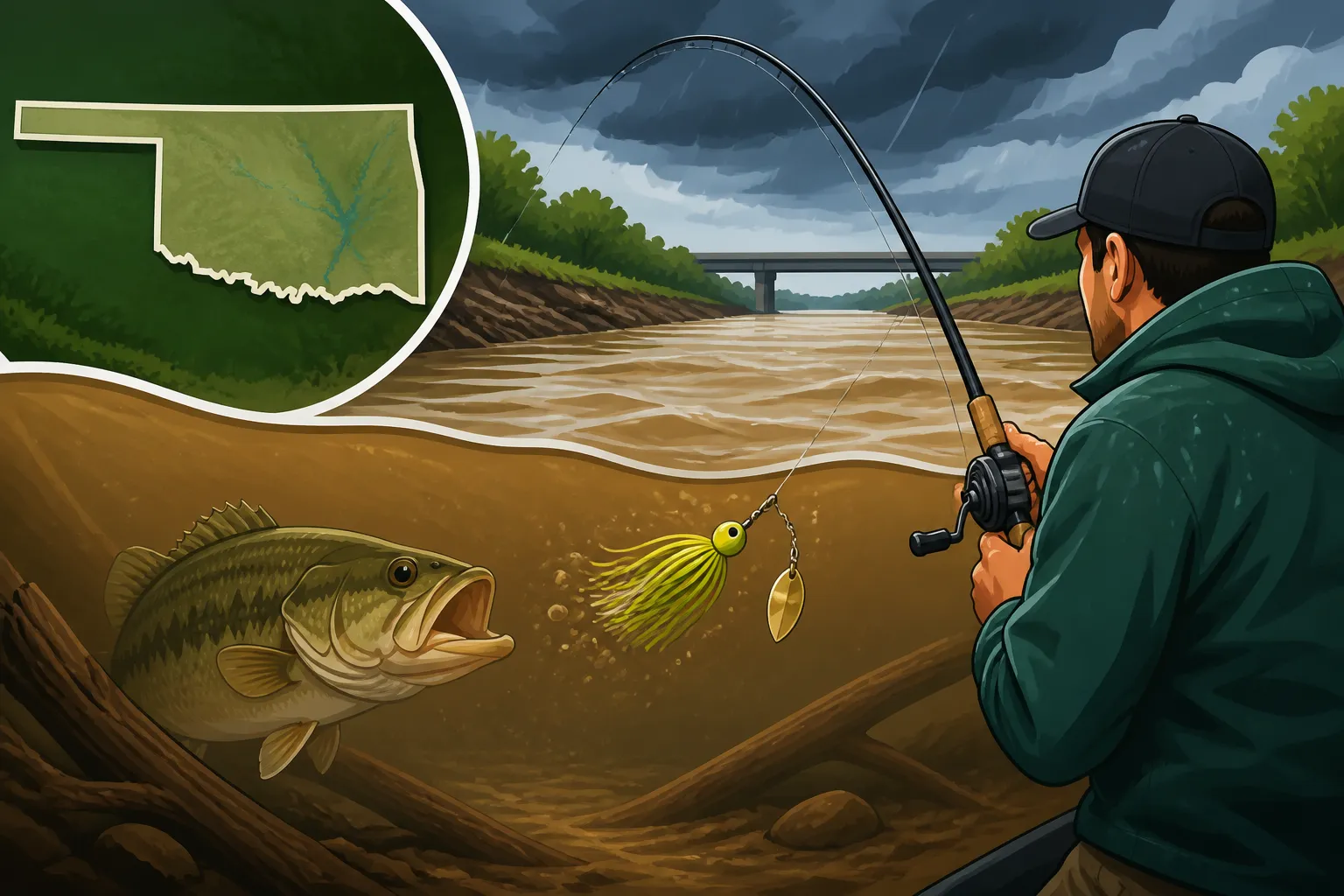
How to Fish Muddy Water After Heavy Rain
Many anglers dread the sight of chocolate milk water after a heavy downpour, feeling like their chances of a successful fishing trip have been completely washed away. It’s a frustrating situation, but don't hang up your rod just yet! This guide is here to walk you through exactly how to adapt your strategies and tackle to effectively fish muddy water after heavy rain in Oklahoma, turning a perceived challenge into a potential opportunity.
Understanding Muddy Water's Impact on Fish
Heavy rain doesn't just make the water look unappealing; it fundamentally changes the aquatic environment. Understanding these shifts is the first step to figuring out how to catch fish when the conditions seem less than ideal. It's not just about what you can see, but what the fish can perceive and how their behavior adapts.
Why Rain Makes Water Muddy
When an Oklahoma thunderstorm rolls through, especially after a dry spell, the ground struggles to absorb all that sudden moisture. The excess water runs off, picking up loose soil, sediment, leaves, and debris from the banks, fields, and urban areas surrounding our lakes and rivers. This runoff then flows into our precious fishing spots, churning up the water column and reducing visibility significantly. Imagine trying to find a needle in a haystack, but the haystack is now suspended in thick, brown liquid – that's what it can feel like for both angler and fish. This influx of murky water isn't just cosmetic; it carries nutrients, pollutants, and a whole lot of mud, radically altering the underwater landscape.
Think about a small creek overflowing into Lake Eufaula after a particularly intense storm. That clear creek water, usually teeming with baitfish, suddenly turns into a brown torrent. This muddy plume can extend far out into the main lake, creating distinct color lines where the turbid water meets the clearer stuff. This phenomenon, often seen on bigger reservoirs like Grand Lake O' the Cherokees, isn't just localized; it can affect vast areas, dramatically changing how fish relate to their surroundings and hunt for food.
This influx of sediment also drastically reduces light penetration. Sunlight struggles to pierce through the dense suspended particles, making the underwater world much darker than usual. For anglers, this means your visual cues are limited, and for fish, it means their primary hunting sense is severely impaired. The sheer volume of water movement also stirs up the bottom, dislodging food sources but also making the environment more chaotic and less stable for many species.
How Fish React to Turbidity
Fish are incredibly adaptable creatures, but sudden changes in their environment certainly make them adjust their routines. In heavily muddied water, their primary sense of sight, which many species rely on heavily for hunting and navigation, becomes severely compromised. It's like turning out the lights in a room they usually navigate by sight alone. This forces them to rely more heavily on their other senses: their lateral line to detect vibrations, their keen sense of smell, and sometimes even taste. Some species, like catfish, are naturally more accustomed to low-visibility conditions and might even thrive in the stirred-up environment, seeing it as an opportunity. Others, like bass, might become less active or move to areas where the water is slightly clearer or shallower.
For instance, largemouth bass, which are often ambush predators relying on sight to strike their prey, might move closer to cover or into shallower water where the light penetration is slightly better, even if the water is still murky. They become less inclined to chase fast-moving baits across open water. Instead, they’ll hug structure, waiting for something to bump into them. Meanwhile, species like channel catfish or blue catfish, with their excellent olfactory senses and barbels, might become more active, using the disturbed water to their advantage to root out prey that's been dislodged or is struggling to hide. Understanding these species-specific reactions is key to successful muddy water fishing.
Furthermore, fish can become disoriented and stressed by extreme turbidity. Their natural instinct is often to seek out more stable and comfortable conditions. This might lead them to move upstream or downstream to find clearer water, or to seek out calmer pockets away from strong currents. Understanding this migration can help you pinpoint areas where fish might be concentrated, even if the entire body of water seems like a uniform chocolate milkshake.
The Role of Oxygen and Temperature
Beyond visibility, heavy rains and runoff can also significantly impact water temperature and dissolved oxygen levels, which are critical for fish survival and activity. A large influx of cooler rainwater can drop the overall water temperature, which can sometimes slow down the metabolism of warm-water species, making them less aggressive. Conversely, if the rain is warm, it might not have such a dramatic cooling effect, or could even slightly raise the temperature in shallower areas. Sudden temperature shifts can put fish into a state of shock, making them lethargic and less inclined to feed.
More critically, heavy runoff often carries organic matter (leaves, grass clippings, soil particles) that starts to decompose, consuming dissolved oxygen in the water. Furthermore, the sheer volume of suspended sediment can impede the gills of some fish, making it harder for them to breathe effectively. Fish need oxygen, just like us, and if levels drop too low, they will move to areas with higher oxygen concentrations. These "oxygen refuges" might be near fresh inflows (if they aren't too muddy or turbulent), shallower areas with more vegetation producing oxygen, or even closer to the surface where oxygen exchange with the atmosphere is higher. Keep in mind that How Water Temperature Affects Fish Feeding Habits is a huge factor, regardless of water clarity, so always be aware of the overall conditions.
Sometimes, the disturbance caused by heavy rain can actually create currents that mix the water column, bringing up cooler, more oxygenated water from deeper areas. However, this is more likely in larger, deeper reservoirs and might only be a temporary effect. Anglers need to be attentive to these subtle environmental changes, as fish will always prioritize their comfort and ability to breathe, and will move accordingly.
Adjusting Your Approach: Lures and Baits for Muddy Water
When the water turns murky, your go-to clear water lures might suddenly become invisible. This is where adaptation comes into play. You need to present something that fish can find using senses other than sight. It's about making your bait stand out in the brown soup.
Vibration and Noise as Key Attractors
Since visual cues are limited, vibration and noise become paramount. Fish use their lateral line system to detect subtle changes in water pressure and vibrations, which helps them locate prey even in complete darkness. This is your secret weapon in muddy water. Lures that displace a lot of water or create distinct thumping, rattling, or clicking sounds will significantly increase your chances of getting noticed.
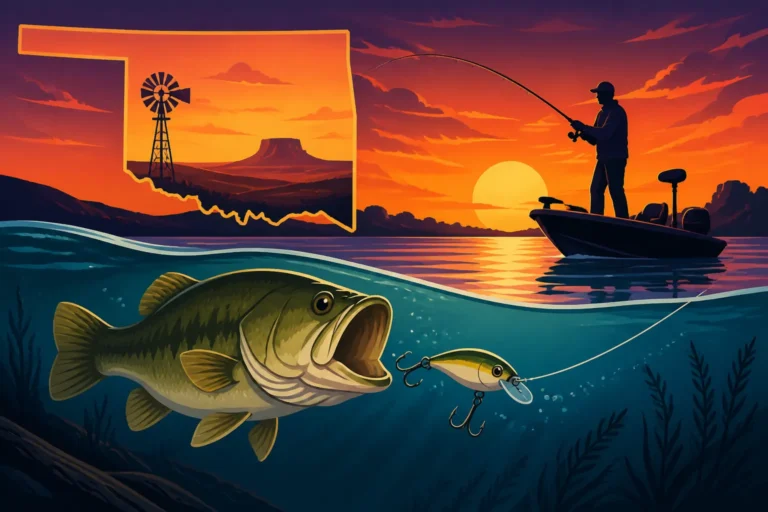
Think about lipped crankbaits with a wide wobble, spinnerbaits with large thumping blades, or chatterbaits that vibrate aggressively. These aren't just for show; they're designed to send out distress signals that fish can feel from a distance. Even soft plastics rigged with a rattle inside can make a huge difference. When retrieving, consider a slower, more deliberate pace that allows the lure to maximize its vibration and gives sluggish fish more time to locate it. This principle applies whether you're chasing bass in Lake Murray or trying to entice crappie. On the Amazon marketplace, you can find a wide variety of these high-vibration lures, often with customer reviews specifically mentioning their effectiveness in stained or muddy water.
A prime example is a large-bladed Colorado spinnerbait, which creates maximum thumping vibration, especially when slow-rolled through dense cover. This vibration is like a beacon for fish whose sight is obscured. Similarly, a deep-diving crankbait with an aggressive wiggle will send out strong pressure waves that fish can home in on. Don't be afraid to experiment with different retrieve speeds, but generally, slower is better in muddy water to give fish every chance to find your offering.
Visual Cues: Color and Profile
While sight is diminished, it's not entirely gone. Fish can still perceive silhouettes and some colors, especially those that stand out in low light. The general rule of thumb for muddy water is to use bright, contrasting, or dark colors that create a strong silhouette against the turbid background. Colors like chartreuse, bright orange, hot pink, and pure white are often highly effective because they reflect what little light is available, or at least contrast sharply with the dark water. Sometimes, a solid black or dark blue lure can also work wonders by creating a very distinct, solid profile that fish can easily see as a dark shape moving through the gloom.
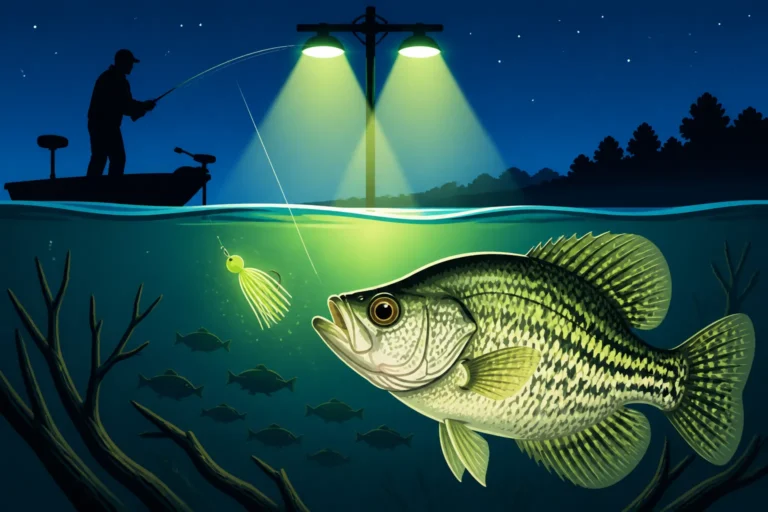
For example, when crappie fishing in stained conditions, anglers often swear by chartreuse or white jigs. Best Crappie Jig Colors for Stained Water is a great reference for this. The profile of your bait also matters. You want something with a good, chunky presence that pushes water and is easy for a fish to "see" with its lateral line. Big, bulky soft plastics or larger profile spinnerbaits and crankbaits can be more productive than smaller, more subtle presentations. If you're bank fishing, even a simple red and white bobber against the muddy water can help you track your line better.
Consider the "dark bait, dark night" principle: if there's very little light, a dark bait creates the most obvious silhouette. However, in muddy water that might still have some minimal light penetration, fluorescent and bright colors often excel by absorbing UV light and emitting it, making them appear brighter to fish. Experimentation is key; sometimes a surprising color combination will be the one that fish key in on for that particular day.
Scent and Taste Enhancements
When fish can't see or feel your bait easily, they might still be able to smell or taste it. This is where scent attractants and flavored baits come into their own. Many commercially available soft plastics come impregnated with scents like garlic, anise, or fish pheromones. You can also purchase liquid or gel scent additives to apply to any lure – crankbaits, jigs, or soft plastics. These create a scent trail in the water that fish can follow, much like a bloodhound tracking a scent.
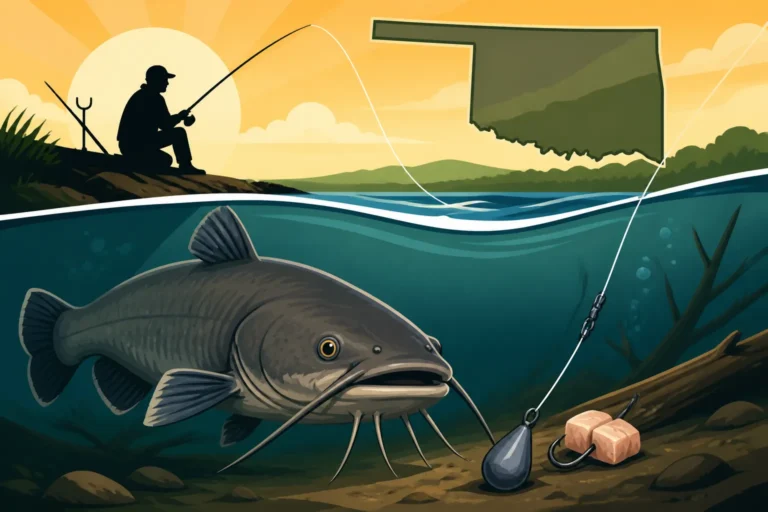
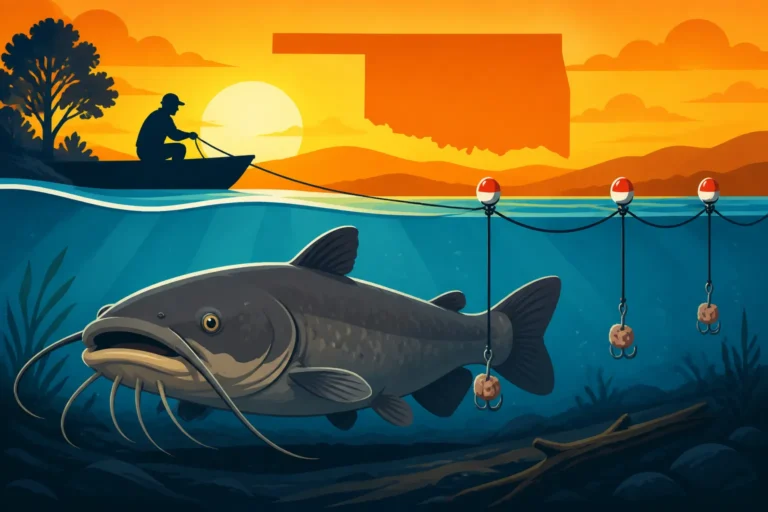
Natural baits are another fantastic option for muddy water because they inherently possess strong natural scents and tastes. For species like catfish, cut bait, chicken livers, or prepared stink baits are incredibly effective. These baits release a powerful scent plume that can draw catfish in from a considerable distance. If you're targeting bass, adding a dab of scent to your creature baits or worms can provide that extra olfactory appeal needed to trigger a strike when they're inspecting a potential meal up close. Remember, fish are driven by primal instincts, and a strong, appealing scent can often overcome poor visibility. You can find a good selection of these scent enhancers and pre-scented baits on Amazon, often listed alongside popular soft plastic brands.
Don't underestimate the power of fresh, natural bait. For species like flathead catfish, live perch or sunfish are practically irresistible, even in muddy conditions, due to their natural scent and distressed movements. For blue catfish and channel catfish, Best Bait for Catfish in Oklahoma Lakes and Rivers will often involve options like shad, skipjack, or even hot dogs soaked in a pungent marinade. The goal is to create an olfactory target that fish can't ignore, leading them directly to your hook.
| Lure Type | Best Colors for Muddy Water | Primary Attraction | Best Species | Notes |
|---|---|---|---|---|
| Crankbaits | Chartreuse, Orange, Firetiger | Vibration, Color | Bass, Walleye | Wide wobble, loud rattles are key. |
| Spinnerbaits | White, Chartreuse, Black | Vibration, Flash | Bass, Pike | Large, thumping blades; slow roll. |
| Chatterbaits | Chartreuse, Black/Blue | Vibration, Thump | Bass | Unique vibration, often with trailer. |
| Jigs (soft plastic) | Black/Blue, Chartreuse, White | Profile, Scent | Bass, Crappie | Add rattle, scent, bulky trailer. |
| Live/Cut Bait | Natural, Bloody | Scent, Taste | Catfish | Unbeatable for attracting by smell. |
| Punch Baits | Natural, Fluorescent | Scent, Taste | Catfish | Prepared dough or cheese baits. |
Finding Fish in Turbid Conditions
One of the biggest challenges in muddy water is simply locating the fish. They don't just disappear; they relocate to areas where conditions are more favorable or where they can more easily ambush prey. Your job is to think like a fish and predict where they might go.
Targeting Inflow Areas and Structure
Heavy rain means runoff, and runoff creates inflow points where creeks, culverts, or even ditches dump water into the main body of water. While the inflow itself might be muddy, the edges of these plumes can be golden. These areas often carry dislodged baitfish, worms, and other small critters, essentially creating a buffet line for hungry predators. Fish will often stage just outside the most turbulent, muddy areas, waiting for an easy meal to wash by. Also, the current from inflows can create subtle seams or eddies where fish can rest out of the main flow, conserving energy while still being in a prime feeding position.
Beyond inflows, any kind of structure becomes even more critical in muddy water. Submerged trees, brush piles, rock piles, ledges, and docks provide cover and ambush points. Fish, especially bass, will hug these structures tightly, using them for concealment and as reference points in the low visibility. Fishing these areas slowly and thoroughly, bumping your lure directly against the structure, is often the most effective approach. This is where your ability to How to Anchor a Boat for Better Fishing becomes crucial, allowing you to thoroughly pick apart a promising piece of structure.
Consider the example of a small tributary feeding into Lake Keystone. After heavy rain, this tributary will be a muddy mess, but where it meets the main lake, a plume of turbid water will fan out. Fish will often sit right at the edge of this plume, sometimes just a few feet away from the clearer water, ambushing anything that drifts out of the muddy flow. Targeting these precise seams and the immediate surrounding structure is often the key to unlocking bites.
Shallow Water Strategies
It might seem counterintuitive to fish shallow when the water is murky, but it's often a smart move. Shallow water tends to warm up faster (if the rain isn't too cold), and it might retain slightly better visibility than deeper areas, especially if there's less sediment suspension. More importantly, shallow cover like submerged grass beds, flooded timber, or even boat docks can concentrate fish. Inflows also often occur in shallower areas, making them natural magnets.
When fishing shallow, consider covering water efficiently but thoroughly. Fan-casting a vibrating crankbait or a slow-rolled spinnerbait can help you locate active fish. Don't be afraid to cast right up onto the bank in flooded areas, as fish will often move into newly inundated cover to feed on terrestrial insects and worms washed into the water. This can be particularly effective in farm ponds or smaller lakes where the shallow banks offer a fresh feeding ground. Remember, fish might be just inches from the bank, so precise casting is key. Many anglers also find success with Bank Fishing Tips for Beginners during these periods, as shore access often leads directly to these productive shallow zones.
Think about how much food gets washed into the shallows during a downpour: worms, insects, larvae, even small rodents. This creates an irresistible smorgasbord for fish willing to brave the murky conditions. Bass and crappie will move into these newly flooded zones, sometimes into water that's only a foot or two deep, to take advantage of the easy meal. Work these areas slowly with a jig or a soft plastic, ensuring your bait stays in the strike zone for as long as possible.
Focusing on Transition Zones
Transition zones are those magical spots where muddy water meets clearer water, or where distinct changes in depth, cover, or bottom composition occur. These "seams" are incredibly productive in turbid conditions because fish can hold in the slightly clearer or less turbulent water while still having easy access to the food and cover provided by the muddy side. Look for color lines, changes in current, or areas where an old creek channel meets a flat.
A classic example is on Lake Texoma where a creek mouth might be pumping in muddy water, but the main lake is still relatively clear. The zone where those two meet—a visible mud line—is often packed with baitfish and predators. Cast your lure so it crosses this transition, moving from the clearer water into the murkier edge. Fish might be patrolling this boundary, waiting for disoriented bait to drift out of the muddy water. Using your boat's electronics can also help you pinpoint areas where depths change abruptly, or where hard bottom transitions to soft, mucky bottom, as these subtle changes can concentrate fish. Don't forget that How Weather Fronts Affect Fishing at Grand Lake, Oklahoma can create these transitions across larger areas, too.
These transition zones provide an ideal ambush point. Fish can benefit from better visibility on one side while still having the cover and food availability of the muddy side. They don't have to fully commit to the turbulent, low-visibility water if they can sit on the edge and pick off what comes to them. This makes them prime targets for anglers, and patiently working these seams with lures that offer both vibration and scent can yield impressive results.
Practical Tips and Gear for Muddy Water Success
Fishing in muddy water demands a bit more thought and a few specific adjustments to your gear and technique. It's about maximizing your chances when visibility is at its lowest.
Essential Gear for Muddy Water
Having the right gear can make all the difference. Beyond the high-vibration lures and scent attractants we've already discussed, think about your line and rod choice. Heavier line, perhaps fluorocarbon or monofilament, can be beneficial. Fluorocarbon, while having low visibility in clear water, also has excellent abrasion resistance, which is helpful around snaggy structure that fish tend to hug in muddy conditions. Monofilament offers more stretch and can be more forgiving with heavy lures. Braided line, with its lack of stretch and thin diameter, offers superior sensitivity, allowing you to feel subtle bites even when the water is pushing against your line. On Amazon, you'll find a wide array of options for lines, rods, and reels suited for different fishing styles.
You might also consider a more powerful rod to help you horse fish out of heavy cover, which they often retreat to in murky conditions. A medium-heavy or heavy power rod with a fast action tip will give you the backbone to control larger fish and cast heavier lures effectively. Don't forget a good pair of polarized sunglasses, even on cloudy days, as they can sometimes help cut glare enough to spot subtle differences in water clarity or potential structure. And if you’re fishing from a boat, a reliable shallow water anchor system can be invaluable for holding your position tightly against structure or in current around inflows. For catfish in particular, heavy-duty gear is a must, and understanding How to Rig a Slip Sinker for Catfish will be invaluable.
Patience and Persistence
Let's be real: fishing muddy water can be tough. It often requires more casts, slower retrieves, and a good dose of stubbornness. Fish aren't always actively chasing; sometimes you need to practically hit them on the head with your lure to get a reaction strike. This means being incredibly thorough in working an area. Instead of making a few casts and moving on, try picking apart a single brush pile from multiple angles, trying different retrieves, and even switching lure types.
A good strategy is to use a "search bait" like a spinnerbait or crankbait to cover water and locate general areas where fish might be. Once you get a bite or detect promising activity, slow down significantly and switch to a "finesse" or slower presentation, such as a jig or a Texas-rigged worm, to pick apart that specific spot. Remember that How to Catch Bass After a Cold Front also applies a similar principle of slowing down and being more thorough, as fish can be lethargic in challenging conditions. Persistence pays off when the conditions are challenging, and sometimes the best technique is simply to keep your bait in the water longer.
Don't get discouraged if the bite isn't immediate. Muddy water often means a reduced feeding window, or fish that are simply less aggressive. Your job is to be there when they decide to feed and to present a bait that they can't ignore. This might mean sitting on a spot longer than you normally would or meticulously working a small area with a variety of presentations.
Safety First in Post-Rain Conditions
Heavy rain doesn't just affect the fishing; it affects the entire environment. Always prioritize safety, especially if you're out on the water in a boat. Water levels can rise rapidly, creating stronger currents than usual. Debris washed into the lake or river can become submerged hazards, so pay extra attention to navigation. Muddy water also means you can't see what's lurking beneath the surface, making it easier to hit submerged logs or rocks.
If you're bank fishing, be mindful of slippery, muddy banks and potentially unstable ground. Rapidly rising water can also erode shorelines. Always let someone know where you're going and when you expect to return. Ensure you have proper safety gear on your boat, including life jackets for everyone on board, and keep a watchful eye on changing weather patterns. Safety Gear Checklist for Oklahoma Boaters is essential reading for anyone taking their boat out. A successful fishing trip is always a safe one, and especially so when Mother Nature has just had her way with the landscape.
Finally, always be aware of local regulations, as heavy rainfall can sometimes lead to temporary closures or specific advisories from the Oklahoma Department of Wildlife Conservation, especially for rivers or certain flood-prone areas. Check conditions before you head out, and prioritize your well-being above all else. After all, there's always another day to catch fish, but your safety is paramount.
Disclaimer
This article is for general informational purposes only and does not constitute professional advice. Laws, prices and regulations vary by location and change over time. Consult a qualified professional for guidance on your specific situation.