How to Fish from a Kayak
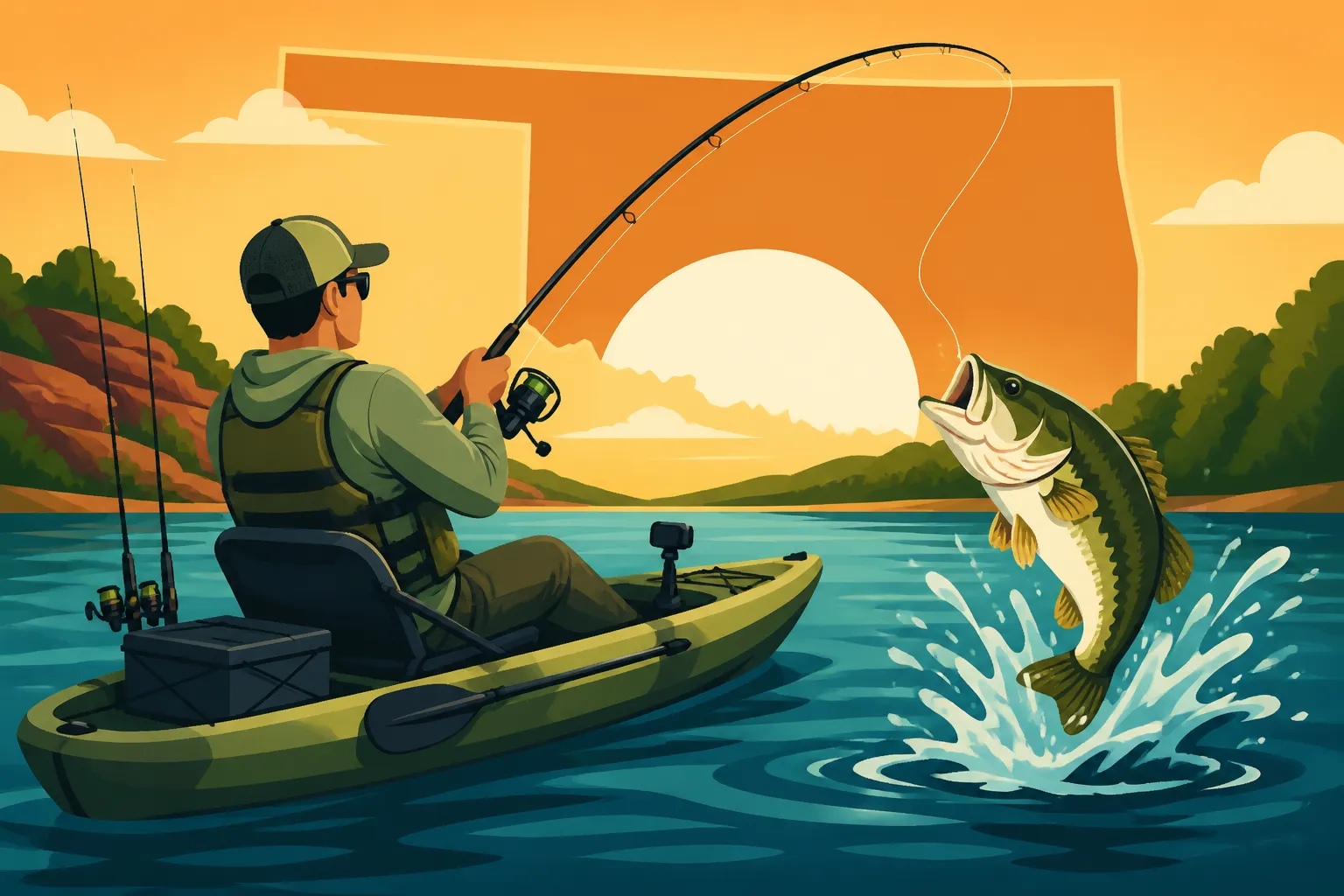
Getting into kayak fishing can feel like a huge leap from traditional bank or boat angling. You might be staring at those sleek plastic boats, wondering how on earth you're supposed to paddle, cast, manage your gear, and land a fish without ending up in the drink. But trust me, once you unlock the secrets, kayak fishing in Oklahoma opens up a whole new world of access and adventure. This guide is here to walk you through everything you need to know to confidently launch your kayak, rig it up, and start reeling in fish on Oklahoma's incredible lakes and rivers.
Why Kayak Fishing in Oklahoma is a Game-Changer
Oklahoma offers an incredible variety of fishing environments, from the vast open waters of Lake Texoma and Grand Lake to the winding, shallow rivers and hidden coves that bigger boats can't reach. This is precisely where kayak fishing shines, offering a unique blend of accessibility, stealth, and intimacy with nature that's hard to beat.
The Undeniable Appeal and Advantages
Think about it: how many times have you looked at a lily pad field, a fallen tree far from the bank, or a shallow feeder creek and wished you could get your lure precisely into that sweet spot? With a fishing kayak, those once-inaccessible areas become your private fishing grounds. Kayaks are incredibly quiet, allowing you to sneak up on unsuspecting fish without spooking them with the rumble of an outboard motor or the splash of a trolling motor. This stealth factor alone can dramatically increase your catch rates, especially for wary species like largemouth bass or spooky crappie in clear water.
Beyond access and stealth, there's a simplicity to kayak fishing that many anglers crave. You don't need to worry about high fuel costs, expensive boat maintenance, or crowded boat ramps. You can often launch from nearly any shoreline, a small public access point, or even a friend's private dock. Plus, being so close to the water in a kayak offers a truly immersive experience. You feel every ripple, every tug, every splash with an intensity that connects you deeply to the environment. It's not just fishing; it's an adventure. Imagine paddling along a quiet stretch of the Illinois River, the only sound being your paddle dipping into the water and the chirping of birds, before you spot a promising eddy and drop your line. It's therapeutic and exciting all at once.
Common Challenges New Kayak Anglers Face
Now, let's be real: kayak fishing isn't without its initial hurdles. Many newcomers worry about stability. Will I tip over? How do I stand up to cast? It's a valid concern, especially when you picture fighting a big blue catfish from a small, unstable vessel. Another big one is gear management. Where do you put all your rods, tackle, cooler, and safety equipment without creating a chaotic mess that will tangle your lines or end up overboard? Then there's the physical aspect – paddling. If you're planning a long day on a large lake with wind, the thought of paddling for hours can be daunting.
Landing a fish, especially a spirited one, can also be tricky from a seated position. And let's not forget the logistical challenge of transporting a kayak, especially if you don't have a truck or a dedicated trailer. These are all common, totally understandable worries that can keep aspiring kayak anglers on the fence. But I promise you, with the right gear, a bit of practice, and some smart setup choices, these challenges become easily manageable, allowing you to fully enjoy the incredible benefits that kayak fishing brings.
Essential Kayak Fishing Gear for Oklahoma Waters
Before you even think about casting a line, getting your gear sorted is paramount. The right equipment can make all the difference in comfort, safety, and fishing success on Oklahoma's diverse waterways.
Choosing the Right Kayak
This is your most important decision. There are two main types: sit-on-top (SOT) and sit-in. For fishing, most anglers prefer SOT kayaks because they offer greater stability, are easier to get in and out of, and allow for a more open deck space for gear. They're also self-bailing, meaning water drains right through scupper holes. Within SOTs, you'll find a spectrum from basic paddle kayaks to advanced pedal-drive models.
- Stability vs. Speed: If stability is your top priority (and for beginners, it often should be!), look for wider kayaks, typically 30-35 inches or more. These often sacrifice a bit of speed but make casting, standing, and fighting fish much more comfortable. If you plan to cover long distances on big lakes like Eufaula or Texoma, a longer, narrower kayak will paddle more efficiently.
- Sit-on-Top vs. Sit-In: As mentioned, SOTs are generally preferred for fishing. Sit-ins offer more protection from the elements and can be faster, but they restrict movement and gear access. In Oklahoma's often warm weather, a SOT usually wins out for fishing.
- Pedal vs. Paddle: Pedal-drive kayaks, like those from Hobie or Old Town, are a game-changer for hands-free fishing. You can keep your hands on your rod while moving slowly, covering water, or holding position against current or wind. They are more expensive and heavier, but the ability to easily maintain position and control your boat while actively fishing is invaluable. For many Oklahoma anglers, this is a worthy investment. If you're on a budget or prefer simplicity, a good paddle kayak with a comfortable seat can still get you to all the fish. Consider how much effort you want to put into propulsion versus fishing.
Must-Have Safety Gear
Safety is non-negotiable, especially when you're out on the water by yourself. Never skimp here.
- Personal Flotation Device (PFD): This is a non-negotiable item. You absolutely must wear a Coast Guard-approved PFD at all times while kayak fishing. Even strong swimmers can be knocked unconscious or succumb to cold water shock. Modern fishing PFDs are designed with plenty of pockets and comfortable mesh backs, so they don't hinder your casting or get in the way of your kayak seat. Always remember, a PFD that’s not worn isn't doing its job. Check out Do You Need a Life Jacket in a Kayak in Oklahoma? for more specific regulations on PFDs.
- Whistle: A loud, audible signal device is required by law on most boats, and a kayak is no exception. A simple plastic whistle attached to your PFD is perfect for alerting other boaters or signaling for help.
- Paddle Leash: This might seem minor, but losing your paddle in the middle of a big lake means you're stranded. A coiled leash secures your paddle to your kayak, so if you drop it while fighting a fish or reaching for something, it won't float away. You can find excellent options on Amazon.
- Lights: If you plan on being on the water from dusk till dawn, navigation lights are crucial. A 360-degree white light mounted on a pole is typically required and makes you visible to other boats. Even a small headlamp can be a lifesaver for rigging up in the dark or making minor adjustments.
- First-Aid Kit: A small, waterproof first-aid kit should always be stowed in your kayak. Hooks, sharp knives, and slippery surfaces mean minor injuries are possible.
- Communication Device: A fully charged cell phone in a waterproof case or a marine VHF radio is vital for emergencies. Cell service can be spotty on some remote Oklahoma lakes, so a VHF radio offers a more reliable way to contact emergency services or other boaters.
Smart Storage and Organization Solutions
One of the biggest complaints from new kayak anglers is the "tackle explosion." Your kayak can quickly become a chaotic mess of rods, lures, and lines if you don't have a system.
- Milk Crate/Storage Crate: This is the quintessential kayak fishing accessory. A standard plastic milk crate fits perfectly in the stern well of most sit-on-top kayaks. You can customize it with PVC rod holders, bungee cords, and even attach a small tackle box to the top. It keeps your most-used tackle, tools, and a small cooler easily accessible and secure. You can find various sizes and styles of durable crates on Amazon.
- Tackle Management: Instead of bringing your entire tackle box, consolidate your essential lures and tools into smaller, waterproof tackle trays or bags. Keeping things streamlined and organized means less fumbling and more fishing. Waterproof dry bags are great for protecting extra layers of clothing, snacks, or your wallet.
- Rod Leashes: Just like your paddle, securing your rods with leashes is a smart move. One wrong bump or a big fish pull could send your expensive rod and reel to the bottom of the lake. A simple coiled rod leash gives you peace of mind.
- Fish Finder Mounts: If you plan to use a fish finder, invest in a quality mount that keeps it secure and visible. Many kayaks come with track systems, making it easy to add and remove accessories like fish finders, rod holders, and camera mounts.
Rigging Your Kayak for Success on Oklahoma Lakes and Rivers
Once you have your kayak and essential gear, the next step is to rig it up for your specific fishing needs. This is where you personalize your setup to maximize efficiency and comfort on the water.
Rod Holders and Mounting Systems
Having your rods secure and accessible is key to a productive day of kayak fishing.
- Flush Mount Rod Holders: Many fishing kayaks come with two flush-mount rod holders molded into the stern. These are great for stowing rods when paddling or when you have multiple lines out, but they aren't ideal for active fishing, as the angle can make it hard to reach your rod quickly or adjust your line. They're best for holding a spare rod or a trolling rod.
- Track Systems and Adjustable Rod Holders: This is where things get interesting. Many modern fishing kayaks feature integrated track systems (like those from YakAttack or Wilderness Systems) along the gunwales. These tracks allow you to slide and lock various accessories, including adjustable rod holders, fish finder mounts, and camera mounts. Ram Mounts are also incredibly popular for their sturdy, adjustable ball-and-socket designs. Investing in a good adjustable rod holder that can be positioned in front of you allows for easy access and quick strikes when you get a bite. Consider a vertical or angled rod holder that lets you jig comfortably or quickly grab your rod for a cast. For specific advice on rigging for different species, check out How to Rig a Kayak for Bass Fishing.
- Positioning Your Rods: Think about your fishing style. If you plan to troll, you might want two rod holders positioned off your stern or sides. If you’re casting, one or two accessible rod holders near your dominant hand for quick placement after a cast or while unhooking a fish will be more effective.
Anchoring and Positioning Techniques
Controlling your position is just as important as casting in many fishing scenarios. Oklahoma's wind can be brutal, so having a reliable anchoring system is crucial.
- Stakeout Poles: For shallow water (up to about 8-10 feet), a stakeout pole is a silent and effective anchoring solution. It’s a fiberglass or aluminum pole you push into the lake or riverbed. They’re light, easy to deploy, and perfect for holding position in a shallow crappie bed or along a bassy shoreline. You can often find decent, affordable stakeout poles on Amazon.
- Drag Chains/Anchors: For deeper water or to slow your drift in windy conditions, a small anchor (1.5-3 lbs) or a drag chain is your friend. A drag chain simply slows your kayak down rather than stopping it completely, which can be fantastic for covering long flats or targeting moving schools of fish. For a traditional anchor, a grappling anchor or a mushroom anchor works well. Always use an anchor trolley system, which is a line that runs from bow to stern on your kayak, allowing you to deploy your anchor from any point along your boat. This prevents your kayak from being pulled sideways by the current or wind, which could lead to tipping. Learning how to properly set up a Kayak Anchor Setup for Fishing Oklahoma Lakes is a must for any serious kayak angler.
- Spot-Lock Trolling Motors: For the ultimate in hands-free positioning, some larger fishing kayaks can accommodate a small electric trolling motor, often with GPS "spot-lock" capabilities. These motors can hold your kayak precisely in one spot at the touch of a button, freeing you up to focus entirely on fishing. This is a significant investment but a game-changer for serious anglers.
Electronics and Navigation
While the appeal of kayak fishing is often its simplicity, modern electronics can vastly improve your success.
- Fish Finders: A compact fish finder is incredibly useful for locating structure, drop-offs, and baitfish schools. Models from brands like Garmin, Humminbird, and Lowrance offer excellent performance in small, battery-efficient packages. Look for models with CHIRP sonar, Down Imaging, or Side Imaging for the best view of the underwater world. You’ll need a small, sealed lead-acid or lithium battery to power it. Many kayak-specific fish finders are designed to be easily mounted and powered. For a deeper dive, check out Best Kayak Fish Finder for Oklahoma Reservoirs.
- GPS: Many fish finders include GPS, which is invaluable for marking waypoints, navigating back to your launch point, or following a planned route. Knowing where you are on a large lake like Grand Lake or navigating through complex creek arms on Lake Eufaula is crucial for safety and efficiency.
- Mounting and Wiring: When installing a fish finder, ensure all wiring is properly protected and waterproofed. Many kayak anglers use a "transducer arm" that extends over the side of the kayak, making deployment and retrieval easy, or they glue a puck-style transducer inside the hull for a "shoot-through-hull" reading.
Mastering Kayak Fishing Techniques in Oklahoma
Once your kayak is rigged, it’s time to hit the water and hone your skills. Kayak fishing requires a slightly different approach than fishing from a large boat or the bank.
Paddling and Stealth Approaches
The inherent stealth of a kayak is one of its biggest advantages, so learn to maximize it.
- Quiet Movements: Every splash, every bump, every dropped item sends vibrations through the water that can alert fish to your presence. Try to paddle smoothly and quietly, keeping your paddle strokes efficient and minimizing drips. When moving across an area you suspect holds fish, switch to a slow, methodical pace.
- Reading the Water: Pay attention to how the current, wind, and structure interact. Position your kayak so you can cast effectively into target areas without having to make multiple adjustments or loud paddle strokes. For instance, if you're targeting a point, approach it from downwind or down current, allowing you to drift into position silently.
- Using Natural Drift: Often, the best way to cover water silently is to let the wind or current do the work. Use a drift sock or a drag chain to slow your drift and maintain a consistent speed, allowing you to cast and retrieve without constant paddling. This technique is fantastic for covering open flats for sand bass or trolling for crappie.
Casting and Fighting Fish from a Kayak
These actions require a little finesse and practice to master from a kayak.
- Balanced Casting: Overpowering your cast can lead to instability. Practice smooth, controlled casts, focusing on accuracy rather than distance. Sidearm or roll casts are often easier and safer from a seated position than overhead casts, especially if you have gear packed behind you.
- Standing vs. Sitting: While some stable kayaks allow for standing, many anglers prefer to fish from a seated position. If you do stand, make sure your kayak is designed for it and practice in calm, shallow water first. Standing offers a better vantage point, but seated casting can be just as effective with practice.
- Playing the Fish: When you hook into a good one, avoid the urge to horse it in. Let the fish fight the rod, not the kayak. Guide the fish to the side of your kayak, use a net, and be prepared for your kayak to shift or spin. If it's a really big fish, like a trophy blue cat or a strong striped bass from Lake Texoma, you might find yourself being towed for a short distance – often called a "sleigh ride" – which is part of the thrill! Remember to bring a good net with a long handle; it’s essential for landing fish safely and efficiently from a kayak.
Targeting Specific Species from Your Kayak
Oklahoma's waters are teeming with various species, and your kayak is a fantastic platform for pursuing them.
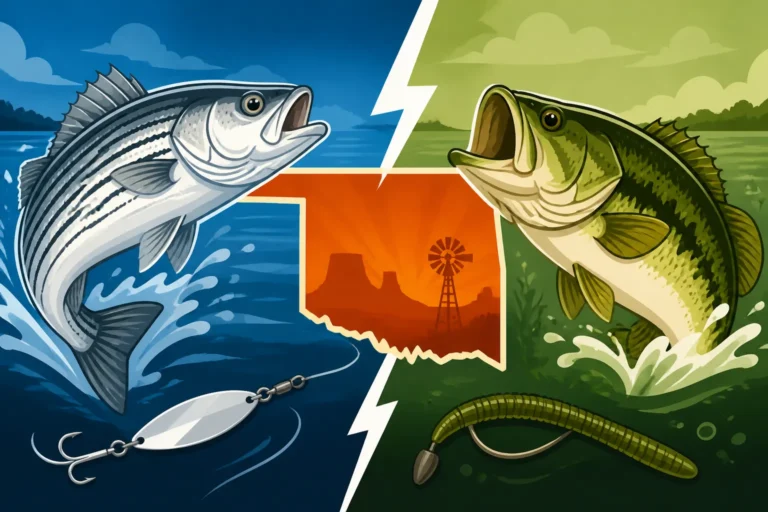
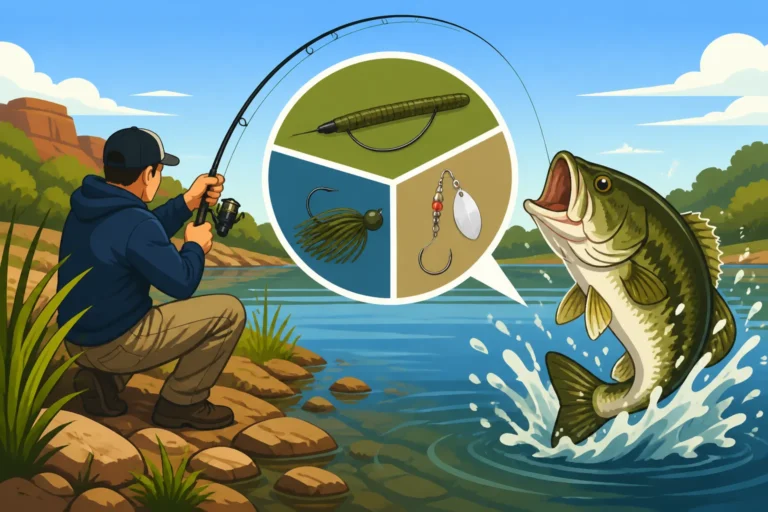
- Bass Fishing: Largemouth, smallmouth, and spotted bass are prime targets for kayak anglers. Their preference for structure and cover (like laydowns, docks, lily pads) makes them perfect for the stealthy approach of a kayak. You can quietly get into tight spots that big boats can't reach. Spinnerbaits, Texas-rigged worms, and shallow crankbaits are great choices. For spring bass, learning Best Bass Lures for Spring Fishing can be a huge advantage.
- Crappie Fishing: Crappie often hold tight to brush piles, standing timber, and bridge pilings. A kayak allows you to maneuver precisely around these structures, dropping jigs or minnows directly into the strike zone. Spider rigging (running multiple poles out the sides) is also possible from a stable kayak. Focus on subtle presentations and use light tackle. For clear water, Best Crappie Jig Colors for Clear Water might give you an edge.
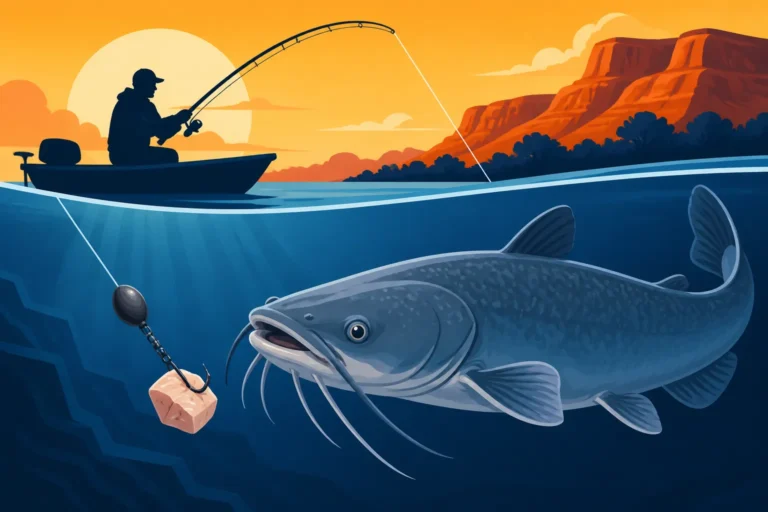
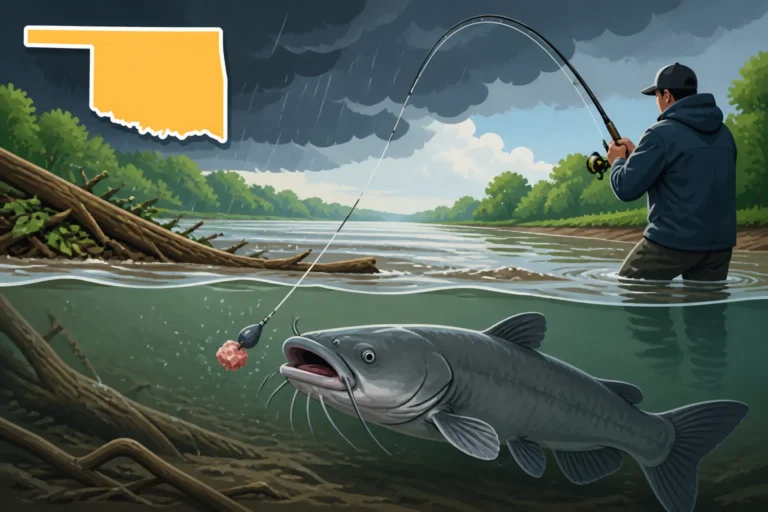
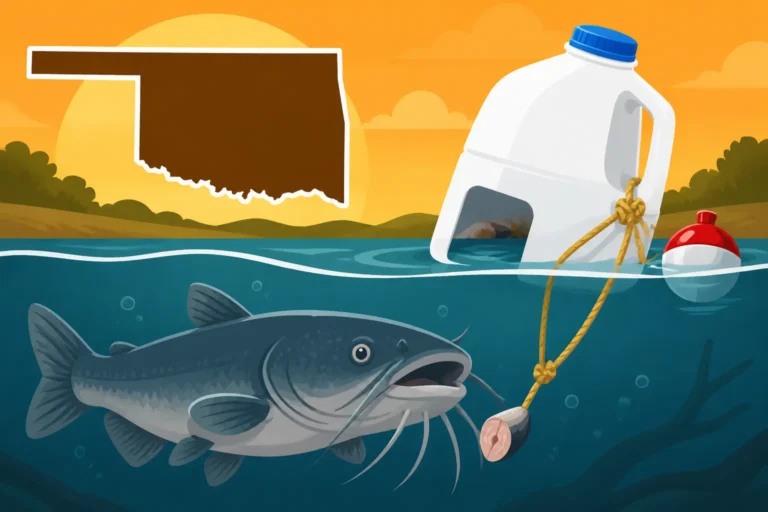
- Catfish Fishing: Blue, channel, and flathead catfish can all be caught from a kayak. For channel cats, target river bends or creek mouths with stink bait or punch bait. For bigger blues, anchoring on humps or ledges in main lake channels with fresh cut bait is effective. Flatheads prefer live bait and can often be found near heavy cover. Your kayak allows you to access remote river stretches for big flatheads. For bait selection, refer to Best Cut Bait for Catfish Fishing.
- Other Species: Don't forget about striped bass in Lake Texoma, walleye in Canton or Foss, or even panfish in smaller ponds. The versatility of a kayak makes it suitable for virtually any freshwater species.
Practical Tips for a Safe and Enjoyable Kayak Fishing Trip
Beyond the gear and techniques, a few practical considerations will make your kayak fishing adventures smoother and more enjoyable.
Launching and Landing Your Kayak
Getting in and out of the water can be a bit of a dance, especially if you're solo.
- Scouting Launch Points: Look for accessible spots that are relatively flat and free of sharp rocks. Public boat ramps are an option, but often busy. Many smaller state parks and WMA (Wildlife Management Area) access points offer great, less crowded alternatives. Even a grassy bank can work.
- Car Topping vs. Trailer: Most fishing kayaks are transportable on a car or truck roof rack (car topping). Investing in a good set of kayak cradles and tie-downs is crucial for safe transport. For heavier kayaks, a small utility trailer or a specialized kayak trailer can make loading and unloading much easier. Regardless of your method, always secure your kayak properly to prevent accidents on the road. For other launching tips, consider Bank Fishing Tips for Beginners.
- The "Kayak Shuffle": Once at the water's edge, partially launch your kayak into very shallow water. Get your rods, paddle, and PFD organized. Then, carefully sit down in your kayak and push off with your hands or feet. Reverse the process for landing. Practice makes perfect here.
Weather Awareness and Trip Planning
Oklahoma weather can change quickly, so always be prepared.
- Check the Forecast: Before every trip, check the wind speed and direction, potential for thunderstorms, and water temperatures. High winds can make paddling incredibly difficult and dangerous on large, open lakes. If the wind is above 10-15 mph, consider fishing a more protected cove or postponing your trip.
- Dress for the Water, Not the Air: This is a crucial safety rule. If the water temperature is cold, dress in layers of synthetic materials (not cotton!) that will still insulate if wet, or consider a dry suit or wet suit. Even on warm days, having rain gear or a waterproof shell is smart.
- Share Your Plan: Always let someone know where you're going, when you expect to return, and what your emergency contact information is. In case something goes wrong, someone will know to look for you. Understand How Cold Fronts Change Fishing Patterns in Oklahoma Lakes can impact not only the fish but also your comfort and safety.
- Pack Smart: Bring plenty of water, snacks, sunscreen, insect repellent, and a hat. A small cooler filled with ice can keep your drinks cold and your catch fresh.
Kayak Maintenance and Care
A little preventative maintenance goes a long way in prolonging the life of your kayak and gear.
- Rinse After Use: Always rinse your kayak, paddle, PFD, and gear with fresh water after each outing, especially if you've been in saltwater or brackish water (though most Oklahoma fishing is freshwater, it's a good habit). This removes dirt, sand, and any corrosive elements.
- Store Properly: Store your kayak out of direct sunlight to prevent UV degradation of the plastic. Ideally, store it on its side, upside down, or on a kayak rack to prevent hull warping. Keep your gear dry and organized in a shed or garage.
- Check for Wear and Tear: Regularly inspect your kayak for cracks, scrapes, or loose fittings. Check your paddle for damage, and your PFD for buoyancy and strap integrity. Replace worn-out components promptly. Consider a robust paddle like those discussed in Best Kayak Paddle for All Day Fishing Trips and a well-organized storage solution described in Best Kayak Crate Setup for Tackle Storage.
Kayak fishing in Oklahoma is an incredibly rewarding experience that allows you to explore new waters, find untouched fishing spots, and connect with nature on a deeper level. It requires a bit of an investment in time and gear, but the freedom and excitement it offers are truly unparalleled. So, get out there, be safe, and enjoy the ride!
Disclaimer
This article is for general informational purposes only and does not constitute professional advice. Laws, prices and regulations vary by location and change over time. Consult a qualified professional for guidance on your specific situation.