Paddlefish Snagging in Oklahoma: The Complete Guide
Oklahoma is a state blessed with incredible fishing opportunities, but few experiences are as unique, challenging, and rewarding as paddlefish snagging. For many anglers, the thought of targeting these prehistoric giants can be intimidating—the specialized gear, the specific regulations, and the sheer power of these fish often leave newcomers feeling overwhelmed. This comprehensive guide will demystify the world of Oklahoma paddlefish snagging, covering everything from understanding the fish itself to the best techniques, gear, and spots to make your next big catch a reality.
Understanding Oklahoma's Paddlefish
Before you even think about casting a line, it's crucial to understand the magnificent creature you're targeting. Paddlefish are truly one-of-a-kind, and knowing their biology and habits will significantly improve your chances of success.
What Exactly is a Paddlefish?
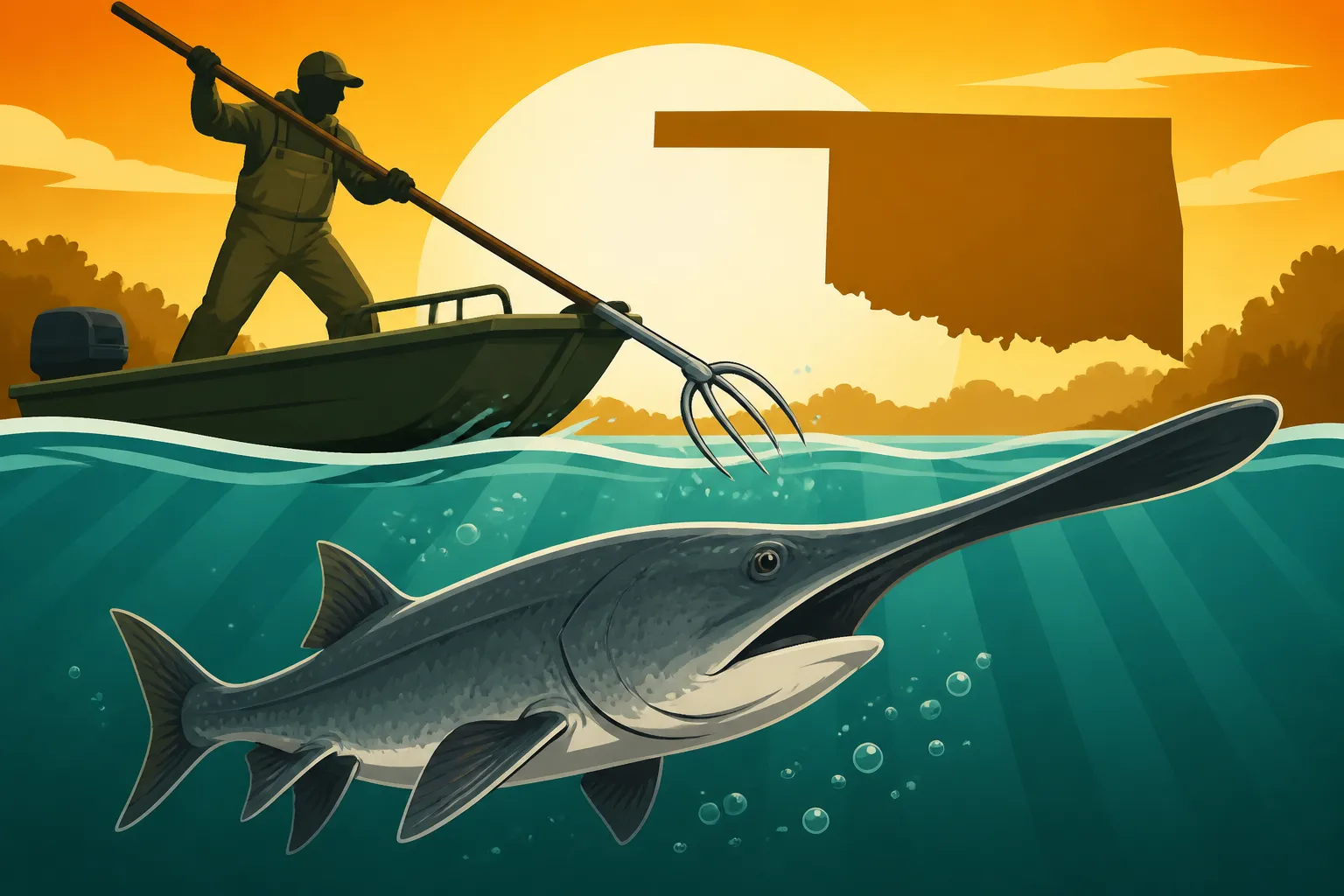
Imagine a fish that looks like it swam straight out of a natural history museum. That's a paddlefish. They are one of the oldest surviving fish species in North America, often called "living fossils" because their lineage dates back millions of years. Their most distinctive feature, of course, is that long, paddle-shaped snout, which can make up a significant portion of their body length. This "paddle" is covered in thousands of sensory pores that help them detect zooplankton, their primary food source, even in murky water.
Unlike most fish we target, paddlefish are filter feeders. They swim with their mouths open, sifting microscopic organisms from the water column. This unique feeding strategy is precisely why traditional bait fishing simply won't work for them, necessitating the snagging method we'll discuss later. They have a largely cartilaginous skeleton, which is another ancient trait, making their meat quite different to process than a bony fish. These fish can grow to truly enormous sizes in Oklahoma, often exceeding 100 pounds, making them an incredible sport fish that will test your strength and tackle.
Where Do Paddlefish Live in Oklahoma?
In Oklahoma, paddlefish are primarily found in the larger river systems and associated reservoirs, especially those connected to the Arkansas River system. The main hubs for these incredible fish are Grand Lake O' the Cherokees, Keystone Lake, and Fort Gibson Lake. These waters offer the deep, open spaces they prefer for filter feeding, as well as the river channels necessary for their annual spawning migrations.
During the cooler months, paddlefish tend to disperse throughout the main lake bodies. However, as spring approaches, rising water temperatures and increased flow from rain trigger their instinct to migrate upstream into the rivers and tributaries to spawn. This is the crucial window when they become more concentrated and accessible to anglers. Understanding these migratory patterns is key to locating them. For instance, the upper arms of Grand Lake, particularly where the Neosho and Spring Rivers feed in, become hotbeds of paddlefish activity during the spring run. Similarly, the river sections above Keystone Lake, like the Arkansas and Cimarron, will see significant concentrations of fish moving upstream. These specific locations and times are what make snagging possible. If you're planning a trip to the premier paddlefish destination, be sure to read our guide on Paddlefish Snagging at Grand Lake in Oklahoma.
Regulations and Seasons for Paddlefish Snagging
Oklahoma takes its paddlefish resource seriously, and for good reason. These ancient fish are a finite resource, and proper management ensures their populations remain healthy for future generations of anglers. Navigating the rules can seem like a lot, but it’s absolutely essential to stay on the right side of the law.
Essential Licenses and Permits
First and foremost, any angler aged 16 or older needs a valid Oklahoma fishing license. This is your basic entry ticket to fishing any public waters in the state. You can't even think about snagging a paddlefish without this in your pocket, or at least a digital copy on your phone. Beyond the general license, paddlefish snagging has an additional requirement: a separate Paddlefish Permit. This permit is relatively inexpensive and helps the Oklahoma Department of Wildlife Conservation (ODWC) track angler participation and harvest, which is vital for their conservation efforts. Even if you only plan to assist someone else in landing a paddlefish, if you're over 16, you'll need both your general fishing license and the paddlefish permit. Make sure you understand all the nuances of Fishing License Requirements in Oklahoma before heading out.
The cost for these licenses varies, particularly between residents and non-residents, and there might be options for annual or short-term licenses. Always check the official ODWC website for the most current pricing and to determine which license type best fits your needs. For residents, it's generally a straightforward process. Non-residents will find higher fees, but the experience of snagging a trophy paddlefish often makes it worthwhile. For a full breakdown of what you might expect to pay, check out Oklahoma Fishing License Costs and Types. Remember, these aren't just bureaucratic hurdles; they fund the very conservation programs that ensure you have a chance to catch these magnificent fish in the first place.
Snagging Seasons and Daily Limits
Oklahoma has specific seasons and days of the week designated for paddlefish snagging. Generally, the prime snagging season runs from March 1st through May 15th each year, capitalizing on the natural spawning migration. However, snagging is often restricted to specific days of the week—typically Friday, Saturday, Sunday, and Monday—to help manage fishing pressure and give the fish a break during the week. These dates and specific rules can be found in the current Oklahoma Fishing Guide, which you should always consult before your trip. For a detailed seasonal overview, refer to Paddlefish Snagging Season in Oklahoma.
When it comes to limits, anglers are typically allowed to keep one paddlefish per day, and the statewide annual possession limit is two paddlefish per angler. This means once you've kept two paddlefish in a license year, you can no longer retain any more, even if you continue to fish. Immediately upon landing a paddlefish you intend to keep, it must be tagged with your paddlefish permit. This tag must remain attached until the fish is processed. There are also length restrictions in some areas, so knowing whether a fish is legal to keep based on its size is crucial. These regulations are in place to prevent overharvest and ensure the long-term sustainability of the paddlefish population. Penalties for violating these rules can be severe, so it's always better to be informed. Understanding all Fishing Regulations You Need to Know in Oklahoma is vital for a legal and enjoyable trip.
Essential Gear for Paddlefish Snagging
Paddlefish are powerful, often enormous fish, and they require specialized, heavy-duty gear. Trying to snag them with your typical bass or crappie setup is not only ineffective but can also be dangerous, leading to broken rods, lost fish, and frustration.
Heavy-Duty Rods and Reels
When it comes to paddlefish, "heavy-duty" isn't just a suggestion, it's a necessity. You'll want a rod that can handle significant stress, usually rated for heavy or extra-heavy action. Look for rods in the 7 to 9-foot range, with a fast or moderate-fast taper that provides plenty of backbone to muscle in a large fish. Fiberglass rods are often favored for their durability and parabolic bend, which helps absorb the shock of a fighting paddlefish. Many anglers even opt for specialized surf rods or catfish rods designed for extreme power. The rod's strength is crucial not just for fighting the fish, but also for the constant casting and sweeping motion required in snagging. If you're serious about your gear, check out Why Paddlefish Snagging Needs a Heavy Rod and Treble Hooks.
For reels, conventional (baitcasting) reels are overwhelmingly preferred over spinning reels for their superior cranking power and line capacity. You'll need a reel capable of holding at least 150-200 yards of heavy line. Look for models with a strong drag system that can withstand the powerful runs of a hooked paddlefish. Brands known for their robust saltwater or heavy-duty catfish reels are often a good starting point. You want something that feels solid in your hands, with minimal flex, because when a 70-pound paddlefish takes off, your gear will be put to the ultimate test. It's often worth investing in quality gear you can find on Amazon to ensure it stands up to the challenge.
Line, Hooks, and Terminal Tackle
Your fishing line is the direct link between you and the fish, so don't skimp here. Braided line is the standard for paddlefish snagging. Its lack of stretch allows for excellent sensitivity, helping you feel the subtle "thump" of a snag, and its incredible strength-to-diameter ratio means you can run a much heavier pound test. Most experienced snagging anglers use braided line in the 80 to 150-pound test range. While this might seem like overkill for other types of fishing, it's absolutely necessary for paddlefish, which can snap lighter lines with ease.
The business end of your setup requires large, strong treble hooks. The legal size for paddlefish snagging hooks in Oklahoma is usually a maximum 2-inch hook gap, measured from shank to point. This is to ensure responsible snagging and minimize foul-hooking of smaller fish. You'll need several of these, as they can bend or break during a tough fight or if snagged on underwater obstructions. Paired with the hooks, you'll need heavy lead weights, typically pyramid or bell sinkers ranging from 8 to 16 ounces, or even more in strong current. The weight is crucial for getting your hooks down quickly and keeping them near the bottom where the paddlefish are. Strong, heavy-duty swivels and snaps are also essential to connect your leader, weight, and mainline. Make sure you're using appropriately sized hooks; read our guide on Best Treble Hook Size for Paddlefish Snagging. You can often find great deals on these specialized components on Amazon. For a complete list of what to pack, check out What Gear Do You Need for Paddlefish Snagging.
Other Must-Have Equipment
Beyond the core rod, reel, line, and hooks, several other pieces of equipment will make your paddlefish snagging trip safer and more successful. A sturdy, large landing net or a gaff is indispensable for bringing a big paddlefish into the boat or onto the bank. Attempting to hand-land a thrashing, heavy paddlefish with a large treble hook attached is a recipe for disaster. These fish can be unwieldy and powerful, so a reliable landing tool is non-negotiable.
You'll also need a measuring tape to ensure your fish meets any length requirements and a pair of sturdy pliers or bolt cutters for easily removing hooks from the fish or from accidental snags on the bottom. Don't forget your official paddlefish permit and a permanent marker to immediately tag your catch. A large cooler packed with ice is absolutely essential for keeping your harvested fish fresh, as paddlefish spoil quickly. Finally, prioritize safety: life jackets, especially if fishing from a boat, sun protection, and plenty of water are always important. A well-stocked tackle box is part of the Paddlefish Snagging Gear Basics for Oklahoma's Grand Lake.
| Gear Category | Recommended Item | Why It's Essential |
|---|---|---|
| Rod | 7-9 foot, Heavy/Extra-Heavy action Fiberglass Rod | Power for casting heavy weights, fighting large fish. |
| Reel | Conventional/Baitcasting Reel, High Line Capacity | Superior cranking power, robust drag system. |
| Line | 80-150 lb Braided Line | No stretch for sensitivity, extreme strength. |
| Hooks | Large Treble Hooks (max 2-inch gap) | Legal size, strong enough for paddlefish. |
| Weights | 8-16 oz Pyramid or Bell Sinkers | Gets hooks to the bottom quickly in current. |
| Landing Tool | Large Landing Net or Gaff | Safely lands heavy, powerful fish. |
| Tagging | Paddlefish Permit & Permanent Marker | Legal requirement for harvest. |
| Fish Care | Large Cooler with Ice | Preserves quality of harvested fish. |
| Safety | Life Jacket, Sunscreen, Water, First-Aid Kit | Essential for personal well-being on the water. |
Where and When to Snag Paddlefish
Timing and location are everything when it comes to paddlefish snagging. These fish are highly migratory, and being in the right place at the right time significantly increases your odds of success.
Top Oklahoma Paddlefish Snagging Locations
Oklahoma boasts a few key locations that are legendary for their paddlefish runs. Grand Lake O' the Cherokees is arguably the most famous. As the Neosho and Spring Rivers feed into its upper reaches, these areas become natural migration corridors for paddlefish moving upstream to spawn. Popular spots include the Twin Bridges area, the Bernice area, and various points along the river arms themselves. Anglers flock to these areas in early spring, lining the banks and filling boat ramps. For specific honey holes, you'll want to dive into Best Paddlefish Snagging Spots on Grand Lake, Oklahoma.
Keystone Lake, fed by the Arkansas and Cimarron Rivers, is another premier destination. The river channels above the main lake, particularly those leading towards the confluence, can concentrate huge numbers of paddlefish during their spawning run. Access points along these river sections, both from public lands and by boat, become popular snagging grounds. Fort Gibson Lake, located downstream on the Grand River system, also sees strong paddlefish activity, particularly below the dams where fish congregate before and after spawning. These locations aren't just random spots; they are critical choke points in the paddlefish's natural migration routes, making them ideal for the snagging technique.
Optimal Conditions and Times
Paddlefish migrations are heavily influenced by water temperature and flow. The ideal window for snagging typically begins when water temperatures start to consistently rise into the 50s Fahrenheit, usually in March, and peaks as they approach the mid-60s. Increased water flow from spring rains and reservoir releases can also trigger stronger runs, as the fish respond to the natural cues for spawning. A strong current helps concentrate the fish in narrower channels, making them easier to target. However, too much current can make it difficult to get your weights down, so it's a balance.
The best time of day for snagging can vary. Many anglers prefer dawn and dusk, which are often active feeding times for many fish, but paddlefish, being filter feeders, don't necessarily follow those same rules. During a strong run, paddlefish can be caught throughout the day. However, less boat traffic and calmer conditions often make early mornings and late evenings more pleasant for anglers. Keep an eye on local reports and weather forecasts. A rising barometer after a cold front can often signal improved activity. Generally, the spring spawning migration is the Best Time of Year for Paddlefish Snagging Season.
Step-by-Step Snagging Techniques
Paddlefish snagging is a unique method, born out of the fish's filter-feeding biology. It's not about enticing a bite with bait; it's about making your hooks connect with the fish itself.
Understanding the "Snagging" Method
Since paddlefish don't bite traditional baits (they filter feed on microscopic organisms), anglers employ a technique known as "snagging" or "foul-hooking." This involves using heavy tackle and large treble hooks to essentially "sweep" the water column, hoping to hook a paddlefish as it passes by. It might sound a bit unconventional to newcomers, but it's a legally recognized and highly effective method for these specific fish. Many wonder, How Does Paddlefish Snagging Work in Oklahoma?
The basic technique involves casting your heavy weight and treble hook rig out into areas where paddlefish are known to congregate. Once your weight hits the bottom, you engage your reel and begin a sweeping motion with your rod, pulling the hooks through the water. After each sweep, you reel in a bit of slack line and then repeat the process, slowly working your rig back towards you. This repeated casting and sweeping is how you cover the water and increase your chances of connecting with a fish. The "feel" for a snag can be anything from a solid thud to a subtle drag, and you'll quickly learn to differentiate between a snagged fish and a snagged log. For this method, remember, What Gear Do You Need for Paddlefish Snagging is crucial.
From Hook-Up to Landing
When you feel that unmistakable thump or sudden heavy resistance, it's time to set the hook hard. Paddlefish are incredibly powerful, and they will put up an epic fight. Expect long, strong runs, especially from larger fish, and be prepared for them to change direction unpredictably. This is where your heavy-duty gear truly earns its keep. Your rod should absorb the shock, and your reel's drag system needs to be smooth and reliable to prevent snapped lines.
Work the fish slowly and steadily, pumping the rod and reeling down to gain line. Avoid trying to horse the fish in too quickly, as this can lead to pulled hooks or broken gear. If you're fishing from a boat, follow the fish to keep it off submerged obstructions. Once the paddlefish is alongside the boat or close to the bank, use your large landing net or gaff to secure it. If using a gaff, aim for the lower jaw or just behind the head for the most secure hold. Remember, these fish are large and can thrash violently, so have a clear plan for landing it safely and efficiently. Never try to lift a large paddlefish by the line alone.
Immediate Tagging and Release/Retention Decisions
One of the most critical parts of paddlefish snagging is what happens immediately after landing a fish. If you intend to keep the paddlefish and it meets all legal requirements (size, daily limit remaining, etc.), you must immediately tag it with your Paddlefish Permit. This tag needs to be firmly attached through the gill plate or lower jaw. Once tagged, that fish counts towards your daily and annual limits, and you cannot replace it with a larger fish later.
If you snag a paddlefish that you cannot keep (e.g., it's undersized, you've already filled your limit, or it's outside the legal snagging season/days), it must be released immediately and with as little harm as possible. This means keeping the fish in the water as much as possible, quickly removing the hook (a long pair of pliers can be helpful here), and supporting the fish until it swims away strongly. For those considering catch-and-release, it's important to minimize the fish's time out of water. Responsible angling and adherence to regulations are paramount for sustaining this incredible fishery.
Processing Your Catch and Enjoying Paddlefish
Bringing a paddlefish home is a unique experience. Their ancient biology means they're processed a bit differently than your typical catfish or bass, but the reward is truly delicious.
Handling Your Harvest
As soon as you decide to harvest a paddlefish, proper handling is key to preserving the quality of the meat. Like many large fish, paddlefish benefit greatly from being bled immediately after harvest. This can be done by making a cut to the gill arches, allowing the blood to drain. This process removes impurities from the flesh, resulting in a cleaner, milder flavor. After bleeding, get the fish on ice as quickly as possible. A large cooler is absolutely essential for this. Paddlefish are known to spoil rapidly if not kept cold, so don't let it sit in the sun for long.
When it comes to cleaning, paddlefish are distinct because they have a mostly cartilaginous skeleton, not bony. This makes filleting a different experience. Many anglers opt to steak the paddlefish, cutting thick cross-sections, rather than trying to remove traditional fillets. A key step in processing is removing the "mud line," a reddish, fatty strip of muscle that runs along the lateral line of the fish. This dark meat can have a strong, "fishy" flavor, and its removal greatly improves the overall taste of the paddlefish. A sharp, sturdy fillet knife is a must for this process.
Culinary Delights: Is Paddlefish Good to Eat?
The short answer is a resounding yes! Paddlefish meat is highly prized for its mild, firm, white flesh, often compared to swordfish, sturgeon, or even prime cuts of pork. It has a clean, subtle flavor that stands up well to a variety of cooking methods. For many, the taste is far superior to many other freshwater species. Read more about this in Is Paddlefish Good to Eat?.
Popular cooking methods include grilling, frying, baking, or smoking. Because the meat is so firm, it holds together beautifully on the grill and doesn't flake apart easily. Many enjoy it simply seasoned with salt, pepper, and lemon, allowing its natural flavor to shine. Some anglers even cure and smoke it, turning it into a delicacy often likened to smoked salmon. Beyond the meat, paddlefish are also highly valued for their roe (eggs), which can be processed into a premium caviar. While preparing caviar is a specialized skill, for those who know how, it adds another layer of appreciation to this remarkable fish. You can find specialized knives and other kitchen tools on Amazon to help with processing your catch.
Safety and Conservation
Paddlefish snagging is an exciting and engaging form of fishing, but it comes with responsibilities. Prioritizing safety and acting as a steward of the environment are crucial parts of the experience.
Essential Safety Tips for Snagging
Safety on the water should always be your top priority, especially when dealing with heavy tackle, large hooks, and powerful fish. When snagging from the bank, be acutely aware of your surroundings. The constant casting and sweeping motion can be dangerous if other anglers or bystanders are too close. Give everyone ample space to avoid accidental hook-ups. If you're fishing from a boat, ensure all occupants are wearing appropriate personal flotation devices (PFDs), especially when moving or in rough water. Oklahoma law often has requirements for PFDs, particularly for children.
Handling a hooked paddlefish requires caution. Their thrashing power can be surprising, and large treble hooks swinging around are a serious hazard. Always have a plan for landing the fish, and use a net or gaff rather than attempting to grab it by hand. When removing hooks, use sturdy pliers and keep your fingers clear. Be mindful of weather conditions; spring weather in Oklahoma can be unpredictable, with sudden storms or strong winds. Check forecasts before you go, and don't hesitate to cut your trip short if conditions become unsafe.
Responsible Angling and Conservation Efforts
The incredible paddlefish resource in Oklahoma exists because of diligent conservation efforts by the ODWC. As anglers, we play a vital role in ensuring these fish continue to thrive. This starts with understanding and strictly adhering to all regulations, including license requirements, season dates, daily limits, and any size restrictions. These rules aren't arbitrary; they are scientifically determined to manage the population sustainably.
Beyond legal compliance, responsible angling includes minimizing harm to released fish. If you snag a paddlefish you cannot keep, release it as quickly and gently as possible, keeping it in the water whenever feasible. Avoid dragging fish onto dry land or handling them excessively. Report any observed violations to the ODWC; poaching and illegal harvesting undermine everyone's efforts. By being a responsible angler, you're contributing to the long-term health of Oklahoma's paddlefish fishery, ensuring that this unique and thrilling experience remains available for future generations. For a broader understanding of statewide rules, refer to Fishing Regulations You Need to Know in Oklahoma.
Disclaimer
This article is for general informational purposes only and does not constitute professional advice. Laws, prices and regulations vary by location and change over time. Consult a qualified professional for guidance on your specific situation.