White Bass Spring Runs in Oklahoma
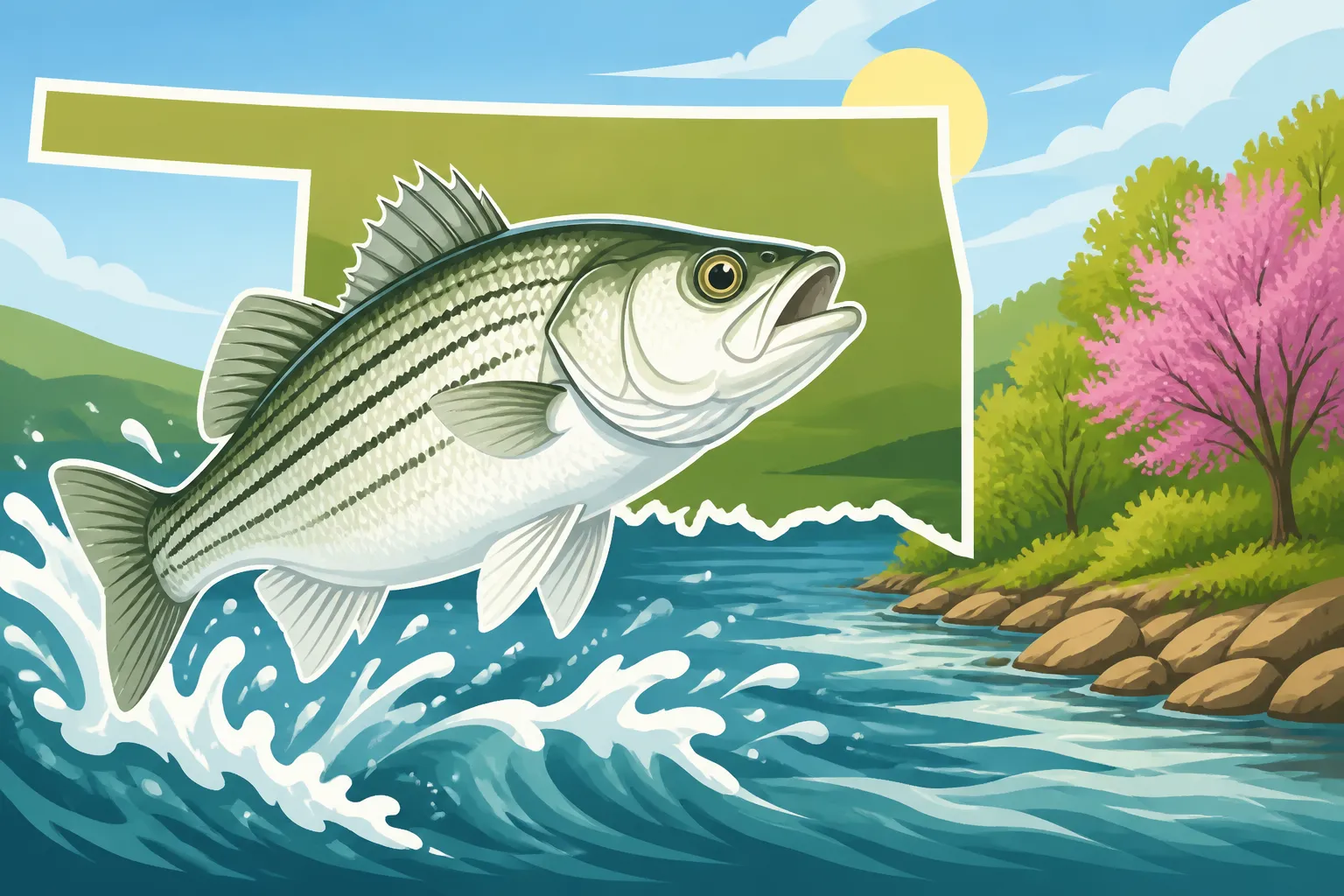
There's nothing quite like the electric anticipation of an Oklahoma white bass spring run. You hear whispers of them schooling up, pushing upstream, and suddenly it's a scramble to get your gear ready before you miss the action. It's a glorious, sometimes chaotic, period when these feisty fighters offer some of the most exciting fishing of the year, but knowing when and where they'll hit, and what to throw at them, can feel like a secret code. This guide is going to break down everything you need to know to not just find the run, but to make the most of it.
Understanding the Phenomenon of White Bass Spring Runs
For many anglers across Oklahoma, the arrival of spring doesn't just mean warmer weather; it signifies the start of the highly anticipated white bass runs. These aren't just random fish moving about; it's a full-blown biological migration driven by a primal urge, and understanding this phenomenon is key to intercepting these schooling fish.
The Biological Drive: Why White Bass Run Upstream
Think of it like salmon, but on a smaller, freshwater scale. As the water temperatures begin to climb in late winter and early spring, white bass, also known affectionately as sand bass by many Oklahomans, feel an irresistible urge to spawn. This urge compels them to leave the deeper, more open waters of the main lake and push en masse up into the inflowing rivers and larger creeks. They're looking for moving water, often over gravel or rocky bottoms, where they can lay their eggs. This journey isn't a casual stroll; it's a determined migration against the current, often covering significant distances.
This biological imperative means that during the run, white bass are highly concentrated in specific areas, making them incredibly accessible to anglers. They're focused on their mission, but they're also opportunistic feeders, which is why they strike so aggressively. They're burning a lot of energy fighting the current and need to refuel when the opportunity arises. It's a short window of intense activity, and if you can tap into it, you're in for some unforgettable fishing. The sheer numbers of fish involved can be astounding, with schools numbering in the hundreds or even thousands, creating a true spectacle for those lucky enough to witness it.
Key Environmental Triggers for the Run
While the biological clock is ticking, it's environmental cues that really kick the white bass run into high gear. The most significant trigger is, without a doubt, water temperature. As the lake and river temperatures creep into the low to mid-50s Fahrenheit, that's your first major sign. Typically, the sweet spot for peak activity is between 55 and 65 degrees Fahrenheit. Anything much colder, and they'll hold back; much warmer, and they'll start to spread out after the initial spawn.
Beyond temperature, rainfall and increasing water flow play a massive role. A good spring rain can swell the creeks and rivers, creating the necessary current and raising water levels, which acts like a green light for the white bass. They follow these fresh inflows of water, sometimes moving surprisingly shallow to find their spawning grounds. Many seasoned anglers also keep an eye on moon phases, believing that full and new moons can sometimes intensify the runs. It's often a combination of these factors – warming water, increased flow, and the right lunar phase – that culminates in those legendary days when you can catch white bass almost every cast. Knowing How Water Temperature Affects Fish Feeding Habits can certainly give you an edge in predicting these prime times.
Prime Locations for White Bass Spring Runs in Oklahoma
Oklahoma is blessed with an abundance of lakes and rivers, and many of them host incredible white bass runs each spring. Knowing where to focus your efforts is just as important as knowing when to go. You want to look for areas where major rivers or significant creeks flow into larger reservoirs.
Major Rivers and Tributaries to Target
When the white bass run is on, the main rivers and their larger tributaries that feed into Oklahoma's big lakes become hotspots. These are the fish highways. For instance, the Washita River and the Red River arms feeding into Lake Texoma are legendary. Anglers flock to areas like Buncombe Creek, Big Mineral Creek, and the upper reaches of the Washita where the water flows freely over rocky or gravelly bottoms. Similarly, the Grand River upstream from Grand Lake O' the Cherokees, especially around the Fort Gibson Lake tailwaters, can be incredible.
Other prime locations include the Arkansas River system, with its numerous feeder creeks and smaller rivers like the Cimarron and Canadian, which flow into lakes such as Keystone and Eufaula. The Illinois River, particularly its lower stretches leading into Tenkiller Ferry Lake, can also see strong runs. The key is to find public access points along these rivers where you can either wade in, bank fish, or launch a smaller boat or kayak. Look for areas with current breaks, deeper pools below riffles, and gravel bars, as these are often prime holding spots for the staging fish. For a broader overview of great spots, check out Best Fishing Spots in Oklahoma.
Specific Lake Arms and Inflows for Early Season Action
Even if you can't get to the main river channels, many of Oklahoma's larger lakes offer fantastic white bass action in their upper arms and major creek inflows. These are the areas where the river essentially transitions into the lake. Take Lake Eufaula, for example; its countless feeder creeks and the upper reaches of the North and South Canadian Rivers become vibrant during the run. The same goes for Lake Keystone, where the Cimarron and Arkansas River arms attract massive schools. Keystone Lake Fishing Guide Near Tulsa might offer some more insights for that specific area.
At Lake Texoma, besides the main river channels, the numerous coves and bays found along the Washita and Red River arms will see fish moving in. Focus on areas where there's a good current pushing in from the creeks, often identifiable by turbid water mixing with clearer lake water. These transitions are crucial. Don't be afraid to explore smaller, unnamed creeks too, especially after a good rain. Sometimes the best action is found away from the crowds, in a lesser-known inflow. These areas provide the perfect blend of moving water and slightly deeper, more protected pockets where white bass stage before making their final push upstream. For Lake Texoma, a great resource is the Lake Texoma Fishing Guide for Oklahoma Anglers.
Essential Gear and Tackle for White Bass Spring Runs
You don't need a boatload of specialized gear to get in on the white bass action, but having the right setup can make a huge difference in your success and enjoyment. These fish fight hard for their size, and the fast-paced action of a good run calls for responsive tackle.
Rods, Reels, and Line for Fast-Paced Action
For white bass, I usually recommend a light to medium-light spinning rod, typically in the 6-foot to 7-foot range. A fast action tip is ideal, as it provides the sensitivity to feel those subtle bites and the backbone to handle a feisty fish in current. Pair this with a reliable spinning reel in the 1000 to 2500 size range. You want a reel with a smooth drag system, as even small white bass can put up a surprising fight, especially when hooked in a strong current. A good drag prevents line breaks.
As for line, 6 to 10-pound monofilament or fluorocarbon is a solid choice. Monofilament offers a bit of stretch, which can be forgiving, while fluorocarbon is nearly invisible underwater and more sensitive. Some anglers prefer a braided line of 10 to 15 pounds, especially for its incredible sensitivity and zero stretch, which can be a huge advantage for feeling light bites in fast water. If you go with braid, I'd suggest a 2-foot fluorocarbon leader to reduce visibility. Having the right line allows for longer casts to cover more water and provides better control over your lure in the current. It's about finding that balance of sensitivity, strength, and castability for these energetic fish. For more general advice, you can always check out Best Rods and Reels for Oklahoma Fishing.
Lures and Baits That Get the Job Done
White bass aren't usually picky eaters, which is one of the reasons they're so much fun to catch. The key is often presentation and color. Small jigs are absolute killers, especially those in the 1/16 to 1/8 ounce range. White, chartreuse, pink, or a combination of these colors are often very effective. You can find a huge variety of these online, and they're usually quite affordable on platforms like Amazon. Pair these jigs with small grub tails, curly tails, or shad-imitating plastics. Inline spinners, like a Rooster Tail or Mepps Aglia, in silver or gold blades with a white or chartreuse dressing, are also deadly. Small crankbaits that dive a few feet can work wonders when fish are holding slightly deeper. Spoons, especially slender Kastmasters or Little Cleos in silver, can mimic baitfish perfectly and cast a long way.
Don't forget about live bait! Small minnows, fished under a bobber or on a small jig head, can be irresistible, especially on tougher days or for beginners. The main thing is to have a selection of these ready. When the white bass are running hard, they'll often hit anything, but having options for color and retrieve depth will help you dial into what they want on any given day. To really dive deep into specific choices, check out Best Lures for White Bass During the Spring Run.
Essential Bank and Wading Gear
For many, bank fishing or wading is the primary way to access white bass during the spring runs, especially in rivers and creeks. This means you need gear that's practical and keeps you comfortable. A good pair of chest waders is invaluable, allowing you to get out into the current, reach deeper holes, and cover more water. Make sure they fit well and are paired with sturdy wading boots that provide good grip on slippery rocks. Safety is paramount when wading in moving water, so consider a wading staff for stability, especially if you're venturing into unfamiliar territory.
Beyond keeping dry, you'll want a small, comfortable tackle bag or backpack to carry your lures, extra line, pliers for hook removal, and a pair of line clippers. A stringer is handy if you plan on keeping fish (and white bass are excellent table fare!), or a small cooler to keep them fresh. Don't forget polarized sunglasses to cut the glare and spot fish or submerged structure. A hat for sun protection is also a must. Being properly equipped for bank fishing allows you to move freely and adapt to changing conditions without having to constantly return to your vehicle. Bank Fishing Techniques can offer even more specific advice for anglers targeting fish from shore.
Effective Techniques for Successful White Bass Fishing During the Run
Catching white bass during their spring run isn't just about showing up with a rod and reel; it's about understanding their behavior, knowing where they'll likely hold, and presenting your lures effectively. These aren't always subtle fish, but a little finesse can go a long way.
Reading the Water and Identifying Holding Spots
White bass, like most fish, are creatures of efficiency. During a run, they're fighting current, which takes energy. Therefore, they'll often hold in areas where they can rest, ambush baitfish, and conserve energy while still being close to the main flow. Look for current breaks: these are spots where the fast water meets slower water. This could be behind a large rock, a submerged log, a bend in the river, or an eddy where the water swirls. The "seams" between fast and slow water are often goldmines.
Also, pay attention to deeper pools, especially those just downstream from riffles or rapids. These pools provide cover and a place for fish to congregate before moving further upstream. Don't overlook gravel bars or stretches of river with a clean, hard bottom, as these are ideal spawning areas where fish will be actively staging. Sometimes, you'll even see them busting the surface as they chase baitfish in schools, which is a dead giveaway. Observing the water, noting changes in current speed, depth, and bottom structure, will quickly teach you how to "read" the river and identify those prime white bass holding spots.
Casting and Retrieval Strategies for Lures
Once you've identified a promising spot, it's all about how you present your lure. White bass often school heavily, so fan casting – casting to different spots in a fan-like pattern – is a great way to cover water and locate the school. Start by casting upstream and allowing your lure to drift naturally downstream with the current, retrieving just fast enough to keep it off the bottom and give it action. This often mimics a baitfish being swept along.
Vary your retrieval speed and depth. Sometimes they want a fast, aggressive retrieve; other times, a slower, more subtle presentation is key. If you're using jigs, a "lift and drop" or "snap jigging" motion can be incredibly effective, making the lure dart and fall like a wounded baitfish. For inline spinners and small crankbaits, a steady retrieve usually works well, but don't be afraid to add a few pauses or twitches. If you're not getting bites after a few casts, change your angle, your retrieve, or even your lure color until you find what triggers a strike. The beauty of a white bass run is that when you find the right retrieve, the action can be non-stop.
Live Bait Rigs and Presentations
While lures are incredibly effective, sometimes live bait, especially small minnows, can outfish artificials, particularly on slower days or when the fish are less aggressive. One of the simplest and most effective ways to fish minnows for white bass during a run is with a slip bobber rig. This allows you to set your depth precisely and present the minnow naturally in the current. Simply rig a small minnow on a light wire hook (size 4 or 6), attach it below a split shot or two, and use a slip bobber to suspend it at the desired depth. Cast upstream and let the current carry your bobber and minnow downstream through potential holding areas.
Another effective presentation, especially in deeper holes or slower currents, is a simple bottom rig. You can use a small egg sinker or split shot above a swivel, with a 12-18 inch fluorocarbon leader tied to your hook. This keeps your minnow near the bottom where white bass might be holding in deeper water. Make sure your sinker is just heavy enough to hold bottom but not so heavy that it prevents the minnow from moving naturally. Always aim for a natural presentation, letting the minnow drift with the current as if it were an unattached baitfish. This natural movement is often what seals the deal for wary fish.
Maximizing Your Catch and Ensuring a Sustainable Fishery
The white bass run is incredibly exciting, but as responsible anglers, we have a role to play in ensuring these runs continue to thrive for years to come. That means knowing the rules and practicing ethical fishing.
Handling Your Catch and Bag Limits
White bass are plentiful in Oklahoma, and for good reason: they are often managed with generous bag limits, reflecting their robust populations. However, it's absolutely crucial to know and adhere to the current regulations. Generally, Oklahoma has a statewide daily bag limit for white bass, and it's quite substantial, allowing anglers to take home a good number of fish for the table. There are usually no length limits on white bass, but always double-check the latest Oklahoma Department of Wildlife Conservation regulations, as rules can change. You can usually find the most up-to-date information by looking at Fishing Regulations You Need to Know in Oklahoma or specifically at Oklahoma's Bag Limit Rules by Species.
When handling your catch, whether you're keeping them or releasing them, do so with care. White bass can be slippery and feisty. If keeping, dispatch them quickly and place them on ice immediately to preserve their excellent flavor. If releasing, try to minimize their time out of water. Hold them gently, remove the hook quickly (barbless hooks can make this easier), and release them back into the current, often pointing them upstream to help them recover. Releasing a few fish, even when you're allowed to keep more, is a great way to ensure there are plenty for future generations and future runs.
Best Practices for Ethical Angling
Ethical angling goes beyond just following the bag limits; it's about respecting the fish, the environment, and your fellow anglers. During a white bass run, popular spots can get crowded. Be considerate of others, allowing ample space for casting and avoiding hogging the best spots. A friendly nod and a brief chat can go a long way in fostering a positive atmosphere on the water.
When fishing during the spawn, remember that these fish are undertaking a critical part of their life cycle. If you're planning to catch and release, try to handle them as little as possible. Avoid dragging fish onto dry banks, which can remove their protective slime layer. Use de-hooking tools if necessary to minimize stress. And always, always pack out everything you pack in. Leave no trace behind. This includes discarded fishing line, bait containers, and any other trash. Keeping the banks clean ensures these beautiful areas remain enjoyable for everyone, and helps protect the delicate ecosystems that support these incredible fish runs.
Timing Your Trip for Peak Run Activity
Timing is everything when it comes to white bass runs. Hitting it at the peak can mean non-stop action, while being a week too early or too late can lead to a much slower day. As we discussed, water temperature is a major factor, with the mid-50s to low-60s Fahrenheit being ideal. Start monitoring local weather forecasts and water temperatures as spring progresses. If there have been a few days of consistent warm weather and some good rainfall, the conditions are likely ripening.
Local bait shops are often an invaluable resource for real-time information. A quick phone call can save you a wasted trip. Online fishing forums or social media groups dedicated to Oklahoma fishing can also provide up-to-the-minute reports from anglers on the water. The runs usually kick off in late March and can continue through April, sometimes even into early May, depending on the specific lake and weather patterns. Best Time to Catch White Bass During Spawning Runs offers even more specifics. It's often a gradual build-up to a peak, followed by a tapering off as fish complete their spawning and disperse. Being prepared to go when the conditions are right will significantly increase your chances of experiencing a truly epic white bass run. For a broader view of what to expect throughout the year, refer to Oklahoma Fishing Seasons: A Month-by-Month Guide.
Beyond the Run: White Bass Throughout the Year
While the spring run gets all the glory, white bass are active and catchable throughout the entire year in Oklahoma. Understanding their seasonal patterns outside of the intense spawning migration can extend your fishing opportunities and help you find these feisty fighters during any season.
Post-Spawn Patterns and Summer Fishing
Once the spring spawning run concludes, the white bass don't just disappear; they simply transition back to their more typical lake patterns. After the exhausting spawn, they'll initially move into slightly deeper water near the creek and river mouths to recover. As summer progresses and water temperatures climb, white bass often form massive schools in the open water of larger reservoirs. They follow baitfish, typically shad, moving around the main lake points, humps, and submerged structure.
Summer white bass fishing is often about finding these schools, which can be done with a good fish finder. Once located, techniques like trolling with small crankbaits or spoons, or casting slabs or small jigs into the schooling fish, become highly effective. Look for "jumps" where white bass (and sometimes stripers, making it important to know Striped Bass vs White Bass: What's the Difference) are actively chasing baitfish on the surface, creating a frenzy. This can happen early in the morning or late in the evening. It's a different kind of white bass fishing than the run, but equally exciting when you hit a schooling fish feeding frenzy.
Fall and Winter White Bass Opportunities
As the heat of summer gives way to the cooler temperatures of fall, white bass once again become highly active, often mirroring their spring behavior but in reverse. They'll start schooling up aggressively in the main lake, chasing baitfish in preparation for winter. Fall can offer some fantastic topwater action as they push shad to the surface. Trolling remains effective, as do casting spoons or blade baits into schooling fish. This is a time when they are putting on weight, making them strong fighters and excellent table fare.
Winter white bass fishing often means finding them in deeper water. They'll typically school up on main lake points, humps, and channel bends. Vertical jigging with heavy spoons or blade baits directly over the schools, often found using sonar, can be incredibly productive. While the numbers might not be as insane as the spring run, the quality of individual fish can be excellent, and it's a great way to beat the winter blues and stay active on the water.
The Joy of a Multi-Species Day
One of the often-overlooked joys of white bass fishing, especially during the spring run, is the potential for a multi-species day. Where white bass run, other species are often not far behind. Larger predatory fish like black bass (largemouth, smallmouth, spotted) will often follow the white bass, feeding on injured baitfish or even smaller white bass themselves. You might also encounter crappie in the same areas, as they too are moving towards shallower water for their own spawn. Catfish will be around, scavenging on eggs or baitfish dislodged by the commotion.
It's not uncommon to catch a variety of fish while targeting white bass, especially when fishing with minnows or small jigs. This adds an element of surprise and excitement to every cast. So, while you're focused on those schooling white bass, be prepared for a potential bonus catch! Always be mindful of the specific bag and size limits for other species you might encounter, as they differ from white bass. For comparative limits, check out Bass, Crappie and Catfish Limits Compared.
White Bass Lure and Bait Comparison
| Lure/Bait Type | Description | Pros | Cons | Best Conditions |
|---|---|---|---|---|
| Small Jigs | 1/16 to 1/8 oz jig head with grub or curly tail | Highly versatile, effective in various depths, wide range of colors, affordable (many on Amazon). | Light for heavy current, can get snagged easily on bottom structure. | Moving water, current breaks, varying depths. |
| Inline Spinners | Rooster Tail, Mepps Aglia (silver/gold blade) | Excellent vibration and flash, casts well, simple retrieve, very effective for aggressive fish. | Can twist line without a swivel, less control over depth compared to jigs. | Moderate to fast current, clear to slightly stained water. |
| Spoons | Kastmaster, Little Cleo (silver) | Mimics baitfish, casts a mile, effective on aggressive fish and for vertical jigging. | Can be heavy, requires more active retrieve to impart action, prone to snags. | Open water, deep holes, when fish are actively chasing bait. |
| Small Crankbaits | Shad-imitating, shallow-diving | Reaches target depth quickly, good vibration, effective for fish holding deeper in current. | Can be expensive, limited to specific diving depths, easily snagged in rocky areas. | Deeper pools, moderate current, when fish are less aggressive. |
| Live Minnows | Small, lively minnows (rigged under bobber/bottom) | Extremely natural presentation, irresistible to less aggressive fish, can trigger bites on tough days. | Requires bait cooler, more effort to obtain/keep bait, not as active as artificial lures for covering water. | Slow current, cold fronts, high fishing pressure, for beginners. |
Disclaimer
This article is for general informational purposes only and does not constitute professional advice. Laws, prices and regulations vary by location and change over time. Consult a qualified professional for guidance on your specific situation.