Redear Sunfish: Where to Find Them in Oklahoma
Oklahoma's waters hold a surprising variety of fish, and one often overlooked gem is the redear sunfish. Many anglers, especially those just starting out or focusing on bigger game, might not realize the thrill and delicious reward these "shellcrackers" offer. This guide will dive deep into everything you need to know about finding, identifying, and successfully catching redear sunfish across our great state, helping you unlock a new favorite species for your fishing adventures.
Understanding the Redear Sunfish: A True Oklahoma Gem
When you mention sunfish, most folks immediately picture bluegill or green sunfish. And while those are certainly abundant and fun to catch, the redear sunfish brings a different kind of charm and challenge to the panfish world. They're often bigger, put up a stout fight, and have a unique diet that makes them a blast to target.
What Makes a Redear a Redear? Identification Tips
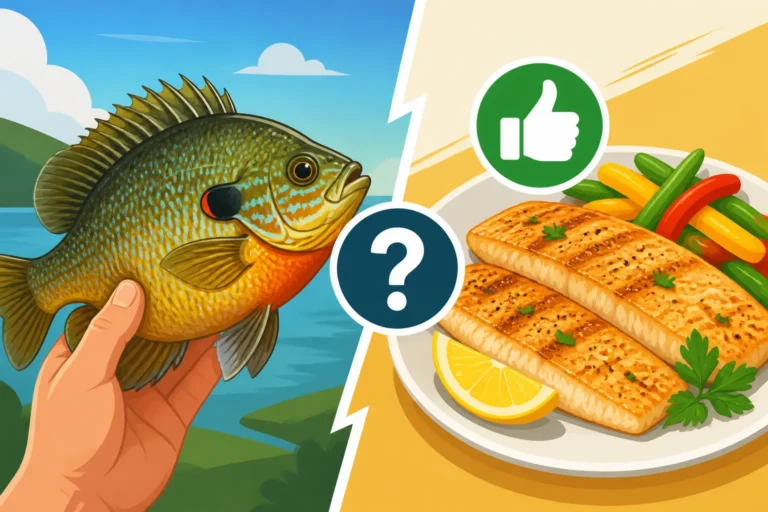
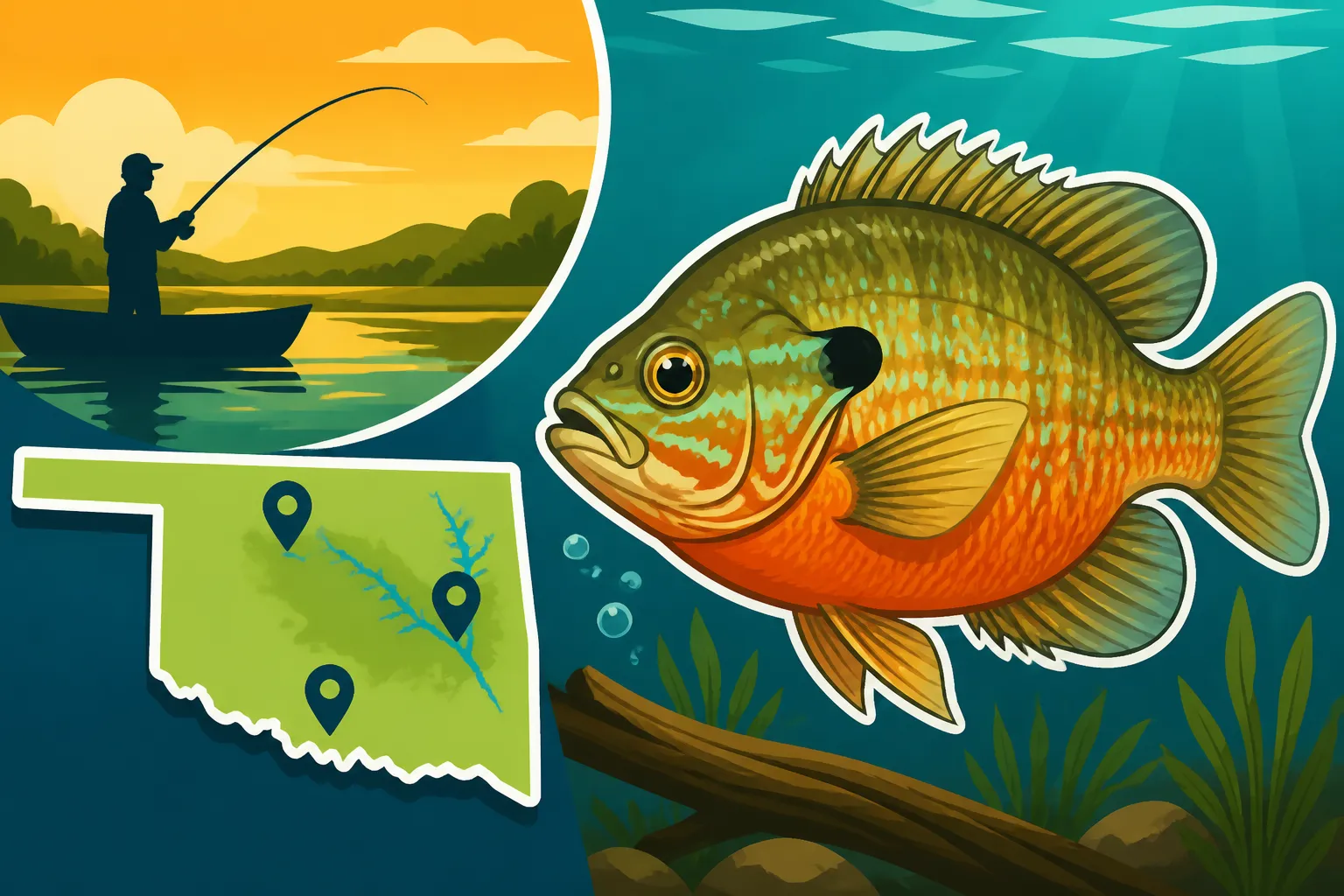
Identifying a redear sunfish isn't too tricky once you know what to look for, but they can sometimes be confused with other sunfish species. The most distinctive feature, and the one that gives them their name, is the prominent red or orange-red spot on the opercular flap (the "ear flap") on the back edge of their gill cover. This spot is usually quite vivid, especially on mature males.
Beyond the "ear," redear sunfish typically have a deeper, more compressed body shape than many other sunfish, giving them a rounder, almost disc-like appearance. Their coloration is generally olive green to golden brown on their back and sides, often with faint vertical bars or spotting, fading to a lighter, yellowish belly. Their fins are usually dusky or yellowish. Another key characteristic is their small, terminal mouth, which is adapted for their unique diet. Unlike the more aggressive, larger-mouthed bass or even some other sunfish, the redear's mouth is designed for picking up small items from the bottom. If you're comparing them to their cousins, remember that Redear Sunfish vs Bluegill: Key Differences often comes down to that prominent red ear and the subtle body shape.
The "Shellcracker" Nickname Explained: Diet and Habitat
The nickname "shellcracker" isn't just a fun moniker; it’s a direct reference to the redear's primary diet. These fish have specialized pharyngeal teeth (think of them as internal grinders in their throat) that allow them to crush the shells of snails, mussels, and other aquatic invertebrates. This unique adaptation means they spend a lot of their time foraging along the bottom, sifting through muck, and prying open shells. This dietary preference is what makes them such clean-tasting fish and why they are often found in specific types of habitat.
Because they rely heavily on these invertebrates, redear sunfish thrive in clear, warm waters with abundant aquatic vegetation and firm, clean bottoms. They love areas with mussels, snails, and insect larvae. This bottom-dwelling, shell-cracking habit informs everything about how we target them, from bait choices to fishing locations. Understanding this fundamental aspect of their biology is the first step to becoming a successful redear angler. They aren't going to chase a spinnerbait across open water; they're down there, meticulously searching for their next crunchy meal.
Where to Find Redear Sunfish in Oklahoma's Waters
Oklahoma boasts a fantastic network of lakes, ponds, and slow-moving rivers that are absolutely prime habitat for redear sunfish. Knowing what kind of structure and environment these fish prefer is key to consistently putting them in your cooler.
Ideal Habitats and Preferred Structures
Redear sunfish are connoisseurs of clean, vegetated bottom structure. Think about areas where aquatic plants like lily pads, coontail, pondweed, or hydrilla grow in profusion. These weed beds provide both shelter from predators and a rich feeding ground for the snails and insect larvae that redear love to munch on. Look for these areas in depths ranging from 4 to 15 feet, especially when the water warms up. They aren't usually found in fast-moving currents, preferring the calmer waters of coves, bays, and protected shorelines.
Beyond vegetation, redear are also drawn to subtle changes in bottom composition. A transition from soft mud to a slightly harder bottom, or areas with scattered gravel and clam beds, can be goldmines. Submerged timber, brush piles, and even old tire reefs can hold redear, especially if they are located near those crucial weed beds. They appreciate cover, but unlike bass who might ambush prey from thick cover, redear use it more for refuge and as a place where their food sources gather. If you have a fish finder, learning How a Fish Finder Helps You Find Structure on Oklahoma Reservoirs will be incredibly beneficial for locating these submerged sweet spots.
Top Oklahoma Lakes and Ponds for Redear
While redear sunfish are widespread across Oklahoma, some lakes and ponds are known for consistently producing larger numbers and bigger specimens. These include many of the larger reservoirs, as well as countless smaller community ponds.
- Lake Eufaula: This massive lake offers endless coves and pockets with the kind of vegetated flats that redear adore. Its diverse habitat ensures plenty of forage for them.
- Lake Texoma: While famous for its striped bass, Texoma's calmer bays and tributaries near the Oklahoma side also hold healthy populations of redear, particularly in areas with aquatic grass.
- Lake Carl Blackwell: Near Stillwater, this lake is often cited by local anglers as a fantastic redear spot, especially in its shallower, weedy sections.
- Lake Konawa: Known for its warm water discharge from the power plant, Konawa often offers a longer growing season for fish, leading to larger redear. Focus on areas away from the main discharge current.
- Grand Lake O' the Cherokees: The shallower, more vegetated arms and coves of Grand Lake can be very productive for redear, particularly on hard bottom areas within weed lines. Where to Catch Crappie on Grand Lake O' the Cherokees will also give you an idea of areas with good panfish habitat.
- Community Ponds and Small Lakes: Don't overlook the smaller, often unnamed ponds in rural areas or designated community fishing ponds. These can be absolute honey holes for redear, especially if they are well-maintained and have good water clarity and vegetation. Many local park lakes are regularly stocked and can offer excellent opportunities.
Before heading out, it's always a good idea to check local fishing reports or talk to bait shop owners; they often have the most up-to-date information on where the redear are biting.
Best Techniques for Catching Oklahoma Redear Sunfish
Targeting redear sunfish requires a slightly different approach than, say, bluegill, because of their unique diet and bottom-oriented nature. It's not about flash and speed; it's about subtle presentation and getting your bait right in their feeding zone.
Bait and Lure Selection for Success
Since redear are primarily bottom feeders with a penchant for crunching shells, your bait selection is paramount. Live bait almost always outperforms artificial lures for these fish.
- Worms: Hands down, redear sunfish love worms. Small pieces of nightcrawlers, red wigglers, or even garden worms are incredibly effective. Thread them onto a small hook, leaving a tantalizing tail to wiggle.
- Crickets/Grasshoppers: During warmer months, these terrestrial insects can be irresistible, especially if they've recently fallen into the water.
- Small Leeches: While not as common a bait for panfish, a tiny leech presented correctly can be a redear magnet.
- Maggots/Mealworms: These are often fantastic choices, especially in areas with heavy fishing pressure where redear might be wary of larger baits. You can buy these at many bait shops or even online through retailers like Amazon, making it convenient to always have some on hand.
- Small Jigs: If you prefer artificials, tiny jigs (1/32 to 1/16 ounce) tipped with a small piece of worm, a plastic grub tail, or even a specialized panfish plastic are your best bet. Colors like white, chartreuse, black, or natural insect imitations work well. The key is a slow, methodical retrieve or simply letting it sit near the bottom.
- Tiny Spoons/Spinners: In rare cases, especially if redear are aggressively feeding, a tiny inline spinner or spoon might draw a strike, but they are generally less effective than natural baits.
The most crucial aspect is presentation: keep it small, natural, and directly on or very near the bottom.
Fishing Methods for Different Situations: Bank vs. Boat
Whether you're fishing from shore or a boat, the core principle for redear remains the same: get your bait to the bottom where they feed.
Bank Fishing for Redear
Bank fishing for redear is very accessible and can be incredibly productive, especially in ponds and smaller lakes.
- Slip Bobber Rig: This is perhaps the most popular and effective setup. Use a small slip bobber, a tiny split shot or two to get your bait down, and a small hook (sizes 6-10). The slip bobber allows you to adjust your depth easily, so you can suspend your bait just off the bottom or let it lie directly on it. This is excellent for fishing around weed edges or drop-offs you can reach from shore.
- Bottom Rig: A simple bottom rig with a small egg sinker or split shot placed a foot or so above your hook works wonderfully. Cast it out, let it sink, and keep a tight line to feel those subtle bites. This is ideal for targeting areas with sparse vegetation or a clean bottom. Use a lightweight rod with a sensitive tip, like a crappie rod, to detect those gentle redear nibbles. For instance, you can find many suitable panfish rod and reel combos on Amazon.
- Targeting Structure: From the bank, look for points, coves, docks, or areas where weed beds come close to shore. Cast parallel to these structures or into pockets within the weeds. Often, the best spots are just outside the densest part of the vegetation, in the slightly deeper water. Bank Fishing Tips for Beginners can offer more general advice that applies well to redear.
Boat Fishing for Redear
Having a boat opens up more opportunities to access prime redear habitat, especially those deeper weed beds and submerged structures.
- Vertical Jigging/Flipping: If you locate a brush pile or a specific patch of submerged weeds using your fish finder, you can position your boat directly over it and vertically jig a small bait or jig. This allows for precise presentation.
- Drifting: On larger lakes, drifting slowly with the wind or current over a known redear flat can cover a lot of ground. Use a slip bobber or a bottom rig, keeping your bait near the bottom. This is particularly effective when you suspect a large school of redear is spread out.
- Anchoring and Still Fishing: Once you find a productive spot, anchoring up and casting out multiple lines with slip bobbers or bottom rigs can be very effective. This allows the scent of your bait to draw in fish and you can concentrate on a specific area. Remember, redear are usually in schools, so where you catch one, there are likely more!
- Kayak Fishing: For stealth and access to shallower, weed-choked areas that bigger boats can't reach, kayak fishing is fantastic for redear. A Kayak Anchor Setup for Fishing Oklahoma Lakes is essential to hold your position over those feeding zones.
| Fishing Method | Ideal Situation | Bait/Lure Recommendation | Key Advantage |
|---|---|---|---|
| Slip Bobber Rig | Bank/Boat; around weed lines, varying depths | Worms, crickets, maggots, small plastic jigs | Precise depth control, visual bite detection |
| Bottom Rig | Bank/Boat; clean bottom, deeper water | Worms, small leeches, cut bait (tiny pieces) | Gets bait directly to the bottom, sensitive feel |
| Vertical Jigging | Boat; over specific submerged structure (brush, weeds) | Small jigs, soft plastics, live bait | Pinpoint accuracy, targets holding fish |
| Drifting | Boat; covering large flats, scattered fish | Bottom rigs, slip bobbers | Covers extensive areas, finds active schools |
Seasonal Patterns and Prime Times for Redear
Like most fish, redear sunfish have distinct seasonal patterns driven by water temperature, spawning cycles, and food availability. Understanding these cycles is crucial for maximizing your catch rates throughout the year in Oklahoma.
Spring Spawn: The Best Time to Target Redear
Without a doubt, the spring spawn is the absolute prime time to target redear sunfish in Oklahoma. As water temperatures begin to climb into the 68-75°F range, typically from late April through June, these fish move into shallow, protected areas to build their nests. This is when they become most concentrated and most aggressive.
During the spawn, redear will often create "beds" – circular depressions in the substrate – in shallow water (2-5 feet deep) near aquatic vegetation, brush piles, or along protected shorelines. They often bed in colonies, so if you find one, you're likely to find many more. Look for areas with a hard bottom, like gravel or sand, especially near submerged stumps or lily pads. When Do Crappie Spawn in Oklahoma Lakes? is similar in timing, so if you're finding crappie in the shallows, redear might not be far behind. At this time, they are very focused on protecting their eggs and will readily strike at anything that invades their space. Small jigs, worms, or crickets presented slowly into the bedding areas are deadly. This is also when you'll often catch the largest males, which are typically guarding the nests.
Summer, Fall, and Winter Redear Strategies
While the spawn is king, you can absolutely catch redear sunfish throughout the rest of the year in Oklahoma, though your tactics will need to adapt.
Summer Fishing for Redear
Once the spawn is over and water temperatures really heat up, redear will generally move to deeper, cooler water. They'll still relate to vegetation, but often deeper weed lines or brush piles in 8-20 feet of water.
- Technique: Focus on the deepest edges of weed beds, submerged creek channels, or brush piles. Bottom fishing with worms or crickets becomes even more critical. You might need heavier sinkers to get your bait down quickly through the thermocline. Early mornings and late evenings can also bring them shallower to feed. Summer Night Fishing Techniques in Oklahoma can also be adapted, as cooler night temperatures might draw them closer to the surface.
- Bait: Live bait remains supreme. Consider adding a small scent attractor to your worms to entice them in deeper, darker water.
Fall Fishing for Redear
As water temperatures begin to cool in the fall, redear sunfish often go through a secondary feeding frenzy, similar to many other species. They're bulking up for winter and can be quite active.
- Technique: Look for them to move back towards shallower flats near their summer haunts, especially during warm spells. They'll still be near vegetation or structure. The key is to find that "comfort zone" where the water temperature is ideal. The edges of channels and deep pockets within bays are often productive.
- Bait: Worms, crickets, and small jigs tipped with scent are all excellent choices.
Winter Fishing for Redear
Catching redear in winter can be challenging, but it's not impossible, especially in Oklahoma's milder winters.
- Technique: Redear will move to their deepest wintering grounds, often suspending in deep water over structure, or congregating in major creek channels. Look for them with your fish finder, often close to the bottom in 20-30+ feet of water. Vertical jigging a tiny spoon or jig, or using a small ice fishing jig (if ice fishing is an option, which is rare for redear in Oklahoma) tipped with a grub or small piece of worm, is the way to go.
- Patience: Winter redear fishing requires a lot of patience and precise bait placement. Bites will be extremely subtle.
| Season | Typical Water Temp | Location Focus | Preferred Baits/Techniques |
|---|---|---|---|
| Spring (Spawn) | 68-75°F | Shallow flats (2-5ft), weed beds, hard bottom | Worms, crickets, small jigs; slip bobber, bottom rig |
| Summer | 75°F+ | Deeper weed lines (8-20ft), brush piles, channels | Worms, crickets; bottom rig, vertical jigging |
| Fall | 60-70°F | Transitional depths, secondary shallow bites | Worms, crickets, small jigs; slip bobber, bottom rig |
| Winter | Below 50°F | Deepest channels, suspended over structure (20-30ft+) | Tiny jigs, spoons, live bait; vertical jigging, slow retrieve |
Redear Sunfish and Oklahoma Regulations
Understanding the rules and regulations for fishing redear sunfish in Oklahoma is just as important as knowing where and how to catch them. These regulations are in place to ensure healthy fish populations for everyone to enjoy for years to come.
Statewide Limits and What to Know
The good news for panfish enthusiasts is that redear sunfish, like bluegill and other sunfish species, generally fall under generous statewide daily bag and possession limits in Oklahoma. For most bodies of water, there isn't a specific individual limit for redear sunfish. Instead, they are included in a combined aggregate limit for "crappie and/or sunfish." This means you can keep a certain number of fish from this combined category.
While the exact number can vary and it's always critical to Fishing Regulations You Need to Know in Oklahoma by checking the latest Oklahoma Fishing Regulations Guide, typically the aggregate daily bag limit for crappie and sunfish is quite high, often around 37 fish. This allows anglers to enjoy a productive day of fishing without worrying too much about exceeding limits, especially when targeting panfish for a meal. However, always double-check the current regulations, as specific lake or river systems may have special regulations that supersede statewide rules. For example, some small, heavily fished community ponds might have stricter limits or even catch-and-release rules for all fish, so always be informed before you cast a line.
Conservation and Sustainable Fishing Practices
Even with generous limits, practicing good conservation habits is vital when targeting redear sunfish. While they are not considered an endangered species, responsible angling helps maintain healthy populations and ensures future generations can enjoy the same great fishing.
- Release Large Spawners: During the spring spawn, consider releasing the largest male redear. These fish are often the most effective at guarding nests and contributing to successful reproduction. Taking a photo and carefully releasing them ensures they can continue to pass on their strong genes.
- Harvest for Management: Conversely, don't be afraid to harvest smaller to mid-sized redear for the table. In some overpopulated ponds, taking out smaller panfish can actually lead to faster growth and larger average sizes for the remaining fish by reducing competition for food. This is a common panfish management strategy.
- Handle Fish with Care: If you plan to release fish, handle them as little as possible. Use wet hands to protect their slime coat, and get them back into the water quickly. Consider using circle hooks, which tend to hook fish in the corner of the mouth, making release easier and less harmful.
- Respect the Habitat: Be mindful of the delicate aquatic vegetation and bottom structures that redear rely on. Avoid disturbing spawning beds, and always pack out everything you pack in, leaving no trash behind.
- Know Your Limits: Even if the aggregate limit is high, take only what you will realistically eat. There's no need to fill your cooler just because you can. A few quality redear make an excellent meal, and leaving some for another day or another angler is always a good practice. Oklahoma's Bag Limit Rules by Species provides a general overview for responsible harvesting.
By following these simple conservation practices, we can all contribute to the long-term health and enjoyment of Oklahoma's redear sunfish fishery. These little "shellcrackers" are truly a joy to catch, and with a little knowledge and respect, they'll be around for many years to come.
Disclaimer
This article is for general informational purposes only and does not constitute professional advice. Laws, prices and regulations vary by location and change over time. Consult a qualified professional for guidance on your specific situation.