Trophy Catfish Spots in Oklahoma
For many anglers, the dream isn't just catching a fish, it's landing a true monster, a story-worthy trophy that tests skill and patience. Oklahoma's waters are absolutely brimming with catfish, but finding those truly gargantuan specimens – the kind that make your reel scream and your arms ache – requires knowing where to go and how to approach them. This guide is your deep dive into the best trophy catfish spots across Oklahoma, along with the strategies and gear you’ll need to make that dream a reality.
What Makes a Catfish a "Trophy" in Oklahoma?
Before we dive into specific locations, let's talk about what actually constitutes a "trophy" catfish here in the Sooner State. It's not just about size; it's about context, species, and the personal challenge involved. While a 10-pound channel cat might be a personal best for some, others are chasing fish that weigh as much as a small child.
Defining "Trophy" by Species
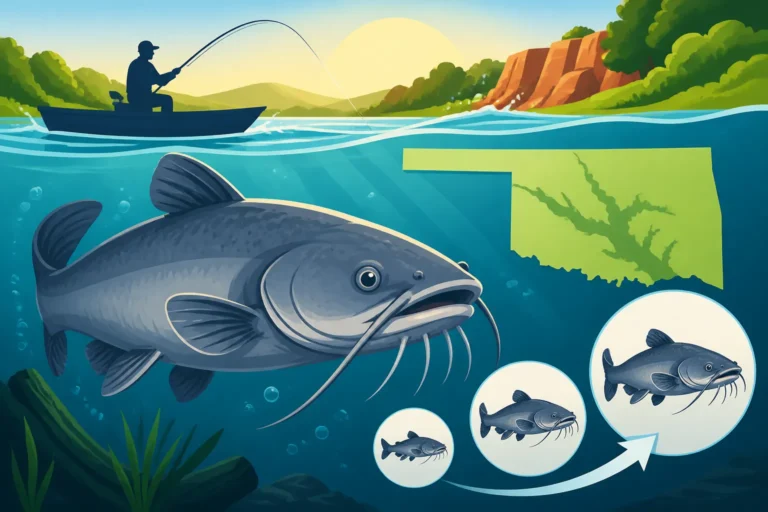
Oklahoma is home to three main species of catfish that regularly reach impressive sizes: blue catfish, flathead catfish, and channel catfish. Each has its own potential for trophy status.
-
Blue Catfish: These are the undisputed heavyweights of Oklahoma waters. A blue catfish can grow absolutely enormous, often exceeding 50 pounds, with some truly legendary fish pushing well over the 100-pound mark. For many, a "trophy" blue cat starts around 30 pounds, but once you start hitting 50, 70, or even 80 pounds, you're in a league of your own. These are the fish that demand heavy tackle and often deep-water tactics. You'll find yourself wondering How Big Do Blue Catfish Get in Oklahoma as you chase these giants.
-
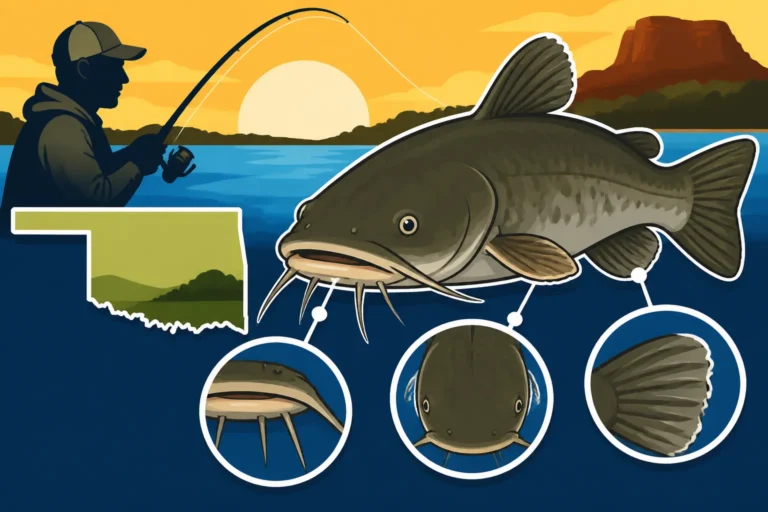
Flathead Catfish: Known for their predatory nature and preference for live bait, flatheads are another highly sought-after trophy species. While they don't typically reach the sheer mass of the largest blue cats, a 30-pound flathead is an exceptional catch, and fish in the 40- to 60-pound range are certainly considered trophy-class. They offer a unique fight, often sticking to structure and using their broad, flat heads to their advantage. Their power is undeniable.
-
Channel Catfish: The most common and widespread catfish in Oklahoma, channel cats rarely reach the colossal sizes of blues or flatheads, but a 15- to 20-pound channel cat is a legitimate trophy in its own right. These fish are powerful fighters for their size and provide excellent sport on medium-heavy tackle. Don't underestimate the thrill of pulling a big channel cat from a river bend or a lake cove, especially if you're not specifically targeting the giants.
Understanding State Records vs. Personal Best
It’s easy to get caught up in the pursuit of state records, but for most of us, a personal best is what truly matters. Oklahoma's state records for catfish are staggering, with blue cats pushing into the triple digits, flatheads well into the 80s, and channel cats cracking the 40-pound mark. These records stand as testaments to the incredible potential of our waters.
However, a "trophy" doesn't have to be a state record. It could be your first fish over 20 pounds, or a fish that completely outmatched your gear and forced you to learn new techniques. The true trophy is often the experience, the challenge, and the memory made on the water. Setting a personal goal, whether it's a 30-pound blue or a 15-pound flathead, gives you something tangible to strive for and makes the journey all the more rewarding.
The Big Three: Oklahoma's Premier Trophy Catfish Lakes
When it comes to consistently producing truly massive catfish, a few lakes in Oklahoma stand head and shoulders above the rest. These aren't just good fishing spots; they are legendary battlegrounds where anglers regularly tangle with fish of a lifetime.
Lake Texoma: Home of the Blue Catfish Titans
Without a doubt, Lake Texoma is Oklahoma's crown jewel for trophy blue catfish. Straddling the Oklahoma-Texas border, this massive reservoir on the Red River is famous for its incredible blue cat population, regularly yielding fish over 50 pounds, with many 70+ pounders caught each year. The sheer volume of big blues here is what sets it apart.
- Why Texoma Excels: The Red River system feeds Texoma with a constant supply of nutrients and baitfish, creating an incredibly rich ecosystem. The lake’s vast, open waters, deep channels, and abundant forage (especially gizzard shad) allow blue cats to grow to monstrous proportions. Anglers often target specific humps, ledges, and the main river channel, especially around creek mouths and points where baitfish congregate. The deep structure of the lake provides ample habitat for these giants to thrive.
- Tactics for Texoma's Blues: To catch a trophy blue at Texoma, you'll need to think big. Drifting cut bait (like shad, carp, or even small drum) across humps and ledges in 30-60 feet of water is a popular and highly effective technique. Anchor fishing near structure, especially during colder months, can also be productive. Heavy-duty rods, stout reels, and 50-pound test line or stronger are absolute necessities. Remember, Texoma's blues pull hard, so be prepared for a fight that could last 20 minutes or more. It’s crucial to understand The 30-Inch Blue Catfish Rule in Oklahoma when fishing here, as regulations are designed to protect the breeding stock.
Lake Eufaula: A Flathead Paradise
Moving east, Lake Eufaula, Oklahoma's largest lake, is a renowned hotspot for flathead catfish. While it also produces respectable blue and channel cats, Eufaula’s sprawling timber, river channels, and numerous creek arms provide ideal ambush points and habitat for these solitary, predatory giants. Many anglers consider it the best place in the state to target flatheads specifically.
- Why Eufaula Excels: The dense timber and abundant cover throughout Eufaula's shallow and deep zones are perfect for flatheads, which love to hide in sunken trees, brush piles, and along the edges of the old river channels. The lake's vast size means there's always new structure to explore, and its healthy population of sunfish, perch, and small rough fish provides a steady diet for growing flatheads. If you're looking for Best Catfish Holes on Lake Eufaula, the deep timber is often the key.
- Tactics for Eufaula's Flatheads: Flatheads are notoriously picky, preferring live bait over cut bait. Large live shad, bluegill, or perch are the preferred offerings. Anglers often fish these baits on stout Carolina rigs or Santee Cooper rigs near heavy cover. Trotline Fishing for Catfish and Jug Fishing for Catfish are also popular and effective methods here, allowing you to cover more water and present multiple baits in prime flathead territory. This is not a finesse fishery; you need to be able to winch a heavy fish out of thick cover without breaking your line.
Grand Lake O' the Cherokees: Channel Catfish Goldmine
Grand Lake in Northeast Oklahoma might not be known for the sheer size of its blue cats like Texoma, but it offers fantastic fishing for trophy channel catfish and some truly impressive flatheads. Its diverse structure, clear waters (in some areas), and healthy baitfish population make it a consistent producer.
- Why Grand Lake Excels: Grand Lake is characterized by its rocky bluffs, numerous islands, submerged timber, and deep creek channels, providing varied habitat for all three major catfish species. The upper reaches of the Neosho and Spring River arms provide excellent riverine conditions favored by big channel cats, especially during spawning runs. The lake also has a strong population of larger baitfish, which are crucial for growing big flatheads and blue cats.
- Tactics for Grand Lake's Cats: For channel catfish, prepared baits, punch baits, or cut bait fished along channel swings, humps, and brush piles are highly effective. During the spring, look for them in shallower coves and feeder creeks. For flatheads, live bait presentations near heavy cover or submerged timber are key. Blue cats can be found in the deeper channels and around main lake points, often responding well to cut bait. Don't forget your Oklahoma Forked-Tail Catfish Bag Limit rules when fishing Grand Lake, as these apply to both blue and channel catfish.
Tactics and Gear for Landing Monster Catfish
Chasing trophy catfish isn't for the faint of heart or the light of tackle. These fish are incredibly powerful, and they know how to use their size and the surrounding structure to their advantage. To succeed, you need robust gear and smart strategies.
Baiting Strategies for Big Cats
The choice of bait is paramount when targeting trophy catfish. While convenience baits work for smaller fish, truly big cats often demand specific, higher-quality offerings.
- Cut Bait for Blue Catfish: For blue cats, fresh cut bait is king. Gizzard shad are universally considered one of the best options, thanks to their oily flesh and strong scent trail. Other excellent choices include fresh carp, drum (gaspergou), or even larger sunfish cut into chunks. The fresher the bait, the better. You want bait that bleeds well and emits a strong odor to attract these opportunistic feeders from a distance. Consider taking a cast net along to catch fresh bait right on the lake.
- Live Bait for Flathead Catfish: Flatheads are pure predators and overwhelmingly prefer live prey. Large live shad, bluegill, sunfish, or even small perch are irresistible to a hungry flathead. The key is to keep them lively on a stout hook. Hook them through the back or lips to allow maximum movement. Presenting live bait near prime flathead structure, like logjams or rocky ledges, gives you the best chance of a hookup.
- Prepared Baits for Channel Catfish: While big channel cats will also take cut bait, they are more amenable to a variety of prepared and stink baits. Punch baits, dip baits, and various commercial formulations can be incredibly effective, especially in areas with moderate current or good bottom structure. For natural options, chicken livers, shrimp, or even hot dogs can work wonders. Check out Best Bait for Catfish in Oklahoma Lakes and Rivers for more detailed advice.
Heavy-Duty Gear: Rods, Reels, and Line
Forget your bass rods and crappie jigs. Trophy catfish demand specialized, heavy-duty tackle designed to withstand immense pressure and violent fights.
- Rods: Look for heavy to extra-heavy power rods, typically 7 to 10 feet long, with a moderate-fast action. The length helps with casting heavier baits and provides leverage during a fight, while the power is essential for muscling big fish out of cover. Brands like Ugly Stik, specifically their Catfish Special series, or purpose-built catfish rods from Rippin Lips or Whisker Seeker, are popular choices. You can find excellent options on Amazon with specific ratings for catfish.
- Reels: Durable baitcasting or conventional reels are the standard. They need strong drag systems, high line capacity, and robust gears. Reels like the Abu Garcia Ambassadeur series, Penn Squall, or specific catfish reels from brands like Zebco or Daiwa are ideal. Make sure the reel is rated for heavy monofilament or braided line.
- Line: Don't skimp on line strength. For blue cats and flatheads, 30- to 80-pound test monofilament or 50- to 100-pound braided line is common. Braided line offers superior sensitivity and strength for its diameter, which is a huge advantage when fishing deep or in heavy current. If using braid, a fluorocarbon or heavy mono leader can be beneficial for abrasion resistance.
Essential Rigging and Terminal Tackle
Your terminal tackle needs to match the strength of your rod and reel.
- Hooks: Large, strong circle hooks are generally preferred for trophy catfish. Sizes ranging from 5/0 to 10/0 are common, depending on bait size. Circle hooks are designed to hook fish in the corner of the mouth, leading to fewer gut-hooked fish and making catch-and-release much safer. They also require less of a traditional "set" – just let the fish take the bait and reel down.
- Sinkers: You'll need enough weight to get your bait down and hold it in current or windy conditions. Pyramid sinkers, no-roll sinkers, or heavy flat sinkers weighing 2 to 8 ounces (or more) are standard.
- Swivels and Leaders: Use high-quality, heavy-duty barrel or ball-bearing swivels to prevent line twist. A strong leader, usually 50- to 100-pound test monofilament or fluorocarbon, between your main line and hook is advisable, especially in areas with abrasive structure. This acts as a shock absorber and provides extra protection against sharp teeth or rough snags. Remember that How to Bottom Fish for Catfish often involves these heavier setups.
- Other Gear: Don't forget a large, strong landing net specifically designed for big fish, heavy-duty gloves to handle those rough fish, and a set of long-nose pliers for hook removal. A good headlamp is also crucial for night fishing, which can be prime time for trophy cats. You can often find comprehensive catfish fishing kits or individual components like specialized line on Amazon, making it convenient to stock up.
Seasonal Strategies for Trophy Catfish Hunting
Catfish behavior changes significantly with the seasons, driven primarily by water temperature and spawning cycles. Understanding these patterns is critical for consistently locating and catching trophy-sized fish.
Spring and Summer: Active Feeding Frenzies
Spring and early summer are prime times for targeting active, hungry catfish as they prepare for and recover from spawning.
- Spring: As water temperatures rise into the 60s, catfish become incredibly active. Blue cats will start moving into shallower areas of main lake points, humps, and creek channels, feeding aggressively. Flatheads will begin staging near their preferred spawning areas, often in heavy timber or rocky crevices, becoming more active and seeking out live bait. Channel cats will also be active in shallower areas, particularly near feeder creeks and river arms. Look for areas where baitfish are abundant. This is when you can really start thinking about When Do Crappie Spawn in Oklahoma Lakes? and how that might affect the availability of small fish as flathead bait.
- Summer: During the heat of summer, especially in July and August, trophy blue and flathead catfish often move to deeper, cooler water during the day. This doesn't mean they stop feeding; they just become more nocturnal or feed during low-light conditions. Night fishing becomes incredibly productive, as big cats move into shallower areas to hunt baitfish under the cover of darkness. Drifting deep humps and river channels during the day, or anchoring on points and ledges at night, are effective strategies. Early morning and late evening bites can also be strong. Don't be afraid to experiment with your depth finder to locate thermoclines where fish might be holding.
Fall and Winter: Deep Water Giants
As the water cools, catfish behavior shifts again, but the potential for trophy catches remains high, especially for blue catfish.
- Fall: Fall is an often-overlooked but highly productive season. As water temperatures drop, baitfish schools congregate in deeper channels and coves, and trophy blue and flathead catfish follow them. This leads to intense feeding periods as they bulk up for winter. Trolling or drifting cut bait in main lake channels, especially near structure like submerged roadbeds or timber lines, can be incredibly effective. Flatheads will often still be in their timbered haunts, but they might be deeper than in summer.
- Winter: Winter fishing for trophy catfish, particularly blue cats, can be phenomenal if you know where to look. They congregate in massive schools in the deepest parts of the lake, often in the main river channel or deep holes. While their metabolism slows, they still need to feed. The key is to find these schools using your electronics. Once located, vertical jigging with heavy spoons or fishing large cut bait on a Carolina rig directly in the schools can yield incredible results. This is often an anchor-fishing game, staying on top of the fish for extended periods. It can be cold, but the rewards are often giant fish.
Beyond the Giants: Other Notable Catfish Waters
While Texoma, Eufaula, and Grand Lake might be the most famous for trophy catfish, Oklahoma boasts many other lakes and river systems that consistently produce impressive catches. Don't overlook these fantastic options!
Arkansas River and Tributaries
The mighty Arkansas River, as it flows through Eastern Oklahoma, along with its various locks and dams, is a powerhouse for all three major catfish species. The riverine environment offers unique challenges and incredible rewards.
- Why the Rivers Excel: Rivers offer a constant flow of nutrients and baitfish, creating ideal conditions for catfish growth. The deep pools, current breaks, log jams, and rocky points found throughout the Arkansas River system provide perfect habitat for large catfish to hide and ambush prey. The lock and dam systems also concentrate fish, making them prime targets. Tributaries like the Verdigris River and Grand River (before it enters Grand Lake) also hold substantial populations of big catfish.
- Tactics for River Cats: Fishing the main channel and deep holes, especially below dams and at the mouths of tributaries, is often productive. How to Rig a Slip Sinker for Catfish is a classic river technique, allowing your bait to be presented naturally on the bottom without rolling away. Current seams, eddy lines, and slack water pockets are prime ambush points. Anchoring upstream of a promising spot and allowing cut bait or live bait to drift into the strike zone can be very effective. Be mindful of barge traffic and swift currents when navigating and fishing the main river.
Smaller Lakes and Ponds with Potential
You don't always need a massive reservoir to find a trophy catfish. Many smaller, less-pressured lakes, and even some larger ponds, hold surprisingly big fish. These often get overlooked by anglers focused solely on the "big name" lakes.
- Why Smaller Waters Excel: Less fishing pressure means fish can grow older and larger without constant disturbance. Many smaller impoundments are managed for healthy fish populations, and if they have good forage and habitat, they can grow trophy-sized channel and flathead catfish. Sometimes, a forgotten pond or a smaller lake near a state park can yield a true surprise. Don't rule out checking out Best Catfish Holes on Broken Bow Lake or Best Catfish Holes on Lake Murray, as these lakes, while not as massive as Texoma, still offer fantastic opportunities for substantial fish.
- Tactics for Smaller Waters: On smaller lakes, focus on creek channels, dam faces, deep points, and any significant submerged structure like brush piles or rock formations. Since these waters might not have the abundant shad of the larger reservoirs, local baitfish like sunfish or perch become even more critical for flatheads. For channel cats, traditional stink baits, chicken livers, or cut bait fished on the bottom can be incredibly effective. These areas are often more accessible for bank fishing, too.
Preparing for Your Trophy Catfish Expedition
Landing a trophy catfish is as much about preparation as it is about skill. A well-planned trip increases your chances of success and ensures a safe, enjoyable experience.
Essential Safety and Planning
Safety should always be your top priority, especially when dealing with large bodies of water and potentially strong currents.
- Know Your Regulations: Before you even launch your boat or cast a line, ensure you understand all current Oklahoma fishing regulations. This includes Oklahoma Forked-Tail Catfish Bag Limit, size restrictions (like The 30-Inch Blue Catfish Exception Explained), and specific rules for the body of water you're fishing. Regulations can change, so always check the latest guide from the Oklahoma Department of Wildlife Conservation. Ignorance of the law is not an excuse, and game wardens are out there enforcing these rules.
- Check Weather and Water Conditions: Big water can turn dangerous quickly. Always check the weather forecast, including wind speeds and potential storms. Understand how recent rain might affect water levels and current. Pay attention to water temperature, as it dictates where the fish will be.
- Safety Gear: Ensure your boat has all required safety equipment, including life jackets for everyone on board (especially if you have kids – see Life Jacket Rules for Kids 12 and Under on Oklahoma Boats), a fire extinguisher, signaling devices, and a first-aid kit. Let someone know your float plan and when you expect to return. Consider carrying a marine radio or satellite messenger in areas with poor cell service.
Conservation and Catch-and-Release
While the thrill of catching a giant is undeniable, responsible angling means practicing conservation, especially with trophy fish.
- Handle Fish with Care: Large catfish are powerful and can be difficult to handle. If you plan to release a fish, minimize its time out of the water. Use a large net or a lip gripper to secure it. Avoid dragging it onto rough surfaces. Support its weight horizontally, especially its belly, to prevent internal organ damage. A quick photo and immediate release are best.
- Know When to Release: Many trophy anglers choose to release their largest catches, particularly blue and flathead catfish, as these older, larger fish are crucial for the breeding stock and overall health of the fishery. While it's tempting to keep a state record contender, consider the long-term impact. The feeling of releasing a giant to fight another day is incredibly rewarding and ensures future generations of anglers can experience the same thrill.
| Trophy Catfish Spot | Primary Trophy Species | Key Features | Best Tactics |
|---|---|---|---|
| Lake Texoma | Blue Catfish | Vast, deep channels, abundant shad, Red River | Drifting cut bait, deep structure fishing |
| Lake Eufaula | Flathead Catfish | Sprawling timber, river channels, diverse forage | Live bait on heavy cover, trotlines, jug fishing |
| Grand Lake O' the Cherokees | Channel Catfish (also flatheads) | Rocky bluffs, islands, diverse structure, river arms | Cut bait, prepared baits, live bait near structure |
| Arkansas River | All Three Species | Locks/Dams, deep pools, current breaks, log jams | Bottom fishing, current seams, heavy tackle |
| Fort Gibson Lake | Crappie (and good catfish) | Diverse structure, river system | Cut bait, live bait near humps and brush piles |
| Skiatook Lake | Bass (and good catfish) | Deep, clear, submerged timber | Deep live bait, bottom fishing for blues/flatheads |
Disclaimer
This article is for general informational purposes only and does not constitute professional advice. Laws, prices and regulations vary by location and change over time. Consult a qualified professional for guidance on your specific situation.