Best Time of Year to Catch Longnose Gar
If you've ever tried to target the elusive, prehistoric-looking Longnose Gar, you know they can be a real challenge to pin down. These incredible fish often seem to appear and disappear like ghosts, leaving anglers wondering when and where the best opportunities lie. Well, you're in the right place! This guide is all about helping you unlock the secrets of catching Longnose Gar in Oklahoma, focusing specifically on the best times of year to target them, along with the conditions and techniques that will give you the upper hand.
Understanding the Longnose Gar's Seasonal Movements in Oklahoma
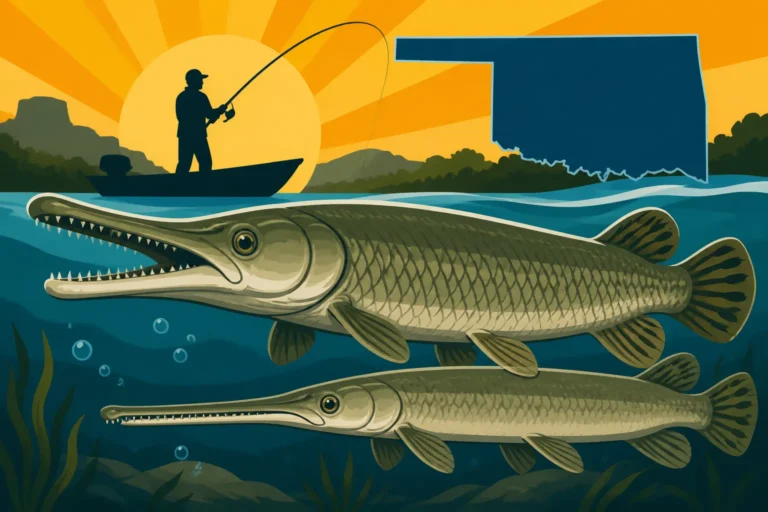
Longnose Gar, with their distinctive long snouts and toothy grins, are fascinating creatures. Unlike some other popular game fish, their behavior is often dictated by subtle changes in water temperature and availability of prey. Knowing their seasonal patterns can dramatically improve your chances of a successful outing.
Spring: Pre-Spawn Aggression and Shallow Water Forays
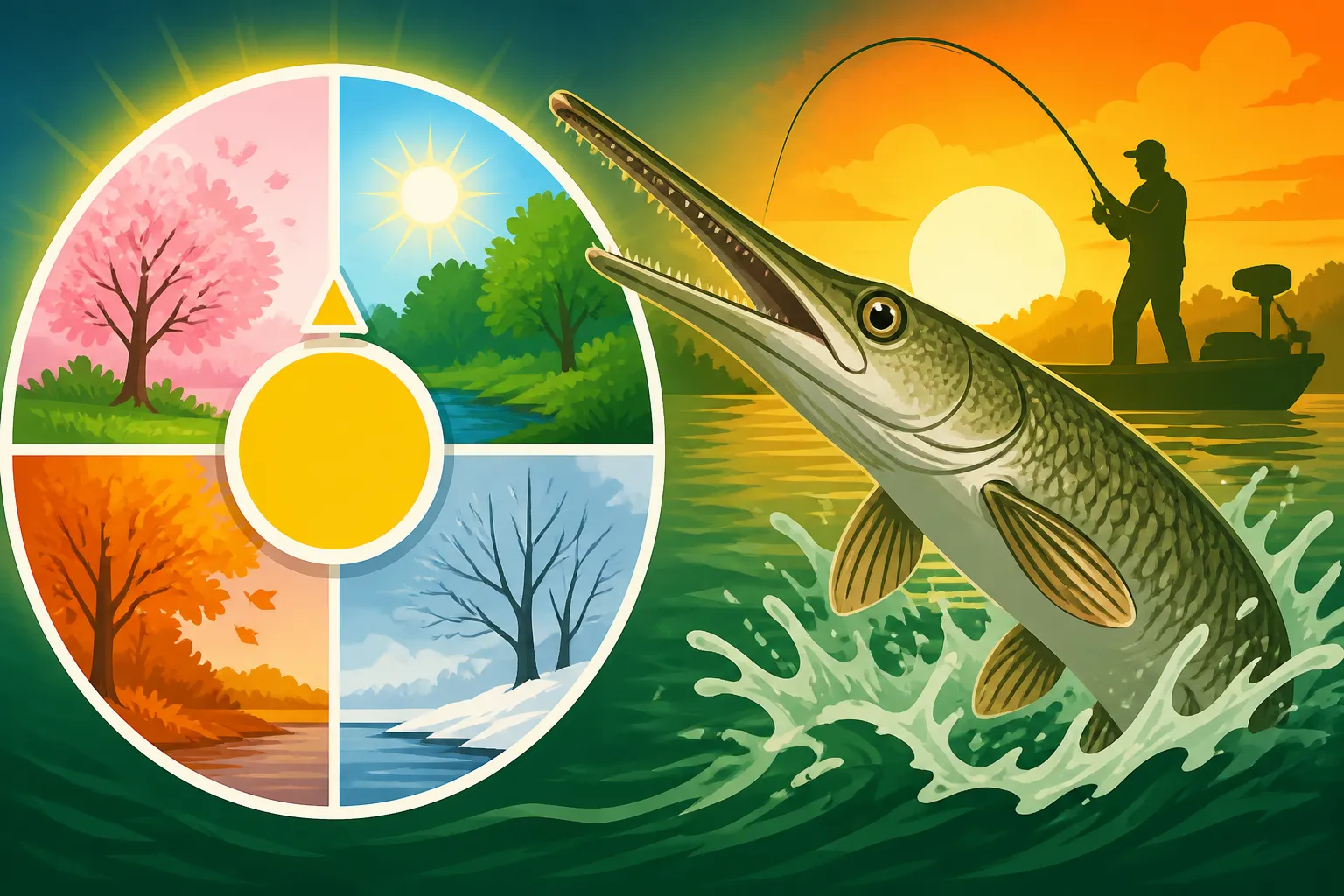
As the chill of winter finally recedes and Oklahoma's waters begin to warm, typically from late March through May, Longnose Gar start to shake off their winter lethargy. This is a prime time to target them because they become incredibly active and aggressive as they prepare for their spawn. The water temperatures, often climbing from the low 50s into the 60s Fahrenheit, really get their metabolism humming.
During this pre-spawn period, gar will often move into shallower areas, especially those with warmer water. Think backwater coves, shallow flats adjacent to deeper channels, and the upstream sections of rivers where they might encounter migrating baitfish. They're looking to feed heavily, packing on energy before the rigors of reproduction. You might spot them cruising just under the surface, making subtle wakes, or even rolling at the surface, especially on calm, sunny days. Focus on these areas, particularly where there's submerged vegetation or woody debris providing ambush points. This is a fantastic time for both boat and bank anglers, as gar are more accessible in these shallower haunts.
Summer: The Heat, Deep Water, and Nighttime Opportunities
Once the blistering Oklahoma summer heat truly sets in, usually from June through August, Longnose Gar behavior shifts significantly. While they are still active, they tend to either move to deeper, cooler waters during the day or become much more nocturnal in their feeding habits. The surface waters can get uncomfortably warm for them, pushing them down to thermoclines or into the cooler currents of rivers.
If you're fishing during the day in summer, your best bet might be to target deeper channels, creek beds, or submerged structures in larger reservoirs like Lake Eufaula or Lake Texoma. This often requires a boat and good electronics to locate these deeper hideouts. However, for many gar anglers, summer really shines when the sun goes down. Night fishing for gar can be incredibly productive. As evening temperatures drop, gar will often move back into shallower areas, especially around lights or areas where baitfish congregate near the surface. The calm, dark waters make them less wary, and a well-placed bait can be irresistible. Just remember to pack your bug spray and plenty of water!
Fall: Feeding Frenzies Before Winter's Chill
Fall is arguably one of the most exciting times to fish for many species in Oklahoma, and Longnose Gar are no exception. From September through November, as water temperatures begin to cool again, usually dropping from the 70s into the 50s, gar experience another surge of activity. This is their last chance to gorge themselves before the leaner, colder months of winter.
During the fall, gar will often follow schools of baitfish, which are also highly active. Look for them in areas where baitfish are abundant, such as points, humps, and the mouths of creeks where they meet larger bodies of water. The cooler temperatures make them less sensitive to direct sunlight, meaning you can often find them active throughout the day, not just at dawn and dusk. As aquatic vegetation dies back, gar also become a bit easier to spot and access in certain areas. This is a fantastic season for covering water and actively searching for feeding fish.
Winter: Slow and Steady in Deeper Holes
Winter fishing for Longnose Gar in Oklahoma, typically from December through February, can be a test of patience. As water temperatures plummet, gar's metabolism slows considerably. They become much less active, conserving energy in deeper, more stable environments. This doesn't mean they're impossible to catch, but your approach needs to change dramatically.
During winter, gar will generally hold in the deepest parts of rivers and reservoirs, often congregating in holes, channels, or below dams where currents are slower but still provide oxygenated water. Their feeding windows are much shorter, and they're less likely to chase down fast-moving baits. Success often comes from presenting baits slowly and precisely in these deep pockets. Still-fishing with dead bait on the bottom can be effective, but you'll need to be incredibly patient and perhaps fish multiple lines if regulations allow. While not the most action-packed season, dedicated anglers can still find success by understanding their winter habits. You might find some excellent Winter Catfishing Techniques in Oklahoma that are also applicable to deep gar.
Key Environmental Factors Influencing Gar Activity
Beyond the calendar, several environmental factors play a huge role in whether Longnose Gar are actively feeding or hunkered down. Learning to "read the water" and understand these influences can make all the difference on your fishing trips.
Water Temperature: The Ultimate Regulator
We've touched on it, but water temperature is truly the single most important factor influencing Longnose Gar behavior. These fish are cold-blooded, meaning their body temperature mirrors that of the water around them. Optimal feeding and activity generally occur when water temperatures are in the 60s and 70s Fahrenheit. This is when their digestion is efficient, and they have plenty of energy to pursue prey.
When water temperatures drop below the 50s, gar become sluggish. They'll move less, feed less frequently, and seek out the warmest available water, often the deepest sections of a lake or river. Conversely, when temperatures soar into the 80s and 90s in summer, surface gar might become stressed and move to cooler, deeper water or become more active during the cooler parts of the day. Sudden changes, like a significant cold front dropping temperatures quickly, can also shut down their bite for a few days, regardless of the season. Always check the water temperature if you have a thermometer; it's a game-changer. Understanding How Water Temperature Affects Fishing Timing in Oklahoma is crucial for all species.
Water Levels and Clarity: Finding the Advantage
Water levels and clarity also profoundly impact where and how Longnose Gar feed. Stable or slowly rising water levels often mean gar are comfortable and spread out, utilizing new flooded cover for ambush points. Conversely, rapidly rising or falling water can disorient fish and make them less willing to feed, especially if the clarity changes dramatically.
When waters are clear, gar tend to be warier. They'll often hug cover more tightly, making them harder to spot. In these conditions, a stealthier approach and natural-looking baits might be more effective. If the water is moderately stained or murky, gar often become more confident. They rely heavily on their lateral line and sense of smell to hunt, so a cut bait with a strong scent can be deadly in these conditions. However, extremely muddy water, especially after heavy rains, can make fishing tough for any species, including gar, as it disperses their scent trail and makes visibility zero. You can learn more about how fish react to different conditions in How Weather Fronts Affect Fishing at Grand Lake, Oklahoma.
Time of Day and Weather: When to Hit the Water
While general seasonal patterns hold true, the specific time of day and prevailing weather conditions also influence gar activity. In spring and fall, gar can be active all day, but dawn and dusk often provide peak feeding windows when light levels are lower, and baitfish are more active.
In summer, as mentioned, early morning, late evening, and especially night fishing become paramount. Overcast skies can extend daytime feeding windows in warmer months by reducing direct sunlight and keeping water temperatures from spiking too high. On the other hand, bright, sunny days in summer often push gar deeper or under heavy cover. Wind can also play a role; a light chop on the water can break up the surface, making gar less wary and potentially improving your chances, but heavy winds can make boat control and casting difficult.
Techniques and Gear for Each Season
Successfully catching Longnose Gar isn't just about timing; it's also about employing the right techniques and having appropriate gear. These fish are tough, powerful, and have incredibly bony mouths, which makes hook sets notoriously difficult.
Bait Choices and Presentation
The type of bait and how you present it will often depend on the season and the gar's activity level.
- Live Bait: For actively feeding gar, especially in spring and fall, live bait is incredibly effective. Shad, sunfish, or even large shiners are excellent choices. They provide natural movement and scent. Present them under a bobber in shallow areas or free-lined near cover. For deep-water summer gar, drifting live bait along channels can be productive.
- Cut Bait: For more lethargic gar, like those in deeper summer or winter spots, cut bait excels. A fresh piece of shad, carp, or even chicken gizzards can be very effective due to the strong scent trail it creates. Fish cut bait on the bottom with a Carolina rig or a weighted slip bobber. The scent helps gar locate it even when they're not actively hunting.
- Artificial Lures: While less common for gar, aggressive fish will sometimes hit artificials. Spoons, inline spinners, and even large jigs can draw strikes. The key is a fast retrieve that triggers a reaction strike. A unique and often very effective "lure" for gar is a rope lure (also known as a fray lure), which is essentially a bundle of frayed nylon rope strands. The gar's teeth get tangled in the fibers, allowing you to reel them in. You can often find these specialized items, or even materials to make your own, online. When I'm looking for new, innovative gear or specific lure types, I often browse Amazon's fishing section.
- Presentation is Key: Regardless of bait, consider the gar's activity. In active periods, a moving bait is great. When they're sluggish, a stationary, scent-heavy bait is usually better.
Rod, Reel, and Line Considerations
Longnose Gar are not delicate fish, and your tackle needs to reflect that. They are powerful fighters, known for acrobatic jumps and strong runs, especially larger specimens.
- Rod: You'll want a medium-heavy to heavy action rod, typically 7 to 8 feet long. This length helps with casting heavier baits and provides leverage during the fight. A sturdy backbone is essential to handle their power and to drive hooks into their bony mouths.
- Reel: A robust baitcasting reel or a large spinning reel with a smooth drag system is necessary. You'll need plenty of line capacity.
- Line: Braided line, in the 30-65 pound test range, is highly recommended. It has minimal stretch, which aids in hook sets, and it's incredibly abrasion-resistant, a major plus when dealing with gar's sharp scales and rough mouths.
- Leader: This is where many anglers make mistakes. Gar have sharp teeth and can easily chew through monofilament or fluorocarbon. A wire leader (steel or titanium) is often essential, especially if you're using traditional hooks. Alternatively, you can use very heavy monofilament or fluorocarbon (80-100 lb test) as a bite leader, which can sometimes be less visible but still offers decent protection. I've often seen anglers pick up high-quality leader material and specialty tools from places like Amazon before a big gar trip.
- Hooks: For traditional bait fishing, sturdy, sharp treble hooks (size 2/0 to 4/0) or large single hooks are often preferred. The challenge is getting them to penetrate the gar's bony jaw. Some anglers choose to use circle hooks with dead bait to improve lip-hooking, which can be easier for release. When snagging with rope lures, of course, no hook is needed.
Bank vs. Boat Fishing Strategies
Both bank and boat anglers can find success with Longnose Gar in Oklahoma, but their strategies will differ based on access and ability to cover water.
- Bank Fishing: For bank anglers, spring and fall offer the best opportunities when gar are often found in shallower, more accessible areas. Look for points, coves, creek mouths, and areas with submerged timber or weed lines. Casting live or cut bait into these zones and waiting patiently is a common tactic. Night fishing from the bank during summer can also be very productive, especially around docks or bridges with lights that attract baitfish.
- Boat Fishing: Boat anglers have the advantage of accessing deeper waters and covering more ground. In summer, you can target gar holding in deep channels or river bends using sonar to locate them. Drifting with live or cut bait, or slow trolling, can be effective. During spring and fall, a boat allows you to explore vast shallow flats and backwater areas quickly, searching for active gar. You can also anchor strategically near known gar hangouts. A boat definitely opens up more of the Best Fishing Spots in Oklahoma, especially for gar.
| Season | Typical Gar Behavior | Recommended Location | Preferred Bait/Technique |
|---|---|---|---|
| Spring | Aggressive pre-spawn feeding, shallow water | Shallow flats, creek mouths, backwaters | Live bait (shad, shiners) under bobber |
| Summer | Deeper during day, nocturnal activity | Deep channels (day), shallow areas/lights (night) | Cut bait on bottom (day), live bait (night) |
| Fall | Active feeding, following baitfish | Points, humps, creek mouths, open water | Live bait, cut bait, fast-retrieved lures |
| Winter | Sluggish, conserve energy in deep water | Deep holes, river bends, below dams | Dead cut bait on bottom, slow presentation |
Safety and Conservation When Gar Fishing
Catching a Longnose Gar is an exciting experience, but their unique anatomy demands specific safety and conservation practices to ensure a good outcome for both angler and fish. These fish can grow quite large, and their strength combined with their physical features requires respect.
Handling Gar Safely for Both Angler and Fish
Longnose Gar have incredibly sharp teeth, and their long, bony snouts can be surprisingly powerful when they thrash. Their scales are also very tough and can scrape skin easily. Safety is paramount when handling these fish. Always have a few key tools ready:
- Long-Nose Pliers or De-Hooker: Essential for safely removing hooks from their bony mouths without putting your fingers at risk. Their jaws are hard, so a strong, sturdy pair of pliers is a must.
- Heavy-Duty Gloves: Leather or cut-resistant gloves can protect your hands from their teeth and abrasive scales if you need to handle the fish directly.
- Lip Grips: Some anglers use lip grips designed for large, toothy fish. These can help control a thrashing gar without direct hand contact.
- Control: When landing a gar, try to minimize its thrashing in the boat or on the bank. A wet towel over its eyes can sometimes calm it down briefly. Support the fish horizontally, especially larger ones, to avoid damaging its internal organs if you plan to release it. Be quick with photos and release them gently.
Remember, the goal is always to ensure the gar has the best chance of survival if you're releasing it. Minimize air exposure and handle them carefully.
Understanding Oklahoma's Gar Regulations
While Longnose Gar are not typically subject to the same strict daily bag and length limits as popular game fish like bass or crappie, it's absolutely crucial to always check the most current Oklahoma fishing regulations before heading out. Regulations can change, and specific lakes or rivers might have special rules, even for gar.
Generally, you'll find that many gar species have more liberal limits, if any, compared to other fish. However, being a responsible angler means understanding and adhering to all rules. This also extends to how you dispose of any gar you choose not to keep; never leave fish on the bank to rot. Responsible angling practices ensure that these incredible, ancient fish continue to thrive in Oklahoma's waters for generations to come. Understanding Oklahoma Fishing Regulations You Need to Know is the first step for any angler in the state.
Disclaimer
This article is for general informational purposes only and does not constitute professional advice. Laws, prices and regulations vary by location and change over time. Consult a qualified professional for guidance on your specific situation.