Best Boat for Trolling on Lake Texoma
If you're dreaming of spending a day (or several!) out on Lake Texoma, feeling the cool spray, and the thrilling tug of a big striped bass on your line, you know that having the right boat for trolling isn't just a luxury – it's practically a necessity. Texoma is a mighty body of water, and trying to troll effectively, safely, and comfortably in a boat not quite up to the task can quickly turn a dream trip into a frustrating ordeal. This guide is all about helping you navigate the choices and find the perfect vessel to conquer Texoma's legendary waters.
Understanding Lake Texoma's Unique Demands for Trolling
Lake Texoma isn't your average farm pond; it's a massive, sprawling reservoir straddling the Oklahoma-Texas border, famous for its incredible striped bass fishery. This immense scale and the specific habits of its star fish species mean that any boat intended for serious trolling here needs to meet some pretty particular demands.
The Sheer Size and Open Water
When you look at a map of Lake Texoma, you're immediately struck by its vastness. It's one of the largest reservoirs in the region, boasting over 89,000 surface acres at normal pool. This isn't a place where you can quickly duck behind an island when the weather turns sour. You're often out on open water, exposed to winds that can whip up significant chop in a hurry. Imagine being miles from the nearest ramp, the wind picking up, and your small, flat-bottomed boat struggling to cut through waves that seem to grow taller by the minute. It’s not just uncomfortable; it can be downright dangerous. For effective and safe trolling, especially when pursuing those elusive schooling stripers that might be in the middle of nowhere, you need a boat designed to handle big water.
This means stability and the ability to punch through or ride over waves are paramount. A boat that feels safe and steady in a typical recreational lake might feel like a toy being tossed around in Texoma's larger swells. The best boat for trolling on Lake Texoma will make you feel confident, even when the lake gets a little feisty, allowing you to focus on your fishing rather than constantly bracing yourself or worrying about taking water over the bow.
Striped Bass and Their Habits
Lake Texoma is renowned for its landlocked striped bass. These aren't just any fish; they're powerful, fast, and often found in deeper, open water, particularly when they're actively feeding. Trolling is one of the most effective ways to target these fish because it allows you to cover vast amounts of water, presenting your lures or baits to schools of stripers that might be moving at speed. Striped Bass Trolling Techniques are specifically designed to capitalize on this.
However, trolling for these hard-fighting fish also places demands on your boat. You'll need ample space for multiple rod holders, often rigged with heavier lines and baits. When a striper hits, especially a trophy-sized one, it's a powerful strike, and you need a stable platform to fight the fish without feeling like your boat is going to capsize. Furthermore, the ability to maintain consistent trolling speeds, sometimes for hours on end, is crucial. This requires a reliable main engine for propulsion and often a robust trolling motor for fine-tuning speed and direction, especially when navigating subtle current breaks or tight turns around underwater structure.
Weather Conditions and Safety
Oklahoma weather, especially around a large body of water like Texoma, can be notoriously unpredictable. A calm, sunny morning can quickly give way to strong winds, thunderstorms, or even cold fronts that drastically change the lake's demeanor. How Weather Fronts Affect Fishing at Grand Lake, Oklahoma (and Texoma, for that matter) can be dramatic. Beyond just comfort, safety becomes a primary concern.
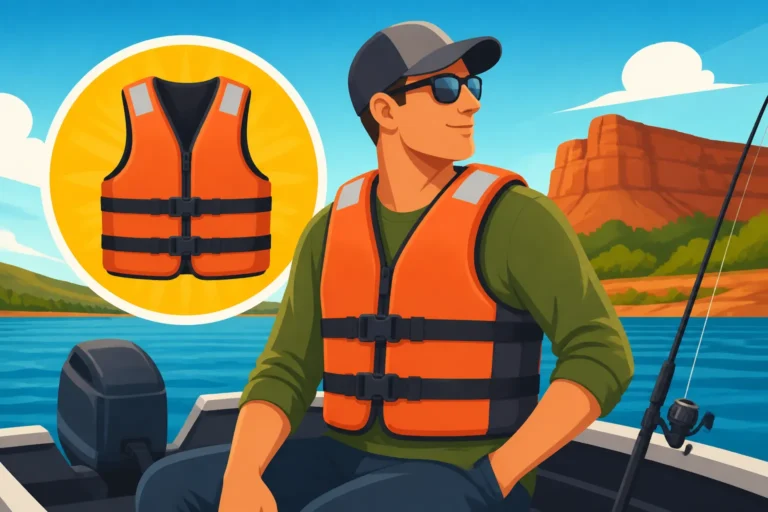
A boat designed for Texoma trolling must be equipped to handle these swift changes. This means having enough freeboard (the distance from the water to the top of the boat's side) to prevent waves from washing over the gunwales, a sturdy hull that can withstand impact from rough water, and a reliable engine that will get you back to the ramp when conditions deteriorate. Proper Oklahoma Boat Safety Equipment Checklist becomes more than just a list of regulations; it's your lifeline. You’ll want to ensure you have space for all necessary safety gear, from life jackets for everyone on board – especially if you have children, as Life Jacket Rules for Kids 12 and Under on Oklahoma Boats are strict – to marine radios, anchors, and bailing devices.
Key Features to Look for in a Trolling Boat
So, what exactly makes a boat suitable for the unique challenges of trolling on Lake Texoma? It comes down to a combination of design, power, space, and electronics that work together to provide a safe, efficient, and enjoyable fishing experience.
Hull Design and Stability
For a lake like Texoma, a deep-V hull is almost universally recommended for trolling. Unlike flatter-bottomed boats, which might offer more stability in calm water, a deep-V hull features a sharp entry angle at the bow that tapers back, allowing it to cut through waves rather than slap over them. This significantly reduces pounding in rough water, making for a much smoother and drier ride. When you're spending hours on the water, especially in the afternoon chop that often develops on Texoma, that smooth ride isn't just about comfort; it's about reducing fatigue and staying focused on your lines.
Stability at rest is also important, especially if you're fighting a big striper or moving around the boat to net a fish. While a deep-V is designed for cutting through waves, modern deep-V designs often incorporate features like wider beams or reverse chines to enhance stability when stationary or at slow trolling speeds. You want a boat that inspires confidence when reeling in a feisty fish, rather than making you feel like you're constantly fighting the boat itself.
Motorization: Outboard and Trolling Motors
Having the right power setup is critical for effective trolling on Texoma. Your main outboard engine needs to be reliable and appropriately sized for your boat. It needs enough horsepower to quickly get you to your fishing spots, safely navigate rough water, and get you back to the ramp. For a lake of this size, you generally won't find smaller, lower horsepower outboards sufficient for the kind of consistent long-distance travel and unpredictable conditions you'll encounter.
Equally important, if not more so for dedicated trolling, is a good quality bow-mount electric trolling motor. This isn't just for quietly slipping into shallow coves; it's often the workhorse for precise speed control when trolling for stripers in open water. Look for a motor with plenty of thrust, a long shaft to handle the waves, and advanced features like GPS anchoring and autopilot. These features allow you to hold your boat on a specific course or at a precise speed, even in windy conditions, freeing you up to manage your lines. Many anglers consider a high-thrust, smart trolling motor an indispensable piece of equipment. You can find excellent options from brands sold at places like Bass Pro Shops or even online at Amazon.
Storage and Deck Space
Trolling requires gear – lots of it! Multiple rods (often 6-10 or more), tackle boxes full of various lures, planer boards, extra line, bait buckets, and of course, your catch. A good trolling boat will offer ample storage for all this equipment, keeping it organized, accessible, and out of the way. Rod lockers, dedicated tackle storage compartments, and dry storage areas are invaluable.
Beyond storage, sufficient deck space is essential. You need room to move around comfortably, set and retrieve multiple lines, net fish, and manage your gear without tripping over everything. If you plan to fish with friends or family, consider how much space each person will need. Center console boats, for example, often excel in this area, offering 360-degree fishability. Even a well-designed deep-V multi-species boat will provide smart layouts that maximize usable deck area. Think about where you'll place your rod holders and how easily you can access them without interfering with walking paths or other gear.
Electronics and Navigation
On a lake as large and feature-rich as Texoma, a robust suite of marine electronics is non-negotiable for serious trolling. A high-quality fish finder with GPS capabilities is paramount. You'll use it to locate schools of stripers, identify underwater structure where fish might be holding, monitor water temperature, and navigate safely. Features like side imaging and down imaging can be incredibly useful for scanning wide areas and pinpointing fish. How to Find Striped Bass Schools with Sonar is a critical skill, and your electronics are the tool that makes it possible.
Beyond fish finding, reliable navigation is key. A GPS chartplotter helps you mark productive spots, save trolling paths, and navigate back to the ramp, especially in low light or foggy conditions. Many modern units combine fish finding and GPS into a single display. Consider also a marine VHF radio for communication in emergencies, especially if you're venturing far from shore. Powering all these electronics will require a robust battery system, often with dedicated batteries for the trolling motor and starting engine, along with accessory batteries. Investing in a good marine battery charger is also wise.
Types of Boats Best Suited for Trolling on Lake Texoma
With Texoma's particular demands in mind, certain boat types stand out as excellent choices for trolling. Each has its own strengths and considerations, depending on your budget, crew size, and specific fishing style.
Deep-V Fiberglass Boats (Walleye/Multi-Species)
These boats are often considered the gold standard for big-water trolling, especially in northern lakes, but they translate beautifully to Texoma's conditions. Brands like Ranger, Lund, and Skeeter often offer models specifically designed for multi-species anglers tackling large reservoirs.
Pros:
- Superior Rough Water Performance: The deep-V hull is built to handle significant chop, providing a dry and comfortable ride even when Texoma gets nasty. This is crucial when you're targeting stripers that might be miles offshore.
- Stability: While designed to cut through waves, modern deep-V designs are surprisingly stable at rest, which is great for fighting big fish or moving around the boat.
- Ample Rod Storage and Holders: These boats are typically outfitted with numerous rod holders, rod storage, and large livewells, perfect for keeping multiple trolling lines active and your catch healthy.
- Integrated Electronics: They often come with well-designed dashboards that easily accommodate large fish finders and GPS units, making navigation and fish-finding seamless.
- Durability and Longevity: Fiberglass construction is known for its strength and longevity, making these boats a significant but worthwhile investment.
Cons:
- Cost: Fiberglass deep-V boats tend to be on the pricier side, especially new models.
- Weight: They are heavier than aluminum boats, requiring a more substantial tow vehicle.
- Draft: Their deeper draft might limit access to very shallow areas, though most Texoma trolling happens in deeper water anyway.
For anglers serious about year-round trolling on Lake Texoma and who prioritize comfort and safety in all conditions, a deep-V fiberglass multi-species boat is often the ideal choice. Many of these boats are also excellent for Best Walleye Fishing Spots in Oklahoma on other lakes.
Center Console Boats
Center console boats, typically fiberglass, are another fantastic option for trolling, especially if you value open deck space and 360-degree fishability. While often associated with saltwater fishing, their design principles are highly effective on large freshwater bodies like Texoma.
Pros:
- Open Deck Layout: The console is centrally located, leaving wide-open deck space from bow to stern. This is perfect for running multiple trolling lines, maneuvering around the boat, and fighting fish from any angle.
- Excellent Rough Water Handling: Like deep-V multi-species boats, center consoles typically feature a robust deep-V hull, offering a smooth and dry ride in Texoma's chop.
- High Freeboard: Many center consoles have higher gunwales, providing a greater sense of security and keeping more spray out of the boat, which is a major plus on windy days.
- Versatility: Beyond trolling, these boats are often well-suited for casting, bottom fishing, or even just pleasure cruising.
- Fishability: The design is inherently built for fishing, with often integrated livewells, large fish boxes, and plenty of places to mount rod holders.
Cons:
- Limited Protection from Elements: While some models offer T-tops, the open nature of a center console means less protection from sun, wind, or rain compared to a boat with a full windshield.
- Storage Can Be Different: While there's plenty of deck space, enclosed storage might be more limited compared to a multi-species boat with numerous compartments.
- Cost: Similar to dedicated multi-species boats, center consoles can be a significant investment.
If you value maximum open space, the ability to fish from anywhere on the boat, and robust rough-water capability, a center console boat is a top contender for Texoma trolling. You can often find great options for sale at marine dealers or even used, often listed on platforms that might include something from Bass Pro Shops or even via local online marketplaces.
Aluminum Jon Boats (with considerations)
While not traditionally designed for big-water trolling, a larger, well-equipped aluminum Jon boat can be a budget-friendly option for Texoma, but with significant caveats.
Pros:
- Affordability: Jon boats are generally much more affordable than fiberglass options, both new and used.
- Lighter Weight: Easier to tow with smaller vehicles and launch from less developed ramps.
- Durability: Aluminum is tough and can take a beating, often shrugging off impacts that might damage fiberglass.
- Shallow Draft: Can access shallower areas, which might be useful if you're combining trolling with other fishing methods in certain coves.
Cons:
- Rough Water Performance: This is the biggest drawback. Most Jon boats have a flatter bottom, which means they will pound much more in Texoma's chop. This leads to a very wet, uncomfortable, and potentially unsafe ride in anything but calm conditions. Trolling for extended periods in rough water will be a miserable experience.
- Limited Deck Space and Storage: Even larger Jon boats often lack the dedicated storage and spacious decks of fiberglass boats, making gear management more challenging.
- Stability at Speed: While stable at rest, their flatter bottoms can make them less stable at higher speeds in rough water.
If you're on a very tight budget and primarily plan to fish only on very calm days or stick to the calmer arms of the lake, a larger, modified Jon boat (at least 18-20 feet, with a modified-V bow for some wave-cutting ability) could work. However, for serious, year-round striped bass trolling across the main body of Lake Texoma, it would be a compromise. You'd need to outfit it extensively with rod holders, a powerful trolling motor, and quality electronics, which would add to the initial cost.
Here's a quick comparison of these boat types:
| Boat Type | Rough Water Handling (Texoma) | Stability (Trolling) | Deck Space / Fishability | Price Range (General) | Ideal For |
|---|---|---|---|---|---|
| Deep-V Fiberglass (Multi-Species) | Excellent | Excellent | Very Good | Higher | Dedicated striper trolling, comfort, year-round use |
| Center Console (Fiberglass) | Excellent | Very Good | Excellent (360-degree) | Higher | Maximum fishability, open water, multi-species, warm weather |
| Larger Aluminum Jon Boat | Poor to Fair | Good | Fair to Good | Lower | Budget-conscious, calm days, some customization, inshore/calmer areas |
Remember, no matter the type, the Best Boat for Fishing Lake Texoma's Open Water is one that makes you feel safe and confident.
Outfitting Your Trolling Boat for Texoma Success
Once you've settled on the ideal boat type, the real fun begins: outfitting it specifically for the unique demands of Lake Texoma striped bass trolling. This isn't just about adding accessories; it's about creating an efficient, safe, and comfortable fishing machine.
Rod Holders and Spreader Bars
Trolling for striped bass on Texoma often involves running multiple lines at various depths and distances from the boat. This requires a robust system of rod holders. You'll want sturdy, adjustable rod holders mounted securely to the gunwales, transoms, or a dedicated T-top or arch. Many anglers opt for track systems that allow them to easily move and adjust the position of their rod holders. Some popular brands offer heavy-duty, marine-grade holders designed to withstand the violent strike of a large striper and the constant pressure of trolling. You can find a wide variety of rod holders at fishing specialty stores like Bass Pro Shops or even through online retailers like Amazon, offering different styles and mounting options.
Beyond standard rod holders, many serious striper anglers on Texoma utilize planer boards and spreader bars. Planer boards allow you to spread your lines out wide from the boat, covering a broader swath of water. Spreader bars, on the other hand, are often used for umbrella rigs or other multiple-lure presentations, mimicking a school of baitfish. Your boat needs the space and mounting points to effectively deploy and retrieve these systems. Consider the layout of your boat and plan where these items will be positioned to maximize coverage without creating a tangled mess. Trolling Gear for Striped Bass at Oklahoma's Lake Texoma will delve deeper into specific setups.
Livewells and Coolers
If you're targeting striped bass, especially if you plan to keep some for the dinner table, a good livewell is invaluable. A spacious, aerated livewell will keep your baitfish fresh and lively, which is crucial for maximizing your chances of a strike. It can also serve to keep your legal-sized catch fresh until you're ready to head back to the ramp. For longer trips or larger catches, a dedicated cooler is also a must-have. You'll want a quality cooler that can hold ice for extended periods, keeping your fish in prime condition. Look for marine-grade coolers that are sturdy, well-insulated, and easy to clean.
Even if you practice catch-and-release, a livewell can be a temporary holding tank for a fish before it's released, especially if you need to take a quick photo. Keeping the fish healthy during this short period improves its chances of survival post-release. Ensure your boat's livewell system is reliable, with a strong pump and good aeration.
Safety Gear Essentials
We can't stress this enough: safety on Lake Texoma is paramount. Beyond what's legally required, always carry extra safety gear. This includes a full complement of U.S. Coast Guard-approved life jackets for every person on board, flares or an air horn, a first-aid kit, a throw cushion or ring (Type IV throwable device), extra ropes, an anchor appropriate for the size of your boat and Texoma's depths, and a marine VHF radio for communication, even if you have cell service. Oklahoma Boat Safety Equipment Checklist details all the official requirements.
Additionally, consider a spare propeller and the tools to change it, especially if you're venturing far from the ramp. A jump starter battery pack can also be a lifesaver if your main battery dies. The sheer size of Texoma means that help can take a while to reach you, so being self-sufficient and well-prepared is critical. Before every trip, double-check all your safety gear, ensure your battery is fully charged, and let someone know your float plan – where you're going and when you expect to return. These simple precautions can make all the difference between a great day on the water and a potentially dangerous situation. Lake Texoma Fishing Guide for Oklahoma Anglers often includes important safety tips specific to this body of water.
Disclaimer
This article is for general informational purposes only and does not constitute professional advice. Laws, prices and regulations vary by location and change over time. Consult a qualified professional for guidance on your specific situation.