Best Kayak for Paddling Grand Lake
Oh, Grand Lake! It's one of Oklahoma's crown jewels, a massive body of water that draws anglers and paddlers from all over. But if you've ever stood on its shore, gazing out at the vastness, you know it's not your average pond. Choosing the right kayak for Grand Lake can feel like a daunting task, given its size, potential for choppy water, and diverse fishing opportunities. This guide is here to cut through the confusion and help you pinpoint the perfect kayak to make your paddling adventures on Grand Lake truly spectacular.
Understanding Grand Lake's Unique Demands for Kayaks
Grand Lake O' the Cherokees isn't just a pretty face; it's a dynamic environment that puts specific demands on your watercraft. What works perfectly on a calm, small pond might leave you feeling frustrated, or even unsafe, on Grand Lake. It's crucial to consider the characteristics of this magnificent body of water before you even start looking at kayak models.
Size and Open Water Challenges
Let's be real: Grand Lake is big. At over 46,000 surface acres with 1,300 miles of shoreline, it’s a substantial reservoir. This means expansive open water, especially in the main lake areas. What does that translate to for kayakers? Wind and waves. A mild breeze can quickly whip up a chop, making a small, unstable kayak feel like a toy. Recreational boat traffic, from bass boats speeding to their next spot to pleasure cruisers enjoying the sun, also contributes to wake and turbulence. If you plan to venture beyond sheltered coves, your kayak needs to handle these conditions gracefully. Stability in choppy water, and the ability to track straight against wind and currents, are not just nice-to-haves; they're absolute necessities for a comfortable and safe experience. You don't want to spend your entire day fighting to stay straight or feeling like you're about to tip over with every passing boat.
Fishing vs. Recreational Paddling
Are you an angler looking to reach those hidden coves for crappie, or are you primarily interested in a leisurely paddle with scenic views? Your primary use for the kayak will heavily influence your choice. A dedicated fishing kayak, for example, prioritically emphasizes stability, sometimes at the expense of pure speed. This is because many anglers like the option to stand up and cast, which requires a very stable platform. They also need ample storage for tackle, rods, and possibly a cooler. Built-in features like rod holders, accessory tracks for fish finders, and comfortable, often elevated, seating for long hours on the water are standard. On the other hand, if your goal is primarily fitness or exploring the shoreline with minimal gear, a sleeker, faster recreational kayak might be more appealing. It'll be lighter and cut through the water more efficiently, but often lacks the stability or storage capacity that an angler demands. It's a trade-off, and knowing your priorities beforehand is key to avoiding buyer's remorse.
Access and Portability Considerations
Grand Lake offers numerous access points, from developed marinas with concrete ramps to more primitive shorelines or even private docks. How you plan to get your kayak to the water plays a significant role in your decision. If you're car-topping your kayak on your vehicle's roof, a lighter model will be a blessing, especially after a long day of paddling. Imagine trying to hoist a 90-pound pedal drive kayak onto your SUV alone – it's a workout in itself! If you have a dedicated kayak trailer or a truck bed extender, weight becomes less of an issue, opening up options for heavier, feature-rich kayaks. Also consider where you'll be storing your kayak at home. Do you have garage space, or will it live outdoors? Portability isn't just about getting it to the water; it's about the entire logistical process from storage to launch. For instance, if you're frequently launching from rough, undeveloped shorelines, a super heavy or fragile kayak might not be the most practical choice. You'll want something that can handle a bit of a bump and scrape without worry. You can find many options at retailers like Bass Pro Shops that cater to different transport needs.
Key Features to Look for in a Grand Lake Kayak
Once you've wrapped your head around Grand Lake's environment and your personal paddling style, it's time to dive into the specific features that will make or break your kayak experience. These aren't just minor details; they are fundamental to your enjoyment and safety on the water.
Stability and Tracking
These two characteristics are paramount for a large lake like Grand Lake. Stability refers to how resistant the kayak is to tipping over, both initially (when you first sit down or shift your weight) and secondarily (when it's rocking side-to-side in waves). Tracking is how well the kayak holds a straight line in the water, especially in wind or current, without constantly needing correction from your paddle strokes.
- Hull Design Matters: Wider kayaks generally offer more initial stability, which is great for beginners or those who want to stand up. However, they can be slower. Longer kayaks tend to track better and can be faster, but might sacrifice some maneuverability. A good balance for Grand Lake might be a kayak in the 12-14 foot range with a moderate width (around 30-34 inches) and a defined keel or skeg for enhanced tracking. Some kayaks, especially fishing models, incorporate tunnel hulls or pontoon-style hulls that offer exceptional secondary stability, making them almost impossible to flip in normal conditions. This design allows anglers to confidently stand and cast without fear of an unexpected swim, which is a huge advantage when you're targeting bass on Grand Lake O' the Cherokees Bass Fishing Guide.
- Weathering the Wind and Waves: Given Grand Lake's propensity for chop and wind, a kayak with good tracking will save you a lot of effort. You don't want to feel like you're constantly fighting the elements just to go straight. Consider kayaks with a rudder system, especially if you opt for a longer boat. A rudder, controlled by foot pedals, can dramatically improve tracking and make paddling in crosswinds much less fatiguing. Many high-end fishing kayaks now come with integrated rudders, or offer them as an add-on, making navigation on Best Boats for Grand Lake's Open Water much easier.
Comfort and Seating
If you plan on spending more than an hour on the water, comfort isn't a luxury; it's a necessity. A sore back or numb legs will quickly cut short your adventure.
- Adjustable and Elevated Seating: The days of molded-in plastic seats are largely over, especially in quality kayaks. Look for kayaks with framed seats that offer lumbar support and adjustability. Elevated seats are a game-changer for fishing, providing a higher vantage point for casting and better visibility into the water. They also keep you drier and make it much easier to stand up and sit down. Many popular fishing kayak brands feature stadium-style seats that are incredibly comfortable for all-day excursions. Think about how many hours you plan to spend on the water; a premium seat is worth every penny. You'll thank yourself after a full day exploring Remote Fishing Spots on the Upper End of Grand Lake.
- Legroom and Cockpit Space: Ensure there's ample room for your legs, especially if you're taller. A cramped cockpit will lead to discomfort and fatigue. For fishing, extra space means you can keep essential gear close at hand without feeling cluttered. Sit-on-top kayaks generally offer more open deck space and legroom compared to sit-inside models, which is another reason they're often preferred by anglers.
Storage and Rigging Options
For anglers, storage and the ability to customize your kayak are almost as important as stability.
- Ample Storage: You'll need space for tackle boxes, a cooler for drinks and snacks, possibly a dry bag for electronics and extra clothes, and of course, your catch if you're keeping it. Look for large tankwells in the stern with bungee cords to secure gear. Front and center hatches provide dry storage for valuables. Some kayaks even have built-in tackle management systems or storage areas specifically designed for specific gear.
- Rigging for Fishing: This is where fishing kayaks truly shine. Integrated gear tracks (like those from YakAttack or Wilderness Systems) allow you to mount rod holders, fish finders, camera mounts, and other accessories exactly where you want them, without drilling into your boat. Flush-mount rod holders are great for trolling or storing rods when paddling. Consider how easy it is to add a transducer mount for your fish finder. Brands available on Amazon and Bass Pro Shops often highlight these features prominently. Check out our guide on Kayak Fishing Gear Every Oklahoma Angler Needs for more ideas.
Types of Kayaks Best Suited for Grand Lake
With a better understanding of Grand Lake's environment and the key features you need, let's explore the types of kayaks that are generally a good fit. Each style has its pros and cons, and the "best" one truly depends on your specific intentions.
Sit-on-Top Fishing Kayaks
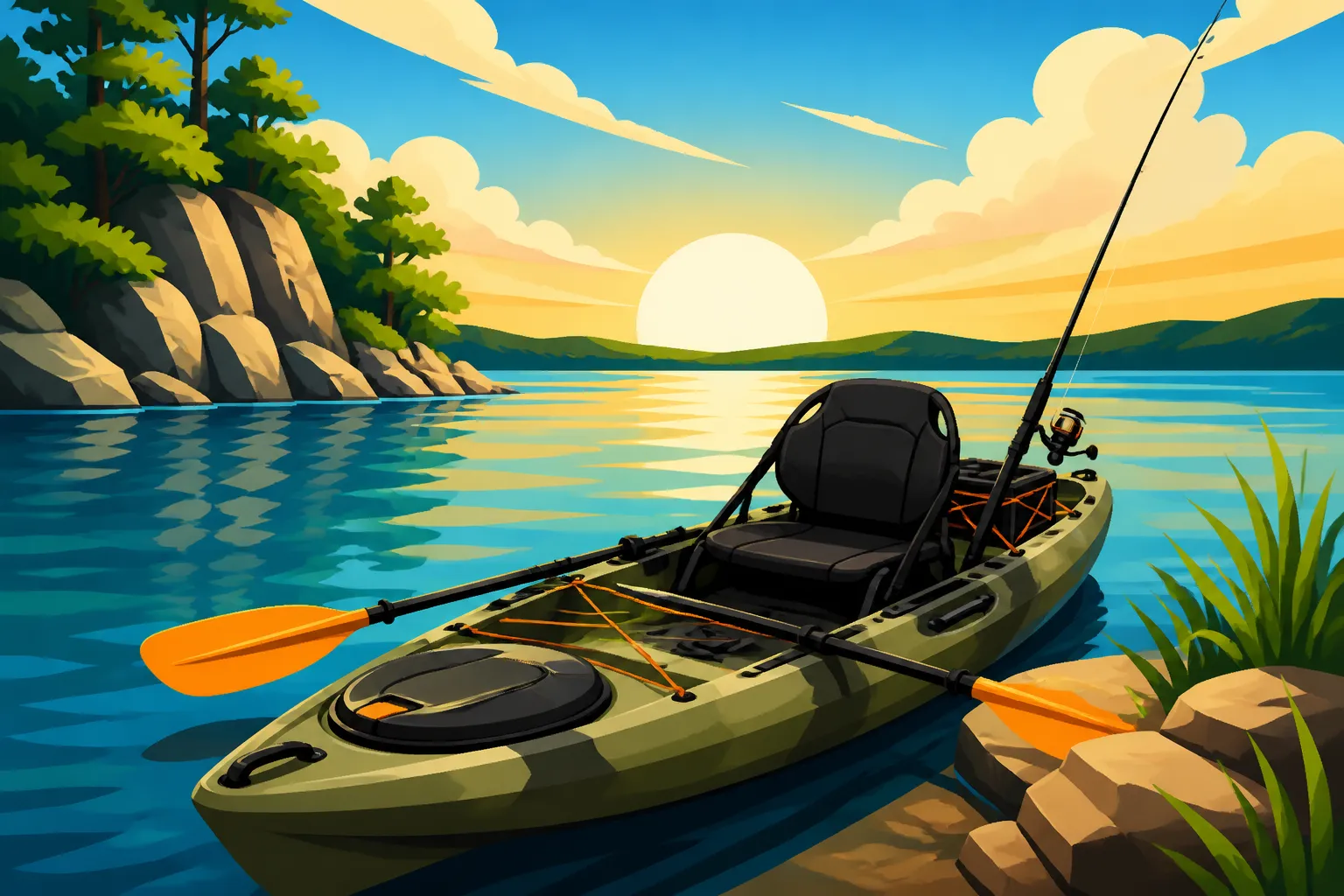
These are arguably the most popular choice for anglers on large bodies of water like Grand Lake, and for good reason. They are designed with fishing in mind, prioritizing stability, comfort, and customization.
- Pros:
- Exceptional Stability: Many models feature wide, stable hulls, making them ideal for standing and casting. This is a huge advantage when trying to spot fish or make precise presentations.
- Easy Re-entry: If you happen to go for an unexpected swim (it happens!), re-entering a sit-on-top kayak from the water is much easier than a sit-inside model, which is a significant safety factor on open water.
- Ample Deck Space: The open deck provides plenty of room for gear, tackle crates, and coolers. Integrated track systems make adding accessories a breeze.
- Self-Bailing: Scupper holes allow water to drain out, keeping the deck relatively dry, although you might get some splash in choppy conditions.
- Cons:
- Wetter Ride: You're more exposed to splashes and spray, especially in windy or wavy conditions.
- Heavier: Due to their robust construction and features, they tend to be heavier than recreational sit-inside kayaks, which can impact portability.
- Slower (generally): The wider, more stable hull designs are typically not as fast as sleeker recreational kayaks.
- Grand Lake Suitability: High. For serious anglers or those who want maximum versatility and stability, a sit-on-top fishing kayak is an excellent choice for navigating Grand Lake O' the Cherokees Bass Fishing Guide and more. Many reputable brands offer models perfect for Grand Lake's conditions.
Sit-Inside Recreational Kayaks
If your primary goal is leisurely paddling, exploration, or light fishing in calmer waters, a sit-inside recreational kayak might be worth considering.
- Pros:
- Drier Ride: The enclosed cockpit keeps you protected from splashes and wind, making for a drier and warmer experience.
- Faster and Better Tracking: Generally narrower and longer than sit-on-tops, they cut through the water more efficiently and track well, requiring less paddling effort.
- Lighter: Often made with simpler designs and fewer features, they tend to be lighter and easier to transport.
- Cons:
- Less Stable: They typically offer less initial and secondary stability, making standing nearly impossible and re-entry more challenging. This means they are not ideal for rougher, open water conditions or standing to fish.
- Limited Rigging: Less open deck space and fewer integrated mounting options mean customization for fishing can be more difficult.
- Confined Space: Some paddlers find the enclosed cockpit feel too restrictive, especially on long trips.
- Grand Lake Suitability: Moderate. Best for exploring calmer coves or near the shoreline on less windy days. If you venture into open water, be aware of boat traffic and potential chop. They are less suitable for dedicated fishing unless you're purely trolling with minimal gear.
Pedal-Drive vs. Paddle-Only
This is a major decision point, especially for fishing kayaks. Pedal-drive systems have revolutionized kayak fishing, but they come with their own set of trade-offs.
- Pedal-Drive Kayaks:
- Pros: Hands-free propulsion is a huge advantage for anglers, allowing you to cast, fight fish, and manage tackle without putting your paddle down. They can be faster and cover more water with less effort, which is great for a large lake like Grand Lake. They also excel at holding position in wind or current.
- Cons: Significantly heavier and more expensive than paddle-only kayaks. The pedal drive unit requires maintenance and can be cumbersome in very shallow water or areas with dense vegetation. Transporting and launching them can be more challenging due to their weight.
- Paddle-Only Kayaks:
- Pros: Simpler, lighter, and more affordable. Easy to maintain and can navigate extremely shallow water without worrying about a prop or fin drive getting fouled.
- Cons: Requires constant paddle use, which can be tiring over long distances or in windy conditions, and makes multitasking (like fishing) more challenging.
- Grand Lake Suitability: Both have their place. If your budget allows and you prioritize hands-free fishing and covering large distances, a pedal-drive kayak will dramatically enhance your experience on Grand Lake. If you prefer simplicity, a lighter setup, and enjoy the physical aspect of paddling, a well-chosen paddle-only kayak can still be highly effective. The choice often comes down to budget and how you envision your fishing or paddling day unfolding. Consider what a full day of Oklahoma Fishing Seasons: A Month-by-Month Guide looks like for you.
Here's a quick comparison of these kayak types:
| Kayak Type | Stability (Fishing) | Comfort (Long Hours) | Rigging Potential | Speed/Efficiency | Grand Lake Suitability |
|---|---|---|---|---|---|
| Sit-on-Top Fishing | Excellent | High | Excellent | Moderate | High (Especially with pedal) |
| Sit-Inside Recreational | Low | Moderate | Limited | High | Moderate (Calm water) |
| Pedal-Drive Fishing | Excellent | High | Excellent | High | Very High |
Additional Considerations for Your Grand Lake Kayak
Beyond the main features and types, a few other factors can influence your ultimate decision, impacting both your initial investment and your long-term satisfaction.
Material and Durability
The material your kayak is made from directly impacts its weight, durability, and cost. Most recreational and fishing kayaks are made from rotomolded polyethylene.
- Rotomolded Polyethylene: This is the most common material due to its excellent durability and impact resistance. It can take a beating from rocks, docks, and accidental drops without cracking. The downside is that it's relatively heavy, and over time, UV exposure can degrade the plastic. However, for a lake like Grand Lake where you might be launching from varied terrain, its robustness is a huge plus. It's also generally the most affordable option.
- Thermoformed ABS: Less common but gaining popularity, thermoformed kayaks are lighter and stiffer than polyethylene, offering better performance and easier portability. They tend to be more expensive and can be slightly less impact-resistant, though still very durable.
- Composite (Fiberglass/Carbon Fiber): These are at the high end, offering the lightest weight and stiffest performance, usually found in touring or racing kayaks. They are significantly more expensive and less durable for impacts, making them less practical for the rough-and-tumble world of fishing or launching at varied spots on Grand Lake. For most Grand Lake paddlers and anglers, a rotomolded polyethylene kayak offers the best balance of durability, performance, and price.
Budget and Value
Let's face it, kayaks are an investment. Prices can range from a few hundred dollars for a basic recreational model to several thousand for a fully rigged, pedal-drive fishing machine. It's easy to get caught up in all the bells and whistles, but it's important to set a realistic budget.
- Assess Your Needs vs. Wants: While a top-of-the-line pedal drive kayak might be amazing, if it pushes you too far beyond your budget, a well-equipped paddle-only sit-on-top could still provide years of enjoyment. Consider what features are truly essential for your Grand Lake adventures (stability, comfort, enough storage) and which are nice-to-haves that you can add later or live without.
- Don't Forget Accessories: The kayak itself is just one part of the equation. You'll also need a paddle (and a good one is crucial, see Best Kayak Paddle for All Day Fishing Trips), a life jacket (mandatory in Oklahoma, and a good fit is important!), a cart for transport, and possibly a roof rack or trailer. These can add a significant amount to your total cost. Factor them into your budget from the start. You might find great deals on gear and accessories from big box retailers like Bass Pro Shops or online marketplaces like Amazon, which can help stretch your dollar.
Safety Gear and Accessories
Safety is paramount on any body of water, and Grand Lake is no exception. Always prioritize safety, especially when dealing with open water and boat traffic.
- Personal Flotation Device (PFD): In Oklahoma, all boats, including kayaks, must have at least one wearable Coast Guard-approved PFD for each person on board. Children 12 years of age and younger are required to wear a PFD at all times while on any vessel, including kayaks, unless they are inside an enclosed cabin. Even as an adult, wearing your PFD is a smart move, especially on a large lake where conditions can change quickly. It's not just a legal requirement; it's a lifeline. For more on this, check out Oklahoma Life Jacket and PFD Rules for Boaters and Do You Need a Life Jacket in a Kayak in Oklahoma?.
- Paddle Leash: An indispensable accessory, a paddle leash keeps your paddle attached to your kayak. Losing your paddle on Grand Lake, especially in windy conditions, can quickly turn a fun day into a dangerous situation.
- Anchor: A small anchor (grapple or drag anchor) with sufficient rope is incredibly useful for holding your position while fishing, especially in wind or current.
- Signaling Devices: A whistle or horn for alerting other boaters, especially in low light or fog, is essential. A bright flag can also increase your visibility.
- Navigation and Communication: A waterproof phone case, a small marine radio, or a GPS unit (many fish finders include this, see Best Kayak Fish Finder for Oklahoma Reservoirs) can be invaluable for navigation and emergencies on a large lake. Tell someone where you're going and when you expect to return.
- First Aid Kit: A compact, waterproof first aid kit is always a good idea for minor scrapes or emergencies.
Choosing the best kayak for paddling Grand Lake is about making informed decisions based on the lake's environment, your intended use, and your personal preferences. By considering stability, comfort, storage, type, and safety, you'll be well on your way to finding the perfect vessel for countless memorable adventures on Oklahoma's stunning Grand Lake.
Disclaimer
This article is for general informational purposes only and does not constitute professional advice. Laws, prices and regulations vary by location and change over time. Consult a qualified professional for guidance on your specific situation.