Best First Aid Kit for a Fishing Boat
Okay, fellow anglers, let's be real for a moment. We head out on Oklahoma's beautiful waters, whether it's the sprawling expanse of Lake Texoma or a quiet caddy on a small farm pond, dreaming of big catches and peaceful moments. What we don't think about is the inevitable snag, the unexpected slip, or the razor-sharp fin that finds its way to our hand. But accidents happen, and when you're miles from the nearest dock or even a cell signal, a little cut can turn into a big problem fast. This guide isn't about being paranoid; it's about being prepared, helping you assemble the absolute best first aid kit for your Oklahoma fishing boat so you can handle those bumps, scrapes, and hook mishaps with confidence and get back to fishing.
Why a Dedicated Fishing Boat First Aid Kit Isn't Just "Nice to Have"
You might have a first aid kit in your truck, or maybe a tiny one stashed in your tackle box. But trust me, a dedicated, well-stocked first aid kit for your fishing boat is truly non-negotiable, especially when you consider the unique challenges of being on the water. It’s not just a suggestion; it’s a critical piece of Oklahoma Boat Safety Equipment Checklist.
The Unexpected Reality of On-the-Water Incidents
Think about it: you're out on the lake, maybe reeling in a feisty largemouth bass, and suddenly, a treble hook snags not the fish, but your finger. Or perhaps you're excitedly filleting your catch after a successful day, and the knife slips, leaving a nasty gash. These aren't far-fetched scenarios; they're common occurrences that can quickly escalate if you don't have the right supplies readily available. Trying to apply pressure to a bleeding wound with a dirty rag or hoping a small band-aid from your wallet will do the trick is a recipe for a bad day, or worse, an infection.
I've seen it happen too many times, folks. A small scratch from a submerged branch while trying to retrieve a lure, a burn from touching a hot engine part, or even a sudden allergic reaction to an insect bite. On land, these might be minor inconveniences, easily handled with a quick trip to the medicine cabinet. But out on the water, with limited resources and potentially a long ride back to shore, these incidents demand immediate attention. Having a purpose-built kit means you're equipped to clean, treat, and protect wounds, remove splinters or hooks, and provide immediate relief for various ailments, ensuring a minor setback doesn't ruin your entire fishing trip.
Peace of Mind on Oklahoma's Vast Waters
Oklahoma boasts some truly incredible, expansive bodies of water, from the clear depths of Broken Bow Lake to the sprawling network of Lake Eufaula. While these lakes offer fantastic fishing, they also present challenges in terms of accessibility. If you're out chasing striped bass on Lake Texoma or navigating the remote coves of Fort Gibson Lake, emergency services might be quite a distance away. Remote and Less-Crowded Fishing Spots in Oklahoma are fantastic for solitude, but they also mean you're more on your own when an accident occurs.
Imagine you're deep in a cove, far from any launch ramp, and a family member experiences a severe cut or suddenly feels unwell. Waiting for assistance could take a significant amount of time. Having a comprehensive first aid kit allows you to administer immediate care, stabilize the situation, and make that journey back to civilization much safer and less stressful. This preparedness isn't just for you; it's for everyone on your boat. If you're taking kids out for a Family-Friendly Fishing Spots in Oklahoma adventure, knowing you can quickly handle a scraped knee or a bee sting provides an invaluable layer of security. It gives you, the boat captain, the confidence that you're ready for whatever the day might unexpectedly throw your way, letting you focus on the fish, the scenery, and making those precious memories.
Essential Contents for Your Oklahoma Fishing Boat First Aid Kit
Building out a first aid kit for your boat is a bit different from your home kit. You need to consider the specific types of injuries common to fishing and boating, along with the unique environment. Think waterproof, durable, and practical.
Dealing with Common Fishing-Related Injuries
Let's get down to the nitty-gritty of what really needs to be in there to tackle those pesky fishing-specific woes.
-
Hook Removal Supplies: This is probably the most common, and frankly, most painful, fishing mishap. You need a sturdy pair of needle-nose pliers or dedicated hemostats to remove hooks safely. Make sure they are stainless steel or have a good coating to resist rust. Alongside this, always pack antiseptic wipes or alcohol pads to clean the area, followed by a good antibiotic ointment to prevent infection. Don't forget a variety of bandages, including some waterproof ones, to cover the wound. A small, sharp knife or razor blade can also be useful for cutting line if a hook is deeply embedded and needs the "string method" of removal (though this should only be attempted if you know how). For minor hook pricks, a simple antiseptic and band-aid might suffice, but for barbed hooks, you'll be glad you have the pliers.
-
Cuts, Scrapes, and Punctures: Beyond hooks, cuts are another frequent issue. Think about a slippery deck, a sharp rock on the bank, or the edges of a boat propeller. A good assortment of waterproof band-aids in various sizes is paramount. You’ll also want sterile gauze pads (both small and larger sizes) and medical tape to secure them. Individual packets of antiseptic wipes are perfect for initial cleaning, and a small bottle of wound wash (saline solution) can flush out dirt and debris without stinging. For small, clean cuts that just won't stop weeping, a tiny tube of liquid bandage or even super glue (the medical kind is best, but emergencies sometimes call for ingenuity) can create a quick seal. Remember, Best Boat Ramps in Oklahoma can sometimes be uneven or slick, increasing the risk of slips.
-
Sunburn and Insect Bites: Oklahoma summers are glorious, but the sun is relentless, and so are the bugs, especially during Best Time of Day to Fish Oklahoma Lakes in Summer. A good sunscreen (high SPF, waterproof) is a preventative measure, but if you forget or miss a spot, aloe vera gel or a specialized sunburn relief cream will be a lifesaver. For mosquito or fly bites, an anti-itch cream (like hydrocortisone) or antihistamine cream can provide relief. If anyone on board has known severe allergies to insect stings, ensure they have their EpiPen readily accessible and that you know how to use it. Don't forget some insect repellent to help avoid the bites in the first place!
General Medical Needs and Emergency Preparedness
Your kit shouldn't just be about fishing injuries. General health and safety are just as important.
-
Pain Relief and Allergies: Headaches, muscle aches from casting all day, or unexpected fevers can quickly sour a trip. Include common pain relievers like ibuprofen or acetaminophen. For general allergic reactions (think seasonal allergies or mild skin reactions), oral antihistamines (like diphenhydramine) are a must. As mentioned before, if anyone has severe allergies, an EpiPen should be included in their personal gear, but having one in the general kit, if safe and appropriate, is also something to consider after consulting medical professionals.
-
Sprains, Strains, and Minor Trauma: A sudden jarring motion on the boat or a misstep on uneven terrain can lead to a twisted ankle or wrist. Elastic bandages (like Ace bandages) are excellent for supporting sprains. Instant cold packs can help reduce swelling and numb pain without needing refrigeration, which is perfect for a boat. Small splints (even makeshift ones from sturdy cardboard or a rod tube) and triangular bandages for slings can also be very helpful for more serious limb injuries.
-
Other Essential Supplies:
- Tweezers: Indispensable for splinters, tiny thorns, or stubborn hook fragments.
- Small, sharp scissors: For cutting tape, gauze, or even fishing line if needed.
- Disposable gloves: Essential for maintaining hygiene when treating wounds.
- CPR mask/barrier device: In case CPR is ever needed. (Knowing CPR is a separate, but vital, skill for any boat owner.)
- Emergency blanket: A small, foil-type blanket can help prevent hypothermia if someone gets wet and cold unexpectedly.
- Hand sanitizer: When soap and water aren't readily available.
- Any personal medications: While not part of the general kit, everyone on board should have their personal prescriptions easily accessible.
Here’s a quick overview of what your boat first aid kit should contain:
| Category | Essential Items | Purpose |
|---|---|---|
| Wound Care | Assorted waterproof band-aids, sterile gauze pads (various sizes), medical tape, antiseptic wipes, antibiotic ointment, wound wash, liquid bandage/super glue, disposable gloves | Clean, cover, and protect cuts, scrapes, and punctures |
| Injury Treatment | Needle-nose pliers/hemostats, tweezers, small scissors, elastic bandages, instant cold packs, triangular bandages | Hook removal, splinter removal, support for sprains/strains |
| Medications | Pain relievers (ibuprofen/acetaminophen), oral antihistamines, aloe vera gel, anti-itch cream | Pain, swelling, allergic reactions, sunburn, insect bites |
| Emergency/General | CPR mask, emergency blanket, hand sanitizer, personal medications (separate), insect repellent, sunscreen (high SPF) | General health, CPR assistance, warmth, cleanliness, prevention |
You can find many of these items individually, or purchase pre-made kits and customize them. Big retailers like Bass Pro Shops or online platforms like Amazon offer a wide range of first aid supplies, from basic kits to specialized items for outdoor adventures.
Choosing the Right Container and Storage for Your Kit
Having all these great supplies means nothing if they're ruined by water or impossible to find when you need them most. The container and its location are just as crucial as the contents.
Waterproofing is Non-Negotiable
This isn't your grandma's first aid kit that sits in a dry closet. This is a boat first aid kit. And boats, by nature, are wet environments. Whether it's spray from waves, unexpected rain, or even just condensation and humidity, water will find a way in if your container isn't up to snuff. Investing in a truly waterproof container is probably the single most important decision you'll make for this kit.
Look for a hard-shell, watertight case with a good rubber gasket seal and strong latches. Many marine-grade dry boxes fit this description perfectly. While a heavy-duty Ziploc bag might seem like a quick fix, it's really only suitable as an internal layer of protection for individual items, not as the primary container. A soft-sided dry bag is another option, especially if space is tight, but ensure it's made from durable, puncture-resistant material and has a roll-top closure that truly seals out water. The last thing you want is to open your kit in an emergency only to find soggy bandages and rusted pliers. You're out on the water, maybe getting splashed all day; everything needs to stay bone dry.
Accessibility and Visibility on the Boat
Okay, you've got a great, waterproof kit. Now, where are you going to put it? This is another critical consideration. It needs to be:
- Easily Accessible: When an emergency strikes, time is often of the essence. You shouldn't have to rummage through tackle boxes, under seats, or inside a packed cooler to find it. It should be in a consistent, known location that anyone on the boat can quickly identify and reach, even if you, the primary operator, are incapacitated.
- Out of the Way: While accessible, it shouldn't be an obstruction or a tripping hazard. Secure it so it won't slide around or fall overboard if you hit a big wake or choppy water. Consider mounting it to a bulkhead if possible, or securing it with bungee cords in a dedicated compartment.
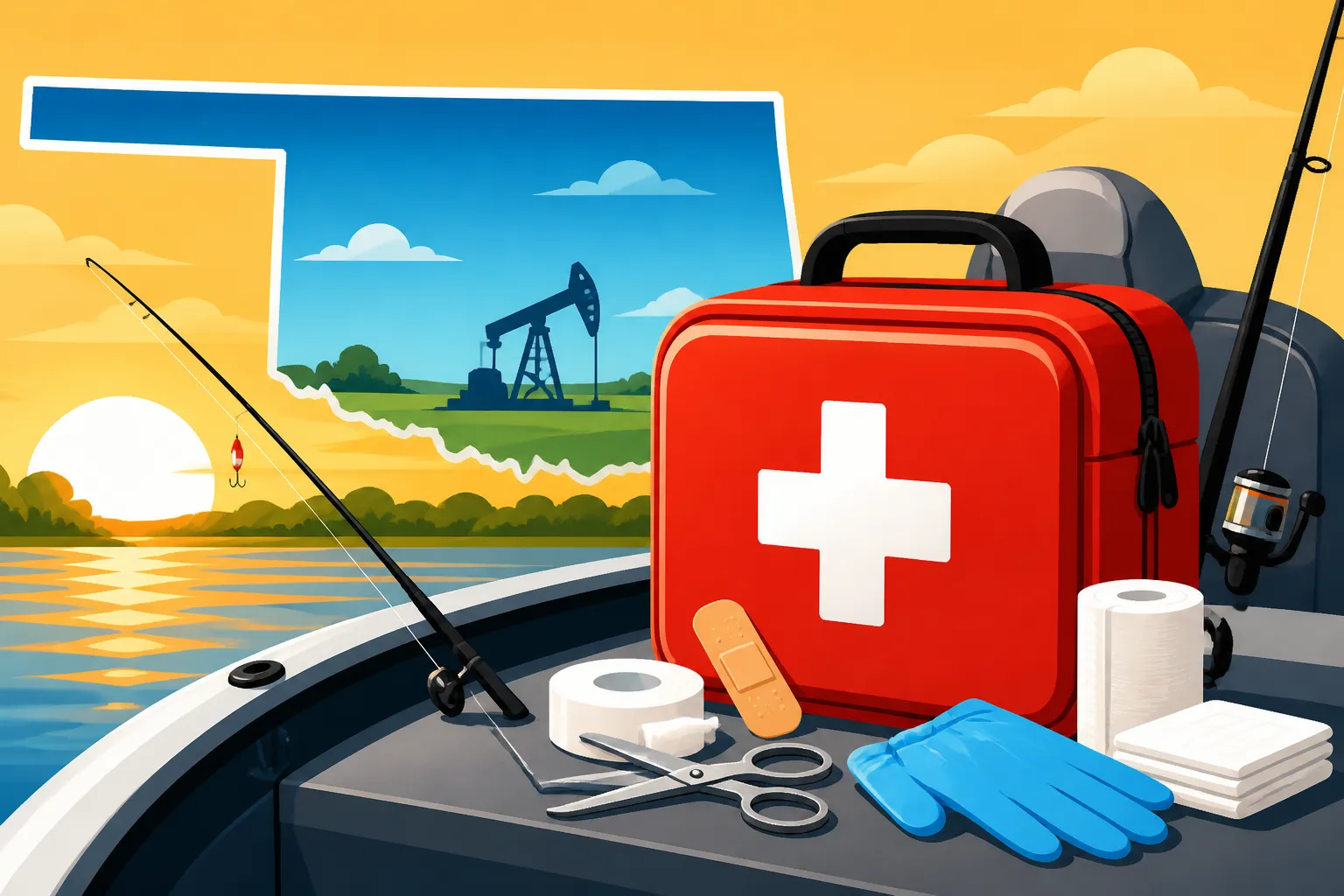
- Highly Visible: A brightly colored container (think red, orange, or high-visibility yellow) makes it stand out, even in low light conditions or a chaotic situation. Don't hide it in a neutral-colored bag that blends into your boat's interior. Label it clearly with "FIRST AID" in large, waterproof lettering.
Think about common scenarios. If someone gets a hook in their hand, can you reach the kit quickly from your position? If you're How to Anchor a Boat for Better Fishing and the anchor slips, causing a scrape, is the kit within easy reach? Many anglers store their kits near the helm, in a dry storage locker, or under a seat that's easily lifted. The key is that it should become second nature to know exactly where it is.
Maintaining and Customizing Your First Aid Kit
A first aid kit isn't a "set it and forget it" item. It's a dynamic tool that needs regular attention to ensure it's always ready when you need it.
Regular Checks and Replenishment
After every trip, or at least monthly during peak fishing season, make it a habit to check your first aid kit. This means:
- Replacing Used Items: Did you use a few band-aids? Replenish them. Did you break out the antiseptic wipes? Put new ones in. Don't let your stock dwindle to nothing. You never know what the next trip might bring.
- Checking Expiration Dates: Many medical supplies have expiration dates – ointments, wipes, pain relievers, even some types of bandages. Routinely go through and replace anything that's expired. Expired medications can lose their potency, and sterile dressings might not be so sterile anymore.
- Inspecting Contents for Damage: Is the medical tape still sticky? Are the gauze pads still clean and dry? Are your pliers showing signs of rust? The harsh marine environment can degrade supplies over time. Replace anything that's compromised.
- Recharging or Replacing Batteries (if applicable): If your kit includes a small flashlight or other battery-operated tools, check the batteries regularly.
A good practice is to create a simple inventory list and keep it inside your kit. As you use or replace items, mark them off or update the list. This makes restocking easier, especially if you shop at places like Bass Pro Shops or Amazon, where you can quickly reorder specific items. Think of it like pre-trip planning for your tackle – just as you'd check your lures, check your life-saving supplies.
Personalizing for Your Crew and Fishing Style
Every angler and every boat is a little different, and your first aid kit should reflect that.
- Consider Your Crew: Who typically fishes with you? If you often have kids on board, you might want extra supplies for minor cuts and scrapes, or kid-friendly bandages. If you fish with older family members, consider any specific medical conditions they might have (e.g., blood thinners that make bleeding worse, specific allergy medications). While everyone should carry their own personal medications, having a general awareness and perhaps a note in the kit about common issues could be helpful.
- Assess Your Fishing Style and Location: Are you primarily Bank Fishing Techniques from accessible spots, or do you head out on your Best Fishing Boats for Oklahoma's Big Reservoirs to remote areas? The further you are from immediate help, the more comprehensive your kit needs to be. If you're a paddlefish snagger on Grand Lake, dealing with potentially large, thrashing fish might mean you need heavier-duty bandages or stronger antiseptic than if you're just fly fishing for trout in a calm stream.
- Add Personal Touches: Don't be afraid to add items that aren't on a standard list but make sense for your specific needs. This could be extra blister pads if you hike to your fishing spots, specialized eye drops, or even a small notebook and pencil to record details of an incident. The goal is to make the kit genuinely useful and tailored to your adventures.
Remember, the best first aid kit is the one you have, it's accessible, and it's well-maintained. Don't skimp on this essential piece of gear. It's an investment in your safety and peace of mind on the water.
This article is for general informational purposes only and does not constitute professional advice. Laws, prices and regulations vary by location and change over time. Consult a qualified professional for guidance on your specific situation.