Where to Fish Without a Boat Near Oklahoma City
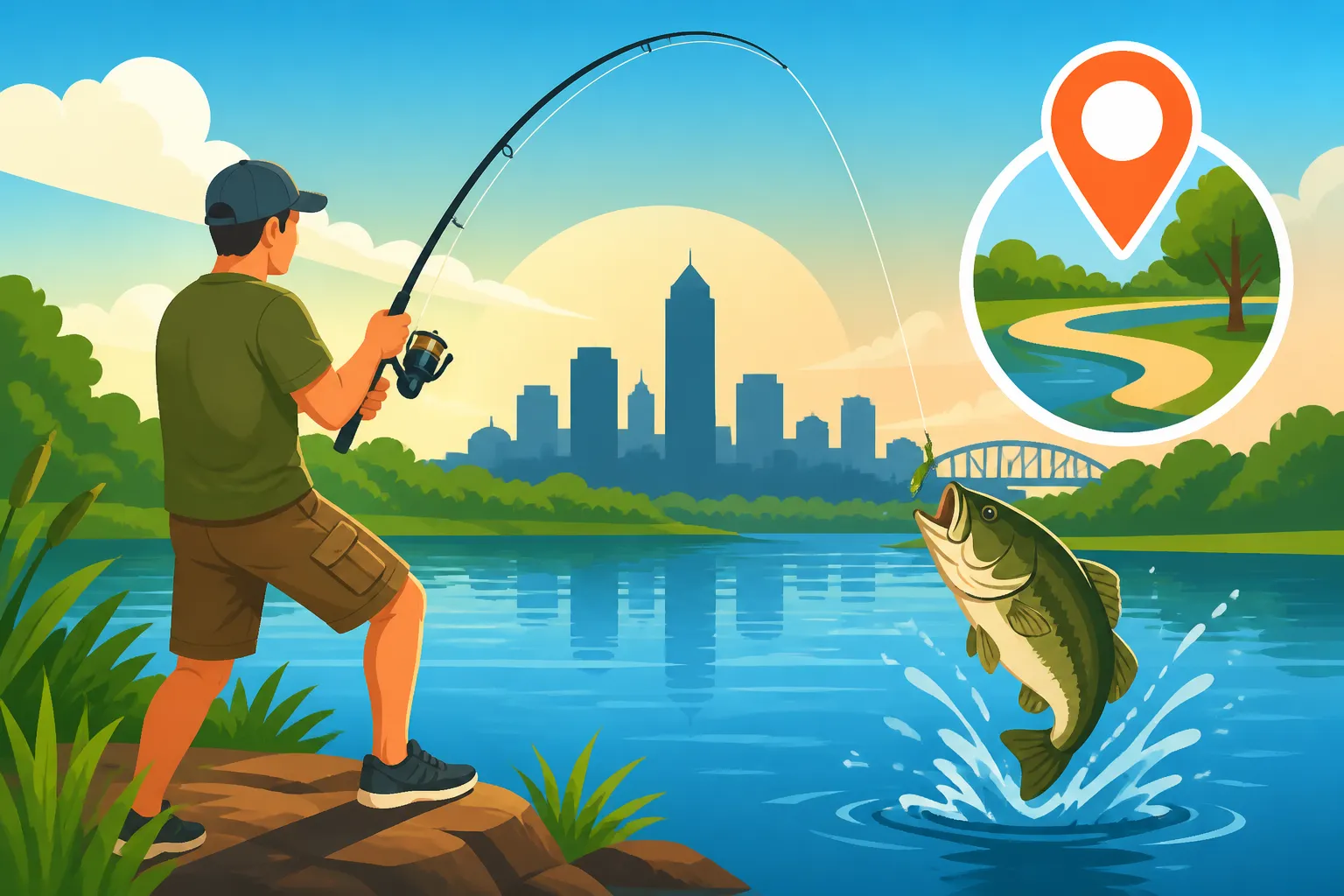
It’s a common frustration: you live in or around Oklahoma City, you have that itch to cast a line, but you just don’t have a boat. The thought of needing a pricey vessel to access the best fishing spots can be really discouraging, making you feel like the prime waters are always just out of reach. But I'm here to tell you that’s simply not true! This comprehensive guide is all about empowering you, the bank angler, by unveiling the fantastic, accessible fishing opportunities right here near OKC, proving you can have incredible success without ever stepping foot in a boat.
Embracing Bank Fishing Opportunities Near OKC
Let's face it, the idea that "you need a boat to catch fish" is a myth that keeps far too many aspiring anglers on the sidelines. Especially in a city like Oklahoma City, surrounded by large reservoirs, it’s easy to feel like you’re at a disadvantage without a motor and a depth finder. But as a seasoned angler and a lifestyle blogger who has spent countless hours fishing from shore, I can tell you that some of my most memorable catches have come from solid ground. Bank fishing isn't just about convenience; it's about simplicity, connection to the environment, and a focus on fundamental angling skills that can be incredibly rewarding. You get to scout your spots on foot, enjoy the quiet, and find those hidden gems that boaters might zoom right past.
Lake Hefner: A Go-To Urban Fishery
When people think of fishing in Oklahoma City, Lake Hefner is almost always one of the first names that comes to mind, and for good reason. Located on the northwest side of the city, this large reservoir is a true urban oasis for anglers without a boat. The lake is ringed by parks and public access points, making it incredibly easy to find a spot to cast from shore. You'll find everything from dedicated fishing jetties to miles of walking trails that hug the shoreline, offering numerous places to set up shop. Places like Stars and Stripes Park on the east side, or the areas along the Bert Cooper Trails, provide excellent bank access.
Lake Hefner is particularly renowned for its robust populations of catfish, with both blue and channel catfish growing to impressive sizes. It’s not uncommon to pull out a hefty blue cat right from the bank, especially in the evenings or after a good rain. Beyond catfish, you can also target white bass, which make exciting runs closer to shore, especially in the spring. Largemouth bass, crappie, and even the elusive saugeye can be caught here, though they might require a bit more patience and specific techniques. For more specific details on what you can catch and where, you might want to check out some resources on other Fishing Spots Near Oklahoma City. When fishing for catfish from shore, consider using stink baits, cut bait, or even chicken livers. For white bass, small spinners or jigs can be incredibly effective when they're schooling.
Lake Overholser: Another Accessible City Gem
Just west of downtown Oklahoma City, Lake Overholser offers another fantastic and often less crowded option for bank anglers. While perhaps not as famous as Hefner, it provides excellent opportunities, particularly for those looking to target catfish and white bass. The lake is easily accessible from Lake Overholser Drive, which runs along much of its shoreline, allowing for quick stops and convenient parking near various fishing points. There's also a popular fishing pier that extends into the lake, giving anglers access to deeper water without needing a boat. The areas around the historic Lake Overholser Dam can be hotspots, especially during the spring white bass runs, as fish congregate there before moving upstream.
Bank fishing at Lake Overholser tends to be a bit more laid-back, perfect for a relaxed afternoon. You'll find it's a popular spot for families, partly because of its ease of access and the likelihood of catching some fish. For catfish, simple bottom rigs with worms, punch bait, or cut bait work wonderfully. If you're after crappie, small minnows under a bobber cast near any submerged structure or brush piles will often yield results. It’s a great place to practice simpler fishing setups and enjoy the quiet solace that can be surprisingly found within city limits. Don't forget to keep an eye on the local fishing reports, as they can give you a heads-up on what’s biting and where.
Oklahoma River and Local Ponds: Hidden Urban Treasures
Beyond the major reservoirs, the Oklahoma River and numerous smaller community ponds scattered throughout the metro area are absolute goldmines for the intrepid bank angler. The Oklahoma River, while primarily known for kayaking and rowing, has several spots where bank access is feasible, particularly in certain park areas downtown and further upstream. These river sections can be excellent for catfishing, carp, and even some species of sunfish. You'll find that river fishing offers a different dynamic than lake fishing, often with currents and more diverse structures to explore.
Then there are the ponds – countless small impoundments found within city parks, suburban developments, and even some larger green spaces. While often overlooked, these ponds are frequently stocked by the Oklahoma Department of Wildlife Conservation (ODWC) with catfish and various panfish like bluegill and sunfish, making them perfect for a quick trip or for introducing kids to fishing. Lake Stanley Draper, for example, has smaller ponds surrounding it, as do many local community parks in areas like Edmond, Norman, and Moore. These spots are fantastic because they're typically less crowded, offer a peaceful escape, and are often just a few minutes' drive from home. For families, these ponds are unbeatable, offering easy catches and a relaxing environment. If you're looking for simple, rewarding experiences, especially with youngsters, exploring these often-overlooked spots can lead to some truly memorable days. It's a great way to learn about Best Beginner Fish for Kids Just Starting Out.
Essential Gear for the Shoreline Angler
One of the beautiful things about bank fishing is how little gear you truly need compared to setting up a fully-rigged boat. It’s about being smart, portable, and versatile. You don’t need the latest sonar or an array of specialized rods; a few key items will get you on the fish and make your experience enjoyable and productive. Think about what you can comfortably carry and what will allow you to adapt to different scenarios.
Rods, Reels, and Line
For the bank angler, versatility is king. A good all-around setup will serve you well across most of Oklahoma City's accessible fishing spots. My personal recommendation is a medium-action spinning rod, typically in the 7 to 8-foot range. This length provides excellent casting distance, which is crucial when you’re trying to reach deeper water or cover more area from shore. It also has enough backbone to handle a decent-sized catfish or bass, while still being sensitive enough to detect subtle bites from crappie or sunfish. Pair this with a reliable spinning reel spooled with 8-12 pound monofilament line, or for a bit more sensitivity and strength, a 15-20 pound braided line with a fluorocarbon leader. Braided line is fantastic for cutting through wind and getting extra distance, which can make all the difference when you're land-locked.
If you plan on targeting larger species exclusively or frequently fish on the really wide-open sections of Lake Hefner, a longer surf rod (9-12 feet) can be an excellent addition. These allow for even greater casting distance, letting you reach those distant humps or drop-offs that might hold bigger fish. However, for general purpose fishing, that medium-action spinning combo is your workhorse. If you're looking to target panfish like crappie, a lighter action rod, perhaps 6 feet long, can be great for finesse presentations. Consider exploring options for a Best Rod and Reel Combo for Crappie Fishing if panfish are your primary target.
Basic Tackle Box Essentials
You don't need to haul a massive, multi-tray tackle box to be successful from the bank. A smaller, well-organized tackle bag or backpack can easily hold everything you need. Here's a rundown of the essentials:
- Hooks: Pack a variety of sizes. You'll want small bait holder hooks (size #6 to #2) for worms and panfish, medium-sized circle hooks (size 1/0 to 3/0) for catfish with cut bait, and perhaps some wide gap hooks (2/0 to 4/0) for plastics if you plan on targeting bass.
- Sinkers: Egg sinkers are fantastic for bottom fishing with live or cut bait, allowing the line to slide through freely. Keep a range of sizes from 1/4 oz to 1 oz. Split shots are perfect for weighting down a bobber rig or adding subtle weight to a Texas rig.
- Floats/Bobbers: Both fixed and slip bobbers are useful. Fixed bobbers are great for shallower water or when you need a visual bite indicator. Slip bobbers are invaluable for fishing deeper water, as they allow you to set your bait at a precise depth without having to cast a fully extended rig.
- Baits: This is where you can really simplify. Live worms (nightcrawlers, red wigglers) are universal bait for almost any freshwater species. For catfish, bring some chicken livers, pre-made punch bait, or prepare some cut bait from shad if you can find it. If you're targeting crappie, live minnows are hard to beat. For artificials, a few small jigs (1/16 to 1/8 oz) in various colors (chartreuse, white, black), a couple of spinnerbaits, and a small crankbait or two will cover most bass and white bass scenarios. Having a good variety of Best Bait for Crappie in Oklahoma and Best Bait for Catfish in Oklahoma Lakes and Rivers can drastically improve your success.
- Tools & Extras: Don't forget a good pair of pliers (for hook removal), a small knife, a stringer or a small cooler to keep your catch fresh, a measuring tape (to check legal sizes), and a small first-aid kit for minor cuts.
Mastering Bank Fishing Techniques
Just because you're on shore doesn't mean you're limited to passively waiting for a bite. Effective bank fishing involves strategy, observation, and applying the right techniques for the conditions and target species. Think of yourself as a hunter, stalking the edges of the water and understanding what makes fish move and feed.
Reading the Water from Shore
This is arguably the most crucial skill for any angler, especially one without a boat-mounted fish finder. From the bank, you need to use your eyes and intuition to identify prime fishing spots.
- Look for Structure: Fish love cover and structure. Scan the shoreline for submerged trees, fallen logs, rock piles, old dock pilings, or sudden drop-offs visible in clearer water. Weed lines, especially those with pockets or edges, are also magnets for bass and panfish. These are ambush points or places for fish to hide from predators and the sun.
- Identify Current and Inflows: If you’re near the Oklahoma River or a lake with an incoming creek, pay attention to current. Fish will often hold just out of the main current, waiting for food to be swept by. Areas where smaller streams or culverts enter the main body of water can be very productive, especially after a rain.
- Observe Fish Activity: Watch for any signs of fish life – jumping fish, ripples on the surface that might indicate schooling baitfish, or even subtle swirls that could be a feeding bass. Birds diving into the water can also signal baitfish activity, which means predators are likely nearby. Early morning and late evening light conditions often make it easier to spot these subtle signs.
- Understand Depth Changes: While harder to see from shore, steep banks often indicate deeper water close to the edge. Gradual slopes mean you'll need to cast further to reach significant depth. Using a simple casting sinker to 'feel' the bottom can give you an idea of depth changes and bottom composition.
Common Bank Fishing Rigs and Strategies
Once you’ve identified a promising spot, it's time to apply the right technique.
- Bottom Rigging: This is a go-to for catfish and often works well for carp. A classic bottom rig involves an egg sinker (allowing the line to slide) above a barrel swivel, with a 12-18 inch fluorocarbon leader tied to a circle hook. Cast it out, let it sink, and keep a semi-slack line in a rod holder, waiting for the gentle tugs that indicate a catfish is mouthing the bait. This technique is easily mastered and incredibly effective, especially when you understand How to Bottom Fish for Catfish.
- Slip Bobber Rig: When crappie or bluegill are suspended over structure or in slightly deeper water, a slip bobber rig is your best friend. This setup allows you to cast your bait (often a minnow or small jig) to a precise depth, which is crucial for these depth-sensitive fish. The bobber slides freely on your line until it hits a small stopper knot, which you can adjust to set your desired depth. Cast it out, let it settle, and watch for that bobber to disappear! If you’re targeting crappie in cooler months, learning How to Jig for Crappie in Spring can make a huge difference, even from the bank.
- Casting and Retrieving: For active predators like bass and white bass, casting lures and retrieving them with various actions is key. Spinnerbaits, crankbaits, and soft plastics (like Texas-rigged worms or Senkos) are excellent choices. Fan cast to cover as much water as possible, varying your retrieve speed and depth until you find what the fish are responding to. Look for points, coves, and areas where baitfish might be congregating.
Remember, patience is truly a virtue in bank fishing. Don't be afraid to move if a spot isn't producing, and always observe how others are fishing successfully around you.
Maximizing Your OKC Shore Fishing Experience
Fishing without a boat is about more than just finding a spot and catching fish; it's about making the most of the entire experience. It’s an opportunity for tranquility, connection with nature, and honing skills that are often overlooked by boat-bound anglers.
Safety and Comfort
Just because you're on solid ground doesn't mean you can skip safety and comfort. A long day of fishing can quickly become miserable if you're unprepared.
- Sun Protection: Oklahoma sun is no joke, especially during the warmer months. Always bring and use sunscreen, wear a wide-brimmed hat, and consider long-sleeved, breathable shirts to protect your skin.
- Hydration: Keep plenty of water on hand. Dehydration can sneak up on you, even on cooler days.
- Seating: A lightweight, portable folding chair can make hours of waiting much more comfortable. Trust me, your back and legs will thank you.
- Bug Protection: Depending on the season and location, mosquitoes and other biting insects can be a real nuisance. A good bug spray is essential.
- Weather Awareness: Always check the forecast before you head out. Oklahoma weather can change rapidly, and being caught in a sudden storm or extreme heat/cold can be dangerous.
- Environmental Awareness: Be mindful of your surroundings. Snakes, spiders, and other wildlife are part of the natural environment, so watch where you step and reach. Uneven terrain near shorelines can also pose tripping hazards. Let someone know where you're going and when you expect to return. For general preparedness, having a basic Safety Gear Checklist for a Day on an Oklahoma Reservoir isn't just for boaters.
Leveraging Technology and Resources
Even without a boat, there are plenty of tools and resources at your disposal to enhance your bank fishing adventures.
- Fishing Apps: Many smartphone apps provide invaluable information, including maps of lakes with marked access points, current weather conditions, moon phases, and even local fishing reports. Some apps also allow you to mark your own productive spots, helping you build a personal database of "honey holes."
- ODWC Website and Publications: The Oklahoma Department of Wildlife Conservation website is your best friend for up-to-date information on Oklahoma Fishing Regulations You Need to Know in Oklahoma, stocking schedules for local ponds, and general fishing conditions. They often have dedicated sections for local lakes and public access areas. Always double-check current bag and size limits for the species you're targeting.
- Local Bait Shops: Never underestimate the knowledge of your local bait shop owner! These folks are often on the water or talking to anglers every day. They can provide real-time advice on what's biting, what baits are working, and even steer you toward specific bank fishing spots that are hot. Supporting local businesses is a win-win.
- Online Forums and Social Media Groups: Connect with other local anglers through online forums or Facebook groups dedicated to Oklahoma fishing. You can learn a tremendous amount from experienced bank anglers, get tips on new spots, and share your own successes.
- Consider a Guide (Even from Shore): While this guide focuses on unguided fishing, if you're struggling to crack the code on a particular species or lake from the bank, consider hiring a local guide for a few hours. Many guides are happy to share their knowledge of bank fishing tactics, helping you understand how to approach specific areas without a boat. Platforms like FishingBooker can help you find local guides in the OKC area who are experts in these waters and can provide invaluable one-on-one instruction, often from shore or in very accessible areas. They can teach you the subtle nuances of Oklahoma Fishing Seasons: A Month-by-Month Guide as they pertain to bank fishing.
The beauty of fishing without a boat near Oklahoma City is that it truly opens up a world of accessible adventure. With the right mindset, a bit of preparation, and knowledge of these local gems, you’ll be pulling in impressive catches and making lasting memories right from the shoreline.
| Fishing Spot | Primary Species (Bank Access) | Best for Anglers Looking For | Key Bank Access Points | Recommended Bank Technique |
|---|---|---|---|---|
| Lake Hefner | Catfish (Blue/Channel), White Bass, Bass | Large, diverse fishery with good amenities | Stars and Stripes Park, Bert Cooper Trails, fishing jetties | Bottom rig for catfish, jigs/spinners for white bass |
| Lake Overholser | Catfish, White Bass, Crappie | Quieter, family-friendly, good pier access | Lake Overholser Drive, fishing pier, dam area | Bottom rig for catfish, slip bobber for crappie |
| Oklahoma River | Catfish, Carp, Sunfish | Riverine experience, urban adventure | Downtown river access points, park areas | Bottom rig for catfish, worms for carp |
| Local Community Ponds | Catfish, Bluegill, Sunfish | Quick trips, beginner-friendly, family fishing | Various city parks (check ODWC stocking reports) | Worms under bobbers, simple bottom rigs |
Disclaimer
Fishing regulations, license requirements, and local conditions can change. Always consult the Oklahoma Department of Wildlife Conservation (ODWC) website or official publications for the most current information before heading out on your fishing trip. Ensure you have the proper licenses and adhere to all bag and size limits.